Is There a Train to Trieste?
Yes, there is a train to Trieste, Italy: how Trieste Centrale and the airport station work, which routes run, and how to get around the city once your train arrives.
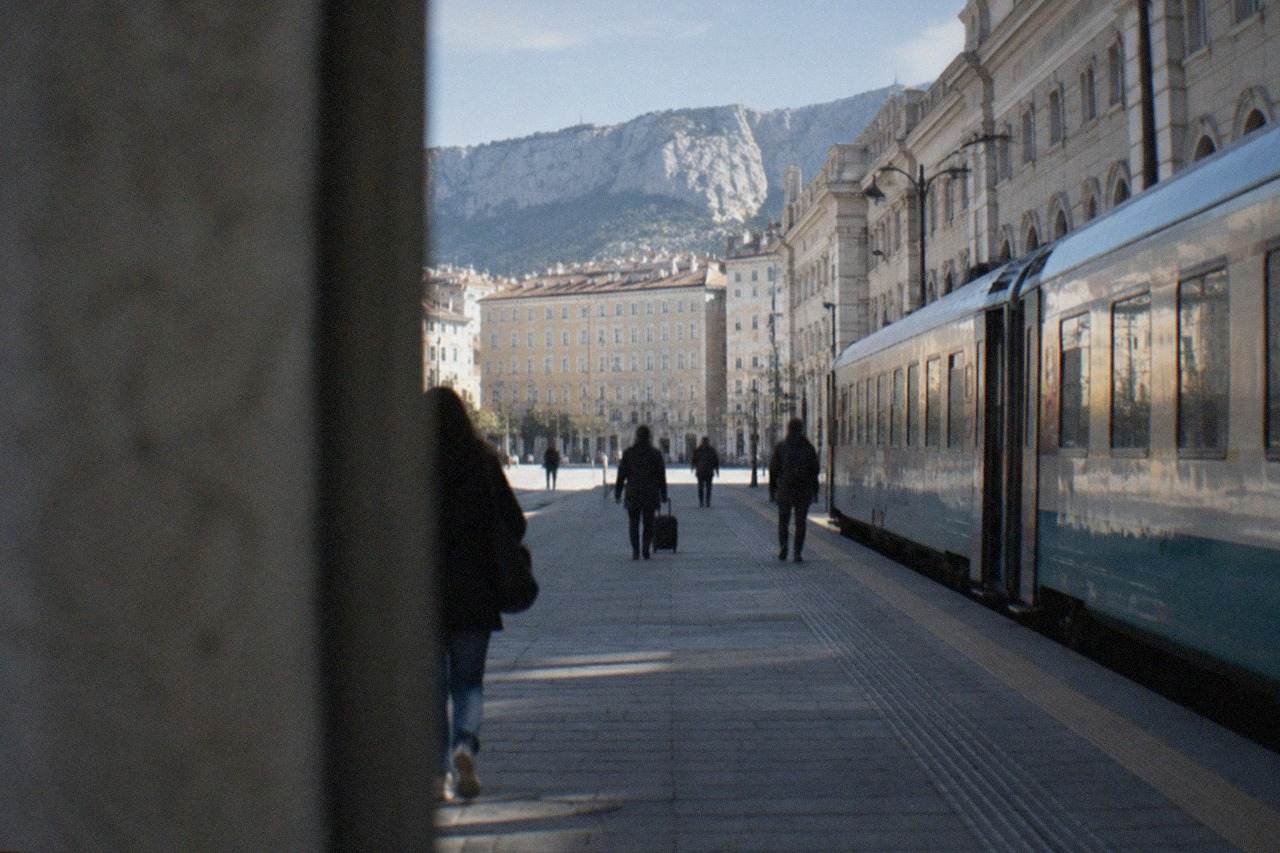
Trieste, the Adriatic port city in Friuli Venezia Giulia in the northeast corner of Italy, is not only reachable by train, it is the terminus of its own main line, and the question "is there a train to trieste?" has a straightforward answer with a few useful details attached. The city's principal station is Trieste Centrale, and the airport at Ronchi dei Legionari has a station of its own joined to the terminal by a covered walkway. Between them they cover almost every way you might arrive by rail, from a regional hop across Friuli to a long-distance ride down from Venice or beyond.
Is There a Train to Trieste?
Yes, there is a train to Trieste in Italy. The city's main station is Trieste Centrale, and the airport at Ronchi dei Legionari has its own station connected to the terminal by a covered walkway of roughly 400 metres, served by regional, Intercity and high-speed Frecciarossa trains as well as some international services. Tickets are sold by Trenitalia online, from machines and at stations, so no part of the journey needs a car.
That is the short version. The longer version is that Trieste sits at the far end of the Venezia-Trieste line, which means almost every train that serves the city arrives from the direction of Venice and the Venetian plain. The station itself is a handsome, functional terminus close to the centre, and the city that greets you outside it is compact and walkable, with the sea a few streets away. If you are planning the wider rail picture, our page on Trieste's station and rail connections goes deeper into the building, its facilities and its position relative to the waterfront.
One thing worth knowing before you book anything: rail travel in this corner of Italy is subject to maintenance and schedule changes like anywhere else, and the operator's own infomobility pages are the place to check the day before you travel. Do not rely on a timetable you found in a forum post from two years ago. The live sources are the ones that matter.
Where Do Trains to Trieste Italy Arrive?
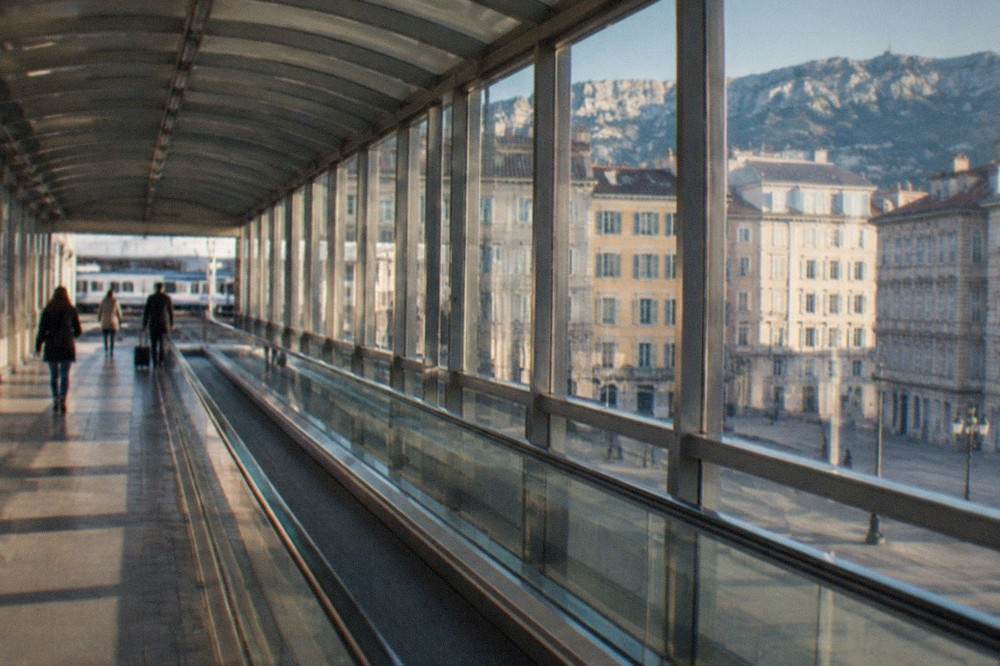
Almost all trains to Trieste, Italy terminate at Trieste Centrale, the city's main station, which sits within easy reach of the historic centre and the cruise port on foot. The airport at Ronchi dei Legionari is a separate station stop on the same rail network, linked to the terminal by a covered pedestrian walkway with moving walkways, roughly 400 metres end to end.
Trieste Centrale is the station you will use if you are coming from Venice, Udine or anywhere on the Venetian plain. It is a terminus, which has a practical advantage for visitors: every train that arrives here has finished its journey, so there is no scramble to get off in three seconds or risk being carried on to somewhere you did not plan to be. You step down, you gather yourself, you walk out.
The station's position is the other advantage. The waterfront, the Grand Canal and the great open square of Piazza Unità d'Italia are all in the part of the city the station serves, and readers planning a shore visit often ask whether the station and the cruise terminal are close together. The answer is on our page about walking from the cruise port to the train station, which covers the route in detail. For now, the headline is that you do not need a taxi to bridge the two.
Once you are off the train and standing in Trieste, the question stops being about railways and starts being about what to do with your day. A lot of visitors answer it with a guided walk or a bus loop, and the three options below are the ones this site recommends most often to people stepping off a train.
Can You Fly Into Trieste Italy and Catch a Train?
Yes. Trieste Airport at Ronchi dei Legionari has its own railway station, joined to the terminal by a covered pedestrian walkway of roughly 400 metres with moving walkways, and it is served by regional, Intercity and Frecciarossa trains as well as some international services to and from Villach and Ljubljana. From there, regional trains run on towards Trieste Centrale in the city.
This is one of the quietly excellent features of flying into Trieste. Many small Italian airports dump you onto a bus and leave you to it. This one has a genuine station attached to the terminal, so the transfer from baggage reclaim to platform is a walk under cover, not a shuttle gamble. The airport's own service charter describes the link, and it is the reason a fly-and-rail itinerary into the city works without hiring a car.
The practical detail to hold onto is that you have two options from the airport: the train from the airport station, or the buses that depart from the intermodal hub beside the terminal. The train is the calmer of the two, and the station's ticket machines and Trenitalia's website cover the purchase. Exact journey times to Trieste Centrale vary by service, so check the operator's own planner for the train you intend to catch rather than trusting a fixed number quoted anywhere else, including here.
How Do You Reach Trieste Italy by Train from Venice?
The standard rail route to Trieste, Italy from Venice runs along the Venezia-Trieste line, with regional, Intercity and high-speed services covering the corridor, and the journey ends at Trieste Centrale. Tickets are sold by Trenitalia online, via its app and from machines at both ends, and the line's works and replacements, where they exist, are listed on the operator's infomobility pages.
Venice is the most common starting point for a rail arrival into Trieste, whether you are connecting from a Venice holiday or from Venice Marco Polo airport by way of Venice Mestre. Our dedicated guide to the Venice to Trieste train covers the route, the ticketing and the practicalities in full, and there is a shorter answer page on whether there is a high-speed train from Trieste to Venice for readers who want the quick version.
The one caution specific to this line is that it carries maintenance work in the way busy Italian corridors do, and the operator publishes bus replacements when a stretch is closed. That is not a reason to avoid the train, it is a reason to check the live notices the day before. The rest of the journey is simple: one line, one direction, one terminus.
Can You Travel by Train from Trieste to Slovenia or Croatia?
Yes, cross-border rail travel from Trieste is possible, with international services on the network running to and from Villach and Ljubljana, and Slovenia, Croatia and Italy all using the euro and all belonging to Schengen. However, Italy is running temporary border checks on its land border with Slovenia from 19 June 2026 to 18 December 2026, so carry a passport or national ID card.
The currency question is the one people get wrong. There is no money to change anywhere on this itinerary: Slovenia adopted the euro on 1 January 2007, Croatia adopted the euro and joined Schengen on the same day, 1 January 2023, and Italy of course uses it too. What Schengen does not currently mean on this particular border is "no checks at all", because the European Commission's register lists temporary Italian controls on the Slovenia land border through 18 December 2026. Write that in your notes as a dated situation, not a permanent one.
For readers mapping the wider rail web from Trieste, our answer page on where you can go from Trieste by train collects the options, including the question of whether there is a train from Trieste to Croatia.
Do You Need a Car Once You Arrive by Train in Trieste?
No. Trieste's urban network covers the city with buses and the Opicina tram, line 2, which was reactivated on 1 February 2025 and runs from piazza Dalmazia to Opicina; a 60-minute urban single costs €1.50, a 75-minute single €1.85 and a day ticket €3.35, and contactless bank cards can be tapped on board. The historic centre is walkable on top of that.
Those fares come from the operator's 2026 urban tariff sheet, dated 29 December 2025, and they are the numbers to plan around. Singles are valid for 60 or 75 minutes, extended to 240 minutes on Sundays and public holidays, and a carnet of 10 rides is listed at €13.50 if you are staying a while. The contactless readers on board apply the cheapest applicable fare, which removes most of the fumbling at the start of a trip.
| Ticket | Validity | 2026 Price |
|---|---|---|
| Urban single (U01) | 60 minutes | €1.50 |
| Urban single (U02) | 75 minutes | €1.85 |
| Day ticket (U24) | One day | €3.35 |
| 10 rides (U10) | Ten journeys | €13.50 |
| 20 rides (U20) | Twenty journeys | €16.65 |
The tram deserves its own sentence because almost every older guide gets it wrong. The tram de Opicina was suspended after the August 2016 collision and reactivated on 1 February 2025, and its current timetable is dated 20 July 2026. Its city terminus is piazza Dalmazia, not piazza Oberdan, and a standard urban ticket is valid on it. The operator's homepage carries the live status, and that is the place to check on the morning you plan to ride it, because a heritage funicular-tram hybrid will always have the occasional maintenance day.
If you would rather someone else handle the sightseeing logistics on your first day, the bus tour below is the site's standard recommendation for rail arrivals: it is short, it loops past the waterfront and the main squares, and it requires no timetable study at all.
You can Check availability on the operator's live listing, or read the fuller description on our page about the Trieste bus tour with audio guide.
Between the urban buses, the tram and your own two feet, the city is covered, and the same is true of the tours: the three picks below are the ones this site points rail arrivals at most often, whether you want the bus loop, a deep-dive heritage walk or a trip out to the giant cave on the Carso.
Common Questions About Trains to Trieste
Is there a train to Trieste?
Yes. Trieste Centrale is the city's main station and the terminus of the Venezia-Trieste line, and Trieste Airport has its own station linked to the terminal by a covered walkway of roughly 400 metres, served by regional, Intercity and Frecciarossa trains and some international services.
Does Trieste have a train station?
Yes, Trieste Centrale, close to the historic centre and within reach of the cruise port on foot. The airport at Ronchi dei Legionari has a second station attached to the terminal.
How long is the train from Trieste to Ljubljana?
International services towards Ljubljana and Villach run on the network serving Trieste's airport station, but journey times vary by service and should be checked on the operator's own planner rather than any fixed number quoted elsewhere.
Do I need a passport to take a train from Trieste to Slovenia or Croatia?
Carry one. All three countries are in Schengen and use the euro, but Italy is running temporary border checks on its land border with Slovenia from 19 June 2026 to 18 December 2026, so ID can be asked for even on a routine crossing.
Can I buy Trieste city transport tickets on board?
Yes. Contactless bank cards and digital wallets can be tapped on the readers on board, and the system applies the cheapest applicable fare. A 60-minute single is €1.50 and a day ticket is €3.35 in the 2026 tariff.
Is the train ride from Venice to Trieste scenic?
The route runs down the Venetian plain to the Adriatic, and opinions on the views differ by stretch and by season, so it is best treated as a practical connection rather than a sightseeing run.
So the answer to the question this page exists for is a plain yes, and the useful part is the shape of that yes: one terminus station in the centre, one station bolted to the airport, a line down from Venice, international connections towards Slovenia and Austria, and a city at the end of it that is small enough to walk and wired well enough that you may never need a car at all. This Trieste Travel Guide page is one of a set covering every rail angle into the city, and the pages linked above fill in the rest.