How Do You Get to Trieste, Italy from the Us?
How to reach Trieste, Italy from the United States: flying into Trieste Airport via a European hub, the Venice train alternative, airport-to-city transfer, and what to sort out before you fly.
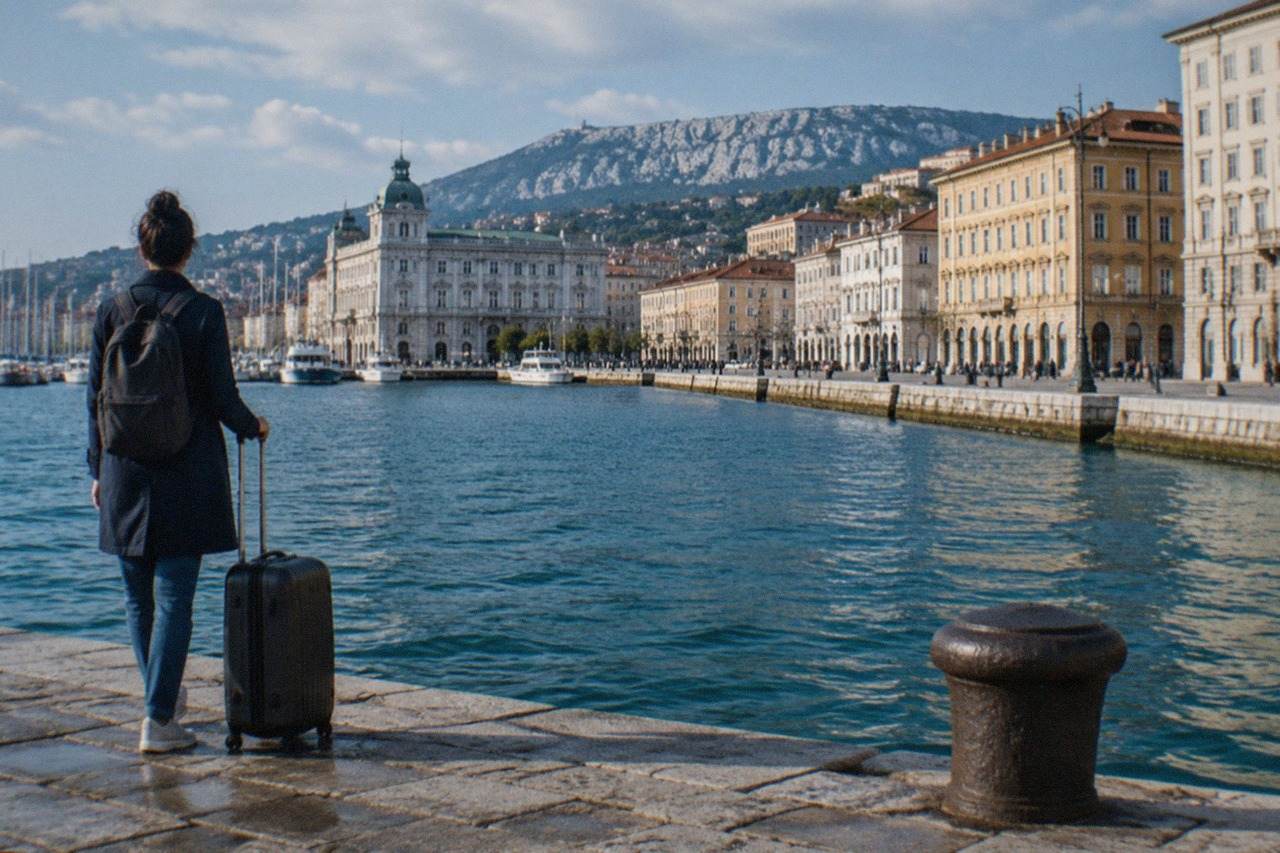
Trieste, the Adriatic port city in Friuli Venezia Giulia in northeast Italy, has no nonstop flights from the United States, so every route from the US runs through a European hub. The good news is that the city is easier to reach than its reputation suggests: it has its own airport with a railway station attached, and it sits on a main Italian rail line with high-speed service from Venice. This page lays out the two routes that work, the transfer from the airport into the centre, and the paperwork details that trip up transatlantic visitors.
How Do You Get to Trieste, Italy from the Us?
The practical answer is a two-step journey: fly from the US to a European hub such as Munich, Frankfurt, Zurich, Rome or Milan, then take a connecting flight to Trieste Airport (TRS) at Ronchi dei Legionari, which has its own railway station joined to the terminal by a covered walkway of roughly 400 metres. The alternative is to fly into Venice and take a high-speed or regional train east to Trieste Centrale, a route served by Trenitalia.
Neither step is exotic. Trieste Airport handles regional, Intercity and Frecciarossa trains, and some international services, so the last leg of the journey can be a short regional ride rather than another flight. The Venice route suits travellers who want to combine the two cities or who find better fares into Marco Polo. The dedicated Trieste airport guide for US flyers covers the airport itself in more detail.
Timing matters more on this route than on most. Because the transatlantic leg lands in the morning at most European hubs and the Trieste connection is a short onward flight or train ride, the whole journey can be done in one calendar day from the US East Coast, with arrival in Trieste in the evening. From the West Coast, the same routing usually means an overnight in the hub city or a very early start, and many travellers prefer to break the journey deliberately. Trieste rewards an unhurried arrival: the seafront, the caffè culture and the evening passeggiata along the Rive are part of what the trip is for.
Which Route Into Trieste, Italy Works Best from the US?
Flying into Trieste Airport via a European hub is the most direct route, because the airport's own station removes the need for a road transfer: a covered walkway with moving walkways connects the terminal to the platform. Flying into Venice and taking the train is usually the fallback when connections or fares into Trieste itself are poor, and it adds a city pair to the trip. Both end at Trieste Centrale or the airport, both are rail-served, and neither requires a car.
The decision usually comes down to fares and connections rather than geography. Trieste is close to Venice on the Italian rail network, and the Venice to Trieste train question is answered in full on its own page. What follows is a comparison of what each route involves, using only what the operators publish.
| Route | Last leg | What the operators confirm |
|---|---|---|
| US hub flight, then connect to TRS | Flight to Trieste Airport | Terminal joined to its own station by a covered walkway of roughly 400 m with moving walkways |
| US flight into Venice, then train | Rail to Trieste Centrale | Regional, Intercity and Frecciarossa services serve the Trieste line |
| US flight into Venice, then onward to the cruise port | Rail or transfer to Trieste | Covered on the Venice to Trieste cruise transfer page |
One caution that applies to any planning table: flight schedules and rail timetables change by season, so treat the route choice as a strategy and confirm the specific connection on the operator's own booking pages before committing. This site does not quote airfares or rail fares, because they move constantly and depend on dates. What can be said firmly is the shape of the decision: if the hub connection into TRS is clean and reasonably priced, take it, because the airport-to-city step is a train ride from a platform attached to the terminal. If the connection into TRS is awkward or expensive, Venice is a large, well-served airport whose rail link to Trieste is a standard Trenitalia booking.
How Do You Get from Trieste Airport to the City Centre?
Trieste Airport's railway station is directly connected to the terminal by a covered pedestrian walkway of roughly 400 metres with moving walkways, and it is served by regional, Intercity, Frecciarossa and some international trains toward Trieste Centrale. The bus alternative departs from the intermodal hub beside the terminal, with TPL FVG urban and regional lines calling there. No verified single fare or journey time for the airport-to-centre run is published on the operator pages this site checks, so confirm both on Trenitalia before travelling.
The airport's own service charter describes the walkway and the rail services, and the bus station sits about five minutes' walk from the terminal. That is the whole transfer picture: rail, bus, or a pre-booked private transfer, with nothing else needed for a city the size of Trieste. Once in town, the urban network is cheap and simple, and the 2026 tariff sheet published by Trieste Trasporti sets the prices below. The wider set of guides lives on Trieste Travel Guide.
| Ticket | Validity | 2026 price |
|---|---|---|
| Urban single (U01) | 60 minutes | €1.50 |
| Urban single (U02) | 75 minutes | €1.85 |
| Day ticket (U24) | one day | €3.35 |
| 10 rides (U10) | ten urban journeys | €13.50 |
| 20 rides (U20) | twenty urban journeys | €16.65 |
Single tickets run 60 or 75 minutes, extended to 240 minutes on Sundays and public holidays, and contactless bank cards can be tapped on board the Eva readers, with the system applying the cheapest applicable fare. The same urban tickets cover the Opicina tram, which runs from piazza Dalmazia, not piazza Oberdan, a detail most older guides get wrong. Arriving at Trieste Centrale itself is equally painless: the station sits at the edge of the Borgo Teresiano, the grid of Habsburg-era streets that holds much of the city's hotel stock, so the walk from platform to check-in is short for most visitors.
Is Flying Into Venice and Taking the Train to Trieste a Better Option?
Flying into Venice and taking the train to Trieste Centrale is the better option when the US-to-Venice fare or schedule beats the US-to-Trieste connection, and when the trip includes Venice anyway. The line carries high-speed Frecciarossa trains as well as regional and Intercity services, so the last leg is a standard Trenitalia booking. It is not better on pure simplicity: the TRS route avoids the transfer from Venice's airport to Venice's station, which the Venice route adds as an extra step.
The trade is fare-driven. Venice Marco Polo absorbs far more transatlantic capacity than Trieste's airport, so the pricing gap can be large enough to justify the extra hop. Travellers continuing to Trieste's cruise terminal have a separate set of logistics, covered on the page about getting from Venice city centre to the Trieste cruise port, and those simply visiting the city should read how many days you need in Trieste before booking anything.
What Should You Sort Out Before You Fly to Trieste, Italy?
US citizens need a valid passport for Italy, and the practical checklist is short: passport, euro cash or card, and an ID card carried on any day trip into Slovenia, because Italy is running temporary border checks on its land border with Slovenia through 18 December 2026 per the European Commission's register. Croatia and Slovenia both use the euro, so no currency change is needed anywhere on a Trieste-based trip.
Tourist tax in Trieste runs €1.50 to €3.80 per person per night, for up to five consecutive nights.
The border point deserves emphasis because it contradicts what many travellers assume about Schengen. The Commission's own register lists Italy's temporary controls on the Slovenia land border from 19 June 2026 to 18 December 2026, so a day trip to Piran or Ljubljana means carrying a passport or national ID, written as a dated and temporary measure rather than a permanent rule. Croatia joined Schengen and adopted the euro on the same day, 1 January 2023, so neither money-changing nor visa-stamping applies on that side either.
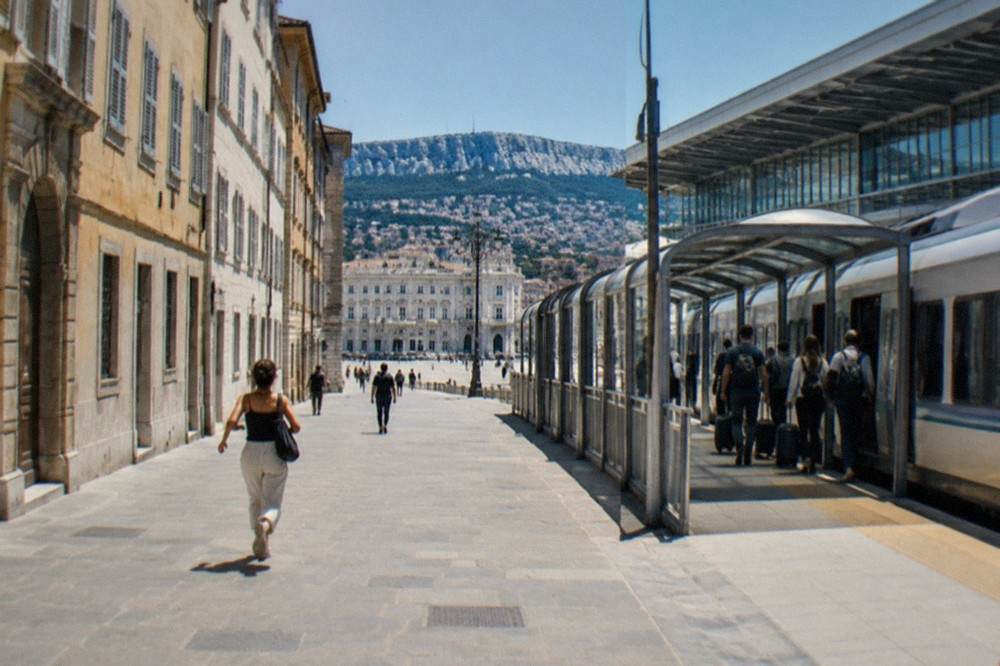
The tourist tax is the other item that surprises visitors, because it is charged at the property and not always shown in the headline booking price. The Comune di Trieste's 2026 rate table sets the bands below.
| Rate per person, per night | Accommodation category |
|---|---|
| €3.80 | 5-star hotel |
| €3.30 | 4-star hotel or equivalent self-catering |
| €3.00 | 3-star hotel or equivalent self-catering |
| €2.30 | 2-star hotel, B&B Superior, hostels and most short-let properties |
| €2.00 | B&B Comfort |
| €1.80 | 1-star hotel or B&B Standard |
| €1.50 | campsites and equipped motorhome areas |
Everyone under 18 is exempt, among other listed categories, and the charge stops after five consecutive nights in the same property.
One last planning note before the practical questions. Because Trieste's airport is small and its flight list is short, the single most useful thing a US traveller can do is book the whole journey as one ticket through a European hub rather than as separate purchases. A through ticket makes the hub airline responsible for missed connections, which matters when the Trieste leg is the thinnest link in the chain. Travellers building the trip around a cruise departure have a further set of timing constraints, and the page on the best way to get from Venice to Trieste addresses those directly.
Common Questions About Getting to Trieste, Italy from the US
How do you get to Trieste, Italy from the US?
Fly from the US to a European hub and connect to Trieste Airport (TRS), whose own railway station is joined to the terminal by a covered walkway of roughly 400 metres, then take a train to Trieste Centrale. The alternative is flying into Venice and taking a Trenitalia service east.
Does Trieste have its own airport?
Yes. Trieste Airport at Ronchi dei Legionari, code TRS, has its own railway station served by regional, Intercity, Frecciarossa and some international trains, plus a bus intermodal hub about five minutes' walk from the terminal.
Is there a high-speed train from Venice to Trieste?
Yes, Frecciarossa high-speed services run on the Venice-Trieste line alongside regional and Intercity trains, so flying into Venice and taking the train is a workable route from the US.
Do I need a passport for a day trip to Slovenia from Trieste?
Yes, carry one. Italy is running temporary checks on its land border with Slovenia through 18 December 2026 per the European Commission's register, so bring a passport or national ID card even though all three countries are in Schengen and use the euro.
How much is tourist tax in Trieste?
Between €1.50 and €3.80 per person per night in 2026, depending on the accommodation category, charged for a maximum of five consecutive nights in the same property. Everyone under 18 is exempt.
How many days do you need in Trieste?
Most visitors find two or three days enough for the city centre, the seafront and Miramare, with day trips to Slovenia, the Karst caves or Venice adding days on top.
Once the route is chosen, the city itself is compact: Trieste Centrale sits at the edge of the Borgo Teresiano, the seafront is a short walk away, and the urban tickets above cover the tram, the buses and the funicular-line connection up to Opicina, so the hardest part of the trip really is the transatlantic leg.