How Many Days Do You Need in Trieste?
How many days do you need in Trieste, Italy? A practical breakdown of one, two and three days in the Adriatic port city, with what fits into each.
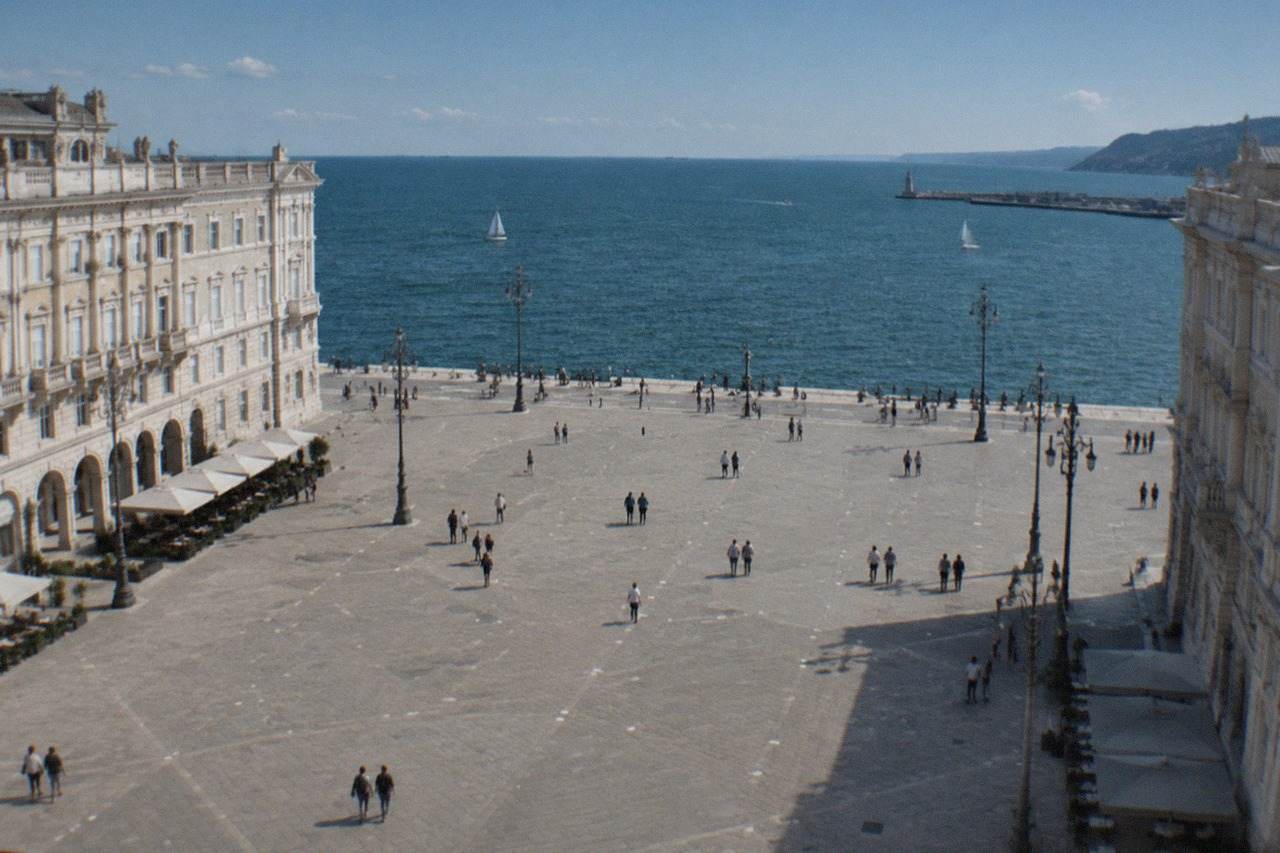
Trieste, the Adriatic port city in Friuli Venezia Giulia in the far northeast of Italy, is compact enough that its historic core can be walked end to end in a single long day, but the city rewards a slower second day and opens up entirely with a third. The honest answer to how much time to budget depends on whether Miramare Castle, the Karst plateau, the osmize farm taverns or a hop into Slovenia or Croatia are part of your plan, because those sit outside the walkable centre and each half-day trips. This page breaks the decision down by length of stay, using the current admission prices, opening hours and transport facts for the city, so you can match your days to what you actually want to see.
How Many Days Do You Need in Trieste?
Two full days is the right answer for most visitors to Trieste, Italy: one for the historic core, one for the seafront, museums and coffee-house culture. A rushed single day covers Piazza Unità d'Italia, the Città Vecchia, the Cathedral of San Giusto and Molo Audace, but nothing at Miramare or on the Karst. Three days lets you add Miramare Castle, the Karst caves or an osmiza, and a fourth only if you want a day trip into Slovenia or Croatia.
The reason two days works better than the raw size of the city suggests is that Trieste's sights keep uneven hours. Museo Revoltella is closed on Tuesdays, Castello di San Giusto is closed on Mondays from 12 October, Grotta Gigante on the Karst is closed on Mondays from September to February, and the Risiera di San Sabba national monument keeps short winter hours after 12 October. A one-day visitor who arrives on the wrong weekday can miss two or three of those in one stroke. Two days almost always guarantees you land on an opening day for everything indoors.
The other reason is rhythm. Trieste is a city whose main attraction is partly its atmosphere: the historic caffès, the seafront at Barcola, the paseo along the Rive. Those cost nothing and need no ticket, but they also need an unhurried late afternoon, which a compressed day-one schedule tends to eat. Readers deciding between one and two days can compare the one-day plan with the fuller two-day itinerary to see exactly what the extra day buys.
| Length of stay | What it comfortably covers | What it misses |
|---|---|---|
| 1 day | Piazza Unità d'Italia, Città Vecchia, Cathedral of San Giusto, Molo Audace, Canal Grande, a historic caffè | Miramare, the Karst, osmize, Slovenia or Croatia, most museums |
| 2 days | Everything above plus Castello di San Giusto's museum, Museo Revoltella or the Risiera di San Sabba, Barcola seafront, a full evening on the waterfront | Cross-border day trips, Grotta Gigante |
| 3 days | Everything above plus Miramare Castle and its park, or Grotta Gigante, or the Karst and an osmiza | Two out of three of Miramare, the Karst and Slovenia |
| 4 days | Everything above plus a full day trip to Piran, Lake Bled, Postojna Cave or Lipica | Only possible by compressing something else |
Can You See Trieste in One Day?
Yes, one day sees the essential Trieste, but it is a walking day, not a museum day. Piazza Unità d'Italia, Molo Audace, the Canal Grande with the Serbian Orthodox church, the Arco di Riccardo and the Roman theatre, the Cathedral of San Giusto and the Città Vecchia all sit within a compact, walkable strip, and cathedral entry is free. What one day cannot absorb is Miramare Castle, the Karst plateau or any cross-border trip.
The core loop costs remarkably little. Entry to the Cattedrale di San Giusto Martire is free, the Roman theatre is looked down into from the street, and the seafront squares need no ticket at all. Add Castello di San Giusto at EUR 7.00 for an adult, which also covers the walls, the Civico Museo del Castello-Armeria and the Lapidario Tergestino, and a coffee in one of the historic caffès, and you have the substance of the city for under EUR 15 in admissions.
The catch is what the single day cannot fit. Museo Revoltella at EUR 8.00 for an adult takes a couple of hours and closes on Tuesdays. The Risiera di San Sabba, the national monument at the city's southern edge, is free but is a destination in itself and deserves more than a rushed half hour. Miramare Castle, at EUR 17.00 with the park free year-round, is up the coast and effectively consumes half a day on its own. Any of those, added to a one-day plan, pushes you into two days whether you planned it or not.
If one day is genuinely all you have, spend part of it being shown the city rather than working out the layout on your own. A two-hour private walking tour with a local guide covers the landmark strip efficiently and is easy to book for the morning, leaving the afternoon for your own wandering, and its operator's live listing details current availability: Check availability. Cruise passengers with a single ashore day face exactly this trade-off and should plan the walking loop before anything else.
What Does a Two-Day Trip to Trieste Cover?
Two days covers Trieste's full historic core plus its museums and seafront with comfortable pacing: day one for the old town, the hill of San Giusto and the grand squares, day two for the museums, the Risiera di San Sabba, Barcola and the Molo Audace sunset, plus a proper unhurried caffè stop. Two days also absorbs one half-day outing, most naturally Miramare Castle or the Karst, but not both.
Day two is where the costs and closures start to matter. Museo Revoltella at EUR 8.00 adult, EUR 6.00 reduced, is open daily 10:00-19:00 with last entry at 18:00 but is shut on Tuesdays. The Risiera di San Sabba is free and, from 1 March to 11 October, open daily 9:00-19:00. Castello di San Giusto's hours shift seasonally: daily 10:00-19:00 from 1 April to 11 October, then Tuesday to Sunday 10:00-17:00 from 12 October, closed Mondays, and free on the first Sunday of the month and on 3 November, the patron saint's day. Planning the two days around those calendars is the difference between seeing three museums and seeing one.
The second day is also the natural slot for the Opicina tram, the historic tramway that climbs from its city terminus at piazza Dalmazia up to the Karst village of Opicina. It runs as urban line 2 and an ordinary Trieste urban ticket covers it: EUR 1.50 for a 60-minute single or EUR 3.35 for a day ticket, with contactless bank cards tap-on-board on the Eva readers. Ride it up, walk the Obelisco viewpoint, ride back, and you still have an afternoon left in the city.
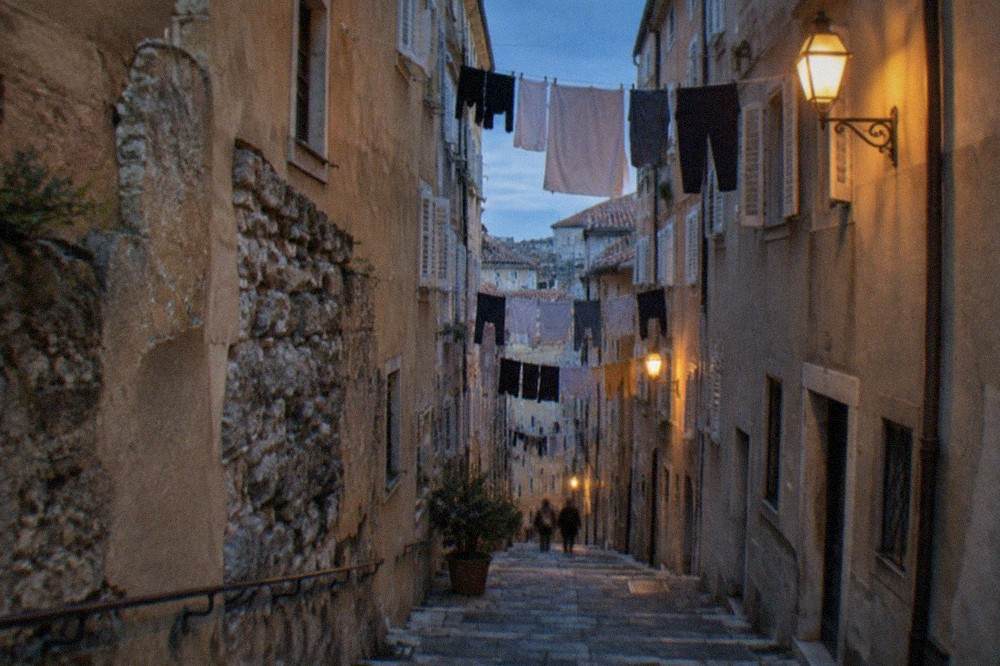
The full day-by-day version of this plan, with timings and where to eat, is laid out in the site's two-day itinerary, and the deeper question of whether the city holds you longer is covered in is Trieste worth visiting.
Is Three Days in Trieste Too Many?
Three days is not too many, and it is the length most first visitors end up happiest with. The third day absorbs one of the big excursions that two days cannot: Miramare Castle and its free park, Grotta Gigante on the Karst at EUR 15.00 with compulsory guided tours and booking, or an osmiza farmhouse tavern when one is open. Only add a fourth day if you want a full trip into Slovenia or Croatia.
Miramare is the classic third-day choice. The castle at EUR 17.00 for an adult, reduced to EUR 7.00 for EU citizens aged 18-25 with the temporary exhibition, is open every day 9:00-19:00 with last admission at 18:30, and the park is free all year with hours that shift by month. Grotta Gigante, the great cave at Sgonico, costs EUR 15.00 for an adult, runs guided tours only at fixed departure times from 9:00 to 16:00, and requires booking in advance; from September to February it is closed on Mondays. Either one fills a half day comfortably and the third day's other half can go to Barcola or the Rive.
The osmize, the seasonal farm taverns of the Karst where producers sell their own wine and home-cured food, are the most Triestian use of a third day and the one almost no visitor from a shorter stay ever gets. They are signposted by a frasca, a leafy branch hung at the turning, and the de facto calendar of which ones are open on which days is maintained at osmize.com, because no municipal equivalent exists. There is no fixed season you can rely on from a distance; the openings concentrate in spring and autumn and are decided farm by farm.
Two further practical points shape the three-day plan. First, the city's transport is cheap enough that the extra day costs almost nothing in movement: a day ticket at EUR 3.35, or a 10-ride carnet at EUR 13.50 if you are a pair sharing, covers buses and the tram. Second, remember that Italy is running temporary border checks on its land border with Slovenia through 18 December 2026, so if the third day becomes a Slovenian day trip, carry a passport or national ID card; all three countries use the euro, so there is no currency question at all.
The extended day-by-day version of this plan, including the Miramare half-day and the Karst options, is the site's three-day Trieste itinerary, and the same question argued from the other side sits in how many days in Trieste is enough. Whichever length you settle on, the first morning is the one worth investing in: a private walk with a local guide maps the whole compact centre in two hours and turns every later hour of the trip into informed wandering rather than guesswork.
Common Questions About How Long to Spend in Trieste
How many days do you need in Trieste?
Two full days for most visitors, covering the historic core, the museums and the seafront. Three days if you want Miramare Castle, the Karst or an osmiza, and four if you plan a day trip into Slovenia or Croatia.
Can you see Trieste in one day?
Yes. The core strip from Piazza Unità d'Italia through the Città Vecchia to the Cathedral of San Giusto is walkable, cathedral entry is free, and Castello di San Giusto adds EUR 7.00. Miramare and the Karst need a second day.
Is three days in Trieste too long?
No. The third day is the one that absorbs Miramare Castle, Grotta Gigante or an osmiza, none of which fit into a two-day city plan without cutting a museum or the seafront.
What is the cheapest way to add a third day in Trieste?
The Opicina tram and Barcola seafront cost an ordinary urban ticket: EUR 1.50 for a 60-minute single or EUR 3.35 for a day ticket, with contactless tap-on-board accepted. The Karst viewpoint is the cheapest half-day add-on available.
Do weekend closures change how many days I need?
They can. Museo Revoltella closes Tuesdays, Castello di San Giusto closes Mondays from 12 October, and Grotta Gigante closes Mondays from September to February, so a two-day stay that straddles the wrong weekday can lose several sights at once.
Is a day trip from Trieste possible on a two-day stay?
Only by sacrificing a day of the city itself. Slovenia and Croatia are close, both use the euro, and all three countries are in Schengen, but Italy is running temporary checks on the Slovenian land border through 18 December 2026, so carry ID and budget a full day.
Trieste Travel Guide covers the same length-of-stay question from several angles, and if you are still weighing the city against a shorter or longer Italian stop, the three-day itinerary is the most complete single reference for what the hours in each day actually hold.