How Many Days in Trieste Is Enough?
How many days in Trieste, Italy is enough? Two days covers the centre; three adds Miramare Castle or a Karst cave. The arithmetic behind that answer, from opening hours, ticket prices and transport fares.
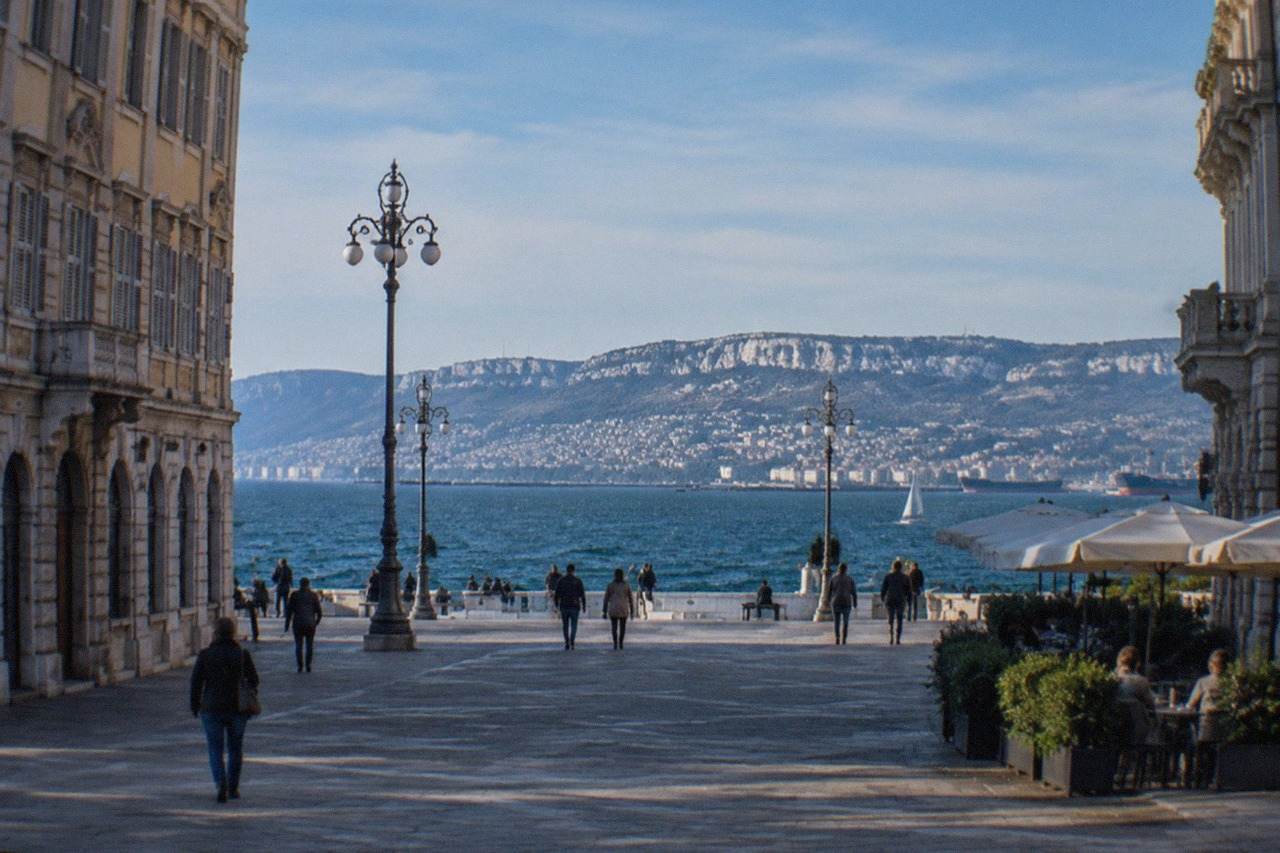
Trieste, the Adriatic port city in Friuli Venezia Giulia in the north-east corner of Italy, is compact enough that its centre yields to a determined walker in a single day, but its opening hours, its Tuesday and Monday closures and its out-of-town sights quietly punish anyone who plans badly. The honest answer to how long to stay is two days for the city itself and three if Miramare Castle or a Karst cave is on the list. This page works through that answer using the venues' own published hours and the operator's current tariff sheet, so the recommendation rests on numbers rather than enthusiasm.
How Many Days in Trieste Is Enough?
Two full days is enough for Trieste's historic centre, its seafront and its main museums, and three days is enough to add Miramare Castle or Grotta Gigante without rushing. One day works only for Piazza Unità d'Italia, the hill of San Giusto, Molo Audace and a caffè stop, and it leaves every castle and cave out. Most visitors who book two nights get one full day plus fragments, so three nights is the safer booking.
The reason the answer is two and not one is structural, not subjective. Trieste's headline sights cluster tightly between the seafront and the San Giusto hill, but several of them keep hours that collide. Museo Revoltella is closed on Tuesdays. Castello di San Giusto is closed on Mondays from 12 October. Grotta Gigante, the one major sight that needs a car or a bus ride out to Sgonico, is guided-only with compulsory booking and is closed on Mondays from September to February. A visitor who arrives on the wrong weekday can lose a third of the checklist to closures alone, and no amount of brisk walking buys that back.
The reason the answer is not four or five is that the centre is genuinely small. The distance from Piazza Unità d'Italia to the Canal Grande with Sant'Antonio Taumaturgo at its head is a short level walk; the climb to the cathedral and castle on the San Giusto hill takes minutes on foot; Molo Audace juts out from the same square. A first-timer following a self-guided Trieste walking tour covers the core in a morning. What fills days two and three is depth: the Revoltella's modern galleries, the Risiera di San Sabba national monument, Miramare, and the Karst.
What Can You Realistically See in One Day in Trieste?
One day in Trieste delivers Piazza Unità d'Italia, Molo Audace, the Canal Grande, the Città Vecchia district, the Roman theatre from the street, the cathedral and the castle on the San Giusto hill, and a historic caffè, if you start at opening time and accept that Miramare, Grotta Gigante and the museums' interiors mostly drop off the list. It is a real day, and it is the shape most cruise passengers get.
The single-day route practically writes itself, and the city's geography does the organising. The seafront squares and the canal sit on flat land reclaimed in the Borgo Teresiano; the hill rises behind them; everything connects on foot in an order that needs no transport ticket at all. That walkability is why the question of days gets asked so often: people sense, correctly, that Trieste is not Rome or Naples in scale.
What one day cannot absorb is the paid interior circuit. The castle on the hill, the Revoltella, Miramare and the cave each want an hour or two, and two of them keep restrictive hours. If your single day is a Monday between September and February, Grotta Gigante is shut; if it is a Tuesday, the Revoltella is shut. Anyone squeezing Trieste into one day should check the closures table further down this page before booking anything, and the deeper treatment of the compressed route is in what to do in Trieste in one day.
| Sight | One-day status | Constraint |
|---|---|---|
| Piazza Unità d'Italia and Molo Audace | Always doable | Open public space |
| Cattedrale di San Giusto | Doable | Free entry, weekdays 8:00-18:30 |
| Castello di San Giusto | Doable, paid | EUR 7.00 adult, closed Mondays from 12 October |
| Teatro Romano | Look down from the street | Not routinely enterable by individuals |
| Museo Revoltella | Usually dropped | Closed Tuesdays, EUR 8.00 |
| Miramare Castle | Dropped | EUR 17.00, up the coast at Grignano |
| Grotta Gigante | Dropped | EUR 15.00, guided only, booking compulsory |
What Does a Two-Day Trieste Itinerary Add?
A second day in Trieste adds the paid interiors, the museums and the seafront east of the centre: the Revoltella's galleries, the Risiera di San Sabba memorial, the full castle circuit on the hill with its walls and Lapidario, and a long walk out to Barcola or a slow afternoon in the historic caffè district. Two days is the shortest stay that survives a single closure without losing a headline sight.
Day two is where Trieste stops being a checklist and starts being a city. The first morning's route is fixed by geography; the second day is chosen from a menu, and the menu is wide enough that parties disagree productively about it. Some visitors spend the afternoon on the Barcola seafront; others work through the caffè culture that made the city famous as a coffee port, or cross to the Città Vecchia lanes below the hill that day one only skims.
Two days also buys insurance. If day one is a Tuesday, the Revoltella moves to day two; if day two is a Monday in the cold season, the cave was never on a two-day plan anyway. The full two-night version of this route is written up in detail at two days in Trieste, and the compressed question of whether three is better than two is covered separately in how many days do you need in Trieste.
If you would rather not spend your first morning orienting yourself, a local guide compresses that work into a couple of hours. The private walking tour with a local runs from 2 to 6 hours and is priced per person on the operator's live listing; the self-guided scavenger hunt version does a similar orientation job for visitors who would rather puzzle the city out at their own pace, with no guides and no schedules.
Is a Third Day in Trieste Worth It?
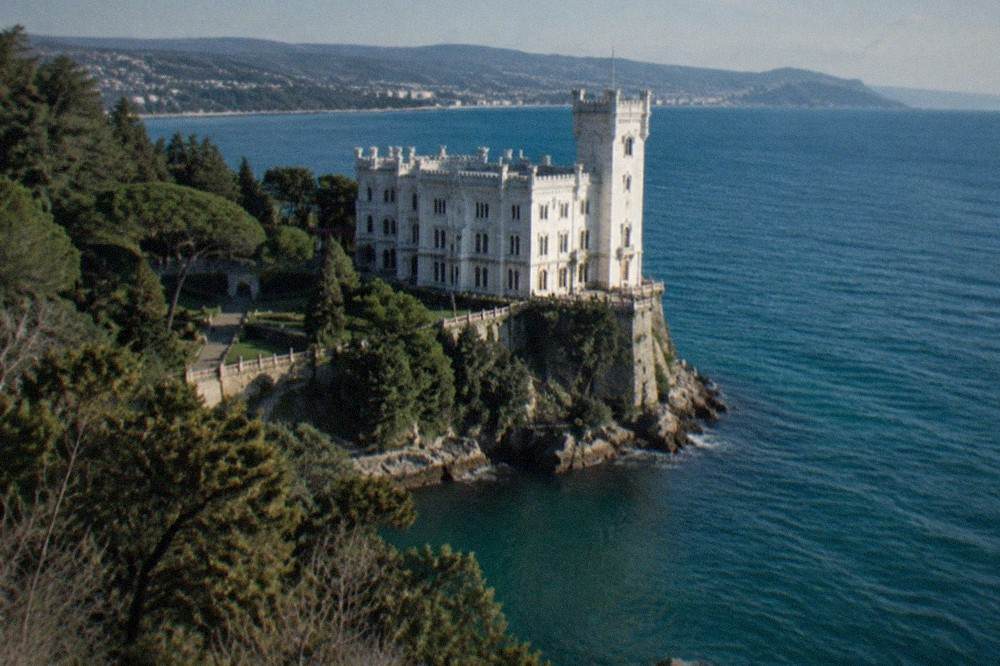
A third day in Trieste is worth it for exactly one of two reasons: Miramare Castle and its free park, up the coast at Grignano, at EUR 17.00 for the castle, or the Karst, where Grotta Gigante runs guided-only tours at EUR 15.00 with departures at fixed hours and compulsory booking. Without one of those, a third day in the centre itself is usually padding.
Miramare is the stronger third-day candidate for most people. The castle's own visit page lists adult entry at EUR 17.00 including the temporary exhibition, open every day 9:00-19:00 with the ticket office closing at 18:30, and the park is free all year with hours that shift by month. There is no weekly closing day, which makes it the one headline sight in the Trieste area that never collides with your calendar. The castle's history, the archduke who built it and the marine protected area off its shore are covered in the Miramare Castle guide.
The Karst is the alternative, and it demands more planning. Grotta Gigante at Sgonico runs guided visits only, booking is compulsory, and the departure times are fixed: 9:00, 10:00, 11:00, 12:00, 14:00, 15:00 and 16:00. Adult entry is EUR 15.00, with children 6-18 at EUR 8.00 and under-6s free. From September to February it closes on Mondays. Pair the cave with an osmiza if the season is right: the volunteer-run calendar at osmize.com lists which Karst farmhouses have their frasca, the leafy branch that signals an open door, hanging on any given day. The three days in Trieste itinerary schedules both options day by day.
| Third-day option | Entry | Hours | Booking |
|---|---|---|---|
| Miramare Castle | EUR 17.00 adult, park free | Daily 9:00-19:00, last admission 18:30 | Optional, recommended in season |
| Grotta Gigante | EUR 15.00 adult, EUR 8.00 child 6-18 | Fixed tour slots, 9:00-16:00 | Compulsory |
| Osmize of the Carso | Prices set by each farmhouse | Vary by farmhouse and season | None, check osmize.com |
What Slows People Down in Trieste?
Three things reliably eat time in Trieste: the Monday and Tuesday closures that remove the Revoltella or the castle from a given day, the compulsory booking and fixed slots at Grotta Gigante, and the pull of the caffè, where a standing espresso becomes an hour without any effort. None of these are problems; they are the reason two days beats one.
The closures are the biggest silent thief. A visitor who never checks them can arrive on a Tuesday, walk to the Revoltella, find it shut, and lose the morning. The transport is not a thief at all: a 60-minute urban single costs EUR 1.50 and a 75-minute one EUR 1.85, a day ticket is EUR 3.35, and contactless cards can be tapped on board, with the system applying the cheapest applicable fare. The same urban ticket covers the Opicina tram, which runs from piazza Dalmazia, not piazza Oberdan, and has been back in service since 1 February 2025 after its long stop.
The caffè culture deserves its own line in the time budget because it is the thing Trieste is most famous for, and it does not run on a schedule. The city's coffee heritage is real and deep, and no per-head consumption figure has a primary source behind it, so the honest advice is simply that a caffè stop in Trieste is an attraction in its own right, not a rest stop. Budget an unhurried hour for it and the two-day plan still holds.
| Stay | What it covers | What it misses |
|---|---|---|
| 1 day | Seafront, canal, Città Vecchia, hill, cathedral | All paid interiors except the castle, Miramare, caves |
| 2 days | Everything above plus Revoltella, Risiera, castle circuit, caffè time | Miramare, the Karst, any day trip |
| 3 days | Everything above plus Miramare or Grotta Gigante | Slovenia or Croatia day trips |
| 4+ days | Everything above plus a cross-border day trip | Nothing on the city's own list |
Once the stay stretches past two days, booking something for each morning starts to pay for itself, and the same three choices cover most travellers: a private walk with a local for the first morning, a self-guided hunt for a slower afternoon, and a Miramare entry ticket for day three.
Each of those three is priced on the operator's live listing, and the Miramare entry ticket is the one to lock in first, because the castle's ticket office closes at 18:30 while the castle itself stays open to 19:00.
A private walk with a local is the one bookable that changes the day count rather than filling it, because a guide who knows the closures and the shortcuts can effectively give a one-day visitor a two-day first morning. The listing for the private walking tour with a local shows the current per-person price and the 2 to 6 hour range.
Common Questions About How Many Days to Spend in Trieste
How many days in Trieste is enough?
Two days is enough for the centre, its museums and the hill; three is enough to add Miramare Castle or Grotta Gigante. One day covers the seafront, the canal, the Città Vecchia and the hill but drops nearly every paid interior.
Can you see Trieste in one day?
You can see the core of Trieste in one day on foot: Piazza Unità d'Italia, Molo Audace, the Canal Grande, the Roman theatre from the street, the cathedral and the castle hill. Miramare, the caves and most museum interiors do not fit.
Is three days in Trieste too many?
No, if you use the third day for Miramare or the Karst. Three days spent entirely inside the centre would be more than most visitors need, which is why the third day should point outward.
Which day of the week is worst to arrive in Trieste?
Tuesday, because Museo Revoltella is closed. From 12 October, Monday is also weak, since Castello di San Giusto closes on Mondays and Grotta Gigante closes on Mondays from September to February.
Do you need a car for the third day?
Not necessarily. The Opicina tram is on the urban network covered by the EUR 3.35 day ticket. Grotta Gigante sits outside the city at Sgonico, and its fixed tour slots and compulsory booking matter more than how you get there; check the operator's own route planner before you set out.
The short version, and the one the numbers support: book two nights for the city, three if the castle or the cave is the reason you are coming, and check which weekday each of those nights lands on before you pay for anything. Trieste Travel Guide carries the full hour-by-hour versions of both plans.