Barcola, Trieste, Italy: The City's Seafront Playground
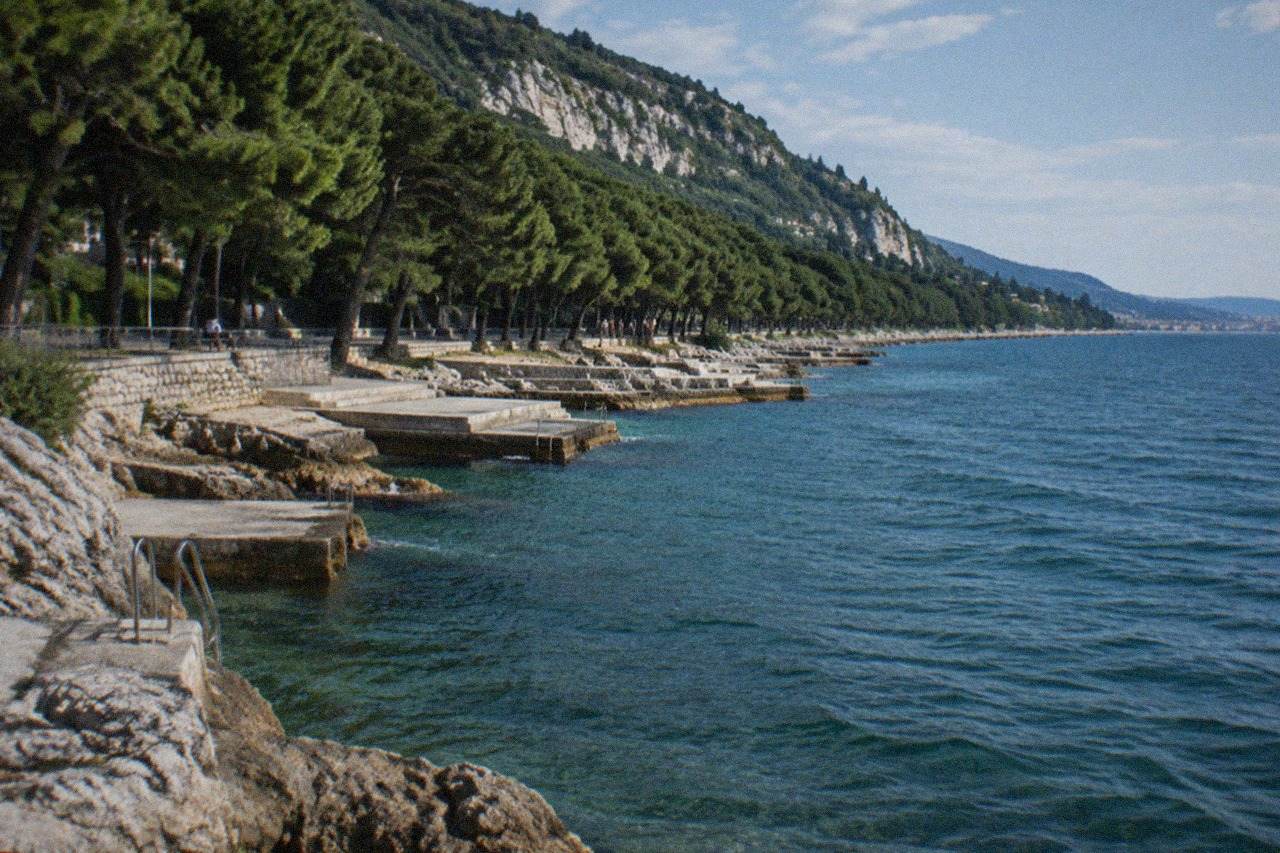
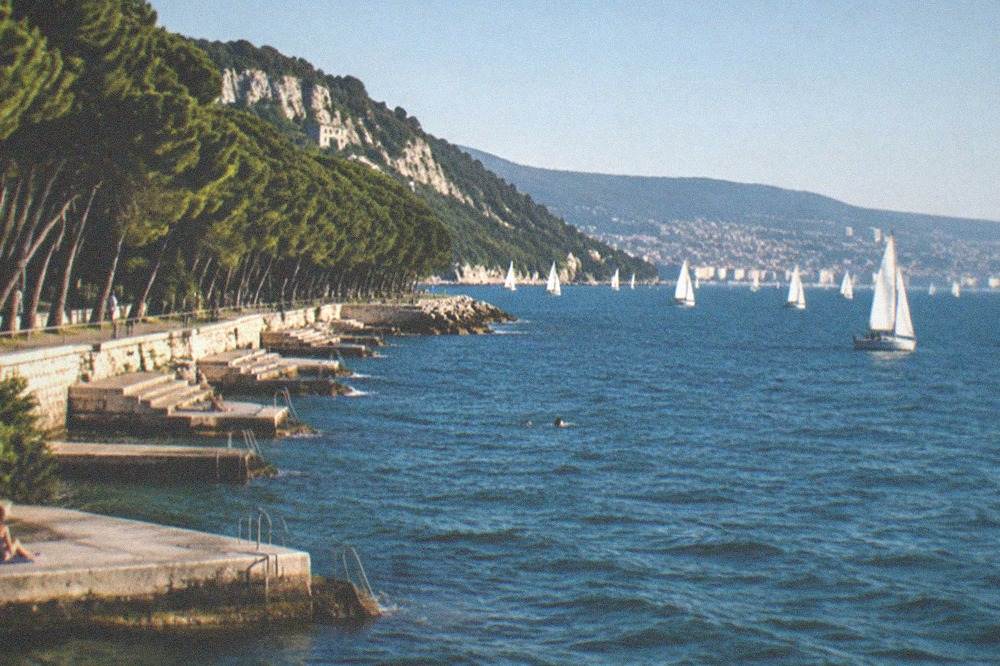
Barcola is the seafront quarter of Trieste in northeastern Italy, where the city's pine-shaded promenade, its free bathing platforms and its sailing clubs sit directly on the Gulf of Trieste, a short ride north of the centre and on the road to Miramare Castle.
Short answer
Barcola is Trieste's seafront district in Italy, a curved shoreline of promenade, pines and bathing platforms on the Gulf of Trieste. Locals swim there in summer, cycle and walk the seafront year-round, and every October the Barcolana regatta, the largest sailing race in the world, finishes in the waters off its coast.
Barcola is the seafront quarter of Trieste, the Adriatic port city in Friuli Venezia Giulia, northeastern Italy, and it is where this city goes to be beside the water. The district runs along the curved northern shore of the Gulf of Trieste, a promenade backed by pines, dotted with free bathing platforms and lined with the sailing clubs that give the place its identity. ARPA FVG's station tables for the molo Fratelli Bandiera show why it works: mean sea temperature peaks at 25.9°C in both July and August, and the gulf is comfortably swimmable from June into September. Every October the whole city looks at this stretch of coast, because the Barcolana regatta, which the organisers describe as the largest sailing race in the world, finishes in the water just off it.
This guide covers what Barcola actually is, when to swim, what the sea temperature really does month by month, the bora's role in life on this coast, the Barcolana, how to get there, and how the district fits into a wider Trieste itinerary. The practical numbers come from ARPA FVG's own station series for Trieste, from the venue and operator pages in the fact pack, and from the city's 2026 transport tariff sheet. Where something is on the listing rather than published by an authority, it says so.
What Is Barcola in Trieste, Italy?
Barcola is Trieste's seafront district, a residential quarter along the gulf's northern shore where the free public promenade, pine shade, bathing platforms and a dense row of sailing clubs replace the docks of the port. It is not a beach resort and has no sandy beach: swimming is from rocks, platforms and steps, and the district is at its busiest in summer and during October's Barcolana regatta, whose 13-nautical-mile course finishes in the gulf directly off this coast.
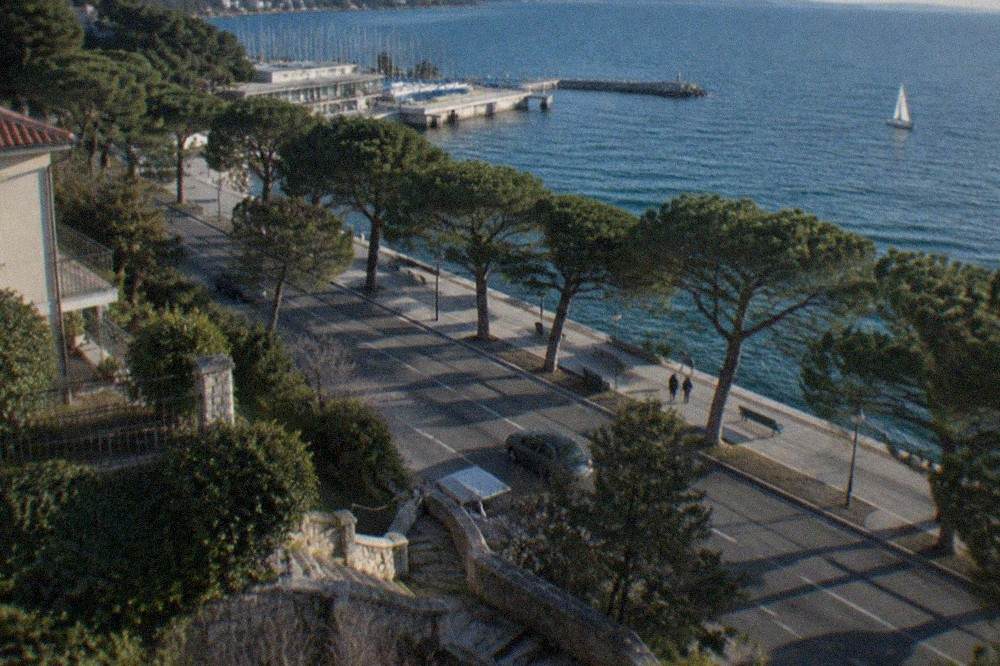
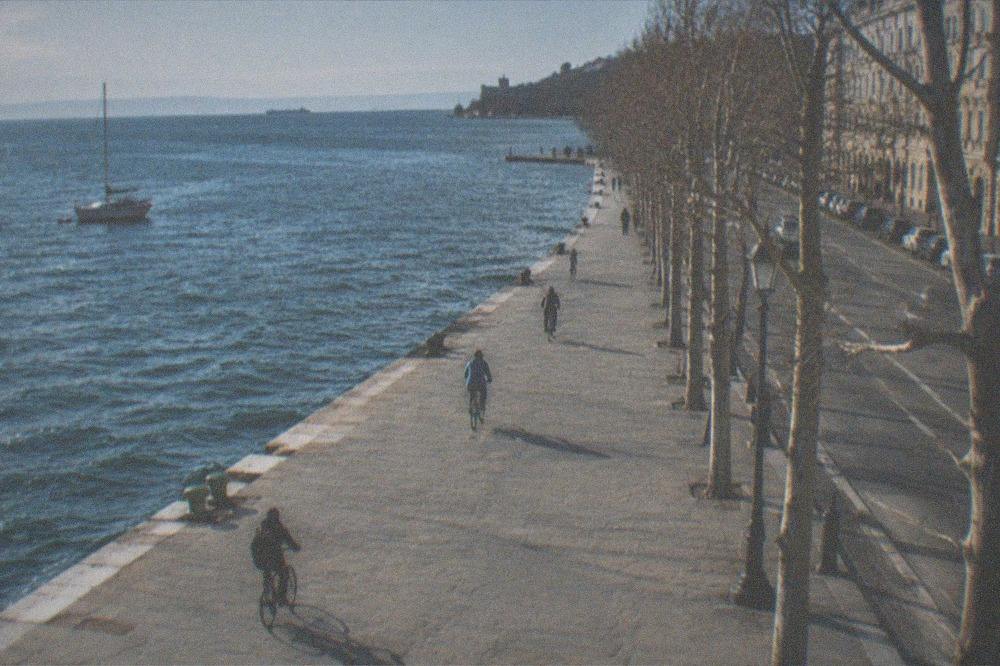
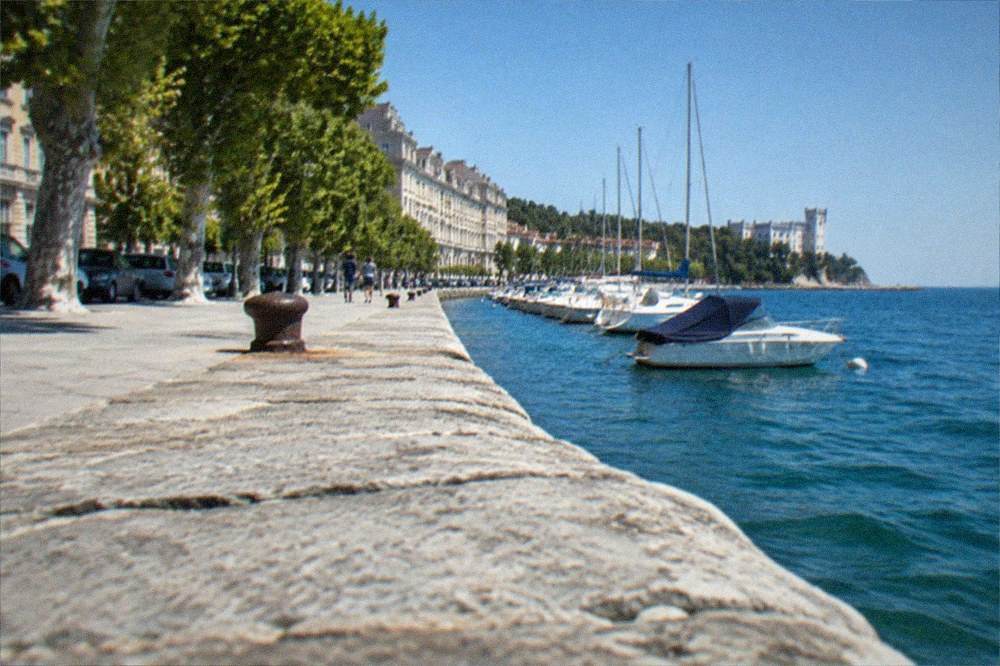
The district is effectively the continuation of the seafront that begins at the Rive and the Molo Audace in the centre, runs north past the Marino "Pedocin" bathing establishment and curves onward toward Grignano and Miramare Castle. What you get is one long, continuous shoreline where walking, cycling and swimming share the same strip. The promenade is free and public, and the pine trees along it are the reason the shade never runs out in the afternoon.
The character of the place is local rather than tourist-first. Triestini cycle it, run it, walk dogs along it, and in summer treat the platforms and rocky shelves as their city beach. The sailing clubs along the water are the training grounds for the crews that fill the start line of the Barcolana each autumn. For a visitor, Barcola is the easiest answer in Trieste to the question of where to be beside the sea without leaving the city, and it connects naturally to the Barcola seafront guide for the shoreline itself and to Le Rive, the seafront in the centre for the stretch that begins downtown.
When Can You Swim in Barcola, and How Warm Is the Sea?
Sea temperature in the Gulf of Trieste makes Barcola comfortably swimmable from June through September and often into early October. ARPA FVG's series for the molo Fratelli Bandiera shows mean sea temperatures of 23.1°C in June, 25.9°C in July, 25.9°C in August and 23.9°C in September, falling to 20.3°C in October. The sea is coldest in February at 10.5°C, and the gulf has warmed measurably over recent decades in ARPA's own oceanographic bulletins.
The numbers deserve a table, because the month you pick changes the experience more than the weather forecast does. One note on sources: the land climate figures in this guide come from ARPA's waterfront station; the sea temperatures come from a different series, the ERA5 ocean reanalysis delivered by the marine data service, and the two are not the same instrument. The seasonal shape, however, is confirmed by ARPA's own monthly oceanographic bulletins for the gulf.
| Month | Mean sea temperature | Swimmable without a wetsuit? |
|---|---|---|
| January | 11.6°C | No |
| February | 10.5°C | No, the annual minimum |
| March | 11.6°C | No |
| April | 14.0°C | Hardy swimmers only |
| May | 17.9°C | Marginal |
| June | 23.1°C | Yes |
| July | 25.9°C | Yes, peak |
| August | 25.9°C | Yes, peak |
| September | 23.9°C | Yes |
| October | 20.3°C | Often, early in the month |
| November | 16.8°C | Wetsuit territory |
| December | 13.6°C | No |
There is a lag worth knowing about. The sea retains heat, so September is warmer than June even when the air feels similar, and ARPA's long-term monitoring of the gulf shows a clear warming trend in annual means over recent decades compared with earlier baselines. The practical consequence for a swimmer: the second half of summer and early autumn are the best water of the year, not the first hot week of June.
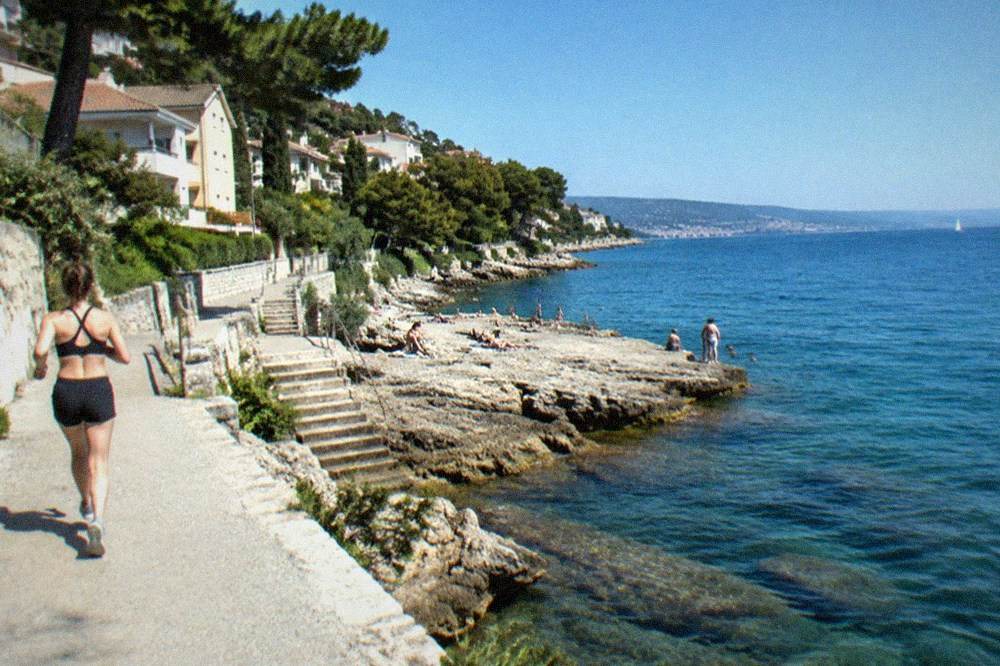
The swimming infrastructure is simple and free. Entry is from rocks, steps and the bathing platforms along the promenade; there is no sand. The historic Bagno Marino "La Lanterna", the segregated bathing establishment near the centre end of the shore, is covered in its own guide, and the free public platforms along Barcola proper sit beside it. Locals treat this whole stretch as their city beach, and the free platforms are the reason a swim here costs nothing.
What Is the Weather Like on the Barcola Seafront?
Barcola shares Trieste's coastal climate: mild winters, warm but not extreme summers, and a wind regime dominated by the bora. ARPA's station tables give a July mean high of 28.2°C with only 7.2 days over 30°C, and a January mean high of 9.2°C. The bora, the cold east-north-east wind, gusts over 90 km/h on 17.6 days a year on average, and the all-time peak gust in the station series is 168.1 km/h, recorded in February 2012.
The bora is the single fact that shapes this coast. It is strongest in the cool season, peaking in February, and June is the calmest month in the station tables. In summer it usually arrives as a shorter, sharper episode that clears the sky rather than ruining a week. No official wind threshold exists at which the seafront closes or ferries stop: the port authority and the city publish no such cutoff, and any guide that prints one is inventing it. What the tables do show is that the monthly record gust exceeds 110 km/h in every single month of the year, so the bora is a year-round presence, not a winter-only one.
| Month | Mean high °C | Mean low °C | Rain mm | Days with gust over 90 km/h |
|---|---|---|---|---|
| January | 9.2 | 5.0 | 52.8 | 2.4 |
| February | 9.8 | 5.2 | 59.7 | 2.9 |
| March | 13.0 | 7.9 | 52.8 | 2.1 |
| April | 16.8 | 11.4 | 60.7 | 0.7 |
| May | 21.7 | 16.1 | 75.0 | 0.7 |
| June | 25.8 | 20.2 | 62.5 | 0.3 |
| July | 28.2 | 22.4 | 53.8 | 0.9 |
| August | 28.1 | 22.3 | 71.7 | 0.9 |
| September | 23.9 | 18.4 | 102.3 | 1.1 |
| October | 19.6 | 14.8 | 88.6 | 1.4 |
| November | 14.7 | 10.3 | 109.8 | 1.9 |
| December | 10.7 | 6.4 | 77.4 | 2.3 |
Two readings of that table matter for planning. First, summer is drier than people expect: July is the second-driest month of the year at 53.8 mm, and the wettest month is November at 109.8 mm, with September second. Trieste is not the dry Mediterranean stereotype, it rains on 86.1 days a year across 867.1 mm at the waterfront station, but the rain is concentrated in autumn, not summer. Second, the bora numbers fall through spring to their June minimum, which is one reason early summer is the sweet spot for a seafront visit. The month-by-month climate pages and the dedicated bora guide carry the full picture for anyone planning around the wind.
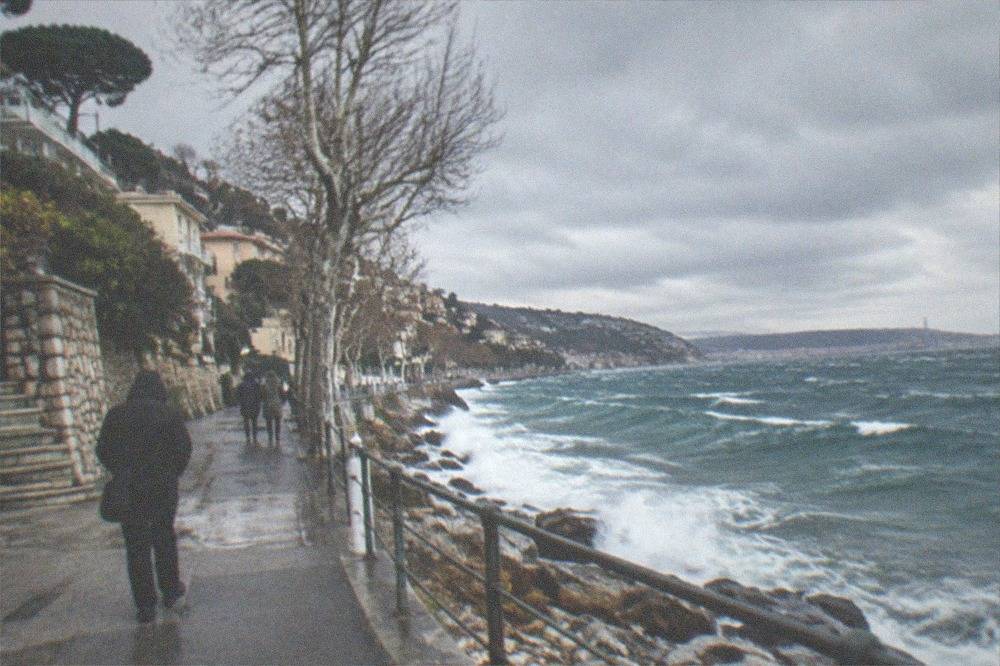
The seafront is also where the wind becomes entertainment. On a strong bora day the promenade is at its emptiest and the gulf is at its most dramatic, with the sailing clubs' dinghies ashore and the water streaked white. On calm summer evenings it is the opposite: the whole district moves outdoors. Both are worth seeing, and the forecast is the deciding factor, so check ARPA's regional forecast before you plan a day around it.
What Is the Barcolana, and Why Does It Finish at Barcola?
The Barcolana is Trieste's autumn sailing regatta, founded in 1969 with 51 boats, whose 2026 edition, Barcolana 58, runs 2-11 October with the main race on Sunday 11 October starting at about 10:30 over a 13-nautical-mile course in the Gulf of Trieste. Its record entry is 2,689 boats, set in 2018, which the organisers describe as the Guinness World Record for the largest sailing race in the world.
The regatta is the reason Barcola's sailing clubs matter. The course finishes off the seafront, and for the ten days of the event the district and the whole gulf become a single venue, with the race itself preceded by a programme of races, village events and gatherings along the waterfront. The 2025 edition drew 1,865 boats, the highest since 2019, though still short of the 2018 record.
| Barcolana fact | Figure |
|---|---|
| First edition | 1969, with 51 boats |
| Record entry | 2,689 boats, 2018 (Barcolana 50) |
| 2026 edition | Barcolana 58, 2-11 October |
| Main regatta | Sunday 11 October 2026, start about 10:30 |
| Course | 13 nautical miles in the Gulf of Trieste |
| 2025 entry | 1,865 boats, highest since 2019 |
October is a deliberate choice, not a soft spot in the calendar. The station tables show October averages 1.4 days a year with gusts over 90 km/h, sitting inside the windy shoulder of the year, and the regatta's whole character comes from racing in genuine autumn conditions. If you are planning a trip around it, book early: the event fills the city. The full story is in the Barcolana regatta guide, and the wider programme is in the Trieste events calendar.
How Do You Get to Barcola from Central Trieste?
Barcola is on Trieste's ordinary urban transport network: the same tickets cover the whole city, and a 2026 urban single costs €1.50 for 60 minutes or €1.85 for 75 minutes, with a day ticket at €3.35 and a 10-ride carnet at €13.50, per the Trieste Trasporti 2026 tariff sheet. Contactless bank cards can be tapped on board, and the system applies the cheapest applicable fare. Single tickets are valid 240 minutes on Sundays and public holidays.
The practical point is that Barcola is not a separate destination with its own ticketing. It is inside the urban fare zone, so whatever gets you around the centre gets you there too. The tariff sheet, dated 29 December 2025, is the authority for those figures; check the operator's own site for the live timetable rather than trusting a printed frequency, because service details change. The wider set of guides lives on Trieste Travel Guide.
| Ticket (2026 urban tariff) | Price | Validity |
|---|---|---|
| Single, 60 minutes | €1.50 | 60 min, 240 min on Sundays/holidays |
| Single, 75 minutes | €1.85 | 75 min, 240 min on Sundays/holidays |
| Day ticket | €3.35 | One day |
| 10 rides | €13.50 | Ten urban journeys |
| 20 rides | €16.65 | Twenty urban journeys |
Two wheels beat four for this coast. The promenade is flat, continuous and made for it, and the district sits on the natural route between the centre and Miramare Castle, which is why the e-bike tour below uses exactly that corridor. The guided e-bike ride that covers the old town, Miramare Castle and a gelato stop runs from $174.26 per person for a six-hour day, rated 5 from 2 reviews on the operator's listing, and it is the one product in the roster that ties Barcola's shoreline into a single guided loop: Check availability. For the wider transport picture, including the Opicina tram and its piazza Dalmazia terminus, see getting around Trieste.
What Is There to Do in Barcola Beyond Swimming?
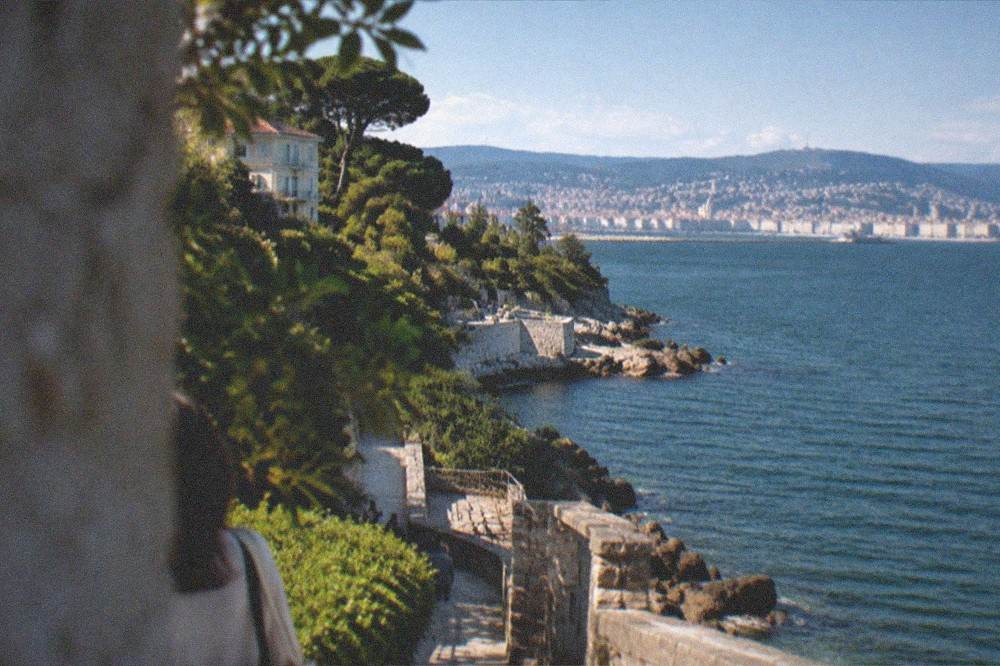
Beyond swimming, Barcola's draw is the free promenade itself: walking, running and cycling the pine-shaded shoreline, watching the sailing clubs, eating along the water, and using the district as the coastal link between central Trieste and Miramare Castle. The castle's park is free all year, its adult castle ticket is €17 including the temporary exhibition, and it is open every day 9:00-19:00 with last admission at 18:30, per the Ministry of Culture's own visit page.
The district works as a corridor, and the itinerary almost writes itself. Start in Città Vecchia or the Borgo Teresiano, follow the seafront north through Barcola, and continue to Grignano and Miramare Castle. The castle is the natural terminus of the shoreline, and its park, free year-round with hours that shift by month, is as much a part of the visit as the castle itself. The castle and park keep different hours, which is the detail most visitors miss: the park's hours are seasonal, the castle's are not.
| Miramare, 2026 | Detail |
|---|---|
| Castle, adult | €17, includes temporary exhibition |
| Castle, reduced (EU 18-25) | €7 with exhibition, €2 castle only |
| Castle hours | Every day 9:00-19:00, last admission 18:30 |
| Park | Free all year, seasonal hours |
| Park hours, April-September | 8:00-19:00 |
For the day-by-day shape of a trip that includes this coast, the itinerary pages do the work, from a single tight day to a slower three-day route that gives the seafront the time it deserves. Families will find the flat, car-light promenade one of the easier days out in the city, covered in Trieste with kids, a family itinerary.
Where Does Barcola Fit Among Trieste's Other Coastal Areas?
Barcola is the city's own seafront, and Trieste's other coastal quarters each do something different: Muggia sits across the bay to the south as a separate fishing-village feel, Sistiana holds the white cliffs further up the coast toward Duino, and the Carso plateau rises behind the whole shoreline. Barcola is the one you can reach on an ordinary urban ticket and swim from without planning, which is exactly why locals treat it as the default.
The comparison is worth making because the region's coast is varied within a short stretch. To the north, Sistiana and Duino give a wilder, cliff-edged shoreline and the Rilke Trail. To the south, Muggia and Servola and Muggia Bay sit on the other side of the port. Behind it all, the Carso karst plateau supplies the landscape and the wine, and its osmize, the seasonal farm outlets selling their own wine and produce under a leafy frasca branch hung at the turning, are the inland counterpart to a day on the shore. The osmize calendar lives at osmize.com, the long-established volunteer-run reference for which farms are open on which days.
| Coastal area | What it is | Best for |
|---|---|---|
| Barcola | The city's own seafront, free promenade and platforms | Swimming, cycling, the Barcolana |
| Le Rive | The waterfront in the centre, from Molo Audace north | Views, walking, cruise-ship arrival |
| Muggia | A separate town across the bay to the south | A slower half day, fishing-village character |
| Sistiana and Duino | Cliffs and the Rilke Trail further up the coast | Walking, dramatic coastline |
| The Carso | The karst plateau behind the city | Wine, osmize, cave country |
For a longer read on how the pieces fit, the orientation pages lay out the geography, and the beaches-and-swimming pages cover the water side across the whole gulf, from the free platforms here to the rocky coves further along the coast.
Should You Take a Tour from Barcola and the Trieste Coast?
Yes, if you want the coast explained rather than just walked: the e-bike tour linking the old town, the seafront and Miramare Castle runs from $174.26 per person for six hours, the small-group Piran and Slovenian coast excursion runs from $114.64 per person for six hours, and a private two-hour walking tour of the city runs from $206.36 per group of up to 10. All three are priced and rated on the operators' live listings.
The honest framing is that Barcola itself needs no tour: the promenade is free and self-explanatory. Where a paid product earns its price is in connecting the coast to the rest of the story, or in crossing the border for an afternoon. The Piran excursion, from $114.64 per person and rated 4.57 from 136 reviews, takes in the Slovenian coast on a six-hour day trip from Trieste; Slovenia uses the euro and is in Schengen, but Italy is running temporary border checks on the land border with Slovenia through 18 December 2026, so carry a passport or national ID card. The private two-hour walking tour, from $206.36 per group of up to 10 and rated 4.90 from 98 reviews, is the centre-city counterpart for the day you are not on the water. A free, tip-based GuruWalk city walk also exists, with the guru named on the listing.
Common Questions About Barcola in Trieste, Italy
Is Barcola in Trieste, Italy?
Yes. Barcola is a seafront district of Trieste, the port city in Friuli Venezia Giulia in northeastern Italy, running along the northern shore of the Gulf of Trieste. It is inside the ordinary urban transport zone and covered by the city's standard tickets.
Can you swim in Barcola?
Yes, from rocks, steps and free bathing platforms along the promenade; there is no sandy beach. ARPA's data shows the sea at 23.1°C in June, 25.9°C in July and August, and 23.9°C in September, so the comfortable season runs from June into September and often early October.
How do I get to Barcola from Trieste city centre?
It is on the ordinary urban network: a 2026 single ticket costs €1.50 for 60 minutes or €1.85 for 75 minutes, a day ticket is €3.35, and contactless bank cards can be tapped on board. The promenade is also a flat, continuous walk and cycle route from the centre.
What is the Barcolana?
The Barcolana is Trieste's autumn sailing regatta, first held in 1969 with 51 boats. The 2026 edition runs 2-11 October with the main race on Sunday 11 October over a 13-nautical-mile course in the gulf, finishing off the seafront. Its record entry is 2,689 boats, set in 2018.
Does the bora affect a visit to Barcola?
It can. The bora gusts over 90 km/h on 17.6 days a year on average and is at its calmest in June. No official wind threshold exists for closing the seafront, so treat a strong-bora day as a spectacle rather than a swimming day, and check the regional forecast before planning around it.
Is Barcola worth visiting if you are only in Trieste for one day?
Only as part of a route. If your time is short, the seafront walk from the centre through Barcola toward Miramare Castle is the most efficient way to see the coast, and the one-day itinerary pages show how to fold it into a single day without losing the old town.
Whether you come for a swim in August water at 25.9°C, a cycle ride under the pines, or the sight of nearly two thousand boats finishing a world-record regatta off the shore, Barcola is the piece of Trieste that turns a port city into a seaside one, and it is all on an ordinary urban ticket.