Città Vecchia (Trieste Old Town), Italy: What to See and How to Plan It
Città Vecchia is the hillside quarter of Trieste, Italy, where the Roman city, the medieval city and the Habsburg city all stack up on one slope behind Piazza Unità d'Italia. Here is what to see, what it costs and how to plan the walk.
Short answer
Città Vecchia is Trieste's old town in Italy, a compact hillside district of Roman ruins, the cathedral of San Giusto, the Arco di Riccardo and stepped lanes, all reachable on foot from Piazza Unità d'Italia in under half a day.
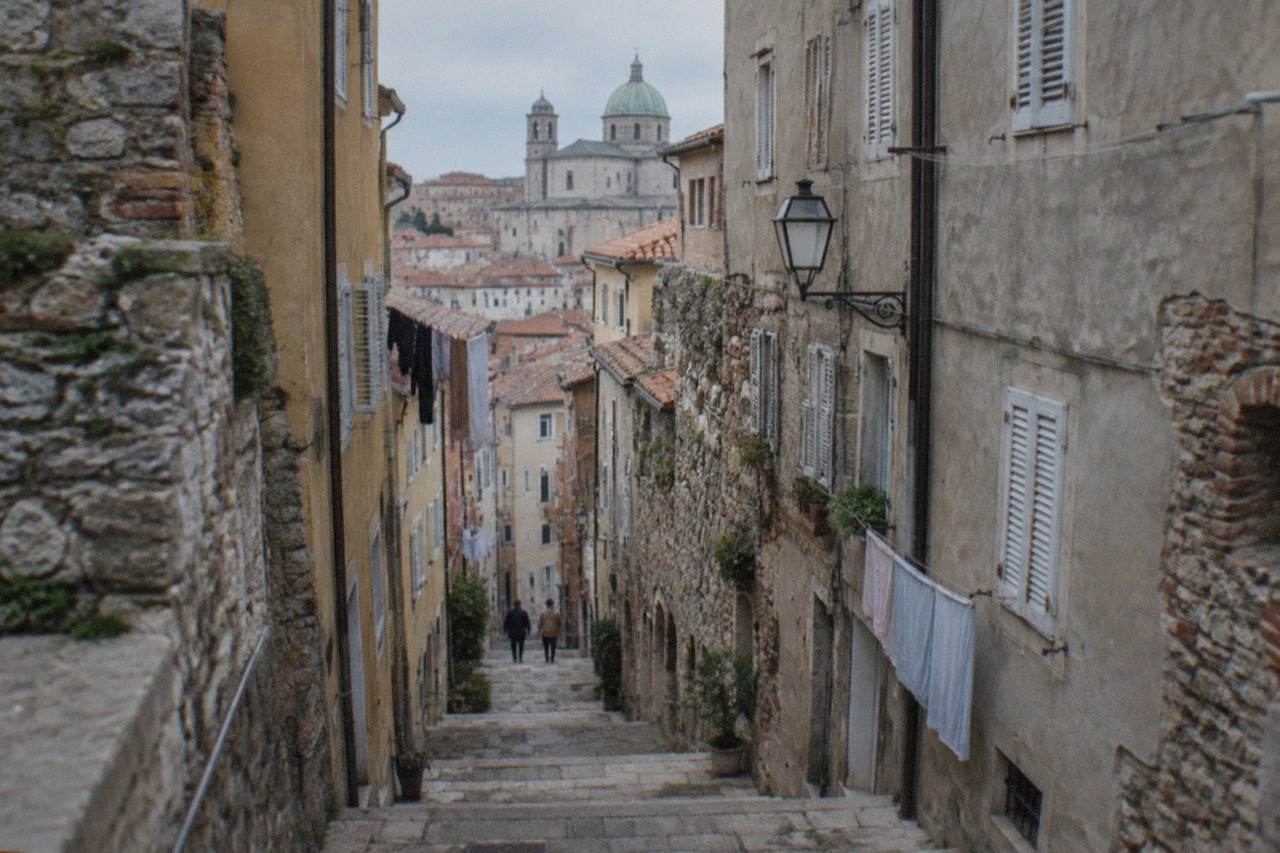
Città Vecchia is the old town of Trieste, the Adriatic port city in Friuli Venezia Giulia in northeast Italy, and it occupies the slope directly behind Piazza Unità d'Italia. The quarter is small, steep and dense: a Roman theatre at the bottom, a Roman arch and a medieval gate halfway up, and a cathedral, castle and civic museum sharing the hilltop. Almost everything a visitor needs sits within a few minutes' uphill walking of the main square, which makes this the one part of Trieste where the standard advice is simply to go slowly and read the stones.
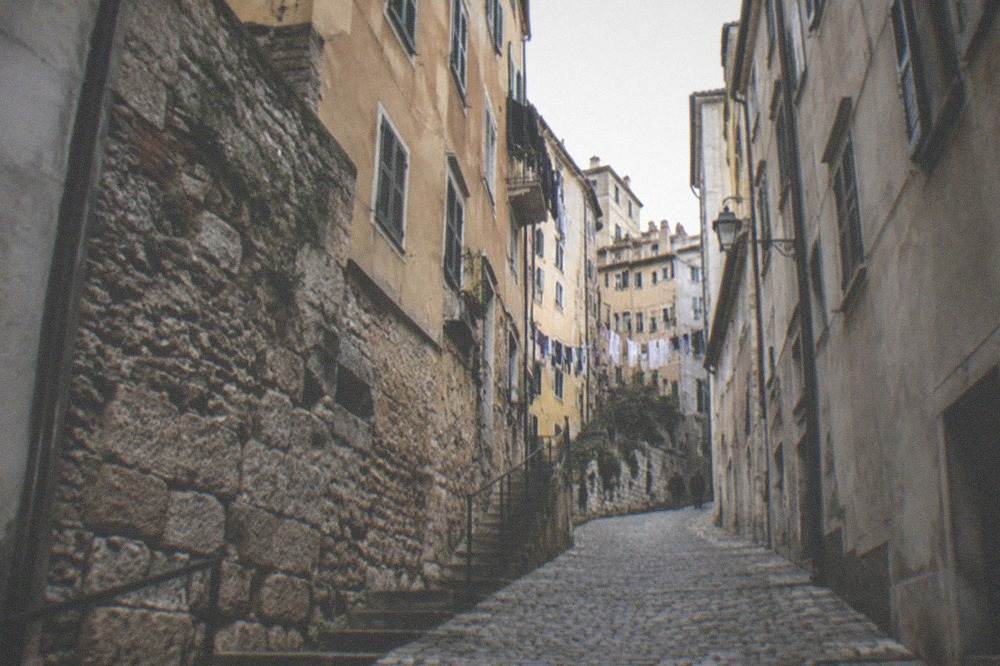
The name means "old city", and the label is honest. This is where Tergeste, the Roman colony, stood, and where the medieval town clung to the hill long after the port and its money moved down to the flat land by the sea. What you see now is a patchwork: the Roman theatre exposed beside a modern road, the Arco di Riccardo standing free on a traffic island, and lanes of worn stone that climb to the cathedral of San Giusto and the castle that overshadows it. This guide covers what is actually in the quarter, what each site costs, how the hours work, and how to sequence a visit, whether you have two hours or a full day.
What Is Città Vecchia in Trieste, Italy?
Città Vecchia is Trieste's old town, the hillside quarter of the city in northeast Italy that holds the Roman theatre, the Arco di Riccardo, the cathedral of San Giusto and Castello di San Giusto, stacked on the slope directly behind Piazza Unità d'Italia. It is the original core of the city: Roman Tergeste stood here, and the medieval town grew up the same hill before the Habsburg era pushed the centre downhill to the waterfront.
The geography is the thing to fix in your head first. Modern Trieste is built on a narrow coastal strip, with the plateau of the Carso rising abruptly behind it. The old town is the point where those two meet. From the seafront at the Rive, the ground starts climbing almost immediately, and the lanes of Città Vecchia are a staircase more than a street plan. Sant'Antonio Taumaturgo and the Grand Canal sit at the bottom edge of the quarter, in the neighbouring borgo teresiano, and the whole climb from there to the castle is short but unrelenting.
The quarter is not a museum district in the fenced-off sense. People live here, and the lanes carry a mix of residential doors, a few bars, and the major monuments. That is part of its value. Trieste's famous Habsburg face, the elegant waterfront and the neoclassical grid, is the eighteenth- and nineteenth-century city; Città Vecchia is everything older, and it is the only place in the city where the Roman and medieval layers are visible at all.
Two neighbouring districts complete the picture for orientation. The Cavana district is the low quarter just west of the hill, once considered a working-class area and now one of the more interesting corners for small shops and bars. And San Vito and Colle Capitolino names the spurs of the same hill system, useful to know because some addresses that feel like "the old town" technically fall outside its historic boundary.
What Are the Main Sights in Trieste's Città Vecchia?
The main sights are the Roman theatre of Trieste, the Arco di Riccardo, the cathedral of San Giusto Martire, Castello di San Giusto with its civic museum, and the lanes and viewpoints between them, all within the old town on or below the San Giusto hill. Entry to the cathedral is free, the castle costs €7 full price, the Roman theatre is viewed from the street, and the whole set can be walked in two to three hours.
Here is the honest inventory, with the verified prices and hours for each.
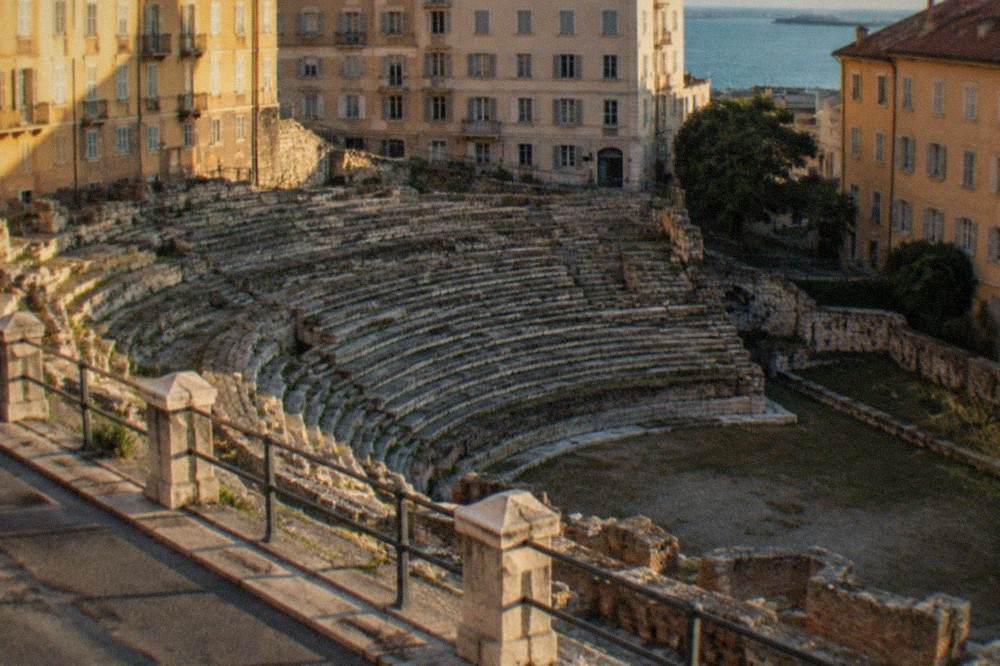
The Roman theatre sits at the foot of the hill, on the edge of the quarter. It is a first-century structure built into the slope, and the practical fact every visitor needs is this: you look down into it from the street. The ministry's own page for the monument describes it as visible from outside, with guided access for groups and schools on request through the heritage authority. Do not plan to walk the stage. It costs nothing to see and takes ten minutes, and the view from the road above is genuinely the intended one.
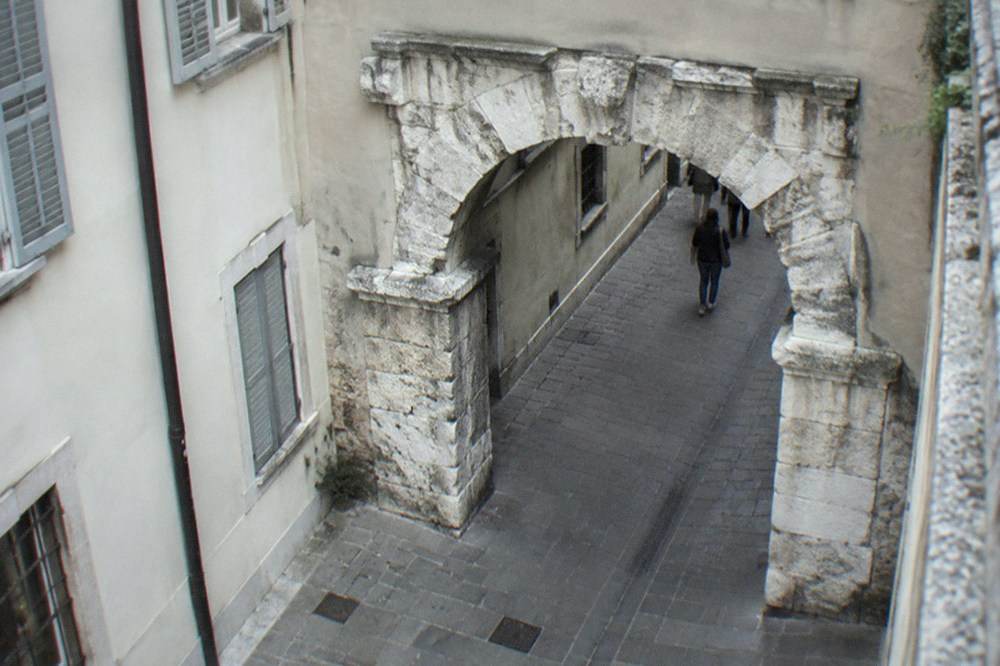
The Arco di Riccardo is a Roman gate, one of the entrances of the ancient city walls, standing on a traffic island a short climb from the theatre. It is free, always visible, and usually quiet. The name, which local tradition ties to a medieval legend about a king, is the sort of detail a guide elaborates on, but the arch itself needs no elaboration: it is a substantial piece of Roman masonry in the middle of a working street.
The cathedral of San Giusto Martire dominates the hilltop. Entry to the cathedral is free, the parish states it plainly on its own page. Weekday hours are 8:00-18:30, and Sundays and holidays 9:00-19:30. The bell tower is a separate matter: it runs 9:00-17:30 daily from 1 April to 30 September, and 9:00-12:00 plus 14:30-17:00 in March and October, with winter visits by arrangement. The parish prints no ticket price for the tower, so this guide does not either. The parish also asks that visitors not come during Sunday Masses, which is worth respecting rather than just knowing.
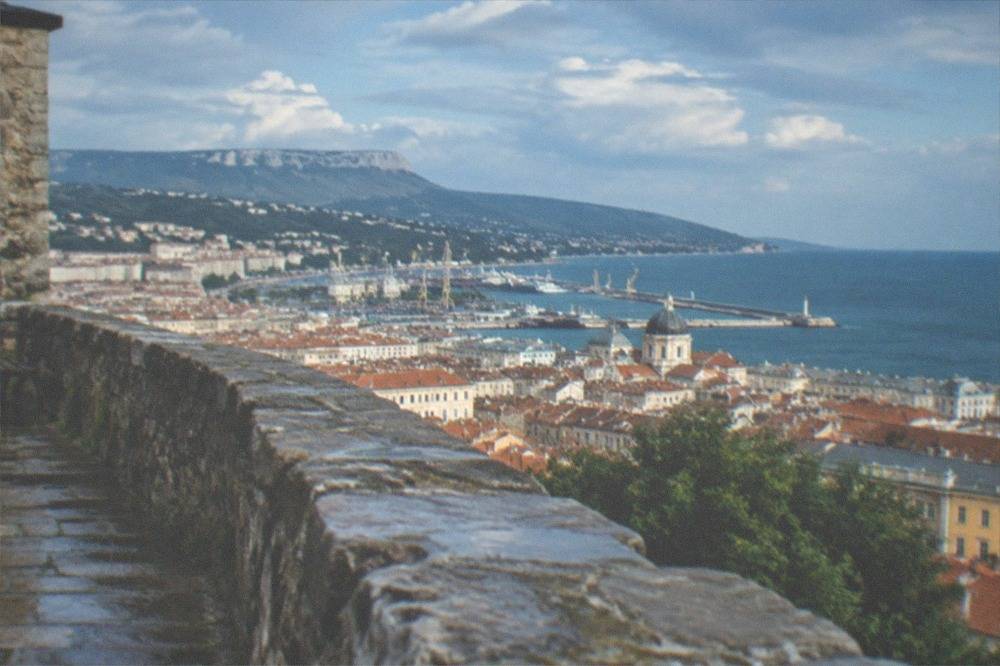
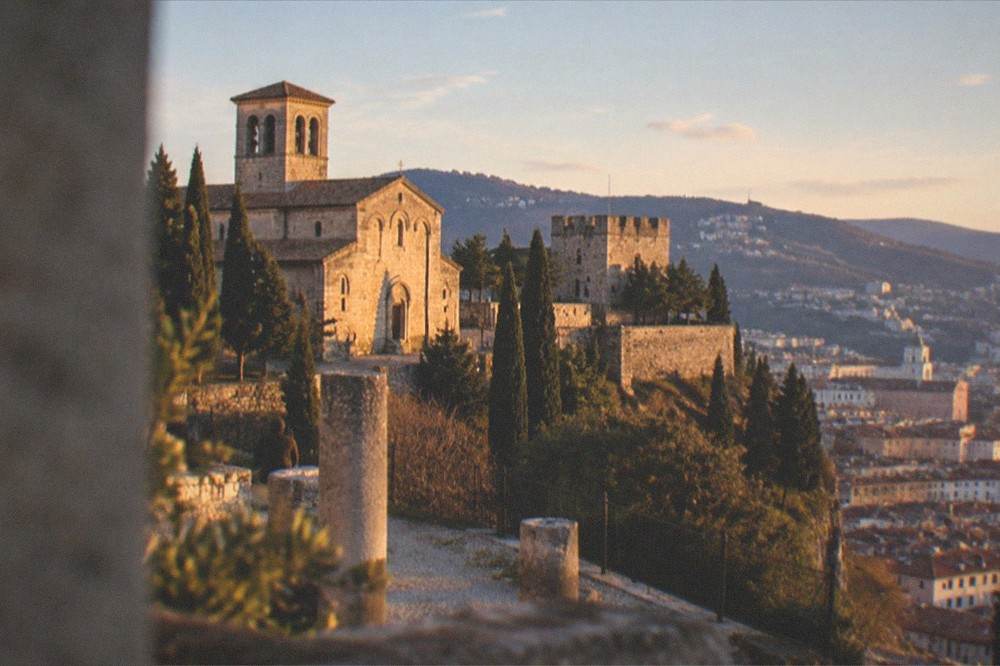
Castello di San Giusto is the castle on the summit, a sixteenth-century fortress built by the Habsburgs over the earlier medieval fortification. The full ticket is €7, reduced €5, school and university groups €1, and it covers the walls and bastions, the Civico Museo del Castello-Armeria, the Lapidario Tergestino and temporary exhibitions. From 1 April to 11 October it is open daily 10:00-19:00 with last entry at 18:30; from 12 October it runs Tuesday to Sunday 10:00-17:00, last entry 16:30, closed Mondays. Entry is free on the first Sunday of each month and on 3 November, the patron saint's day. The walls are the real draw: the panoramic walk over the gulf is the best high view of the city that does not involve a hike.
| Sight | Entry cost | Hours (main season) | Notes |
|---|---|---|---|
| Roman theatre | Free, viewed from street | Always visible from the road | Guided group access on request only |
| Arco di Riccardo | Free | Always visible | Roman gate on a traffic island |
| Cathedral of San Giusto | Free | Weekdays 8:00-18:30, Sun 9:00-19:30 | Bell tower has separate hours |
| Cathedral bell tower | Price not published | 9:00-17:30, 1 Apr-30 Sep | March and Oct: split hours |
| Castello di San Giusto | €7 full, €5 reduced | Daily 10:00-19:00 to 11 Oct | Tue-Sun 10:00-17:00 after, closed Mon |
| Civico Museo del Castello | Included in castle ticket | Same as castle | Arms museum and Lapidario Tergestino |
A short detour down the other side of the hill brings you to the Risiera di San Sabba, the national monument and civic museum in a former rice-processing complex. Entry is free. It runs daily 9:00-19:00 from 1 March to 11 October, and daily 9:00-17:00 from 12 October, with last entries half an hour before closing. It is a sobering site and a world away from the castle, but it is part of the same hillside story and this site's Risiera di San Sabba page covers it in full.
If you would rather have someone else carry the narrative, there are good options. A guided private walk is the classic choice for this quarter, since the layers are invisible without explanation.
The private Trieste sightseeing tour runs about two and a half hours with your own guide, from $128.45 per person, and the roster lists it rated 5 from 100 reviews. For a self-guided alternative that still tells you what you are looking at, the Trieste walking tour with audio and written guide by a local costs from $7.59 per person and lets you climb the hill at your own pace.
How Long Do You Need for the Old Town of Trieste?
Two hours covers the core walk through Trieste's Città Vecchia: theatre, Arco di Riccardo, cathedral and castle walls, climbed from Piazza Unità d'Italia and back down. Three to four hours adds the castle museum, the Lapidario Tergestino and a proper stop in the lanes, and a full morning or afternoon lets you add the Risiera di San Sabba on the far side of the hill without rushing.
The variable is the hill, not the distance. The quarter is compact enough that the horizontal walking is trivial; what costs time is the vertical. A sensible order, and the one most itineraries use, is to start at the bottom and work up, so the climb is spread across the whole visit rather than saved for one brutal stretch.
Start at the Roman theatre, near the bottom of the hill on the edge of the quarter. From there the Arco di Riccardo is a short climb, then the lanes steepen toward the cathedral. The cathedral and its forecourt are the natural midpoint. The castle entrance is essentially beside it, and the walls walk is the payoff at the top. Coming down, you can drop the other side of the hill toward the Risiera, or return the way you came and finish on the seafront at Le Rive.
For visitors with a genuine half day, the one day in Trieste itinerary puts the old town in the morning and the Habsburg city after lunch, which is the right division of labour: the hill is better before the midday heat, and the flat waterfront is pleasant in the evening. With more time, the two-day and three-day plans on this site both give the quarter a full unhurried block.
Cruise visitors should read this carefully. The port sits close to the centre, and the cruise port distance question is answered elsewhere on this site, but the short version for this page: the old town is walkable from the terminal area, uphill all the way. The one day ashore plan budgets the old town as a two-hour block, which is realistic, provided you skip the castle museum and just do the walls.
| Time available | Realistic route | What you skip |
|---|---|---|
| 1 hour | Theatre, Arco di Riccardo, cathedral forecourt | Castle interior and walls |
| 2 hours | Theatre, arch, cathedral, castle walls | Castle museum, Risiera |
| Half day | All of the above plus castle museum and Lapidario | Nothing on the hill |
| Full day | Old town morning, Risiera, then downhill quarters | Only the Carso and coast |
One way to skip the climb entirely is the e-bike option. The Trieste e-bike tour of the old town, Miramare Castle and gelato covers the old town, San Giusto Castle and Miramare Castle in a six-hour guided ride, from $174.26 per person, with gelato included; the listing currently shows a 5 rating from a small number of reviews. Check availability if the hill sounds better on electric assistance.
What Does a Visit to Trieste's Old Town Cost?
A self-guided walk through Città Vecchia in Trieste costs nothing for the lanes, the Roman theatre, the Arco di Riccardo and the cathedral, and €7 for the castle if you want the walls and museums, so a couple can do the whole quarter for €14 plus coffee. On the first Sunday of the month the castle is free too, and the regional FVGcard covers several Trieste sites, though its price should be checked on the tourism board's own page before you buy.
The free list is longer than most visitors expect. The lanes themselves, obviously. The Roman theatre, viewed from the street. The Arco di Riccardo. The cathedral, free on the parish's own word. The castle's hilltop position, if you content yourself with the forecourt and the view from the bastion approach rather than paying for the walls. And the Risiera di San Sabba, free, a bus ride or a stiff walk away on the other side.
The paid list is short. The castle at €7 full, €5 reduced. The bell tower, price unpublished. That is essentially it within the quarter. Add the surrounding city and the numbers grow: Museo Revoltella, the modern-art museum downhill in the direction of the waterfront, is €8 full and €6 reduced, open daily 10:00-19:00 and closed on Tuesdays, a closure day worth remembering because Monday is the castle's winter closure day and visitors routinely mix the two up.
| Item | Cost | Basis |
|---|---|---|
| Old town lanes, theatre view, arch | €0 | Open street |
| Cathedral of San Giusto | €0 | Parish states entry is free |
| Castello di San Giusto | €7 / €5 reduced | Includes museum and Lapidario |
| Castle on first Sundays | €0 | Monthly scheme, check venue page |
| Museo Revoltella (nearby) | €8 / €6 reduced | Closed Tuesdays |
| Urban bus single, 60 min | €1.50 | Trieste Trasporti 2026 tariff |
| Urban day ticket | €3.35 | Trieste Trasporti 2026 tariff |
Transport within the city is cheap by any standard. The 2026 urban tariff from Trieste Trasporti lists a 60-minute single at €1.50, a 75-minute single at €1.85, a day ticket at €3.35, and a 10-ride carnet at €13.50. Contactless bank cards can be tapped on board and the system applies the cheapest applicable fare, so there is no reason to buy anything in advance for a day in the old town. The Opicina tram, the historic hill line, is part of this ordinary urban network: it was reactivated on 1 February 2025 after its long post-accident stop, and its city terminus today is piazza Dalmazia, not piazza Oberdan as older guides still print. Anyone tempted to ride it up toward the Carso should check the operator's live status page on the day, since maintenance suspensions happen and are announced there first.
Accommodation tax is the one cost that surprises people. Trieste charges a tourist tax per person per night, capped at five consecutive nights in the same property, with 2026 rates running from €1.50 per night at campsites up to €3.80 at five-star hotels, and €2.30 at the two-star and short-let level. Everyone under 18 is exempt. Budget roughly €2-4 per night per person on top of the room rate and you will not be caught out.
When Is the Best Time to Walk Trieste's Old Town?
Spring and early autumn are the best months to walk Trieste's Città Vecchia: April to June and September to October bring mean highs of 16.8 to 25.8 C and manageable rain, while July and August average 28 C highs and are the months to avoid for the uphill lanes. Winter is workable but the bora wind makes the exposed hilltop genuinely cold, with gusts over 90 km/h on an average of 17.6 days a year at the waterfront station.
The climate record for Trieste, from ARPA FVG's own station tables at the molo, tells a story that contradicts the Mediterranean stereotype in two directions. Summer is hotter than people expect, with mean highs of 28.2 C in July and 28.1 C in August, and 8.5 days over 30 C in August alone. And the wet season is autumn, not the classic picture: November is the wettest month at 109.8 mm, September is second at 102.3 mm, while July is one of the driest at 53.8 mm. The old town's lanes are stepped stone and steep, and there is almost no shade on the castle walls walk, so the heat argument is real, not cosmetic.
The bora is the other factor. The east-north-east wind that blows down off the Carso is the defining weather fact of Trieste, and the station tables put it in numbers: gusts over 90 km/h on 17.6 days a year on average, over 72 km/h on 49 days, and an all-time series peak of 168.1 km/h recorded in February 2012. It is a cold-season phenomenon above all, peaking between November and March, and the calmest month is June. On a strong bora day the castle ramparts are somewhere you lean into the wind rather than linger, and the exposed viewing points are exactly where you feel it most. There is no published wind threshold at which anything closes, so the practical advice is simply to check the forecast and be willing to reorder your day.
| Month | Mean high C | Rain mm | Days gust over 90 km/h | Verdict for the hill walk |
|---|---|---|---|---|
| March | 13.0 | 52.8 | 2.1 | Good, some wind risk |
| April | 16.8 | 60.7 | 0.7 | Excellent |
| May | 21.7 | 75.0 | 0.7 | Excellent |
| June | 25.8 | 62.5 | 0.3 | Warm, calmest wind month |
| July | 28.2 | 53.8 | 0.9 | Hot, dry, start early |
| August | 28.1 | 71.7 | 0.9 | Hot, busiest |
| September | 23.9 | 102.3 | 1.1 | Warm but the wet season begins |
| October | 19.6 | 88.6 | 1.4 | Good, Barcolana month |
| November | 14.7 | 109.8 | 1.9 | Wettest month, windy |
One October note worth planning around: the Barcolana regatta fills the gulf in the second week of October, with the 2026 edition running 2-11 October and the main race on Sunday 11 October. The old town is not the crowded part, but the whole city is, and the view from the castle walls over a gulf full of sails is one of the great free sights of the year. The record entry stands at 2,689 boats, set in 2018.
What Is There to Eat and Drink Around Città Vecchia in Trieste?
Around Città Vecchia in Trieste the eating and drinking is built on the city's historic caffè culture and its buffet tradition: standing coffee in old interiors near the bottom of the quarter, the pork-and-sauerkraut cooking the buffets serve, and the osmize, farmhouse wine outlets on the Carso above the city, signposted by a leafy frasca branch and best reached by car or the tram toward Opicina. The old town itself is thin on restaurants; the dense eating is downhill toward the waterfront and in Cavana.
The coffee is the famous part, and it deserves its reputation without the numbers usually attached to it. Trieste is a historic coffee port and a roasting centre, and its caffè culture is Central European in style: long-standing interiors, newspapers on sticks, and a standing bar price that is lower than the table price. No reliable primary source exists for the "kilograms per head" figure that circulates about the city's coffee consumption, so this guide declines to print one. What is verifiable is the culture itself, and the historic cafés, several of them a short walk downhill from the old town, are the place to see it.
The buffet is the other institution: the Triestine version of a tavern, serving boiled pork, sausages and sauerkraut-based dishes, with jota, the soup of beans, sauerkraut and potato, as the local signature. The dedicated guide to what to eat in Trieste and the page on jota, goulash and the Trieste buffet cover the food in depth. Within or beside the old town specifically, options are limited to a handful of bars and small places; the serious eating is in Cavana, downhill toward the seafront, or across the waterfront.
The osmize are the wild card. These are farms on the Karst plateau that open seasonally to sell their own wine and simple home produce direct from the property, under an old Habsburg-era right, and an open one is signposted by a frasca, a leafy branch hung at the turning. The de facto calendar of which osmiza is open on which day lives at osmize.com, a long-established volunteer-run reference with addresses and a map, and it is the only live listing there is. They are not in the old town; they are up on the Carso plateau behind it, and the combination of a morning in Città Vecchia and an afternoon in an osmiza is a very Triestine day. The osmize of the Carso guide explains the custom and how to find them.
| Food or drink institution | What it is | Where relative to the old town |
|---|---|---|
| Historic caffè | Standing-bar coffee culture, old interiors | Downhill toward Piazza Unità d'Italia |
| Buffet | Boiled pork, sausages, sauerkraut dishes, jota | Cavana and the lower town |
| Osmiza | Seasonal farm selling its own wine and produce | On the Carso above the city |
| Gelateria | Everyday gelato, including on tours | Waterfront and scattered |
A guided food walk strings several of these together without you needing to research anything. The Trieste guided foodie walking tour runs three hours from $71.08 per person, rated 4.9 from 264 reviews on the listing, and covers the street-food side of the city. It does not climb the hill, which is a point in its favour: do the food downhill, do the old town uphill, and do not try to make one walk do both.
How Do You Get to Città Vecchia from Trieste's Port and Station?
Città Vecchia is reached on foot from central Trieste: the quarter begins within a few minutes' walk uphill from Piazza Unità d'Italia, the cruise terminal area sits at the bottom of the same waterfront, and Trieste Centrale station is a flat walk along the sea toward the old town, with urban buses at €1.50 for 60 minutes covering anyone who prefers not to walk. No transport is needed inside the quarter itself, because it is a pedestrian-scale hill.
The practical geometry: the old town's bottom edge touches the Cavana district and the streets behind the main square, and the climb starts there. From the station side, you walk the length of the waterfront, past the Molo Audace pier and Piazza Unità d'Italia, and then turn inland. From the cruise side, the terminal area is close to the same waterfront, and this site's cruise port guide covers the terminal detail; the short version is that nobody needs a taxi or shuttle to reach the old town from the central berths.
Buses exist for the slopes and for the far side of the hill, and the tariff table above applies. The one transit experience worth detouring for is the Opicina tram, the funicular-assisted line that has run from piazza Dalmazia up to the village of Opicina on the Carso rim since its reactivation on 1 February 2025. It is not a way to see the old town, but it is the historic way to see the old town's setting, and the Opicina tram and obelisk guide on this site covers it. Check the operator's live page before you build a day around it.
For anyone planning wider exploration, the getting-around guide on Trieste Travel Guide collects the whole network, and the map and orientation page is the companion read for first-time visitors who want the districts laid out before arriving.
What Are the Best Tours of Trieste's Old Town?
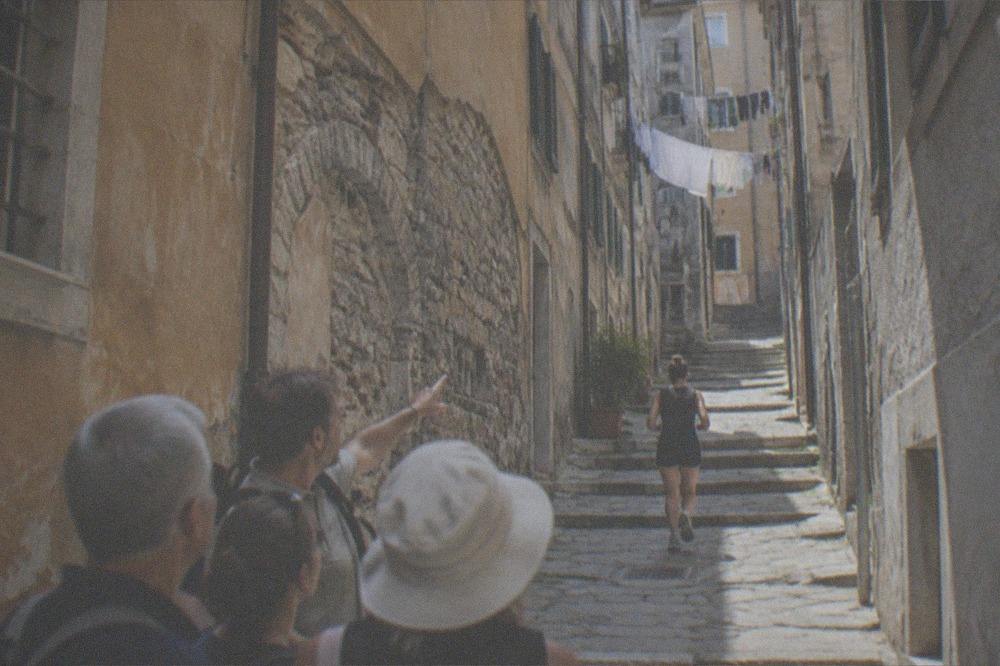
The best tours covering Trieste's old town are a private guided walk of roughly two and a half hours from $128.45 per person, a self-guided audio and written walking tour from $7.59 per person, and the six-hour e-bike tour that links the old town with San Giusto and Miramare Castle from $174.26 per person. A free, tip-based GuruWalk city walk also covers the centre, and themed private walks on the Habsburg era or hidden corners run around two and a half hours each.
The choice comes down to how much structure you want. The private sightseeing walk, rated 5 from 100 reviews on its listing, is the straightforward option: your own guide, the main monuments, the history explained. The self-guided audio option, rated 4.5 from 105 reviews, suits independent walkers who want the stories but not the schedule, and at that price it is close to free.
The themed privates are where the old town rewards a second visit. The Trieste hidden gems private walking tour runs two and a half hours from $143.30 per person, rated 4.96 from 62 reviews, and spends its time in exactly the kind of lanes this article has been describing. The Habsburg history private walking tour, same price and length, leans into the era that built the city below the hill. And the Best of Trieste private walking tour covers the landmarks in two hours from $217.82 per group of up to 10, rated 4.94 from 31 reviews, which makes it the family-and-friends arithmetic choice.
| Tour | Length | From (per person) | Rating on the listing |
|---|---|---|---|
| Private Trieste sightseeing tour | 2h 30m | $128.45 | 5 from 100 reviews |
| Audio and written self-guided walk | Self-paced | $7.59 | 4.5 from 105 reviews |
| E-bike old town and Miramare | 6 hours | $174.26 | 5 from 2 reviews |
| Hidden gems private walk | 2h 30m | $143.30 | 4.96 from 62 reviews |
| Habsburg history private walk | 2h 30m | $143.30 | 4.86 from 21 reviews |
| Best of Trieste private walk | 2 hours | $217.82 per group up to 10 | 4.94 from 31 reviews |
The free option deserves a straight mention. GuruWalk, the pay-what-you-want platform, lists a free city walk of Trieste, Discover Trieste on a walking tour, tip-based and run by a local guru, rated 4.86 from 50 reviews on its listing. It is not this site's product and carries no fixed price, because it is free and tip based. For the old town specifically, a themed private will always go deeper than a general free walk, but as an orientation it is hard to argue with.
What Is Near Città Vecchia Worth Adding to the Same Day?
The additions worth bolting onto a Città Vecchia visit are the Cavana district and the seafront at the bottom of the hill, the Borgo Teresiano grid and Grand Canal across the water, the Risiera di San Sabba on the far side, and, with transport, Miramare Castle up the coast, the Carso plateau above the city or the beach suburb of Barcola, all reachable without a car except the Carso osmize, which reward a vehicle or the tram toward Opicina.
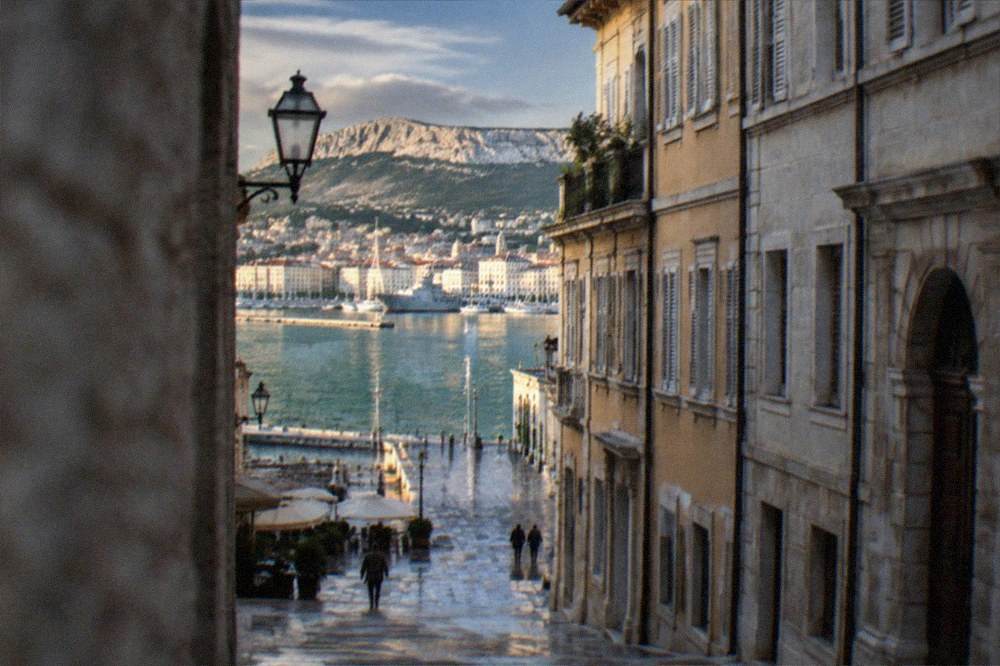
Downhill first, because it is free of planning. The Cavana district wraps around the bottom of the old town and is where the old town's residents actually eat and drink. The seafront, the Rive, is the flat counterpoint to the hill: the long walk along the water with the Molo Audace pier and the open view across the gulf. On a clear evening this is where the city goes to walk off dinner.
Across the front of the city, the Borgo Teresiano is the Habsburg-era grid with the Grand Canal at its heart, and the Piazza Unità d'Italia page covers the great square that anchors the whole city. These are all within the same flat walk; nothing in central Trieste requires transport.
With half a day and a bus or bike, the radius widens. Miramare Castle sits up the coast at Grignano: the castle costs €17 for adults, open every day 9:00-19:00 with last admission at 18:30, while its enormous park is free all year with seasonal hours. The Barcola seafront is the city's swimming and sunbathing strip, and the best-viewpoints guide on this site lists where to photograph the old town from across the water. The Victory Lighthouse stands on the edge of the same stretch.
| Addition | Direction from the old town | Entry cost |
|---|---|---|
| Cavana district | Downhill, adjoining | Free |
| Le Rive seafront and Molo Audace | Downhill to the water | Free |
| Borgo Teresiano and Grand Canal | Flat, across the front | Free |
| Risiera di San Sabba | Far side of the hill | Free |
| Miramare Castle and park | Up the coast | €17 castle, park free |
| Barcola seafront | Up the coast | Free |
| Carso plateau and osmize | Above the city | Wine at farm prices |
For the Carso, the Grotta Gigante cave is the headline: €15 for adults, guided tours only with compulsory booking, departures on the hour through the day, and closed Mondays from September to February. The day-trips guide on this site covers the cross-border options, and one border fact matters before you go: Italy is running temporary border checks on its land border with Slovenia, in force through 18 December 2026 per the European Commission's register, so carry a passport or ID card even for a quick hop to Muggia or beyond.
Common Questions About Trieste's Old Town
Is Città Vecchia in Trieste worth visiting?
Yes. The old town holds the Roman theatre, the Arco di Riccardo, the cathedral of San Giusto and the castle walls with the best view over the city, and most of it is free to see. Two hours is enough for the core walk.
How do I get to Città Vecchia from Piazza Unità d'Italia?
Walk. The quarter begins within a few minutes uphill behind the square, and no transport is needed. The lanes are stepped and steep, so wear sensible shoes.
Can you go inside the Roman theatre of Trieste?
Not as an individual visitor. You look down into it from the street, and the guided access that exists is for groups and schools arranged through the heritage authority. It is free to view.
How much does Castello di San Giusto cost?
€7 full price, €5 reduced, and free on the first Sunday of the month and on 3 November. The ticket covers the walls, the civic museum, the Lapidario Tergestino and temporary exhibitions.
Is the old town of Trieste accessible for wheelchairs?
Partly. The bottom of the quarter and the theatre viewpoint are manageable, but the lanes to the cathedral and castle are stepped and steep. The accessible Trieste guide on this site covers the alternatives in detail.
What is the best time of day to visit Trieste's old town?
Morning, before the heat and the crowds. The castle opens at 10:00, so a common order is the theatre and arch first, the cathedral mid-morning, and the castle from opening. The evening view from the walls is the alternative if you prefer light over detail.
The old town of Trieste is the part of the city that explains all the other parts. The Habsburg grid below it, the coffee houses, the port and the seafront all make more sense once you have stood on the castle walls and seen how small the original city was, and how deliberately everything else was built downhill from it. Give it a morning, start early, climb slowly, and finish with a coffee at the bottom where the money always was.