Cavana District in Città Vecchia, Trieste, Italy: What to See in the Old Town Lanes
Cavana is the tight web of lanes that makes up most of Città Vecchia, the old town of Trieste in Italy, running from the slopes of the San Giusto hill down toward the seafront a few streets from Piazza Unità d'Italia. It is the part of the city where the Habsburg grid gives way to something older, smaller and, on the right evening, louder.
Short answer
Cavana is the lane-quarter inside Città Vecchia, Trieste's old town in Friuli Venezia Giulia, Italy, below the Cathedral of San Giusto and steps from Piazza Unità d'Italia. Expect narrow streets, free sights such as the Roman theatre and the cathedral, a paid castle and museum around the hill, and the city's best eating streets.
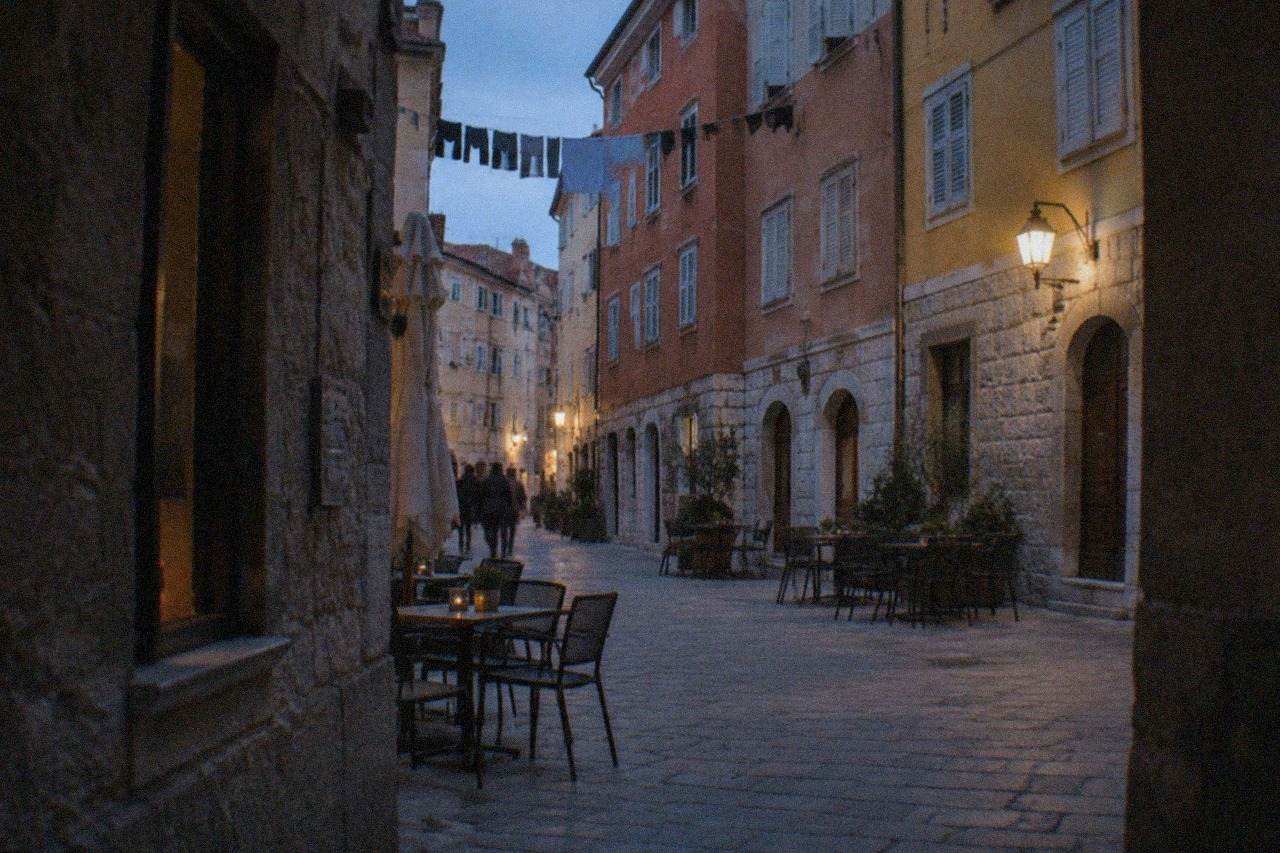
Cavana is the district of narrow lanes inside Città Vecchia, the old town of Trieste in the Friuli Venezia Giulia region of northeast Italy, and it is the part of the city where the planning gives way to accident. Below the Cathedral of San Giusto, between the hill and the sea a short stroll from Piazza Unità d'Italia, it is a quarter of tall painted houses, small bars, students from the nearby university buildings and, in the last two decades, a slow creep of restoration. For visitors it works as Trieste's most walkable concentration of sights: the Roman theatre sits on its edge, the castle and cathedral sit above it, and the water is never more than a few lanes away.
This guide covers what Cavana is, what there is to see in and around it, what the sights cost, how to eat and drink there, which tours cover it, and when to go. Every price and hour below comes from the venues' own published sheets or the operators' listings; where a figure does not exist on an official page, it says so rather than guessing.
What Is the Cavana District in Trieste, Italy?
Cavana is the lane-quarter inside Città Vecchia, the old town of Trieste, a port city in Friuli Venezia Giulia in northeast Italy. It spreads over the lower slopes of the San Giusto hill, between the Cathedral of San Giusto above and the seafront below, a few minutes' flat walk from Piazza Unità d'Italia. It is where the city keeps its oldest surviving street pattern, its densest eating and drinking, and several of its most visited monuments.
The name most often attached to the wider area is Città Vecchia, which this site covers in full in its own guide to Città Vecchia, Trieste's old town. Cavana is the part of it most people actually mean when they say they got lost in the old town: the grid of short streets where addresses stop following logic and start following habit. Trieste's other historic district, Borgo Teresiano, is the ordered eighteenth-century extension around the Grand Canal, and the contrast between the two is the clearest single lesson in how this city grew: an old hill settlement first, then a planned imperial port city beside it.
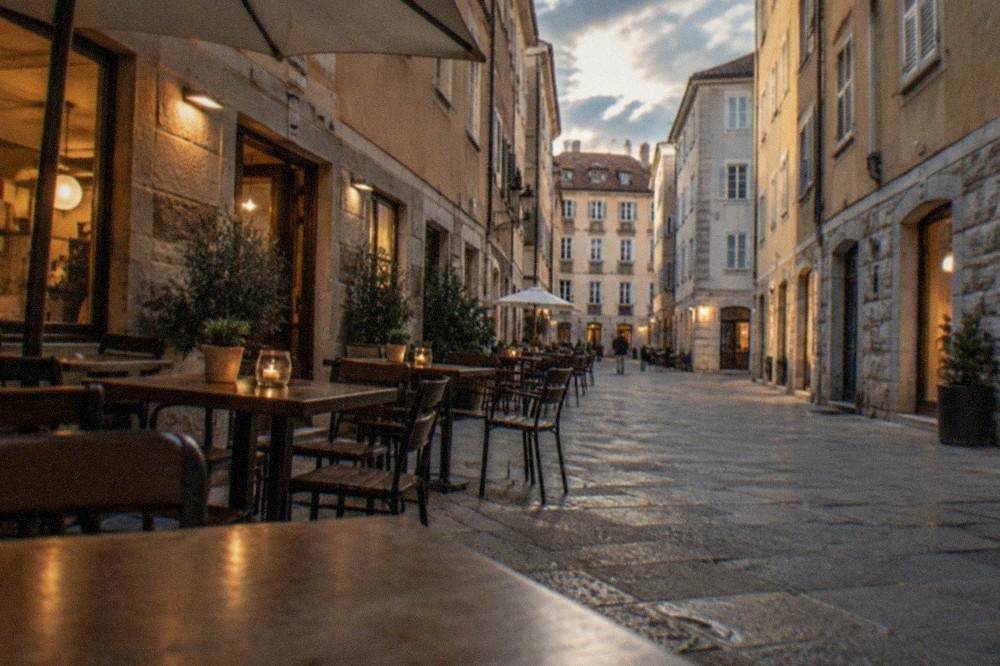
What surprises many first-time visitors is that Cavana was, within living memory, considered the run-down part of town. The quarter's rehabilitation is recent enough that the layers still show: a scrubbed facade next to one waiting its turn, a wine bar beside a hardware shop, a stretch of the old Jewish quarter folded into the same lanes. Walk it slowly and it reads as a working district that tourists share, not one rebuilt for them.
What Should You See in and Around Cavana?
The core sights around Cavana are the Roman theatre, free and viewed from the street; the Cathedral of San Giusto, free to enter, open weekdays 8:00-18:30 and Sundays 9:00-19:30; San Giusto Castle at €7 full or €5 reduced; the Risiera di San Sabba national monument, free; and the Museo Revoltella at €8 full or €6 reduced, closed Tuesdays. All of them sit on or beside the same hill and waterfront, and none is more than a short lane-walk from another.
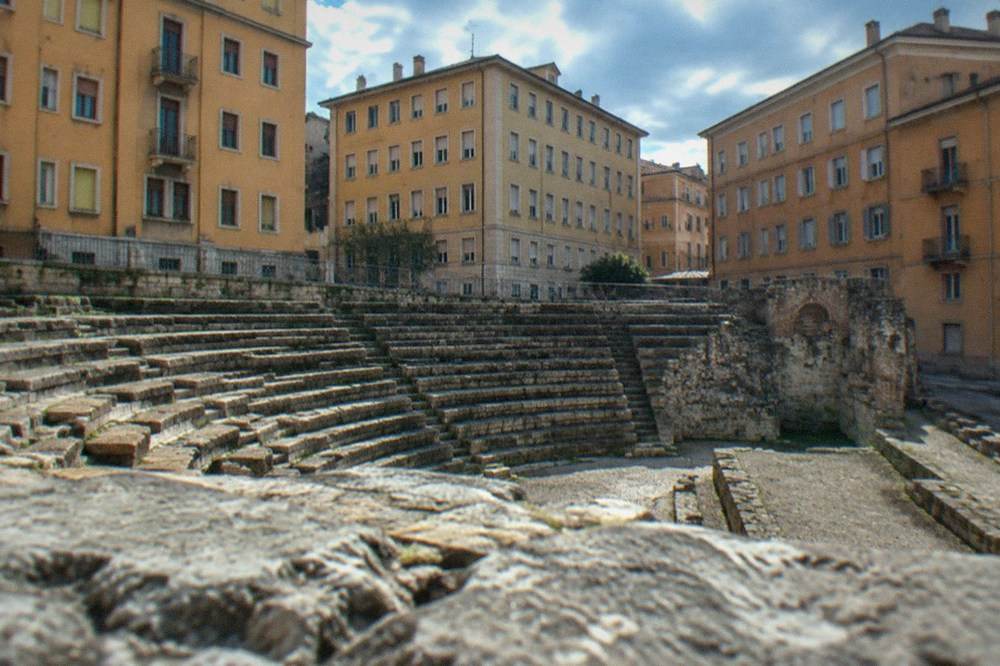
The Roman theatre, the Teatro Romano, is the district's most startling sight: a Roman stage set standing at the foot of the hill, visible from the street and free, but not routinely enterable by individuals, with guided access for groups and schools on request. The honest framing is that you look down into it from the street rather than touring inside, and it costs nothing to do so. Nearby, the Arco di Riccardo, another remnant of Roman Tergeste, stands as a stone arch on a lane of the same hillside.
Above them both, the hill is topped by the Cathedral of San Giusto and San Giusto Castle and hill. Cathedral entry is free; the parish asks that guides not bring visitors on Sundays during services and preferably not between Masses. The bell tower keeps seasonal hours, 9:00-17:30 daily from 1 April to 30 September, mornings and afternoons in March and October, by arrangement in winter, but the parish prints no ticket price for it, so this guide prints none either. The castle ticket, €7 full and €5 reduced, covers the walls and bastions, the armoury museum, the Lapidario Tergestino and temporary exhibitions; it runs daily 10:00-19:00 from 1 April to 11 October, then Tuesday to Sunday 10:00-17:00 from 12 October.
| Sight | Relation to Cavana | Entry cost | Hours as published |
|---|---|---|---|
| Teatro Romano | On the edge of the lanes | Free, viewed from the street | Street view; group visits on request |
| Cattedrale di San Giusto | Top of the hill above | Free | Weekdays 8:00-18:30, Sundays 9:00-19:30 |
| San Giusto Castle | Hilltop above the lanes | €7 full, €5 reduced | Daily 10:00-19:00 to 11 Oct; then Tue-Sun 10:00-17:00 |
| Risiera di San Sabba | Short bus ride south | Free | Daily 9:00-19:00 to 11 Oct; then daily 9:00-17:00 |
| Museo Revoltella | Waterfront side, east of the lanes | €8 full, €6 reduced | Daily 10:00-19:00, closed Tuesdays |
Two notes on free days. The castle, the Revoltella and the state museums take part in the ministry's first-Sunday-of-the-month free-entry scheme, which runs through 2026, but the scheme's rules have changed before, so check the venue's own page for the specific month rather than assuming. And the Risiera di San Sabba, the wartime national monument to the south, is free every day, with individuals needing no booking though groups must book a slot between 1 March and 31 May.
For a route through all of this in a fixed order, the one-day itinerary on this site threads the old town, the hill and the waterfront together, and there is a longer version in the two days in Trieste plan.
If you would rather have a guide for the lanes, the three walks below are the strongest fits for this district, from the roster of verified products on this site.
Where Exactly Is Cavana, and How Do You Get There?
Cavana occupies the lower slopes of the San Giusto hill in central Trieste, Italy, bounded roughly by the old town lanes above the waterfront, with Piazza Unità d'Italia and the sea a short flat walk below and the castle above. No ticket is needed to enter the district: it is ordinary city streets, reached on foot from the centre, by urban bus on a €1.50 or €1.85 single, or by the day ticket at €3.35.
From the station or the cruise terminals the sensible approach is on foot along the waterfront and up through the centre; the district is small enough that walking is the whole point of visiting it. The 2026 urban fare sheet from Trieste's own transport operator sets the prices: a 60-minute single at €1.50, a 75-minute single at €1.85, a day ticket at €3.35, ten rides at €13.50 and twenty rides at €16.65, with single tickets valid 240 minutes on Sundays and public holidays. Contactless bank cards can be tapped on board the vehicles' readers, and the system applies the cheapest applicable fare.
| Ticket | Validity | 2026 price |
|---|---|---|
| Urban single U01 | 60 minutes | €1.50 |
| Urban single U02 | 75 minutes | €1.85 |
| Day ticket U24 | One day | €3.35 |
| 10 rides U10 | Ten urban journeys | €13.50 |
| 20 rides U20 | Twenty urban journeys | €16.65 |
The tram line that climbs to Opicina, reactivated on 1 February 2025 and running from the piazza Dalmazia terminus, does not serve Cavana itself, but it is the classic add-on for a day that starts in the old town lanes: ride it up to the Karst plateau and come back down into the lanes for the evening. This site's page on Villa Opicina and the Karst covers the plateau end of that line.
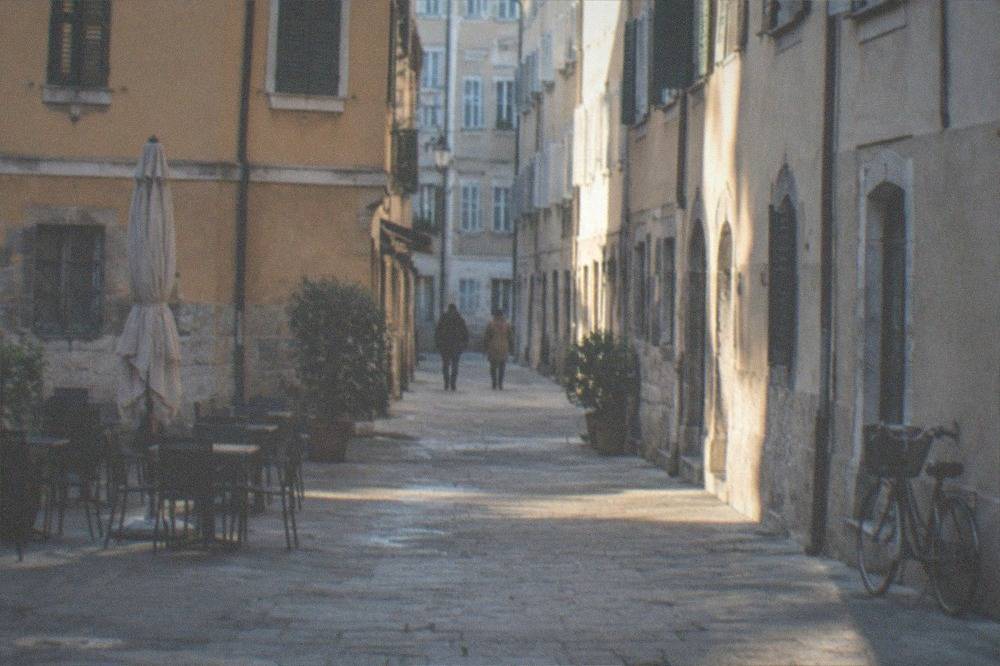
Orientation is simple once you accept the hill. The sea is always downhill; the castle is always uphill; the lanes run between the two in whichever direction the hill allows. Trieste's map and orientation guide on this site draws the wider picture, including how Città Vecchia sits against Le Rive, the Trieste seafront, the long waterfront promenade that begins a few streets below the district.
Where Should You Eat and Drink in and Around Cavana?
Cavana and the streets around it are the densest eating ground in Trieste's old town, Italy: buffet-style rooms serving the city's jota and goulash tradition, small trattorie in the lanes, and the historic caffè culture of the centre a short walk below. Prices are set by each room and vary, so treat any figure as a planning range and check the menu, and note that osmize, the Karst farmhouse wine outlets, sit out on the plateau rather than in the city.
The buffet is the Triestine institution to know about: simple licensed rooms serving hearty central-European food, the tradition this site covers in its buffet and jota guide. In the old lanes you are never far from one, and the honest advice is to read the menu board outside each rather than rely on a printed number here, because rooms change their prices seasonally. The same goes for the caffè: Trieste's coffee-house culture is famous, and the historic bars cluster at the bottom of the hill around the centre rather than inside the lanes, but the walk between them is minutes.
For the osmize, the seasonal farm outlets where Karst producers sell their own wine and home-cured produce direct, you leave the city: they are signposted by a frasca, a leafy branch hung at the turning, and the de facto opening calendar lives at osmize.com, which lists which farms are open on which days with addresses and a map. This site's guide to the Carso Karst plateau covers the territory they sit in, and the food-tour listings below, including a street-food walk rated 4.9 from 264 reviews on the operator's listing, are the structured way into the buffet-and-lane food world if you would rather have someone else order.
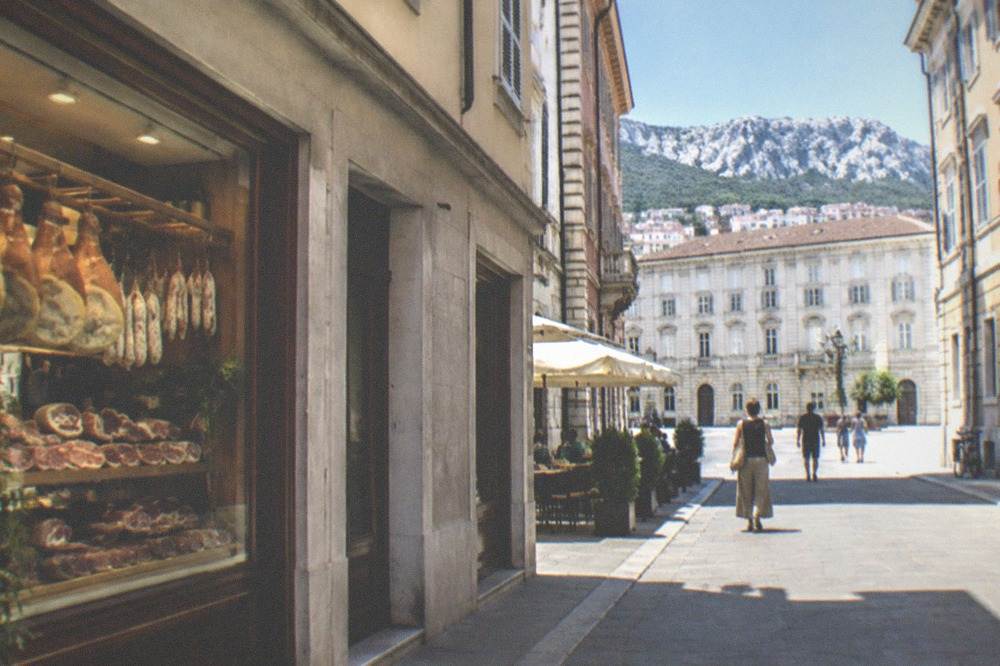
One walkable eating-and-drinking plan that needs no car: coffee in a historic caffè below the district in the morning, the lanes and the hill through the middle of the day, an early evening glass of local Vitovska or Terrano, the Carso's own white and red wines, in a lane bar, and dinner in a buffet before the short walk back to the seafront. Note that Prosecco here is a place, the village on the plateau that gave the sparkling wine its name, and Trieste is not in the Prosecco DOC zone; the local bottles are the ones named above.
For travellers who want the cooking rather than the eating, a small-group pasta and tiramisu class, from $157.65 per person on its listing, rated 4.4 from 40 reviews, runs in the city, as does a private home cooking class from $166.23 per person, rated on its listing at 3.9 from 6 reviews, a reminder that the newest products carry the thinnest review books.
If all of this appeals but the logistics feel heavy, a guided walk through the lanes solves it in one booking, and the box below is the one this site would point you at first.
Which Tours Cover Cavana and the Old Town of Trieste?
The best fit for Cavana specifically is Experience Trieste, a leisurely guided group walk from $198.52 per group, rated 5 from 113 reviews, about two and a half hours, described on the listing as walks through the city with a local guide.
Alongside it, a self-guided audio-and-written walk from $7.59 per person, rated 4.5 from 105 reviews, covers the same lanes on your own schedule, and a pay-what-you-want GuruWalk free walk, tip based, rated 4.86 from 50 reviews, runs with a named local guru. Other pages covering the same trip are gathered on Trieste Travel Guide.
The private options run wider. A Best of Trieste private walk costs from $217.82 per group of up to 10, rated 4.9 from 31 reviews, over two hours; a 2-hour private version runs from $206.36 per group, rated 4.9 from 98 reviews; a hidden-gems private walk rated 4.96 from 62 reviews, priced on the operator's live listing, over two and a half hours; and a Habsburg-history private walk rated 4.86 from 21 reviews, also priced on its listing. The coffee-in-a-historic-bar walk, from $68.79 per person and rated 4.97 from 106 reviews, is the one that pairs the lanes with the caffè culture best.
| Tour | Type | From | Rating and reviews | Length |
|---|---|---|---|---|
| Experience Trieste | Guided group walk | $198.52 per group | 5 from 113 | 2 hours 30 minutes |
| Discover Trieste on a walking tour | GuruWalk free walk, tip based | Free | 4.86 from 50 | Varies |
| Self-guided audio and written walk | Self-guided | $7.59 per person | 4.5 from 105 | About 1.5 hours |
| Best of Trieste private walk | Private, up to 10 | $217.82 per group | 4.9 from 31 | 2 hours |
| Hidden gems private walk | Private | On the listing | 4.96 from 62 | 2h 30m |
| Scavenger hunt self-guided walk | Self-guided game | $4.67 per person | 4.6 from 28 | 2 hours |
The free walks deserve a specific word because they are the exception to how this site talks about listings. The GuruWalk platform walks are not this site's products: they are free and tip based, run by individual local gurus, and the honest way to describe them is to name the platform and the guru. Never expect a printed price for one, because there is none by design. The Old Port industrial-archaeology free walk, rated 5 from 4 reviews on its listing, covers the port district to the north rather than Cavana, but the main Discover Trieste free walk covers the city centre lanes.
For visitors who want the view from the water side of the lanes, a kayak tour along the Duino coast, from $76.81 per person and rated 4.9 from 11 reviews over three hours, is the active option, though it starts up the coast rather than in the city. And for the classic pairing of city and castle, read on.
Is Cavana a Good Base for Day Trips Around Trieste?
Cavana sits in the middle of Trieste's day-trip catchment, which is unusually international for an Italian city: Slovenia is over the hills and Croatia is down the coast, and both Slovenia and Croatia are in the Schengen area and the euro zone, Croatia having joined both on 1 January 2023. The practical caveat for 2026 is that Italy is running temporary border checks on its land border with Slovenia through 18 December 2026, so carry a passport or national ID card.
The headline day tours from the roster tell the story. Ljubljana and Lake Bled is the biggest seller, from $108.91 per person, rated 4.69 from 544 reviews, over nine hours, with a seven-hour variant from $137.57, rated 4.51 from 277 reviews, and a further Bled-and-Ljubljana option from $145.97, rated 4.5 from 214. Piran and the Slovenian coast runs from $114.64 per person, rated 4.57 from 136 reviews, with small-group half-day versions from $125.13, rated 4.9 from 82. The karst caves are the other pole: Postojna Cave and Predjama Castle from $137.57, rated 4.76 from 543 reviews, and Lipica with the Škocjan Caves from $129.93, rated 4.86 from 23.
| Day trip from Trieste | From | Rating and reviews | Length |
|---|---|---|---|
| Ljubljana and Lake Bled | $108.91 per person | 4.69 from 544 | 9 hours |
| Lake Bled and Ljubljana (7-hour variant) | $137.57 per person | 4.51 from 277 | 7 hours |
| Piran and the Slovenia coast | $114.64 per person | 4.57 from 136 | 6 hours |
| Piran, small-group panoramic coast | $125.13 per person | 4.9 from 82 | 5 hours |
| Postojna Cave and Predjama Castle | $137.57 per person | 4.76 from 543 | 6 hours |
| Lipica Stud Farm and Škocjan Caves | $129.93 per person | 4.86 from 23 | 6 hours |
None of this needs money changed at a border. Italy, Slovenia and Croatia all use the euro, so the budget you carry out of Cavana in the morning is the same budget you spend in Piran at lunch. What you do need is the ID card, for the border-check reason above, written as a temporary and dated measure because that is what the European Commission's register says it is. This site's day-trips hub and its Trieste to Piran, Trieste to Ljubljana and Trieste to Postojna pages carry the routes in detail.
Closer to home, the city-and-castle tour below is the one that stitches Cavana to the headline monument up the coast at Miramare: a four-hour guided panoramic tour from $129.94 per person, rated 4.97 from 21 reviews, pairing a city drive with the castle above the sea. For the castle alone, this site's Miramare page notes the castle entry at €17 with the current exhibition and the park free all year.
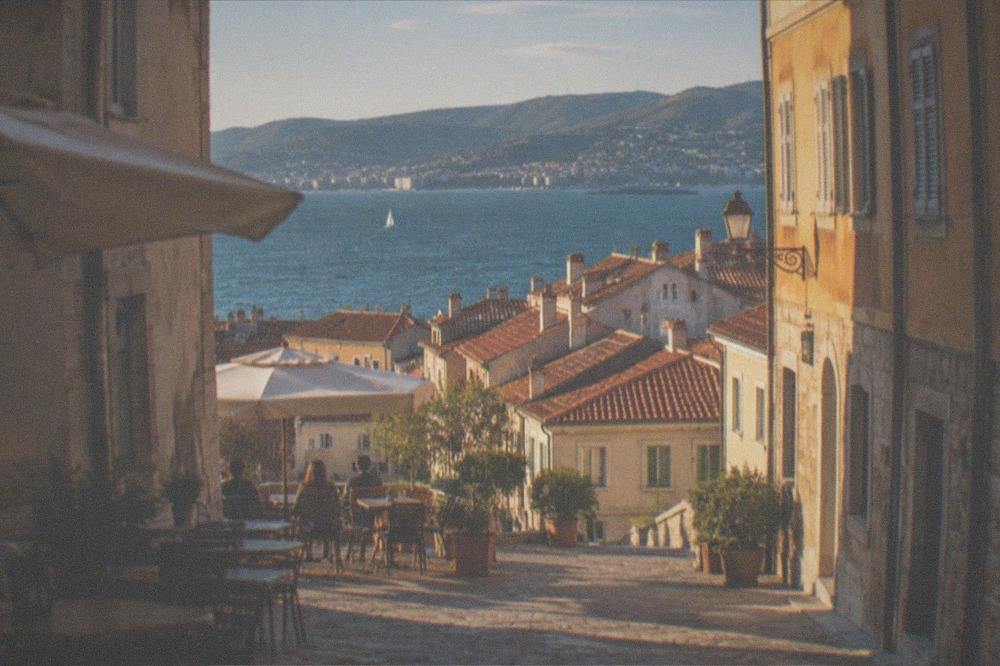
When Is the Best Time to Walk the Cavana District?
The best months to walk Cavana are late spring through early autumn, with July the second-driest month of the year at 53.8 mm of rain against November's 109.8 mm, which is the wettest, and July and August both averaging mean highs of 28.2 C and 28.1 C. October brings the Barcolana regatta, 2-11 October 2026, with the race on 11 October, and it fills the waterfront below the lanes.
The climate record for Trieste, from the regional met agency's own station tables on the waterfront mole, overturns the Mediterranean stereotype in two directions. The city is wetter than southern Italy in autumn: November averages 109.8 mm and September 102.3 mm, against July's 53.8 mm, so summer is a dry time to walk and autumn is not. And the bora, the cold east-north-east wind the city is famous for, is a real planning factor in the cool season: the station series averages 17.6 days a year with a gust over 90 km/h, and the monthly record gust exceeds 110 km/h in every month of the year, with the all-time peak in the series at 168.1 km/h in February 2012. No official threshold exists at which the seafront closes, because none has ever been published; watch the forecast instead of a number.
| Month | Mean high C | Rain mm | Wet days | Sea C |
|---|---|---|---|---|
| April | 16.8 | 60.7 | 8.0 | 14.0 |
| June | 25.8 | 62.5 | 6.1 | 23.1 |
| July | 28.2 | 53.8 | 5.4 | 25.9 |
| September | 23.9 | 102.3 | 7.4 | 23.9 |
| October | 19.6 | 88.6 | 7.6 | 20.3 |
| November | 14.7 | 109.8 | 9.5 | 16.8 |
Seasonal logic follows from the table. June to September is the window for lanes, castle walls and the seafront in one day, with the sea at its warmest, 25.9 C at the August peak, on the agency's series. October trades swimming weather for the regatta week. Winter is quietest and, on a bora day, dramatic: the ropes the city rigs along exposed stretches exist precisely because the wind is real, and the seafront below the district is where you feel it. November and December suit the indoor layer of the district, the cathedral, the Revoltella and the caffè, with the Christmas market adding a reason.
How Much Does Time in Cavana Actually Cost?
A day in and around Cavana can cost almost nothing beyond food: the district itself, the Roman theatre view, the cathedral and the Risiera di San Sabba are all free, so the only compulsory spend is a coffee and a meal in the lanes. Paid layers start at €7 for the castle, €8 for the Revoltella, €3.35 for a day of buses, and from $7.59 per person for a self-guided audio walk, with guided and private walks from tens to a couple of hundred dollars.
Accommodation adds the tourist tax, which the Comune's own 2026 table sets per person per night by category: €3.80 at five-star hotels, €3.30 at four-star, €3.00 at three-star, €2.30 at two-star and at B&B Superior, €2.00 at B&B Comfort and €1.80 at B&B Standard, charged for a maximum of five consecutive nights in the same property, with everyone under 18 exempt. Those are per-night figures for the room's category, not the room rate, and they are the honest way to budget the part of the trip no listing price shows.
| Item | Cost | Notes |
|---|---|---|
| Walking Cavana itself | Free | Ordinary city streets |
| Roman theatre, street view | Free | Viewed from the street |
| Cathedral of San Giusto | Free | Open daily |
| San Giusto Castle | €7 full, €5 reduced | Includes walls, museum, Lapidario |
| Museo Revoltella | €8 full, €6 reduced | Closed Tuesdays |
| Urban day bus ticket | €3.35 | 2026 fare sheet |
| Tourist tax, 3-star hotel | €3.00 per person per night | Max 5 nights, under-18s exempt |
The pattern worth noticing is that Trieste's old town is one of the cheaper old towns in northern Italy to see properly. The hill costs €7; the lanes, the theatre view, the cathedral and the seafront cost nothing; and the money goes instead to the things that are genuinely optional, the tours, the tables and the wine. Cruise visitors get the sharpest version of that economy, since the terminal sits close to the centre; this site's one-day-ashore itinerary lays out the walk from the port through Cavana and up the hill.
Common Questions About the Cavana District in Trieste
Is Cavana the same as Città Vecchia in Trieste?
Cavana is the part of Città Vecchia most people mean by the old town lanes, but the two names are not identical: Città Vecchia is the whole old-town district on and below the San Giusto hill, and Cavana is the dense lane-quarter within it running down toward the seafront.
How much does it cost to visit the Cavana district?
Nothing. The district is ordinary city streets. The free sights inside and around it include the Roman theatre viewed from the street, the Cathedral of San Giusto and the Risiera di San Sabba; paid sights nearby run from €7 for San Giusto Castle to €8 for the Museo Revoltella.
How far is Cavana from Piazza Unità d'Italia?
Cavana sits directly above and behind the centre, a short flat walk up from Piazza Unità d'Italia through the old lanes. This site does not print a walking time for the route because no verified figure exists for it; the district's lanes begin within a few streets of the square.
Do I need a tour for the Cavana district?
No, the lanes are walkable alone and a self-guided audio walk from $7.59 per person covers them on your own schedule. But guided options add context: Experience Trieste from $198.52 per group, rated 5 from 113 reviews, and a pay-what-you-want GuruWalk free walk with a local guru are the two most common entry points.
When is the Cavana district busiest?
The district is busiest in the warm dry months, June through September, and during the Barcolana regatta week in October, when the 2026 edition runs 2-11 October with the race on Sunday 11 October. July is one of Trieste's driest months at 53.8 mm of rain, so summer evenings in the lanes are a safe plan.
Can you visit the Roman theatre in Cavana?
You look down into it from the street, and that view is free. The theatre is not routinely enterable by individuals; guided visits exist for groups and schools on request. Do not plan a tour inside it.
Cavana rewards the traveller who treats it as a place to wander rather than a list to clear, and its position, hill above and sea below, makes it the natural spine of any first visit to Trieste. Walk up for the free cathedral and the €7 castle, down for the caffè and the square, and let the lanes in between decide the rest of the day.