Risiera Di San Sabba in Trieste, Italy: Hours, Entry and What to Expect
The Risiera di San Sabba is a national monument and civic museum on the western edge of Trieste, Italy, entry is free, and it is open every day of the week in both summer and winter seasons. This guide covers the hours, the booking rule for groups, what the visit involves, and how to combine it with the rest of the city.
Short answer
Entry to the Risiera di San Sabba in Trieste, Italy is free. From 1 March to 11 October it is open daily 9:00-19:00 with last entry at 18:30; from 12 October it is open daily 9:00-17:00 with last entry at 16:30. Individuals do not need to book; groups must reserve a slot from 1 March to 31 May.
The Risiera di San Sabba is a national monument and civic museum in Trieste, Italy, the Adriatic port city in Friuli Venezia Giulia, and it stands a little apart from the postcard Trieste of Piazza Unità d'Italia and the caffè. Entry is free, the site is open every day of the week in both its summer and winter seasons, and individuals simply walk in. It is one of the most sobering stops in the city, and one of the easiest to organise, which is an unusual combination anywhere in Italy. This Trieste Travel Guide page sets out the verified hours and rules below.
The building itself is an industrial structure, a former rice-processing plant, later converted into a site of memory and remembrance, and the city's own museum network now runs it as a civic institution. The visit is quiet, largely unhurried and free of charge, and it pairs naturally with the San Giusto castle and hill or the Revoltella Museum on the same day. This guide covers the verified hours and rules, explains what the visit involves, and shows where the monument fits in a wider Trieste itinerary.
What Is the Risiera Di San Sabba in Trieste?
The Risiera di San Sabba is a former industrial rice-husking plant on the western edge of Trieste, Italy, that was later used as a prison and place of execution during the Second World War and now operates as a national monument and civic museum dedicated to remembrance. Entry is free, the site is open daily year-round, and the city's museum network maintains it as a place of memory rather than a conventional attraction.
The building's history is heavy, and the way the museum presents it is deliberately restrained. The complex was built as a rice mill, a function that gave the site the name it still carries, risiera, and its courtyards and brick structures survive from that industrial phase. During the Second World War the site was used as a police and detention facility, and after the war it was preserved as a monument rather than returned to industrial use or demolished. The city later incorporated it into the civic museum network, which is why today it appears in the same official listings as the Revoltella Museum and the castle museums.
What that means in practice is that the Risiera is presented as a site of conscience. There are no rides, no gift-shop energy and no café terrace; there are rooms, inscriptions, documentation and space to stand still. Visitors who arrive expecting a conventional museum with numbered galleries should adjust their expectations: the building itself, and the events commemorated inside it, are the exhibit. The museum's free-entry policy is part of that civic purpose, and it has held across the seasonal hour changes the site publishes each year.
The site's position in the city's cultural offering is unusual in another way: it is one of the few major Trieste institutions with no closing day of the week. The cathedral of San Giusto keeps long hours but is a working parish church, and most civic museums close one day, yet the Risiera's published schedule shows it open daily in both seasons, closing only on 25 December and 1 January. For a visitor planning a tight itinerary, that reliability matters.
Where Is the Risiera Di San Sabba and How Do You Get There?
The Risiera di San Sabba stands in the San Sabba district on the western side of Trieste, Italy, outside the historic centre but inside the urban bus network, so a standard Trieste Trasporti urban ticket covers the journey. Individuals need no booking and no ticket for entry, and the site's own published schedule shows it open daily in both seasons, which makes it one of the easiest major sites in the city to plan.
The monument sits away from the waterfront core, in a working residential quarter rather than the tourist lanes around Piazza Unità d'Italia. That has two practical consequences. First, you reach it by urban transport or a longer walk rather than by stumbling across it, so it rewards a deliberate plan. Second, the surrounding streets are ordinary Trieste, which many visitors find gives the visit an added weight: the monument stands in the city, not on a museum campus set apart from it.
Trieste's urban network is the practical way in. The 2026 tariff sheet published by the city's transport operator lists the urban single at €1.50 for 60 minutes and €1.85 for 75 minutes, a day ticket at €3.35, and 10-ride and 20-ride carnet options at €13.50 and €16.65. Single tickets are valid for 60 or 75 minutes, extended to 240 minutes on Sundays and public holidays, and contactless bank cards can be tapped on board, with the system applying the cheapest applicable fare. Check the operator's route planner for the line serving the San Sabba stop on the day you travel.
| Ticket | Validity | 2026 price |
|---|---|---|
| Urban single | 60 minutes | €1.50 |
| Urban single | 75 minutes | €1.85 |
| Day ticket | Calendar day | €3.35 |
| 10 rides | Carnet | €13.50 |
| 20 rides | Carnet | €16.65 |
Visitors relying on the city's other transport landmark should note one correction that still trips up guidebooks: the Opicina tram, urban line 2, runs from piazza Dalmazia, not piazza Oberdan, and it is a separate journey entirely, heading up to the Karst rather than toward San Sabba. The Opicina tram and its obelisk make a fine afternoon after a morning at the Risiera, but they are not on the same route.
For anyone who prefers to plan the day with a guide rather than a bus map, the private walking option is the natural fit.
A private walk covers the historic core, and you can then continue independently to the Risiera with the transport basics above. If you would rather keep the whole day structured, these are the three experiences that pair best with a visit to the monument.
What Are the Risiera Di San Sabba Opening Hours and Ticket Prices?
Entry to the Risiera di San Sabba in Trieste, Italy is free, with no ticket price for individuals and no booking required. From 1 March to 11 October it is open daily 9:00-19:00 with last entry at 18:30; from 12 October it is open daily 9:00-17:00 with last entry at 16:30. It closes only on 25 December and 1 January, and on 24 and 31 December it closes early at 14:00.
Those figures come from the monument's own published schedule, and the seasonal split is the one detail worth memorising. The summer season runs to 11 October with evening hours that let you visit after the day's other sightseeing; from the following day the site moves to the shorter winter timetable, which still keeps it open every day of the week. There is no Monday closure, which distinguishes it from the castle museums, and no Tuesday closure, which distinguishes it from the Revoltella.
| Period | Days | Hours | Last entry |
|---|---|---|---|
| 1 March - 11 October | Daily | 9:00-19:00 | 18:30 |
| From 12 October | Daily | 9:00-17:00 | 16:30 |
| 24 and 31 December | Daily | Closes 14:00 | Earlier |
| 25 December and 1 January | Closed | - | - |
One booking rule applies, and it is aimed at groups rather than individuals: groups must reserve a visit slot from 1 March to 31 May. Individuals never need to book in that window or outside it, so a solo traveller or a family can simply arrive. If you are travelling as an organised party in spring, the reservation requirement is the one piece of administration to handle in advance.
The free-entry policy puts the Risiera in the same bracket as the city's other no-cost sites. The cathedral of San Giusto is free to enter, the Roman theatre is viewed from the street, and the park at Miramare is free all year even though the castle itself is ticketed. For a budget day in Trieste, the Risiera is one of the anchors.
| Trieste site | Entry cost | Closing day |
|---|---|---|
| Risiera di San Sabba | Free | None (25 Dec, 1 Jan only) |
| Cattedrale di San Giusto | Free | None |
| Castello di San Giusto | €7.00 adult | Monday from 12 October |
| Museo Revoltella | €8.00 adult | Tuesday |
| Castello di Miramare castle | €17.00 adult | None stated |
| Miramare park | Free | None |
If a structured visit sounds better than a self-directed one, a guided option covers the logistics.
What Will You See Inside the Risiera Di San Sabba?
Inside the Risiera di San Sabba you will find the preserved brick complex of the former rice plant, its courtyards and cells, and memorial spaces with documentation commemorating the victims of the site's wartime use as a prison and place of execution. The presentation is restrained rather than interactive, the route is walkable at a self-set pace, and the free civic-museum setting means no ticket lines or timed slots for individuals.
The visit begins with the building itself. The plant's industrial architecture, brick walls, long low wings and enclosed courtyard, still defines the site, and the museum has kept that fabric intact rather than rebuilding it as a modern exhibition hall. Walking through the complex, the shift from industrial structure to place of memory is signalled by inscriptions and memorial spaces rather than by multimedia displays. Visitors should expect to read rather than to watch, and to spend time standing in the courtyards where the events commemorated here took place.
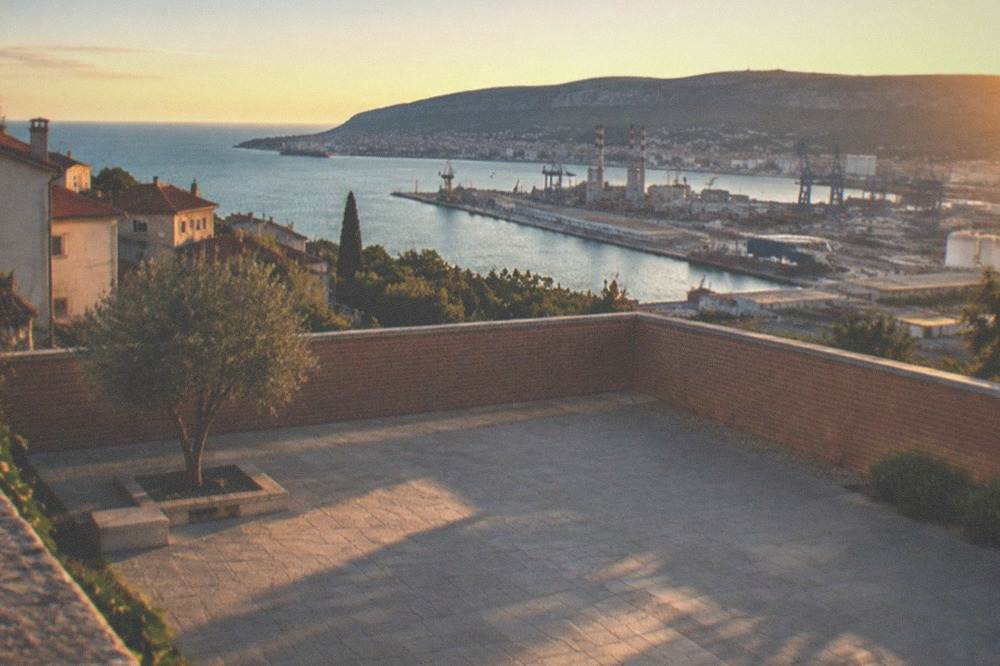
Documentation inside covers the site's wartime history and the commemoration of those who died here. The tone is factual and the museum's civic status shapes it: this is a monument of record, maintained by the city, not a commercial attraction with a narrative arc. Give it the time a place like this deserves. A rushed pass through the complex misses the point of why the site was preserved at all, and the free, unticketed entry makes a slow visit easy to arrange around the rest of a day.
Practically, the visit suits a self-guided approach. There is no compulsory guided tour, unlike the Grotta Gigante across the Karst, where booking is compulsory and visits are guided-only with departures on the hour. At the Risiera you set your own pace, and the daily hours give plenty of latitude: even in the winter season a 9:00 arrival leaves a full morning before the 16:30 last entry.
Is the Risiera Di San Sabba in Trieste Suitable for Children?
The Risiera di San Sabba is free, physically easy to walk and open daily, but its subject matter, detention and execution during the Second World War, makes it a site for considered family judgement rather than a default stop with young children. There are no child-specific facilities or interactive displays, and the museum presents its history plainly, so families with teenagers generally find it meaningful while families with small children usually move on.
The physical visit itself is undemanding. The complex is compact and flat, with none of the stairs that define a castle tower or a cave descent, and the free entry means a family can stay twenty minutes or two hours without any sunk cost. What weighs is the content. The site commemorates people who were imprisoned and killed here, and the museum does not soften that history for a general audience.
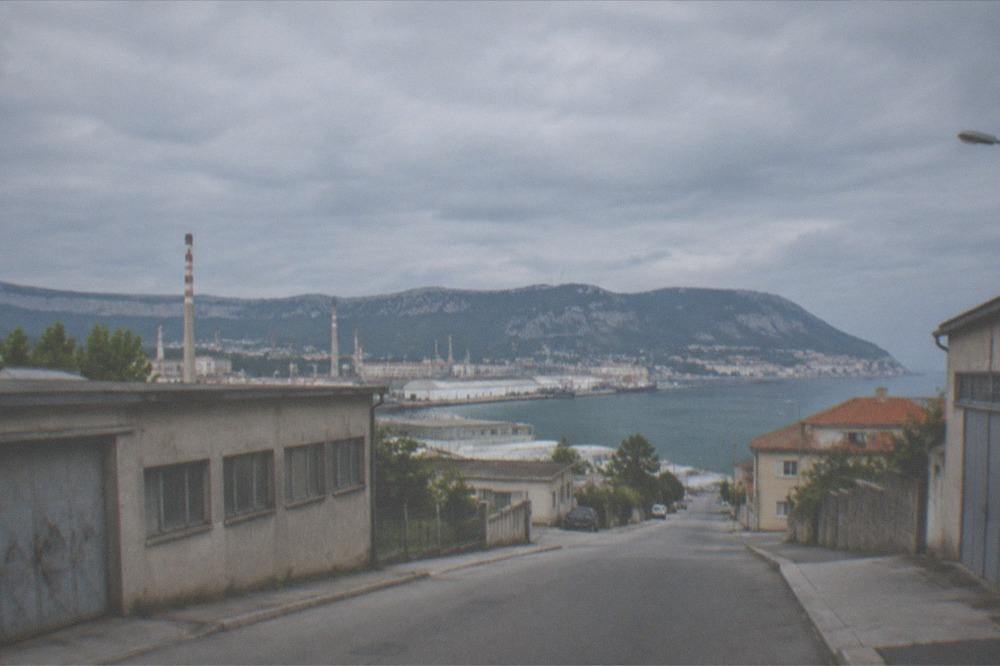
For families building a Trieste itinerary with children, the usual pattern is to pair the city's lighter sights with one considered stop. The Barcola seafront and the city's historic bathing establishments are the swimming-and-promenade side of Trieste, and the castle walls at San Giusto give children somewhere to climb with a view. The Risiera belongs to the other half of a Trieste visit, the half that explains why this border city carries the 20th century so visibly in its streets.
When Is the Best Time to Visit the Risiera Di San Sabba?
Any day of the week works for the Risiera di San Sabba in Trieste, Italy, because the site is open daily year-round, so the real choices are seasonal: from 1 March to 11 October the hours run 9:00-19:00 with last entry 18:30, and from 12 October they shorten to 9:00-17:00 with last entry 16:30. Avoid 25 December and 1 January, when the monument is closed, and expect a 14:00 close on 24 and 31 December.
The one period that needs planning is spring. The group booking rule runs from 1 March to 31 May, which tells you that spring is when organised parties are most likely to fill the site. Individuals are never affected by the rule, but a visitor who prefers the complex at its quietest might weight the visit toward early morning or toward the autumn shoulder, when the summer hours still apply through 11 October but the school-party season has passed.
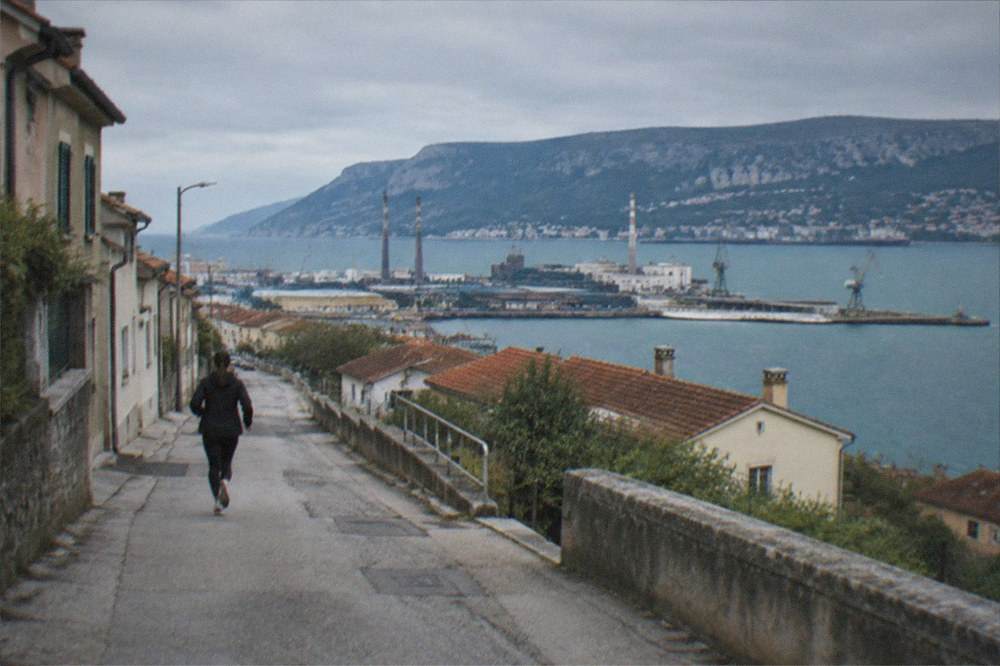
Weather barely matters here, which is worth saying in a city whose bora wind shapes so much of the calendar. The Risiera is an indoor-and-courtyard visit, so a February day of gusts off the Adriatic, the month whose record gust in the city's own station tables is the highest of the year, does not spoil it the way it can spoil a seafront walk or a boat trip. On a wet or windy day, the Risiera belongs on the shortlist alongside the Revoltella Museum and the Civic Museum of Natural History.
What Else Can You See Near the Risiera Di San Sabba?
The Risiera's western position puts it closest to Trieste's port-side and hill quarters rather than the grand waterfront, so the natural pairings are San Giusto hill with its castle and cathedral, the Roman theatre below it, and the Arco di Riccardo, all reachable back toward the centre, while the classic waterfront sights, Piazza Unità d'Italia, Molo Audace and the Victory Lighthouse, sit a short hop further on.
A workable shape is to visit the Risiera first, while the morning is quiet and the mind is fresh, then move east into the historic core. The San Giusto castle and hill carries a €7.00 adult ticket that also covers the castle museum and the Lapidario Tergestino, and from 1 April to 11 October it keeps daily hours of 10:00-19:00. The cathedral beside it is free, open weekdays 8:00-18:30 and Sundays 9:00-19:30.
| Site | Direction from the Risiera | Entry | Hours (summer season) |
|---|---|---|---|
| Castello di San Giusto | Back toward centre | €7.00 adult | Daily 10:00-19:00 |
| Cattedrale di San Giusto | San Giusto hill | Free | 8:00-18:30 weekdays |
| Roman theatre | Below the hill | Free, street view | Always viewable |
| Museo Revoltella | Waterfront core | €8.00 adult | 10:00-19:00, closed Tuesdays |
| Piazza Unità d'Italia | Waterfront core | Free | Always open |
| Molo Audace | Waterfront | Free | Always open |
The Roman theatre deserves a specific expectation-setting: you look down into it from the street, and it is not routinely enterable by individuals, so treat it as a viewpoint stop rather than a ticketed site. The Arco di Riccardo sits in the same hill-quarter cluster, and the whole set links up into a walk that ends at the Victory Lighthouse or down at Molo Audace for the evening light on the water.
For a second day, the city's literary and café culture makes a good counterweight to the Risiera's gravity. The James Joyce trail and the historic caffè around the Canal Grande show the Central European city that the writers knew, and a coffee stop after a memorial visit is a Trieste tradition in its own right.
How Does the Risiera Fit Into a Day in Trieste?
A clean day plan puts the Risiera di San Sabba first thing in the morning, when the site opens at 9:00 in both seasons, followed by San Giusto hill and its castle before the castle's 10:00 opening, then a descent through the Roman theatre quarter to the waterfront for the afternoon, ending at Piazza Unità d'Italia and Molo Audace, all on a single €3.35 day ticket if you use the urban buses.
The logic is simple. The Risiera opens at 9:00, an hour before the castle, and its free, unticketed entry means no queue risk at the door. An hour at the monument leaves you positioned to reach San Giusto for opening, do the castle and cathedral while the morning is still cool, and then let the afternoon dissolve into the waterfront, which costs nothing and closes never.
| Time | Stop | Cost | Notes |
|---|---|---|---|
| 9:00-10:00 | Risiera di San Sabba | Free | Opens 9:00 daily |
| 10:00-12:00 | Castello di San Giusto | €7.00 adult | Last entry 18:30 in summer |
| 12:00-12:30 | Roman theatre and Arco di Riccardo | Free | Street view only |
| 13:00-14:30 | Lunch in Città Vecchia | Varies | Old town lanes |
| 15:00-17:00 | Museo Revoltella | €8.00 adult | Closed Tuesdays |
| 17:00 onward | Piazza Unità d'Italia and Molo Audace | Free | Evening light on the gulf |
Visitors with two or three days can slow this down and add the Karst or the coast. The Duino castle and the Rilke trail make a full coastal day, and a Miramare morning, €17.00 for the castle with the park free, pairs with an afternoon in the city. The Risiera, because it never has a closing day, is the flexible piece: it slots into whichever day the weather or the crowds make awkward.
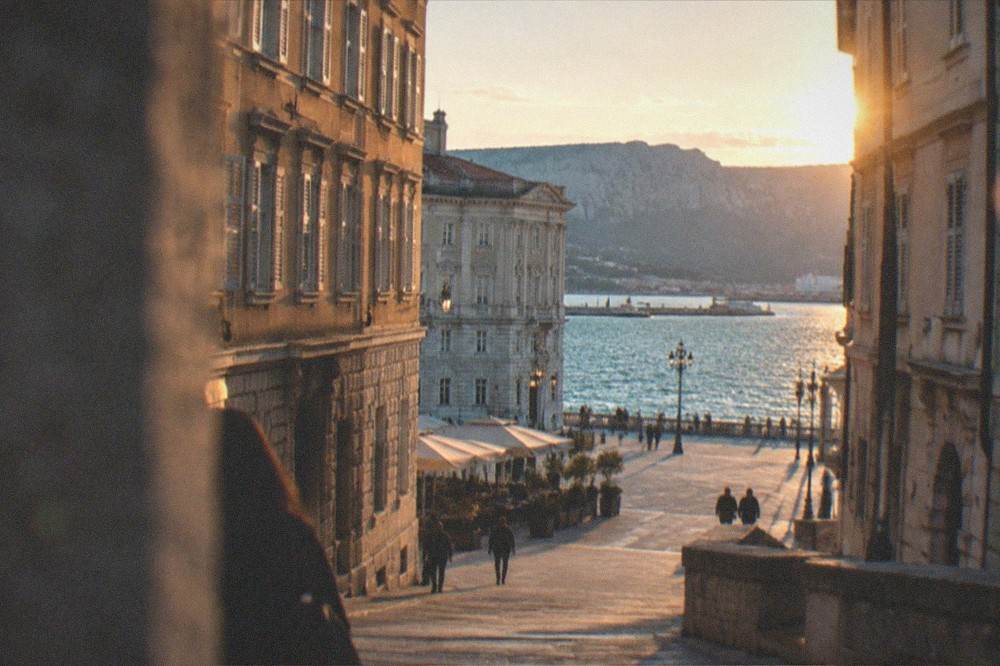
For travellers who want the day carried by someone else, the guided and semi-guided options below cover the historic core that the Risiera visit complements, and the self-guided formats suit anyone who prefers to set their own pace between stops.
A scavenger-hunt format turns the centre into a puzzle, which works well with older children once the morning's memorial visit is done. The wine-and-history option below heads in the other direction, up onto the Karst.
The Prosecco origins tour reaches the village that gave the sparkling wine its name, a story that belongs to the Karst hills above the city rather than to Trieste itself, and it makes a rounded afternoon for visitors who have spent the morning on the city's heavier history.
Common Questions About the Risiera Di San Sabba in Trieste
Is the Risiera Di San Sabba Free to Visit?
Is the Risiera di San Sabba free to visit?
Yes. Entry is free, the site is a national monument run within the city's civic museum network, and no ticket price applies to individuals at any time of year. The only administrative rule is the group booking requirement, which runs from 1 March to 31 May and applies to organised parties, not to individuals or families.
What are the Risiera di San Sabba opening hours?
From 1 March to 11 October the site is open daily 9:00-19:00 with last entry at 18:30. From 12 October it is open daily 9:00-17:00 with last entry at 16:30. It closes on 25 December and 1 January, and on 24 and 31 December it closes early at 14:00.
Do I need to book the Risiera di San Sabba in Trieste?
Individuals do not need to book at any time of year. Groups must reserve a visit slot from 1 March to 31 May, the peak period for organised visits. Outside that window the booking requirement does not apply.
How long does a visit to the Risiera take?
The complex is compact and the pace is self-set, so most visitors spend between forty minutes and two hours. There is no compulsory guided tour and no timed entry for individuals, and the daily opening hours in both seasons leave room for either a short or a long visit.
Is the Risiera di San Sabba open on Mondays?
Yes. The site is open every day of the week in both its summer and winter seasons, which makes it a useful Monday stop when other Trieste museums close: San Giusto castle closes on Mondays from 12 October, and the Revoltella Museum closes on Tuesdays year-round.
Can I visit the Risiera with children?
Physically yes, the site is flat, compact and free, but the subject matter, detention and execution during the Second World War, is presented plainly and without child-specific interpretation. Families with teenagers generally find it meaningful; families with small children usually prefer the seafront, the castle walls or the natural history museum.
The Risiera di San Sabba is the stop in Trieste, Italy that costs nothing, closes almost never and stays with visitors longest. Plan it for the start of a day, give it the quiet it asks for, and let the rest of the city, from San Giusto down to the water, carry the afternoon.