Roman Theatre of Trieste
Trieste, Italy keeps its Roman theatre in plain sight, at the foot of the San Giusto hill, free to look at from the street and not routinely open to walk inside. Here is what you can genuinely see, what the surrounding sights cost, and how to plan the walk.
Short answer
The Roman Theatre of Trieste, Italy is a free, street-visible ancient monument at the foot of the San Giusto hill in Città Vecchia. You look down into it from the street; individual entry is not offered, and guided group visits run on request through the heritage authority.
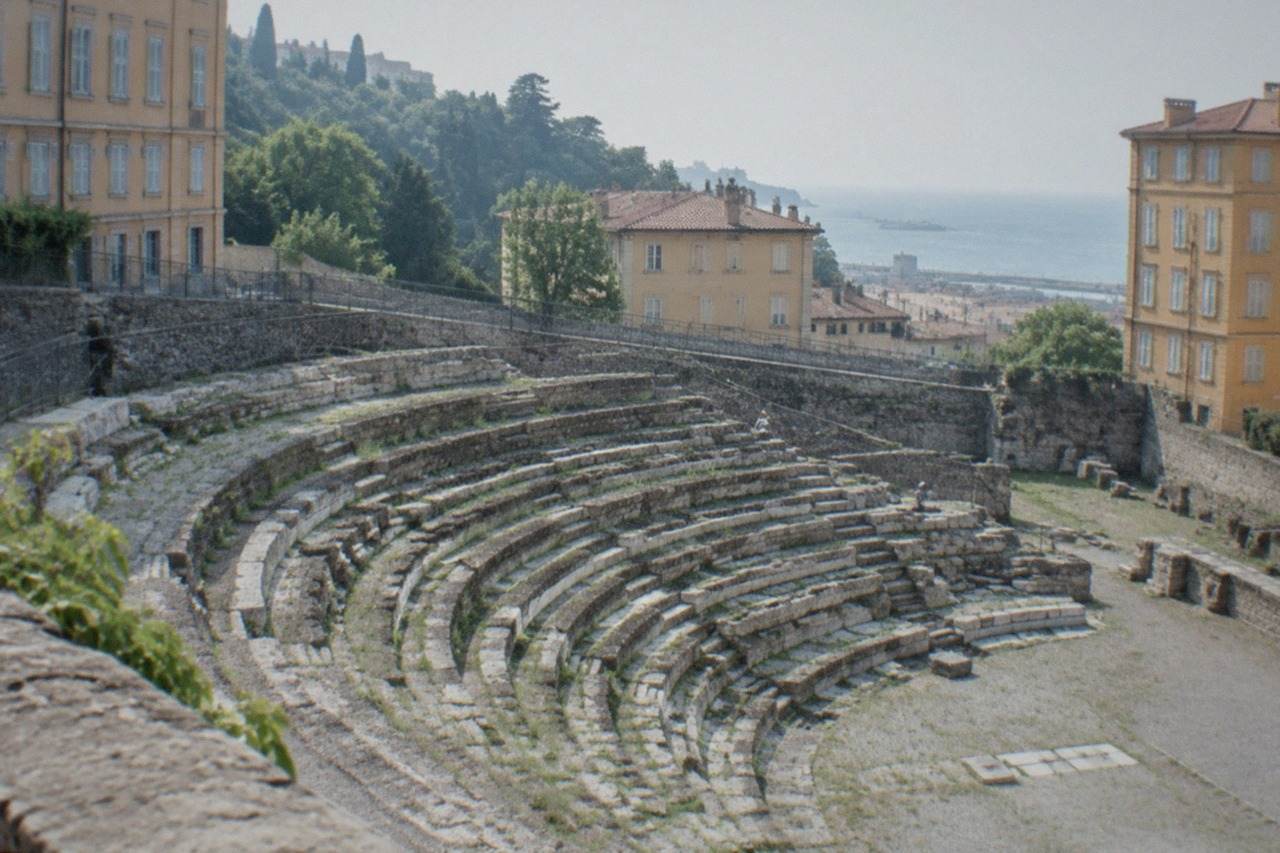
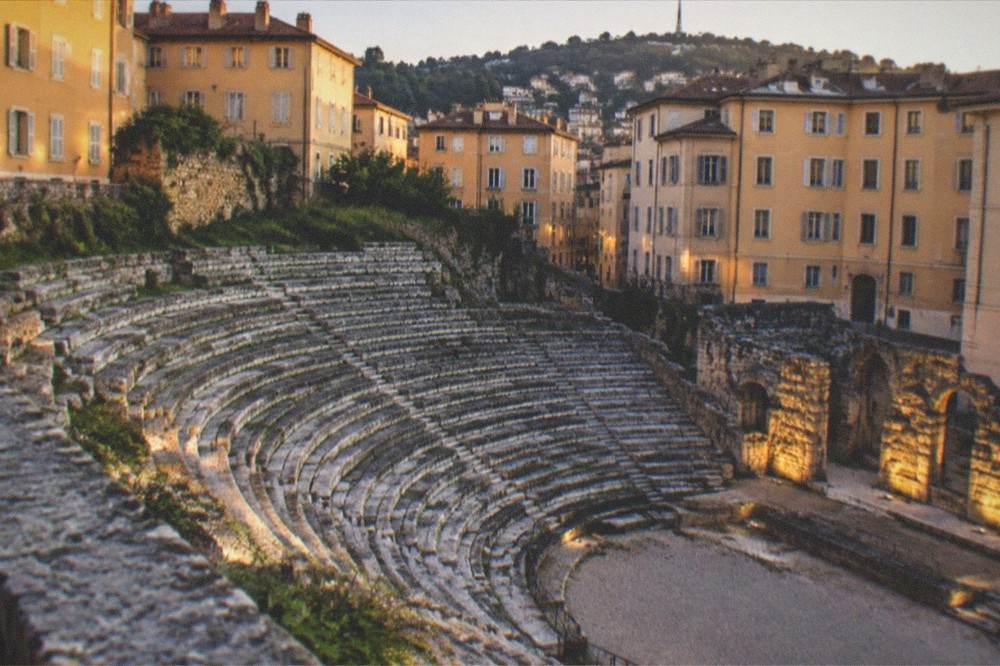
Trieste, Italy keeps its Roman theatre in plain sight, at the foot of the San Giusto hill in the Città Vecchia district, and the way you visit it is unusual enough to plan around: you look at it from the street. There is no ticket desk, no turnstile and no queue, because the monument is not routinely enterable by individuals. The ministry's own page for the monument confirms it stands in the heart of the old town, and the access rule that matters is the observable one: the cavea, the semicircle of seating, rises right beside the road and you see it whole from the pavement above.
That makes it one of the most generous monuments in the city. Castles here charge, museums keep closing days, and the cathedral asks you to work around Mass, but the theatre asks nothing. You can stand at the rail on via del Teatro Romano, take it in, and move on to the San Giusto castle and hill above it. This guide sets out what the theatre is, what you can and cannot do there, what everything around it costs, and how to fold it into a day in the city without backtracking.
What Is the Roman Theatre of Trieste?
The Roman Theatre of Trieste, Italy is the city's principal ancient monument: a semicircular stone theatre built against the slope of the San Giusto hill, with its seating cavea, stage structures and surrounding old-town buildings visible together from the street. It sits in Città Vecchia, the old town, at the foot of the hill, and it is looked down into from the modern road rather than entered through a gate.
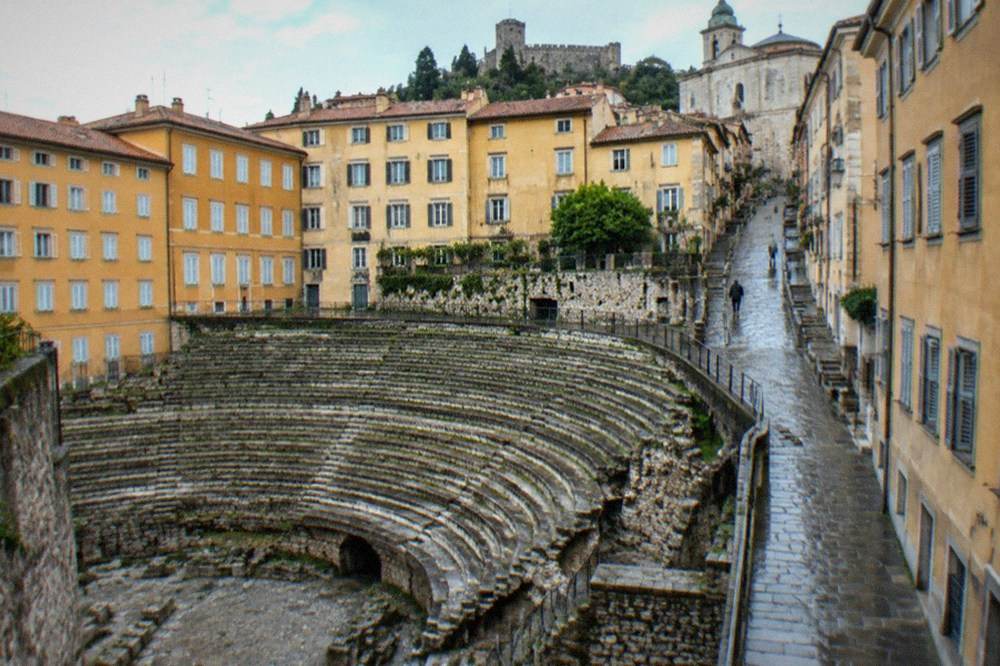
The theatre's position is the whole point of understanding it. Roman theatres were routinely built into hillsides, using the natural slope to carry the tiers of seating, and Trieste's is a textbook case: the cavea leans on the San Giusto hill, the same hill that carries the cathedral of San Giusto and the castle above. Standing at the street rail, you read the monument in layers: the seating curve at the bottom, the hill's green face behind it, and the castle ramparts at the top.
What you are looking at is a working piece of the city rather than a fenced park. The theatre was progressively buried by later building, then brought back to light, and today ordinary apartment blocks and lanes press right up against it. The stage area and the seating are exposed, and the modern street runs where the front of the monument complex once stood. That intimacy is why the view from the rail is genuinely good: nothing stands between you and the stone.
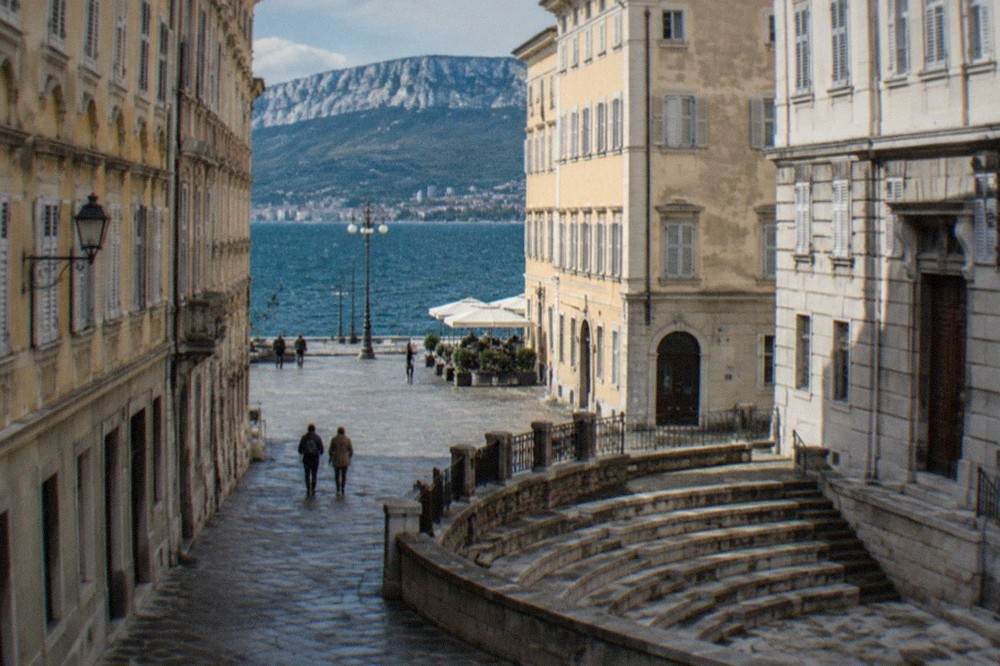
The theatre is also the anchor of the oldest part of the city. Città Vecchia around it is a grid of narrow lanes, worn stairways and small squares, and every route up to the cathedral passes within sight of the monument. The Arco di Riccardo, another Roman remnant, stands a few lanes away, so the ancient city is not one isolated exhibit but a scatter of fragments you cross on foot.
Can You Go Inside the Roman Theatre of Trieste?
No, not as an individual visitor on a normal day: the Roman Theatre of Trieste is viewed from the street, and it is not routinely enterable by the public. Guided visits for groups and school parties are possible on request through the heritage authority, and there is no ticket price or published opening schedule for individuals because there is no individual entry to sell. The view from the rail is free and needs no booking at all.
This is the fact most guides blur. The monument has no ticket office because it does not offer walk-in access. The ministry's page for the theatre is the reference point, and the practical takeaway is simple: if you are travelling as a family or a couple, you see the theatre from the street, and that experience is complete in itself. The cavea is large, open and well lit from above, so the rail view is not a compromise, it is the intended way the city presents the monument.
Groups are different. School parties and organised groups can arrange guided access through the Soprintendenza, the regional heritage office, and if you are travelling with an organised programme it is worth asking your operator whether a guided theatre visit can be requested. But do not build a day around entering: treat the street view as the visit, and treat any interior access as a bonus that requires advance arrangement.
The freedom of the arrangement has a planning advantage. Every other major sight in the city keeps hours: the Revoltella Museum closes on Tuesdays, San Giusto castle closes on Mondays from 12 October, and Miramare stops selling tickets at 18:30. The theatre keeps none. Arrive at 8 in the morning or after dinner in July and it is there, lit by whatever the sky is doing, which makes it the perfect bookend for a day rather than a scheduled stop.
If you would rather have the theatre explained than merely seen, a local guide solves the problem the monument's open access creates: there are no panels, no audio guide and no ticket desk staff to ask. A private walk through Città Vecchia takes in the theatre, the Arco di Riccardo and the hill in one loop.
Where Exactly Is the Theatre and How Do You Fit It Into a Walk?
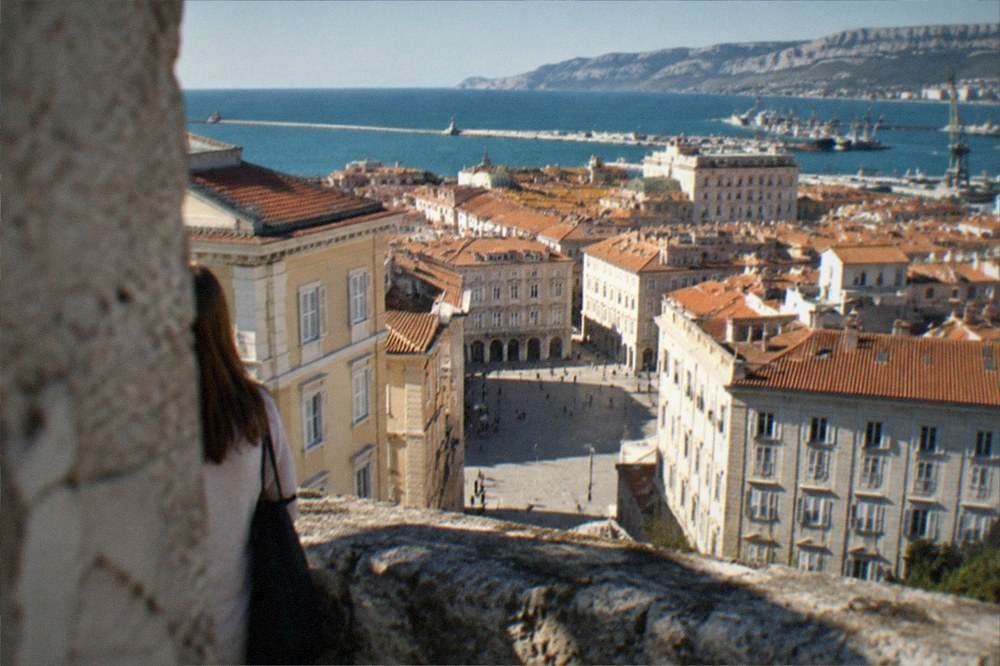
The Roman Theatre sits at the foot of the San Giusto hill in Trieste's Città Vecchia, directly below the cathedral and castle, and the natural walking route is a single climb: start on the seafront at Piazza Unità d'Italia, cross into the old town to the theatre, then continue up the lanes to the cathedral piazza and the castle above it. The whole sequence is one continuous ascent, no transport needed.
Trieste is a compact, walkable city and this route is its spine. The Piazza Unità d'Italia opens straight onto the sea, and behind it the old town rises in tiers. The theatre comes early in the climb, which is why so many visitors meet it by accident: you turn off the elegant Habsburg streets into a narrow lane and the seating curve appears below you at the rail.
From the theatre, the lanes continue upward to the cathedral piazza, where the cathedral of San Giusto stands free to enter, weekdays 8:00-18:30 and Sundays 9:00-19:30. The parish asks that guides not bring visitors on Sundays during services, so time the interior around that. The castle shares the summit, adult ticket €7.00, reduced €5.00, and from 12 October it runs Tuesday to Sunday 10:00-17:00 with Monday closed. Coming back down, the Arco di Riccardo is a short detour on the northern side of the hill.
A reasonable shape for the morning is this: seafront first while the light is flat on the water, the theatre and the old town lanes second, the cathedral and castle at the top, then down for lunch. If you are short of time, the theatre plus the cathedral piazza alone gives you ancient Trieste and medieval Trieste in under an hour of walking, and neither charges you a euro.
For the descent, two options both work. The lanes drop back toward the theatre and the piazza, or you can come down the other flank toward the Canal Grande of Trieste and the Serbian Orthodox church, which puts you in the Borgo Teresiano grid for coffee. That is the Trieste rhythm: ancient monument, hilltop panorama, and a caffè, all inside one square kilometre.
What Does Everything Around the Roman Theatre Cost?
Nothing at the theatre itself, and a mix of free and paid at the sights around it: San Giusto castle is €7.00 adult, the cathedral is free to enter, the Risiera di San Sabba is free, the Revoltella Museum is €8.00 adult, Miramare Castle is €17.00 adult with its park free, and Grotta Gigante is €15.00 with guided tours only. Every state and civic site listed here also opens free on the first Sunday of the month under the ministry scheme.
The price spread is wide enough to plan deliberately. A day built around the theatre, the cathedral and the hill is entirely free except the castle, and even the castle drops its charge on the first Sunday of the month and on 3 November, the patron saint's day. Here is the verified price and hours table for the sights you will realistically combine with the theatre.
| Sight | Adult entry | Hours | Closed |
|---|---|---|---|
| Roman Theatre | Free, street view | Always viewable | Never |
| Cathedral of San Giusto | Free | Weekdays 8:00-18:30, Sundays 9:00-19:30 | Never, mind Mass times |
| San Giusto castle | €7.00, reduced €5.00 | 1 Apr-11 Oct daily 10:00-19:00; from 12 Oct Tue-Sun 10:00-17:00 | Mondays from 12 Oct |
| Museo Revoltella | €8.00, reduced €6.00 | Daily 10:00-19:00, last entry 18:00 | Tuesdays |
| Risiera di San Sabba | Free | 1 Mar-11 Oct daily 9:00-19:00; from 12 Oct daily 9:00-17:00 | 25 Dec, 1 Jan |
| Miramare Castle | €17.00, park free | Daily 9:00-19:00, last admission 18:30 | No weekly closing day |
Two planning notes on that table. First, the free first-Sunday scheme exists and runs through 2026 at participating state sites, but its rules have changed more than once, so check the venue's own page for the month you travel rather than assuming. Second, there is no Trieste-only museum card. The regional FVGcard exists and covers several Trieste sites, but this site does not quote its price because it could not be verified from an official source at check time.
If your day runs long and you want the hill's story told rather than read off a table, a private guided walk is the efficient route, and the operator's live listing shows the current price and free-cancellation terms.
When Is the Best Time of Year to See the Roman Theatre?
Any month works for the theatre itself, since it is outdoors, free and always viewable, but the comfortable window is April through October: ARPA's station tables for the Trieste waterfront give July and August mean highs of 28.2 and 28.1 degrees, with April at 16.8 and October at 19.6, and November is the wettest month at 109.8 mm of rain against July's 53.8 mm, so late spring and early autumn combine warmth with the driest streets.
Trieste's climate runs against the Mediterranean stereotype, and the numbers are worth knowing before you pick a date. The city is wetter than most of southern Italy, around 867 mm a year at the waterfront station, but its rain is concentrated in autumn: November is the wettest month and September is second at 102.3 mm. Summer is genuinely dry, with July the second driest month of the year. A theatre you view from an open street rail is a fair-weather sight, so the rainfall table matters more here than for the castle museums. The wider set of guides lives on Trieste Travel Guide.
| Month | Mean high C | Rain mm | Wet days | Mean sea C |
|---|---|---|---|---|
| April | 16.8 | 60.7 | 8.0 | 14.0 |
| May | 21.7 | 75.0 | 8.5 | 17.9 |
| June | 25.8 | 62.5 | 6.1 | 23.1 |
| July | 28.2 | 53.8 | 5.4 | 25.9 |
| August | 28.1 | 71.7 | 6.6 | 25.9 |
| September | 23.9 | 102.3 | 7.4 | 23.9 |
| October | 19.6 | 88.6 | 7.6 | 20.3 |
| November | 14.7 | 109.8 | 9.5 | 16.8 |
The other seasonal factor is the bora, the north-easterly wind the city is famous for. ARPA's tables show the monthly record gust exceeds 110 km/h in every single month of the year, and the windiest stretch runs from November through March, peaking in February. June is the calmest month. The theatre rail is exposed, so on a strong bora day you will want the castle walls and a caffè more than an open hillside.
October deserves a special mention for one reason: the Barcolana. The regatta's 58th edition runs 2-11 October 2026, with the main race on Sunday 11 October, and the seafront fills for it. The theatre is unaffected, but the city is busy, and the sea view from the hill is the reason to be there that week.
Which Guided Tours Pair Best with the Roman Theatre?
The strongest pairing is a food or walking tour that passes through Città Vecchia, because the theatre sits on the standard old-town route: the foodie walking tour from $71.08 covers the streets around it over three hours, the private walking tour with a local from $56.05 runs two to six hours on a flexible route, and the hidden-gems private walk from $143.30 spends two and a half hours on the lanes most visitors miss. All three let a guide supply what the theatre lacks: interpretation.
The theatre's open access is a double-edged design. There is no gate, but there is also no panel, no guide and no story, and the monument rewards context. A guided walk through the old town supplies it, and Trieste's tour roster is unusually strong on exactly that route. The table below compares the walks that fit most naturally around a theatre stop, with prices and ratings as the operators' listings state them.
| Tour | Kind | From (per person) | Rating | Length |
|---|---|---|---|---|
| Trieste: Guided Foodie Walking Tour | food-tours | $71.08 | 4.9 from 264 reviews | 3 hours |
| Trieste: Unique Food Tour with Local Flavors and Tastings | food-tours | $85.98 | 4.7 from 123 reviews | 3 hours |
| Trieste Private Walking Tour with a Local | guided-walking-tours | $56.05 | 4.6 from 94 reviews | 2 to 6 hours |
| Trieste: City Hidden Gems Private Walking Tour | guided-walking-tours | $143.30 | 4.96 from 62 reviews | 2h 30m |
| Trieste: 2-Hour Private Walking Tour | guided-walking-tours | $206.36 per group up to 10 | 4.9 from 98 reviews | 2 hours |
| Trieste Scavenger Hunt & Highlights Self-Guided Walk | self-guided-audio | $4.67 | 4.6 from 28 reviews | 2 hours |
The food tours are the local speciality for a reason that has nothing to do with the theatre and everything to do with the city around it. Trieste's cuisine mixes Mediterranean and Central European traditions, and the old-town lanes between the theatre and the sea hold the buffet tradition the city is known for. The three-hour tasting walk above runs through exactly these streets, and the operator's live listing shows current availability and free-cancellation terms.
For pure flexibility, the Trieste Private Walking Tour with a Local is the pick: it runs anywhere from two to six hours and avoids the fixed itineraries that skip the lanes below the hill. It suits a group that wants the theatre, the Arco di Riccardo and the castle in one narrative.
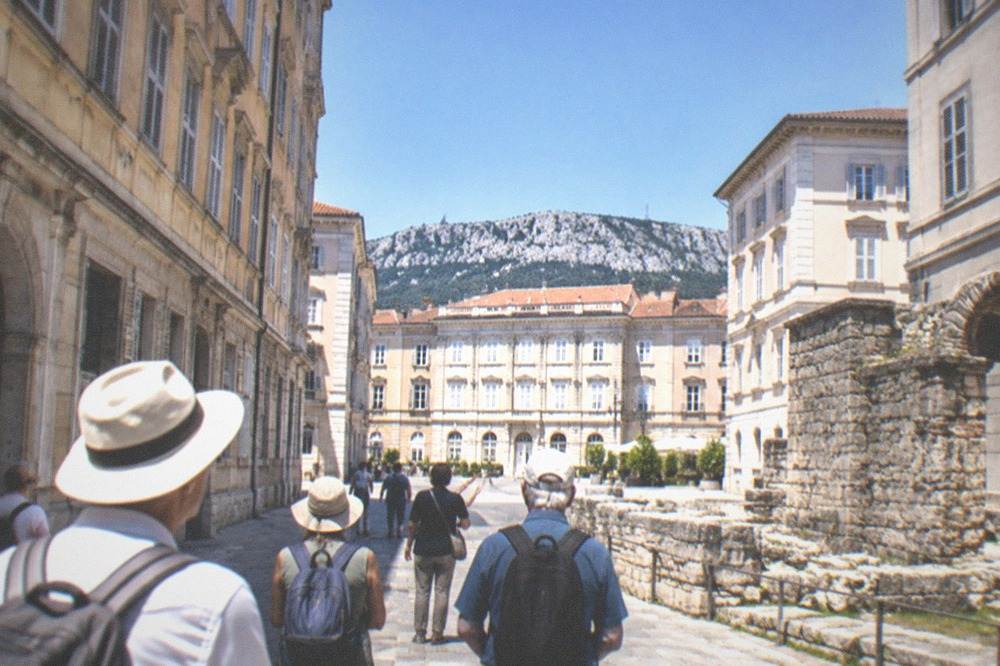
Budget travellers have two honest options. The Trieste Scavenger Hunt & Highlights Self-Guided Walking Tour costs $4.67 and turns the same route into a puzzle, and there is also a free, tip-based GuruWalk city walk, Discover Trieste on a walking tour, run by a local guru, which covers the centre on a pay-what-you-want basis.
How Do You Get to the Old Town and the Theatre?
On foot from almost anywhere in central Trieste, and by urban bus where the walk is long: a 60-minute urban single costs €1.50 and a 75-minute single €1.85, a day ticket is €3.35, and contactless bank cards can be tapped directly on board, with the system applying the cheapest applicable fare. The theatre needs no ticket, no booking and no transport if you are staying anywhere in the centre.
The fare table is worth having even for a short stay, because the same tickets cover the whole urban network, including the Opicina tram line up to the obelisk if you extend your day onto the Karst.
| Ticket | Price | Validity |
|---|---|---|
| Urban single U01 | €1.50 | 60 minutes |
| Urban single U02 | €1.85 | 75 minutes |
| Day ticket U24 | €3.35 | Full day |
| 10 rides U10 | €13.50 | Ten urban journeys |
| 20 rides U20 | €16.65 | Twenty urban journeys |
Single tickets extend to 240 minutes on Sundays and public holidays, which makes a Sunday the cheapest day to bounce between the theatre, the hill and the seafront on one fare. If you are arriving by cruise ship, the old town begins within an easy walk of the waterfront, and the theatre is one of the first sights on the natural route inland from the sea.
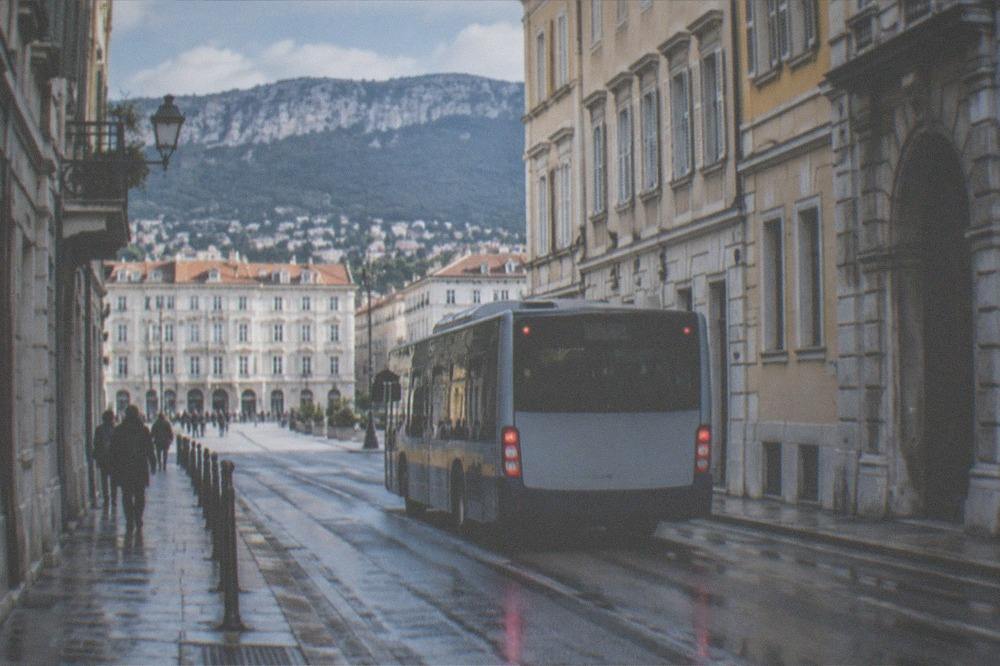
For a longer loop, the Opicina tram and obelisk make a good afternoon extension. The tram is running, its city terminus is piazza Dalmazia, and a standard urban ticket covers it, but check the operator's site on the day for live status rather than trusting any printed timetable.
What Should You Not Miss Near the Roman Theatre?
Four things within the same climb: the cathedral of San Giusto, free to enter at the top of the hill; the castle and its ramparts, €7.00, with the best panorama over the theatre and the gulf; the Arco di Riccardo, the second Roman monument of the old town; and the seafront at the Molo Audace, the free pier where the day's walk ends naturally. All four sit on one continuous walking line from the theatre.
The order matters less than the fact that they connect. The theatre is the bottom of the sequence, the cathedral piazza is the middle, the castle walls are the top, and the sea is the reward on the way down. The Molo Audace deserves the end slot: it is a free public pier reaching into the gulf, and at sunset it is where the city watches its own waterfront.
| Stop on the walk | What it is | Entry |
|---|---|---|
| Roman Theatre | Ancient theatre seen from the street | Free |
| Cathedral of San Giusto | Hilltop cathedral, free entry | Free |
| San Giusto castle | Castle, museum and ramparts | €7.00 adult |
| Arco di Riccardo | Roman arch in the old town lanes | Free, street view |
| Molo Audace | Seafront pier at Piazza Unità d'Italia | Free |
If you have a second day, extend outward rather than staying central. The Risiera di San Sabba, the national monument museum, is free and sobering, and Miramare Castle up the coast at €17.00 with its free park is the region's most photogenic sight. Both are reachable on the urban network.
Common Questions About the Roman Theatre of Trieste
Can you go inside the Roman Theatre of Trieste?
Not as an individual. The theatre is viewed from the street and is not routinely enterable by the public. Guided visits for groups and school parties can be arranged on request through the heritage authority, but a normal visit means the rail view, which is free and always available.
How much does the Roman Theatre of Trieste cost?
Nothing. There is no ticket price because there is no individual entry to sell. The street view is free at any hour, with no booking, no opening times and no closing days.
Where is the Roman Theatre of Trieste located?
At the foot of the San Giusto hill in Città Vecchia, Trieste's old town, directly below the cathedral and castle. It sits on the natural walking line from Piazza Unità d'Italia up to the hilltop, so most visitors reach it on foot.
What else is near the Roman Theatre of Trieste?
The cathedral of San Giusto, free to enter, and the castle, €7.00 adult, both above it on the same hill; the Arco di Riccardo in the lanes to the north; and the seafront at Piazza Unità d'Italia and the Molo Audace below. The whole set is one continuous walk.
When is the best time to see the Roman Theatre of Trieste?
Any time of day, since it is outdoors and always viewable, and any month, though April to October is the comfortable window. July and August average 28.2 and 28.1 degree highs, while November is the wettest month at 109.8 mm of rain, so late spring and early autumn balance warmth against rain.
Is the Roman Theatre of Trieste worth visiting?
Yes, as a free five-minute stop on a walk that is worth an hour. It is the city's principal ancient monument, it costs nothing, it never closes, and it sits at the bottom of the most rewarding climb in Trieste, the one that ends at the cathedral and the castle panorama.
The Roman Theatre of Trieste, Italy is the rare monument that asks nothing of you: no ticket, no timetable, no queue, just a rail above ancient stone at the foot of the city's hill. Plan the climb, spend the morning on it, and let the rest of the old town, from the free cathedral to the €7.00 castle above, complete the story the theatre begins.