One Day in Trieste, Italy: The Perfect 24-Hour Itinerary
One day in Trieste, Italy is enough to walk the seafront square, climb San Giusto hill, drink a proper caffè and still reach Miramare before dinner, provided you plan around the verified opening hours rather than guesswork.
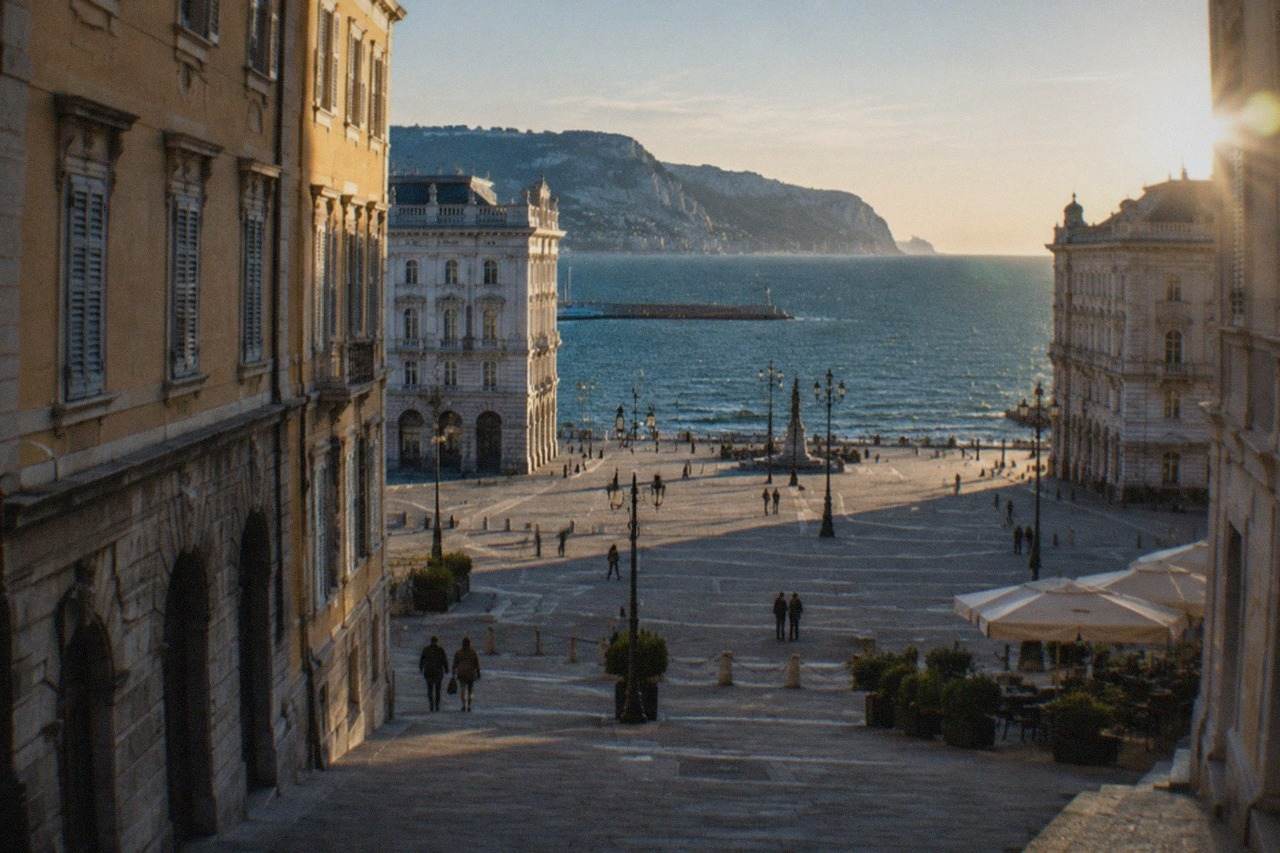
Short answer
Start at Piazza Unità d'Italia at 9:00, walk to Molo Audace and the Città Vecchia, climb to the cathedral and Castello di San Giusto before lunch, eat a buffet lunch in the old town, spend the afternoon at Miramare Castle or in a museum, and finish on the waterfront at sunset. A day ticket on Trieste Trasporti costs EUR 3.35 and covers the whole plan.
Trieste, Italy, the Adriatic port city in Friuli Venezia Giulia, is compact enough that a single well-planned day reaches the seafront square, the Roman and medieval layers of the old town, the hilltop castle and the grand Habsburg caffè without ever needing a car. This itinerary is built around opening hours and fares that have been checked against the venues' own pages and the 2026 Trieste Trasporti tariff sheet, so the timings are ones you can actually keep. It also flags the two things that most often wreck a one-day plan here: museum closing days that fall mid-week, and the fact that the biggest attraction outside the centre, Miramare, keeps different hours from its own park.
What Can You Realistically See in One Day in Trieste?
In one day in Trieste you can see Piazza Unità d'Italia, Molo Audace, the Città Vecchia, the Roman theatre from the street, the cathedral and Castello di San Giusto, one grand caffè, and either Miramare Castle or one museum, and still have time for a proper seafood dinner on the waterfront. What you cannot do is also fit Grotta Gigante or a Slovenia day trip into the same day without cutting the city itself to fragments.
The geometry works in your favour. The centre is a dense strip between the sea and the hill, so the morning walk from the piazza to the castle is one continuous climb through the Città Vecchia rather than a series of disconnected trips. The afternoon is where you make a choice, and it is a genuine choice: Miramare up the coast at Grignano, or the Revoltella museum and the Risiera di San Sabba in and near the city.
Two closing days matter more than anything else in this plan. The Museo Revoltella is closed on Tuesdays, and Castello di San Giusto is closed on Mondays from 12 October, in its winter schedule. Check the day of the week before you lock the itinerary, and swap the affected stop to a day-independent one such as the cathedral, which is open every day.
If you are arriving from a ship rather than a hotel, the plan below still works, but read the shore-specific version at Trieste from a cruise ship: one day ashore first, because docking times change the start of the day.
Morning: Piazza Unità d'Italia, Molo Audace and the Grand Caffè
Start at Piazza Unità d'Italia, the large seafront square that opens straight onto the Adriatic, then walk out onto Molo Audace, the stone pier that extends into the gulf, and take your first caffè of the day in one of the historic caffè on or near the piazza. All three stops are free, all three are within a few minutes of one another, and together they give you Trieste's most famous single view before the day gets going.
Piazza Unità d'Italia is the postcard and it earns it: the square sits directly on the water, with the sea horizon forming one whole side. The buildings around it are the Habsburg-era government palaces, and the effect is the reason the city is often described as the most Central European of Italy's ports. The square is the natural first stop of any one-day Trieste plan, and it needs no ticket and no booking. The full background on the square itself is on Piazza Unità d'Italia.
Molo Audace is the pier a short walk along the waterfront. You walk out over the water on flat stone, with the ferries and the lighthouse in view, and it is the spot from which the whole seafront reads best. There is no charge and no gate.
Then the caffè. Trieste's coffee culture is real and does not need a statistic to make it so: the city is a historic coffee port and roasting centre, and the grand caffè in and around the centre are working rooms where the ritual is standing at the bar. Order as the locals do, by the name of the drink rather than by size, and do not expect a milky cappuccino after noon to pass without a comment.
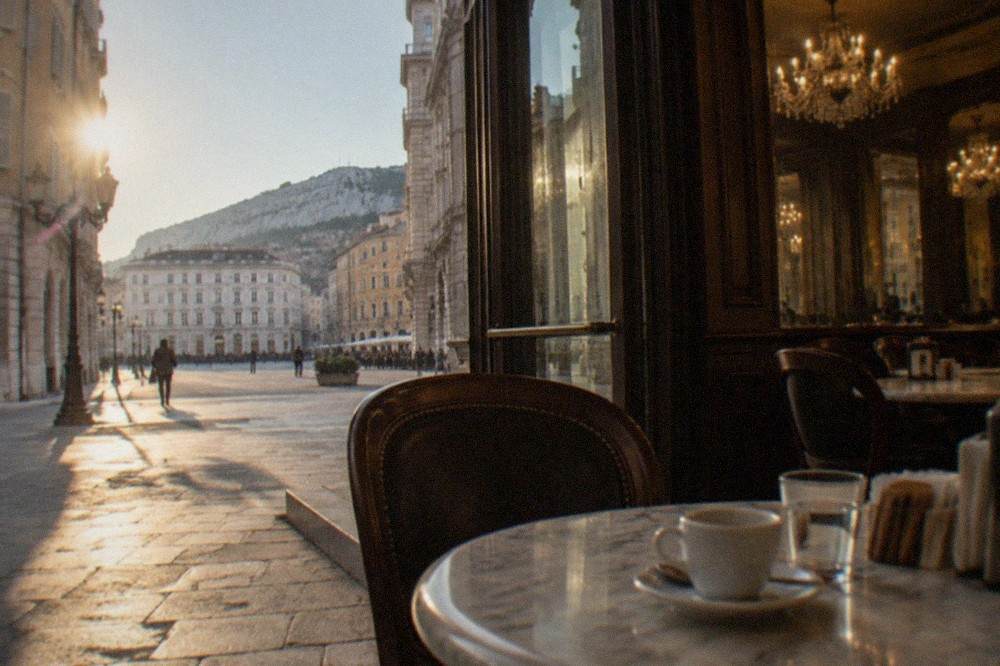
If you would rather have a local guide handle the morning and the stories behind these streets, a private walk is the efficient way to do it, and the same tour reappears later in this plan as the option that compresses the whole centre into a single guided block.
From the piazza, the Città Vecchia, the old town, begins a couple of streets inland. This is the tangle of lanes that climbs toward the hill, and it holds the Roman theatre, which you look down into from the street; it is not routinely enterable by individuals, so treat it as a view from the railing rather than a venue with a ticket desk. The Arco di Riccardo and the lanes around it are the part of the morning that feels least like a checklist, so give the walk more time than the map suggests. If you prefer to set your own pace through these streets, the route is also mapped out in a self-guided Trieste walking tour.
Late Morning: San Giusto Hill, the Cathedral and the Castle
Climb to the hill above the old town for the Cattedrale di San Giusto Martire, which is free to enter, and Castello di San Giusto, which costs EUR 7.00 for an adult and covers the walls, the civic museum and the lapidary collection. The cathedral keeps longer hours than the castle, weekdays 8:00-18:30 and Sundays 9:00-19:30, so do the castle first if you are running late in the morning.
The hill is the historic core of the city, and it is the one climb in this itinerary, so make it before lunch rather than after. The full detail on the site is on San Giusto castle and hill, but the practical facts for a one-day visit are these.
| Site on the hill | Adult price | Hours to note | Closed |
|---|---|---|---|
| Cattedrale di San Giusto Martire | Free entry | Weekdays 8:00-18:30, Sundays and holidays 9:00-19:30 | Never, but avoid Mass times |
| Castello di San Giusto | EUR 7.00 (reduced EUR 5.00) | 1 April-11 October daily 10:00-19:00, last entry 18:30; from 12 October Tue-Sun 10:00-17:00 | Mondays from 12 October |
| Castle ticket extras | Included: walls, Civico Museo, Lapidario, exhibitions | School and university groups EUR 1.00 | Free first Sunday of the month and 3 November |
The bell tower stands beside the cathedral, and the parish does not publish a ticket price for it, so do not plan around a figure you may have read elsewhere. What the parish does publish is its schedule, and its request that guided groups not visit on Sundays during services. On a one-day visit the view from the castle walls is the reliable one.
Two timing traps sit on this hill. From 12 October the castle closes on Mondays, and the last entry moves more than an hour earlier, to 16:30. If your single day falls in the winter half of the year and on a Monday, swap the castle to the Revoltella, which closes Tuesdays instead, and come back to the cathedral, which opens regardless.
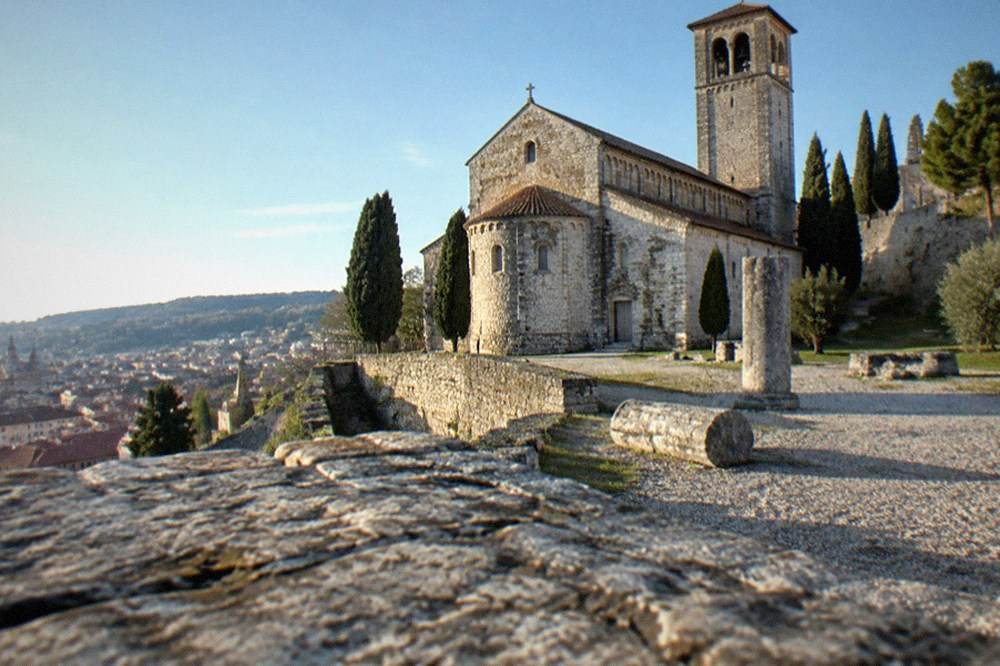
If a private guide sounds like the way to spend the late morning, the sightseeing walk below is the one to check first: it is private, it runs about two and a half hours, and the operator's listing shows the current rating and the meeting point.
Lunch: Where to Eat with Only One Day in Trieste
Eat lunch in the Città Vecchia or the streets just below it, at one of the city's historic buffets, the standing-room eateries that serve Trieste's own central European cooking rather than standard Italian restaurant food. A single lunch is your best chance to taste the local specialities, so do not spend it on a pizzeria near the piazza.
Trieste's food is the most distinctive thing about the city for many visitors, and the buffet is its native institution: pork, sauerkraut, goulash and soups served in rooms that look more Viennese than Venetian. The signature dishes to look for are jota, the sauerkraut-and-bean soup, and the goulash served with polenta or bread dumplings. The buffet tradition is its own story, tied to the city's central European past rather than to the Italian mainstream, and it is the single easiest way to eat something in Trieste that you cannot eat an hour down the coast.
| Meal on a one-day visit | What it is | Where it fits the plan |
|---|---|---|
| Morning caffè | Standing espresso or capo in a historic caffè | Piazza Unità d'Italia area, before the climb |
| Buffet lunch | Jota, goulash, pork and sauerkraut dishes | Città Vecchia or streets below it, after the hill |
| Merenda | A slice of presnitz or putizza, the local layered cakes | Mid-afternoon, near a caffè |
| Dinner | Seafood on the waterfront, or an osmiza on the Karst | Evening, see the evening section |
The cakes deserve the mid-afternoon slot: presnitz and putizza are the city's desserts, and a caffè stop is the natural break between the hill and the afternoon excursion. It is also the moment to decide whether the afternoon needs a guide at all: if the castle and the caffè have already given you more history than you can hold, a private sightseeing walk can take over the storytelling for the rest of the centre while you simply walk.
If food is the reason you are here at all, a guided walk turns lunch itself into the sightseeing. The food tour below runs about three hours with a local guide and a series of tastings, and it pairs naturally with a lighter castle visit in the morning. The operator's live listing carries the current price, the meeting point and the cancellation terms, so check it before you build the rest of the day around it.
Afternoon: Miramare Castle, a Museum or the Carso
For the afternoon, make your way up the coast to Miramare Castle, where the adult castle ticket is EUR 17.00 and the surrounding park is free all year, or stay in the city for the Museo Revoltella at EUR 8.00 or the free Risiera di San Sabba. Miramare is the single most rewarding half-day trip from the centre, but its castle and park keep different hours, so check both before you commit.
Miramare sits up the coast at Grignano, a white castle built for Archduke Maximilian above its own park on the Gulf. The castle ticket is EUR 17.00 and includes the temporary exhibition; reduced tickets for EU citizens aged 18-25 are EUR 7.00 with the exhibition or EUR 2.00 for the castle alone. The castle opens every day 9:00-19:00 with last admission at 18:30. The park is free all year, but its hours change with the seasons, running 8:00-19:00 from April to September and closing earlier in the winter months. The full site guide is at Miramare Castle.
| Afternoon option | Entry cost | Hours that matter | Closed |
|---|---|---|---|
| Castello di Miramare | EUR 17.00 adult | Daily 9:00-19:00, last entry 18:30 | No weekly closing day stated |
| Miramare park | Free | April-September 8:00-19:00, January 8:00-16:00 | Open daily, hours vary by month |
| Museo Revoltella | EUR 8.00 adult, EUR 6.00 reduced | Daily 10:00-19:00, last entry 18:00 | Tuesdays |
| Risiera di San Sabba | Free | 1 March-11 October daily 9:00-19:00; from 12 October daily 9:00-17:00 | 25 December and 1 January |
Miramare also takes part in the ministry's first-Sunday-of-the-month free-entry scheme, so if your one day happens to be the first Sunday of the month, the castle may be free that day; confirm on the venue's own page for the month you are visiting rather than assuming, because the scheme's details have changed more than once.
The city alternatives are strong. The Revoltella is Trieste's modern-art museum, a palazzo on the seafront, and at EUR 8.00 it is a serious collection rather than a filler stop. The Risiera di San Sabba, the national monument at the former rice-husking plant used as a Nazi concentration and transit camp, is free and sobering, and from 12 October it keeps shorter hours. Neither needs a whole afternoon; either pairs with a slow caffè and the waterfront.
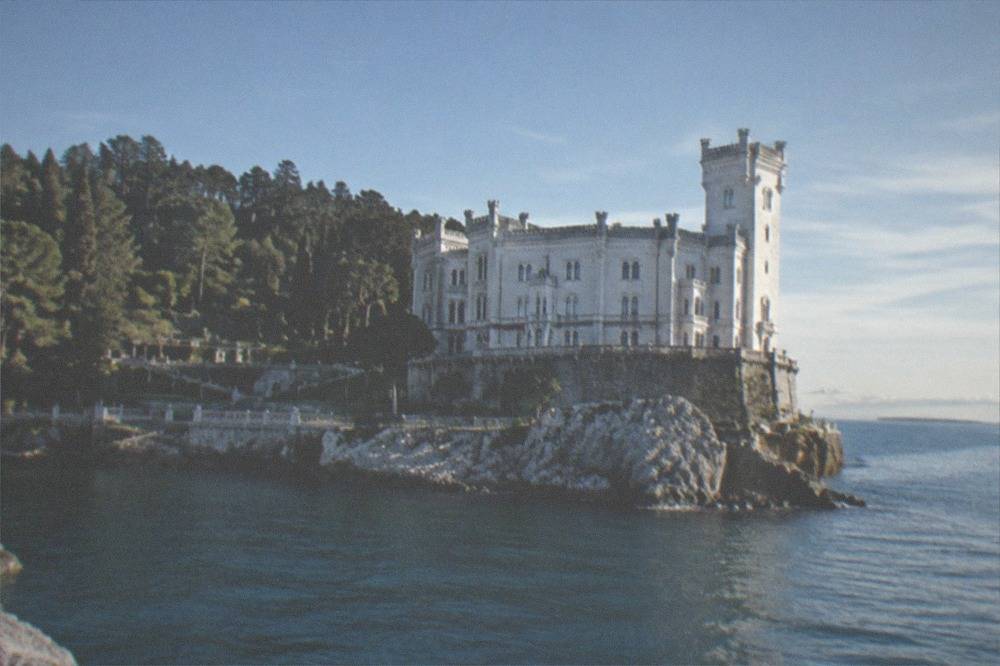
If you would rather have the castle's stories than its silence, a guided visit with entry included is the smoother version of the same afternoon, and the listing below bundles the ticket with the current exhibition.
For a different afternoon altogether, the Karst plateau above the city holds the osmize, the farmhouse wine outlets where growers sell their own wine and home produce direct, signposted by a frasca, a leafy branch, hung at the turning. The openings move with the seasons and each grower's stock, and the de facto calendar lives at osmize.com. The Carso's own wines are Vitovska, Malvasia and Terrano; the village of Prosecco above the city gave the sparkling wine its name, but Trieste itself is not in the Prosecco DOC, so do not expect local Prosecco in an osmiza glass.
Evening: The Waterfront, an Osmiza or a Seafood Dinner
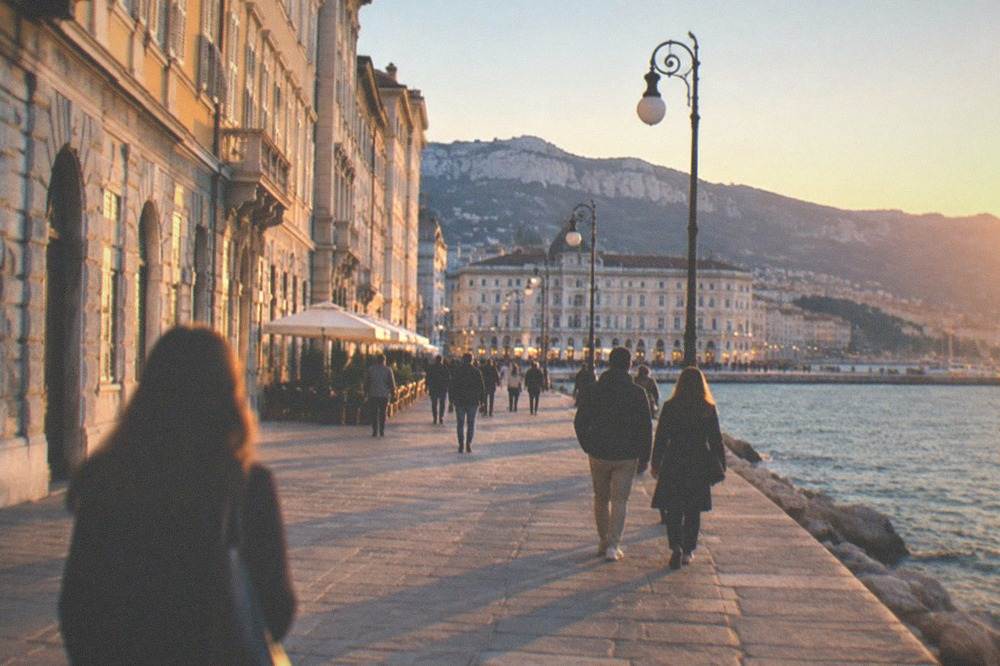
Finish the day back on the waterfront, walking the Rive from the piazza toward Barcola as the light drops, then eat dinner either at a seafood restaurant near the seafront or, if you have a car or the last buses still suit you, at an osmiza on the Karst. The seafront walk is free, needs no booking, and is the part of the day visitors most often say they under-planned.
The Rive, the long seafront, is the city's living room in the evening, and the walk from the centre toward Barcola is flat, open and safe. Barcola itself is the city's seafront strip, where people swim from the rocks and the concrete platforms in summer; the sea in the gulf reaches its warmest in August, with a monthly mean of 25.9 C at the monitoring station on the molo, and stays swimmable into early autumn. September's mean of 23.9 C is actually warmer than June's 23.1 C, because the sea holds its heat longer than the air does.
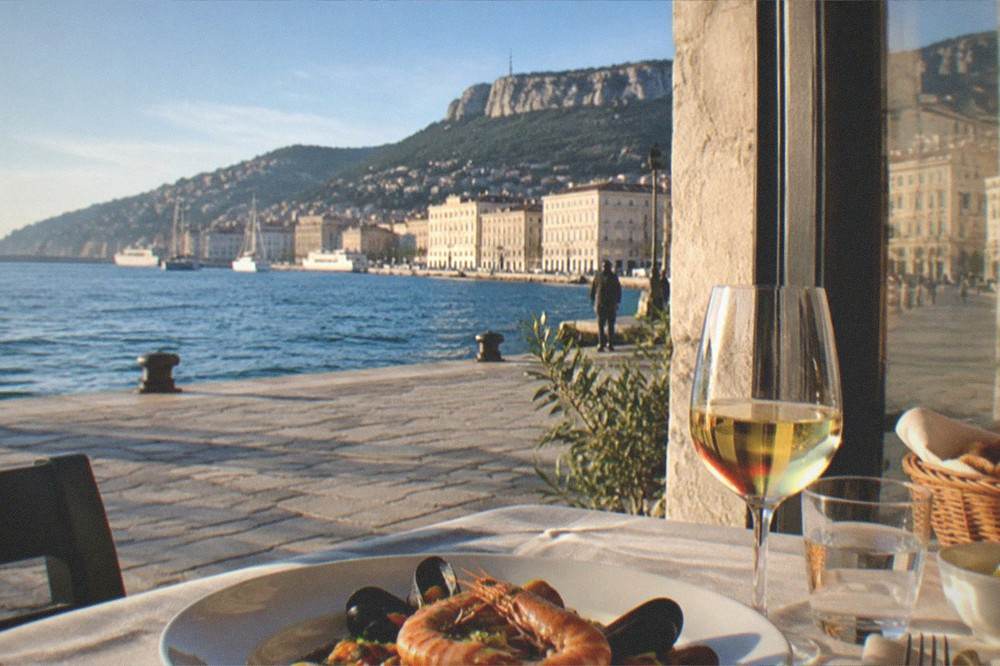
Dinner is the last decision of the day. Seafood near the seafront is the safe choice on a one-day visit, and the city's restaurant landscape runs from historic buffets to modern Adriatic kitchens. The osmiza alternative is more work and more reward: it means checking the calendar, driving or riding up onto the Carso, and eating whatever the household made that week, washed down with their own wine. It is the most Triestine evening there is, and it is the one that needs the most planning.
If your day happens to fall in the second week of October, check the Barcolana dates before you finalise anything: the 2026 edition runs 2-11 October, with the main regatta on Sunday 11 October starting at 10:30 over a 13-nautical-mile course in the gulf. The record entry stands at 2,689 boats in 2018. On regatta Sunday the seafront is a festival and the city is full, which is either a reason to come or a reason to move your one day.
How Much Does One Day in Trieste Cost?
A one-day visit to Trieste costs very little in tickets: the cathedral is free, the castle is EUR 7.00, the Revoltella is EUR 8.00 and Miramare is EUR 17.00, while a day ticket for all urban transport, including the Opicina tram, is EUR 3.35. A realistic sightseeing budget for one person is roughly EUR 25-30 in admissions and transport if you do the castle and one more paid site, before food and accommodation.
The transport fares come from the operator's 2026 tariff sheet, dated 29 December 2025, and they are the whole basis of a car-free day here.
| Trieste Trasporti ticket, 2026 | Code | Price | Validity |
|---|---|---|---|
| Urban single | U01 | EUR 1.50 | 60 minutes |
| Urban single | U02 | EUR 1.85 | 75 minutes |
| Day ticket | U24 | EUR 3.35 | Full day |
| 10 rides | U10 | EUR 13.50 | 10 urban journeys |
| 20 rides | U20 | EUR 16.65 | 20 urban journeys |
Two details make the day ticket the obvious buy. Singles are extended to 240 minutes on Sundays and public holidays, and contactless bank cards, Mastercard, Visa and American Express, plus digital wallets, can be tapped directly on the "Eva" readers on board, with the system applying the cheapest applicable fare. The same urban ticket covers the Opicina tram, the historic funicular-tram line that runs from piazza Dalmazia up to the village of Opicina on the Carso; it was reactivated on 1 February 2025 and runs on a current timetable, so if your day has slack in it, the tram is a genuine excursion rather than a nostalgia trip. Check the operator's site for the live status on the day.
| Cost item on a one-day plan | Figure | Source basis |
|---|---|---|
| Castle of San Giusto, adult | EUR 7.00 | Venue's own site |
| Museo Revoltella, adult | EUR 8.00 | Venue's own site |
| Castello di Miramare, adult | EUR 17.00 | Ministry venue page |
| Miramare park | Free | Ministry venue page |
| Cathedral, Risiera di San Sabba, Roman theatre view, Molo Audace | Free | Venue and ministry pages |
| Urban day ticket | EUR 3.35 | 2026 tariff sheet |
| Tourist tax, if you sleep here | EUR 1.50-3.80 per night by accommodation class, max 5 nights | Comune's 2026 rate table |
The tourist tax applies only if your one day includes a night, and it is capped at five consecutive nights in the same property; everyone under 18 is exempt, and the per-night rate runs from EUR 1.50 at campsites to EUR 3.80 at five-star hotels.
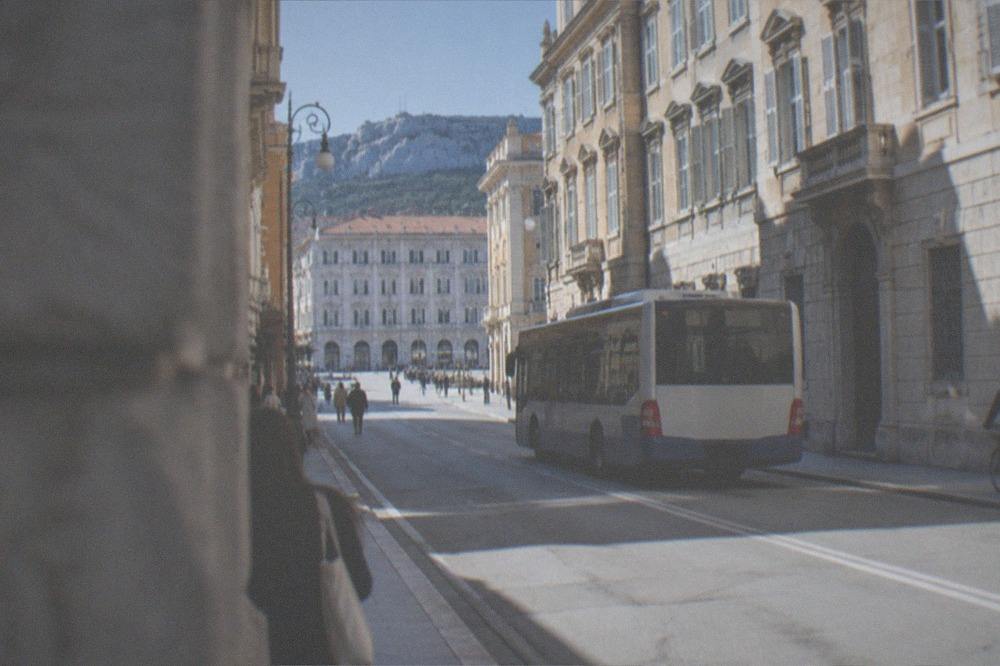
If the budget stretches to a guide, these are the three options that fit a one-day visit best: a private sightseeing walk, the audio-guide bus tour that covers the whole city in about an hour and a quarter, and the Miramare entry with the current exhibition.
What If It Rains or the Bora Blows on Your One Day?
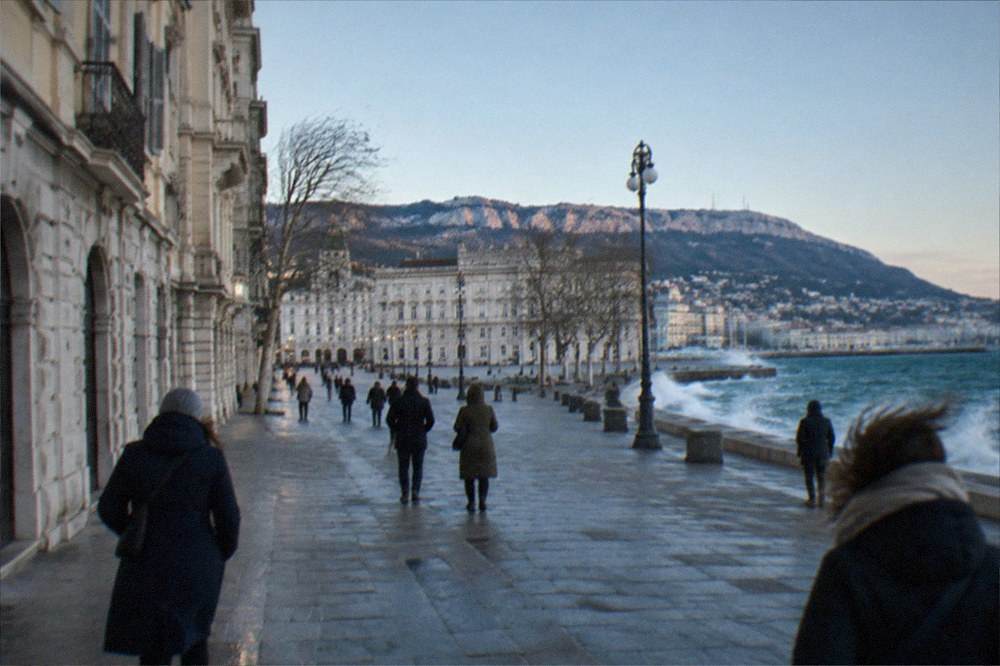
If it rains, Trieste still works: the Revoltella, the castle museums on San Giusto hill and the grand caffè are all indoor stops, and the risk is seasonal rather than constant, because November is the wettest month at 109.8 mm while July is one of the driest at 53.8 mm. If the bora blows, the strong east-north-east wind that averages 17.6 days a year with gusts over 90 km/h, expect a raw waterfront and a brilliant clear sky, and shift the plan indoors.
The rain picture is not the Mediterranean stereotype. The station tables for Trieste molo Fratelli Bandiera put the annual rainfall at 867.1 mm, wetter than many visitors expect, concentrated in autumn: November leads at 109.8 mm, September follows at 102.3 mm, and July is the second-driest month at 53.8 mm. Summer days over 30 C average 18.8 across the year, most of them in July and August.
| Month | Mean high C | Rain mm | Sea C | Notes for a one-day visit |
|---|---|---|---|---|
| March | 13.0 | 52.8 | 11.6 | Shoulder season, castle on summer hours from April |
| June | 25.8 | 62.5 | 23.1 | Sea warming, 2.5 days over 30 C on average |
| July | 28.2 | 53.8 | 25.9 | Second-driest month, 7.2 days over 30 C |
| September | 23.9 | 102.3 | 23.9 | Sea warmer than June, but the wet season starts |
| October | 19.6 | 88.6 | 20.3 | Barcolana month, castle hours change on the 12th |
| November | 14.7 | 109.8 | 16.8 | Wettest month, 9.5 wet days on average |
The bora is the other variable, and it is not a reason to cancel anything. It blows from the east-north-east, gusts in the coastal zone largely exceed 100 km/h in strong episodes, and the all-time peak in the station series is 168.1 km/h, recorded in February 2012. There is no published wind threshold at which the seafront closes or ferries stop, so do not plan around a number you may have seen quoted; check the forecast and the operator's notices on the day. What the bora reliably produces is cold, clear, spectacular light, which is exactly what the seafront walk and the photographs want.
For a wet day there is a dedicated plan at a rainy day in Trieste, and for a zero-spend version of this same route there is a free day in Trieste.
One Day in Trieste: The Hour-By-Hour Plan
Here is the whole day compressed into a single table you can screenshot: the times are a suggested rhythm rather than fixed commitments, but the opening hours inside them are the verified ones, so the plan will not send you to a closed gate. Allow more time than the table implies on the hill and less on the waterfront, which never takes as long as it looks.
| Time | Stop | What you do | Ticket |
|---|---|---|---|
| 9:00 | Piazza Unità d'Italia | The seafront square, photos, orientation | Free |
| 9:30 | Molo Audace | Walk the pier out over the gulf | Free |
| 10:00 | Grand caffè | Standing coffee at the bar | Pay per cup |
| 10:30 | Città Vecchia and Teatro Romano | Lanes, Arco di Riccardo, the theatre from the railing | Free |
| 11:15 | San Giusto hill | Cathedral, then Castello di San Giusto and the walls | EUR 7.00 |
| 13:00 | Buffet lunch | Jota, goulash, pork in the old town | Pay per dish |
| 14:30 | Coastal bus toward Grignano | Check the operator's route planner for the line | Day ticket EUR 3.35 |
| 15:00 | Miramare Castle and park | Castle rooms, exhibition, the park to the sea | EUR 17.00 |
| 18:00 | Return to the centre | Waterfront walk as the light drops | Day ticket |
| 20:00 | Dinner | Seafood near the seafront, or an osmiza on the Carso | Pay per dish |
Should You Extend to Two or Three Days in Trieste?
One day covers the centre well, but two days let you add the Carso, an osmiza and a Slovenia or Croatia day trip, and three days let you do all of it without rushing. If you can only add one extra day, spend it on the caves and the Karst, which are the experiences the one-day plan has to skip, and leave the second museum for a future visit.
The extension routes are already mapped on this site: two days in Trieste, three days in Trieste, a solo traveller's version at Trieste solo: a two-day route, a family version at Trieste with kids: a family itinerary, and the full menu of cross-border options at day trips from Trieste. Grotta Gigante alone is worth the second day: it is guided-only with compulsory booking, EUR 15.00 for an adult, and closed on Mondays from September to February.
Common Questions About One Day in Trieste
Is one day in Trieste enough?
One day is enough for the seafront square, the old town, San Giusto hill and one afternoon excursion such as Miramare. It is not enough to also reach the Karst caves or Slovenia, which each need most of a day.
What is the best month for one day in Trieste?
The sea is warmest in August at 25.9 C and July is one of the driest months at 53.8 mm of rain, but September still has a sea mean of 23.9 C. October brings Barcolana but also the start of the wet season, and November is the wettest month at 109.8 mm.
Can you see Miramare Castle in half a day from Trieste?
Yes. The castle is open daily 9:00-19:00 with last entry at 18:30, an adult ticket is EUR 17.00 including the exhibition, and the park is free, so an afternoon up the coast and back is a standard half-day plan.
Do I need a car for one day in Trieste?
No. A day ticket on the urban network costs EUR 3.35 and covers the buses and the Opicina tram, and contactless cards can be tapped on board. The centre is entirely walkable, and Miramare is reachable by urban transport.
What is free in Trieste on a one-day visit?
The cathedral, the Risiera di San Sabba, the Miramare park, Molo Audace and the view of the Roman theatre from the street are all free, and state sites including Miramare take part in the ministry's first-Sunday-of-the-month free-entry scheme; confirm the date on the venue's page.
Can you do a day trip from Trieste to Venice or Slovenia on the same day as sightseeing?
Not realistically. Venice and the Slovenian lakes each take a full day, so if your total time is one day, choose between the city and the excursion rather than attempting both. The trade-off is compared at can you do a day trip from Trieste to Venice.
A single day spent this way, piazza to hill to castle to waterfront, is the version of Trieste, Italy that most visitors remember, and it is the foundation every longer route on Trieste Travel Guide builds on.