Trieste Solo: A Two-Day Route
Two days in Trieste, Italy, are enough for a solo traveller to cover the seafront, the old hill town, two castles and a cave, using one of the cheapest urban transport networks in the country.
Short answer
Spend day one on the waterfront and hill of central Trieste: Piazza Unità d'Italia, the Città Vecchia, Castello di San Giusto and the Rive. Spend day two going out to Miramare Castle and Grotta Gigante, both reachable with an ordinary urban or regional ticket. A day transport ticket costs EUR 3.35 and most headline sights cost between nothing and EUR 17.
Trieste, the Adriatic port city in Friuli Venezia Giulia in the northeast corner of Italy, is one of the easiest Italian cities to travel alone in. It is compact, its headline square opens straight onto the sea, and its public transport is cheap enough that a solo budget stretches further here than almost anywhere else in the country. This route packs two full days: the first across the waterfront, the Città Vecchia and the hill of San Giusto, the second out along the coast to Miramare Castle and up onto the Carso plateau. Everything quoted below comes from the venues' own 2026 pages and the city operator's tariff sheet dated 29 December 2025.
Is Trieste in Italy Good for Solo Travel?
Yes, Trieste suits solo travel unusually well: the centre is walkable end to end, a day transport ticket costs EUR 3.35 and covers buses and the Opicina tram, the cathedral and the Risiera di San Sabba are free to enter, and the café culture means a person alone at a table is completely normal here. The main planning problem is not safety or cost but distance, because the two big out-of-town sights, Miramare and Grotta Gigante, sit in opposite directions and need half a day each.
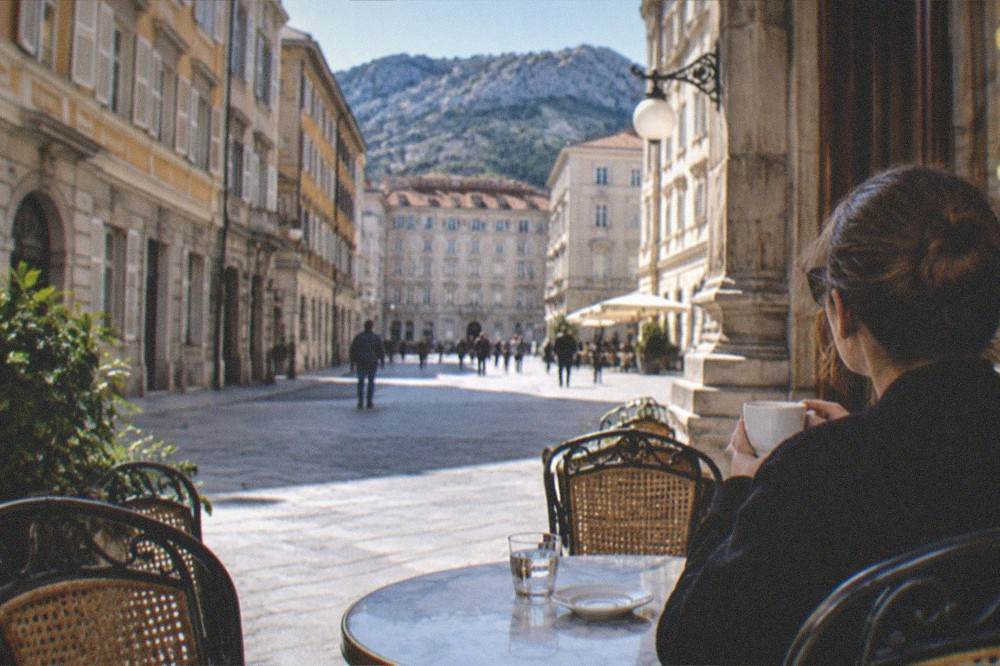
Trieste's historic centre is small enough that you will not spend your days working out transport, and the city's café tradition, described in more depth in Trieste's coffee culture, is built around people reading, writing and sitting alone. A solo traveller fits in rather than standing out. The waterfront, the Rive, runs for kilometres with no ticket and no schedule, and the best viewpoints in Trieste are mostly reached on foot. The rest of Trieste Travel Guide covers every district and day trip in the region if two days turn into more.
The one thing to plan around is geography. Miramare Castle sits up the coast at Grignano, and Grotta Gigante sits on the Carso plateau above the city at Sgonico. Both are reachable, but not in the same half day without rushing. This route puts Miramare in the morning of day two and leaves the cave as an afternoon option for anyone with the energy, or as the anchor of a future trip using the site's day-trip planning pages.
What Should Day One of a Solo Trieste Route Cover?
Day one covers central Trieste entirely on foot: start at Piazza Unità d'Italia, walk out to Molo Audace, then climb through the Città Vecchia to the Roman theatre, the Arco di Riccardo, the Cathedral of San Giusto and Castello di San Giusto, before descending to the Grand Canal and the historic cafés. Entry to the cathedral is free, the castle costs EUR 7.00 for an adult, and the whole loop needs no transport ticket at all.
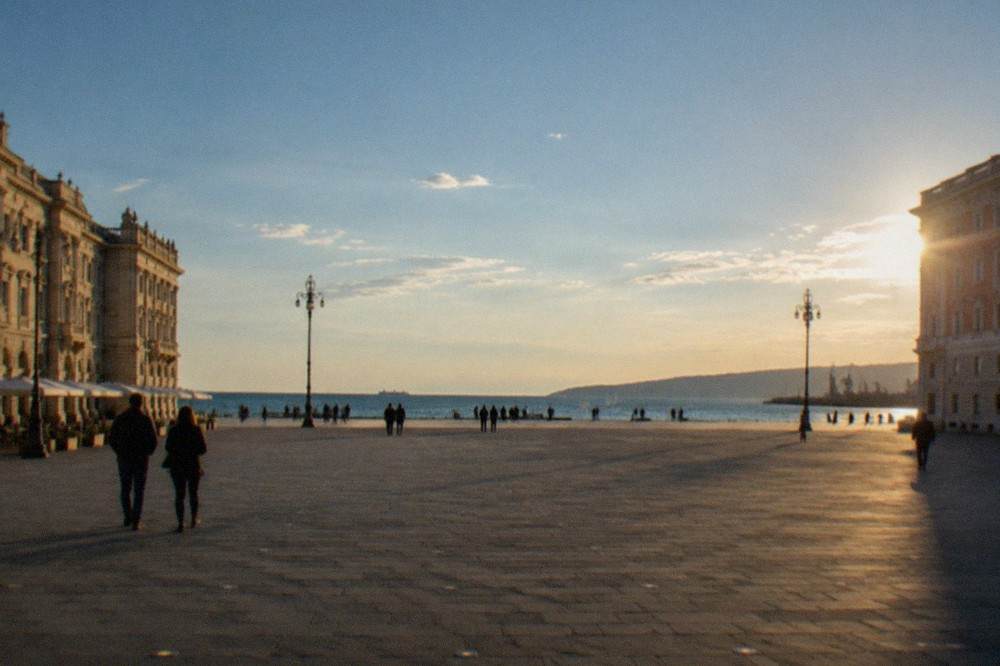
Begin at Piazza Unità d'Italia, the largest sea-facing square in Italy and the city's living room. The Piazza Unità d'Italia guide covers its Habsburg facades and its floodlit night face; in the morning it is at its quietest, and a solo traveller can stand at the water's edge without a crowd. Walk out onto Molo Audace, the stone pier that used to be a ship, for the classic view back at the square.
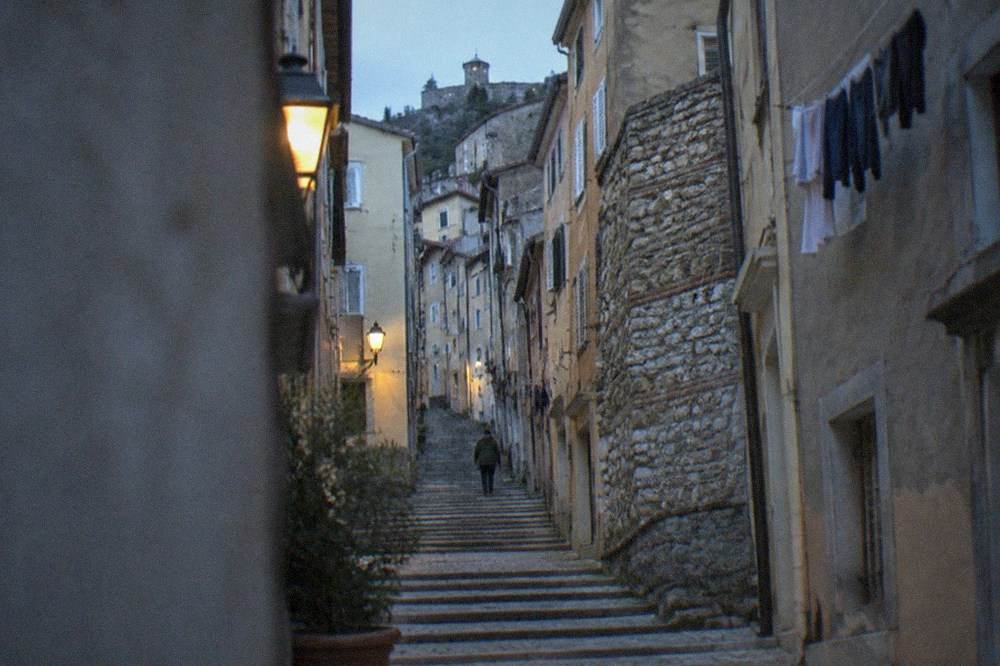
From the square, head inland a few streets to the Grand Canal, the short navigable arm of water with the Serbian Orthodox church of Saint Spyridon at its head. Then start climbing. The Città Vecchia, the medieval old town, rises in stepped lanes toward the hill of San Giusto, and the Città Vecchia old town guide maps the lanes worth getting lost in.
Halfway up you pass the Roman theatre. You look down into it from the street: it is free to see from the railing and not routinely enterable by individuals, so do not plan a visit inside. A little further, the Arco di Riccardo, one of the old Roman gates, stands free in a lane and costs nothing to stand beside.
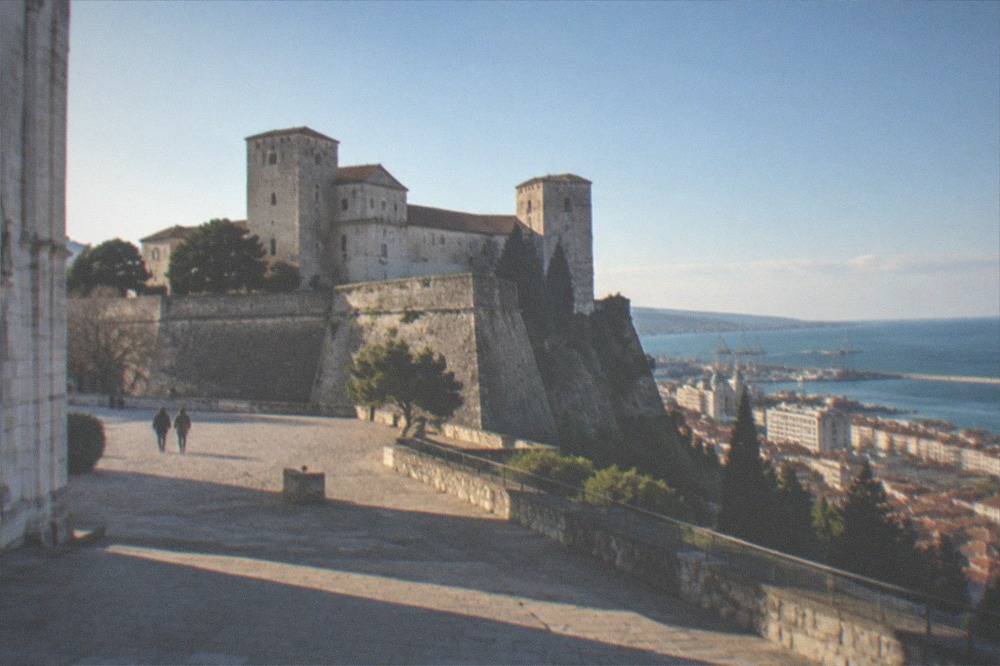
On the hill itself, two sights share one slope. The Cathedral of San Giusto is free to enter, open weekdays 8:00-18:30 and Sundays and holidays 9:00-19:30, and the parish asks visitors to avoid Mass times. No bell-tower price is published, so treat the tower as a maybe rather than a plan. Next door, Castello di San Giusto costs EUR 7.00 for an adult, EUR 5.00 reduced, and the ticket covers the walls and bastions, the castle museum, the Lapidario Tergestino and temporary exhibitions. Between 1 April and 11 October it opens daily 10:00-19:00 with last entry at 18:30; from 12 October it runs Tuesday to Sunday 10:00-17:00, closed Mondays. It is free on the first Sunday of the month and on 3 November. The San Giusto Castle and Hill guide has the full detail.
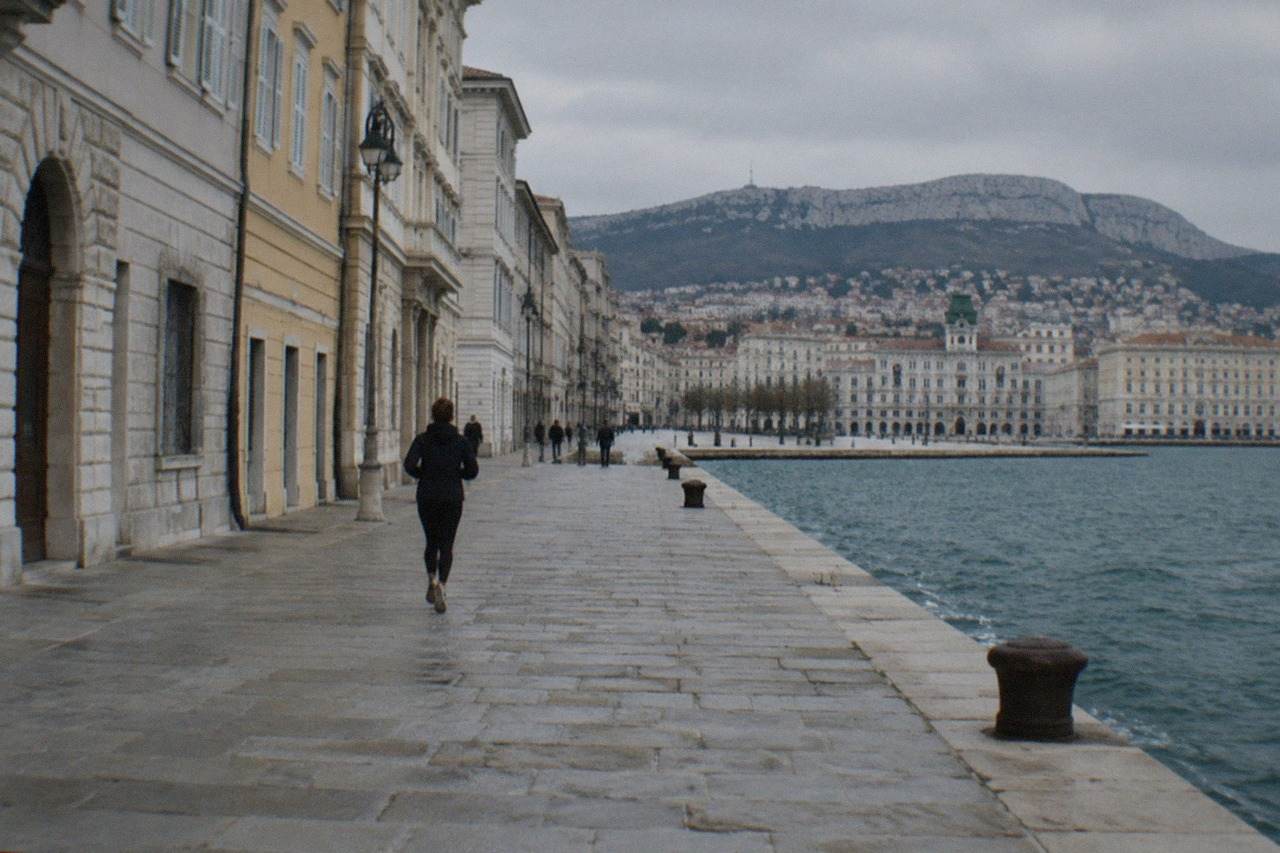
Descend on the far side of the hill and finish the day along the waterfront. The Rive, the long seafront promenade, and the Victory Lighthouse at its far end are both free, and the evening light across the gulf is the city's best free show. If the day has gone well and you still have legs, the one day in Trieste itinerary compresses all of the above into a single loop for a return visit.
What Should Day Two Cover, and How Do You Get to Miramare?
Day two goes outward: spend the morning at Miramare Castle up the coast at Grignano, where the castle costs EUR 17.00 and the park is free every day of the year, then use the afternoon for Grotta Gigante on the Carso, a guided-only cave tour at EUR 15.00 with departures at 9:00, 10:00, 11:00, 12:00, 14:00, 15:00 and 16:00. Book the cave in advance; it is compulsory there.
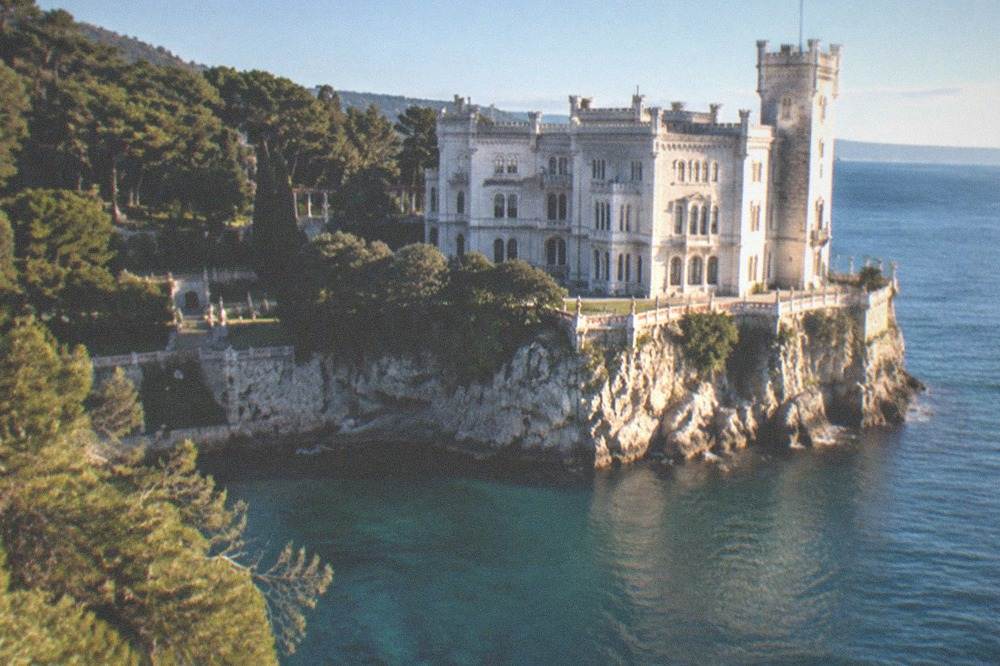
Miramare is the sight most solo travellers come for. The castle, built for Archduke Maximilian and his wife Charlotte, opens every day 9:00-19:00 with the ticket office closing at 18:30, and an adult ticket costs EUR 17.00 including the temporary exhibition. EU citizens aged 18-25 pay EUR 7.00 with the exhibition or EUR 2.00 for the castle only. The park is the deal nobody mentions: free entry all year, with seasonal hours, 8:00-19:00 from April to September. The Miramare Castle guide covers the rooms, the park and the marine protected area below it.
For the afternoon, the Carso plateau above the city holds Grotta Gigante, one of the largest tourist caves in the world. It is guided-only with compulsory booking, an adult ticket is EUR 15.00, children 6-18 pay EUR 8.00, and under-6s go free. From September to February it runs Tuesday to Sunday; from March to August it opens every day. Check the venue's own schedule page before you commit, and note it closes on 25 December and 1 January. The Grotta Gigante page has the full price list, including the family rate of EUR 6.00 per child for parties with two or more children aged 6-18.
If a cave or a castle feels like too much structure for a solo day, the coast walk between Trieste and Miramare has its own following, and the Rilke Trail near Duino is the best-known stretch of it. Alternatively, cross the border: Slovenia is Trieste's next-door neighbour. The short version for this route: carry a passport or national ID card, because Italy is running temporary border checks on its land border with Slovenia through 18 December 2026 per the European Commission's own register.
How Much Do Two Solo Days in Trieste Cost?
Two solo days in Trieste cost roughly EUR 45-60 in sightseeing and transport beyond your bed and meals: the two castles and the cave together come to EUR 39.00, a day transport ticket is EUR 3.35, and the cathedral, the Roman theatre, the Rive, the Miramare park and the Risiera di San Sabba are all free. Trieste's 2026 tourist tax adds EUR 1.50-3.80 per night depending on your accommodation category, capped at five consecutive nights.
The headline sights break down as follows, all figures from the venues' own 2026 pages.
| Sight | Adult entry | Notes |
|---|---|---|
| Piazza Unità d'Italia and Molo Audace | Free | Open public space |
| Cattedrale di San Giusto | Free | Weekdays 8:00-18:30, Sundays 9:00-19:30 |
| Castello di San Giusto | EUR 7.00 | Reduced EUR 5.00; free first Sundays and 3 November |
| Castello di Miramare | EUR 17.00 | Park free all year; EU 18-25 pay EUR 7.00 with exhibition |
| Grotta Gigante | EUR 15.00 | Guided only, booking compulsory |
| Museo Revoltella | EUR 8.00 | Reduced EUR 6.00; closed Tuesdays |
| Risiera di San Sabba | Free | Daily 9:00-19:00 until 11 October, then 9:00-17:00 |
| Teatro Romano | Free from the street | Not routinely enterable by individuals |
Getting around is where Trieste rewards a solo budget. The operator's 2026 urban tariff sheet, dated 29 December 2025, prices the network as follows.
| Ticket | Code | Price | Validity |
|---|---|---|---|
| Urban single | U01 | EUR 1.50 | 60 minutes |
| Urban single | U02 | EUR 1.85 | 75 minutes |
| Day ticket | U24 | EUR 3.35 | Whole day |
| 10 rides | U10 | EUR 13.50 | 10 urban journeys |
| 20 rides | U20 | EUR 16.65 | 20 urban journeys |
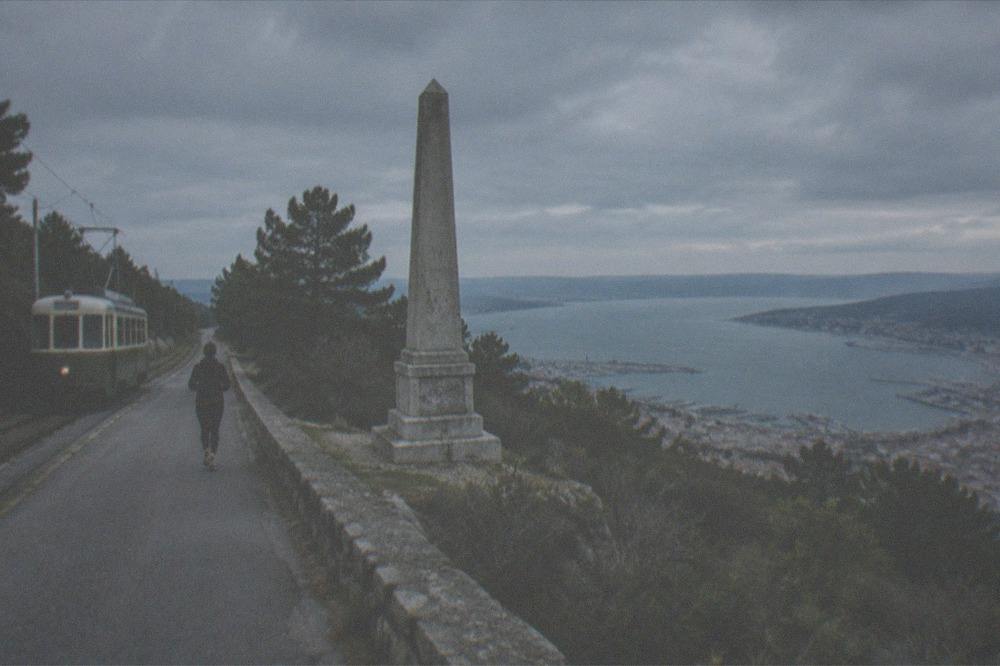
Single tickets run 60 or 75 minutes and are extended to 240 minutes on Sundays and public holidays. Contactless bank cards, Mastercard, Visa and American Express, and digital wallets can be tapped on board the Eva readers, and the system applies the cheapest applicable fare, so a solo traveller without a ticket machine nearby is never stranded. The same urban ticket covers the Opicina tram, the hillside line that was reactivated on 1 February 2025 and runs from piazza Dalmazia, not piazza Oberdan, up to the Obelisco and the village of Villa Opicina. The Opicina tram and Obelisk page has the route detail, and the getting around Trieste guide covers the rest of the network.
The tourist tax, the imposta di soggiorno, is charged per person per night for a maximum of five consecutive nights in the same property: EUR 3.80 at five-star hotels, EUR 3.30 at four-star, EUR 3.00 at three-star, EUR 2.30 at two-star and at B&B Superior, EUR 2.00 at B&B Comfort, EUR 1.80 at one-star and B&B Standard, and EUR 1.50 at campsites. Everyone under 18 is exempt. It is a small line on the bill, but solo travellers pay it alone rather than splitting it, so it is worth knowing the band before booking.
Is Trieste Safe and Easy for a Solo Traveller?
Trieste is a safe, low-drama city for solo travel: it is a mid-sized regional capital with a walkable core, free major sights that keep you in public space, and a café culture built for people on their own. The two real planning risks are the bora wind, which averages 17.6 days a year with gusts over 90 km/h at the waterfront station, and the temporary border checks with Slovenia, in force through 18 December 2026, if your route crosses north or east.
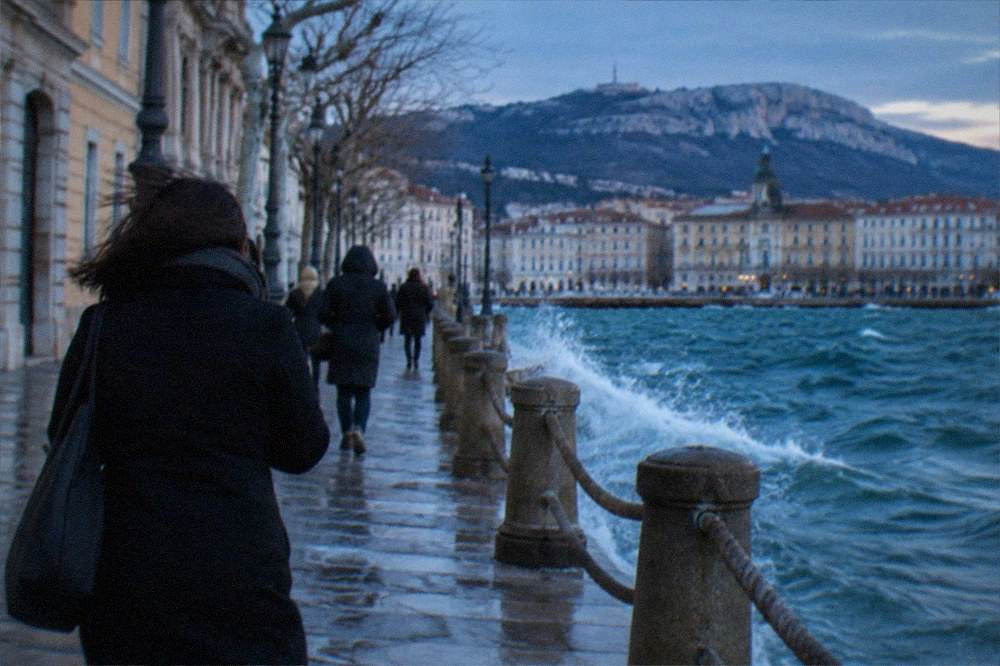
The wind is the thing a first-time visitor does not expect. The bora blows from the east-north-east down off the Carso, and ARPA FVG's own station tables for Trieste molo Fratelli Bandiera, covering 1995-2024, record an all-time peak gust of 168.1 km/h in February 2012 and a monthly record gust above 110 km/h in every single month of the year. There is no published wind threshold at which the Rive close or ferries stop, so do not plan around one; check the forecast and take the wide seafront seriously when it blows. The bora wind guide explains what the city does about it, from the rope handrails on exposed streets to the locals who treat a strong bora day as ordinary weather.
Rain matters less than you might think. The same station tables show November as the wettest month at 109.8 mm and July as the second driest at 53.8 mm, so summer is not the soggy season here. If a wet day does land on your route, the rainy day in Trieste itinerary reroutes the whole two days indoors, from the Revoltella to the historic cafés. On safety itself, the city centre is busy and calm late into the evening, which is what a solo traveller needs.
Which Tours Are Worth Booking on a Solo Trip to Trieste?
For a solo traveller, the best-value bookings are the ones that remove the planning without adding a group you must keep up with: a self-guided scavenger hunt walk from $4.67 per person, a 2h 30m guided city walk with coffee in a historic bar from $68.79, and a 3-hour historic cafés walking tour from $74.52. All three let you move at your own pace, and none requires a second person to book.
The scavenger hunt, Trieste Scavenger Hunt & Highlights Self-Guided Walking Tour, is the natural fit for this route's day one: it turns the same streets into a puzzle you solve alone, with no guide and no schedule, rated 4.6 from 28 reviews and priced from $4.67 per person on the operator's live listing. Check availability
The guided alternative, Trieste: City that will definitely surprise you, is a 2h 30m group walk through the centre that ends with coffee in a historic bar, rated 4.97 from 106 reviews and priced from $68.79 per person. For a solo traveller who wants one fixed appointment in an otherwise self-planned day, it is the appointment worth making.
| Tour | Format | Duration | From (operator's listing) | Rating |
|---|---|---|---|---|
| Scavenger Hunt & Highlights Walk | Self-guided | 2 hours | $4.67 per person | 4.6 from 28 reviews |
| City that will definitely surprise you | Guided group walk | 2h 30m | $68.79 per person | 4.97 from 106 reviews |
| Historic Cafés Experience | Coffee walk | 3 hours | $74.52 per person | 4.91 from 19 reviews |
| Guided Foodie Walking Tour | Food walk | 3 hours | $71.08 per person | 4.91 from 264 reviews |
| Bus Tour with Audio Guide | Hop-on bus | 1.5 hours | $19.49 per person | 4.34 from 2,638 reviews |
If your two days stretch into three, or you want a slower tempo, the three days in Trieste itinerary adds the Revoltella, the Risiera and a border excursion at a humane pace.
One practical note on booking solo: every product above is per-person priced with no group minimum, and the operators' live listings carry free-cancellation windows, so a solo plan can shift without penalty. Read the cancellation line on the listing before you pay, since the window varies by product.
Common Questions About Solo Travel in Trieste
Is Trieste good for solo travel?
Yes. The centre is compact and walkable, a day transport ticket costs EUR 3.35, the cathedral and the Risiera di San Sabba are free, and the café culture is built around people sitting alone with a newspaper or a laptop. The two out-of-town headline sights, Miramare and Grotta Gigante, need half a day each, which is the only real planning constraint.
How many days do you need in Trieste solo?
Two days cover the core: day one for the waterfront, the Città Vecchia and the San Giusto hill, day two for Miramare and the Carso. A third day, as laid out in the three-day itinerary on this site, adds the museums and a border excursion at a humane pace.
Is Trieste safe for solo travellers?
The city centre is busy and calm well into the evening, and the main sights sit close together in public space. The real hazard is the bora wind, which averages 17.6 days a year with gusts over 90 km/h at the waterfront station, so check the forecast before a seafront day.
Do you need a car for two days in Trieste?
No. The day-one loop is entirely on foot, the urban network's day ticket costs EUR 3.35 and covers buses and the Opicina tram, and contactless cards can be tapped on board. Miramare and Grotta Gigante are the only sights in this route that need a bus or a tour transfer.
Can you visit Slovenia or Croatia solo from Trieste?
Yes, and all three countries use the euro and sit in the Schengen area. But carry a passport or national ID card: Italy is running temporary checks on its land border with Slovenia through 18 December 2026 per the European Commission's register, so a day trip needs documents even inside Schengen.
Two solo days in Trieste, Italy, cost less than a single museum-heavy afternoon in the bigger Italian cities, and they end, every evening, with a free walk along the sea. Start on the square, finish on the Rive, and let the tram handle the hill.