Trieste Coffee Culture: A Guide to Italy's Historic Caffè City
Trieste, the Adriatic port city in Friuli Venezia Giulia, Italy, is one of the few places where coffee is a civic institution rather than a quick habit. This guide explains where the culture came from, how to order like a local, and which cafés and tours are worth your time.
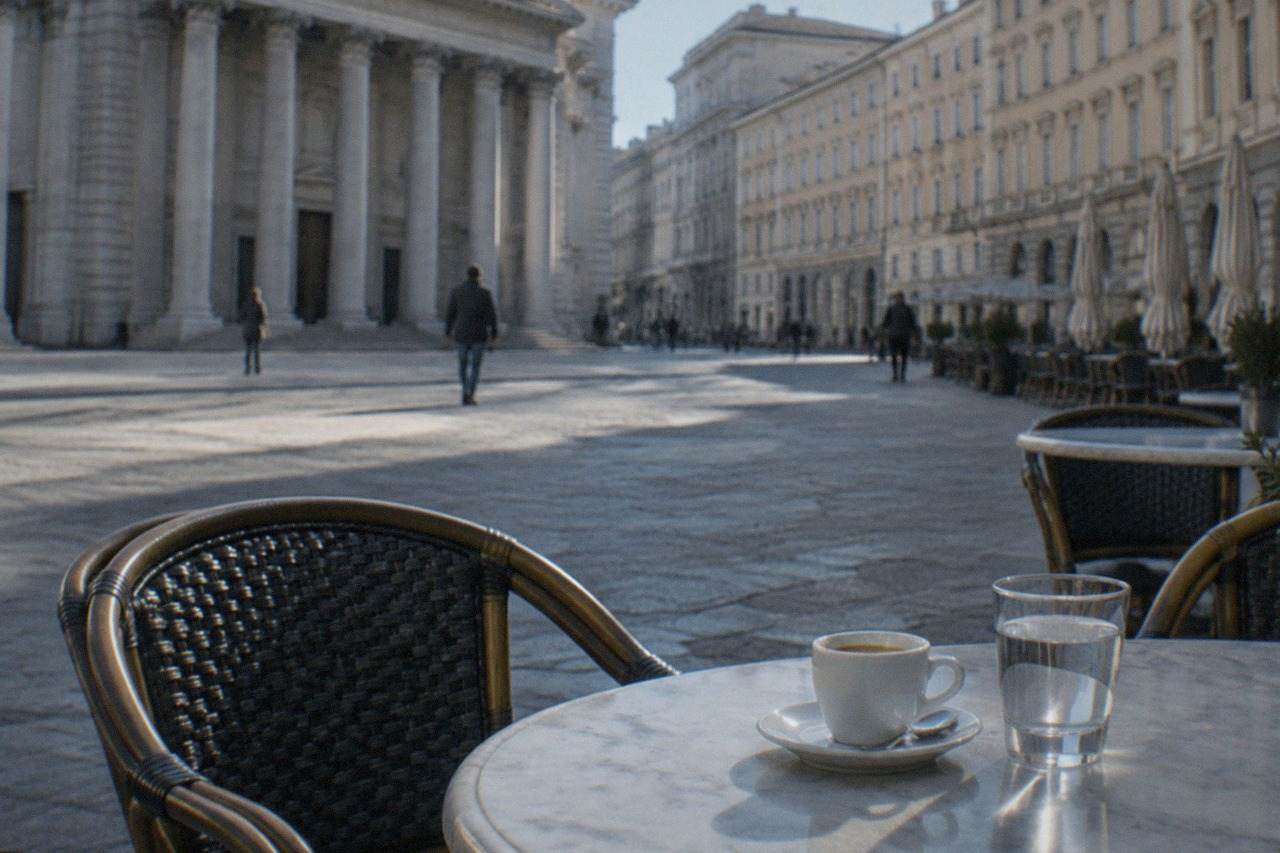
Short answer
Trieste's coffee culture grew out of its port, which made the city a historic gateway for green coffee entering Italy, and out of its Habsburg-era cafés, which turned drinking it into a social ritual. Locals order in a vocabulary all their own, and a small group of guided café walks and tastings makes the culture easy to enter.
Trieste, the Adriatic port city in Friuli Venezia Giulia in the northeast of Italy, treats coffee the way other cities treat wine: as a subject, a ritual and a local identity. The city is a historic coffee port and a roasting centre, home to a major international roaster and the trade that flows through its docks, and its cafés are not pit stops but institutions, some of them occupying grand Habsburg-era salons that still operate today. What follows is a practical guide to that culture: where it came from, how to order inside it without marking yourself as an outsider, and which guided experiences let you taste your way through it. For the short version of why the city earned this reputation, see our companion piece on why Trieste is famous for coffee.
Why Is Trieste in Italy Famous for Its Coffee Culture?
Trieste is famous for coffee because its port made it a historic gateway for green coffee entering Italy, its roasting industry turned the city into one of Europe's coffee-processing centres, and its Habsburg-era cafés gave that trade a social stage, producing a city where coffee houses function as living rooms, offices and institutions. The reputation is earned by observable fact, not by a statistic: no official body publishes a per-head consumption figure, and this guide will not invent one.
The trade side is the foundation. Coffee arrives through the port, is roasted and blended in the city, and leaves again as finished product, and the city hosts one of the world's best-known roasting companies alongside the industry events that gather there. The cultural side sits on top of it. Under Austrian administration Trieste developed the Central European café model: large rooms, newspapers, mirrored walls, and hours of occupancy rather than minutes. That model survived the city's transfer to Italy and is still visible in the salons around Piazza Unità d'Italia and the Borgo Teresiano.
What the city did not do is publish a number. The oft-repeated claim that Triestini drink two or three times the Italian average, usually quoted in kilograms per person per year, has no primary source behind it: it appears in secondary articles without a citation, and no chamber of commerce, port authority or roaster document carries it. The culture is real and dense enough to write about without it. For the political and commercial history that put the port in a position to dominate this trade in the first place, read our guide to a short history of Trieste.
How Do You Order Coffee in Trieste Like a Local?
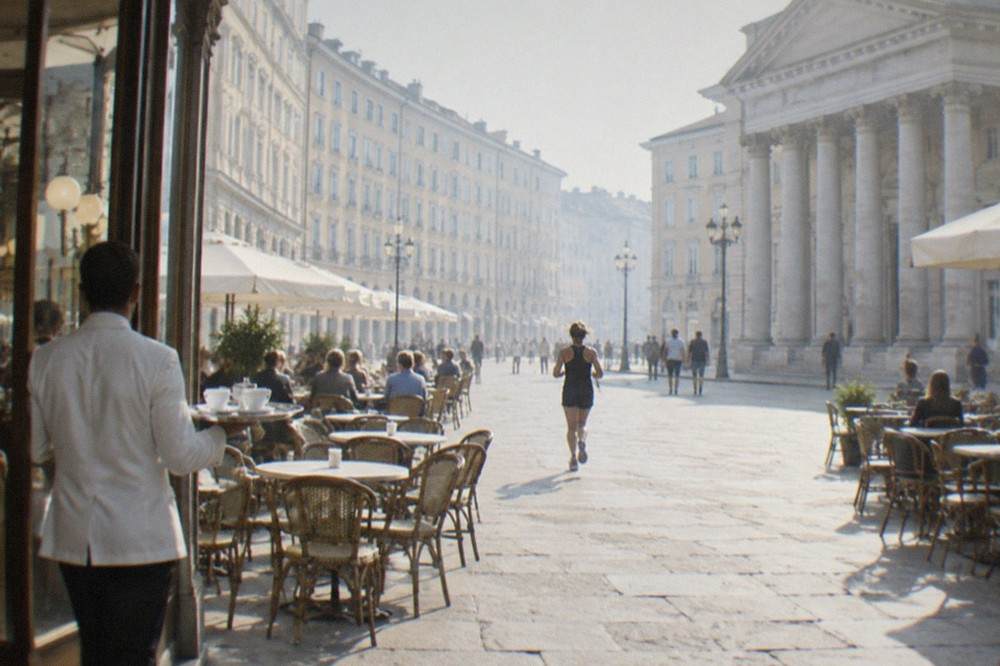
Ordering coffee in Trieste means using the city's own vocabulary rather than the standard Italian menu: a "nero" is a plain espresso, a "goccia" is an espresso with a drop of milk, and a "capo", the local signature order, is a small coffee with milk foam served either in a glass ("in b") or a cup ("in t"). Using these words marks you as someone who knows the house rules, and waiters respond to them everywhere from the grand salons to a stand-up bar.
The vocabulary is the single fastest way into the culture, and it is genuinely local rather than a tourist reconstruction. A few orders matter most. The capo is Trieste's answer to the cappuccino, but it is its own drink, and the choice between glass and cup is a real preference that locals hold strongly. The goccia, "a drop", is the everyday workhorse order. Milk coffee in general carries an unspoken clock: milky orders belong to the morning, and ordering one after lunch is the classic outsider tell, though no café will refuse you.
| Order | What you get | Local notes |
|---|---|---|
| Nero | A plain espresso, the base of everything | The default order at a stand-up bar |
| Goccia | An espresso marked with a drop of milk | The everyday order; "goccia" literally means a drop |
| Capo in b | Coffee with milk foam in a small glass | The local signature; "in b" is for bicchiere, glass |
| Capo in t | Coffee with milk foam in a cup | The same drink for those who prefer china |
| Latte macchiato | Steamed milk marked with coffee | A morning order, in glass |
| Cappuccino | The standard Italian milk coffee | Understood everywhere, but it marks you as a visitor |
The stand-up bar is the other half of the ritual. A large share of the city's coffee is drunk at the counter, quickly, often with a glass of water on the side, and the same salons that seat you for a long afternoon serve a fast trade at the bar for a fraction of the seated price. Both modes are authentic. The seated hour in a historic salon and the ninety seconds at a bar two streets away are the same culture at two speeds.
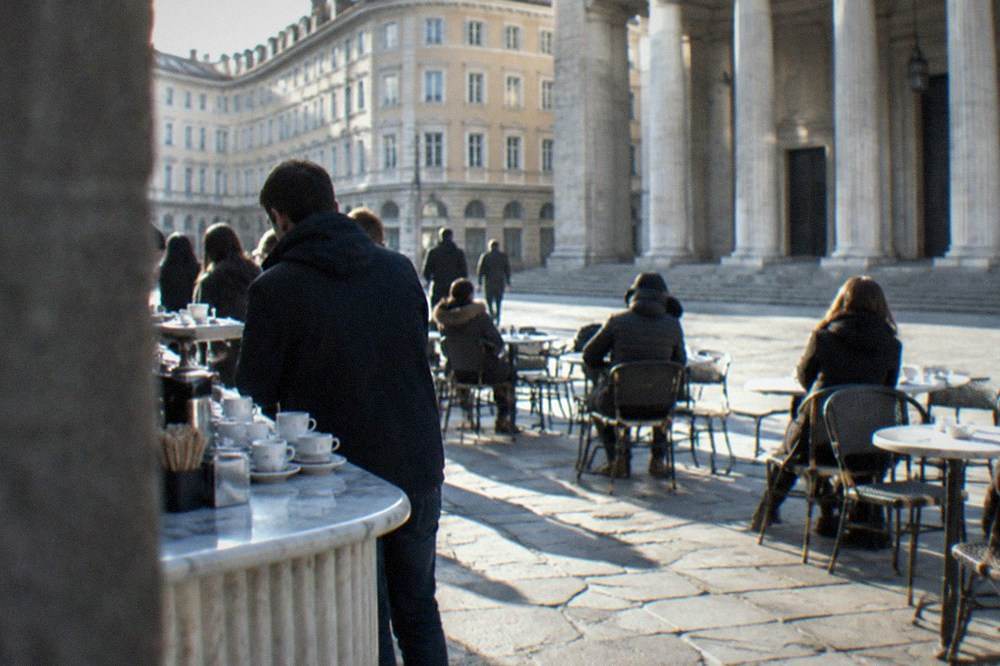
The fastest way to absorb all of this is with a guide who translates the vocabulary and the etiquette in real time. The coffee-culture walk below was built for exactly this: three hours, the historic houses, and the stories between them, with the operator's live listing carrying the current price and departure times.
| Experience | Decision name | From | Rating | Duration |
|---|---|---|---|---|
| Trieste Historic Cafés Experience | Coffee Culture Walk, 3 Hours | $74.52 per person | 4.91 from 19 reviews | 3 hours |
| Trieste: City that will definitely surprise you | Guided Walk, Coffee in Historic Bar | $68.79 per person | 4.97 from 106 reviews | 2h 30m |
| Trieste: Guided Foodie Walking Tour | Street Food Walk, 3 Hours | $71.08 per person | 4.91 from 264 reviews | 3 hours |
Each of these is bookable through the operator's live listing, and each pairs the coffee houses with a slice of the city around them. The foodie walk in particular folds the caffè stops into a broader tasting route, which suits travellers who want coffee culture as part of a bigger food day rather than as its own subject. For the food side of that equation, our guide to what to eat in Trieste covers the buffet tradition that runs alongside the coffee one.
Which Historic Cafés Should You Visit in Trieste?
The essential Trieste café circuit is compact and walkable: the grand salons clustered between Piazza Unità d'Italia and the Borgo Teresiano, plus the smaller historic bars of Città Vecchia, can be covered in a single unhurried afternoon on foot, and each house has its own character, from mirrored nineteenth-century rooms to literary corners where the city's writers drank. Do not chase a "best" café; the culture rewards visiting two or three contrasting houses in one walk.
The salons are the headline act. These are large, formal rooms with waiters in white jackets, newspapers on sticks and a pace of service designed for long occupancy, and they are the direct descendants of the Habsburg café model the city absorbed under Austrian rule. Sitting down in one is a different transaction from the bar: table service, time, and a price to match, and that is the point. The literary layer matters too, because Trieste's café tables were the working environment of the writers who made the city known to the wider world, and several houses still trade on those associations.
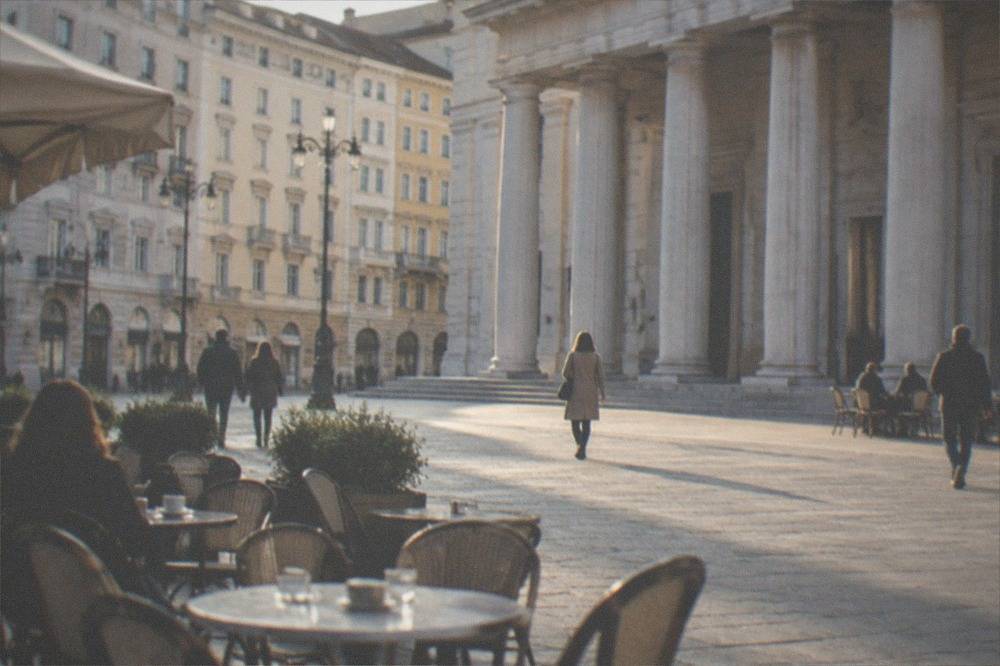
Città Vecchia, the old town behind the waterfront, supplies the contrast: smaller bars, stand-up counters, and a rougher, quicker rhythm. A sensible route takes in one grand salon in the morning, a bar in the old town at midday, and a second salon for an afternoon pause, which is roughly the arc the guided walks follow. If you would rather have the route and the stories assembled for you, the operator's page for the Trieste Historic Cafés Experience is the tour built specifically around this circuit, and the walking-tour option below covers the same ground with the city's wider history folded in.
The dedicated café walk is also the one experience on this page that exists purely for this subject, which is why it earns its own card. Three hours with a guide who knows the houses means the vocabulary, the etiquette and the port story arrive in context rather than as a list, and the operator's live listing shows the current price, the departure point and the cancellation terms before you pay.
A practical note on pace: the café circuit costs almost nothing at the bar and a great deal seated, so mix the two deliberately. Two seated hours across a day is plenty, and the bar orders in between cost pocket change while giving you the vocabulary practice. The houses do not publish a dress code, but the grand salons are formal rooms and behave accordingly.
How Does the Port of Trieste Shape Italy's Coffee Trade?
The port of Trieste shapes Italy's coffee trade by acting as a historic entry point for green coffee, which feeds the city's roasting and blending industry, including one of the world's best-known roasting companies headquartered there, and by hosting the sector's trade events. The port authority does not publish a share of Italy's green coffee imports in a form this site can verify, so no percentage is quoted here, but the port's role as an Adriatic coffee gateway is documented and central to the city's identity.
The mechanics are simple and old. Coffee is a cargo that benefits from a deep-water port close to Central European markets, and Trieste has been that port for the region for centuries. Green beans land, are stored, roasted and blended in the city, and the finished product ships out again by road and rail. The roaster headquartered here is one of the reasons the city's name carries weight among coffee professionals worldwide, and the industry's trade fairs reinforce it annually.
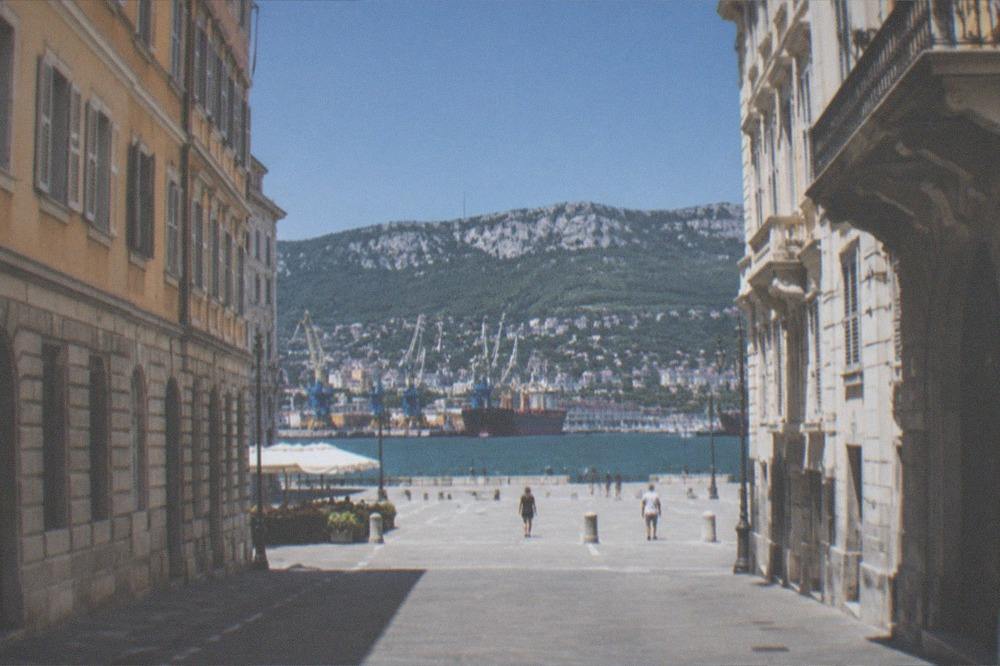
What this means for a visitor is that coffee in Trieste is not a theme-poke but a working industry you can see the edges of. The port itself is a functioning cargo operation rather than an attraction, and the old port district has only opened to the public in recent years, but the cafés are the industry's shop window, and the quality bar citywide reflects the fact that the people behind the counter are two streets from the supply chain. A free GuruWalk city walk with a local guru is a good low-cost way to hear the port-and-café story told on the ground; the walks are tip based and never carry a price, and the roster lists one rated 4.86 from 50 reviews. Our guide to free walking tours in Trieste covers how those work.
What Are the Best Coffee Tours and Tastings in Trieste?
The best coffee experiences in Trieste are the dedicated historic-café walking tour, a three-hour guided visit to the coffee houses rated 4.91 from 19 reviews and priced from $74.52 per person, plus two strong adjacent options: a city walk that ends with coffee in a historic bar, from $68.79 and rated 4.97 from 106 reviews, and a broader foodie walk with caffè stops, from $71.08 and rated 4.91 from 264 reviews. All three are booked through the operator's live listing.
The dedicated tour is the obvious pick if coffee is the reason for your trip. The café walk covers the culture as its subject: the houses, the vocabulary, the port connection and the ritual, with tastings along the way. The surprise-you walk is the better choice if you want one tour to do everything, since it folds a historic-bar coffee stop into a general city-centre walk, and its review count suggests it lands well. The foodie walk suits travellers whose real interest is the table, with coffee as one station among many. The rest of the planning pages sit on Trieste Travel Guide.
| Tour | Best for | From | Rating | Length |
|---|---|---|---|---|
| Trieste Historic Cafés Experience | Coffee as the whole subject | $74.52 per person | 4.91 from 19 reviews | 3 hours |
| Trieste: City that will definitely surprise you | One tour covering city and coffee | $68.79 per person | 4.97 from 106 reviews | 2h 30m |
| Trieste: Guided Foodie Walking Tour | Coffee inside a bigger food day | $71.08 per person | 4.91 from 264 reviews | 3 hours |
| Trieste: Unique Food Tour with Local Flavors and Tastings | A premium tasting route | $85.98 per person | 4.74 from 123 reviews | 3 hours |
Bookings run through the operator's live listing, and the standard advice applies: reserve the dedicated café walk ahead of your travel dates because the small-group format fills, and check the cancellation terms on the listing before paying, since most of these experiences can be cancelled or reserved with payment later. The inline links here go to the operator, while the site's own tour pages, such as the Trieste Historic Cafés Experience page, carry the fuller write-up.
For travellers who prefer to move at their own pace, a self-guided option exists too: the roster lists a city scavenger hunt and a local-written audio guide, both under $10, which will not teach the coffee vocabulary the way a guide does but will get you between the cafés with the stories attached. Coffee culture is, in the end, a walking subject, and Trieste rewards the traveller who treats it as one.
Can You Combine Coffee Culture with Day Trips from Trieste?
Yes, and it is one of the city's best tricks: because Trieste's café salons open early and Slovenia's headline sights sit just across the border, a standard pattern is an espresso at a historic bar in the morning, a full-day guided excursion to Ljubljana and Lake Bled or to the Postojna caves, and a final seated caffè on return, with the coffee tours of Trieste operating in the city itself on a separate day. The two best-supported excursions run from $108.91 and $137.57 per person respectively.
The geography makes this easy. Slovenia's capital, its alpine lakes and its karst caves are all day-trip distance from the city, and the guided tours that reach them depart from Trieste with round-trip transport included, which removes the only real friction, the border. One border fact matters here: Italy is running temporary checks on its land border with Slovenia, currently listed by the European Commission's register through 18 December 2026, so carry a passport or national ID card even though all three countries, Italy, Slovenia and Croatia, are in Schengen and all three use the euro. Nobody needs to change money anywhere on this itinerary.
| Day trip from Trieste | Decision name | From | Rating | Duration |
|---|---|---|---|---|
| From Trieste: Ljubljana and Lake Bled | Full-Day Ljubljana and Lake Bled | $108.91 per person | 4.69 from 544 reviews | 9 hours |
| From Trieste: Postojna Cave & Predjama Castle | Postojna Cave, Predjama Castle | $137.57 per person | 4.76 from 543 reviews | 6 hours |
| From Trieste: Piran and Slovenia Coast Tour | 6-Hour Piran, Panoramic Coast | $114.64 per person | 4.57 from 136 reviews | 6 hours |
The morning-coffee pattern works because the salons and the bars are open and serving before any excursion departs, and the evening return pairs well with a seated order in a grand room, which is exactly the moment the milky-drink clock finally permits something indulgent. The Ljubljana and Bled option is the most-reviewed of the three and the longest day; the Postojna pairing is the natural pick if caves and the karst landscape interest you more than a second city, and the karst is also wine country, which our guide to Friuli Venezia Giulia wine unpacks. For the full menu of options, see our guide to day trips from Trieste.
When Is the Best Time to Experience Coffee Culture in Trieste?
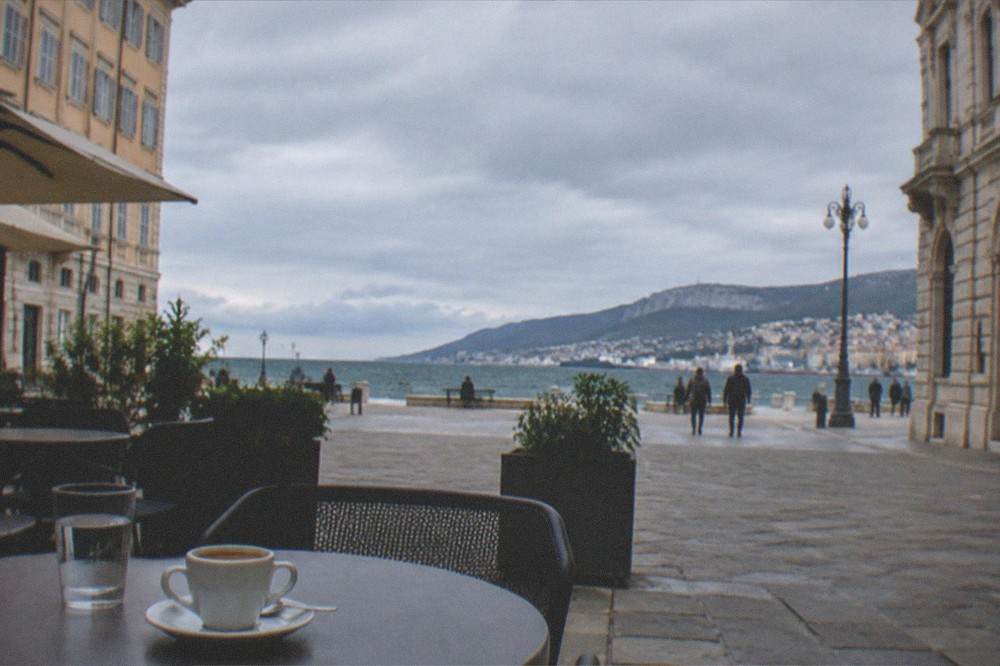
The best time to experience Trieste's coffee culture is late autumn through early spring, roughly November to March, when the salons are at their most atmospheric and the weather argues for long indoor occupancy, though the cafés operate year-round and summer brings coffee at the seafront. November is the city's wettest month at 109.8 mm of rain and July one of its driest at 53.8 mm, per the regional weather agency's own station tables, so the indoor culture peaks exactly when the rain does.
The seasonal logic is straightforward. The Habsburg café model is built for long seated hours, and long seated hours are what a wet Adriatic November produces naturally. The regional agency's station tables for the waterfront show November as the wettest month and September second, with July among the driest, which inverts the Mediterranean stereotype visitors arrive with. The bora wind is part of the same season: the tables average 17.6 days a year with gusts over 90 km/h, concentrated in the cool months, and a bora day is a café day by civic instinct. Our guides to Trieste weather month by month, the bora wind and the best time to visit Trieste cover the planning in detail.
| Season | Coffee culture mood | Practical notes |
|---|---|---|
| November-March | Salons at their best, long indoor hours | Wettest months; bora season peaks in February |
| April-June | Terrace season begins | Park and seafront walks pair well with café stops |
| July-August | Coffee at the seafront, lighter houses | Among the driest months; city is warm, sea averages 25.9 C in both |
| September-October | Cultural calendar ramps up | Barcolana regatta runs 2-11 October 2026, per the organisers |
There is a counter-argument for October specifically, because the Barcolana regatta fills the city in the first half of the month, and the 2026 edition runs 2-11 October with the main race on Sunday 11 October, per the organisers' own site. The regatta brings crowds and a festival atmosphere that spills into the cafés, and the record entry remains 2,689 boats set in 2018. Whether that energy is a bonus or a burden depends on your temperament, but the coffee houses do not close for it; they fill.
Where Should a Coffee Lover Stay in Trieste?
A coffee lover should stay in the Borgo Teresiano or the streets immediately behind Piazza Unità d'Italia, because that is where the grand salons and the roasting city's historic core sit, putting the café circuit within a short walk of your door; Città Vecchia works as a rougher, cheaper alternative with the stand-up bars on your doorstep, and the seafront at Barcola suits travellers who want the swim and the espresso in one day. All of these areas are covered in detail in our where-to-stay guide.
The honest answer is that Trieste is compact enough that nowhere in the central districts is far from a decent caffè, but distance is not the point; atmosphere is. Waking up in the Borgo Teresiano means the nineteenth-century salons are your local bars, and the morning nero happens in a mirrored room rather than a takeaway cup. Città Vecchia trades that grandeur for proximity to the old town's bars and restaurants, and the seafront keeps you near the water at the price of a longer walk to the salons. Our guides to where to stay in Trieste and Trieste versus Venice as a base cover the trade-offs, and the free sights worth building a day around are listed in free things to do in Trieste.
| Neighbourhood | Coffee character | Entry-price anchor nearby |
|---|---|---|
| Borgo Teresiano | The grand salons on your doorstep | Museo Revoltella €8, closed Tuesdays |
| Behind Piazza Unità d'Italia | Waterfront cafés, literary houses | Cathedral of San Giusto, free entry |
| Città Vecchia | Stand-up bars, old-town pace | Risiera di San Sabba, free entry |
| Barcola | Seafront, swim-and-espresso days | The seafront itself, free |
Whichever base you choose, the same three experiences anchor a coffee-first visit: the dedicated café walk in the city, and the two flagship excursions across the border for the days in between. The selection below gathers them in one place for planning.
One budgeting note that belongs on any Trieste page: the seated price at a grand café is an experience fee as much as a coffee fee, so treat two seated stops a day as the ceiling and fill the gaps at the bar, where the same houses serve the same drinks for pocket change. The culture is generous to visitors who respect its two speeds, and stingy with nobody who orders a goccia correctly.
Common Questions About Trieste Coffee Culture
Why is Trieste famous for coffee?
Trieste is famous for coffee because its port historically channelled green coffee into Italy and Central Europe, its roasting industry, including a globally known roaster headquartered in the city, grew around that trade, and its Habsburg-era cafés turned drinking coffee into a civic institution. The often-quoted per-head consumption figure has no primary source and should be treated as folklore.
What is a "capo" in Trieste?
A capo is Trieste's signature coffee: a small coffee with milk foam, served either in a small glass, "capo in b", or in a cup, "capo in t". It is the local counterpart of the cappuccino but is its own drink, and ordering one by its full local name is the quickest way to sound like a regular.
How do I order coffee in Trieste without sounding like a tourist?
Use the local vocabulary: order a nero for a plain espresso, a goccia for an espresso with a drop of milk, or a capo in b or capo in t for the milk-foam version, and keep milky orders to the morning. Drinking at the bar rather than at a table is normal and much cheaper, and no café will object to a visitor getting any of this slightly wrong.
Is there a coffee tour in Trieste?
Yes. The Trieste Historic Cafés Experience is a three-hour guided walk through the city's coffee houses, priced from $74.52 per person and rated 4.91 from 19 reviews on the operator's live listing, and two other walks, a city tour ending with coffee in a historic bar and a general foodie walk, include caffè stops. A free, tip-based GuruWalk with a local guru is also listed for travellers on a budget.
Does Trieste really drink more coffee than anywhere else in Italy?
That claim is repeated constantly but has no primary source: no chamber of commerce, port authority, roaster document or official statistic publishes a per-head figure for the city. What is documented is the port's historic role in the coffee trade, the roasting industry based there, and a café culture that is visibly denser and more formal than in most Italian cities.
When should I visit the historic cafés of Trieste?
Any time, but the salons are at their most atmospheric from November to March, when the weather favours long indoor hours: the regional weather agency's own tables show November as the city's wettest month at 109.8 mm of rain. In summer the same houses stay open, and the seafront adds terrace and swim options to the circuit.
The coffee culture of Trieste, Italy, is not a museum piece or a marketing story: it is a working port trade, a roasting industry and a set of living rooms the city has kept open for a couple of centuries, and it rewards any traveller who learns three words and sits down.