Where to Stay in Trieste, Italy: The Best Areas and Neighbourhoods
Trieste, Italy's Adriatic port city in Friuli Venezia Giulia, is compact enough that almost anywhere you sleep is a short walk from the sea. The real decision is which atmosphere you want: Habsburg grid streets, the medieval old town, the waterfront, or the Karst villages above the city.
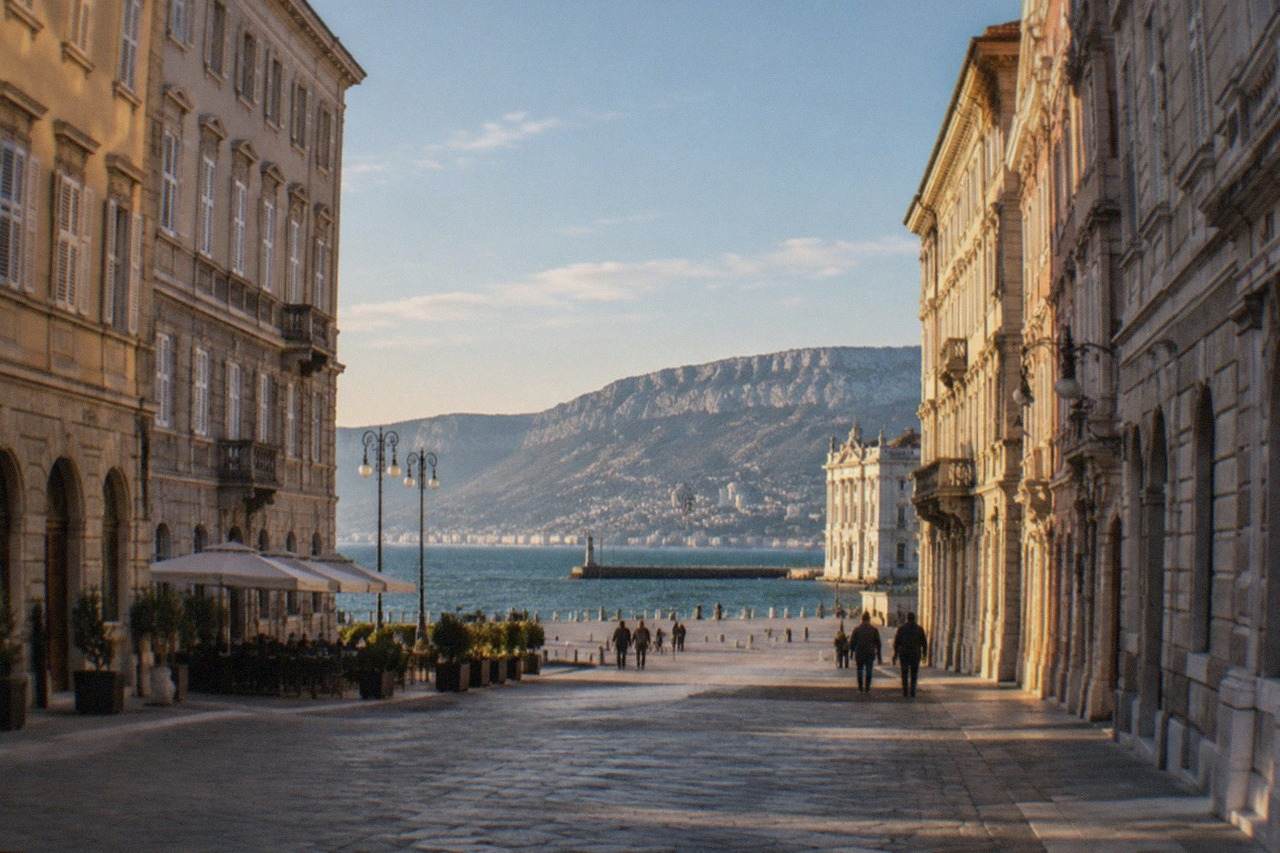
Short answer
Stay in Borgo Teresiano or Città Vecchia for a first visit to Trieste: both put Piazza Unità d'Italia, the cafès and the seafront within a short walk. Budget stays cluster around the station, families do well in Barcola near the beaches, and a car-free base in the centre removes any need for buses.
Trieste, the Adriatic port city in Friuli Venezia Giulia in northeast Italy, is small by the standards of the cities it gets compared to, and that smallness is the whole trick behind choosing a place to stay. The historic centre fits inside a triangle with the sea on one side, the railway station on another and the hill of San Giusto on the third, and almost every hotel, guesthouse and short-let apartment in the city sits inside or on the edge of that triangle. The question is not whether you will be near the sights. You will be. The question is which streets you want to walk out of your door into every morning: the Habsburg grid of Borgo Teresiano, the medieval lanes of Città Vecchia, the waterfront of the Rive, or something quieter up on the Karst.
This guide, one of the planning pages on Trieste Travel Guide, walks through each area of the city, what it is like to sleep in it, what it costs in tourist tax, and how the choice interacts with how you arrive, whether by train, plane or cruise ship. One thing to say up front, because it shapes everything else: nobody writing this site has ever been to Trieste. Every figure below comes from official sources, the Comune's own 2026 tariff sheet and the venue and transport pages, and where a source could not be verified the article says so rather than guessing.
Which Area of Trieste Should You Stay In?
For a first visit to Trieste, Italy, the best area to stay in is Borgo Teresiano, the Habsburg-era grid between the railway station and the sea, because it puts the Canal Grande, Piazza Unità d'Italia and the historic cafès within a flat, short walk of nearly every address, and it has the densest choice of accommodation in the city. Città Vecchia, the old town under San Giusto, is the atmospheric runner-up, and the station area is the practical budget pick.
Borgo Teresiano is the neighbourhood Trieste built in the eighteenth century when it was the Austrian Empire's main port, and it still reads that way: straight streets, tall pastel palazzi, churches of several faiths side by side, and the Canal Grande cutting through the middle with the Serbian Orthodox church of Sant'Antonio Taumaturgo at its head. It is flat, which matters in a city whose old town climbs a hill, and it is where most of the hotel stock sits. The trade-off is that parts of it feel businesslike rather than romantic, and the blocks nearest the station are more functional than pretty.
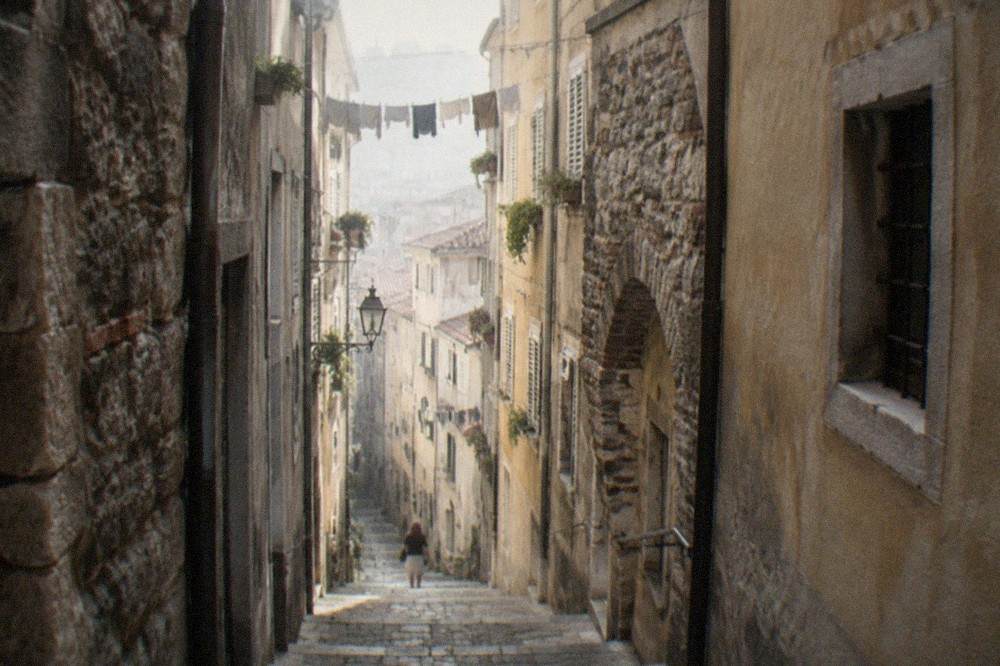
Città Vecchia, the medieval old town stacked below the Cathedral of San Giusto, is the opposite: lanes, arches, sudden views over the rooftops, and a bar and restaurant scene that runs late. It is the most atmospheric place to sleep and the least convenient for luggage, because the streets are steep and some are stepped. Between the two, along the seafront from Piazza Unità d'Italia to the Molo Audace, sits a thin strip of grand hotels facing the water, the classic Trieste splurge position.
If you are still weighing the neighbourhood question, two of our answer pages go deeper on it: what part of Trieste to stay in and where is the best place to stay in Trieste.
Is Trieste a Walkable City to Stay in Without a Car?
Trieste is a walkable city to stay in without a car for almost every visitor, because the historic centre, the seafront, the station and the cruise terminal all sit within the same compact flat zone, and the city's own transport network covers the climbs, with a standard urban ticket costing EUR 1.50 for 60 minutes or EUR 1.85 for 75 minutes and a day ticket at EUR 3.35.
Those fares come from Trieste Trasporti's 2026 urban tariff sheet, and they matter to a visitor choosing where to sleep because they make the hilly and outlying areas viable without a vehicle. A single ticket bought on board or tapped with a contactless bank card covers a ride up to the Obelisco or out to Barcola, and on Sundays and public holidays the validity extends to 240 minutes, which turns one fare into an afternoon. The same sheet lists a 10-ride carnet at EUR 13.50 and a 20-ride one at EUR 16.65, worth knowing for a longer stay.
The one piece of Trieste transport that most guides get wrong is the Opicina tram. It is running: it was reactivated on 1 February 2025 after the long stop that followed the 2016 accident, its city terminus is piazza Dalmazia, not piazza Oberdan, and Trieste Trasporti's line-2 page carries a current timetable. A standard urban ticket is valid on it. If you sleep in the centre and want the Karst village of Villa Opicina without a car, the tram is the way up the escarpment, and its full route is about 5.175 km long.
| Ticket | Validity | 2026 price |
|---|---|---|
| Urban single U01 | 60 minutes | EUR 1.50 |
| Urban single U02 | 75 minutes | EUR 1.85 |
| Day ticket U24 | One day | EUR 3.35 |
| 10 rides U10 | Ten urban journeys | EUR 13.50 |
| 20 rides U20 | Twenty urban journeys | EUR 16.65 |
Because the centre is this compact, a private guided walk is the standard way to get oriented on day one, and the operator's listing for one of the best-rated options is here:
How Much Is the Tourist Tax in Trieste?
Trieste charges a tourist tax, the imposta di soggiorno, of EUR 3.80 per person per night in five-star hotels, EUR 3.30 in four-star hotels and self-catering case vacanza, EUR 3.00 in three-star, EUR 2.30 in two-star, most B&B Superior, hostels, agriturismi and short-let apartments, EUR 2.00 in B&B Comfort, EUR 1.80 in one-star and B&B Standard, and EUR 1.50 at campsites, all for a maximum of 5 consecutive nights in the same property.
Those rates are the Comune di Trieste's own 2026 table, approved under the regulation last amended by the council resolution of 31 October 2025, and they apply per person, per night, on top of whatever the room costs. The five-night cap matters for longer stays: from the sixth consecutive night in the same property the tax stops. Everyone under 18 is exempt, as are people with a certified disability of 80 per cent or more, one companion per hospital inpatient, coach drivers and tour leaders accommodated free, on-duty armed forces and police in the province, and one group leader per fifteen minors.
The practical point for a visitor choosing accommodation is that the tax is broadly similar across the categories most travellers actually book, EUR 2.00 to EUR 3.30 a night, so it should not drive the neighbourhood decision. What the city does not publish, and what this article therefore does not state, is a hotel room rate: those are date-specific, change constantly and sit behind booking walls, so check the live price on the operator's listing for your dates.
| Accommodation category | 2026 tax per person, per night |
|---|---|
| Five-star hotel | EUR 3.80 |
| Four-star hotel, self-catering case vacanza | EUR 3.30 |
| Three-star hotel, case vacanza | EUR 3.00 |
| Two-star, affittacamere, B&B Superior, hostels, agriturismi, short-let under art. 4 d.l. 50/2017 | EUR 2.30 |
| B&B Comfort | EUR 2.00 |
| One-star, B&B Standard | EUR 1.80 |
| Campsites, equipped motorhome areas | EUR 1.50 |
Where to Stay in Trieste If You Arrive by Train?
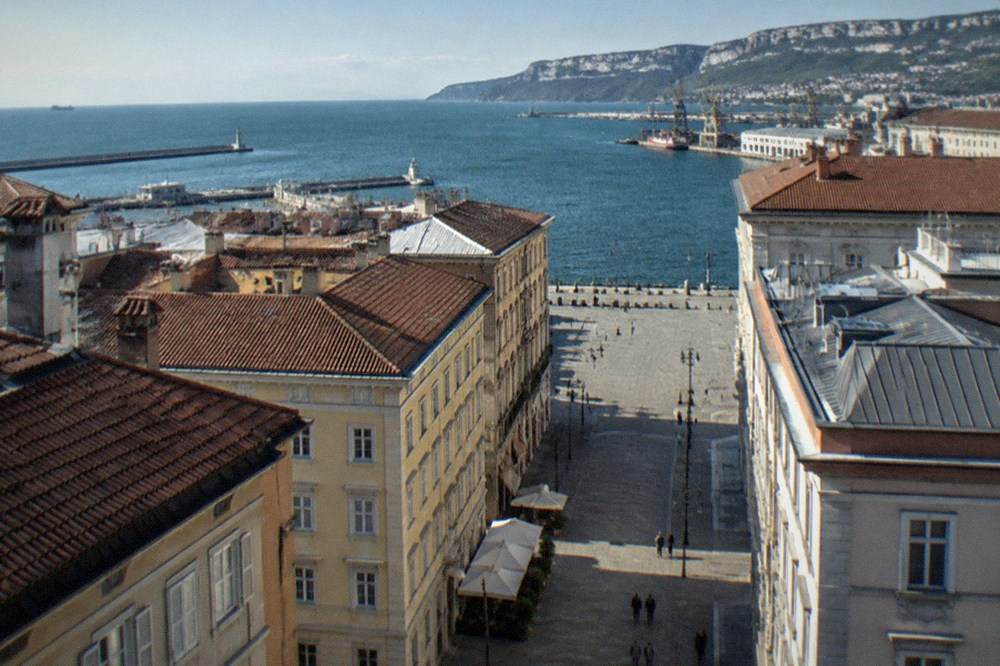
If you arrive in Trieste by train, the most practical place to stay is Borgo Teresiano near Trieste Centrale station, because the station sits at the top of the historic grid and the walk from its platforms to the Canal Grande or Piazza Unità d'Italia is flat and central, with the whole district's hotel stock between the two.
Trieste Centrale is the city's rail hub, and the streets dropping from its forecourt toward the sea are the same eighteenth-century grid described above, so a station-area base is not a compromise the way it is in many Italian cities. You trade a little charm for the ability to roll a suitcase a few hundred metres from your carriage to your door. The station connects Trieste to Venice and the rest of the Italian network, and our page on Trieste's train station and rail connections covers the routes in detail.
The station area also makes sense for cross-border day trips. Slovenia's capital and the Adriatic coast towns are close, though the border detail most guides miss is this: Italy is running temporary checks on its land border with Slovenia, listed by the European Commission's register as running from 19 June 2026 to 18 December 2026, so carry a passport or national ID card for a day trip to Ljubljana or Piran even though all three countries are in Schengen and all three use the euro. There is no currency change anywhere on a Trieste-centred trip: Italy, Slovenia and Croatia all use the euro, and Croatia joined Schengen and the euro on the same day, 1 January 2023.
Where to Stay Near the Cruise Port?
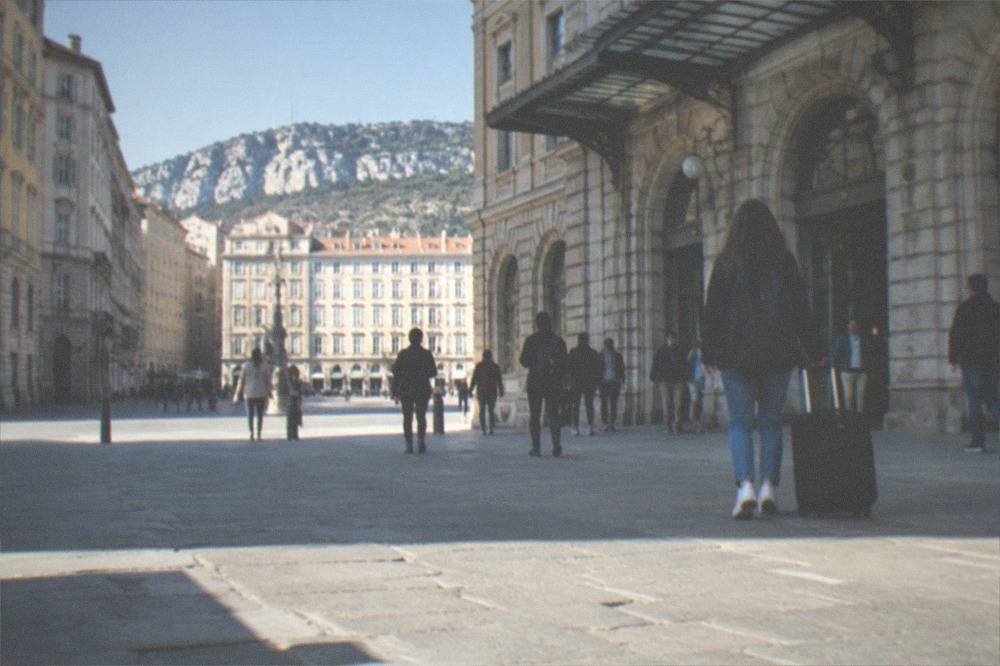
Cruise passengers docking in Trieste do not need to book a hotel near the port, because the cruise terminal sits at the north end of the waterfront within the same walkable centre, and the Rive seafront, Piazza Unità d'Italia and the old town are all reachable on foot from the pier, so any central address in Borgo Teresiano or Città Vecchia works equally well.
The Rive, Trieste's long seafront, runs from the cruise and ferry area down past Molo Audace to Piazza Unità d'Italia, and the terminal end of it is a short flat walk from the station district too, which is why cruise passengers with a pre-cruise night in the city are usually advised to sleep anywhere in the central grid and walk to the ship with their luggage. Our Trieste cruise port guide covers the terminal and the walk into town.
If you are flying in instead, the same logic holds. Trieste Airport at Ronchi dei Legionari has its own railway station joined to the terminal by a covered walkway, and regional trains run from there into Trieste Centrale, so a hotel near the station or anywhere central is reachable by rail without a transfer booking. The airport and flight options are covered in our Ronchi dei Legionari airport guide.
Where to Stay in Trieste for Food, Coffee and Nightlife?
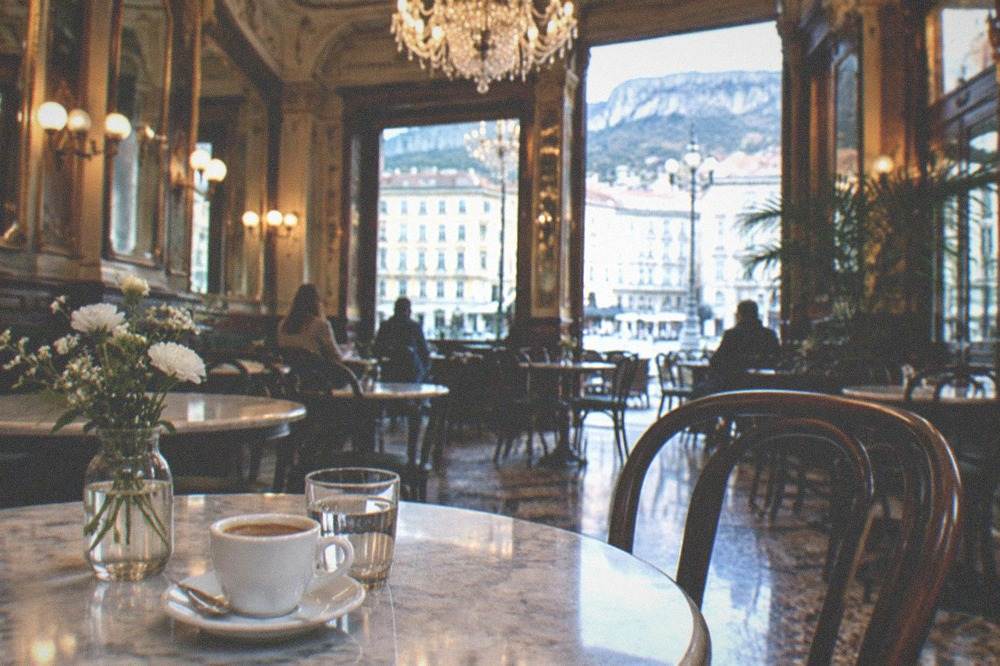
For food, coffee and nightlife, stay in or on the edge of Città Vecchia or in the streets between Piazza Unità d'Italia and Piazza della Borsa, because that zone holds the historic cafès, the buffet restaurants serving Trieste's own dishes, and the bar scene, all within a few minutes' walk of each other.
Trieste's coffee culture is the city's signature, and it is centred on a handful of historic cafès in the blocks around the main square, places that operated as institutions when the city was the Habsburg port and James Joyce was writing in them. Our Trieste coffee culture guide maps them. One thing this site will not do is print the famous coffee-consumption statistic, the kilograms per head or the "highest in Italy" ranking, because no primary source exists for it: not the Chamber of Commerce, not the port authority, not the roasters. The culture is real and needs no invented number.
The food question is covered in depth on what to eat in Trieste. The short version for accommodation planning is that the buffet tradition, jota soup, and the Adriatic fish kitchens cluster in the old town and along the waterfront, so a Città Vecchia base puts dinner at the bottom of your stairs.
A food-focused walking tour is a good way to calibrate the neighbourhoods on your first day, and the listing for one of the best-rated ones is here:
Where to Stay in Trieste with a Family or for the Beaches?
For a beach-focused or family stay in Trieste, the best base is Barcola, the seafront district west of the centre where the city's free shoreline bathing areas sit, including the Bagno Marino La Lanterna Pedocin, with the historic segregated ladies' bathing establishment, reachable from the centre on the urban network with the standard EUR 1.50 ticket.
Barcola is where the city swims. The seafront promenade runs along it, the topolini pleasure boats bob off it, and the Pedocin, the historic bathing establishment with its ladies-only section retained, is a Trieste institution. Sleeping in Barcola trades the walk-to-everything convenience of the centre for sea air and a morning swim, and the bus link along the seafront makes the trade modest. Our Trieste beaches and swimming guide covers the whole shoreline.
The sea itself is warmer than most visitors expect late in the season. ARPA FVG's oceanographic bulletins for the Gulf of Trieste show sea-surface readings peaking in August and staying warm into September, because the water retains heat through the late summer, so a September stay near the water is not a compromise. The city's weather month by month, including the November rainfall peak of 109.8 mm at the waterfront station, is laid out in our month-by-month weather guide.
| Neighbourhood | Best for | Watch out for |
|---|---|---|
| Borgo Teresiano | First visits, station access, flat walking | Businesslike blocks near the station |
| Città Vecchia | Atmosphere, food, nightlife | Steep, stepped lanes; luggage |
| Rive seafront strip | Sea views, cruise terminal proximity | Fewer budget options |
| Barcola | Beaches, families, swimming | Bus needed for the centre |
| Villa Opicina / Karst | Quiet, views, osmize visits | Car or tram dependency |
Where to Stay in Trieste for a Quieter, Local Feel?
For a quieter, more local stay, look above the city on the Karst plateau, in Villa Opicina or the villages around it, where accommodation sits among vineyards and the osmize farm wine cellars, and the tram de Opicina, running from piazza Dalmazia since its 1 February 2025 reactivation, links the plateau back down to the centre on an ordinary urban ticket.
The Karst, the limestone plateau that rises behind Trieste, is wine country as much as scenery: the local varieties are Vitovska, Malvasia and Terrano, not Prosecco, which is a village and a wine zone further west, and Trieste is not in the Prosecco DOC. Our osmize guide covers the farm cellars that open seasonally and hang a frasca, a leafy branch, at the turning to show they are pouring. The opening calendar lives at osmize.com, the long-established volunteer-run listing with addresses and a map, and it is the de facto reference because no municipal equivalent exists.
Sleeping up here suits a second visit, a car-based trip, or a stay built around walking the Rilke trail above Sistiana or visiting the caves. Grotta Gigante, the giant cave at Sgonico, is guided-only with compulsory booking, costs EUR 15 for an adult, and is closed on Mondays from September to February, so check the schedule before promising anyone a visit. The region's wine side is covered in our Friuli Venezia Giulia wine guide.
What Does the Bora Mean for Where You Stay?
The bora, Trieste's cold north-easterly wind, should shape your room choice more than your neighbourhood choice: ARPA FVG's own station tables for the molo Fratelli Bandiera record an all-time peak gust of 168.1 km/h in February 2012 and an average of 17.6 days a year with a gust over 90 km/h, so in the cool season a sea-facing balcony is a mixed blessing and a sheltered inland-side room is the calmer night's sleep.
Those figures come from the regional agency's 1995-2024 series, and the detail worth knowing is that the wind is a cool-season phenomenon, peaking in the winter months, while June is the calmest month in the table. There is no published official wind threshold at which the seafront closes or ferries stop, so do not plan around one; the practical version is that on strong bora days the exposed Rive promenade is bracing and the grid streets of Borgo Teresiano, angled as they are, are where the city carries on as normal. Our full bora wind guide covers the mechanics.
The wind also explains one of Trieste's odder accommodation facts: the city's big October event, the Barcolana regatta, sits inside the windy shoulder of the year on purpose. Barcolana 58 runs from 2 to 11 October 2026, with the main race on Sunday 11 October, and if you are coming for it, book far ahead, because the record edition in 2018 put 2,689 boats on the start line and the shoreside crowd fills the city. The Barcolana guide has the details.
| Bora fact, ARPA FVG station TRI, 1995-2024 | Figure |
|---|---|
| All-time peak gust | 168.1 km/h, February 2012 |
| Average days per year with a gust over 90 km/h | 17.6 |
| Average days per year with a gust over 72 km/h | 49.0 |
| Calmest month | June |
| Wettest month | November, 109.8 mm |
How Many Days Should You Stay, and Does the Area Change with Trip Length?
For a stay of one to three days, sleep in the centre, Borgo Teresiano or Città Vecchia, because every hour counts and the flat walkable zone is the whole point of the city; for four days or more, a Barcola or Karst base becomes viable, and for a week that mixes Trieste with Ljubljana, Piran or the caves, the station-side of Borgo Teresiano is the practical hub because the day-trip transport leaves from there.
The length question has its own answer pages, including how many days do you need in Trieste, and the itinerary pages for one day, two days and three days show what actually fits in each. The short version: the centre rewards a short stay more than any outlying area does, because Trieste's sights, the square, the cathedral hill, Miramare's park and the cafès, are close together.
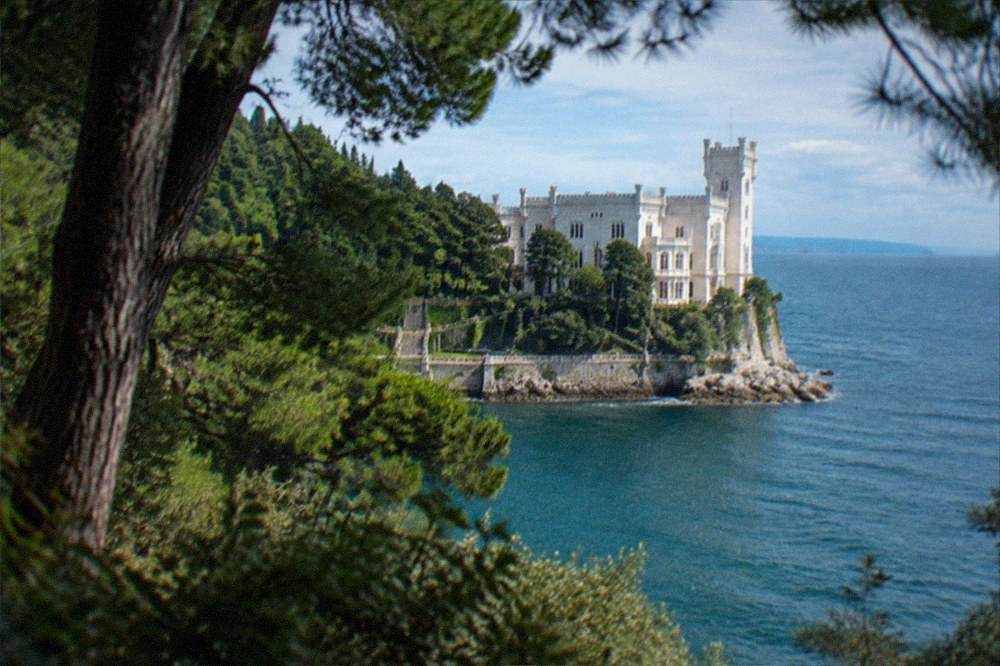
Miramare deserves a note here because it is the one major sight outside the central zone, up the coast at Grignano. The castle's adult ticket is EUR 17 in 2026 and the park is free all year, with different hours, so a central base plus the coastal bus or a tour is the standard pattern.
Is Trieste a Good Place to Stay Compared with Venice?
Trieste is a good place to stay compared with Venice for travellers who want sea, coffee-house culture, Habsburg architecture and food at a calmer pace, while Venice wins on the canal-and-palazzo spectacle, so the honest answer is that they are different trips, and our comparison page concludes that a Trieste base is the easier and cheaper-feeling one even though no verified hotel-rate comparison exists.
Both cities are in the upper Adriatic corner of Italy and both were ports, but they were ports of different empires with different architecture, and Trieste's centre is flat grid and grand squares where Venice's is lagoon and bridges. The comparison, including the train link between them, is on is it better to stay in Venice or Trieste. What this article will not do is quote a room rate in either city, because no source this site trusts publishes a verifiable one.
How to Book, and What to Check Before You Pay
Before you pay for any Trieste accommodation, check three things: the tourist tax is added on top at the 2026 Comune rates up to a five-night cap, the free first-Sunday-of-the-month museum scheme can make an arrival weekend cheaper, and the operator's live listing carries the current cancellation terms, which this site never promises on its behalf.
The booking mechanics are the same as anywhere in Italy, with one local wrinkle: the short-let category, apartments under the Italian decree article that regulates them, is taxed at EUR 2.30 a night, the same as a two-star or a hostel, so an apartment is not a tax dodge or a tax penalty here. And the free-Sunday point is real but must be handled carefully: the ministry's first-Sunday scheme exists and Miramare takes part, but the rules have changed more than once in recent years, so confirm the specific date on the venue's own page rather than trusting a blog, this one included.
Common Questions About Where to Stay in Trieste
What is the best area to stay in Trieste, Italy?
Borgo Teresiano, the Habsburg grid between the station and the sea, is the best area for most first-time visitors, because it is flat, central and holds the densest accommodation stock. Città Vecchia is the atmospheric alternative for food and nightlife, Barcola for the beaches, and the Karst villages for quiet.
Is Trieste expensive to stay in?
Room rates are date-specific and no verified published figure exists, but the fixed cost every visitor pays, the tourist tax, runs from EUR 1.50 per person per night at campsites to EUR 3.80 in five-star hotels, capped at five consecutive nights. Our page on whether Trieste is cheap or expensive covers the rest of the budget.
Do I need a car if I stay in Trieste?
No. The centre is flat and walkable, the urban network covers the climbs and the coast on tickets from EUR 1.50, and the Opicina tram runs from piazza Dalmazia up to the Karst. A car only earns its keep for a Karst-based stay or heavy cross-border touring.
Where should I stay near the Trieste cruise port?
Anywhere central. The cruise terminal sits at the north end of the Rive seafront, within the same walkable zone as Borgo Teresiano and Città Vecchia, so a central hotel or apartment works and the walk to the ship is flat.
Where should I stay in Trieste for the Barcolana?
Book early and stay central: Barcolana 58 runs 2-11 October 2026 with the main race on Sunday 11 October, and the shoreside crowd fills the city. A seafront room in the Rive strip puts the finish off Piazza Unità d'Italia in view.
Is it better to stay in Venice or Trieste?
They are different trips: Venice for canals and spectacle, Trieste for coffee houses, Habsburg squares, sea swimming and a calmer pace. The train links them, and a combined trip with a night or two in each is the pattern our comparison page recommends.
The final conversion band below collects the three experiences that pair best with a central stay: a private sightseeing walk to orient you, the Miramare castle and park ticket with its exhibition, and the Jewish heritage walk through the quarter that shaped so much of the city's port history.
And for a slower first evening, the historic cafès experience walks the same coffee houses the centre is famous for, ending near the sea.
Whatever you choose, the honest summary of this city is that the wrong neighbourhood in Trieste is still a short walk from the right one, so pick the streets that match your mornings, confirm the tax and the tram on the official pages, and the rest of the trip plans itself around a square by the sea.