What Part of Trieste to Stay In?
Where to stay in Trieste, Italy: the best neighbourhoods for a first visit, from the seafront by Piazza Unità d'Italia to Città Vecchia, Borgo Teresiano and Barcola, with tourist tax and transport facts.
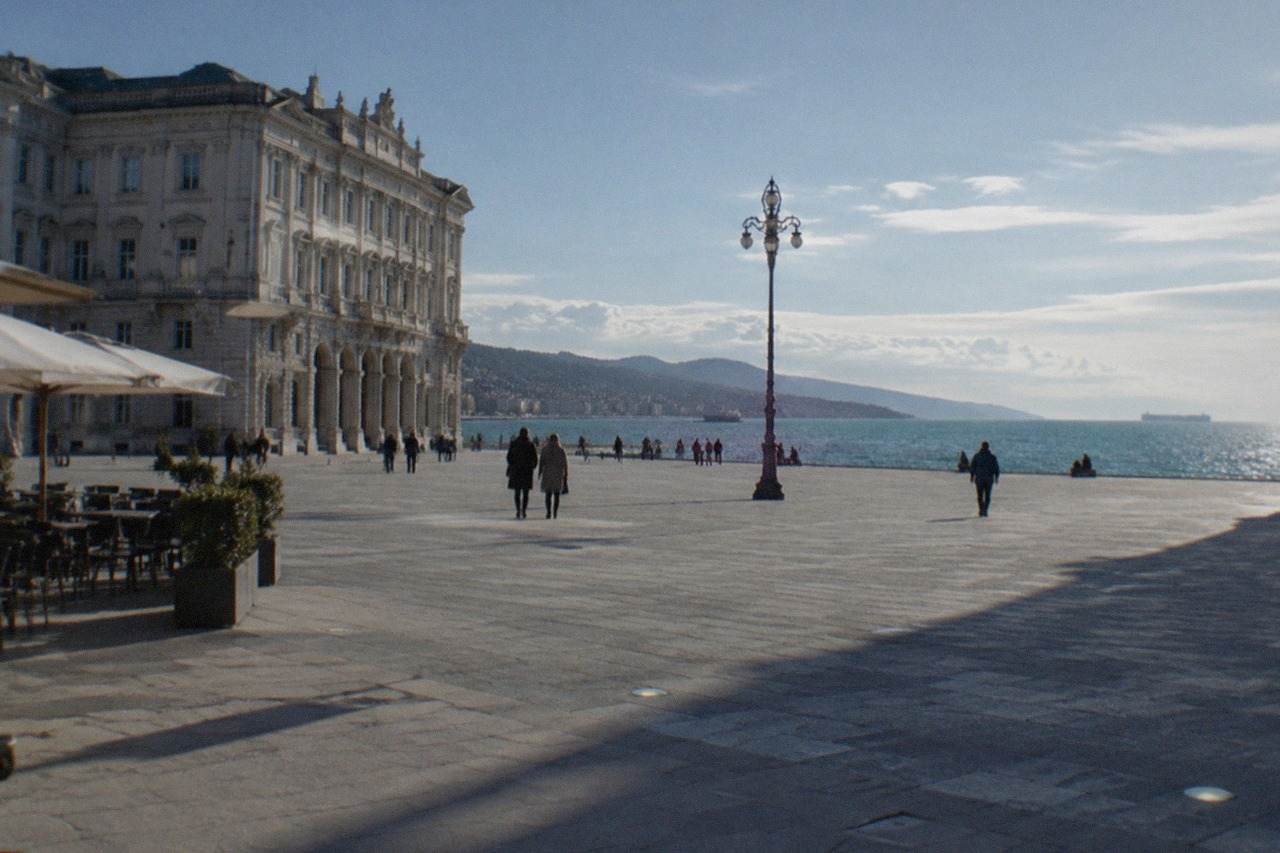
Trieste, Italy, is a compact Adriatic port city where the neighbourhood you sleep in matters less for distance than for character: almost everywhere worth seeing sits within a walkable centre, so the real choice is between seafront grandeur, old-town lanes, Habsburg grid streets and the quieter residential slopes. The Comune's own 2026 tourist tax table charges every visitor per night by accommodation category, capped at five consecutive nights in the same property, which is one more reason to pick the district first and the bed second. This page walks through what each part of the city actually offers a visitor, and pairs the choice with the practical numbers this site has verified.
What Part of Trieste to Stay In?
For a first visit to Trieste, Italy, the area around Piazza Unità d'Italia and the Rive seafront is the part to stay in: it puts the main square, Molo Audace, the Grand Canal and Città Vecchia on your doorstep. Città Vecchia itself suits visitors who want old-town lanes and lower room prices, Borgo Teresiano offers the elegant Habsburg grid near the station, and Barcola, up the coast, is the local choice for sea air and a slower pace.
That answer compresses a genuinely small decision space. Trieste's centre is a dense crescent between the hills and the sea, and the districts a visitor actually sleeps in are four: the Piazza Unità d'Italia and Rive waterfront core, Città Vecchia immediately behind it, Borgo Teresiano to the north-west around the station and the Grand Canal, and Barcola, the seafront strip that runs out toward Miramare. A fifth option, the Carso villages above the city, suits travellers with a car and a plan built around osmize, caves and vineyards rather than city sightseeing.
The waterfront core is where the postcard Trieste lives. The square the guides all photograph, Piazza Unità d'Italia, is the largest sea-facing square in Italy, and the hotels around it and along the Rive are the ones that put the Gulf of Trieste outside the window. The trade-off is price and, on autumn weekends, the crowds that events such as Barcolana bring to the waterfront, since the regatta village and the race itself are staged right here.
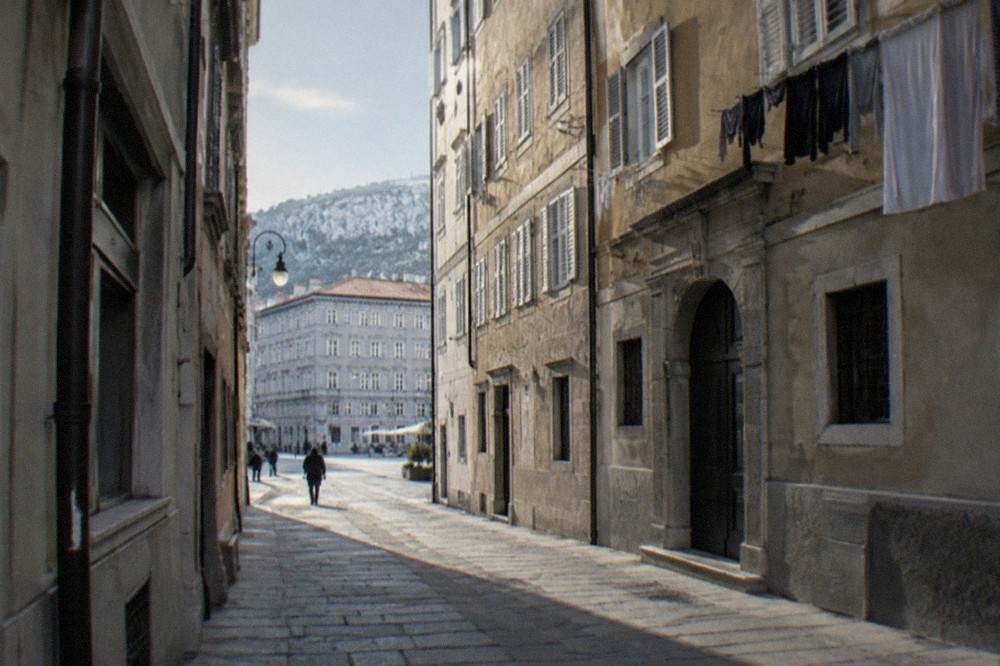
Città Vecchia, the old town that climbs from behind the square toward San Giusto hill, is narrower, noisier in the evenings and often cheaper, and it puts you inside the lanes where the Roman theatre and the Arco di Riccardo sit. Borgo Teresiano, the eighteenth-century grid of straight streets laid out under Maria Theresa, is the practical pick for anyone arriving by train: it wraps Trieste Centrale and the Grand Canal, and it carries much of the city's cafe and restaurant life. Barcola is the one that behaves differently: it is a residential seafront rather than a hotel district, so accommodation there is mostly short-let apartments, and the payoff is the pine-backed lungomare the whole city walks on Sundays.
Which Trieste District Suits Which Kind of Visitor?
Families and first-time visitors are best placed in the Borgo Teresiano and station quarter, where arrival, the Grand Canal and the main squares line up on flat ground. Couples chasing sea views should take the Rive and Piazza Unità d'Italia waterfront, budget travellers and night owls do well in Città Vecchia, and anyone who wants to swim before breakfast should look at Barcola. Visitors using Trieste as a base for Slovenia or the Carso should stay near the station or drive.
Flat ground is a real consideration here in a way it is not in, say, Venice's back lanes: the Borgo Teresiano grid is level and orderly, while Città Vecchia and everything above it climbs San Giusto hill, which matters with luggage, small children or mobility constraints. This site's accessible Trieste guide covers the terrain in more detail.
| District | Best for | Character | Watch out for |
|---|---|---|---|
| Piazza Unità d'Italia and the Rive | Sea views, first visit, short stays | Grand waterfront, hotels and historic cafes | Highest prices, event crowds in October |
| Città Vecchia | Budget stays, nightlife, old-town atmosphere | Steep lanes, bars, Roman remains | Noise, hills, thinner hotel choice |
| Borgo Teresiano | Train arrivals, families, cafe life | Elegant Habsburg grid, level streets | Less sea view than the Rive |
| Barcola | Swimming, slow mornings, apartment stays | Residential seafront, pine-backed promenade | Farther from the centre, few hotels |
| The Carso villages | Car travellers, osmize and cave itineraries | Rural, vineyards, farm outlets | A drive from everything urban |
One practical layer applies wherever you book. The Comune di Trieste's 2026 tourist tax table charges per person, per night, by category: €3.80 at five-star properties, €3.30 at four-star hotels and self-catering case vacanza, €3.00 at three-star, €2.30 at two-star, affittacamere, B&B Superior, hostels, agriturismi and short-let properties, €2.00 at B&B Comfort, €1.80 at one-star and B&B Standard, and €1.50 at campsites and motorhome areas. It is charged for a maximum of five consecutive nights in the same property, and everyone under 18 is exempt. That structure means the tax is roughly the same whether you sleep in the grand waterfront or a Città Vecchia apartment: the district choice should be made on character, not on this line item.
A district is hard to judge from a listing, and two of the walks in the trio above are built exactly for that judgement: a private hidden-gems walk with a local guide covers the corners a hotel search never shows you, and a self-guided audio-and-written walk lets you trace Borgo Teresiano and the waterfront at your own pace before you commit to a booking. The third, a panoramic city and Miramare Castle tour, doubles as a useful look at the Barcola-to-Miramare stretch if that end of town is on your shortlist.
Is It Better to Stay Near the Water or Up the Hill?
Stay near the water in Trieste if your visit is short and you want the square, the seafront and the cafes within a few minutes of your door; stay up the hill, in Città Vecchia or around San Giusto, if you would trade convenience for atmosphere, lower prices and views down over the city. The hill districts are quieter at night and steeper underfoot, and the waterfront is where the city's public life actually happens.
The Rive, the long seafront pavement that runs from the port area to Barcola, is the spine of Trieste's public life, and everything on it is free to walk: this site's Le Rive seafront guide details the route. Molo Audace, the pier you walk out onto for the classic sunset view, sits steps from Piazza Unità d'Italia. Up the hill, the payoff is different: the terraces around Castello di San Giusto and the Cathedral look down over the whole gulf, and the lanes of Città Vecchia, the Cavana district and the old town carry the bars that keep the evenings going.
Transport makes the hill choice less punishing than it looks. Trieste's urban network is flat-fare and cheap: the 2026 tariff sheet lists a 60-minute single at €1.50, a 75-minute single at €1.85, a day ticket at €3.35 and ten rides at €13.50, with contactless bank cards accepted on board. The Opicina tram, urban line 2, runs from its city terminus at piazza Dalmazia up to the Carso village of Villa Opicina, so a stay anywhere near its route gives you a cheap, working heritage line as a bonus. Check the operator's live pages for the current timetable rather than a printed one. More of these guides are collected on Trieste Travel Guide.
Where Should You Not Stay in Trieste?
There is no part of central Trieste a visitor should rule out on safety grounds: this is a quiet, low-crime city by Italian standards, and the practical exclusions are about fit rather than risk. The industrial and port areas away from the centre offer little to a visitor on foot, and the Carso villages, though lovely, strand you without a car. Everything between the station, the seafront and San Giusto hill works.
For the safety question in full, this site's is Trieste safe page covers the detail. The honest answer on districts is that the trade-offs are logistic. A stay far up the hill means a climb home every evening; a stay in Barcola means a longer run into the centre, though the seafront promenade connects them; a stay near the station in Borgo Teresiano means level streets and a short walk to the Grand Canal but fewer rooms with a sea view. The port and industrial zones north of the centre are simply not where the visitor-facing city is.
If Trieste is one stop on a longer itinerary, the station quarter earns its keep twice over: Trieste Centrale connects toward Venice, and the airport has its own railway station joined to the terminal by a covered walkway. Travellers weighing Trieste against a night in Venice should read this site's is it better to stay in Venice or Trieste comparison, and the question of how many nights the city deserves is covered at how many days in Trieste is enough.
How Do You Choose a Base for Day Trips?
If Trieste is your base for day trips to Slovenia, the Croatian coast or the Carso caves, stay in the Borgo Teresiano and station quarter: the long-distance coaches and the regional trains you will use every morning leave from that end of the centre, and the flat grid makes an early start painless. A waterfront room is nicer for the evenings but adds nothing to the morning departure.
The geography is simple. Trieste sits on the north-eastern corner of the Adriatic with Slovenia beginning at the city's eastern edge, which is why Piran, Ljubljana, Postojna and the Lipica stud farm all work as day trips from here. One border fact matters for anyone planning Slovenian mornings: Italy is running temporary checks on its land border with Slovenia through 18 December 2026, so carry a passport or national ID card even though all three countries, Italy, Slovenia and Croatia, are in the euro and in Schengen. Croatia adopted the euro and joined Schengen on the same day, 1 January 2023, so no currency change is involved anywhere on these routes.
| Day trip direction | Where you leave from | Border document needed in 2026 |
|---|---|---|
| Piran and the Slovenian coast | Trieste coach and station quarter | Passport or ID card; temporary Italian checks to 18 December 2026 |
| Ljubljana and Lake Bled | Trieste coach and station quarter | Passport or ID card; same temporary checks |
| Postojna and Škocjan caves | Trieste coach and station quarter | Passport or ID card; same temporary checks |
| Venice, within Italy | Trieste Centrale | None; domestic journey |
| The Carso and Grotta Gigante | piazza Dalmazia tram or city buses | None; domestic journey |
The station quarter also puts you near the start of the Opicina tram line, which is both a ride and a transport link: a standard urban ticket is valid on it, and it climbs from piazza Dalmazia to Villa Opicina on the Carso rim. Grotta Gigante, the giant cave at Sgonico, is guided-only with compulsory booking and is closed on Mondays from September to February, so a Carso itinerary needs a little planning; the details are in this site's Grotta Gigante guide.
Common Questions About Where to Stay in Trieste
What part of Trieste to stay in?
For a first visit, stay near Piazza Unità d'Italia and the Rive for sea views and proximity to everything, in Borgo Teresiano for flat streets and the station, in Città Vecchia for atmosphere and lower prices, or in Barcola for a residential seafront. All four are within the same compact, walkable centre.
Is Trieste a good place to stay for more than a few nights?
Yes: the city rewards a slower stay, and the tourist tax is capped at five consecutive nights in the same property anyway. Bases for a longer stay are covered on this site's page on how many days in Trieste is enough.
Does it matter which side of the station you stay on?
Not much. Borgo Teresiano wraps the station on flat ground, and the Grand Canal, the main squares and the seafront all sit within the same central crescent. The hill districts behind the square are steeper but still central.
Should you stay in Trieste or in Venice?
They are different trips: Trieste is smaller, cheaper and calmer, with the sea and a cross-border position Venice does not have. The full comparison is on this site's is it better to stay in Venice or Trieste page.
Do you need a car to stay in Trieste?
No. The centre is walkable, urban tickets are cheap on the 2026 tariff, and the Opicina tram and buses cover the Carso rim. A car helps only if your itinerary leans on osmize, caves and villages up on the plateau.
Where do locals go to swim near the centre?
Barcola, the pine-backed seafront strip north of the centre, is the city's swimming and promenade area, and Bagno Marino La Lanterna sits closest to the centre. The details are in this site's guide to where locals swim in Trieste.
Whichever district you settle on, book with the character of the district rather than the listing photos in mind, and check the operator's live listing for any tour or walk before you build your mornings around it.