A Rainy Day in Trieste, Italy: What to Do When the Weather Turns
Rain in Trieste, Italy, is mostly an autumn story: November is the wettest month at 109.8 mm and September is second at 102.3 mm, while July is one of the driest. Here is how to spend a wet day well, with verified prices and hours.
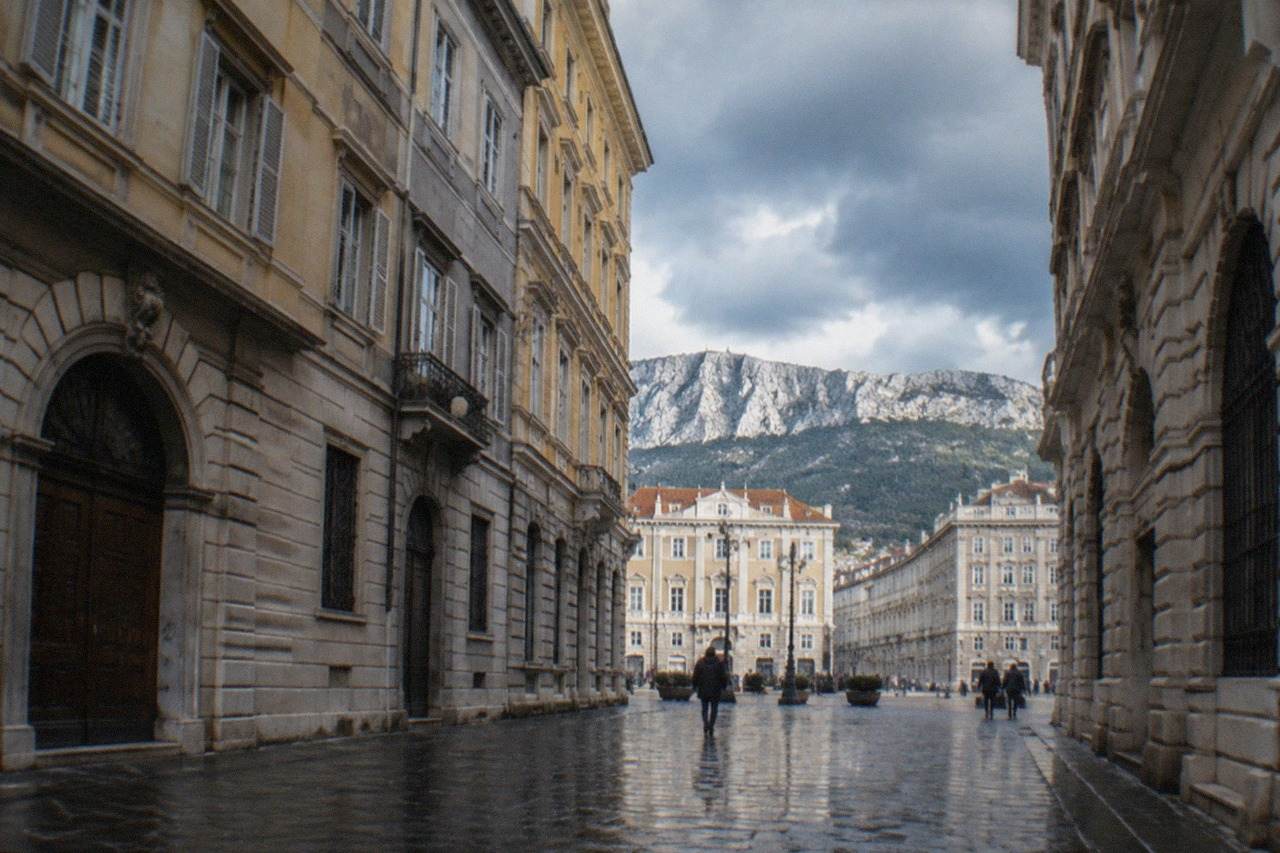
Short answer
Trieste handles rain better than most Italian cities: it has covered arcades, historic cafés, free cathedrals and museums within a short walk of each other, and Grotta Gigante, which is underground and weatherproof, a short drive away on the Carso.
Rain in Trieste, Italy, is not evenly spread across the year, and the city's own weather station says so plainly. ARPA FVG's tables for the molo Fratelli Bandiera station, covering 1995 to 2024, put November as the wettest month at 109.8 mm with September second at 102.3 mm, while July is the second driest at 53.8 mm and January and March tie at 52.8 mm. The annual total is 867.1 mm across 86.1 wet days. So a wet day here is most likely an autumn day, and the good news is that Trieste, a Habsburg port turned Italian city, was built for being indoors: grand cafés, museums a few streets apart, covered shopping passages and one of the largest tourist caves in the world up on the plateau behind town.
This route is built for exactly that kind of day. It keeps you under roofs where it can, sends you underground where it cannot, and every price and opening hour below comes from the venues' own pages rather than from guesswork. If you are working with more than one day, our one day in Trieste itinerary and the free things to do in Trieste guide both pair well with this one, and the Trieste in winter guide covers the season when most of these rainy days fall.
What Can You Actually Do in Trieste When It Rains?
A rainy day in Trieste, Italy, splits into four sheltered clusters: the museum quarter around Piazza Unità d'Italia and the Rivolta-era palazzi, the historic caffès of the Borgo Teresiano, the covered arcades and passages off Piazza della Borsa, and the weatherproof caves of the Carso plateau, chief among them Grotta Gigante, which is visited entirely underground on guided tours that run whatever the sky is doing.
The city is compact in the way that matters on a wet afternoon. The cathedral on San Giusto hill is free to enter, the Museo Revoltella and the Castello di San Giusto sit within the same climb, and the Teatro Romano is something you look down into from the street, which makes it a two-minute rainy-day stop rather than a destination. None of this requires a long exposed walk between shelters.
What you should not do is assume the seafront is written off. The Rive, the long waterfront promenade, is at its most photogenic with a heavy sky over the gulf, and Molo Audace, the short pier in front of Piazza Unità d'Italia, is a quick dash rather than a expedition. The bora wind is a separate question from the rain, and it is worth understanding the difference before you plan the day.
| Option | Indoor or outdoor | Entry cost | Rain-proof rating |
|---|---|---|---|
| Museo Revoltella | Indoor | EUR 8.00 adult, EUR 6.00 reduced | Fully sheltered |
| Castello di San Giusto | Mostly indoor, walls outdoor | EUR 7.00 adult, EUR 5.00 reduced | Good, some exposed walks |
| Cattedrale di San Giusto | Indoor | Free | Fully sheltered |
| Historic caffès (Borgo Teresiano) | Indoor | Pay per drink | Fully sheltered |
| Grotta Gigante (Sgonico) | Underground | EUR 15.00 adult, guided only | Weatherproof |
| Teatro Romano | Viewed from street | Free | Quick outdoor stop |
| Miramare Castle | Indoor, park outdoor | EUR 17.00, park free | Good if you reach it dry |
Which Trieste Museums Are Worth a Wet Afternoon?
The two best rainy-day museums in Trieste are the Museo Revoltella, a modern-art gallery open daily 10:00-19:00 except Tuesdays at EUR 8.00 for adults, and the Castello di San Giusto, whose EUR 7.00 ticket covers the castle museum, the armoury, the Lapidario Tergestino and the walls, open daily 10:00-19:00 until 11 October and then Tuesday to Sunday 10:00-17:00.
The Revoltella is the easiest wet-day call in the centre. It closes on Tuesdays, keeps last entry at 18:00, and charges EUR 6.00 reduced, with school visits at EUR 1.00. Because it sits a short way up from the waterfront, you can reach it from Piazza Unità d'Italia with minimal exposure. The Castello di San Giusto has a different rhythm: from 1 April to 11 October it is open daily 10:00-19:00 with last entry 18:30, and from 12 October it drops to Tuesday-Sunday 10:00-17:00, last entry 16:30, with Monday closed. It is free on the first Sunday of the month and on 3 November, the patron saint's day.
The cathedral beside it is free, open weekdays 8:00-18:30 and Sundays and holidays 9:00-19:30, though the parish asks that visits avoid Mass times. The bell tower's price is not published on the parish site, so check there rather than trusting a number from elsewhere. The Risiera di San Sabba, the national monument a little out of the centre, is also free, open daily 9:00-19:00 until 11 October and 9:00-17:00 after, and it is a sobering, fully indoor museum that suits a grey day.
There is no Trieste-only museum card. The regional FVGcard exists and covers several of these sites, but its prices could not be verified from official sources at the time of writing, so we do not quote them here.
| Museum or site | Adult price | Opening pattern | Closed |
|---|---|---|---|
| Museo Revoltella | EUR 8.00 | Daily 10:00-19:00, last entry 18:00 | Tuesdays |
| Castello di San Giusto | EUR 7.00 | 1 Apr-11 Oct daily 10:00-19:00; from 12 Oct Tue-Sun 10:00-17:00 | Mondays from 12 Oct |
| Cattedrale di San Giusto | Free | Weekdays 8:00-18:30; Sun 9:00-19:30 | Never (avoid Mass) |
| Risiera di San Sabba | Free | 1 Mar-11 Oct daily 9:00-19:00; from 12 Oct daily 9:00-17:00 | 25 Dec, 1 Jan |
| Castello di Miramare | EUR 17.00 | Daily 9:00-19:00, last admission 18:30 | None stated |
If a guided angle appeals more than a solo museum crawl, the operators below cover the same ground with a local alongside you.
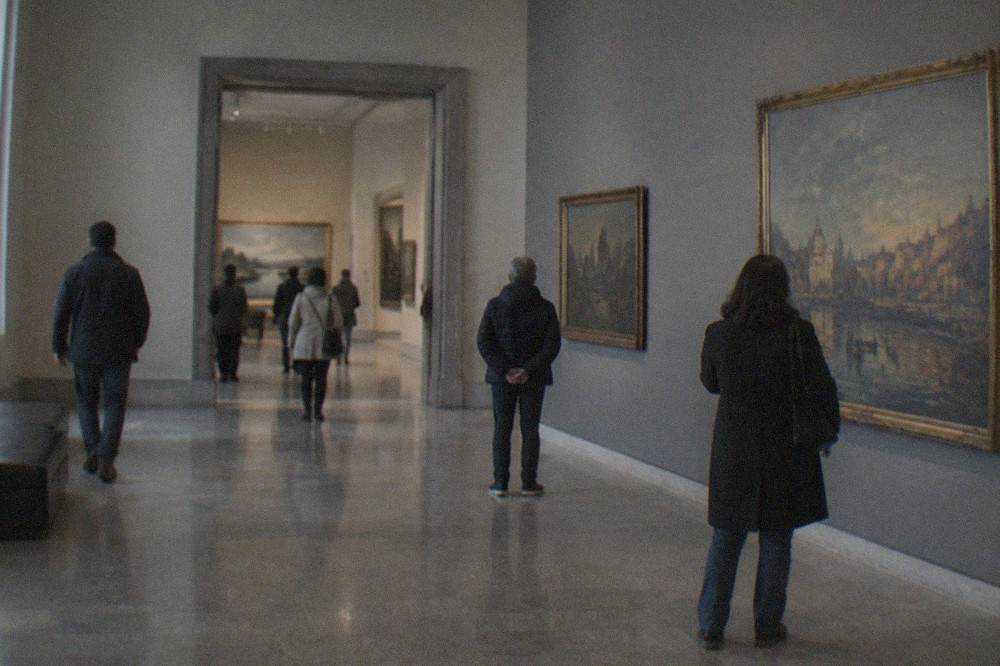
The San Giusto cluster deserves the core of a wet afternoon, and our San Giusto Castle and hill guide unpacks it in detail, with the Piazza Unità d'Italia guide covering the square you will cross to reach it.
Is Grotta Gigante a Good Rainy-Day Trip from Trieste?
Yes, Grotta Gigante near Sgonico is arguably the best rainy-day trip from Trieste, because the entire visit takes place underground on a guided tour that costs EUR 15.00 for adults, EUR 12.00 reduced and EUR 8.00 for children aged 6 to 18, with departures at 9:00, 10:00, 11:00, 12:00, 14:00, 15:00 and 16:00, and booking is compulsory, so rain changes nothing about the experience.
The cave sits on the Carso plateau above the city, and it is the one major Trieste-area attraction that is genuinely indifferent to weather. The rules are strict and worth knowing before you set out: visits are guided only, there is no self-guided wandering, and you must book in advance. From September to February the cave opens Tuesday to Sunday and is closed on Mondays; from March to August it opens every day. It also closes on 25 December and 1 January.
The pricing is family-friendly. Children under 6 enter free, and when two or more children aged 6 to 18 are in a party, the family rate drops to EUR 6.00 per child. Groups from 15 people pay EUR 12.00 each, and schools pay EUR 6.00 per pupil. The widely repeated details about step counts and the cave's constant temperature are not printed on the venue's own pages, so we do not repeat them here; the visit is what it is, and the guides on the day will tell you what to expect.
A packaged option bundles the guided cave visit with museum entry and takes the booking work off your plate:
| Ticket | Price |
|---|---|
| Adult | EUR 15.00 |
| Reduced (over 65, students to 26, journalists, CAI/SSI members) | EUR 12.00 |
| Children 6-18 | EUR 8.00 |
| Children under 6 | Free |
| Family rate (2+ children aged 6-18) | EUR 6.00 per child |
| Groups from 15 people | EUR 12.00 each |
| Schools | EUR 6.00 per pupil |
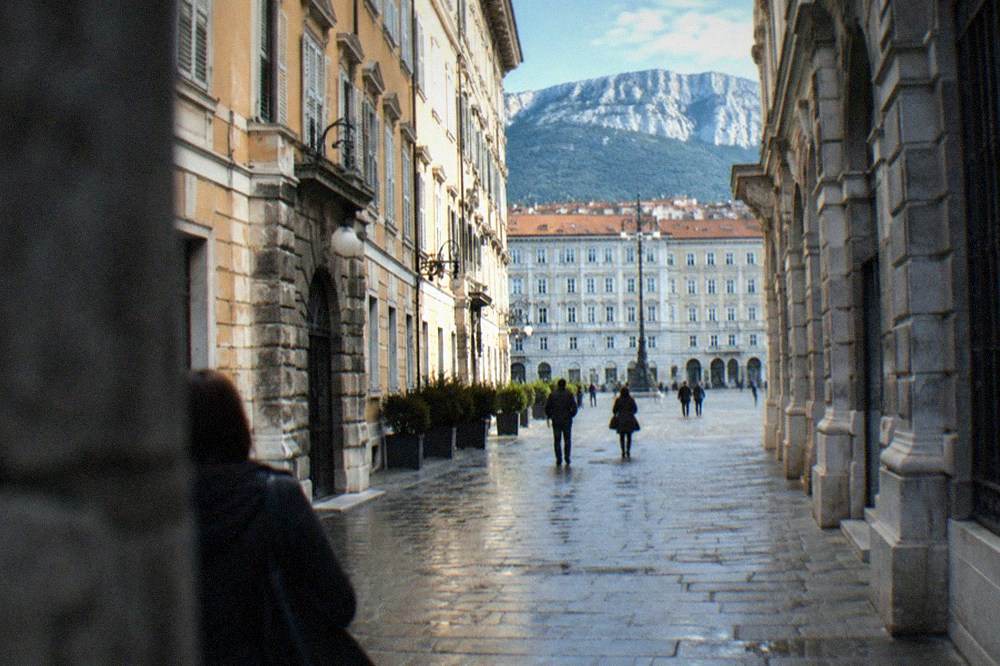
Book the Cave Before You Leave the Hotel
The single most important rainy-day fact about Grotta Gigante is that you cannot turn up and buy a ticket for the next tour. Booking is compulsory, the departure slots are fixed on the hour from 9:00 to 16:00, and the September-to-February Monday closure catches out visitors who assume caves run seven days a year round. Reserve your slot first, then build the rest of the day around it.
Getting up to the plateau in the rain is straightforward if you would rather not drive. The Opicina tram, line 2, runs from piazza Dalmazia up to Opicina as part of the ordinary urban network, so a standard Trieste ticket covers it, and contactless cards can be tapped on board. The current timetable on the operator's site dates from 20 July 2026. Check the live status on the operator's homepage on the day, because short maintenance suspensions do happen and the replacement is bus line 64. Our Opicina tram and obelisk guide covers the line in full.
Where Do You Take Shelter in Trieste's Historic Caffès?
Trieste's historic caffès are the city's native answer to rain: a handful of grand, chandeliered rooms in the Borgo Teresiano and around Piazza Unità d'Italia where a coffee can stretch to an hour, and where the city's coffee culture, a genuine roasting and port tradition with Illy headquartered here, is best experienced from a dry table with a newspaper.
Trieste is a historic coffee port and a roasting centre, and the caffè is its living room. The habit is Central European rather than southern Italian: you sit, you read, you order a caffè latte or one of the local variations, and nobody hurries you out. On a wet afternoon this is not a fallback, it is the point.
One thing we will not do is quote a coffee-consumption figure. The claim that Triestini drink some multiple of the Italian average circulates everywhere, but no primary source, not the chamber of commerce, not the port authority, not Illy, publishes a number, so we decline to print one. The culture is real and observable without a statistic attached.
The caffès cluster usefully. Several sit within a few streets of Piazza Unità d'Italia and the Canal Grande, which means a rainy-day loop of caffè, covered arcade, second caffè is entirely walkable with an umbrella. The Trieste coffee culture guide maps the historic rooms, and the city's bars take over when the evening arrives.
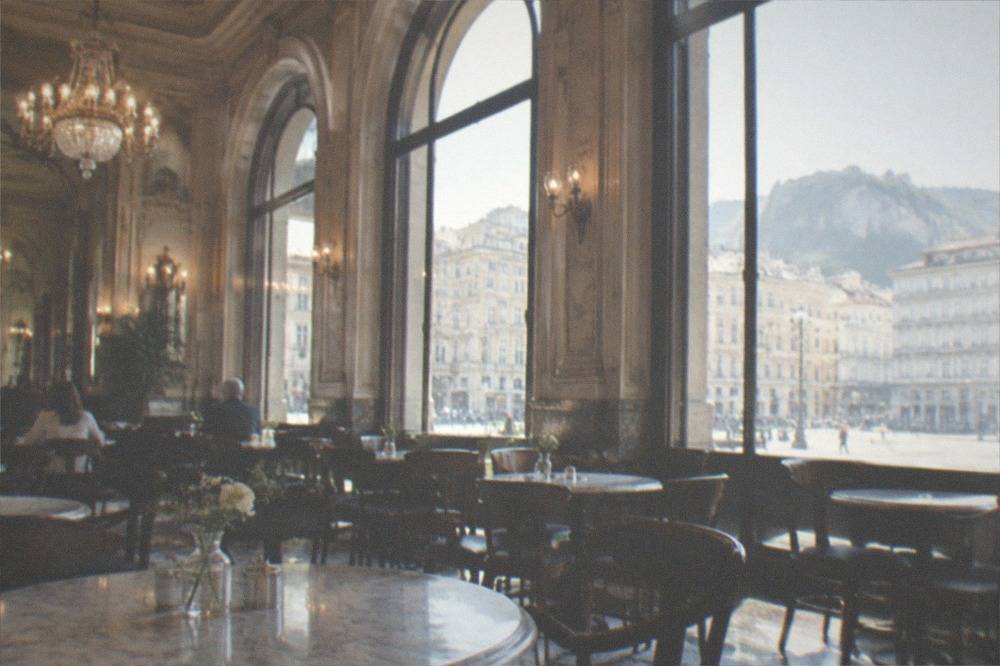
For a structured version of the same idea, a guided walk that ends with coffee in a historic bar is one of the most reliable wet-weather products in the city, and the operator's live listing carries the current times:
Does Rain Mean Wind? Understanding the Bora on a Wet Day
Rain and the bora are different problems in Trieste: the bora is a cold, dry north-easterly wind that ARPA's station tables show gusting over 90 km/h on 17.6 days a year on average, with the all-time recorded peak at 168.1 km/h in February 2012, and it often arrives with clear skies rather than rain, so a wet calm day and a dry violent one are both normal here.
The numbers come from ARPA FVG's own tables for the molo Fratelli Bandiera station, series 1995 to 2024. On average 49.0 days a year carry a gust over 72 km/h, and the monthly record gust exceeds 110 km/h in every single month of the year, which is the detail that surprises visitors: this is not purely a winter wind. June is the calmest month, with 0.3 days over 90 km/h on average, while July, at 0.9 days, actually has more gale days than April or May at 0.7 each. More of these guides are collected on Trieste Travel Guide.
What no official source publishes is a wind threshold at which the Rive are closed, ferries stop or events are cancelled. No such cutoff exists on any operator or authority page we could find, so do not plan around a number. When the bora blows hard, the practical effects scale with conditions, and the seafront chains and closures happen at the judgement of the authorities on the day.
For a rainy-day planner the takeaway is simple. Wet usually means calm-ish and grey, and the museum-and-caffè route above is the right answer. Windy means you keep off the exposed Rive and the pier, and the indoor cluster earns its keep. The two sometimes combine in autumn, which is one more reason November, the wettest month, is when this itinerary earns its keep. Our bora wind guide goes deeper.
| Month | Rain mm | Wet days | Days gusting over 90 km/h |
|---|---|---|---|
| January | 52.8 | 6.6 | 2.4 |
| March | 52.8 | 6.1 | 2.1 |
| July | 53.8 | 5.4 | 0.9 |
| June | 62.5 | 6.1 | 0.3 |
| September | 102.3 | 7.4 | 1.1 |
| October | 88.6 | 7.6 | 1.4 |
| November | 109.8 | 9.5 | 1.9 |
Can You Do a Rainy Day Without Walking Far? Transport and Tickets
Yes: Trieste's urban fares make a hop-on approach cheap, with a single ticket at EUR 1.50 for 60 minutes or EUR 1.85 for 75 minutes, a day ticket at EUR 3.35, and a 10-ride carnet at EUR 13.50, all valid on the buses and the Opicina tram, with contactless cards accepted on board and the cheapest applicable fare applied automatically.
The tariff sheet, dated 29 December 2025, is unambiguous. Singles are valid 60 or 75 minutes depending on which you buy, extended to 240 minutes on Sundays and public holidays, which turns a wet Sunday into a genuinely cheap day of hopping between shelters. The 20-ride option costs EUR 16.65 for longer stays. Tap a Mastercard, Visa or American Express card or a digital wallet on the "Eva" readers on board and the system charges the cheapest fare it can apply, which removes the usual fumbling with tickets in a doorway while rain comes in.
Do not expect to plan around a season-pass price: the pass table did not extract cleanly from the official PDF, so we publish no figure for it. The getting around Trieste guide covers routes and the tram in practice.
| Ticket (tariff sheet) | Code | Price | Validity |
|---|---|---|---|
| Urban single | U01 | EUR 1.50 | 60 minutes |
| Urban single | U02 | EUR 1.85 | 75 minutes |
| Day ticket | U24 | EUR 3.35 | One day |
| 10 rides | U10 | EUR 13.50 | Ten journeys |
| 20 rides | U20 | EUR 16.65 | Twenty journeys |
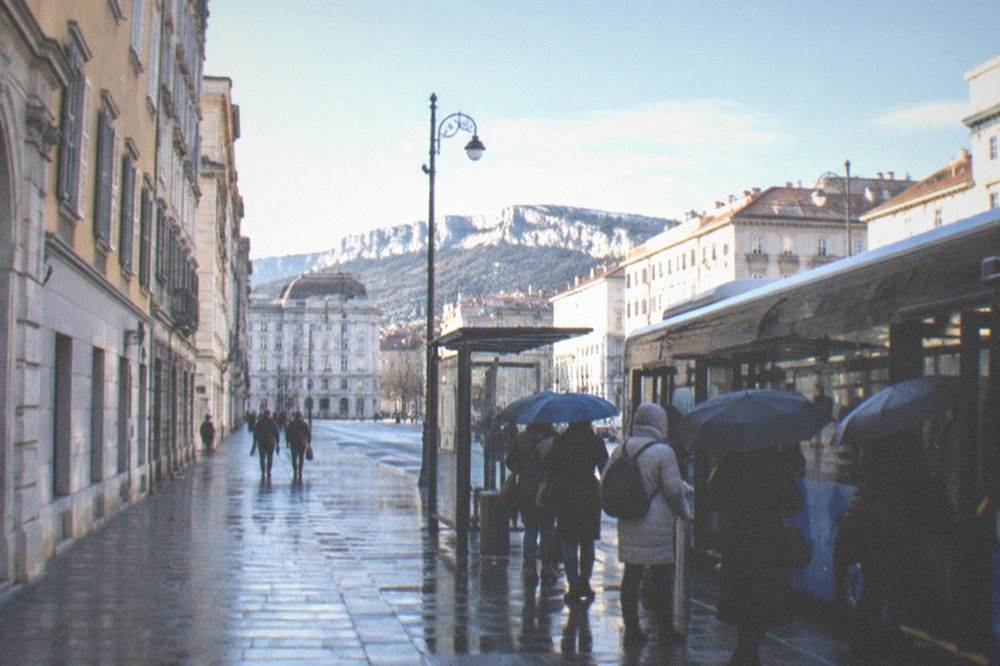
What About Wine, the Carso and Osmize When It Rains?
The Carso plateau turns wet weather into an advantage: its osmize, farmhouse wine cellars signposted by a frasca branch, are indoor rooms by definition, its Vitovska and Terrano wines taste best with a grey sky outside, and a guided Karst wine day trip from Trieste such as the full-day Prosecco and Karst history tour keeps the whole experience under roofs and in vehicles between them.
The osmiza is the Carso's own wet-weather institution: a farm selling its own wine and simple homemade produce, salumi, cheese, eggs, straight from the property for a limited period each year, signposted by a frasca, a leafy branch hung at the turning. The opening calendar lives at osmize.com, the long-established volunteer-run listing with addresses and a map, and because an osmiza is a cellar or a farmhouse kitchen, rain is irrelevant once you are inside. The legal history behind the custom is widely repeated but not verified against a primary source, so we write the custom and the calendar, not the decree.
The wine matters too. The Carso's own varieties are Vitovska, Malvasia and Terrano, and one trap to avoid: the village of Prosecco on the road up from Trieste gave the sparkling wine its name, but Trieste is not in the Prosecco DOC zone, and the village and the wine are different things. A guided day that untangles all of this, with tastings included, is the most weatherproof way to spend a wet day on the plateau:
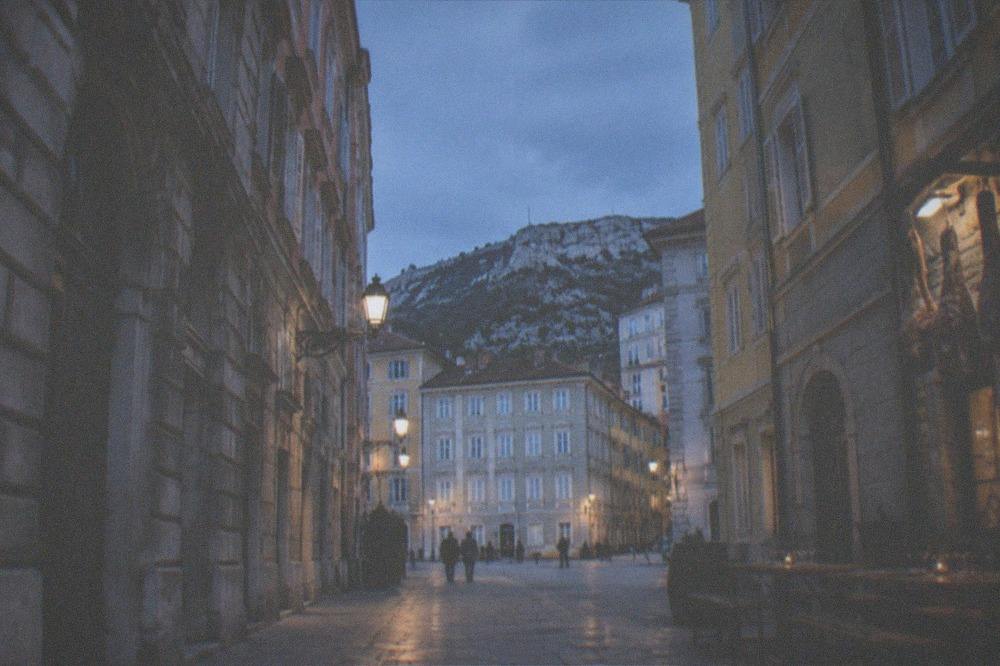
The Carso plateau guide and the osmize of the Carso guide cover the territory and the tradition in depth, and the day trips from Trieste hub collects the cross-border options, with the reminder that Italy's temporary border checks with Slovenia run through 18 December 2026, so carry a passport or ID card.
A Ready-Made Wet-Weather Route Through Trieste
Here is a full rainy-day route through Trieste, Italy, built around verified hours: a caffè and Piazza Unità d'Italia morning, the San Giusto hill cluster at midday, the Museo Revoltella in the afternoon, and either an early-evening caffè or, if you booked ahead, a Grotta Gigante tour slot at 9:00, 11:00 or 14:00 with the rest of the day built around it.
Start at the caffès of the Borgo Teresiano, because they open early and the rain matters least before you have had coffee. Cross to Piazza Unità d'Italia, which in rain is empty in a way it never is in sunshine, then take the short climb to San Giusto: the cathedral is free, the castle is EUR 7.00 and covers four separate things, and the Teatro Romano is a look-down-from-the-street stop on the way if the rain eases. Lunch in Città Vecchia keeps you under roofs.
The afternoon is the Revoltella, EUR 8.00, daily except Tuesdays, or the Risiera di San Sabba if you want the free national monument and do not mind a bus. If you booked a 14:00 or 15:00 Grotta Gigante slot, swap the order: cave first, museums after, since the cave's last departure is 16:00 and it closes on Mondays from September to February. Finish with a second caffè, because that is what the city itself does with a wet evening.
| Time | Stop | Cost | Shelter |
|---|---|---|---|
| Morning | Historic caffè, Borgo Teresiano | Price of your coffee | Indoor |
| Late morning | Piazza Unità d'Italia and Molo Audace dash | Free | Outdoor, brief |
| Midday | Cattedrale di San Giusto and Castello di San Giusto | Free and EUR 7.00 | Indoor mostly |
| Lunch | Città Vecchia trattoria | Varies | Indoor |
| Afternoon | Museo Revoltella | EUR 8.00 | Indoor |
| Alternative afternoon | Grotta Gigante, 14:00-16:00 slots | EUR 15.00, book first | Underground |
| Evening | Second caffè or aperitivo | Varies | Indoor |
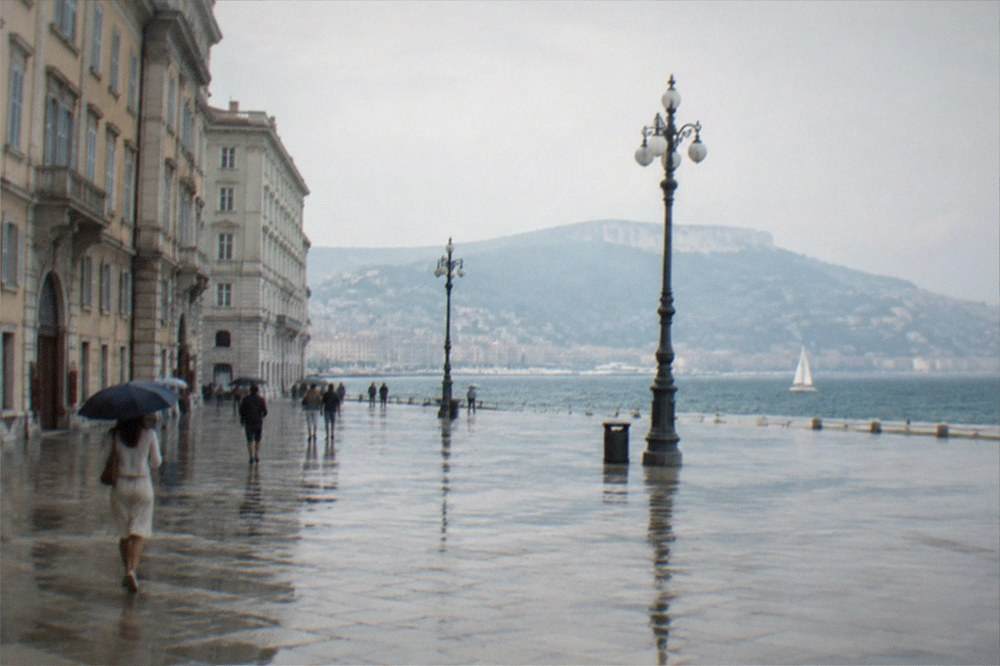
For more structure, these three products all work in the wet, and their live listings carry current times and availability:
If your trip has more room than one wet day, the two days in Trieste itinerary and the weekend in Trieste guide both show you where a rain day slots into a longer stay, and Trieste Travel Guide keeps every price on this page checked against the venue's own listing.
Common Questions About Rainy Days in Trieste
What is the rainiest month in Trieste, Italy?
November, at 109.8 mm on average, with September second at 102.3 mm, according to ARPA FVG's station tables for the molo Fratelli Bandiera, series 1995 to 2024. July is one of the driest months at 53.8 mm.
Is Grotta Gigante open when it rains?
Yes, the entire visit is underground and weatherproof. It is guided-only with compulsory booking, departures run at 9:00, 10:00, 11:00, 12:00, 14:00, 15:00 and 16:00, and from September to February it is closed on Mondays.
What does Grotta Gigante cost?
EUR 15.00 for adults, EUR 12.00 reduced, EUR 8.00 for children aged 6 to 18, free under 6, and EUR 6.00 per child for families with two or more children aged 6 to 18, per the venue's own price list.
Which Trieste museums are free?
The Cattedrale di San Giusto, the Risiera di San Sabba and the Teatro Romano viewed from the street are all free. The Castello di San Giusto is free on the first Sunday of the month and on 3 November.
Do I need an umbrella or a windproof jacket in Trieste?
Both, in autumn and winter. The rain is often calm, but the bora wind gusts over 90 km/h on 17.6 days a year on average and the monthly record exceeds 110 km/h in every month, so an umbrella can become a liability on windy days even when it is dry.
Can I visit Trieste's caves and osmize in the rain?
Yes. Grotta Gigante is fully underground, and an osmiza is a farmhouse cellar by definition, so both are dry destinations. Book the cave ahead and check the osmize.com calendar for which farms are open on your day.
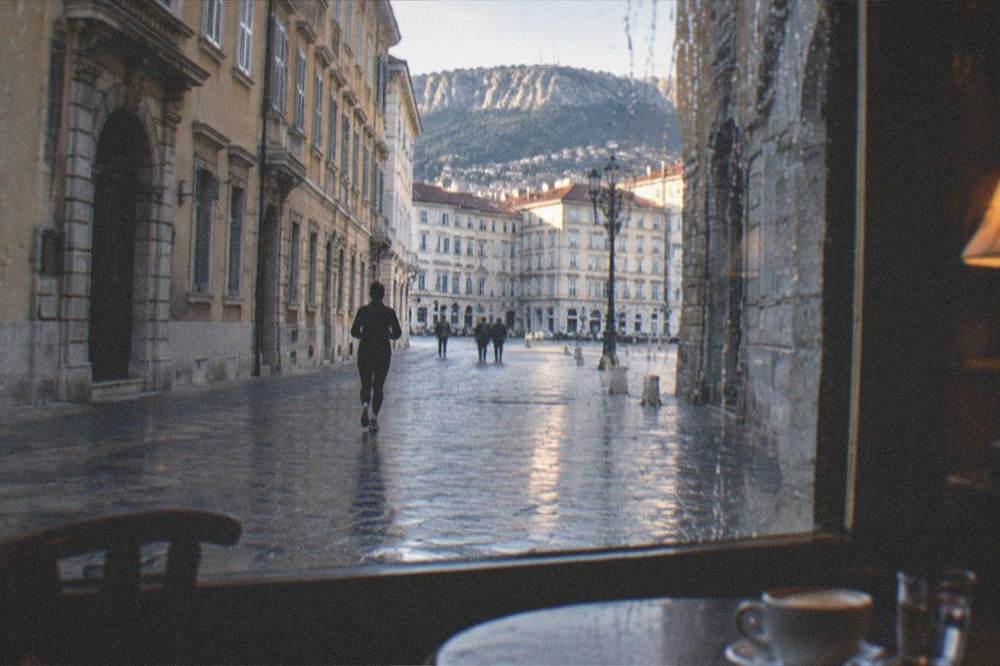
A wet day in Trieste is not a lost day; it is the day the city was built for, with caffè tables, chandeliered museums and a giant dry cave waiting up on the plateau, all reachable for the price of a EUR 3.35 day ticket.