Getting Around Trieste, Italy: Buses, Tram and Taxis
Trieste, the Adriatic port city in Friuli Venezia Giulia, runs one of the smallest and cheapest urban networks you will meet in Italy: a fleet of city buses, one tram, contactless taps on board and a fare sheet that fits on a single page.
Short answer
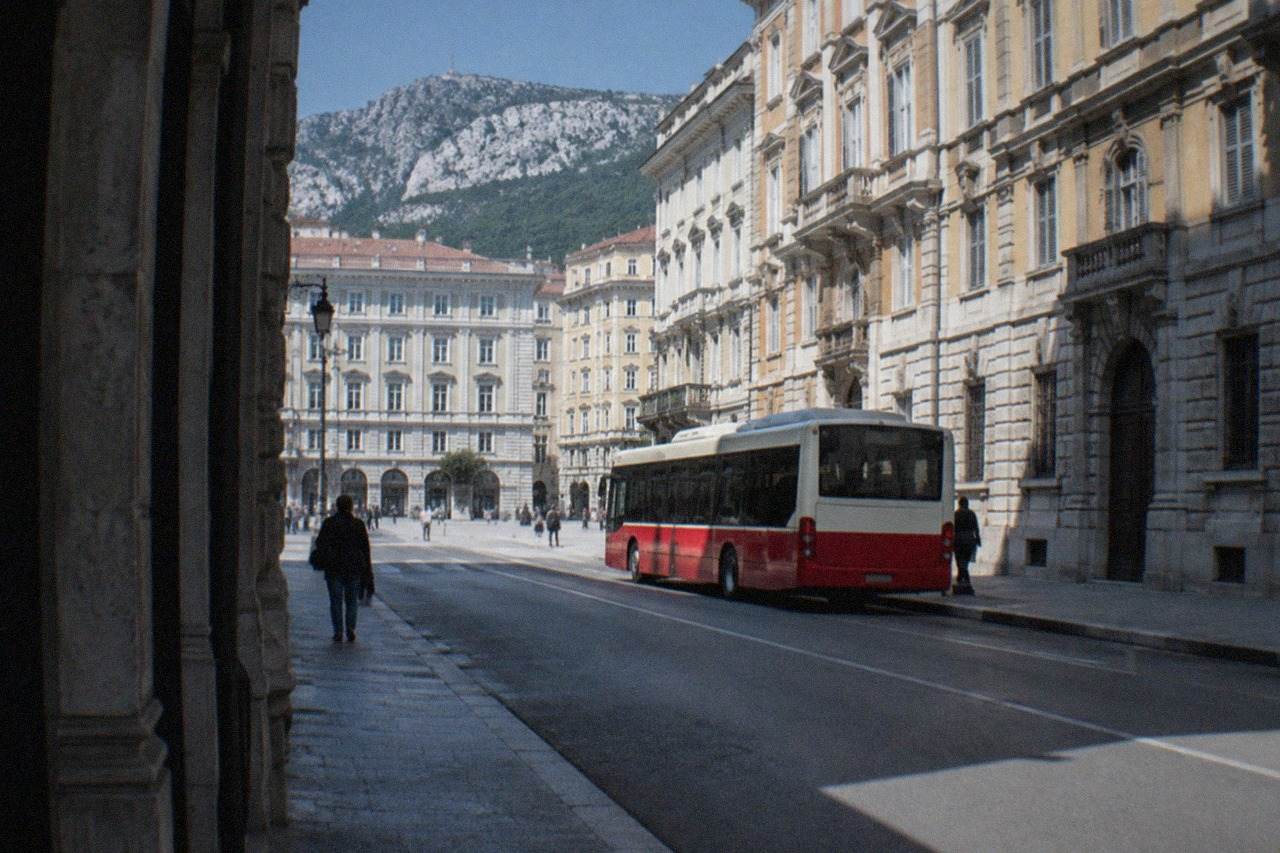
Trieste public transport means the Trieste Trasporti urban bus network plus tram line 2 to Opicina. A 60-minute urban single costs EUR 1.50 in 2026, a day ticket EUR 3.35, and the same urban ticket covers the Opicina tram, which runs from piazza Dalmazia, not piazza Oberdan. Contactless bank cards can be tapped on board.
Trieste, the Adriatic port city in Friuli Venezia Giulia in the northeast corner of Italy, runs one of the smallest and cheapest urban transport networks you will meet anywhere in the country. Trieste Trasporti operates the city buses, the operator's 2026 tariff sheet prices a 60-minute single at EUR 1.50, and the whole city centre is compact enough that many visitors walk almost everywhere and ride only when the hills intervene. The one thing almost every older guide gets wrong is the tram: the tram de Opicina, urban line 2, was reactivated on 1 February 2025 after the long stop that followed the August 2016 collision, and its city terminus is piazza Dalmazia, not piazza Oberdan. This page lays out what the tariff sheet, the operator's own line pages and the border authorities actually publish, with no invented timetables.
What Does Trieste Public Transport Include?
Trieste public transport is the Trieste Trasporti urban network: the city bus fleet that threads the centre, the hills and the seafront, plus tram line 2, the tram de Opicina, which climbs from piazza Dalmazia on the edge of the centre to the village of Opicina on the Karst plateau. A standard urban ticket covers both, contactless bank cards can be tapped on board, and the 2026 tariff sheet prices the whole thing between EUR 1.50 for a single and EUR 16.65 for a 20-ride carnet.
That is the entire system, and its smallness is its virtue. The network is run as one ordinary urban service, which is why the funicular-style tram takes the same ticket as a bus crossing the centre. The regional operator TPL FVG coordinates wider services including the airport connections and cross-border coaches, but inside the city boundary the tariff sheet you need is the urban one.
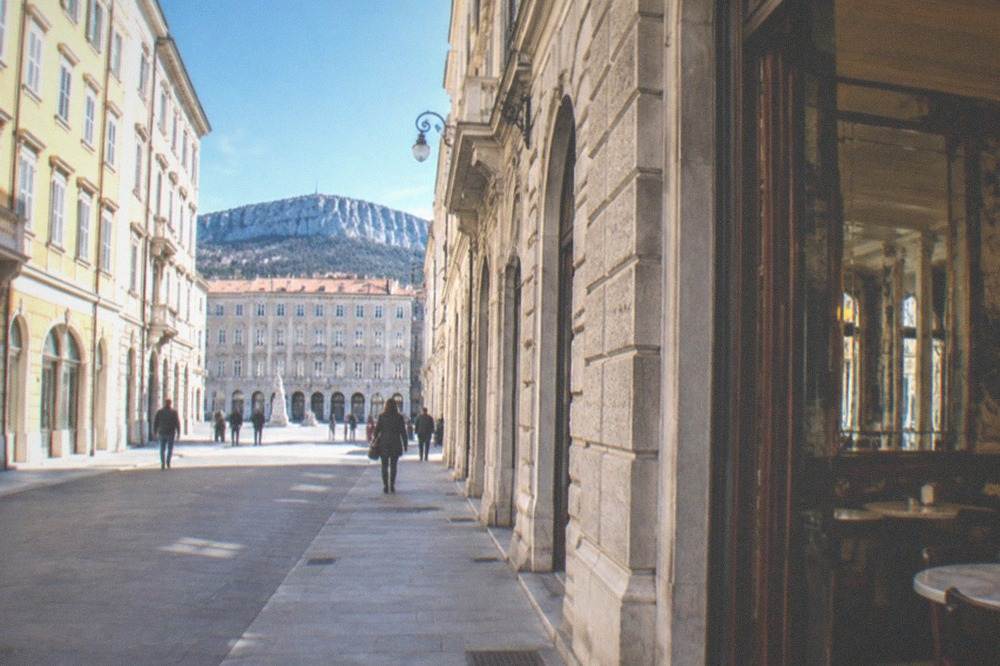
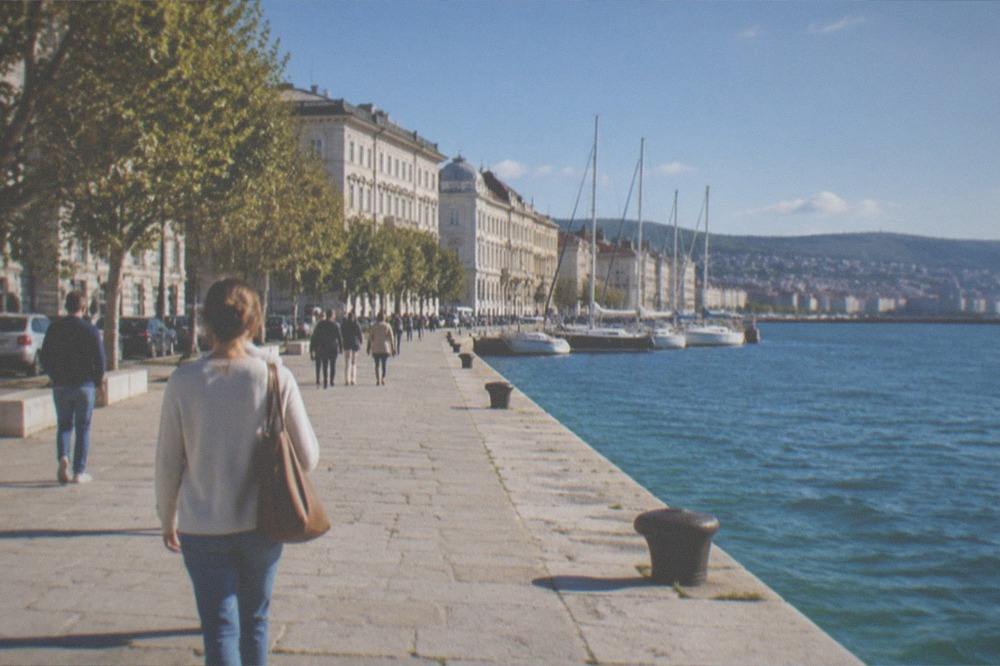
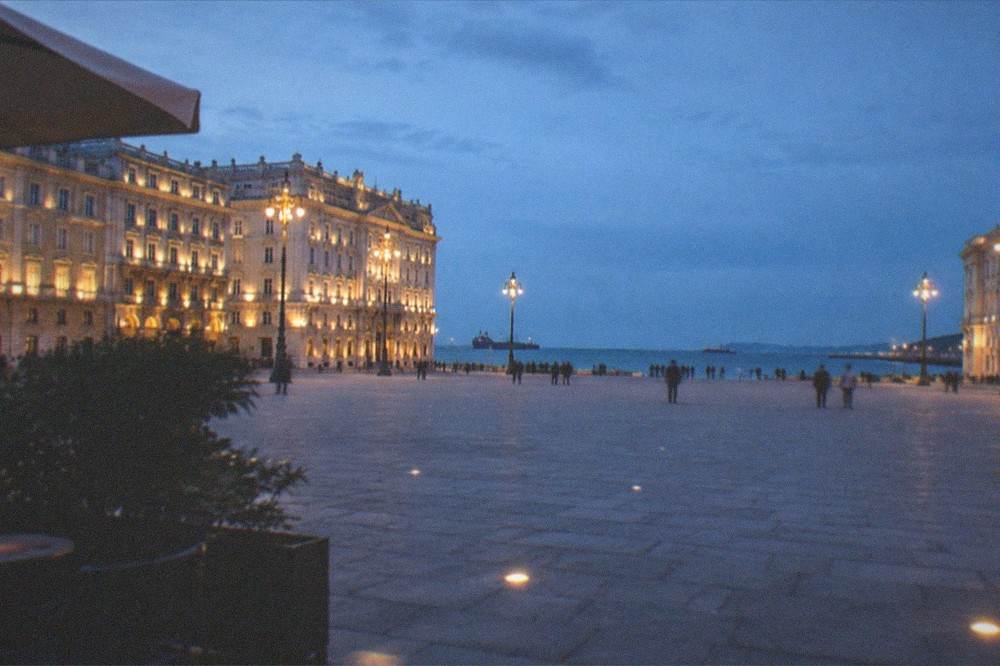
The compactness matters for planning. Piazza Unità d'Italia, the Grand Canal, Città Vecchia and the waterfront are all within an easy stroll of one another, so most visitors use the buses for the uphill districts, for Barcola and for reaching the Opicina tram's lower terminus, rather than for the centre itself. The hills are real: Trieste rises from the sea to the Karst escarpment, and the tram exists precisely because that climb is steep.
How Much Do Trieste Buses and the Tram Cost in 2026?
The 2026 tariff sheet, dated 29 December 2025, lists the 60-minute urban single at EUR 1.50 and the 75-minute single at EUR 1.85, with the day ticket at EUR 3.35, 10 rides at EUR 13.50 and 20 rides at EUR 16.65. Singles are extended to 240 minutes on Sundays and public holidays, and the same urban ticket covers the Opicina tram, which is part of the ordinary network rather than a separate tourist service.
Here is the fare table exactly as the operator publishes it:
| Code | Ticket | Price | Validity |
|---|---|---|---|
| U01 | Urban single | EUR 1.50 | 60 minutes |
| U02 | Urban single | EUR 1.85 | 75 minutes |
| U24 | Day ticket | EUR 3.35 | One day, urban network |
| U10 | 10 rides | EUR 13.50 | 10 urban journeys |
| U20 | 20 rides | EUR 16.65 | 20 urban journeys |
Two reading notes on that table. First, the Sunday and holiday extension means a single bought on those days runs for 240 minutes rather than 60 or 75, which turns a EUR 1.50 ticket into something close to a half-day pass. Second, the arithmetic favours the day ticket quickly: three singles at EUR 1.50 already cost more than the EUR 3.35 day ticket, so anyone planning a hopping day along the seafront and up the hill should start there.
The tariff sheet also lists season passes, but those rows did not extract unambiguously when the sheet was checked, so no pass price is printed here. If you are staying a week or more, read the pass rows on the operator's own tariffs page before assuming a figure.
For anyone who wants the orientation handled instead, three tours pair well with the network, from a bus loop with an audio guide to a private walk with a local.
How Do You Buy and Validate a Ticket in Trieste?
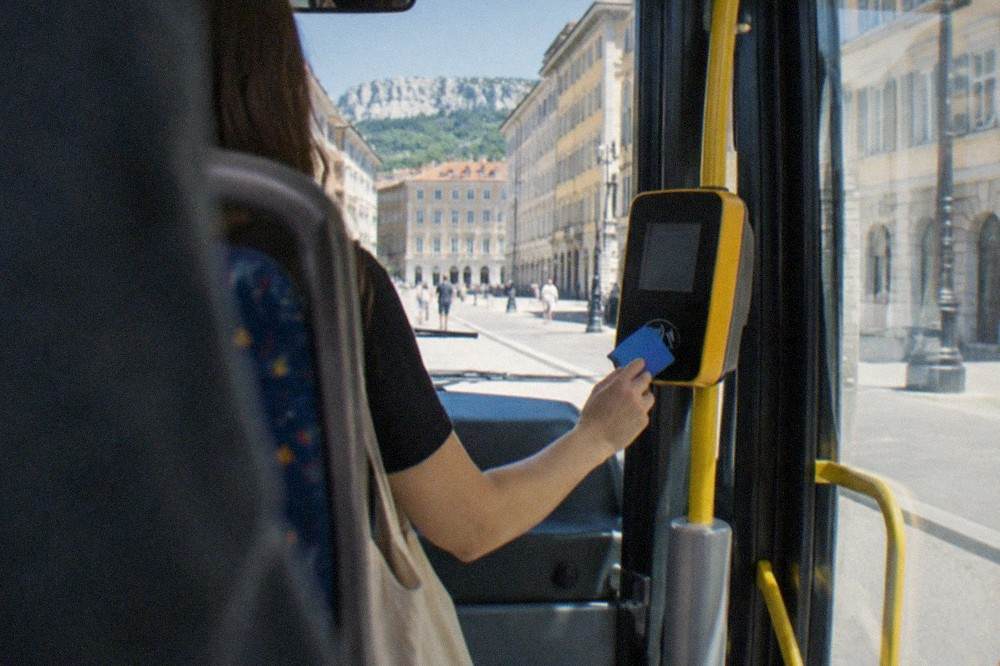
Tickets can be bought in advance from outlets or, since the contactless rollout, simply by tapping a Mastercard, Visa or American Express card or a digital wallet on the "Eva" readers on board, in which case the system charges the cheapest applicable fare automatically. A paper single still needs validating, the day ticket and carnets cover multiple rides, and an urban ticket bought one way works identically on the tram.
The tap-on-board detail is the one that changes behaviour most. You board, tap once, and the fare system works out whether a single or a day cap fits what you have ridden, so there is no strategic calculation to do at the start of the day. The operator's own ticketing page describes the Eva readers and the cheapest-fare logic, and it is the page to check if your card is unusual.
If you prefer paper, buy before boarding where you can, because on-board purchase carries surcharges where the tariff sheet applies them. The practical routine is the standard Italian one: stamp the single in the validator at the front of the bus the first time you use it, keep it for the validity window, and do not revalidate a day ticket mid-day.
One caution that is specific to this city: the bora wind, the cold gusting east-north-easterly that ARPA's station tables measure on 49 days a year at over 72 km/h, can disrupt a day built around open-air walking. Our guide to the bora wind in Trieste explains what the agency's own tables show and what nobody has ever published a threshold for. The bus network is the sensible fallback on those days, and free things to do in Trieste includes several indoor stops on bus routes.
If a first loop of the city would help before you trust yourself to the buses, the audio-guide bus tour is the cheapest way to see the spread-out sights.
The tour is a scheduled service with a fixed route rather than a hop-on-hop-off franchise, so check the operator's live listing for the current departure point before you set out, and cancel freely if the weather turns.
Where Does the Opicina Tram Leave from, and Is It Running?
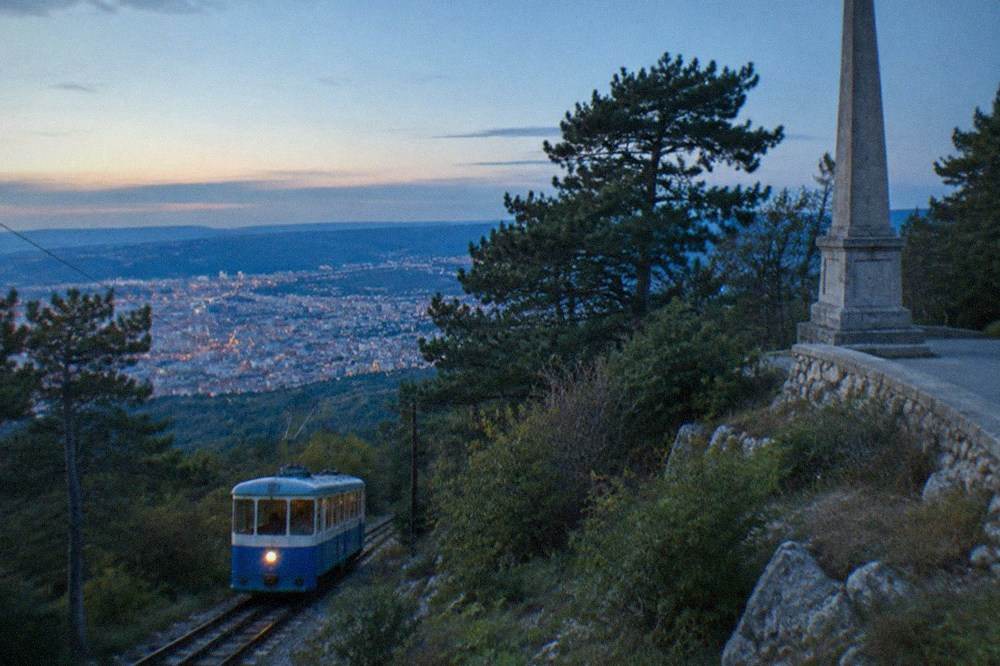
The tram de Opicina, urban line 2, is running: it was reactivated on 1 February 2025 after the long stop that followed the August 2016 collision, and Trieste Trasporti's own line-2 page carries a current timetable dated 20 July 2026. Its city terminus is piazza Dalmazia, not piazza Oberdan, the published route runs about 5.175 km to Opicina's trenovia station, and a standard urban ticket is valid with contactless tapping on board.
Almost every competing guide still describes this tram as suspended, closed or awaiting reopening, and almost as many send you to piazza Oberdan to board it. Both statements are false as of September 2026. The operator's page for line 2 is the live authority, and it lists the route stop by stop.
| Order | Stop on line 2 | Note |
|---|---|---|
| 1 | piazza Dalmazia | City terminus, current capolinea |
| 2 | piazza Casali | Stop listed as inactive on the operator's page |
| 3 | Sant'Anastasio | Mid-route |
| 4 | via Romagna | Mid-route |
| 5 | Vetta Scorcola | Upper part of the climb |
| 6 | Cologna (campo sportivo) | Sports ground stop |
| 7 | Conconello | Karst village |
| 8 | Obelisco | Obelisk stop near the top |
| 9 | Opicina (stazione trenovia) | Upper terminus |
No journey time and no frequency is printed here, because neither figure is published on the operator's pages in a form this site could verify. Check the timetable attachment on the line-2 page for the current running pattern rather than trusting any number you read elsewhere, and be sceptical of any printed closure date: short maintenance suspensions are announced as transient notices and can pass, while the line itself has been in regular service for over a year and a half.
The tram is one of only a handful of funicular-assisted trams left in the world, which is why our Opicina tram and obelisk guide covers the ride and what waits at the top. Because it is part of the ordinary urban network, the fare logic above applies with no special ticket, no tourist premium and no reservation.
For orientation on foot once the tram has deposited you back in the centre, a private guide is the other way locals tend to show visitors the city.
Do You Need a Taxi or a Ride-Hailing App in Trieste?
Most visitors to Trieste do not need a taxi at all, because the centre is walkable and the buses and tram cover the rest, but taxis sit at ranks around the station and the main squares and can be booked by phone or through the usual ride-hailing apps. No taxi or transfer fare is printed on this page because no verified rate exists in the sources this site is allowed to use, and hotel and airport transfer prices change too fast to be honest about.
The honest position on taxis is that everything specific is unverified. This site does not publish a fare, a surcharge structure or a typical trip price for Trieste taxis because none of those figures could be confirmed on an official page. What can be said is structural: licensed taxis in Italy operate on a meter by law, rank queues form at the station and at the major squares, and any driver proposing a fixed price for a city trip is worth declining.
The same discipline applies to airport transfers. Private transfer companies quote whatever the market allows, and the quotes move, so treat any number you see in a search result as marketing rather than data. The genuinely reliable airport route is the train, covered below.
Where a taxi earns its keep here is the hill. If the bora is blowing and the funicular queue or the walk up to San Giusto does not appeal, a taxi from a rank is the reasonable move, and it is a short hop rather than a journey. For everything flat and central, walking remains faster than waiting.
How Do You Get from Trieste Airport and the Cruise Port Into Town?
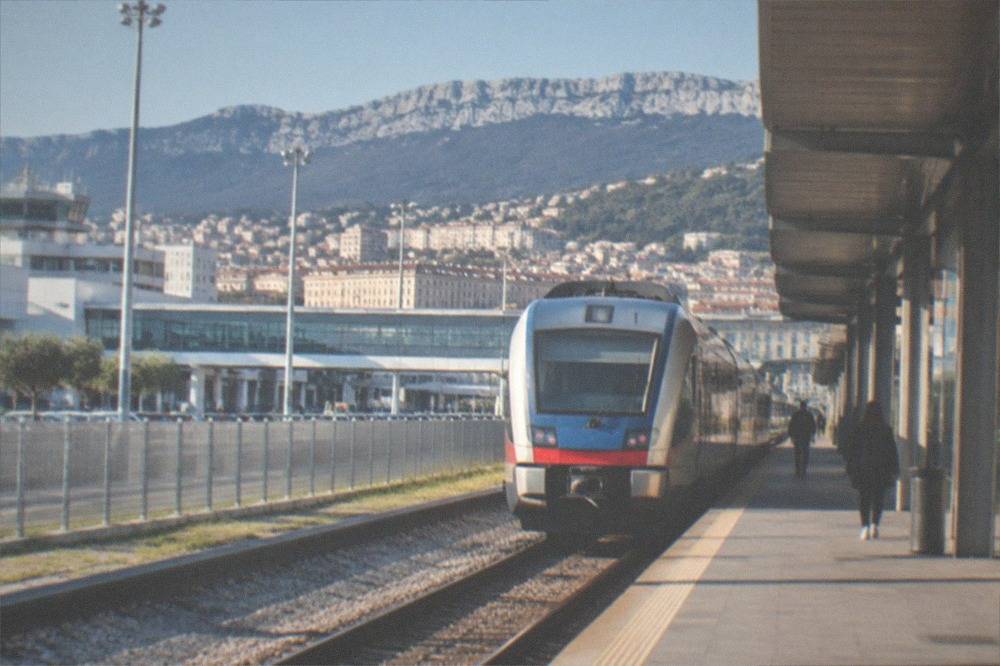
Trieste Airport at Ronchi dei Legionari has its own railway station joined to the terminal by a covered walkway of roughly 400 m with moving walkways, served by regional, Intercity and Frecciarossa trains into Trieste Centrale, with an intermodal bus hub beside the terminal as the alternative. No journey time or fare is quoted here because neither was verified, and cruise passengers dock within walking distance of the centre.
The airport detail that matters is the walkway. You land, you walk indoors, and you are at a station, which removes the usual transfer anxiety entirely. The operator's own service charter describes the walkway and the train types that call; the things it does not fix in print, and that this page therefore does not state, are the minutes to Trieste Centrale and the ticket price. Trenitalia's site is where to confirm both for your date.
Cruise passengers have the easier problem. Trieste's cruise terminal sits on the waterfront close to the centre, and our Trieste cruise port guide covers what is within reach of the gangway, including which sights need no transport at all. Rail travellers arriving at Trieste Centrale can plan onward connections with the train station and rail connections guide, and the Venice to Trieste by train route is the one most visitors combine with a stay here. Flyers should start with the Trieste airport guide.
| Arrival point | What the operator publishes | Onward options |
|---|---|---|
| Trieste Airport (TRS) | Covered ~400 m walkway with moving walkways to the rail station | Regional, Intercity, Frecciarossa trains; intermodal bus hub beside terminal |
| Trieste Centrale | Main city station in the centre | Urban buses and tram line 2 on the ordinary urban ticket |
| Cruise terminal | Waterfront berth close to the centre | Walking to the centre; urban buses for outlying sights |
Note that the row about the cruise terminal describes position, not a measured walking time, because no verified figure for that walk exists in the sources this site uses.
Can You Use Buses or Coaches to Cross Into Slovenia or Croatia?
Yes, cross-border coaches run from Trieste's coach stations to Ljubljana, Piran and Portorož in Slovenia and to Rijeka and Pula in Croatia, and no currency change and no routine passport control apply because Slovenia, Croatia and Italy all use the euro and all three are in Schengen. But Italy is running temporary border checks on its land border with Slovenia from 19 June 2026 to 18 December 2026, so carry a passport or national ID card on any day trip.
That border detail is the one that catches people out. Croatia joined the Schengen area and adopted the euro on the same day, 1 January 2023, and Slovenia has been in both since the 2000s, so the pre-2023 advice about changing money or expecting hard borders is obsolete. What is current is the European Commission's register of temporary reintroduced internal border controls, which lists Italy's checks on the land borders with Slovenia through 18 December 2026. These are temporary, dated measures, and the register, not a travel forum, is the authority on whether they still run when you travel.
No timetable, frequency or fare for any cross-border coach is printed here, because none was verified on an operator's own page. Name the operators, Flixbus and the regional TPL FVG services, and check their sites for the current schedules rather than trusting a cached departure time. For planning the destinations themselves, the day trips from Trieste, Trieste to Ljubljana and Trieste to Piran guides cover the ground end to end.
| Country | Currency | Schengen | Note for Trieste day trips |
|---|---|---|---|
| Slovenia | Euro (since 1 January 2007) | Yes (since December 2007) | Italian temporary land-border checks listed through 18 December 2026 |
| Croatia | Euro (since 1 January 2023) | Yes (since 1 January 2023) | Euro and Schengen arrived the same day |
| Italy | Euro | Yes | Source of the temporary checks on the Slovenia land border |
The practical takeaway is a card in your pocket, not a currency plan. One ID document, one currency, one phone with the coach operator's app, and the border is a non-event unless the checks happen to be running on your day, in which case a passport or national ID card is what the authorities will ask for.
Which Guided Options Replace or Complement the Network?
A 1 hour 15 minute bus tour with an audio guide is listed from $21.02 and rated 4.1 from 236 reviews, a private guided walk runs from $194.89 per group of up to 10 rated 5 from 115 reviews, and a historic cafés walking experience is listed from $74.52 rated 4.91 from 19 reviews, so the choice is between a cheap loop, a private guide for a group and a themed walk built around the city's caffè culture.
These are not transport, but they answer the question the network cannot: what am I looking at? The bus loop does the orientation job in one pass, which is why this site pairs it with the fare tables above. The private walk does the same job with a human who can be asked things. The cafés walk does something else entirely, and pairs naturally with our Trieste coffee culture guide.
| Tour | Decision name | Listed from | Rating | Duration |
|---|---|---|---|---|
| Trieste Bus Tour with Audio Guide | Audio bus tour, 1h 15m | $21.02 per person | 4.1 from 236 reviews | 1 hour 15 minutes |
| Trieste: Private guided tour of Trieste | 2.5-hour private city walk | $194.89 per group up to 10 | 5 from 115 reviews | 2.5 hours |
| Trieste Historic Cafés Experience | Coffee culture walk, 3 hours | $74.52 per person | 4.91 from 19 reviews | 3 hours |
There is also a second, similar bus listing worth distinguishing, because the two products are easy to confuse in search results:
| Listing | Listed from | Rating | Duration |
|---|---|---|---|
| Bus tour with audio guide, first listing | $19.49 per person | 4.34 from 2,638 reviews | 1 hour 30 minutes |
| Bus tour with audio guide, second listing | $21.02 per person | 4.1 from 236 reviews | 1 hour 15 minutes |
Both are real, both run, and the difference is largely duration and review base rather than route. Check both live listings before booking, since the operator's pages carry the current departure details this site does not repeat.
For coffee specifically, the guided version of the experience works well.
How Do You Plan a Transport Day Around the Sights?
Plan around one day ticket at EUR 3.35 if you intend three or more rides, use the contactless tap on board so the cheapest fare applies automatically, ride the tram de Opicina from piazza Dalmazia as the one journey worth making for its own sake, and leave the taxis for the hills or a bora day. The network is small enough that a single morning's planning covers a whole stay.
The pattern that works is a hub-and-spoke day. Start on foot in the flat centre around Piazza Unità d'Italia and the canal, walk until the hill stops you, then use the bus for the climbs to San Giusto and beyond. If the tram is on the itinerary, treat it as the day's centrepiece rather than a commute: ride up, spend time at the obelisk and the viewpoint, and ride back down on the same urban ticket logic.
For a longer stay, the one day in Trieste itinerary shows where the transport actually earns its fare and where walking wins, and where to stay in Trieste matters here more than in most cities, because a hotel in Borgo Teresiano puts the station and the tram terminus within the same short walk. Season matters too: the best time to visit Trieste guide sets expectations, and November, at 109.8 mm the wettest month in ARPA's station normals, is a month where a bus contingency is worth having.
What Should You Not Worry About in Trieste?
Do not worry about currency, because Italy, Slovenia and Croatia all use the euro; do not worry about a separate tram ticket, because the ordinary urban fare covers it; do not worry about buying tickets in advance on a normal day, because contactless cards tap on board; and do not plan around the tram being closed, because it has been running since 1 February 2025 and the operator's live status page is the only place a closure would be announced.
That last point deserves a restatement because of how much stale copy exists. A guide that tells you the Opicina tram is suspended, bus-replaced or departing from piazza Oberdan was written before 2025, or was copied from one that was. The tram runs, from piazza Dalmazia, on a timetable the operator refreshed in July 2026.
What is worth a little worry is the wind, not the transport. The bora is the city's defining weather fact, and it shapes which parts of the seafront are pleasant on a given day. The bora wind guide covers the agency's own numbers, including the 168.1 km/h February 2012 peak gust in the station series and the fact that no official threshold exists at which anything closes. Check the forecast, not folklore.
Finally, the coffee. Trieste's caffè culture is the city's other transport system, in a loose sense: the historic bars are where the day is punctuated. Our Trieste coffee culture guide covers it, including why this site prints no coffee-consumption figure, because no primary source for the famous per-head statistic has ever been produced.
If the buses and the tram cover the mechanics of the city but you want the stories attached to what you are riding past, the guided options above are the complement the network lacks.
The bus loop in that set is the one this page rates as the natural first move, and it is also this article's related tour.
Common Questions About Getting Around Trieste
How much is a bus ticket in Trieste in 2026?
A 60-minute urban single costs EUR 1.50 and a 75-minute single EUR 1.85, per the tariff sheet dated 29 December 2025. The day ticket is EUR 3.35, 10 rides cost EUR 13.50 and 20 rides EUR 16.65. On Sundays and public holidays a single is valid for 240 minutes instead.
Is the Opicina tram running?
Yes. Urban line 2, the tram de Opicina, was reactivated on 1 February 2025 after the stop that followed the August 2016 collision, and the operator's line-2 page carries a timetable dated 20 July 2026. Its city terminus is piazza Dalmazia, not piazza Oberdan.
Can I pay by card on Trieste buses?
Yes. Mastercard, Visa, American Express and digital wallets can be tapped on the Eva readers on board, and the system applies the cheapest applicable fare automatically, so you do not need to decide in advance between a single and a day ticket.
Does the same ticket cover the tram and the buses?
Yes. The tram de Opicina is part of the ordinary urban network, so a standard Trieste urban ticket is valid and contactless cards can be tapped on board, exactly as on the buses.
Do I need a passport for a day trip to Slovenia or Croatia from Trieste?
Carry one. All three countries use the euro and are in Schengen, so there is no routine border control, but Italy is running temporary checks on its land border with Slovenia through 18 December 2026 per the European Commission's register, and a passport or national ID card is what those checks ask for.
Is Trieste walkable without using public transport at all?
Largely, yes. The flat centre around Piazza Unità d'Italia, the canal and Città Vecchia is compact, and most visitors walk there. The buses and the tram earn their fare on the hills, at Barcola and on the climb to the Karst, and the free things to do in Trieste guide includes plenty that needs no ticket at all.
The short version of this whole page: buy nothing in advance, tap your bank card on the first bus, spend EUR 3.35 on a day ticket if the day involves three rides or more, ride the Opicina tram from piazza Dalmazia because it is one of the last of its kind, and carry your passport the day you cross into Slovenia. Everything else in Trieste, Italy is within walking distance, a fact Trieste Travel Guide returns to in every itinerary it publishes, because the city's geometry rewards feet over wheels.