Is Trieste Worth Going To?
Is Trieste worth going to? A straight answer about the Italian port city of Trieste: what it offers, what it costs, its downsides, and how many days it deserves.
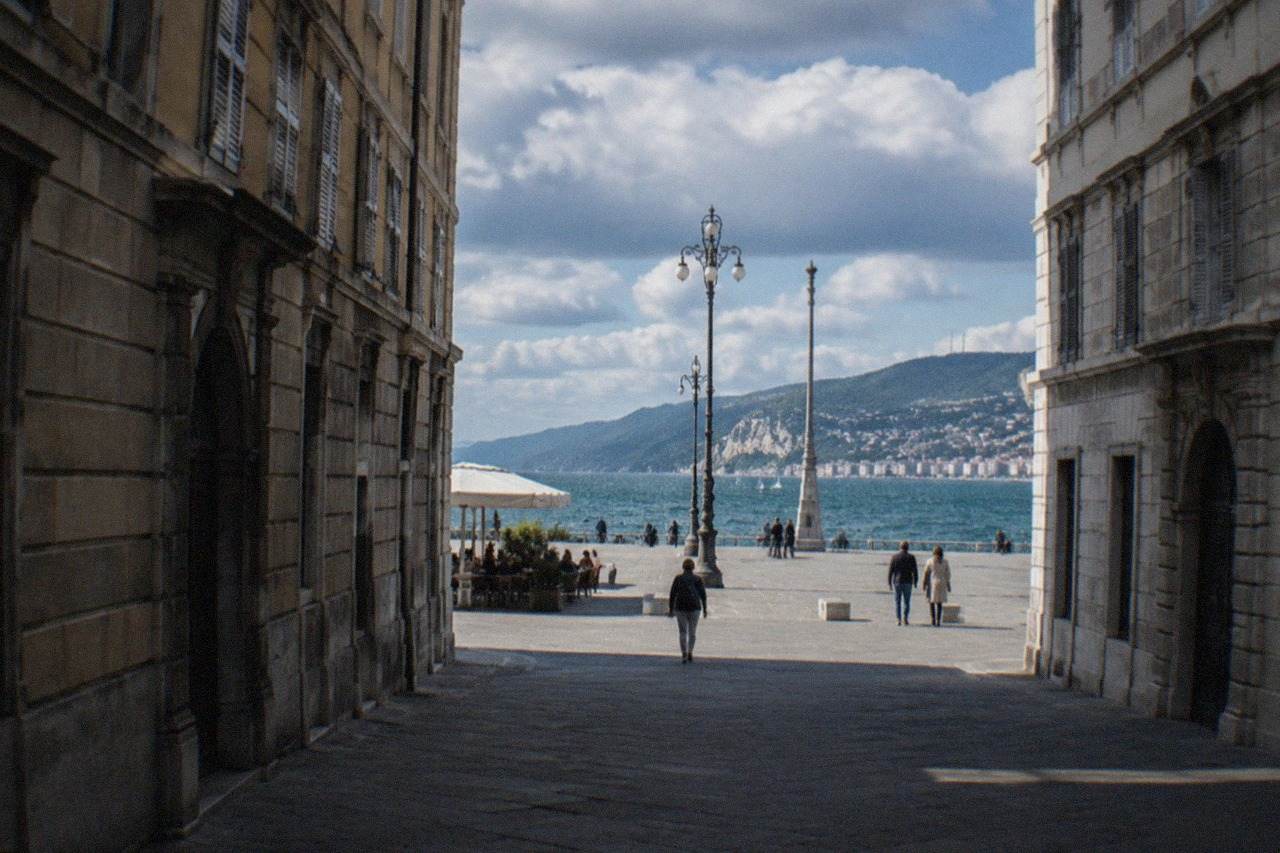
Trieste, the Adriatic port city in Friuli Venezia Giulia in the northeast corner of Italy, is one of the least Italian-feeling cities in the country, and that is exactly why the question of whether it is worth going to has a real answer rather than a shrug. It is a place of Habsburg squares, a free seafront castle park, a coffee culture that grew out of the port trade, and a limestone plateau above the city dotted with farm-cellars pouring their own wine. It is also a working city that closes early, gets a famously cold wind in winter, and sits far from the standard Italian tourist circuit. This page gives a direct verdict, then the evidence.
Is Trieste Worth Going To?
Yes, Trieste in Italy is worth going to if you want a Central European city on the Mediterranean, a serious coffee and food scene, and day trips into Slovenia and the Karst, and it is worth it at a fraction of Venice's crowds. It is not worth going to if what you want is classic picture-postcard Italy, warm swimming weather before June, or a city that runs late into the night. The honest verdict is that Trieste rewards travellers who like their destinations slightly strange, and disappoints those arriving with a checklist of Renaissance icons. It has one of the largest seaside squares in Europe, a castle you can walk to from the centre, and a border with Slovenia you can cross for lunch.
The case for Trieste rests on three things that most Italian cities cannot offer together. First, the setting: the city wraps around a gulf, with the sea on one side and the Karst plateau rising on the other, and the two are connected by a historic tram. Second, the layering: Roman ruins, a Habsburg free port, a mid-century literary scene and a modern science campus all sit within a walkable centre. Third, the position: Ljubljana, Piran, Postojna Cave and the Lipica stud farm are all realistic day trips, which makes Trieste a base as much as a destination.
The case against is equally honest. Trieste is not warm in the way most people imagine Italy: ARPA's station tables for the molo give a July mean high of 28.2 C, but the sea only reaches 25.9 C in July and August, and the bora wind can arrive in any month, with the monthly record gust exceeding 110 km/h in every single month of the year. The city also runs early: the cathedral closes at 18:30 on weekdays, and the nightlife is modest compared with the tourist south.
What Makes Trieste in Italy Different from Other Italian Cities?
Trieste is different because it was the Habsburg Empire's main port, not a Renaissance or papal city, so its architecture, food and atmosphere are Mitteleuropean: grand Austro-Hungarian squares, a buffet culture serving jota and goulash, Slovene spoken alongside Italian, and a coffee-house tradition that came with the port trade. No other Italian city looks or feels like it, and the differences are visible within an hour of arriving.
Piazza Unità d'Italia, the great square that opens directly onto the sea, is the emblem of that difference: Italian cities usually turn their backs on the water, while Trieste built its main ceremonial room facing it. Città Vecchia, the old town below the hill of San Giusto, climbs in a tangle of lanes toward the cathedral and castle, and the Roman theatre sits exposed on a street you look down into rather than enter. Up the hill, Castello di San Giusto charges €7 full price and covers the walls, the castle museum, the Lapidario Tergestino and temporary exhibitions, open daily 10:00-19:00 from 1 April to 11 October.
The cultural mix runs deeper than architecture. The city's signature dishes, jota and goulash, arrive from the Slovene and Austro-Hungarian kitchens rather than the Mediterranean one, and the buffet is the local institution that serves them. The coffee culture is real and historic, with Trieste a roasting centre and the home of a major international coffee company, though no per-capita consumption figure survives contact with a primary source, so treat any number you read elsewhere with suspicion.
A private walk is a good way to absorb all of this quickly. The private guided tour of Trieste, rated 5 from 115 reviews and priced from $194.89 per group of up to 10, covers the city over 2.5 hours with a guide who walks you through its history, and Check availability if that format suits your group. There are also free, tip-based walks: GuruWalk runs a pay-what-you-want city walk rated 4.86 from 50 reviews, and a free Old Port industrial-archaeology walk rated 5 from 4 reviews, both led by local gurus.
What Does a Trip to Trieste Actually Cost?
Trieste is moderately priced by Italian standards: castle entry runs €7 at San Giusto and €17 at Miramare, urban bus and tram singles cost €1.50 for 60 minutes or €1.85 for 75, a day ticket is €3.35, and several major sights including Miramare's park, the Risiera di San Sabba and the cathedral are free. A day of sightseeing is cheap; a day of eating well is mid-range; accommodation is the main variable.
Here is what the 2026 tariff sheets and venue pages actually list:
| Sight or service | Price | Notes |
|---|---|---|
| Castello di San Giusto | €7 full, €5 reduced | Covers walls, castle museum, Lapidario Tergestino, exhibitions |
| Miramare Castle (adult) | €17 | Includes temporary exhibition; EU 18-25 pay €7 or €2 castle only |
| Miramare park | Free | Open all year, hours vary by month |
| Grotta Gigante (adult) | €15, reduced €12, children 6-18 €8 | Guided tours only, booking compulsory |
| Museo Revoltella | €8 full, €6 reduced | Closed Tuesdays |
| Cathedral of San Giusto | Free | Bell tower price not published by the parish |
| Risiera di San Sabba | Free | Daily 9:00-19:00 from 1 March to 11 October |
| Urban single ticket | €1.50 (60 min) / €1.85 (75 min) | 240 minutes valid on Sundays and holidays |
| Urban day ticket | €3.35 | Valid on buses and the Opicina tram |
The tourist tax adds a per-night amount capped at five consecutive nights: €3.30 per night in a 4-star hotel or self-catering apartment, €2.30 in a B&B Superior or hostel, down to €1.50 at campsites, with everyone under 18 exempt. For a fuller cost picture, the how much a trip to Trieste costs guide breaks it down further.
Two money-saving facts are worth knowing before you go. The ministry's first-Sunday-of-the-month free-entry scheme runs through 2026 and Miramare participates, but the rules have changed before, so confirm the date on the venue's own page rather than assuming. And the FVGcard regional pass exists, covering sites including Grotta Gigante and Museo Revoltella, but its price could not be verified from a primary source at research time, so check the regional tourism body's page before relying on it.
Is Trieste Worth Going to for the Food and Coffee?
Yes, and for many visitors the food alone justifies the trip: Trieste's buffet culture serves jota, goulash and pork dishes from the Austro-Hungarian and Slavic traditions, its osmize pour farm wine on the Karst plateau, and its caffè culture is among the most serious in Italy. This is not a pizza-and-pasta city, and eating here is one of the main reasons to come.
The buffet is the institution to understand. These are standing or simple-seated eateries serving the local repertoire, and the signature dish is jota, a soup of sauerkraut, beans and pork that tells you more about Trieste's history than any museum panel. A guided food walk is the efficient way in: the foodie walking tour is rated 4.91 from 264 reviews and costs from $71.08 per person for 3 hours, while the premium food tour runs from $87.58 per person with a 4.9 rating from 88 reviews. Everything else covered here is indexed on Trieste Travel Guide.
Above the city, the osmize are the seasonal farm-cellars of the Karst, where producers sell their own wine and homemade produce direct from the property, signposted by a frasca, a leafy branch hung at the turning. The opening calendar lives at osmize.com, the long-standing volunteer-run reference, and openings concentrate in spring and autumn. The Karst's own wines are Vitovska, Malvasia and Terrano, and one caution applies: the village of Prosecco on the Karst gave the sparkling wine its name, but Trieste is not in the Prosecco DOC, so do not confuse the two. A Prosecco origins tour visits the village and includes tastings.
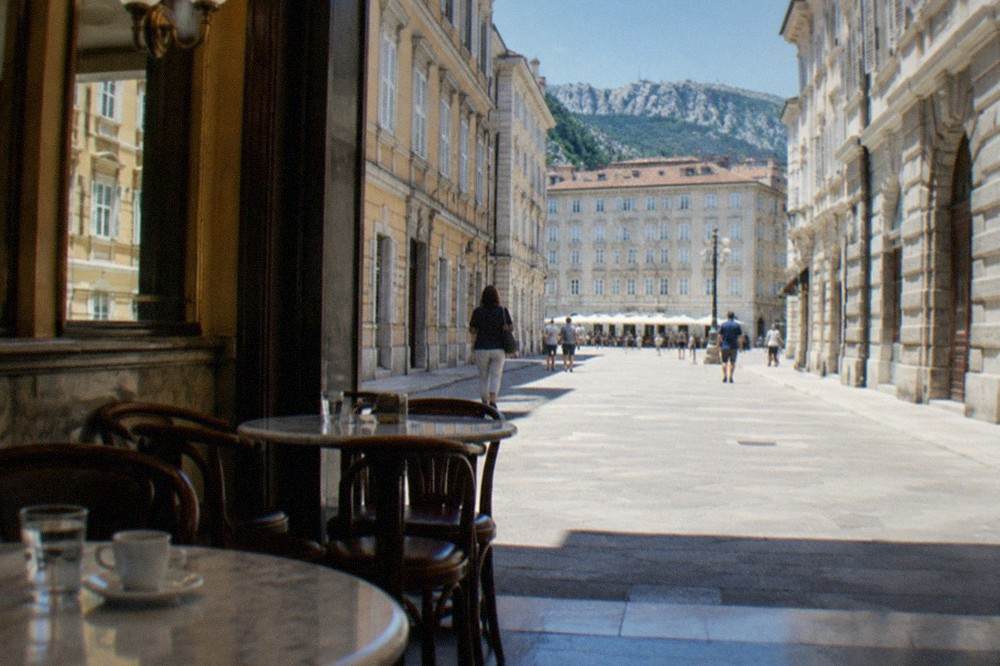
Coffee is the other pillar. Trieste's historic caffè, several of them centuries old, operate as reading rooms as much as bars, and the city's roasting industry grew directly out of the port trade. A historic cafés walking tour costs from $74.52 per person and is rated 4.91 from 19 reviews, or a combined city walk ending with coffee in a historic bar runs from $68.79 per person, rated 4.97 from 106 reviews. For depth, the Trieste coffee culture guide covers the institutions.
What Are the Downsides of Visiting Trieste?
The downsides are the wind, the early closing times, the modest nightlife, the lack of classic Italian scenery, and a temporary border complication: Italy is running checks on the land border with Slovenia from 19 June to 18 December 2026, so carry a passport or ID card even for a Schengen day trip. None of these are dealbreakers, but all of them shape what kind of trip you get.
The bora is the headline. ARPA's station tables for Trieste molo Fratelli Bandiera, covering 1995-2024, average 17.6 days a year with a gust over 90 km/h and 49 days over 72 km/h, with the peak gust in the series at 168.1 km/h in February 2012. The wind blows from the east-north-east and is most persistent in the cool season, though June is the calmest month and episodes are rarer in summer. No official wind threshold exists at which the seafront closes or ferries stop, so ignore any number a guidebook prints.
The rhythm of the city is the quieter downside. Cathedral hours end at 18:30 on weekdays, Museo Revoltella closes on Tuesdays, Castello di San Giusto closes on Mondays from 12 October, and Grotta Gigante is shut on Mondays from September to February. If you plan badly you can hit a closed day on every one of these. The weather matters too, and not in the way people assume:
| Month | Mean high C | Rain mm | Sea C | Days with gust over 90 km/h |
|---|---|---|---|---|
| January | 9.2 | 52.8 | 11.6 | 2.4 |
| April | 16.8 | 60.7 | 14.0 | 0.7 |
| July | 28.2 | 53.8 | 25.9 | 0.9 |
| September | 23.9 | 102.3 | 23.9 | 1.1 |
| November | 14.7 | 109.8 | 16.8 | 1.9 |
Note what that table shows: November is the wettest month at 109.8 mm and July is the second driest at 53.8 mm, the opposite of the rainy-north stereotype. The sea is at its warmest in July and August at 25.9 C and stays swimmable into September. The best time to visit Trieste guide works through the whole year.
How Many Days in Trieste Is Enough?
Two days is enough for the centre, and three or four lets you add Miramare, the Karst and one cross-border day trip; the core sights, from Piazza Unità d'Italia to the San Giusto hill to the canal, sit within a compact walkable area, so the city itself does not need more than a weekend. The day trips are what stretch the stay.
Day one covers the centre: the seafront, Città Vecchia, the cathedral and castle hill, the Roman theatre from the street, and a caffè stop. Day two adds the Opicina tram, which was reactivated on 1 February 2025 and runs from piazza Dalmazia, not piazza Oberdan, up to the plateau, plus an osmiza if one is open. Day three is the choice: Miramare Castle up the coast at Grignano, where the park is free and the castle costs €17, or a trip into Slovenia.
For the cross-border day, the practical facts are simple. Slovenia, Croatia and Italy all use the euro and all three are in Schengen, and Croatia joined both the euro and Schengen on the same day, 1 January 2023, so there is no currency exchange anywhere on your route. The exception is the temporary Italian border check with Slovenia running through 18 December 2026, which makes carrying ID a requirement rather than a formality. Popular options include a Ljubljana and Lake Bled tour from $108.91 per person, rated 4.69 from 544 reviews, a Piran and Slovenia coast tour from $114.64 per person, rated 4.57 from 136 reviews, and a Postojna Cave and Predjama Castle trip from $137.57 per person, rated 4.76 from 543 reviews.
Whichever of those you pick, a private guide for the city day itself is the one booking that consistently earns its price, because Trieste's story is not written on its facades the way it is in Florence or Rome. The private guided tour of Trieste, rated a perfect 5 from 115 reviews, runs 2.5 hours from $194.89 for a group of up to ten, which works out cheap for a family and steep for a solo traveller.
Common Questions About Visiting Trieste
Is Trieste worth going to?
Yes, for travellers who want a Habsburg-Mediterranean hybrid city with serious coffee and food, a free seafront park at Miramare, and easy day trips into Slovenia and the Karst. It is not worth it for anyone expecting classic Renaissance Italy or reliably warm swimming weather outside July to September.
Is Trieste in Italy worth visiting compared with Venice?
They serve different trips. Venice is the masterpiece; Trieste is the working port city with the grander piazza-to-sea setting, far fewer crowds, and lower costs. Many travellers combine them, since the two are connected by direct train.
What is Trieste in Italy famous for?
Its seafront square Piazza Unità d'Italia, its coffee culture as a historic roasting port, the bora wind, Miramare Castle, the Barcolana regatta, and a mixed Italian, Austro-Hungarian and Slovene heritage.
How many days in Trieste is enough?
Two days cover the centre; three or four add Miramare, the Karst plateau and a cross-border day trip to Slovenia or the caves.
Is Trieste expensive?
Moderately. Entry prices are modest, urban transport costs €1.50 a single, several major sights are free, and the tourist tax runs €1.50 to €3.80 per night depending on the accommodation category.
Do they speak English in Trieste, Italy?
English is widely understood in tourism settings, and Italian and Slovene are both part of the city's daily life, so a few words of either are appreciated.
The short version: Trieste rewards curiosity and punishes expectations. If you go expecting a strange, elegant, windswept port that drinks its coffee seriously and eats sauerkraut soup by the sea, you will not regret the journey.