Trieste to Pula: A Croatia Day Trip from Trieste, Italy
Pula sits at the southern tip of the Istrian peninsula, close enough to Trieste, Italy, that a day trip across two national borders is a realistic plan rather than an ambition.
Short answer
Pula is reachable from Trieste, Italy, as a day trip by coach or car across Slovenia and into Croatia. Croatia adopted the euro and joined Schengen on 1 January 2023, so there is no currency change, but Italy is running temporary checks on its land border with Slovenia through 18 December 2026, so carry a passport or national ID card.
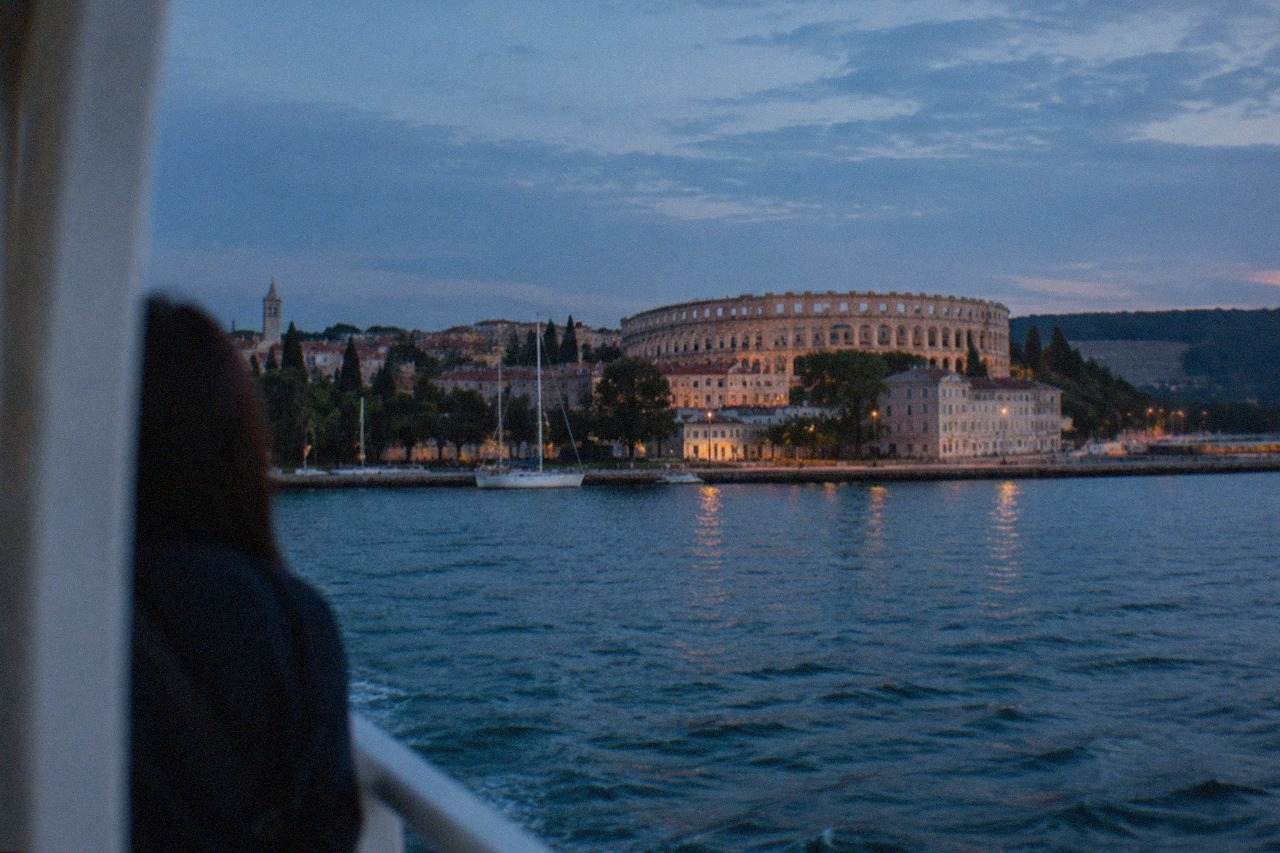
Pula, in Croatia, is one of the more ambitious day trips you can base on Trieste, Italy: the route leaves the city, crosses all of Slovenia's short coastline, and finishes at the southern tip of Istria, where a Roman amphitheatre stands directly on the seafront. The distance is modest by the standards of Croatian travel, but the trip involves two international borders, and the rules at those borders changed recently in ways most guidebooks have not caught up with. This page sets out what is verified: the documents to carry, the money question, the transport options, what Pula itself offers, and the honest comparison with Rovinj, which many travellers from Trieste end up preferring.
How Do You Get from Trieste, Italy, to Pula, Croatia?
You get there by car, by long-distance coach, or by a combination of train and coach, and every route crosses Slovenia first. There is no direct ferry and no direct train between the two cities in 2026. Cross-border coach services to Croatian destinations including Pula and Rijeka are operated by Flixbus and regional TPL FVG partners from Trieste's coach stations, but their frequencies, departure points and fares were not verified at the time of writing, so check the operator's own site before committing to a plan.
The practical starting point is Trieste's position at the top of the Adriatic. The city sits almost on the Slovenian border, and the road south runs down the Slovenian coast through Koper and Piran before crossing into Croatia north of Umag. That geography is what makes the day trip feasible: you are not crossing the width of a country to reach Istria, you are running down one coastline.
For drivers, the same logic applies, with the added consideration that Istrian roads in July and August carry real holiday traffic. The pack does not give a verified journey time for the Trieste-Pula drive, so no figure is offered here; plan the day around the operator's or your route planner's estimate rather than a number copied from an older guide. Parking in Pula in high summer is the other thing to plan for, and the practical answer is to arrive early and use the edges of the centre.
The coach is the option most visitors from Trieste actually use. Flixbus and the regional TPL FVG network both run cross-border services from Trieste, and the airport intermodal hub beside the terminal is a secondary boarding point. What the verified sources do not give is a timetable: frequencies for the Trieste-Pula corridor were not confirmed, and a sibling page's invented "buses every hour" is exactly the kind of claim this site refuses to make. The operators' own journey planners are the reference.
A third shape of trip exists: a guided excursion. Several tours in the roster cover the Slovenian coast from Trieste, and while none of them is a Pula tour as such, a private driver-guide arrangement is the way some travellers extend a Piran or Slovenian-coast itinerary down into Croatia. The tour tables further down this page show what is actually bookable.
Do You Need a Passport for a Day Trip from Trieste to Pula?
Yes, carry a passport or a national ID card, even though all three countries on the route are in the Schengen area and all three use the euro. Italy is running temporary internal border checks on its land borders with Slovenia from 19 June 2026 to 18 December 2026, per the European Commission's own register, so a document check on the way out of Italy is a live possibility, and Croatia joined Schengen on 1 January 2023 so the Croatia-Slovenia stretch is normally check-free.
The border picture on this route is genuinely confusing, because two of the three borders behave differently and one of them has an active temporary measure. The verified facts, from the European Commission's register and the euro-area records:
| Country | Euro status | Schengen since | Border checks on this route in 2026 |
|---|---|---|---|
| Italy | Euro-area member | Original member (1995) | Temporary checks on land borders with Slovenia, 19 June 2026 to 18 December 2026 |
| Slovenia | Euro since 1 January 2007 | December 2007 | No active controls listed with Croatia or Hungary as of September 2026 |
| Croatia | Euro since 1 January 2023 | 1 January 2023, same day | In Schengen since that date; no routine checks with Slovenia |
Two things follow from that table. First, the money question has a clean answer: Croatia adopted the euro on 1 January 2023, the same day it joined Schengen, so there is no currency change anywhere on this trip and no reason to change money for Croatia. An older guide that tells you to stock up on kuna is years out of date. Second, the document question is not about Schengen membership in the abstract but about a specific, dated, temporary measure at Trieste's own doorstep. The Commission's register lists Italy's checks on the Slovenia land border as running to 18 December 2026; they could be extended again, as they have been before, or lifted, and the register is the place to look before you travel.
Non-EU visitors should note the stricter point: if you are in Italy on a Schengen visa or visa-free entry, you are entering the same Schengen area, but a temporary check is a check, and your passport is the document that answers it. EU and EEA citizens can use a national ID card.
If you are building a wider border-hopping itinerary from Trieste, the practical pages are the day trips from Trieste overview, the Trieste to Rovinj route, and the Trieste to Piran guide, which covers the shorter Slovenian crossing in more detail.
What Should You Actually See in Pula on a Day Trip?
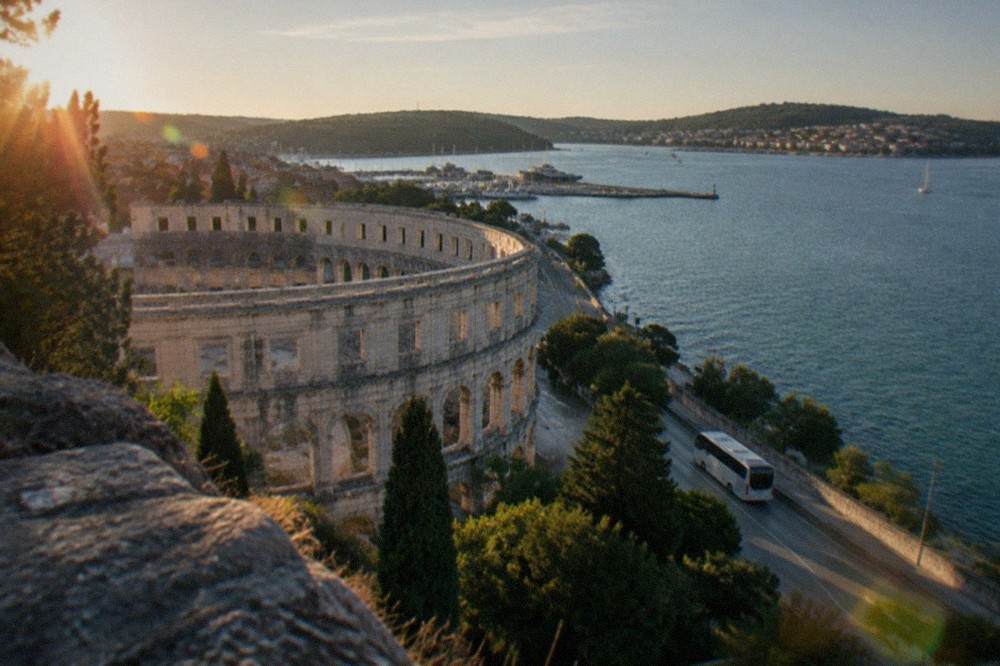
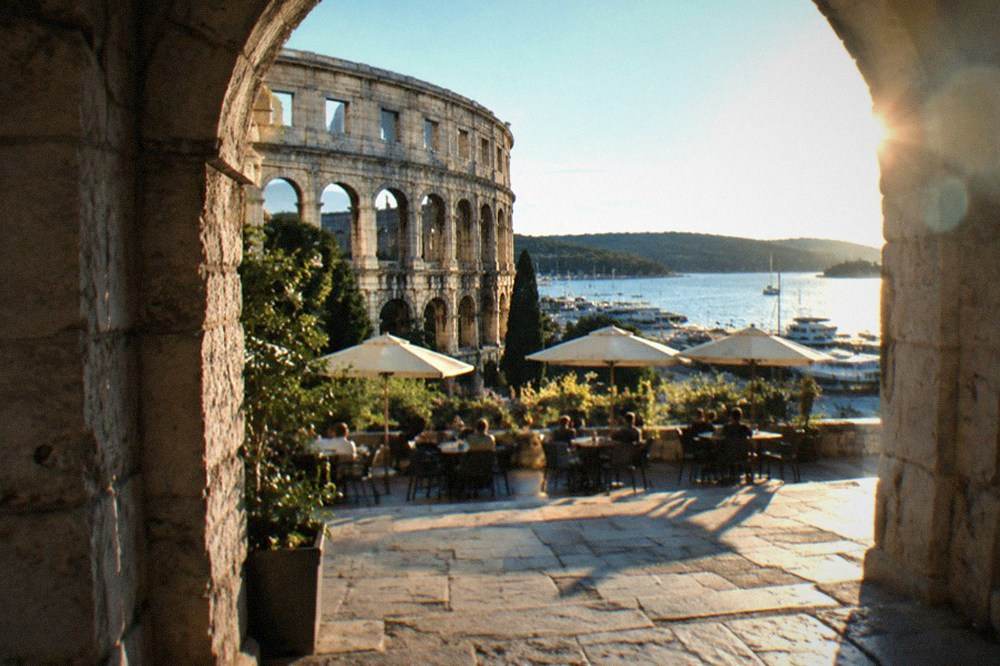
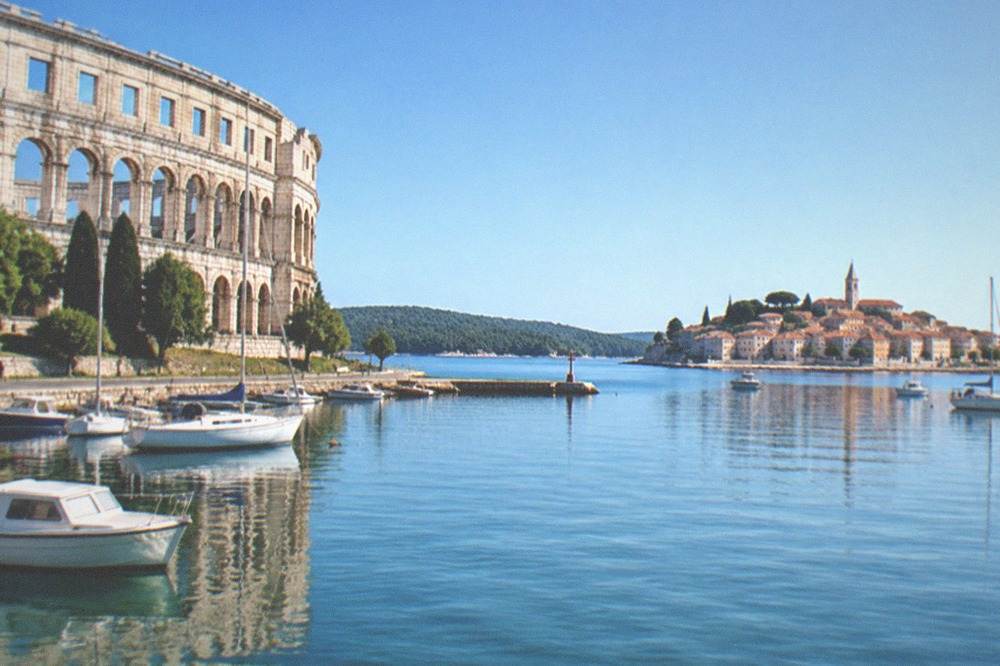
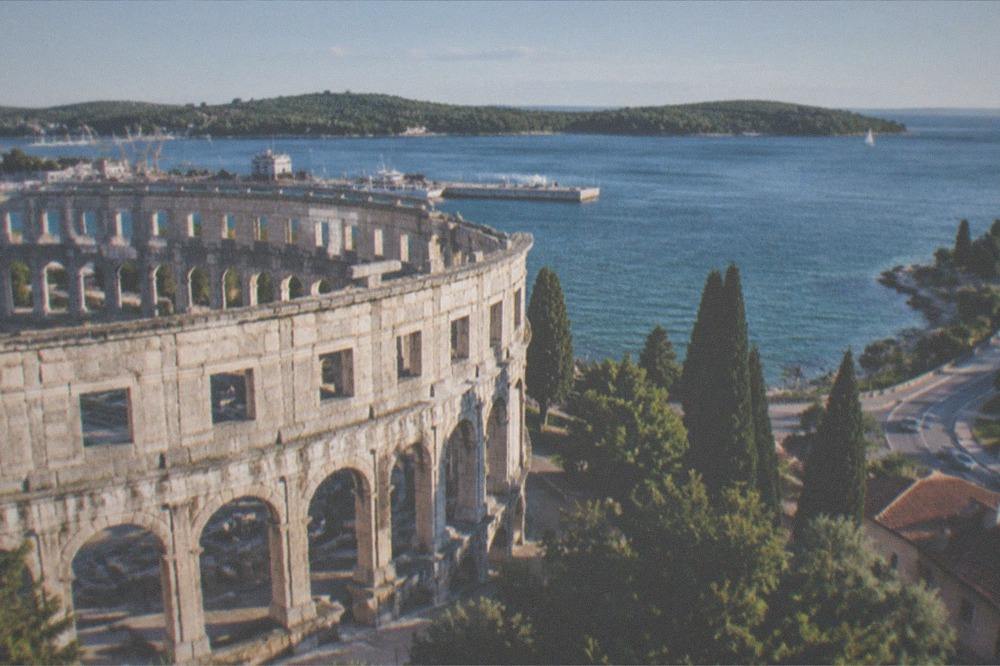
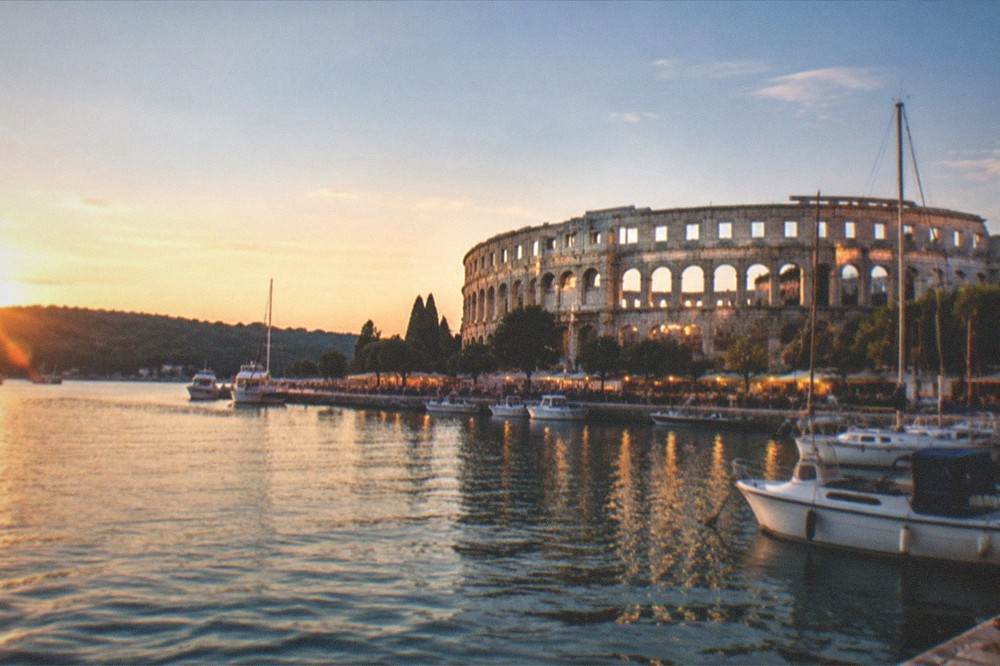
Pula's unmissable sight is the Roman amphitheatre, the Arena, a first-century stone building that stands intact on a headland in the middle of the city, and the honest day-trip plan is the Arena plus the old town core around it: the Forum square, the Temple of Augustus, the Arch of the Sergii and the twin gates of the old walls.
The pack does not carry verified entry prices or opening hours for any Pula site, so this page names the sights and points you at the venue pages rather than printing numbers.
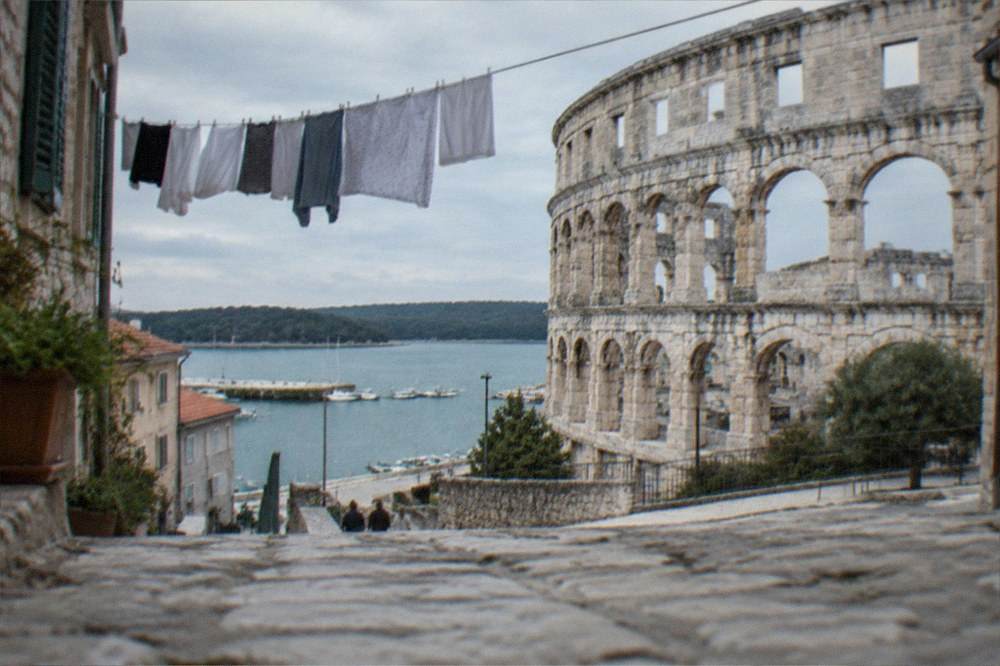
The Arena is the reason Pula is on the map. It is one of the best-preserved Roman amphitheatres anywhere, and unlike many it is not on the edge of a modern city but embedded in it: you walk out of a residential street and the cavea rises above you. The verified sources available to this site do not include a current ticket price or an opening schedule for it, and a figure guessed from memory is exactly the failure this site exists to avoid, so treat the venue's own page as the reference for both.
Around the Arena, the old town is compact and walkable. The Forum, Pula's main square, sits on the site of the Roman forum and carries the Temple of Augustus on one side. The Arch of the Sergii stands at the line where the old city gate used to be, and the Hercules Gate and the Twin Gates, with the archaeological museum beside them, complete a circuit that takes a comfortable half-day at walking pace. The castle on the central hill, built onto the Roman capitolium, holds the historical museum and gives the best view over the whole bowl of the old town.
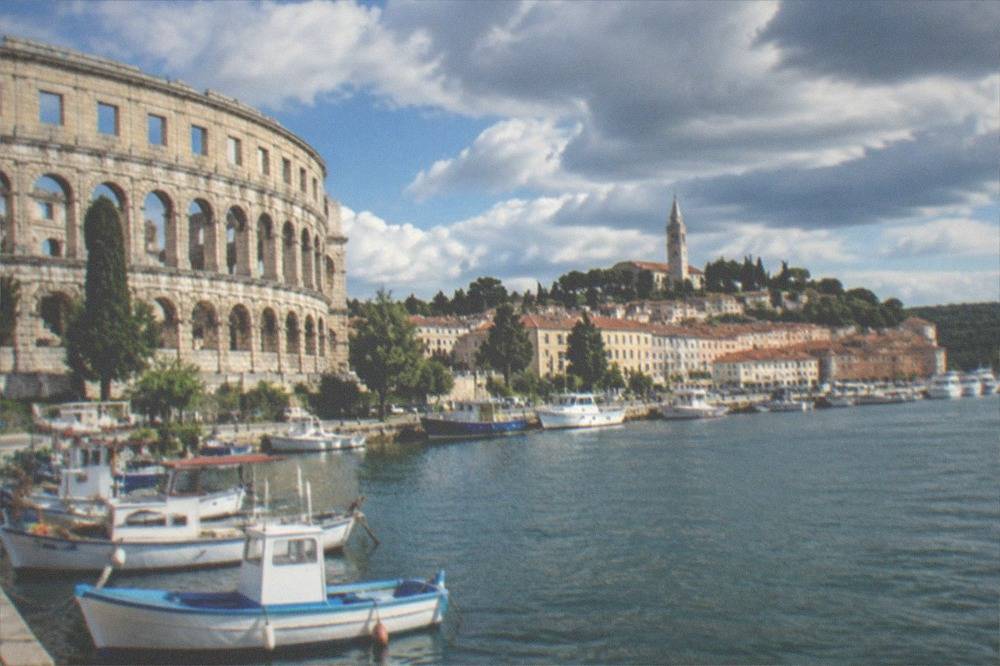
The seafront is the third layer. Pula's harbour working waterfront runs right past the old town, and the protected bay south of the centre is where the local swimming culture lives. If your day trip lands in summer, the combination that works is sights in the morning, a late lunch, and the afternoon at one of the beaches on the southern edge of the city rather than a forced march through every museum.
A note on honesty: the Teatro Romano in Trieste, by contrast, is a monument you look down into from the street, and the same caution about promising entry applies to assumptions about Pula's underground sites. Book nothing on the strength of a guidebook sentence; the venue pages decide.
Is Pula or Rovinj the Better Day Trip from Trieste?
Rovinj is the better day trip for most travellers from Trieste, because it is closer to the border, its old town is more photogenic per minute of walking, and its hill-and-harbour profile delivers the Istrian postcard quickly; Pula is the better choice when Roman monuments matter more than atmosphere, because the Arena is a genuinely major ruin and Rovinj has nothing comparable. The two are also combinable in one long day by car, though the pack gives no verified driving time for that leg.
The comparison is worth spelling out because the search interest in this route is split between the two, and the answer depends on what the day is for. Rovinj's old town is a wedge of cobbled lanes climbing to a church on the headland, with the harbour at its foot: it is small, dense and finished in a way that rewards a short visit. Pula is a real working city of over fifty thousand people, and its centre, while handsome, is spread around a bigger frame; the payoff is the Arena, which is on a different scale from anything in Rovinj.
For a day trip from Trieste specifically, distance and geometry matter. Rovinj sits on the west coast of Istria, Pula at the southern tip, and the route to Pula is the longer of the two. No verified journey time is printed here for either, but the practical consequence is real: a Pula day trip means an earlier start and a later return, and in October through March, when daylight is short, that can turn into arriving in the dark.
The tie-breaker questions are simple. Travelling with children or with someone who tires of walking: Rovinj, because the compact core suits a slow loop. Interested in Roman history or archaeology: Pula, without hesitation, and pair it with the Trieste pages on the Roman theatre of Trieste area's ancient sites if you are building an antiquity theme. Photographer chasing the classic Istrian image: Rovinj. Travelling in a group with mixed interests and one car: do Rovinj in the morning and decide about Pula on the road.
What Do Guided Trips from Trieste to the Adriatic Coast Cost?
Bookable guided options from Trieste concentrate on the Slovenian coast rather than Pula itself, and the verified prices run from $114.64 per person for a six-hour Piran and Slovenia coast tour to $137.57 for a Slovenian coast tour with food and wine tasting, while a small-group half-day Piran excursion is $125.13 per person. There is no verified guided Pula tour in the current roster, so a Croatia day trip means self-organised transport or a private arrangement.
That is the honest state of the roster, and it is worth being direct about it rather than pretending a Pula coach tour exists. What the roster does offer, all verified with live prices and ratings, covers the stretch of coast you drive through on the way:
| Tour | Kind | From (per person) | Rating | Duration |
|---|---|---|---|---|
| Piran & Panoramic Slovenian Coast from Trieste | adriatic-coast | $125.13 | 4.9 from 82 reviews | 5 hours |
| From Trieste: Piran and Slovenia Coast Tour | adriatic-coast | $114.64 | 4.57 from 136 reviews | 6 hours |
| TRIESTE: Slovenian Coast Tour with Food and Wine Tasting | adriatic-coast | $137.57 | 4.98 from 50 reviews | 5h 30m |
| From Trieste: Ljubljana and Lake Bled | slovenia-lakes | $108.91 | 4.69 from 544 reviews | 9 hours |
The Piran small-group excursion is the closest match to what a Pula day tripper wants: a half-day on the same coastline, with the border logistics handled. The listing carries a 4.9 rating from 82 reviews at $125.13 per person, and it can be checked on the operator's live listing. The food-and-wine version at $137.57, rated 4.98 from 50 reviews, suits a traveller who wants the coast plus a table.
For the Croatia leg itself, the realistic options are a hire car, the Flixbus or TPL FVG coach, or a private guide arranged through one of the walking-tour operators who also run driver days. The renting a car in Trieste route notes on the Rovinj page apply equally here, including the cross-border insurance question: confirm with the rental company that the car may enter Croatia before you drive it there, because not every Trieste fleet allows it.
When Is the Best Time of Year for the Trieste to Pula Trip?
The best window is May to September, with June the calmest month for wind at the Trieste end of the route and July and August the warmest and busiest; ARPA FVG's station tables for Trieste molo Fratelli Bandiera show July averaging 28.2 C as a mean high and only 53.8 mm of rain, making it one of the driest months, while November is the wettest at 109.8 mm and is the month to avoid for a long day trip.
Those figures are the Trieste end of the route, from ARPA's own 1995-2024 station series, and they are the right ones to plan by because the day starts and ends there. Istria's climate is broadly similar, but this site only publishes figures it can attach to a verified station, and the Trieste molo series is the one in the pack.
| Month | Mean high (C) | Rain (mm) | Wet days | Sea (C) | Gusts over 90 km/h (days) |
|---|---|---|---|---|---|
| May | 21.7 | 75 | 8.5 | 17.9 | 0.7 |
| June | 25.8 | 62.5 | 6.1 | 23.1 | 0.3 |
| July | 28.2 | 53.8 | 5.4 | 25.9 | 0.9 |
| August | 28.1 | 71.7 | 6.6 | 25.9 | 0.9 |
| September | 23.9 | 102.3 | 7.4 | 23.9 | 1.1 |
| November | 14.7 | 109.8 | 9.5 | 16.8 | 1.9 |
Two readings of that table matter for this specific trip. The first is the wind: the bora, Trieste's cold north-easterly, is at its calmest in June, which averages just 0.3 days a year with a gust over 90 km/h, and the gusty months cluster in winter. The second is the rain myth: summer here is not the wet season. July is the second-driest month in the whole series and November is the wettest, so a shoulder-season gamble in September means accepting a month that averages 102.3 mm against July's 53.8 mm, in exchange for thinner crowds.
October deserves a special mention for one reason: Barcolana. Trieste's regatta runs 2-11 October 2026, with the main race on Sunday 11 October, and the city fills for it. A Pula day trip during that week is perfectly possible, but the coastal road and the accommodation picture are both different from an ordinary October week, and the Barcolana guide coverage on the events pages explains the timing in detail.
Where Can You Stop Between Trieste and Pula?
The route's best stops are Muggia, the last Italian town before Slovenia, then Koper, Izola and Piran along the Slovenian coast, and Umag, Novigrad or Porec once you are in Croatia, with Porec the strongest candidate for a proper break because its own sixth-century basilica complex is a UNESCO-listed sight on the way to Pula rather than a detour from it.
Muggia is the stop most travellers skip and should not. It is an Italian fishing town on the bay south of Trieste, reachable by local bus and by a seasonal ferry, and its small square and cathedral make an easy first stop for drivers. The Trieste to Muggia guide covers it fully. The Slovenian trio follows in quick succession: Koper, the port town with the largest old core; Izola, the smallest and quietest; and Piran, the most beautiful of the three, whose tartini square and town walls justify a stop in themselves.
Crossing into Croatia, the Istrian coast towns line up along the same road. Umag and Novigrad are the first two, both small, both pleasant, neither a must. Porec is the one that earns a real stop: the Euphrasian Basilica's Byzantine mosaics are the region's headline monument after Pula's Arena itself. The verified pack does not carry opening hours for it, so check the venue page before planning a timed stop.
The honest planning advice is to pick one stop, not three. A day trip that tries to see Muggia, Piran and Porec on the way to Pula sees none of them properly and arrives at the Arena at closing time. The single-stop version: Piran on the way down if you have never seen it, Porec on the way back if the Arena has filled your antiquity quota and you want mosaics as a contrast.
How Much Does a Trieste to Pula Day Trip Cost?
The verified cost components are the Trieste end and the tours: a Trieste urban bus single costs €1.50 for 60 minutes or €3.35 for a day ticket per the 2026 tariff sheet, coach fares to Croatia were not verified and must be checked with the operator, and guided coast tours run from $114.64 to $137.57 per person, while Croatia's switch to the euro on 1 January 2023 means there is no exchange cost anywhere on the route.
Breaking that into the pieces a planner actually needs, with only the figures the pack attaches to each item:
| Cost item | Verified figure | Notes |
|---|---|---|
| Trieste urban single, 60 min | €1.50 | Tariff sheet, code U01 |
| Trieste urban single, 75 min | €1.85 | Tariff sheet, code U02 |
| Trieste day ticket | €3.35 | Valid on the urban network including line 2 |
| Coach fare Trieste to Pula | Not verified | Check the operator's site; never a guessed fare |
| Guided Slovenian coast tour | From $114.64 per person | Roster price, 6-hour Piran tour |
| Currency exchange cost | €0 | Italy, Slovenia and Croatia all use the euro |
The tariff figures come from Trieste Trasporti's own urban tariff sheet, and they matter for the first and last legs of the day: getting from your hotel to the coach station or the border road is a Trieste urban journey, and the day ticket at €3.35 covers a morning bus and an evening return. Contactless bank cards can be tapped on board, and the system applies the cheapest applicable fare.
What this site will not do is fill the biggest gap, the coach fare, with a plausible number. Cross-border coach pricing to Croatian destinations was checked and could not be verified, and prices on that corridor move with the season. The operator's booking page is the only honest source for it.
The food and drink budget is the other open item, and the honest framing is a range, not a promise: a simple lunch in an Istrian konoba is cheaper than a Trieste restaurant, a seafood lunch on Pula's waterfront is not, and the only way to price your own version is to look at a menu before you sit down. The what to eat in Trieste traditions described on the food pages carry over recognisably into Istria, which shares the jota-and-goulash heritage on the Italian side of the family tree.
The six-hour Piran and Slovenia coast tour is the budget anchor of that table, and its 4.57 rating from 136 reviews makes it one of the most-reviewed coast options on the roster. For a traveller weighing it against a self-organised Pula run, the trade is simple: the tour spends its hours on the Slovenian coast and skips the Croatian border entirely, while the self-organised day spends them in transit. Some visitors do both across a week, using the guided day as a low-effort warm-up for the longer Croatia leg.
Should You Do Pula as a Day Trip or Stay Overnight?
Pula works as a day trip from Trieste for a confident, early-starting traveller with a car or a well-checked coach connection, but an overnight stay is the better plan if Roman sites matter to you, because it converts a rushed Arena visit into a relaxed evening-and-morning circuit and opens the option of adding Porec or Rovinj without the clock pressure. The day-trip version is a long day by any measure, and the pack carries no verified journey time to soften that.
The case for the day trip is real: Trieste accommodation is your base, the route is one coastline, and the border is now administratively simple for EU citizens with a document. The case against is arithmetic. A day trip that includes a border, a stop and the Arena is a day with more transit than most people enjoy, and the return leg in the dark, which is what a November or March version looks like, is the part that sours.
The overnight version changes the character of the trip. Pula's old town in the evening is a different place from Pula at midday, and the practical shape is one night in the city plus a morning at the Brijuni islands or a slow coast road back through Rovinj and Piran. For travellers already committed to a two days in Trieste style of travel, carving one of those days out for Istria is a reasonable trade.
The deciding factors are the season, your tolerance for coach logistics, and whether the Arena is a box to tick or the point of the trip. In June, with the longest daylight of the year and the calmest wind month in the station tables, the day trip is at its most forgiving. In November, with 9.5 wet days and 109.8 mm of rain on average at the Trieste end, it is at its least.
Common Questions About the Trieste to Pula Day Trip
Can You Do a Day Trip from Trieste, Italy, to Pula, Croatia?
Yes, by car or by cross-border coach, crossing Slovenia on the way. It is a long day, and the coach timetable and fare must be checked with the operator, Flixbus or TPL FVG, because no verified schedule exists for this corridor.
Do You Need a Passport to Go from Trieste to Pula?
Carry a passport or national ID card. Italy is running temporary checks on its land border with Slovenia from 19 June 2026 to 18 December 2026 per the European Commission's register, so a check is possible even though all three countries are in Schengen.
Does Croatia Use the Euro?
Yes, since 1 January 2023, the same day it joined the Schengen area. There is no currency change on the Trieste-Pula route and no reason to change money for Croatia.
Is Pula or Rovinj Better from Trieste?
Rovinj is closer and more compact, Pula has the Roman amphitheatre. Most day trippers prefer Rovinj unless Roman antiquity is the specific draw, in which case Pula wins on the Arena alone.
Is There a Train from Trieste to Pula?
No direct train connects the two cities in 2026. The route is road-based: coach or car, crossing Slovenia.
What Is the Best Month for the Trip?
June, which is the calmest wind month at the Trieste end of the route and averages 25.8 C as a mean high with only 62.5 mm of rain, or September for warmer sea and thinner crowds at the cost of a wetter month.
Planning a trip like this from Trieste, Italy, rewards a little pedantry about borders and timetables, and the reward is a day that runs smoothly across three countries that all use the same currency. The Trieste Travel Guide day-trip library covers every other direction you can leave the city in, from Ljubljana to Venice, if Pula turns out to be only the first of them.