Trieste to Venice, Italy: How to Travel Between the Two Adriatic Cities
Trieste, Italy, and Venice sit on the same northern Adriatic shore, and the link between them is one of the most useful connections in the region for anyone basing themselves in Friuli Venezia Giulia.
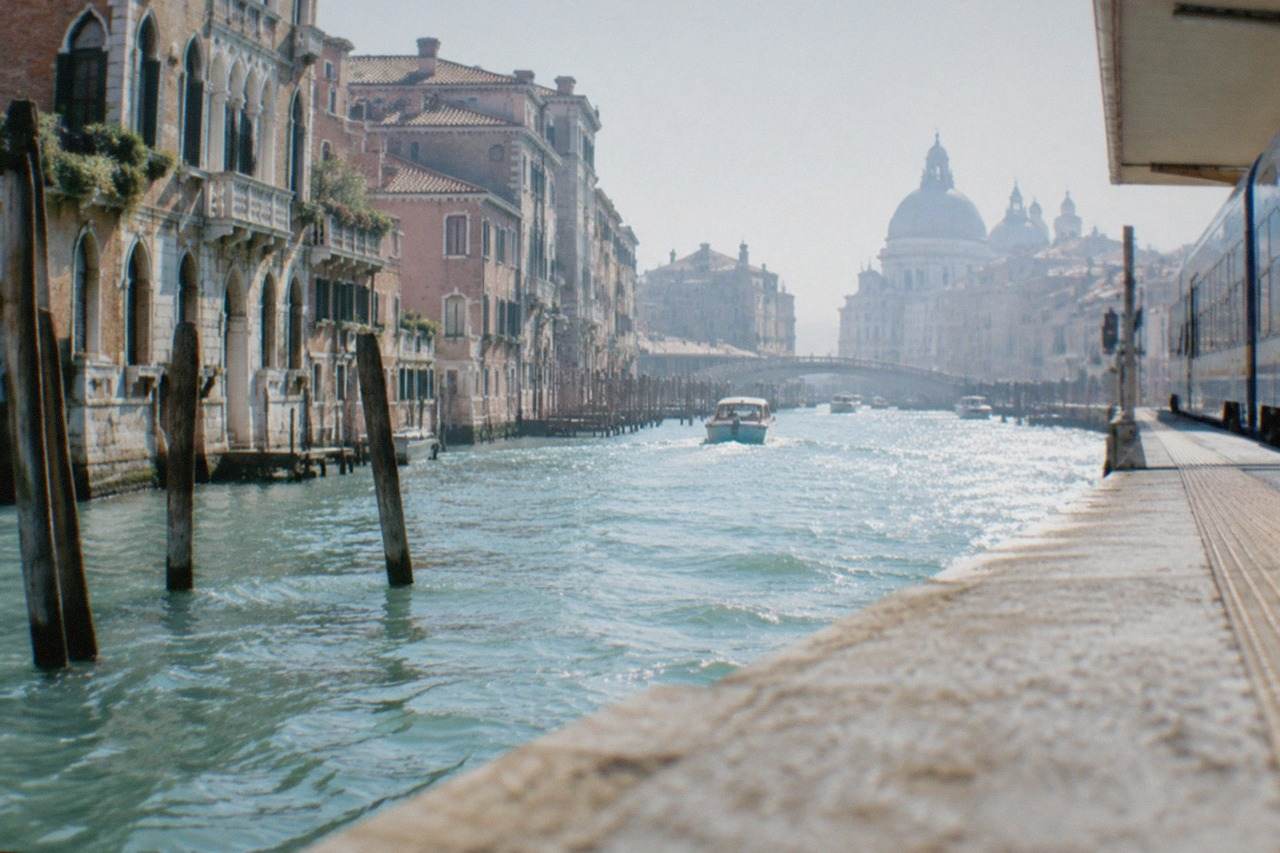
Short answer
The train from Trieste Centrale is the practical way to reach Venice from Trieste, Italy, with services booked through the national operator's own planner; a day trip is feasible, and this guide covers the realistic timings, the Venice end of the day, the car and coach alternatives, and how the two cities compare.
Trieste, Italy, is the Adriatic port city at the top of the Gulf of Trieste, and Venice is the lagoon city two regions west along the same sea. The two are the most obvious pairing in northeastern Italy: one a Habsburg coffee port of grand squares and bora winds, the other the canal city the whole world thinks it knows. Travelling between them is a routine, well-served journey, and this guide sets out what is verified about the route, what a day trip realistically involves, and how to decide which city deserves your hotel nights. The companion piece on the reverse direction, Venice to Trieste as a day trip, covers the flow most visitors actually run, since the majority travel from a Venice base out to Trieste rather than the other way round.
How Do You Get from Trieste, Italy, to Venice?
The train from Trieste Centrale is the practical link between the two cities, booked through the national operator's own website or app, and it is the option every verified source points to first. Trieste Centrale is the city's main station, reached on the ordinary urban network with a standard ticket, and Venice is served by its own stations on the lagoon edge. No fare or journey time for this specific route is published in the verified sources, so treat the operator's live planner as the authority on both.
That last sentence is deliberate. A great deal of travel copy prints a Trieste-Venice journey time from memory, and the verified facts behind this page do not confirm one. The national rail operator's planner will give you the current timings for your date, the fare for your chosen train, and the booking options in one place, and it is the only source worth trusting on those three numbers.
What the pack does verify is the Trieste end of the journey. Trieste Centrale is the city's principal station, and the urban network that feeds it runs on the 2026 tariff sheet published by the city transport operator: a 60-minute urban single costs €1.50, a 75-minute single €1.85, a day ticket €3.35, a 10-ride carnet €13.50 and a 20-ride carnet €16.65. Singles run 60 or 75 minutes, extended to 240 minutes on Sundays and public holidays, and you can tap a contactless bank card or digital wallet on board, where the system applies the cheapest applicable fare. If you are staying in the Borgo Teresiano or near Piazza Unità d'Italia, the station is a straightforward part of the city to reach, and the full detail is in our guide to getting around Trieste by bus, tram and taxi.
| Ticket | Code | Price | Validity |
|---|---|---|---|
| Urban single | U01 | €1.50 | 60 minutes |
| Urban single | U02 | €1.85 | 75 minutes |
| Day ticket | U24 | €3.35 | Full day |
| 10 rides | U10 | €13.50 | 10 journeys |
| 20 rides | U20 | €16.65 | 20 journeys |
The practical advice is simple: buy your Trieste-Venice rail ticket from the operator in advance for a fixed-date day trip, because the cheapest fares on Italian intercity and high-speed services are sold in limited buckets, and walk-up fares on the day are the most expensive tier. If your plans are loose, check whether a flexible fare or a regional service suits you better; the operator's planner shows the difference. The dedicated question is there a high-speed train from Trieste to Venice takes the rolling-stock question further, and the how-to book page at Trieste to Venice by train is the deep version of this section.
Is a Day Trip from Trieste to Venice Realistic?
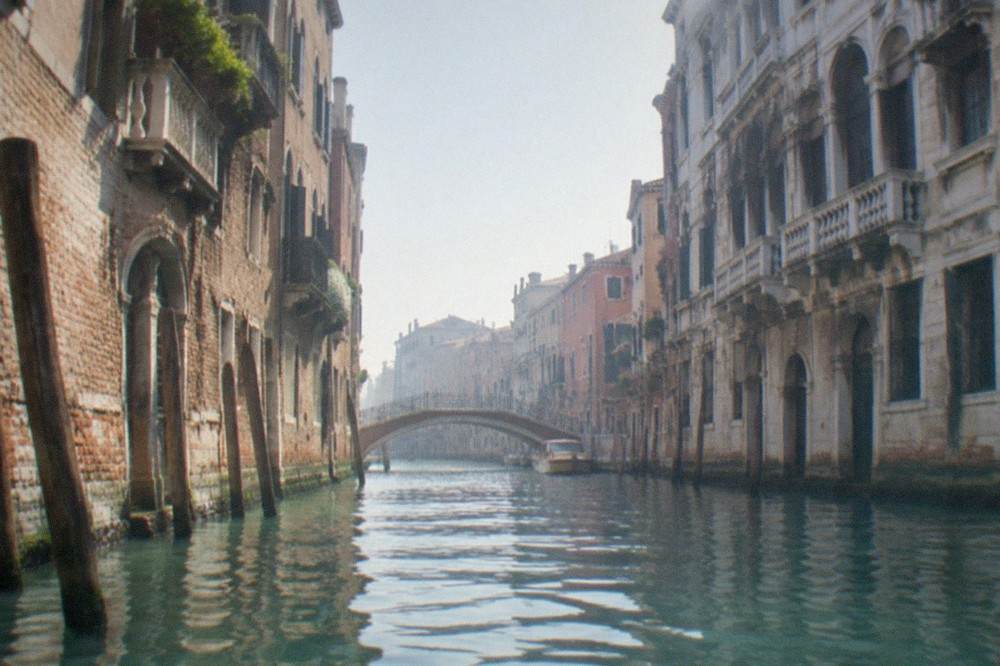
Yes, a day trip from Trieste to Venice is realistic, and the train makes it work: you can be in Venice with the morning ahead of you and back in Trieste the same evening, which the paired question on this site answers the same way. What makes it comfortable rather than rushed is choosing a train early enough to give you a full day, booking the return leg in advance, and being disciplined about the Venice end: one sestiere done properly beats four done at a sprint.
The honest framing matters here. Venice rewards slow, aimless walking and punishes itineraries built around ticking landmarks off a list, and a day trip gives you perhaps eight to ten waking hours in the city once travel is counted. That is enough for San Marco's square and basilica, a walk over the Rialto bridge, an hour lost in the backstreets of Dorsoduro or Castello, and a vaporetto ride down the Grand Canal. It is not enough for the Accademia galleries, the Doge's Palace interior, Murano and Burano and a long lunch. Pick two anchors and let the walking fill the gaps.
The booking question is the one that saves or ruins the day. Reserve an early outbound train and a fixed evening return, then build the day inside that frame. Venice's vaporetto network is the internal transport system, and its fares are set by the Venetian municipal operator, whose own site is the authority on current passes; do not take a printed figure from a blog, including this one. What this site can verify is the Trieste side of the ledger, and the day-trip logistics are covered in detail in can you do a day trip from Trieste to Venice.
A word on the alternative direction of ambition. If you are based in Trieste for several days, Venice is only one of the day trips on the menu, and the others run the other way, across the border. The full menu is in our day trips from Trieste overview, and the standout options include the Lake Bled and Ljubljana tour from Trieste, from $145.97 per person and rated 4.5 from 214 reviews for a 7-hour day, which you can check on the operator's live listing at any time. Slovenia's capital and its famous lake make a completely different day out from Venice, alpine rather than lagoonal, and the tour handles the border and the driving for you.
What Should You Actually Do with Your Day in Venice?
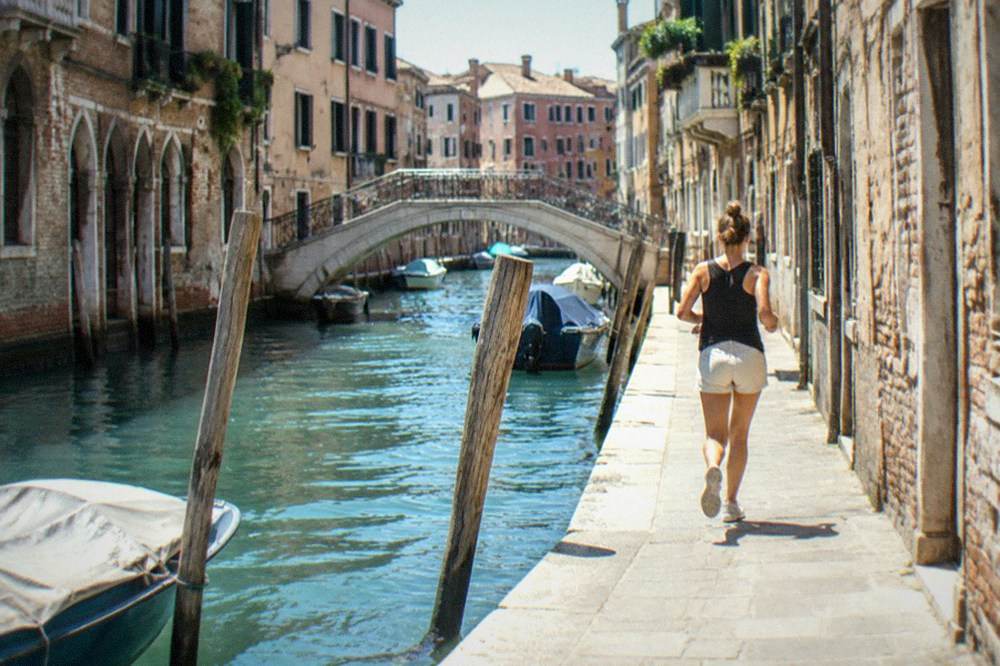
Plan the Venice end of a Trieste day trip around one compact zone: the San Marco basin and the Grand Canal loop, with a vaporetto ride for the canal itself. That single loop takes in the Piazza San Marco, the Rialto bridge and the everyday backstreet Venice that most day visitors never reach, and it can be done at a calm pace inside a day-trip window. Book the basilica and any palace visit ahead, because walk-up queues are the main way day trippers lose hours.
The reason to compress is arithmetic, not opinion. A day trip spends a meaningful share of its hours travelling, and every additional landmark you add to the list is paid for with walking time between them. The basilica's own booking system, the museums' official sites and the municipal transport operator's pass page are the three places to reserve ahead, and none of their prices belong in a second-hand article. Treat printed vaporetto fares and basilica slots in any guide, this one included, as a prompt to check the official page, never as the figure itself.
If you have done Venice before, the smarter day-trip shape is to skip San Marco entirely. Arrive, walk straight into Cannaregio or Castello, eat where the menu is not translated into four languages, and take one vaporetto down the Giudecca canal for the skyline view. Venice without the flagship square is still unmistakably Venice, and it is the version you can actually complete in a day. For the comparison that decides whether a day is even the right frame, read Trieste vs Venice, which weighs the two cities on cost, crowds, coffee and character.
| Day shape | Anchors | Best for | Risk |
|---|---|---|---|
| Classic loop | Piazza San Marco, Rialto, Grand Canal vaporetto | First visit | Crowds at the square |
| Quiet sestiere | Cannaregio or Castello on foot | Repeat visitors | Fewer postcard views |
| Islands | Murano and Burano by vaporetto | Glass and colour | Travel time eats the day |
| Art day | One major gallery, one palace | Bad-weather days | Booking needed ahead |
One Trieste habit worth exporting to Venice: the caffè. Trieste's coffee culture is the city's signature, a historic port trade that made it one of Italy's roasting centres, and the historic caffè of the Città Vecchia and Borgo Teresiano are standing in the morning what Venice's bacari are in the evening. Sit down for one, in either city, and the day stops being a checklist.
Should You Drive from Trieste to Venice Instead?
Driving from Trieste to Venice is possible but the wrong default: the route crosses the toll network, and Venice itself is a car-free city where you must park on the mainland edge and transfer by people mover, vaporetto or foot to the historic centre. The train delivers you to the lagoon's edge with no parking decision at all, which is why every practical consideration favours rail for a day trip. Only a car already hired for a wider Friuli Venezia Giulia loop makes driving defensible.
The parking step is the hidden cost. Venice's car parks sit at the western approaches, on the mainland, and from there you cross to the city by the elevated people mover or by vaporetto, both of which are charged per person on top of the parking fee. Add the motorway tolls each way and the arithmetic only works for a car with three or four people in it, and even then the train usually wins on stress. A hired car earns its keep in this region on the Karst, the Istrian border country and the small towns, not the Venice run.
Where a car does shine is the hybrid day: Trieste to Aquileia or Grado, the Roman mosaic floor and the lagoon town of Friuli Venezia Giulia, both of which sit between the two cities and are awkward by rail. If Venice is the destination, take the train. If the region between is the destination, take the car and let Venice wait for a trip of its own.
| Mode | Border or toll | Arrival point | Verdict for a day trip |
|---|---|---|---|
| Train | None | Venice station, lagoon edge | Best overall |
| Car | Motorway tolls both ways | Mainland car parks, then transfer | Only for a wider loop |
| Coach | None | Venice coach terminal, then vaporetto | Cheapest, least flexible |
| Ferry | Not applicable | No verified Trieste-Venice service | Not a real option |
On the ferry line in that table: the verified sources behind this page list no scheduled passenger ferry between Trieste and Venice, and the question how much is the ferry from Trieste to Venice exists precisely because the search demand is real and the service is not. Trieste's ferry connections run across the Adriatic, to Croatia, not along the Italian coast.
When Is the Best Time of Year for This Trip?
The best months for a Trieste to Venice trip are April, May, June and September, when the Trieste end of the route averages mild to warm days, the sea is warming toward its summer peak, and the Venice end is outside its worst crowd season. Trieste's own climate record shows July and August as the warm months with mean highs of 28.2 and 28.1 degrees, and November as the wettest month at 109.8 mm of rain, so the shoulders give the best trade between weather and comfort.
Those figures come from the regional meteorological agency's own station tables for the Trieste waterfront, a 1995-2024 series, and they describe Trieste, not Venice: the lagoon city keeps its own, slightly different records, and its summer crowds are a separate argument for the shoulders. What the Trieste tables add is a fact that surprises visitors: July is the second driest month of the year here, at 53.8 mm, wetter only than the same table's summer neighbours, and the truly wet period is September through November, with September at 102.3 mm and November the peak. The old idea of a rainy northern Adriatic summer does not survive contact with the station data. Other pages covering the same trip are gathered on Trieste Travel Guide.
| Month | Mean high C | Rain mm | Wet days | Sea C |
|---|---|---|---|---|
| April | 16.8 | 60.7 | 8.0 | 14.0 |
| May | 21.7 | 75.0 | 8.5 | 17.9 |
| June | 25.8 | 62.5 | 6.1 | 23.1 |
| July | 28.2 | 53.8 | 5.4 | 25.9 |
| September | 23.9 | 102.3 | 7.4 | 23.9 |
| November | 14.7 | 109.8 | 9.5 | 16.8 |
October deserves a special mention, for one reason: Barcolana. The great sailing regatta fills the Gulf of Trieste in the second week of October, with the 58th edition running 2-11 October 2026 and the main race on Sunday 11 October, and the record entry stands at 2,689 boats, set in 2018. If your Trieste-Venice trip falls across that weekend, the seafront will be a festival site and hotel rooms will be scarce; if it does not, October's mean high of 19.6 degrees and the thinning crowds make it a fine month for both cities. The full picture is in the Barcolana regatta.
Which City Should You Stay in: Trieste or Venice?
Stay in Venice if the lagoon city is the point of your trip; stay in Trieste if you want lower costs, a working Italian city with the sea, the coffee houses and the Karst at the doorstep, and a base for day trips in every direction. The two cities are barely a couple of regions apart but worlds apart in price and pace, and the honest answer for most travellers with more than two nights is Trieste, with Venice as a day trip or an overnight at the end.
The cost argument is not a stereotype, it is a structure. Venice's historic centre is a protected lagoon city with limited beds and global demand; Trieste is a regional capital with a full urban hotel market, and its accommodation is taxed at the city's own 2026 tourist-tax rates, which run from €3.80 per person per night in a five-star hotel down through €3.30 for four-star, €3.00 for three-star, €2.30 for two-star, B&B superior and hostels, €2.00 for B&B comfort and €1.50 at campsites, charged for a maximum of five consecutive nights, with everyone under 18 exempt. Those are published city figures, and they describe Trieste, not Venice.
| Accommodation type | Tourist tax per night |
|---|---|
| 5-star hotel | €3.80 |
| 4-star hotel | €3.30 |
| 3-star hotel | €3.00 |
| 2-star hotel, B&B superior, hostel | €2.30 |
| B&B comfort | €2.00 |
| 1-star, B&B standard | €1.80 |
| Campsites and motorhome areas | €1.50 |
The character argument is more interesting than the cost one. Venice is a museum that happens to have residents; Trieste is a city that happens to have a museum-grade waterfront, and the difference shows at nine in the morning, when Trieste's Piazza Unità d'Italia is full of people going to work beside the sea and the caffè are serving the first of the day's coffee. Trieste also gives you the Karst plateau, the osmize farm taverns of the Carso, Miramare Castle up the coast at Grignano and two other countries within an hour, none of which exist from a Venice base. The verdict questions are answered in is Trieste better than Venice and is Venice or Trieste better.
What If You Flip the Trip: Venice to Trieste?
Flipping the direction works just as well and is what most people actually do: Venice to Trieste is a standard day trip or overnight, with the same train connection running the other way, and Trieste rewards the flip with a completely different Italian city, Habsburg rather than Byzantine, caffeinated rather than canal-bound. The same advice applies in mirror image: book ahead, arrive early, and give the Trieste end of the day a fair slice of daylight.
Trieste's compact centre makes it an unusually easy city to digest in a day. The walk from the station area through the Borgo Teresiano to Piazza Unità d'Italia, the grand sea-facing square, then up through the Città Vecchia to the Castello di San Giusto and the cathedral on the hill, is the spine of the city, and every step of it is free at street level. The paid sights are modestly priced by Venetian standards, and the verified figures are these: Miramare Castle costs €17 for an adult, including the temporary exhibition, with the park free all year; San Giusto Castle is €7 full and €5 reduced; the Museo Revoltella is €8 full and €6 reduced; Grotta Gigante, out on the Karst at Sgonico, is €15 for an adult on a compulsory guided visit; the Risiera di San Sabba national monument and the cathedral are both free.
| Site | Adult entry | Notes |
|---|---|---|
| Miramare Castle | €17.00 | Park free all year |
| Castello di San Giusto | €7.00 | Reduced €5.00 |
| Museo Revoltella | €8.00 | Reduced €6.00 |
| Grotta Gigante | €15.00 | Guided only, booking compulsory |
| Risiera di San Sabba | Free | Daily opening |
| Cattedrale di San Giusto | Free | Bell tower hours seasonal |
The closing-day pattern matters if your flipped trip lands on a weekday boundary: the Museo Revoltella closes on Tuesdays, San Giusto Castle closes on Mondays from 12 October, and Grotta Gigante runs Tuesday to Sunday from September to February and daily from March to August. State sites also take part in the ministry's first-Sunday-of-the-month free-entry scheme, whose rules have changed more than once in recent years, so check the venue's own page for the month you travel rather than trusting a standing rule. The full reverse-direction guide, written for a Venice base, is Venice to Trieste as a day trip, and the airport version, for those flying into Marco Polo, is Venice airport to Trieste.
What Else Should You Know Before You Travel?
Three things finish the picture: the border rules if you extend the trip beyond Italy, the weather's real shape, and the fact that Trieste's own transport quirks are part of the day. Slovenia and Croatia both use the euro and sit in Schengen alongside Italy, so no money changing is ever needed on this coast, but Italy is running temporary checks on its Slovenian land border until at least 18 December 2026, and a passport or national ID card belongs in your pocket for any cross-border side trip.
The border point is the one a confident writer gets wrong. Croatia adopted the euro and joined the Schengen area on the same day, 1 January 2023, and Slovenia has been in both since 2007, so the whole northern Adriatic is one currency zone with no routine internal frontier. The live exception is dated and specific: Italy's temporary checks on its land borders with Slovenia, registered with the European Commission from 19 June 2026 to 18 December 2026. Write that on your packing list as "ID card", not as "Schengen means no checks", and check the Commission's register before you travel because these measures move.
The weather point is equally concrete. Trieste's wettest month is November at 109.8 mm and its second wettest is September at 102.3 mm, while July, at 53.8 mm, is one of the driest months in the table; the summer-rain stereotype is backwards. The bora, the cold north-easterly that defines the city, blows hardest in the cool season, with February holding the record gust of the whole series, 168.1 km/h in 2012, and the summer months are the calm ones. None of this stops a Venice day trip in any season; it just tells you which coat to pack.
The transport quirk is a small one but a genuine one: the Opicina tram, the century-old hybrid tram-funicular that climbs from the city to the Karst village of Opicina, is running again after years out of service, reactivated on 1 February 2025, and its city terminus is piazza Dalmazia, not the piazza Oberdan terminus that older guides still print. It is part of the ordinary urban network, a standard ticket covers it, and it is one of the best-value oddities in European public transport. If your Venice day leaves a spare morning in Trieste, spend it on the tram.
Common Questions About Trieste to Venice Travel
Can you do a day trip from Trieste to Venice?
Yes. The train connection makes a same-day return practical, and the realistic shape is an early outbound train, one compact zone of Venice on foot, and a fixed evening return booked in advance. The full answer is on our page can you do a day trip from Trieste to Venice.
Is there a high-speed train from Trieste to Venice?
The national operator's own planner is the authority on which services run this route on your date, including its high-speed tier. The verified sources behind this guide do not print a journey time or fare for this specific route, so book through the operator and treat its planner as the only current timetable.
How much is the ferry from Trieste to Venice?
There is no verified scheduled passenger ferry between the two cities in the sources behind this guide. Trieste's ferry connections run across the Adriatic to Croatia, not along the Italian coast, and the train is the link that actually exists.
Should you stay in Trieste or Venice?
For most travellers with more than two nights, Trieste: it is cheaper, less crowded, and better placed for day trips to the Karst, Slovenia and Croatia, with Venice reachable as a day trip or an overnight. Venice wins only when the lagoon city itself is the entire point of the journey.
Do you need a passport to travel from Trieste to Venice?
No. Both cities are in Italy, and the journey crosses no border at all. A passport or national ID card matters only if you extend the trip into Slovenia or Croatia, because Italy is running temporary checks on its Slovenian land border until at least 18 December 2026.
Is the train ride from Trieste to Venice scenic?
The route runs along the Adriatic coastal plain with the lagoon approach into Venice at the western end, which is the most photogenic stretch. The honest answer, with the window seat on the south side, is in our page on whether the train from Trieste to Venice is scenic.
The two cities are close enough that the choice between them is a matter of pace, not distance, and the traveller who does both, slowly, gets the best of the northern Adriatic: the lagoon and the square, the canal and the caffè, Venice for the postcard and Trieste for the life around it.