Is Trieste Worth Staying In?
Is Trieste worth staying in? A direct answer for the Adriatic port city in Italy, with real 2026 costs, what a night actually buys you, and when to keep moving.
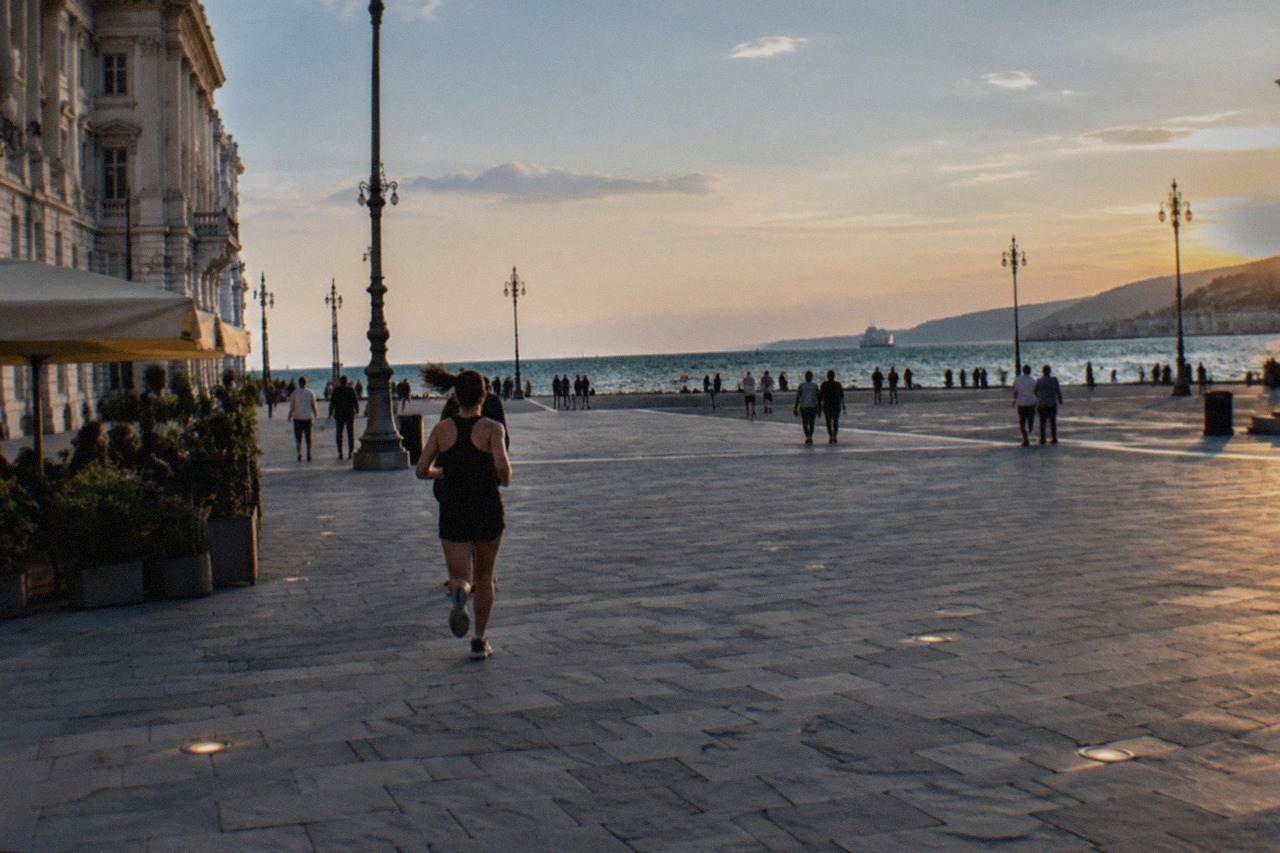
Trieste, the Adriatic port city in Friuli Venezia Giulia in the northeast corner of Italy, is the kind of place that gets compressed into a lunch stop between Venice and Croatia, and that compression is exactly what this page is about. The question is not whether Trieste has sights, it does, from Piazza Unità d'Italia to the Miramare Castle up the coast, but whether the city justifies paying for a bed and giving it your evenings. The short version: it does, and the reasons are practical ones, cheap or free headline attractions, a tourist tax that stops after five nights, and a location that turns one hotel booking into access to Slovenia, the Carso plateau and the Istrian coast.
Is Trieste Worth Staying In?
Yes, Trieste in Italy is worth staying in for at least one night and comfortably two, because the city's best experiences, an evening caffè in a historic bar, the seafront after the coaches leave, an osmiza on the Carso, all happen outside day-trip hours. The headline sights are also unusually cheap or free: the cathedral costs nothing, the seafront is a public promenade, and the two big castle tickets are €7 and €17. Staying overnight turns Trieste into a working base for Slovenia and the Adriatic coast.
The case against staying is real and worth stating plainly. Trieste is not a bucket-list city in the Venice sense. Nobody comes back from a weekend in Trieste with a camera roll that breaks the internet, and if your Italian trip is ten days long with Venice, Florence and Rome already booked, Trieste is the city you cut. That is a legitimate itinerary decision.
The case for staying is that Trieste is a city that behaves differently at night. The day-trip traffic thins, the Molo Audace seafront becomes a local promenade, and the historic caffè that were crowded at noon have tables free by early evening. The city's tourism authority markets exactly this, a Central European atmosphere on the Adriatic, and it is not marketing spin. The Habsburg-era architecture, the coffee culture and the Slovenian border fifteen minutes away are all things you only feel if you are there after six.
There is also a practical argument that is easy to miss from a distance. Trieste is the cheapest overnight base in its whole region for cross-border day trips. Ljubljana, Lake Bled, Piran, Postojna Cave and the Lipica stud farm all sit within a day's loop of the city, and the package tours that serve them all depart from Trieste itself. If those places are on your list, a hotel in Trieste replaces three separate bookings.
What Does an Overnight Stay in Trieste Actually Cost?
The fixed, published cost of staying in Trieste is the city's tourist tax, which in 2026 runs from €1.50 per person per night at campsites up to €3.80 at five-star hotels, with €3.00 at three-star properties and €2.30 at two-star hotels, B&Bs, hostels and short-let apartments. It is charged for a maximum of 5 consecutive nights in the same property, and everyone under 18 is exempt. Room rates themselves are date-specific and are not published in any fixed table.
The Comune di Trieste's own 2026 rate table is the source for those figures, and the five-night cap matters more than it looks: a week-long stay is taxed as five nights, not seven. What the table cannot tell you, and what no honest article should invent, is the nightly room rate, because that moves with the season and with the cruise calendar. Treat the tax as the only predictable line item.
| Accommodation type | Tourist tax per person, per night (2026) |
|---|---|
| 5-star hotel | €3.80 |
| 4-star hotel / self-catering case vacanza | €3.30 |
| 3-star hotel / case vacanza | €3.00 |
| 2-star hotel / affittacamere / B&B Superior / hostels / short-let apartments | €2.30 |
| B&B Comfort | €2.00 |
| 1-star hotel / B&B Standard | €1.80 |
| Campsites and motorhome areas | €1.50 |
Set against that, the sightseeing costs are unusually low for an Italian city. The two big castle tickets are €7 for San Giusto and €17 for Miramare, and Miramare's park, the larger half of that attraction, is free all year. The cathedral is free. The Risiera di San Sabba national monument is free. The Roman theatre is viewed from the street at no cost. A two-day sightseeing budget in Trieste is genuinely small, which is part of the answer to whether it is worth staying: the nights are the main expense, not the days.
| Trieste sight | Entry cost | Notes |
|---|---|---|
| Cattedrale di San Giusto Martire | Free | Bell tower hours vary by season |
| Miramare Castle park | Free | Open daily, hours vary by month |
| Miramare Castle | €17 | Includes temporary exhibition |
| Castello di San Giusto | €7 | Reduced €5, covers museum and walls |
| Risiera di San Sabba | Free | Daily, groups book March to May |
| Museo Revoltella | €8 | Closed Tuesdays |
| Teatro Romano | Free | Viewed from the street |
Two free-entry schemes stack on top of this. State museums in Italy run a free first Sunday of the month, and Miramare takes part; the rule has changed more than once in recent years, so confirm the date on the venue's own page rather than trusting a calendar. The civic museums, including San Giusto Castle and the Revoltella, are also free on the first Sunday and on 3 November, the patron saint's day. A stay positioned over one of those Sundays cuts the sightseeing budget further.
What Do Overnight Visitors Get That Day-Tippers Miss?
An overnight visitor gets Trieste's evenings, its osmize, and its border, and all three are effectively unavailable on a day trip. The osmize, seasonal farm taverns on the Carso where growers sell their own wine and produce, open on evenings and weekends by arrangement, signposted by a frasca branch at the roadside. The seafront, the historic caffè and the Slovenian border towns all reward the hours after the coaches leave, and none of them fit inside a two-hour lunch stop.
Start with the evenings, because they are the city's real product. Trieste's seafront, the Rive and the Molo Audace, is a public promenade that costs nothing and is at its best when the day crowds have gone. The historic caffè in the centre are working institutions rather than museums, and the difference between queueing for a table at noon and sitting down at seven is the difference between two different cities. The full index of guides sits on Trieste Travel Guide.
The osmize are the sharper example. These are farms on the Trieste Karst that open their cellars for limited periods to sell their own wine, salumi and cheese directly, a custom with Habsburg-era roots that is still signalled the traditional way, by a leafy frasca hung at the turning. The openings cluster in spring and autumn, they are announced rather than scheduled, and the long-established calendar listing which farms are open on which days, with addresses and a map, is published at osmize.com. You cannot plan a day trip around an osmiza. You can plan a stay around one.
Then there is the border. Slovenia is close enough that Trieste residents shop across it, and Croatia's Istrian coast is a morning's drive. All three countries, Italy, Slovenia and Croatia, use the euro, and Croatia joined both the euro and the Schengen area on the same day, 1 January 2023, so there is no currency exchange and no routine passport control. One live exception applies to the Slovenia crossing specifically: Italy is running temporary border checks on its land border with Slovenia from 19 June 2026 to 18 December 2026, so carry a passport or national ID card and check the current status before you travel. That border is the reason a Trieste hotel is a base rather than just a bed.
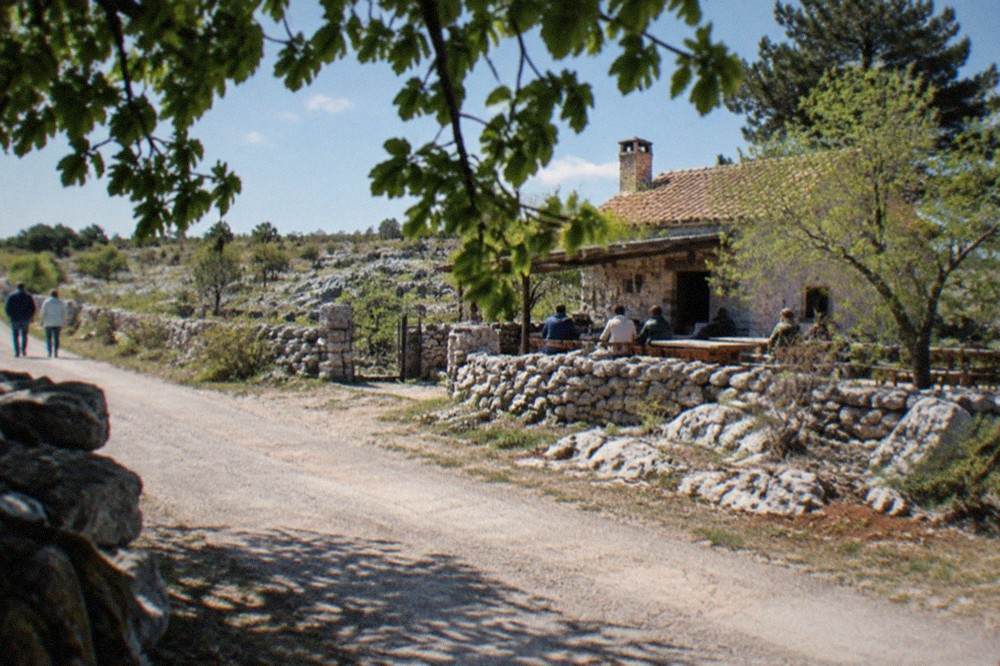
If you want a first evening that starts with the city explained rather than a map unfolded in a doorway, the private sightseeing walk below is the one to look at first.
How Many Nights Should You Stay in Trieste?
Two nights is the sweet spot for Trieste, Italy: night one covers the city centre, Piazza Unità d'Italia, the cathedral hill, the seafront and a historic caffè, and day two takes a castle or a cross-border excursion before an evening on the Carso. One night works if Trieste is a stop between Venice and Croatia, and three or more only makes sense if you are using the city as a base for Ljubljana, Bled, Piran or the caves, which is a genuinely good use of it.
The one-night version is honest and a lot of people do it: arrive mid-afternoon, walk the centre, eat well, sleep, see Miramare or the San Giusto hill in the morning and move on. The two-night version is where the city stops being a checkpoint. It gives you one full day in town plus one excursion, or two half-days in town plus an evening in an osmiza, and it puts you on the seafront after dark twice.
The three-night-and-up version is really a decision about the region rather than the city. From Trieste the packaged day trips depart for Ljubljana and Lake Bled, for Postojna Cave and Predjama Castle, for the Škocjan Caves and Lipica, and for Piran and the Slovenian coast, all with round-trip transport from the city. If two or more of those are on your list, Trieste is the base that serves them, and the question stops being whether the city deserves your nights and becomes whether the region does. It does.
If you are weighing the city against its famous neighbour, the comparison page on is Trieste worth visiting works through the Venice question directly, and the practical breakdown of how many days in Trieste is enough goes deeper on pacing than this page can.
When Is Trieste Not Worth Staying In?
Trieste is not worth staying in if your trip is short and Venice is the priority, if you want a classic Italian beach holiday, or if you are visiting in the depths of winter without checking the bora forecast, because the city's strongest experiences, the seafront, the osmize and the coastal castles, are outdoor ones. It is also a poor base if you have no interest in Slovenia, Croatia or the Carso, since a large part of its value as a stay is its position on the border.
Beach expectations need managing. Trieste has a seafront swimming culture, the Bagno Marino La Lanterna at Pedocin and the Barcola pebble beach are the local institutions, but this is not the Amalfi coast and the swimming season is June to September, with the sea at its warmest in August. Anyone whose Italian holiday is built around swimming should read the page on what to do in Trieste for 3 days before committing nights to the city.
Winter is the other honest caveat. November is the wettest month at the Trieste molo station, 109.8 mm on the 1995-2024 series, and the bora wind blows hardest in the cool season, with the all-time peak gust in the station record, 168.1 km/h, measured in February 2012. The city is built for the bora, with rope handrails along the steepest streets, and plenty of visitors love it precisely for that drama, but a November stay is a different product from a June one. July, by contrast, is the second driest month of the year at 53.8 mm, which surprises people who assume an Adriatic port is a rainy summer destination.
The last group who should skip the hotel: travellers with no curiosity beyond the Italian checklist. Trieste's payoff is its mixed identity, Habsburg, Italian, Slovene, maritime, and if that does not intrigue you, one afternoon is enough. The page on what is Trieste famous for is the fastest way to test whether the city's actual character appeals before you book anything.
Common Questions About Staying in Trieste
Is Trieste worth staying in?
Yes, for at least one night and comfortably two. Trieste's best hours are the ones day-trippers miss, its headline sights are cheap or free, and its position on the Slovenian border makes a hotel there a base for Ljubljana, Lake Bled, Piran and the karst caves rather than just a bed.
How many days in Trieste is enough?
Two days and two nights covers the city centre, one castle and one excursion. Three or more days is worth it only if you are using Trieste as a base for Slovenia, Croatia or the Carso, which is a genuinely good use of the city.
Is Trieste expensive to stay in?
The published fixed cost is the tourist tax, €1.50 to €3.80 per person per night in 2026 depending on the accommodation type, capped at 5 consecutive nights, with under-18s exempt. Sightseeing is cheap: the cathedral is free, the castle tickets are €7 and €17, and the Miramare park is free all year. Room rates are date-specific and should be checked live.
Can you visit Slovenia while staying in Trieste?
Yes, easily. Italy, Slovenia and Croatia all use the euro and are all in Schengen, though Italy is running temporary border checks on its land border with Slovenia from 19 June to 18 December 2026, so carry a passport or national ID card and check the current status before crossing.
What is the best time of year to stay in Trieste?
Spring to early autumn. July is the second driest month on the 1995-2024 station record and the sea is at its warmest in August, while November is the wettest month and the bora wind peaks in the cool season. October brings the Barcolana regatta, 2-11 October 2026, if you want the city at its busiest.
Is one night in Trieste enough?
One night is a legitimate minimum: it buys you the evening seafront, a historic caffè and the morning at one castle before you move on. Two nights is the version that lets you add an osmiza on the Carso or a cross-border excursion, and that is the stay most visitors end up wishing they had booked.
The bottom line for anyone still weighing the booking: Trieste, Italy is worth staying in precisely because it is not trying to be Venice, and the travellers who give it two nights, one for the city and one for the border country around it, are the ones who come back talking about it.