What to Do in Trieste for 3 Days?
A three-day plan for Trieste, Italy: seafront squares, San Giusto, Miramare, the Carso and a day trip across the border, with current ticket prices and transport fares.
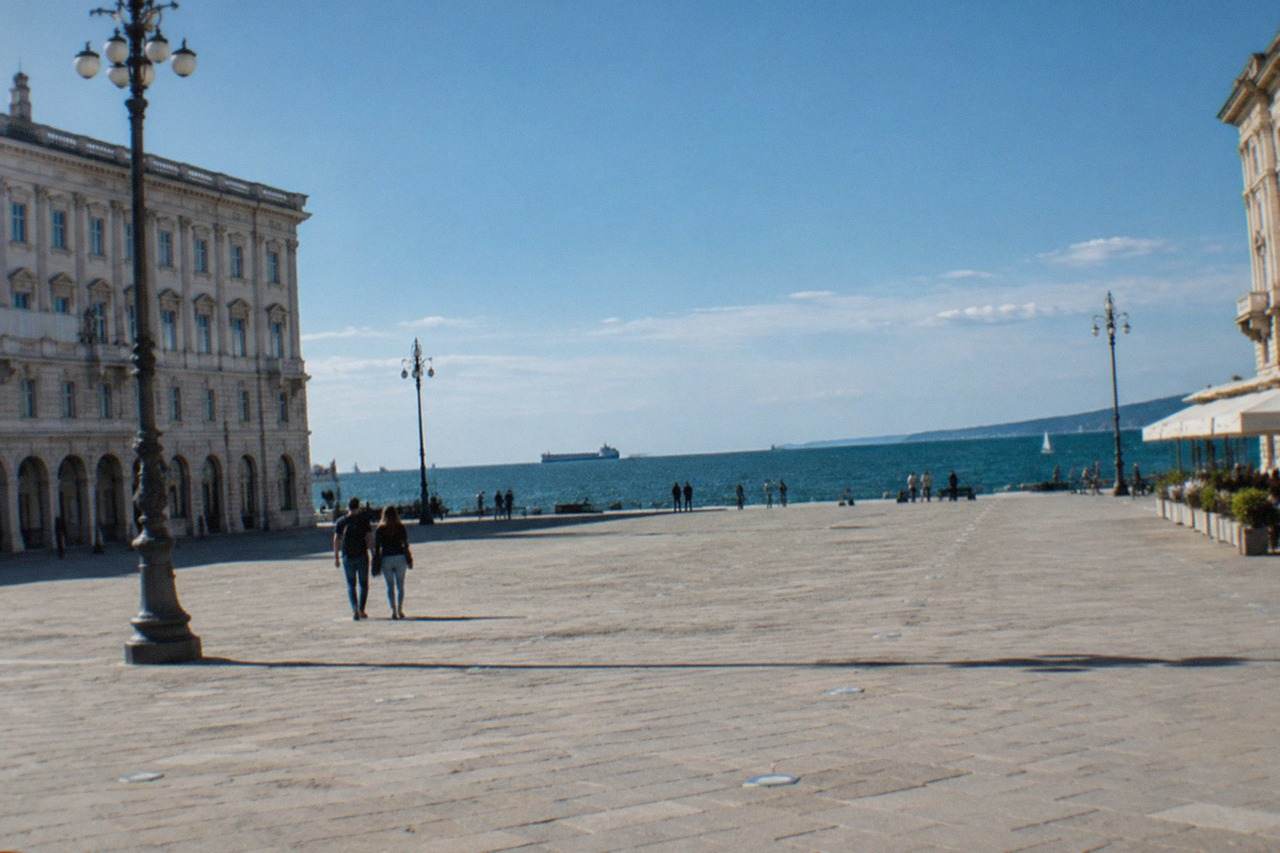
Trieste, the Adriatic port city in Friuli Venezia Giulia in northeast Italy, rewards exactly the kind of visitor who has three days rather than one: the centre is walkable in a morning, but the castles, the Karst plateau and the two international borders within reach each want a day of their own. This page lays out a day-by-day plan built on the opening hours, ticket prices and transport fares the venues and operators themselves publish, so you can book the few things that need booking and leave the rest loose.
What to Do in Trieste for 3 Days?
Spend day one on the waterfront and in the Old Town around Piazza Unità d'Italia, day two between San Giusto hill and Miramare Castle up the coast, and day three on the Carso plateau or across the border in Slovenia, with Grotta Gigante as the anchor booking. Two sights need advance planning, the cave and the Miramare ticket, and everything else in the centre is free to wander. The city is compact enough that no day here involves more than one real journey, and the public transport that carries you, including the reopened Opicina tram, runs on ordinary urban tickets costing €1.50 for 60 minutes.
That is the shape of it. The detail below splits each day into a morning, an afternoon and an evening, with the prices the venues themselves publish. If you are still deciding whether three days is the right number, our piece on how many days in Trieste is enough works through the trade-offs, and the fuller route lives in our three days in Trieste itinerary. Everything here follows the sources Trieste Travel Guide checks before publishing, which is why a few common claims about the city never appear on this page.
Day One: Piazza Unità d'Italia, Città Vecchia and the Waterfront
Start at Piazza Unità d'Italia, walk north along the Molo Audace and the Rive, then climb into Città Vecchia for the Roman theatre, the Arco di Riccardo and the cathedral, finishing on San Giusto hill. Every one of those landmarks is free to see from outside, and the whole loop is a single walk with no transport needed. The only paid stop on day one is the Castello di San Giusto, at €7 full price, which also covers the castle museum, the Lapidario Tergestino and the walls.
The square itself is the largest seafront piazza in Italy facing open water, and the city's Habsburg past is written across its facades. From there the waterfront runs in both directions: the Molo Audace, a stone pier you can walk to the end of, and the Rive, the long seafront the bora sweeps hardest. The Old Town above it, Città Vecchia, is a grid of steep lanes where the Roman theatre sits below street level; you look down into it from the road, and the ministry's own page for the monument makes no promise of individual entry. Guided group visits exist on request.
San Giusto hill caps the day. The cathedral is free to enter, open 8:00-18:30 on weekdays and 9:00-19:30 on Sundays, and the parish publishes its own bell-tower hours, though it prints no tower price. The castle next door runs daily 10:00-19:00 with last entry at 18:30 from 1 April to 11 October, then shifts to Tuesday-Sunday 10:00-17:00 from 12 October. First Sundays of the month are free.
For orientation on day one, a guide earns their fee fast. The private walking tour with a local runs two to six hours from $56.05 per person, rated 4.6 from 94 reviews, and you can Check availability on the operator's live listing.
Evening on day one belongs to the caffè culture Trieste is famous for. The historic coffee houses around Piazza Unità d'Italia and Piazza della Borsa are working businesses, not museums, and the aperitivo hour spills onto the square. For the food side of the city, the guided foodie walking tour from $85.98, rated 4.74 from 123 reviews over three hours, is the structured version; our guide to what food Trieste is famous for is the free one.
Day Two: Miramare Castle and the Coast North
Take day two up the coast to Miramare Castle, the white residence Archduke Maximilian built overlooking the gulf, where the castle ticket is €17 including the temporary exhibition and the park is free all year. Book the castle slot online in advance, because the venue recommends it, then work back toward the city with the seafront and the castle park in between. The castle opens every day 9:00-19:00 with the ticket office closing at 18:30.
The split between paid castle and free park trips up more visitors than anything else here, and the two keep different hours: the park runs 8:00-19:00 from April to September but closes earlier in the shoulder months, at 16:00 in January. Reduced tickets exist for EU citizens aged 18-25, at €7 with the exhibition or €2 for the castle only. If you would rather not queue at the desk at all, the Miramare entry ticket with audio app sells from $20.64 per person, rated 4.35 from 881 reviews, and can be reserved before you travel.
Should You Book a Guided Castle Day?
A question worth asking before day two, because the answer changes the plan. The panoramic city and Miramare tour, four hours from $129.94 and rated 4.97 from 21 reviews, bundles the castle with a guided drive through the city, which suits a visitor who wants the commentary without the logistics. Doing it independently costs less and takes the same hours, but you supply your own context. More of these guides are collected on Trieste Travel Guide.
Here is what admission costs at the sights this three-day plan touches:
| Sight | Full ticket | Reduced | Free days |
|---|---|---|---|
| Castello di Miramare | €17.00 (with exhibition) | €7.00 EU 18-25 with exhibition; €2.00 castle only | First Sunday of the month |
| Castello di San Giusto | €7.00 | €5.00 | First Sunday; 3 November |
| Museo Revoltella | €8.00 | €6.00 | First Sunday; 3 November |
| Grotta Gigante | €15.00 | €12.00 seniors and students; €8.00 children 6-18 | FVGcard holders |
| Cattedrale di San Giusto | Free entry | n/a | Always free |
| Risiera di San Sabba | Free entry | n/a | Always free |
Back in the city for the evening, Museo Revoltella, the modern-art gallery on via Armando Diaz, stays open daily 10:00-19:00 except Tuesdays, with last entry at 18:00. If the weather turns, our rainy day in Trieste page collects the indoor options, and November, the wettest month at the molo with 109.8 mm in the ARPA station tables, is when you will want it most.
Day Three: The Carso, Grotta Gigante and the Border Country
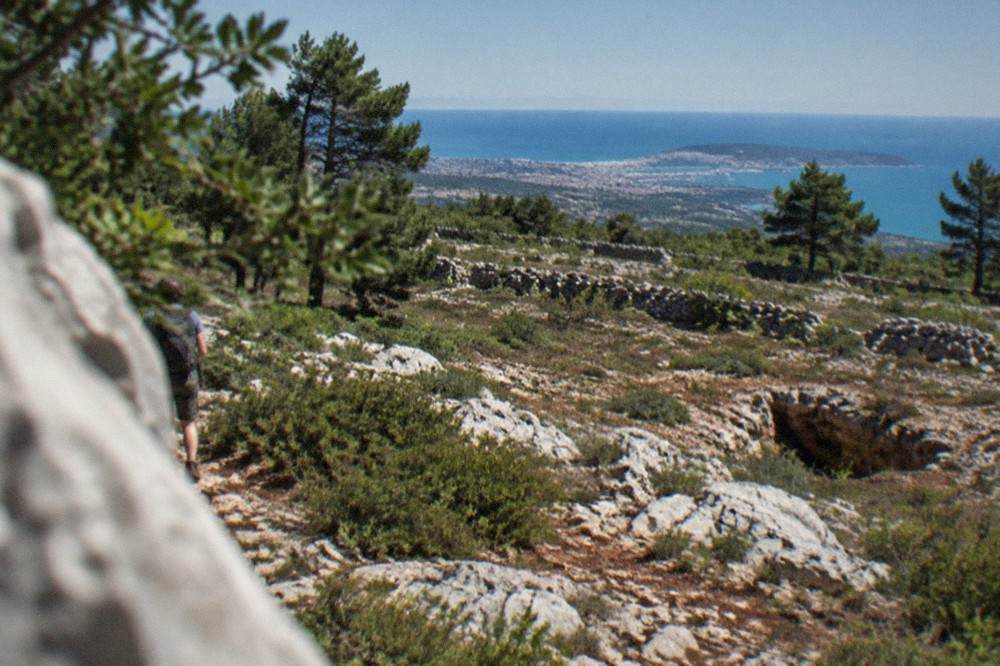
Give day three to the limestone plateau above the city: book Grotta Gigante in advance, because the cave is guided-only with compulsory booking, at €15 for adults with tours at 9:00, 10:00, 11:00, 12:00, 14:00, 15:00 and 16:00, then ride the Opicina tram up to the village and the obelisk at the top. The tram runs from piazza Dalmazia, not piazza Oberdan, on an ordinary €1.50 urban ticket.
The tram de Opicina is the detail most older guides get wrong. It was reactivated on 1 February 2025 after the long stop that followed the 2016 accident, and Trieste Trasporti's own line-2 page carries a current timetable dated from 20 July 2026. The published route runs piazza Dalmazia to Opicina over about 5.175 km, and the operator's live page is the place to check service on the day, since short maintenance suspensions happen.
The cave's own rules matter more. It runs Tuesday to Sunday from September to February and every day from March to August, closed 25 December and 1 January, and children under six enter free. A family rate of €6 per child applies with two or more children aged 6-18. The guided tour with museum entry from Sgonico sells from $17.20 per person, rated 4.78 from 151 reviews, and handles the compulsory booking for you.
If day three goes abroad instead, the border facts are simpler than most articles make them. Slovenia, Croatia and Italy all use the euro, and Croatia joined Schengen and adopted the euro on the same day, 1 January 2023. The one live wrinkle is that Italy is running temporary checks on its land border with Slovenia, currently listed by the European Commission's register through 18 December 2026, so carry a passport or national ID even for a short hop to Piran or Ljubljana. The Ljubljana and Lake Bled day trip from Trieste sells from $108.91, rated 4.69 from 544 reviews over nine hours, if you would rather not drive it.
How Much Do Three Days in Trieste Cost?
Budget roughly €7-17 per major paid sight, €3.35 for a day ticket of unlimited urban transport, and €1.50-1.85 for single tickets, with the castle and the cave as the two big-ticket items at €17 and €15. The city's tourist tax adds €1.50-3.80 per person per night depending on your accommodation category, charged for a maximum of five consecutive nights, and everyone under 18 is exempt. A three-day visit that books the castle, the cave and one guided tour lands in a predictable band, and the free layer, the square, the waterfront, the cathedral, the Risiera di San Sabba, costs nothing at all.
The transport numbers come from the operator's current urban tariff sheet:
| Ticket | Code | Price | Validity |
|---|---|---|---|
| Urban single | U01 | €1.50 | 60 minutes |
| Urban single | U02 | €1.85 | 75 minutes |
| Day ticket | U24 | €3.35 | One day |
| 10 rides | U10 | €13.50 | 10 journeys |
| 20 rides | U20 | €16.65 | 20 journeys |
Single tickets stretch to 240 minutes on Sundays and public holidays, and you can tap a contactless bank card on board instead of buying a paper ticket. If you are weighing Trieste against other city breaks, our is Trieste cheap or expensive answer goes deeper on the budget.
Whichever of those three tours you lean toward, the one that flexes to fit all three days is the private walk: it runs anywhere from two to six hours, so it can absorb a spare afternoon on any day of the plan without displacing a booking.
Common Questions About Three Days in Trieste
What to do in Trieste for 3 days?
Split the stay into a city day around Piazza Unità d'Italia and Città Vecchia, a castle day at Miramare and San Giusto, and a plateau day on the Carso with Grotta Gigante or a day trip into Slovenia. Only the cave and the Miramare slot genuinely need booking ahead.
Is three days in Trieste too many?
No. One day covers the centre, but Miramare, the Carso and the cross-border options each need separate time, and three days lets you take them without rushing. Visitors weighing the question usually settle on two or three days as the sweet spot.
Can you visit Slovenia from Trieste in a day?
Yes. Slovenia's border sits close to the city, both countries use the euro, and Ljubljana, Lake Bled and Piran all work as day trips. Carry a passport or national ID, because Italy is running temporary checks on that land border through 18 December 2026.
Do you need a car for three days in Trieste?
No. The centre is walkable, urban tickets cover the tram and buses at €1.50 for a 60-minute single, and the main day-trip destinations, Miramare, Grotta Gigante, Ljubljana and Piran, all have guided tours or public transport options. A car only pays off if you want to hunt osmize on the Carso at will.
What is the one thing to book ahead?
Grotta Gigante. The venue runs guided visits only, booking is compulsory, and the tour times are fixed at 9:00, 10:00, 11:00, 12:00, 14:00, 15:00 and 16:00. Miramare's castle slot is the second booking worth making, since the venue recommends booking online.
Three days in Trieste, Italy, is the point where the city stops being a stopover and starts being the trip: the Habsburg centre, two castles, a cave under a limestone plateau and two other countries within a day's reach, all on tickets that cost less than a dinner. Plan the two bookings, carry ID for the border, and let the rest of it happen at walking pace.