What Not to Miss in Trieste?
The unmissable sights of Trieste, Italy, from Piazza Unità d'Italia and Miramare Castle to the coffee houses, the Karst and the Barcolana, with verified prices and hours.
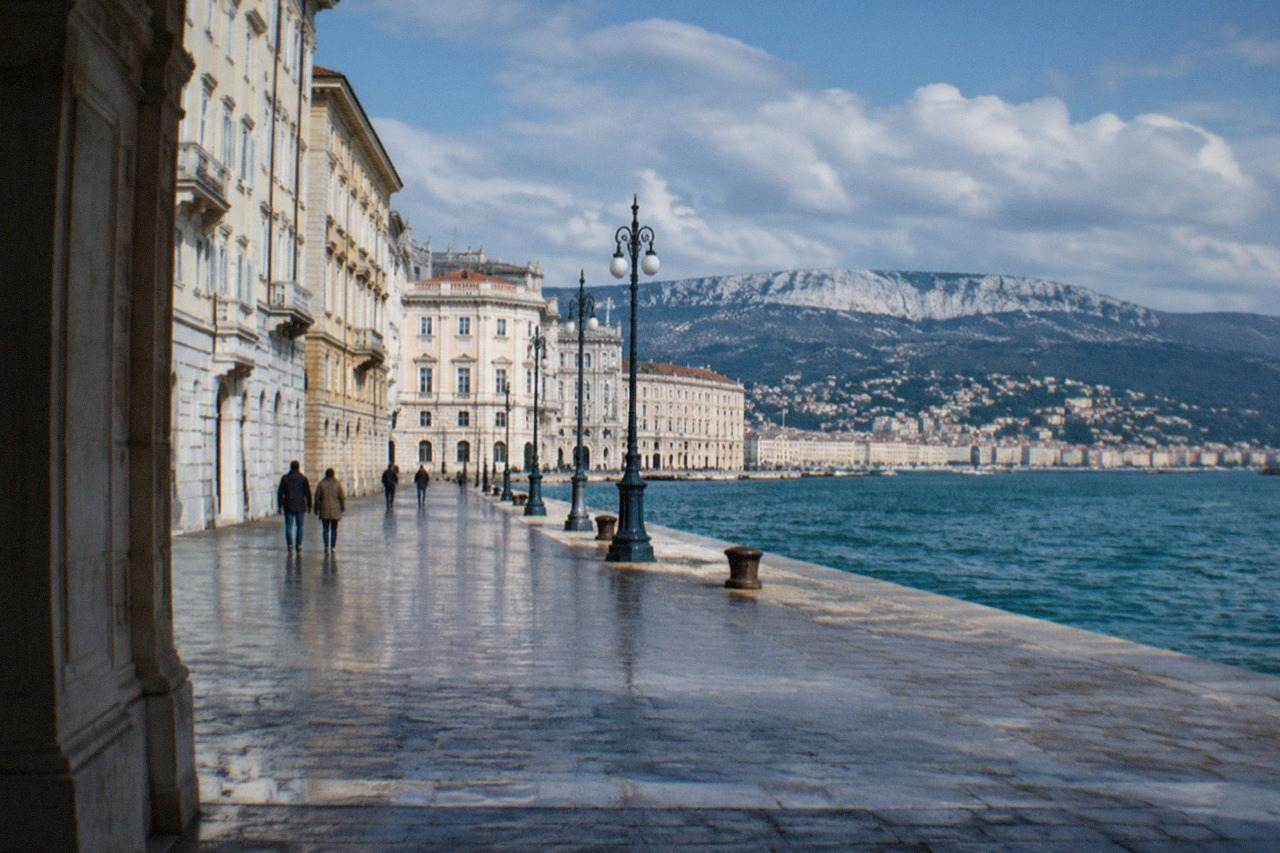
Trieste, the Adriatic port city in Friuli Venezia Giulia in the northeast corner of Italy, rewards a first visit more than almost any mid-sized city on the peninsula, because its unmissable things sit close together and most of them cost very little. The sea comes right up to the grand square. The castle up the coast is one of Italy's most photographed. The cave behind the city is one of the largest tourist caves on record. And the coffee, poured in historic caffè that look like Vienna, is the thread that ties the whole place together. This page lists what not to miss, with the verified prices and hours for each, so a first-timer can plan without guessing.
What Not to Miss in Trieste?
The five things a first visit to Trieste should never miss are Piazza Unità d'Italia, the seafront square that opens straight onto the gulf; Miramare Castle up the coast at Grignano, with its free park; Castello di San Giusto and the cathedral on the hill above the old town; the historic caffè of the Borgo Teresiano; and Grotta Gigante in the Carso behind the city, visited on a compulsory guided tour. Everything on that list is reachable with a standard urban bus ticket or a short ride, and two of the five are free to enter.
That shortlist is not a ranking, it is a coverage map. The square and the caffè give you Habsburg Trieste, the city that was the Austrian Empire's port and grew rich on coffee, ships and insurance. San Giusto gives you the older city, a Roman hilltown with a cathedral, a castle and a Roman theatre you look down into from the street. Miramare gives you the coast, and Grotta Gigante gives you the Karst plateau that rises immediately behind it. Between them you have seen every layer of the place.
Start at the square, because everything in Trieste is oriented to it. Piazza Unità d'Italia is the largest seafront square in Italy, and the three sides of grand Habsburg-era palazzi face open water on the fourth. From there the Molo Audace, a stone pier, walks you straight out over the sea, and the Victory Lighthouse stands at the far end of the seafront. The whole stretch is free, always open, and it is the single image most visitors take home. For how the city divides up beyond it, the orientation and map guide is the companion page.
Which Trieste Landmarks Cost Nothing to See?
The free unmissables are Piazza Unità d'Italia and the whole Rive seafront, the interior of the Cattedrale di San Giusto, the park at Miramare Castle, the Risiera di San Sabba national monument, and the view down into the Roman theatre from the street. The Miramare park is free all year round, the cathedral is free year-round, and the Risiera, a national monument and civic museum, charges no admission at all.
The Miramare park deserves its own sentence, because many visitors assume the castle and its grounds are one ticket. The Ministry of Culture's own visit page states the park is free all year, with hours that shift by month: April to September it is open 8:00-19:00, while in January it closes at 16:00. The castle itself is a separate, paid visit, and the two keep different hours, so a park-only afternoon costs nothing and still delivers the coastline, the botanical planting and the view back along the gulf toward the city.
The cathedral on San Giusto hill is the other big freebie. The parish's own page states that visiting the basilica is free, open 8:00-18:30 on weekdays and 9:00-19:30 on Sundays and holidays, with one request: do not visit during Mass. The bell tower keeps separate, seasonal hours and the parish prints no ticket price for it, so treat the tower as an ask-on-the-day item rather than a planned one. The Roman theatre below the hill is seen from the street, looking down into it, and the ministry's monument page is the reference for group access.
| Free sight | What you get | Notes from the venue's own page |
|---|---|---|
| Piazza Unità d'Italia and the Rive | Seafront square, Molo Audace pier, lighthouse views | Open public space, no hours |
| Cattedrale di San Giusto | Cathedral interior and mosaics | Free entry; closed to sightseeing during Mass |
| Miramare Castle park | 22 hectares of historic grounds on the coast | Free all year; hours vary by month |
| Risiera di San Sabba | National monument, civic museum | Free entry; groups book a slot March-May |
| Roman theatre | Ancient theatre seen from street level | Individual entry not routinely offered |
If your trip falls on a first Sunday of the month, check Miramare's own event page before you go: the Ministry of Culture runs a first-Sunday free-entry scheme at state museums through 2026, and Miramare takes part, but the rule has changed before and the venue's page is the only safe source for a specific date.
Those three picks cover the paid side of the shortlist neatly: a private heritage walk in the old city, the castle ticket up the coast, and a food walk that doubles as lunch.
What Are the Paid Highlights and What Do They Cost?
The paid unmissables are Miramare Castle at €17 for an adult including the temporary exhibition, Castello di San Giusto at €7 full price, Museo Revoltella at €8, and Grotta Gigante at €15 for an adult on a compulsory guided tour. Reduced rates exist at every one of them, and the San Giusto ticket covers the walls, the castle museum, the Lapidario Tergestino and temporary exhibitions together.
Miramare is the headline paid sight, and the €17 adult ticket includes the castle's temporary exhibition; EU citizens aged 18-25 pay €7 with the exhibition or €2 for the castle alone. The castle opens every day 9:00-19:00 with last admission at 18:30, and online booking is optional but recommended in busy months. It sits up the coast at Grignano, and the simplest way to plan the trip is the Miramare Castle guide, which covers transport and the marine protected area below the walls.
San Giusto Castle, on the hill above the old town, is the better bargain for history. The €7 ticket covers the walls and bastions with their view over the whole gulf, the Civico Museo del Castello-Armeria, the Lapidario Tergestino and the temporary exhibition space at the Bastione Fiorito. From 1 April to 11 October it opens daily 10:00-19:00; from 12 October it drops to Tuesday-Sunday 10:00-17:00. Museo Revoltella, the city's modern art museum, costs €8 and is the one to schedule carefully because it closes on Tuesdays.
Grotta Gigante, behind the city on the Carso at Sgonico, is the outlier: it is guided-only with compulsory booking, by phone or email, with departures at 9:00, 10:00, 11:00, 12:00, 14:00, 15:00 and 16:00. Adults pay €15, children 6-18 pay €8, and under-6s go free. From September to February it opens Tuesday-Sunday; from March to August it opens daily. The cave's own pages do not publish a step count or a constant temperature, so go with comfortable shoes and no expectations about numbers.
| Sight | Adult price | Hours (2026) | Closing day |
|---|---|---|---|
| Miramare Castle | €17 (with exhibition) | Daily 9:00-19:00, last entry 18:30 | None stated |
| Castello di San Giusto | €7 | 1 Apr-11 Oct: daily 10:00-19:00; from 12 Oct: Tue-Sun 10:00-17:00 | Monday (from 12 Oct) |
| Museo Revoltella | €8 | Daily 10:00-19:00, last entry 18:00 | Tuesday |
| Grotta Gigante | €15, guided only | Sep-Feb: Tue-Sun; Mar-Aug: daily, tours on the hour | Mon (Sep-Feb), 25 Dec, 1 Jan |
For anyone planning to stack several of these, the regional FVGcard pass exists and covers Grotta Gigante and Museo Revoltella among other sites, but its price was not verifiable from a primary source at research time, so check the regional tourism site before relying on it.
What Not to Miss in Trieste for Coffee, Food and the Carso?
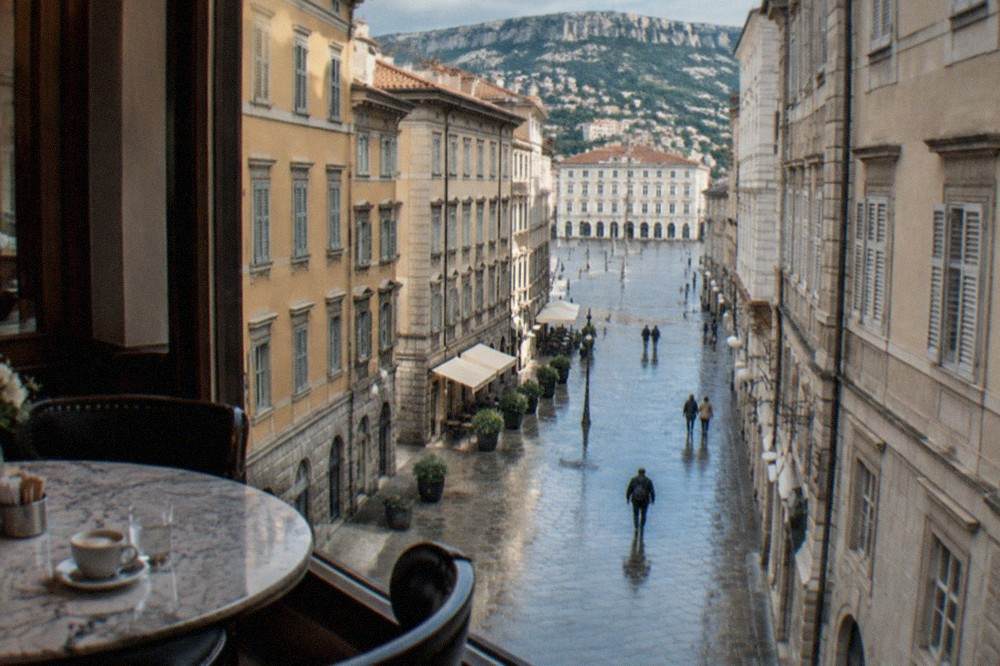
Do not miss a coffee standing at the counter of a historic caffè in the Borgo Teresiano, a plate of something from the buffet tradition such as jota or goulash, and, if the season is right, an osmiza on the Carso, a farmhouse serving its own wine under a frasca, the leafy branch that signals an open door. None of these requires a ticket, and the coffee and the buffet lunch together cost less than any single castle entry.
The coffee is the reason many people come. Trieste is a historic coffee port and roasting city, home to a major international roaster's headquarters, and its caffè are institutions rather than cafeterias, with marble, mirrors and newspapers. Order like a local, at the counter, and expect a list of local names for coffee styles that exists nowhere else in Italy. What the city's coffee culture does not have is a verified per-head consumption figure: the numbers repeated in guidebooks trace back to no primary source, so enjoy the espresso and skip the statistics. The Trieste coffee culture guide goes deeper.
The food is Central European as much as Italian, and the signature dishes page covers the plates in detail: jota, the sauerkraut-and-bean soup, and goulash served with polenta or bread dumplings, eaten in the city's buffet, the local name for a no-frills tavern. A guided food walk is the efficient way to taste across several of them in one afternoon, and the operator's live listing carries the current price and dates.
The osmize are the seasonal wildcard. They are farms on the Trieste Karst that open their doors for limited periods to sell their own wine and home produce directly, a custom under a Habsburg-era right, signalled by the frasca hung at the turning. The days each farm opens are decided by the farmer and notified locally, so the only working calendar is the volunteer-run osmize.com listing, with addresses and a map. Spring and autumn are the densest seasons. The Karst's own wines are Vitovska, Malvasia and Terrano, and the village of Prosecco nearby gave the sparkling wine its name, though Trieste itself is not in the Prosecco DOC.
What About the Opicina Tram, Barcolana and Day Trips?
The Opicina tram is running again, from piazza Dalmazia, not Piazza Oberdan, since its reactivation on 1 February 2025, and it is a genuine unmissable, a hybrid tram-funicular that climbs the escarpment to the Karst village of Opicina as part of the ordinary urban network. Barcolana, the world's largest sailing race by entry, fills the gulf in October. And Slovenia is minutes away: Piran, Ljubljana and Lake Bled are all practical day trips, with one border caveat below.
The tram is the thing most older guidebooks get wrong, because it was out of service for years after a 2016 collision and many pages still say it is suspended. The operator's own line-2 page carries a current timetable dated from 20 July 2026 running the full route from piazza Dalmazia to Opicina station, and a standard urban ticket is valid on board. The ride up the escarpment, with the funicular section and the view back over the gulf, is one of the cheapest scenic experiences in Italy at €1.50 for a 60-minute single. Check the operator's homepage on the day for any short-notice maintenance notice.
Barcolana is the one date-bound unmissable. The 2026 edition, the 58th, runs 2-11 October, with the main regatta on Sunday 11 October starting at 10:30 over a 13-nautical-mile course in the gulf, finishing off the main square. The entry record stands at 2,689 boats in 2018, a Guinness World Record as the largest sailing race in the world. Even with no boat and no ticket, the spectacle from the seafront is free, and the whole city turns into a sailing village for the week.
For day trips, one border fact matters in 2026. Slovenia, Croatia and Italy all use the euro and all three are in Schengen, so there is no money to change, but Italy is running temporary border checks on its land border with Slovenia through 18 December 2026, per the European Commission's register, so carry a passport or national ID card for a trip to Piran or Ljubljana and expect possible spot checks. Croatia joined Schengen and adopted the euro on the same day, 1 January 2023, which is worth knowing before you read an outdated forum thread.
How Many Days Do You Need for the Unmissables?
Two full days covers every unmissable in Trieste comfortably: day one for the square, the seafront, San Giusto hill and the caffè, day two for Miramare and either Grotta Gigante or the Opicina tram up to the Carso. Three days adds a Slovenia day trip, and anything beyond that is refinement, not necessity. The city is compact and walkable, the paid sights are few, and the public transport that connects them runs on ordinary urban tickets.
The practical split matters because Miramare and the cave are both outside the centre, in opposite directions, and doing both plus the city in one day is a rush that wastes them. The two-day itinerary and the how many days answer give the hour-by-hour versions, and the day-trip roster from Piran to Postojna covers everything beyond the city limits.
One more planning note: the city's museum closing days do not align. Revoltella shuts on Tuesdays, San Giusto Castle shuts on Mondays from 12 October, and Grotta Gigante shuts Mondays from September to February. Sequence your paid sights around those three days and the free ones, the square, the seafront, the cathedral and the Miramare park, fill any gap on their own. However long you stay, the pages on Trieste Travel Guide break each of these sights down in detail.
Whichever of those three you book, the free list above still stands on its own, and the paid ones slot into the gaps between the closing days.
Common Questions About What Not to Miss in Trieste
What not to miss in trieste?
Piazza Unità d'Italia and the seafront, Miramare Castle and its free park, Castello di San Giusto and the cathedral, a coffee in a historic caffè, Grotta Gigante on a guided tour, and the Opicina tram up to the Karst. That is the full spread of the city, and all of it is connected by ordinary urban bus and tram tickets.
Is Miramare Castle worth the ticket?
Yes, at €17 for an adult including the temporary exhibition, and the park is free all year, so you can pair a paid castle visit with a free park afternoon. The castle opens every day 9:00-19:00 with last admission at 18:30.
Can you see Trieste's main sights on foot?
The centre, yes: the square, the Molo Audace, San Giusto hill, the Roman theatre and the caffè are all a walk apart. Miramare, Grotta Gigante and Opicina need a bus or the tram, all covered by standard urban tickets.
What is the best month to visit Trieste?
October is the standout, because Barcolana fills the gulf from 2 to 11 October and the sea is still warm after the summer. Spring works equally well. November is the wettest month at 109.8 mm of rain, and July is one of the driest, so summer is a better bet than most people expect.
Do you need a passport for a day trip to Slovenia from Trieste?
Yes, carry one, or a national ID card. All three countries use the euro and are in Schengen, but Italy is running temporary border checks on the Slovenia land border through 18 December 2026, so checks are possible on the way back.
Is the Opicina tram running in 2026?
Yes. It was reactivated on 1 February 2025 and runs as urban line 2 from piazza Dalmazia to Opicina, on a timetable dated from 20 July 2026. It does not leave from Piazza Oberdan, whatever an older guide says, and a standard urban ticket is valid on board.