Where Do Ferries from Trieste Go To?
The verified answer to where ferries from Trieste, Italy actually go: Muggia across the bay, the Slovenian coast at Piran and Portorož, and the Croatia question, plus what the bora means for sailings.
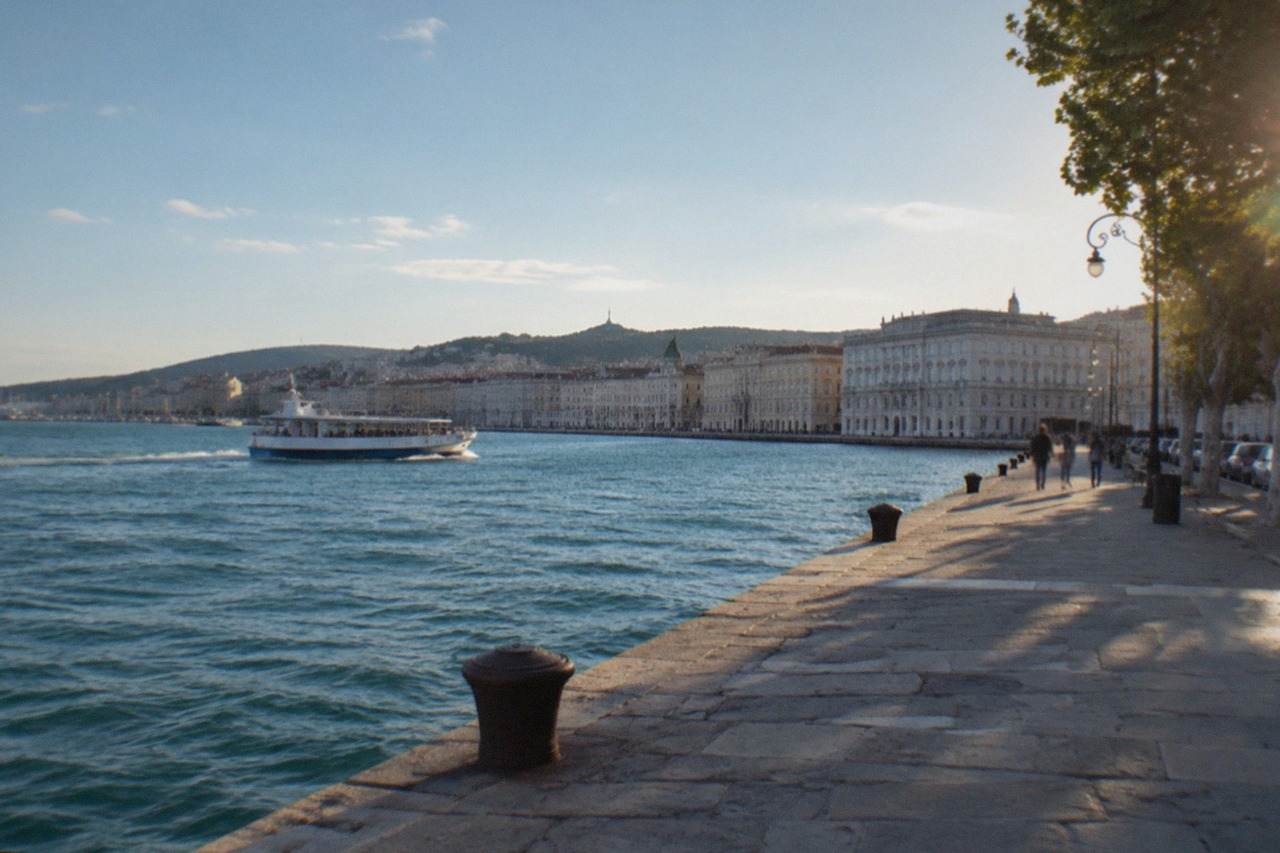
Trieste, the Adriatic port city in Friuli Venezia Giulia in north-east Italy, sits at the top of a narrow gulf with Slovenia on one side and the open Adriatic on the other, and its ferries reflect that geography: they run short, local hops rather than long sea crossings. The honest answer to where they go is short, and the sources behind it matter, because plenty of pages confidently list routes and timetables that no operator page confirms. Everything on this page comes from what this site has verified, and where a figure or a schedule is not verifiable, it says so instead of guessing.
Where Do Ferries from Trieste Go To?
Ferries from Trieste, Italy go to three kinds of destination: Muggia, the Italian fishing town across the bay; the Slovenian coast at Piran and Portorož; and Croatia, for which no verified passenger sailing schedule appears in the sources this site publishes, with coaches to Rijeka and Pula the practical alternative. Trieste's passenger ferry offer is small and locally focused, and the port itself is primarily a cruise and cargo port.
Start with the one link that is unambiguously local. A passenger ferry crosses the bay between Trieste and Muggia, the last Italian town on the coast before the Slovenian border, and this is the run that locals actually use. The sources this site checked describe suspensions of that Trieste to Muggia service during strong bora episodes, which tells you two things at once: the route is real, and the wind is the schedule's deciding factor. Details of sailing times live on the operator's own pages, and they change with the season, so check the live listing rather than any printed timetable.
The second direction is the Slovenian coast. Piran and Portorož sit just down the Adriatic from Trieste, and this site covers that sea connection in its full guide to Trieste's ferry routes and connections, which gathers what is verifiable about the crossing and the alternatives by land. Slovenia has been in the euro area since 1 January 2007 and in Schengen since December 2007, so there is no currency change to plan for.
The third direction, Croatia, is where most confusion lives, and it gets its own section below.
Can You Take a Ferry from Trieste to Croatia?
No verified passenger ferry schedule between Trieste and Croatia appears in the sources this site publishes, even though Croatia is only a short way down the coast. Croatia joined the euro and the Schengen area on the same day, 1 January 2023, so no currency change and no routine passport control apply, and cross-border coaches to Rijeka and Pula are the practical standby.
The Croatia question is asked often enough that this site answers it in full on the page is there a ferry from Trieste to Croatia. The short version: routes between the northern Adriatic ports come and go with the seasons and with operator decisions, and nothing in the verified sources supports printing a standing Trieste to Croatia sailing. What the sources do support is the border side of the question, and this is where a lot of other pages get it wrong.
Croatia adopted the euro and joined Schengen on the same day, 1 January 2023. Both happened, and both happened together. Anyone telling you Croatia has the euro but not Schengen, or the reverse, is working from an old page. Slovenia is the same story on both counts: euro area since 1 January 2007, Schengen since December 2007.
There is one live wrinkle, and it sits right on Trieste's doorstep. Italy is running temporary internal border checks on its land border with Slovenia, currently listed through 18 December 2026. A sea arrival into a Slovenian or Croatian port is a different matter from driving across the land border, but if you are combining a coastal crossing with any land leg, carry a passport or national ID card and treat the checks as temporary and dated, not as a permanent rule. The general coverage of how Trieste fits between Italy and Slovenia continues on what is Trieste famous for.
| Destination | Country | Currency | Border Status |
|---|---|---|---|
| Muggia | Italy | euro | domestic, no border |
| Piran and Portorož | Slovenia | euro since 1 January 2007 | Schengen since December 2007; Italy's temporary land-border checks run to 18 December 2026 |
| Rijeka and Pula | Croatia | euro since 1 January 2023 | Schengen since 1 January 2023, same day as the euro |
Coaches to Rijeka and Pula exist as an alternative, but their frequencies, departure points and fares are not verified in the sources this site publishes, so they are named here without a timetable. Check the operator's live listing before planning around one.
What Does the Bora Mean for Trieste Ferry Sailings?
The bora, Trieste's cold north-easterly wind, is the single thing most likely to disrupt a Gulf of Trieste ferry crossing, but no official authority publishes a wind speed at which sailings are automatically cancelled: operators decide in real time. ARPA FVG's own station tables record an average of 17.6 days a year with gusts over 90 km/h at the Trieste molo, and no published sailing cutoff exists.
If a page tells you "ferries stop when the wind hits X km/h", it has invented the number. The verified position is that no official cutoff exists in any source this site checked, not from the port authority, not from the coast guard, not from the region. What is verified is the wind itself, from ARPA FVG / OSMER's station at Trieste molo Fratelli Bandiera, series 1995-2024:
| Measure | Figure | Basis |
|---|---|---|
| Average days per year with a gust over 90 km/h | 17.6 | ARPA OSMER station, 1995-2024 |
| Average days per year with a gust over 72 km/h | 49.0 | same station series |
| Peak gust in the series | 168.1 km/h, February 2012 | station record |
| Official wind threshold for ferry cancellations | none published | no source publishes a cutoff |
The practical reading is simple. Strong bora episodes have suspended the Trieste to Muggia ferry and disrupted gulf navigation in the past, per the reporting this site reviewed, and the monthly record gust exceeds 110 km/h in every single month of the year. Summer is calmer on average, June most of all, but no month is guaranteed calm. The right move is to check the operator's status and the regional forecast on the day, not to rely on a seasonal rule of thumb.
One dated note worth having: the bora is most persistent in the cool season, November through March, peaking around February, which is exactly when you are least likely to be taking a ferry anyway.
When Is the Best Time to Cross from Trieste by Sea?
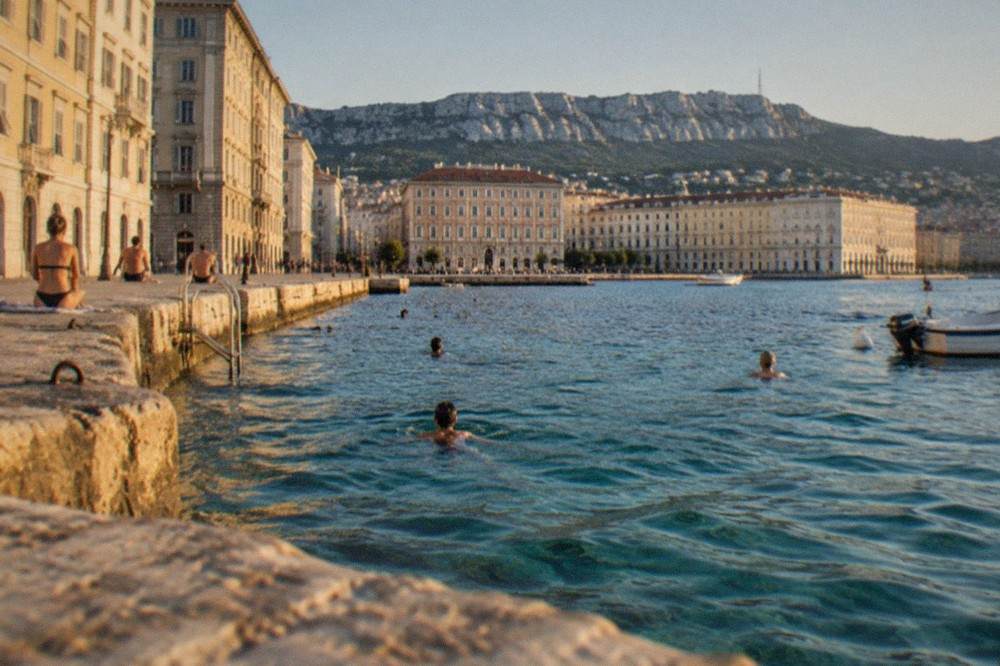
The best months for a sea crossing from Trieste are June through September, when ARPA's station data shows sea temperatures of 23.1 to 25.9 °C and July is the second driest month of the year at 53.8 mm of rain; September stays as warm as peak summer in the water, at 23.9 °C, because the sea retains heat after the air cools. November, at 109.8 mm, is the wettest month.
That September figure is the detail most people miss. The water in September is measured at 23.9 °C against 23.1 °C in June, even though the air in June is warming and the air in September is cooling, because the gulf's thermal inertia drags the sea temperature behind the season. ARPA FVG maintains continuous sea measurements at the molo Fratelli Bandiera station, and its bulletins show a long-term warming trend in the Gulf of Trieste.
| Month | Mean Sea Temperature | Rain | Mean Daily High |
|---|---|---|---|
| June | 23.1 °C | 62.5 mm | 25.8 °C |
| July | 25.9 °C | 53.8 mm | 28.2 °C |
| August | 25.9 °C | 71.7 mm | 28.1 °C |
| September | 23.9 °C | 102.3 mm | 23.9 °C |
| November | 16.8 °C | 109.8 mm | 14.7 °C |
The rainfall column carries the same correction this site makes everywhere: Trieste's wettest month is November, and summer is comparatively dry, which is the opposite of the rainy-north stereotype. If your crossing is part of a wider visit, the planning question of how long to stay is covered on how many days in Trieste is enough, and a day-by-day plan is easy to build from there.
How Do You Get Around Trieste Without a Ferry?
Most of Trieste, Italy is easier to cover on foot and by its own urban network than by any boat: the centre between Piazza Unità d'Italia and the station is compact, a 60-minute urban ticket costs €1.50, a day ticket €3.35, and the Opicina tram climbs to the Karst plateau from piazza Dalmazia as a standard urban line. Ferries are a supplement here, not the transport backbone.
The walking question gets its own treatment on is Trieste a walkable city, and for cruise passengers the practical answer, including how the port sits relative to the centre, is on is Trieste walkable from cruise port. The fares come straight from the operator's own 2026 tariff sheet: €1.50 for a 60-minute single, €1.85 for 75 minutes, €3.35 for a day ticket, €13.50 for ten rides, with validity extended to 240 minutes on Sundays and public holidays and contactless payment accepted on board.
For the classic Trieste experience that needs no boat at all, this site's own recommendation is the guided walk that finishes with a coffee in a historic bar. A city that runs on caffè culture, Habsburg squares and a seafront made for strolling is best understood at walking pace, and the operator's listing is where current times live: Check availability.
Between the sea and the streets, the practical split is this: take the ferry across to Muggia for the crossing itself, use the Slovenian coast services when the season allows, and let the rest of the city happen on foot. More on that balance, and on the full Trieste Travel Guide coverage of the port, is collected in the complete guide to ferries from Trieste.
Common Questions About Trieste Ferries
The questions below repeat the exact queries readers send about Trieste's ferries, with short answers that stick to what the verified sources support. Each one links back to the fuller coverage elsewhere on this site where that exists, and none of them invents a schedule.
Where do ferries from Trieste go to?
Across the bay to Muggia in Italy, to the Slovenian coast at Piran and Portorož, and, as covered on this site's Croatia page, no verified passenger schedule to Croatian ports appears in this site's sources. Coaches to Rijeka and Pula are the practical standby for Croatia.
Do I need a passport for a day trip to Slovenia from Trieste?
Carry one. Slovenia is in Schengen, but Italy is running temporary checks on the land border with Slovenia, currently listed through 18 December 2026, so an ID check is possible even inside the Schengen area.
Is there a ferry from Trieste to Venice?
No passenger ferry between Trieste and Venice is supported by the verified sources this site publishes. The train is the practical link, and the details are on the page covering the high-speed train from Trieste to Venice.
Do Trieste ferries run in winter?
Sailing availability and times are seasonal and set by each operator, and no verified winter schedule appears in this site's sources. The bora is also at its most persistent from November to March, so check the operator's live status before committing to a winter crossing.
What is the closest ferry destination to Trieste?
Muggia, directly across the bay on Italian territory, no border and no currency change involved. It is the run locals use and the one most exposed to bora disruptions.
The sea is a real part of how Trieste works, but it is a small part: two or three short-haul directions, one strong local wind, and a lot of coast you see best from the shore. For what to fill the rest of a visit with, start with what to do in Trieste in one day and build from there.