Where Do Locals Eat in Trieste?
Where Trieste locals actually eat: the buffets of the city centre, the caffè tradition, the osmize farm outlets on the Carso, and the food tours that tie it together.
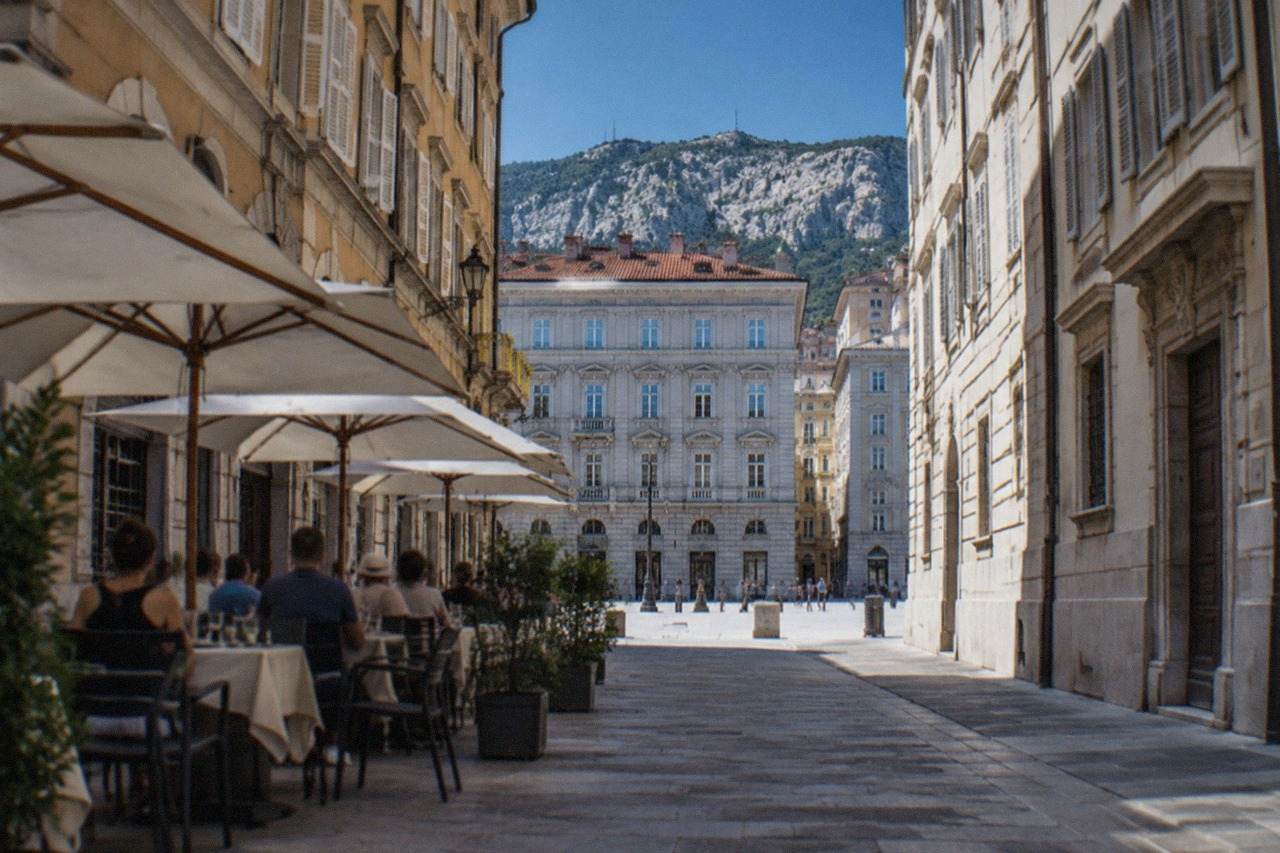
Trieste, Italy is a port city where the eating habits follow the sea and the border rather than the postcard version of Italy. The cuisine the tour listings describe as a mix of Mediterranean and Central European influences shows up in the city's buffets, its caffè culture and the seasonal farm outlets of the Carso plateau behind the town. This page answers the question directly: where the people who live here actually sit down to eat, what they order, and which parts of that landscape a visitor can realistically join. The short version is that locals eat standing at buffet counters at lunch, in caffè across the day, at farmhouse osmize in spring and autumn, and along the waterfront in the evening.
Where Do Locals Eat in Trieste?
Trieste locals eat at the historic buffets of the city centre, which serve the local version of Central European working-class food at lunch; in the grand and neighbourhood caffè that anchor the city's coffee culture; at the osmize, seasonal farmhouse wine and produce outlets on the Carso plateau; and in the evening along the Rive waterfront and in the Città Vecchia district, where the buffet habit gives way to aperitivo and sit-down dining.
The buffet is the institution that surprises visitors most. A Triestine buffet is not a hotel breakfast spread: it is a small, often decades-old eating house serving the city's own hearty standbys, and the local habit is to drop in for a quick, cheap, filling lunch rather than a long restaurant sit-down. The buffet tradition and its classic dishes are the single best window onto how the city actually feeds itself on a working day, because these places exist for residents first and visitors second.
The caffè is the other half of daily life. Trieste's coffee culture is real and observable: the port's historic role in the coffee trade, the Habsburg-era café interiors, and a local ordering vocabulary that distinguishes several drinks by name the way other cities distinguish pasta shapes. What is not real, despite endless repetition online, is the famous statistic. The claim that Trieste drinks two or three times the Italian average has no primary source behind it, not at the Chamber of Commerce, not at the port authority, not at Illy, and this site does not print it. The culture does not need the number.
Evenings shift the geography. The Rive, the long seafront arc of the city, and the lanes of Città Vecchia fill up as the buffet counters close, and the eating moves to tables outdoors with a view of the water. That evening waterfront habit is the same one that shapes where locals swim in Trieste: this is a city whose social life runs along the sea, from morning caffè on the squares to the seafront in the evening.
What Do Trieste Locals Actually Order?
The orders you will hear at a Triestine buffet are the city's own Central European standbys: jota, the local soup built on sauerkraut and beans, and goulash in the Triestine style, along with pork dishes and cured meats served with bread, while the caffè orders run on the local coffee vocabulary and the osmize pour their own Carso wines, Vitovska, Malvasia and Terrano, rather than anything from the Prosecco DOC, which does not include Trieste.
Jota and goulash are the two names to know, and they are the reason a buffet menu reads more like Vienna or Ljubljana than like Naples. The signature dish of Trieste is jota, a soup that tells the city's whole story in one bowl: sauerkraut and beans are Central European, and the local touch is the rest. Goulash arrives in the local version, and the cured meats and pork that surround them on the buffet counter are the same family of food.
The wine list is where the Carso appears. The plateau's own grapes are Vitovska, Malvasia and Terrano, and they are what the osmize pour from their own cellars. One trap to avoid: the village of Prosecco sits on the Carso and gave the sparkling wine its name, but Trieste is not in the Prosecco DOC, and the village and the wine are not the same thing. The local answer to a sparkling order is the Carso's own still and sparkling whites.
Coffee ordering is its own vocabulary lesson, and locals use it without thinking. The city's cafés serve a range of named espresso-and-milk combinations that differ from the standard Italian canon, and the historic cafés in the centre are working rooms for readers and talkers, not museum pieces. The full coffee culture of Trieste is one of the two pillars, alongside the buffets, of how the city eats and drinks across a day.
Are the Osmize on the Carso Where Trieste Locals Really Eat?
Yes, seasonally. The osmize are farms on the Trieste Karst that open their doors for limited periods to sell their own wine and simple homemade produce, salumi, cheeses and eggs, directly from the property, and they are a genuine weekend destination for locals in spring and autumn. The calendar of which osmiza is open on which day is published at osmize.com, and an open one is signposted by a frasca, a leafy branch hung at the turning.
The word comes from the Slovene osem, eight, for the days originally allowed, and today each farm decides its own opening days and notifies the local authority. The details of the old legal basis are not verifiable against a primary source, so the observable facts are the ones that matter: a farmhouse, the family's own wine, simple food, a branch at the road, and a calendar that changes week to week. The full index of guides sits on Trieste Travel Guide.
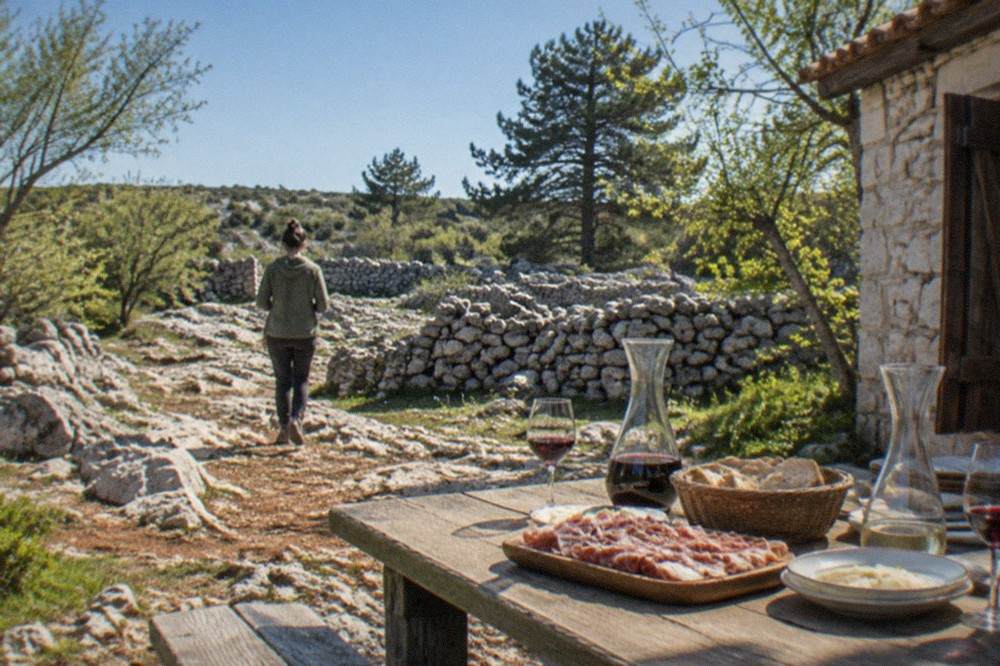
This is eating out Trieste-style at its most local, and it is the one part of the food landscape that is genuinely hard to do as an outsider without a car and a plan. The farms sit scattered across the plateau behind the city, the openings are irregular, and the experience is a long rustic table rather than a restaurant service. Anyone planning to build a day around it should check the osmize.com calendar first and treat it as the live source of truth.
The osmize are also the reason a car or an organised day trip earns its keep here. The plateau is wine country as much as picnic-farm country, and the same roads lead down to the Slovenian coast, where the food culture crosses the border without changing very much at all. For a visitor with only a few days, the realistic choice is between an osmiza afternoon if the calendar cooperates and a guided coastal day if it does not.
Do You Need a Food Tour to Eat Like a Local in Trieste?
No, a food tour is not required to eat like a local in Trieste, because the buffets and caffè are ordinary businesses anyone can walk into. But a guided food walk compresses the learning curve: the three-hour Guided Foodie Walking Tour is priced from $71.08 per person and rated 4.9 from 264 reviews on the operator's live listing, and it walks a group through the best of the local street food with a guide doing the translating, both literally and culturally.
The honest case for the tour is the ordering barrier. The buffet counter and the caffè menu both run on local vocabulary, the dishes are unfamiliar to most visitors, and a guide removes the guesswork in a single afternoon. The honest case against it is that Trieste is a walkable, unsnobbish food city where pointing at what the person ahead of you is having works fine. Both things are true, and the right answer depends on how much of a three-day trip you want to spend learning by trial and error. If you are weighing the length of a visit, how many days in Trieste is enough is the companion question.
The foodie walk is the one to pick for the buffet-and-classics experience, and you can Check availability on the operator's live listing. A cooking class is the alternative for visitors who want to take the food home rather than just taste it, and the coast day trip suits anyone whose food curiosity points across the border.
The guided options at a glance, with prices and ratings as listed by the operators:
| Experience | From (per person) | Rating on the listing | Duration |
|---|---|---|---|
| Guided Foodie Walking Tour | $71.08 | 4.9 from 264 reviews | 3 hours |
| Small-group pasta and tiramisu class | $157.65 | 4.4 from 40 reviews | 3 hours |
| Private cooking class at a local's home | $166.23 | 3.9 from 6 reviews | 3 hours |
| City centre wine tasting with food pairings | $56.18 | 4.6 from 22 reviews | 1 hour |
The pasta-and-tiramisu class is the family-friendly pick, and the wine tasting is the shortest and cheapest way to meet Vitovska and Terrano without driving up to the plateau. Prices are the operators' listed figures and can move with season and availability, so treat the table as a planning range and confirm on the live listing before booking.
For eating beyond the city limits, the same logic applies with a border crossing involved. Slovenia uses the euro, so there is no money to change, but Italy is running temporary border checks on the land border with Slovenia, so carry a passport or national ID card on any coastal or plateau food trip that crosses the line.
| Food-flavoured day trip from Trieste | From (per person) | Rating on the listing | Duration |
|---|---|---|---|
| Piran and the panoramic Slovenian coast, small group | $125.13 | 4.9 from 82 reviews | 5 hours |
| Prosecco Origins Wine Experience in the village of Prosecco | $70.07 | 5 from 91 reviews | 2 to 3 hours |
The Piran half-day is the natural pairing with this page's question, because the Slovenian coast eats in the same Istrian register as Trieste's border kitchens, and the Prosecco Origins experience covers the village, the wine's name and the history in one afternoon from the city.
Common Questions About Where Locals Eat in Trieste
Where do locals eat in Trieste?
At the historic buffets of the city centre for lunch, in the caffè across the day, at the osmize farm outlets on the Carso in season, and along the Rive and in Città Vecchia in the evening. The buffet counter is the most local of the four and the easiest for a visitor to join.
What food is Trieste famous for?
Jota, the sauerkraut and bean soup that is the city's signature dish, Triestine goulash, the cured meats and pork of the buffet counters, and a coffee culture served in grand Habsburg-era caffè with a local ordering vocabulary all of its own.
Can you visit an osmiza without booking?
Generally yes, an osmiza is a farmhouse serving its own wine and produce rather than a ticketed venue, but openings are irregular and each farm sets its own days. The osmize.com calendar, with addresses and real-time updates, is the reference to check before setting out, and a car is realistically needed.
Is Trieste good for food?
Yes, and differently from the rest of Italy: the buffet tradition, the caffè culture and the Carso wine country give it a food identity that mixes Mediterranean and Central European influences, which is exactly what the border geography would predict.
Do you need to speak Italian to order at a Triestine buffet?
It helps but it is not a barrier. The counters are informal, pointing works, and a guided food walk exists precisely to remove the vocabulary problem, with the three-hour foodie tour rated 4.9 from 264 reviews on the operator's live listing.
The short answer to the whole question is the buffet at lunch, the caffè in between, the osmiza in season and the seafront in the evening, and any one of those four is easy to join on a first visit to Trieste.