How Far Is Trieste from the Croatian Border?
How far Trieste, Italy, sits from the Croatian border, which crossings sit between them, what documents you need after Croatia joined Schengen and the euro, and how to plan the trip.
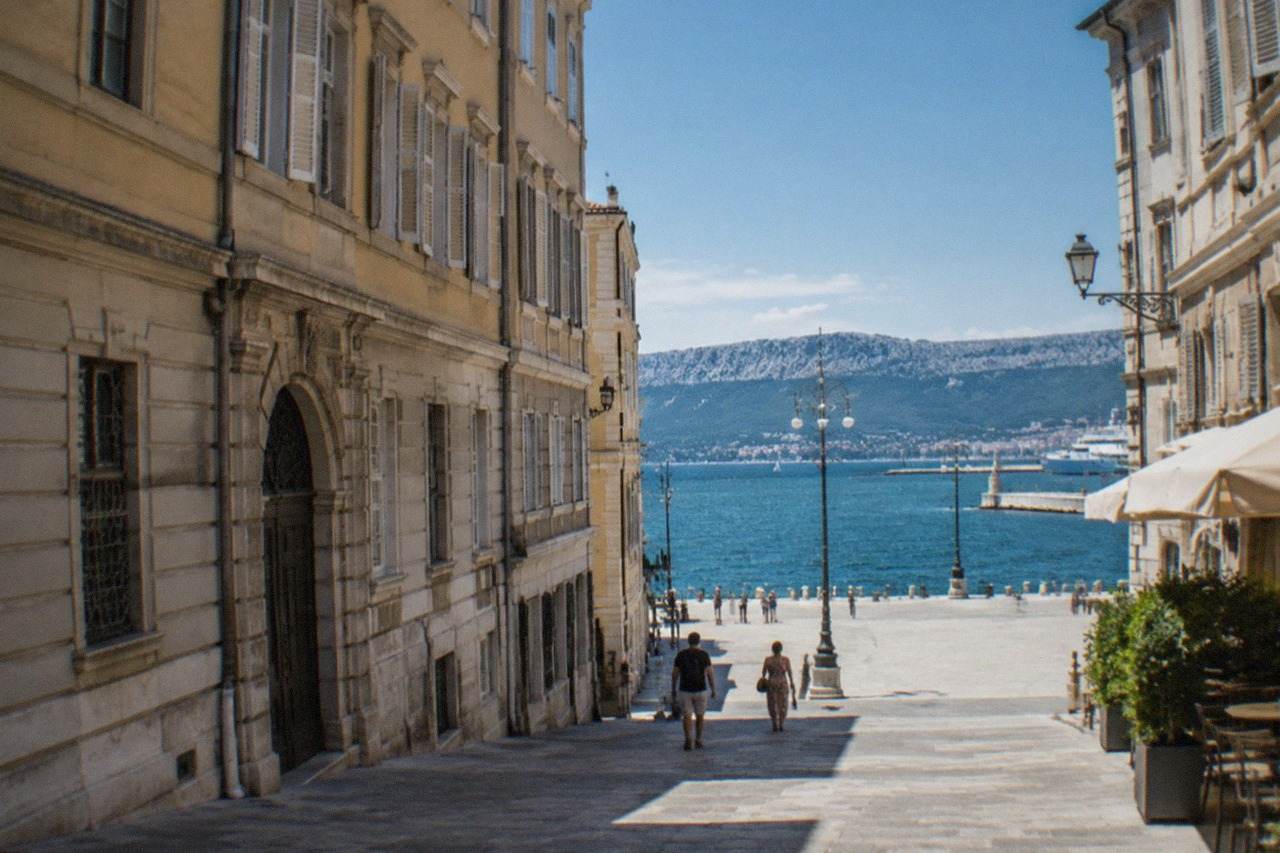
Trieste is an Italian port city in Friuli Venezia Giulia, tucked into the far northeast corner of the country on the Gulf of Trieste, and the question of how far it sits from the Croatian border is really a question about Slovenia. Trieste's own land frontier is with Slovenia, not Croatia. Croatia begins only after you cross Slovenia, and Slovenia's Adriatic coastline between the two is short. That layered geography, plus a set of border rules that changed on a single day in January 2023, is what this page unpacks.
One honest note before anything else: the verified research pack behind this site contains no checked driving distance or journey time from central Trieste to any specific Croatian border post, and this site does not print a figure it cannot verify. What the pack does give, from the European Commission's own registers and the Slovenian and Italian authorities, is the shape of the frontier, the dates the rules changed, and the one live exception that affects every day trip out of Trieste right now.
How Far Is Trieste from the Croatian Border?
Trieste, in the northeast corner of Italy, does not border Croatia: its land frontier is with Slovenia, which wraps the city's eastern edge. Croatia lies beyond Slovenia, whose short Adriatic coast separates the two, so a traveller leaving Trieste for Croatia crosses into Slovenia first and into Croatia shortly after. No verified driving distance or time from the city centre to a Croatian crossing appears in the sources this site uses, so check the operator's route planner before travelling.
That double crossing is the detail that catches most visitors out. Trieste sits on a narrow strip of Italian territory with Slovenia to the east and the sea to the west, and the Slovenian coast runs southeast from the frontier before Croatia begins. Anyone driving down the coast road out of the region therefore passes through Slovenian territory whether they intended to or not, and that matters for documents, as the section on passports below explains.
The border itself is unremarkable to look at on most crossings. Since Croatia joined the Schengen area on 1 January 2023, the same day it adopted the euro, the Slovenian-Croatian line is an internal Schengen border with no routine checks, and Slovenia has no active temporary controls listed with Croatia or Hungary as of September 2026. The crossings are marked, quiet and usually fluid.
For context on the region itself, see what is Trieste in Italy famous for and, if the identity question is what brought you here, is Trieste Italian or Croatian covers the city's tangled nationality history in full.
Which Border Crossing Points Sit Between Trieste and Croatia?
The crossings between Trieste and Croatia are all reached through Slovenia: the Italian-Slovenian frontier sits immediately east and south of the city, and the Slovenian-Croatian line runs further down the coast and inland. Since 1 January 2023 both lines are euro-area, Schengen-adjacent crossings, with the Slovenian-Croatian side carrying no routine checks and the Italian side running temporary, dated checks through 18 December 2026.
The practical consequence is that the "border between Trieste and Croatia" is really two borders in quick succession, and the first one is the one that matters most in 2026. The Italian-Slovenian frontier is the line Italy is currently checking, because the European Commission's register of reintroduced internal border controls lists Italy running checks on its land borders with Slovenia from 19 June 2026 to 18 December 2026. Those checks are temporary, dated and can change, so the live status is always worth confirming before you set out.
Here is what the pack verifies about the three countries a Trieste-based traveller moves between:
| Country | Euro since | Schengen since | Border status from Trieste, September 2026 |
|---|---|---|---|
| Italy | Euro-area member | Schengen member | Home country; departure point |
| Slovenia | 1 January 2007 | December 2007 | Direct land border with Trieste; Italian temporary checks listed 19 June 2026 to 18 December 2026 |
| Croatia | 1 January 2023 | 1 January 2023 | Reached via Slovenia; no routine checks on the Slovenian-Croatian line; Slovenia lists no active controls with Croatia |
The history of the city's eastern frontier, and why the Slovenian-speaking minority on both sides of the line shaped it, is covered in language and identity on the Slovenian border. A common companion question is is Trieste more Italian or Slovenian, which gets at the same history from the city side.
Because every land route from Trieste toward Croatia passes through Slovenia, the trips that behave most like "popping over the border" from this city are actually Slovenian ones: Piran and the Slovenian coast, Postojna Cave, the Škocjan Caves, Lipica. Croatia's Istrian towns come next, one more border down the road. Day trips by sea are covered separately in is there a ferry from Trieste to Croatia.
Do You Need a Passport to Cross from Trieste Into Slovenia or Croatia?
Yes, carry a passport or national ID card for any day trip from Trieste into Slovenia or Croatia, because Italy is running temporary checks on its land borders with Slovenia from 19 June 2026 to 18 December 2026, per the European Commission's register. Croatia adopted the euro and joined Schengen on 1 January 2023, so no currency exchange and no routine Slovenian-Croatian checks apply, but temporary controls on the Italian side mean documents must be on you.
This is the single most practical fact on the page, and it is the one a lot of older guides get backwards. Schengen membership does not currently mean "no check" on the specific border at Trieste's doorstep: the Commission's register of temporary reintroduced internal border controls lists Italy, land borders with Slovenia, 19 June 2026 to 18 December 2026. Write that down as a dated, temporary measure, not a permanent rule, and check the current status before travelling because extensions and expiries are announced on short notice. The full index of guides sits on Trieste Travel Guide.
The currency half is simpler and final: Italy, Slovenia and Croatia all use the euro. Croatia adopted it on 1 January 2023, the same day it joined Schengen, and Slovenia has used the euro since 1 January 2007. No money changing is needed anywhere on a Trieste-Piran-Rovinj loop, and any guide telling you to change money for Croatia is out of date by nearly four years.
| Document or item | Needed for Slovenia from Trieste | Needed for Croatia via Slovenia | Notes |
|---|---|---|---|
| Passport or national ID card | Yes | Yes | Italian temporary checks on the land border, listed to 18 December 2026 |
| Currency exchange | No, euro | No, euro | Croatia adopted the euro on 1 January 2023 |
| Schengen visa rules | Apply as within Schengen | Apply as within Schengen | Croatia joined Schengen 1 January 2023 |
| Separate entry stamps | Not routinely | Not routinely | No routine Slovenian-Croatian checks as of September 2026 |
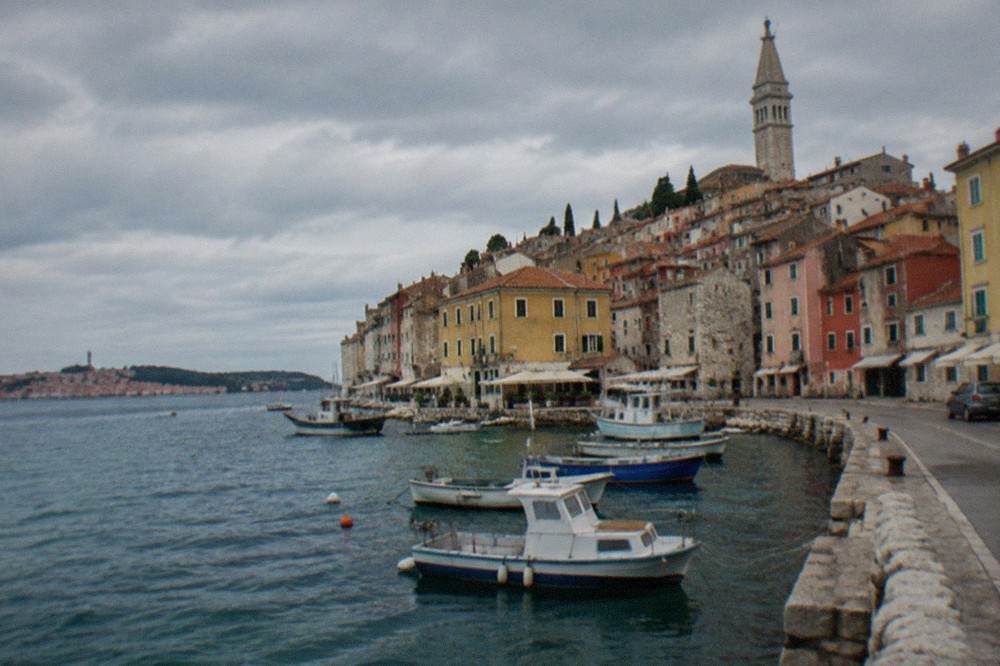
For travellers who would rather not think about any of this, a guided day trip handles the logistics: the six-hour Piran and Slovenia Coast Tour runs from Trieste to the Istrian coast with round-trip transport included, and you can Check availability on the operator's live listing. Do still carry your passport, since the border rules above apply regardless of who is driving.
Whichever of those you lean toward, the same two rules from earlier in this page apply to all of them: the euro works everywhere on the route, and the passport goes in the day bag because of the dated Italian checks on the Slovenian line. Booking through a tour also removes the one variable this site cannot verify for you, the cross-border coach timetable, since the operator's own departure plan governs the day.
Is a Day Trip to Croatia or Slovenia from Trieste Realistic?
Yes, both are realistic as day trips from Trieste, and Slovenia is the easier of the two because it shares the border with the city: the Slovenian coast, Postojna Cave and the Škocjan Caves are standard day-trip territory, and Croatia's Istrian coast is one border further on. Cross-border coach services run from Trieste toward Ljubljana, Piran, Rijeka and Pula, but their timetables and fares were not verified, so check the operator before booking anything.
The verified roster for this site reflects how close the options really are. There are guided day tours from Trieste to Piran and the Slovenian coast, to Ljubljana and Lake Bled, and to Postojna Cave with Predjama Castle, which tells you the operators themselves treat these as comfortable round trips in a day. Croatia's Istrian towns, Rovinj and Pula among them, also appear as day-trip destinations from the city, one border further along.
On public transport, the operators named in the research are the regional TPL FVG services and long-distance coaches from Trieste's city stations toward Ljubljana, Piran and Portorož, and Rijeka and Pula in Croatia. What the pack does not verify is any specific frequency, departure point or fare for those routes, and this site does not print an invented timetable. The operator's own site is the place to confirm the schedule for the week you are travelling.
A short planning comparison of what the verified options look like:
| Day trip from Trieste | Country | Tour length, per listing | Border crossings |
|---|---|---|---|
| Piran and Slovenia Coast Tour | Slovenia | 6 hours | Italy-Slovenia only |
| Ljubljana and Lake Bled Tour | Slovenia | 7 to 9 hours, per listing | Italy-Slovenia only |
| Postojna Cave and Predjama Castle | Slovenia | 5 to 6 hours, per listing | Italy-Slovenia only |
| Istrian coast towns, Rovinj, Pula | Croatia | Full day | Italy-Slovenia, then Slovenia-Croatia |
Two cautions on the crossing itself. First, the border checks described earlier apply to the Slovenia line, so the documents go in the day bag, not the hotel safe. Second, timetables on cross-border routes change with the seasons, and the verified pack deliberately declines to state frequencies, so a five-minute check on the operator's page saves a missed departure.
Common Questions About the Croatian Border Near Trieste
How far is Trieste from the Croatian border?
Trieste does not border Croatia directly: its land frontier is with Slovenia, which wraps the city's eastern side, and Croatia lies beyond Slovenia's short stretch of Adriatic coast. A traveller from Trieste crosses into Slovenia first and into Croatia shortly afterwards. No verified driving distance or time to a Croatian crossing is published in the sources this site uses, so confirm the route on the operator's planner.
Does Trieste sit on the border of two countries?
It almost does. Trieste's land border with Slovenia runs along the city's eastern and southern edges, and the Slovenian towns around it are ordinary commuter territory. Croatia is the next country on, reached only by passing through Slovenia.
Do you need a passport to visit Croatia from Trieste?
Carry one, yes. Croatia joined Schengen on 1 January 2023 so there are no routine checks on the Slovenian-Croatian line, but Italy is running temporary checks on its land borders with Slovenia from 19 June 2026 to 18 December 2026, per the European Commission's register, and any land trip to Croatia from Trieste passes through Slovenia.
Does Croatia use the euro?
Yes. Croatia adopted the euro on 1 January 2023, the same day it joined the Schengen area. Slovenia has used the euro since 1 January 2007, and Italy is a founding euro member, so no currency exchange is needed anywhere on a trip between the three.
Can you take a ferry from Trieste to Croatia?
Ferry routes from Trieste toward Croatia and the wider Adriatic are covered in a dedicated page on this site, which is the right place to check current routes and seasonal schedules rather than relying on a summary here.
Is the border check between Italy and Slovenia permanent?
No. The checks on Italy's land borders with Slovenia are listed by the European Commission as temporary, running from 19 June 2026 to 18 December 2026. Treat the end date as movable and confirm the current status before you travel.
The short version for anyone planning: Trieste's border is Slovenian, Croatia is one border beyond it, all three countries share one currency, and the one thing to carry for the whole loop in 2026 is a passport or national ID card, because the Italian side of the line is being checked until at least 18 December 2026.