Is Trieste Italian or Croatian?
Trieste is an Italian city in Friuli Venezia Giulia, only a short distance from the Slovenian and Croatian borders. Here is why its nationality still confuses travellers.
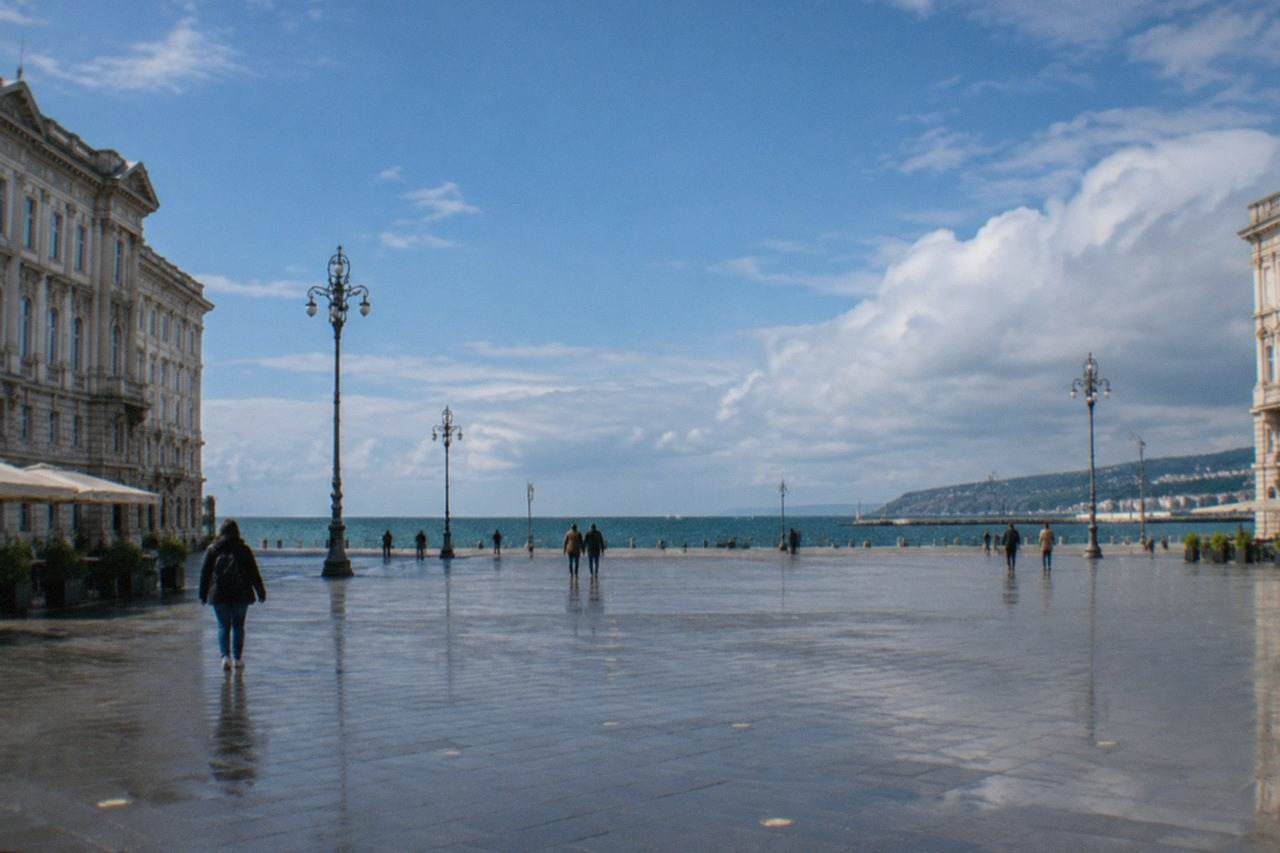
Trieste is an Italian city, the regional capital of Friuli Venezia Giulia in the far northeast of Italy, and it has belonged to the Italian state since the post-war settlement that ended the dispute over its future. It is not Croatian, it has never been part of modern Croatia, and no credible claim to the city exists today. The question is not a foolish one, though. Trieste sits closer to Slovenia and Croatia than to almost any other Italian city, its architecture and café culture look Central European rather than typically Mediterranean, and its history as the great port of the Habsburg empire means that many visitors arrive genuinely unsure which country they are standing in.
Is Trieste Italian or Croatian?
Trieste is Italian, full stop. It is a sovereign Italian city and the capital of the Friuli Venezia Giulia region, governed from Rome and using the euro as Italian territory. It has never been part of the modern Croatian state, which formed out of Yugoslavia in the 1990s. The confusion comes from geography and history, not from any genuine dispute: Trieste is an Italian city that happens to sit almost on top of two other countries.
Croatia lies just along the coast from Trieste, and Slovenia begins at the city's own eastern edge, which is why the question gets asked so often. A traveller standing on the seafront at Piazza Unità d'Italia is looking across an Adriatic gulf whose far shore is Slovenian and Croatian, while standing on uncomplicatedly Italian ground. The city's Italian identity is not a recent acquisition or a legal technicality. Italian is the language of its administration, its schools, its signage and its daily life, and the city's own institutions describe it as the capital of its region without any qualification.
The confusion is worth taking seriously rather than dismissing, because it shapes how people plan trips. Some visitors assume they will need a different currency or a passport just to walk around town, which is not the case. Others expect a Croatian-style resort and are surprised by Habsburg facades and Mitteleuropean café interiors. If you are still building a picture of the place, our guide to what Trieste is famous for covers the coffee port, the architecture and the borderland character that make the city so hard to pigeonhole.
Why Do People Think Trieste Might Be Croatian?
People assume Trieste might be Croatian because the city spent centuries as the main seaport of the Habsburg empire, because its culture mixes Italian, Slovenian and Central European elements, and because its post-war future was contested between Italy and Yugoslavia before it was confirmed as Italian. None of that makes it Croatian. It makes it a border city whose Italian identity absorbed many other influences along the way.
The Habsburg chapter is the big one. For most of the modern era Trieste was the empire's outlet to the sea, and the wealth that generated still shows in the wide grid of the Borgo Teresiano, the grand cafès and the imposing public buildings. That inheritance looks nothing like the picture most people hold of an Italian city, which is precisely why the question arises. The city's dialect, its food and its coffee ritual all carry Slavic and Austrian traces alongside the Italian base. Jota, the sour barley-and-bean soup that is Trieste's signature dish, is a good example: it is served in an Italian city but its roots run east into the neighbouring kitchen traditions. Our piece on the signature dish of Trieste goes into that.
Then there is the twentieth century. After the Second World War, Trieste's future was disputed territory between Italy and Yugoslavia, and for a period the city and its surrounding area were administered separately from Italy while the great powers argued over where the border should fall. The dispute was eventually settled in Italy's favour, and the city has been Italian ever since. That episode is recent enough to live on in family memory on all sides, and it is why older guidebooks and even some current search results still describe Trieste as contested or ambiguous. It is not. The question of who owns Trieste is closed, and has been for generations.
How Close Is Trieste to the Croatian and Slovenian Borders?
Trieste is so close to its neighbours that Slovenia begins at the edge of the city itself and Croatia lies just beyond it along the coast. All three countries, Italy, Slovenia and Croatia, use the euro and are in the Schengen area, so there is no currency change and no routine passport control. One dated exception applies: Italy is running temporary checks on its land border with Slovenia from 19 June 2026 to 18 December 2026, so carry a passport or national ID card.
That border situation is the single most practical thing to understand about visiting Trieste, because the city works as a base for three-country trips in a way almost nowhere else in Italy does. Croatia adopted the euro and joined the Schengen area on the same day, 1 January 2023, which ended the old routine of changing money at the frontier. Slovenia has been in both systems even longer, in the euro area since 1 January 2007 and in Schengen since December 2007. The consequence is that a day trip from Trieste to Piran, Ljubljana or Rovinj involves no currency exchange at all.
| Country | Currency | Schengen status | Border checks from Trieste |
|---|---|---|---|
| Italy | Euro | In Schengen | Not applicable, this is the home country |
| Slovenia | Euro | In Schengen since December 2007 | Temporary Italian checks on the land border, 19 June 2026 to 18 December 2026 |
| Croatia | Euro since 1 January 2023 | In Schengen since 1 January 2023 | No routine checks via Slovenia; carry ID anyway |
The temporary checks on the Italian-Slovenian land border are exactly that, temporary, and the European Commission's own register of reintroduced border controls is the place to confirm the current position before you travel. The practical habit is simply to carry a passport or national ID card whenever you leave Trieste eastwards, the same as you would for any international trip. Our guide to how far Trieste is from the Croatian border covers the crossing points and the day-trip logistics in more detail.
Because the borders are this soft, Trieste is one of the best launching pads in Europe for coastal day trips, and the guided options do the driving and the border formalities for you.
Is Trieste More Italian or Slovenian?
Trieste is politically and culturally Italian, but it is a border city with a large historic Slovenian community, and its character is a genuine blend rather than a simple Italian story. Italian is the dominant language and the language of the state, while Slovenian is co-official in the city's institutions alongside it. The honest answer is that Trieste is an Italian city with a Slovenian dimension woven through it, not a half-and-half case.
The Slovenian presence in Trieste is old, deep and visible. The city gives its historic communities their space, and the Slovenian community has its own schools, churches and theatres in the city. Street life reflects it: you will hear Slovenian spoken in the centre, see bilingual signage in places, and eat food whose names travel across the border in both directions. This is the reality of a frontier city that was a single economic region under the Habsburgs, split by a twentieth-century border, and then rejoined by Schengen. The full index of guides sits on Trieste Travel Guide.
None of that dilutes the Italian answer to the question in the title. It explains why the question exists. If you want the fuller treatment of the language and identity picture, including what people actually speak in the city's bars and offices, our dedicated piece on whether Trieste is more Italian or Slovenian goes into it properly.
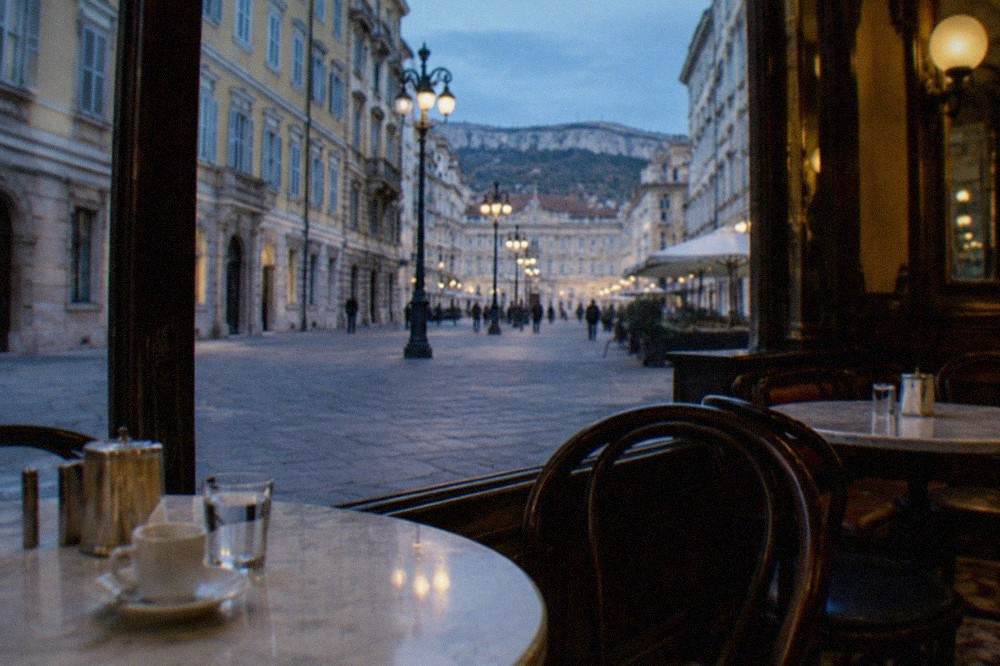
The café culture is where the blend is easiest to see. Trieste's caffès are Italian in ritual but Austrian in decor and rhythm, and the city's roasting industry made it a coffee capital. The question of how Italians themselves say and use the city's name has its own quirks, which we cover in how Italians say Trieste.
Do You Need a Passport to Visit Croatia or Slovenia from Trieste?
You should carry a passport or a national ID card on any day trip from Trieste into Slovenia or Croatia, even though all three countries are in Schengen. The reason is the temporary Italian border check on the Slovenian land border, running from 19 June 2026 to 18 December 2026, which means you can be asked for documents on the way back into Italy. Croatia itself has no routine checks for Schengen visitors arriving overland.
This is the one place where the borderland identity of Trieste becomes a real travel-planning issue rather than a curiosity. The checks are temporary and dated, not a permanent feature of the border, and they apply to the land crossing between Italy and Slovenia. For the Croatian leg of a trip you would normally pass through Slovenia first, which is why the ID advice covers every direction out of Trieste. Ferries are a different route again, and our piece on the ferry from Trieste to Croatia explains what exists there.
| Day trip from Trieste | Country | Currency you need | Documents to carry |
|---|---|---|---|
| Piran and the Slovenian coast | Slovenia | Euro only | Passport or national ID card |
| Ljubljana and Lake Bled | Slovenia | Euro only | Passport or national ID card |
| Rovinj or Pula by road | Croatia, via Slovenia | Euro only | Passport or national ID card |
| Muggia by local boat or bus | Italy | Euro | No border, standard Italian travel |
Note what is absent from that table: any currency exchange, any visa step for European travellers, and any need to plan around a hard border. The euro is the only money you will touch in all three countries, and the practical burden of the border is a document check at most.
Guided day trips handle the crossings for you, and the coast route to Piran is the most popular one from the city.
The Piran and Slovenia coast tour runs about 6 hours with round-trip transport from Trieste, and the operator's live listing carries the current price and departure details. If you would rather compare the inland option, the full-day Ljubljana and Lake Bled excursion covers the Slovenian capital and the lake in one long day out. For a deeper dive into everything across the border, our overview of day trips from Trieste ranks the options.
Should You Book a Guided Border Day Trip from Trieste?
A guided day trip is the easiest way to see the Croatian and Slovenian coast from Trieste, because the operator handles the driving, the parking and the border logistics while you carry nothing but a passport or ID card. The Piran and Slovenia coast tour is the most popular coastal option, running about 6 hours with round-trip transport from Trieste. Booking ahead is wise in peak season, and free cancellation up to 24 hours before departure is standard on the operator's listing.
The value of a guided trip here is not the commentary alone, it is the border itself. A self-drive day to Piran or Rovinj means finding parking in a walled town, queueing at the crossing on peak weekends and thinking about the temporary Italian checks on the way home. A guided coach removes all three problems in one move, and the operators running these routes know the quiet crossing times. For families and for anyone visiting on a tight cruise or weekend schedule, that convenience is worth the ticket price on its own.
Common Questions About Whether Trieste Is Italian or Croatian
Is Trieste Italian or Croatian?
Trieste is Italian. It is the capital of the Friuli Venezia Giulia region of Italy and has been Italian sovereign territory since the post-war dispute over its future was settled. It has never been part of modern Croatia.
Is Trieste in Slovenia?
No. Trieste is in Italy, though the Slovenian border touches the city's eastern edge and Slovenia lies just along the coast. The city has a large historic Slovenian community, but it is Italian territory.
Was Trieste ever part of Austria?
Yes, in its Habsburg past. Trieste was the principal seaport of the Habsburg empire for centuries, which is why its architecture and café culture look Central European. It has been part of Italy since the twentieth century.
Do they speak Italian in Trieste?
Yes, Italian is the primary language of Trieste and the language of its administration and daily life. Slovenian is co-official in the city's institutions, and the local dialect carries influences from across the border.
Can you visit Croatia on a day trip from Trieste?
Yes. Croatia lies along the coast from Trieste and both countries are in Schengen and the euro, so an overland day trip is straightforward. Carry a passport or national ID card, because Italy is running temporary checks on its Slovenian land border until 18 December 2026.
Why does Trieste not feel typically Italian?
Because it was built up as the Habsburg empire's great port, and its food, dialect and café ritual absorbed Austrian, Slovenian and broader Central European influences. It is an Italian city with a borderland character, which is exactly why the nationality question gets asked.
The short version, worth repeating: Trieste is Italian, it is not Croatian, and the only thing the border changes for a visitor is the need to carry ID on a day trip east until 18 December 2026.