Is Trieste More Italian or Slovenian?
Is Trieste more Italian or Slovenian? A clear answer on the identity of Trieste, Italy, its languages, its Habsburg past and its Slovene present.
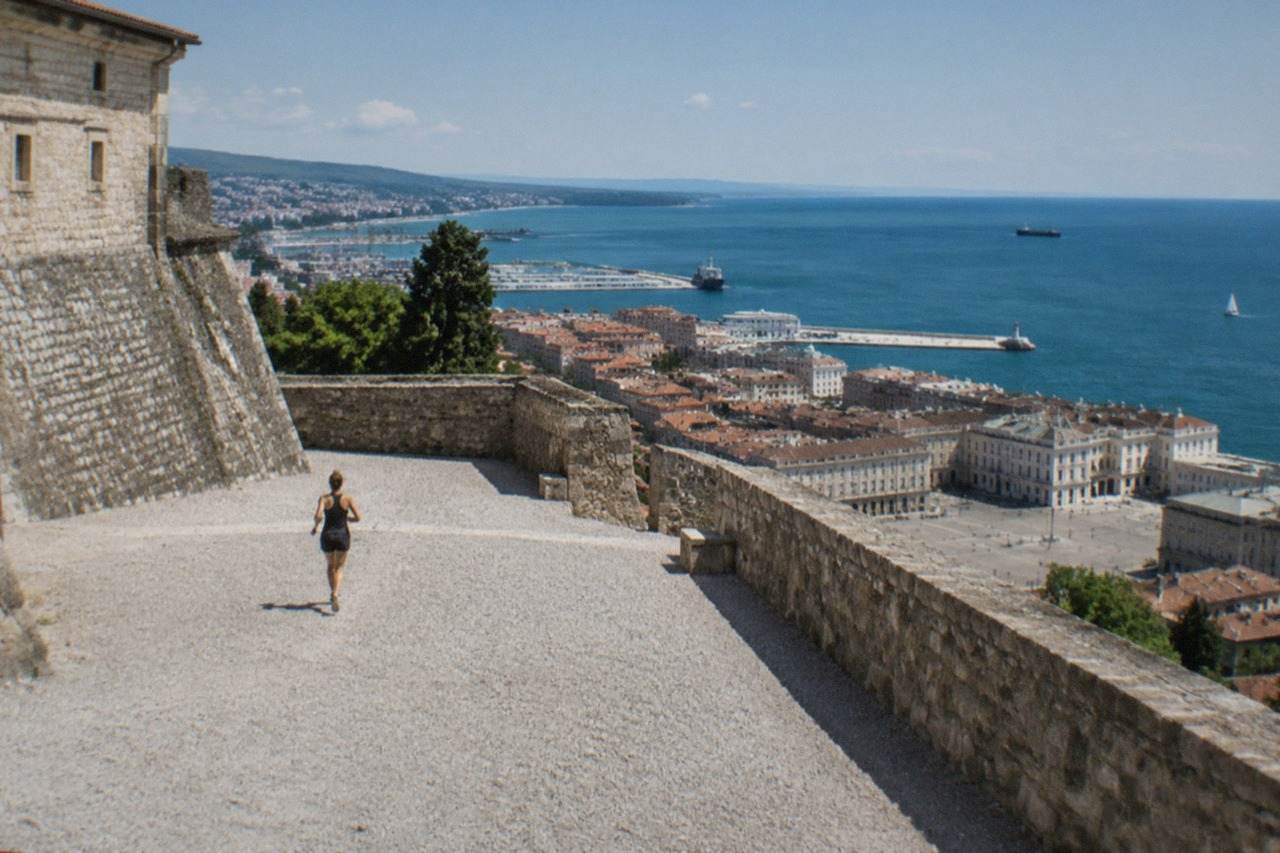
Trieste is a city in Italy, the Adriatic port capital of the Friuli Venezia Giulia region, and it sits so close to Slovenia that the border is a bus ride away. That geography is why the question keeps coming up. The answer, in short: Trieste is politically and administratively Italian, has been since the mid-twentieth century, and nobody writing seriously disputes that. But its character is a layered thing, built centuries deep as the main port of a Habsburg empire, with a Slovene-speaking population that has been part of the city's fabric for just as long. The honest description is Italian city, Central European soul, Slovenian neighbourhood.
Is Trieste More Italian or Slovenian?
Trieste is Italian, full stop: it is an Italian provincial capital, it uses the euro because Italy does, its residents carry Italian documents, and Italian institutions run its schools, port and police. At the same time the city is officially bilingual in parts, its historic identity is Habsburg and Central European rather than Roman, and a Slovene community has lived here continuously alongside the Italian one. So the honest answer is: Italian in law and citizenship, mixed in culture, and Slovenian in neither.
The question usually arrives from two directions, and they deserve different answers.
The first direction is political. Here nothing is ambiguous. Trieste is in Italy, it belongs to the region of Friuli Venezia Giulia, and the nearest border crossing into Slovenia is a short hop from the eastern edge of town. The city changed hands across the twentieth century, and the settlement that fixed its present status is within living memory of older residents. No serious source presents Trieste as disputed territory today.
The second direction is cultural, and this is where the city gets genuinely interesting. Walk the centre and you see it at once: the vast open square facing the sea, Piazza Unità d'Italia, is built on a Habsburg-era plan; the caffè culture that defines the city is a Mitteleuropean institution, not a Roman one; the buffet kitchens serve goulash and jota, a bean-and-sauerkraut soup, alongside pasta. Trieste's food, architecture and café ritual all point east and north as much as south. Our page on what Trieste is famous for covers those signatures in detail.
A note on disambiguation, because this destination loses its name constantly in search results: this is the city of Trieste in Italy, not the bathyscaphe of the same name, not a cafe chain and not a basketball club. Everything on this page is about the Adriatic port city.
Which Empire Shaped Trieste, Rome's or Vienna's?
Trieste's defining period was spent as the principal port of the Habsburg empire, and that legacy, not a Roman one, is what built the city you walk through today: the grid of the Borgo Teresiano, the seafront palaces, the coffee houses and the insurance and shipping industries that made it a Central European capital of trade. The Roman layer exists, a theatre and an arch among other remains, but it is thin compared with the imperial waterfront.
The Habsburg century is the reason Trieste does not look or feel like a typical Italian city. Empress Maria Theresa's government declared the port free in the eighteenth century and the city grew explosively as the empire's outlet to the sea, drawing in merchants from across the Adriatic and Central Europe: Italians, Slovenes, Greeks, Jews, Serbs and others. That mix is the origin of the multi-lingual, multi-confessional city that still exists, with its Serbian Orthodox church, its synagogue and its Greek community all within a few streets of each other.
The coffee culture belongs to this story too. Trieste became a historic coffee port and roasting centre, home to Illy's headquarters, and the caffè ritual here is closer to Vienna's than to Naples'. What the city never acquired is a verified per-head consumption figure: the "most coffee in Italy" claim circulates endlessly, but no primary source backs a number, so we do not print one.
The twentieth century then did to Trieste what it did to the whole borderland. The empire collapsed after the First World War, the city passed to Italy, the Second World War brought occupation and devastation, and the postwar years left Trieste under Allied administration before its return to Italy. The Slovene community stayed throughout, and the border with Yugoslavia, later Slovenia, was drawn a few kilometres from the centre. For the deeper story of how language and identity play out on this frontier, read language and identity on the Slovenian border.
What Languages Are Spoken in Trieste?
Italian is the everyday language of Trieste and the one you will hear everywhere, but the city has a second, older name in Slovene, Trieste's Slovene-speaking community is a recognised part of civic life, and the local Italian dialect carries a heavy Central European and Slavic influence in its vocabulary. The practical answer for a visitor: English works in the tourist economy, Italian is the city's language, and Slovene is present on signs, in schools and in family kitchens rather than in the piazza.
The dialect point matters more than visitors expect. Triestine, the local version of Italian, borrows freely from Slovene and from the German of the old imperial administration. It is one of the reasons the city's Italian sounds different from Tuscan Italian even to a casual ear, and it is a living reminder that the borderland ran through the language as well as the map. Locals will tell you the truest marker of a Triestine is the dialect, not the passport. The full index of guides sits on Trieste Travel Guide.
The Slovene community is not a historical footnote. It has its own institutions, churches and schools in and around the city, and place names across the province exist in both languages. What the sources we rely on do not give is a verified population percentage, so we will not print one; the community's presence is qualitative and obvious, but a number would be invented.
Slovene place names also matter the moment you cross the border, which from Trieste is remarkably easy. The villages of the Karst plateau behind the city have Slovene names and Italian ones, and the osmize, the farmhouse wine outlets of the Carso, operate in a world where both languages are ordinary. If you are curious how the city's name itself behaves in Italian mouths, we have a separate answer on how Italians say Trieste.
Is Trieste Culturally Closer to Vienna or to Rome?
Culturally, Trieste is closer to Vienna than to Rome, and most of the evidence is physical: the seafront palaces, the historic caffè, the buffet food of goulash and jota, the insurance and shipping architecture, and the grid plan of the Borgo Teresiano are all Habsburg-era products of a Central European port. Rome's Italy arrived later, politically, and its cultural marks, the language above all, sit on top of an imperial base that never went away.
Food is the fastest way to see it. The signature dishes of Trieste are jota, a soup of beans, sauerkraut and potato, and goulash served in the historic buffet kitchens, both of which would be at home in Vienna or Ljubljana and would raise eyebrows in Palermo. The city's desserts and its coffee ritual follow the same pattern. We go into this properly on the page about what food Trieste is known for.
Architecture makes the same argument. The Borgo Teresiano, the district built under Maria Theresa, is a planned grid of merchant palaces around the Canale Grande, and the city's grandest rooms are its caffè, lined in Habsburg style. Even the Roman remains, a theatre and the Arco di Riccardo, are modest compared with the imperial waterfront, and the theatre is one you look down into from the street rather than enter.
None of this makes the city less Italian. It makes it a specific kind of Italian: the borderland kind, like South Tyrol or the old Habsburg towns of the northeast, where being Italian is one layer of a stack. That stacked identity is exactly why the question "Italian or Slovenian?" feels natural here and why the binary never quite resolves.
Do You Need a Passport to Cross from Trieste Into Slovenia?
Yes, carry a passport or national ID card: Italy, Slovenia and Croatia are all in the Schengen area and all use the euro, so there is no currency change and no routine border post, but Italy is running temporary checks on its land borders with Slovenia from 19 June 2026 to 18 December 2026, so a spot check is possible and an ID document is required to satisfy one. Write nothing off as a certainty; carry the ID.
The three-country picture is worth setting out in full, because it is the one place where careless guides go wrong.
| Country | Uses the euro since | In Schengen since | Notes for a Trieste day trip |
|---|---|---|---|
| Italy | Euro country, your base | Schengen member | No currency change needed; running temporary checks on its Slovenia land border until 18 December 2026 |
| Slovenia | 1 January 2007 | December 2007 | No currency change; those temporary Italian checks are the reason to carry ID |
| Croatia | 1 January 2023 | 1 January 2023 | Adopted the euro and joined Schengen on the same day |
Two facts in that table are worth underlining, because an earlier generation of travel content got both backwards. Croatia adopted the euro and joined Schengen on the same day, 1 January 2023: it has both, not one without the other. And the Italy-Slovenia land border, though internal to Schengen, currently carries temporary Italian checks, dated 19 June to 18 December 2026 in the European Commission's register. That is a temporary, dated measure, not a permanent rule, and it is the reason the standard advice is to keep your ID on you for a trip to Piran, Postojna, Škocjan, Lipica, Ljubljana or Bled.
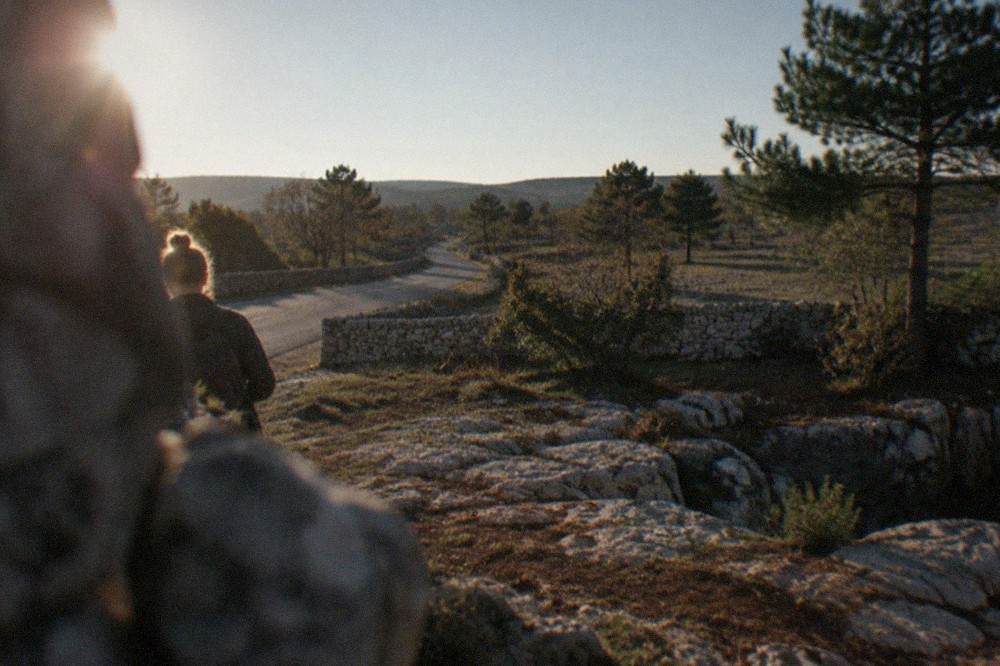
The closeness is the real story. From Trieste, the Slovenian border is minutes from the eastern edge of the city, and the country's two headline sights, Ljubljana and Lake Bled, are realistic day trips, as are the coast at Piran and the caves at Postojna and Škocjan. Cross-border coach services to Ljubljana, Piran and Portorož exist, but frequencies, departure points and fares were not verifiable at the time of writing, so check the operator's site rather than a guide's memory.
If you would rather have the logistics handled, the guided options below are the ones that fit this question best: two of them cross the border, and one keeps you in Italy to see the mixed city itself.
| Tour from the roster | Where it goes | From (per person) | Rating | Length |
|---|---|---|---|---|
| Lake Bled and Ljubljana Tour from Trieste | Slovenia, day trip | $145.97 | 4.5 from 214 reviews | 7 hours |
| Trieste: Slovenian Coast Tour with Food and Wine Tasting | Slovenia, day trip | $137.57 | 4.98 from 50 reviews | 5h 30m |
| Best of Trieste: Private Walking Tour with a Local Guide | Italy, city centre | $217.82 per group up to 10 | 4.94 from 31 reviews | 2 hours |
Common Questions About Trieste's Identity
Is Trieste more Italian or Slovenian?
Trieste is Italian in law, citizenship and administration, a city of Friuli Venezia Giulia in northeast Italy. Its culture is mixed: Habsburg and Central European in its architecture, caffè and food, with a long-standing Slovene community and a local dialect shaped by both languages. It is not Slovenian, and it is not a typical Italian city either.
Is Trieste part of Italy or Slovenia?
Trieste is part of Italy. It is the capital of the Friuli Venezia Giulia region and sits a short distance from the Slovenian border, which is why the question arises, but the city itself has been Italian territory since the mid-twentieth century settlement that followed the Allied administration of the postwar years.
Do they speak Slovenian in Trieste?
Italian is the everyday language of the city. A Slovene-speaking community lives in Trieste and across the surrounding province, with its own institutions and schools, and the local Italian dialect carries Slovene and German influence. Visitors will not need Slovene, but they may see it on signs in the province and hear it in the Karst villages behind the city.
Why does Trieste feel different from the rest of Italy?
Because its formative centuries were spent as the principal port of the Habsburg empire, not as a city of the Italian states. The seafront palaces, the caffè culture, the goulash-and-jota buffet kitchens and the merchant grid of the Borgo Teresiano are all imperial-era Central European products, and they give the city a character closer to Vienna or Ljubljana than to Rome or Naples.
Can you visit Slovenia from Trieste for a day?
Yes, easily. Ljubljana, Lake Bled, Piran, Postojna Cave and the Škocjan Caves are all realistic day trips from Trieste, and guided tours run to each. Carry a passport or national ID card: Italy is running temporary checks on its land borders with Slovenia from 19 June 2026 to 18 December 2026, so a spot check is possible even though all three neighbouring countries are in Schengen and use the euro.
The short version, then: Trieste is Italian, and the question it provokes is really about culture rather than sovereignty. The city's own answer to "which one?" has always been "both, and Vienna too", and that refusal to pick a single identity is the most Triestine thing about it. If you want to see the Italian half properly, start with what makes Trieste unusual; if you want to see how close the Slovenian half sits, the border is waiting a few minutes east of the centre.