Is It Worth Going to Trieste?
Is it worth going to Trieste, Italy? A straight answer on the Adriatic port city's sights, costs, weather and day trips, with verified prices and opening details.
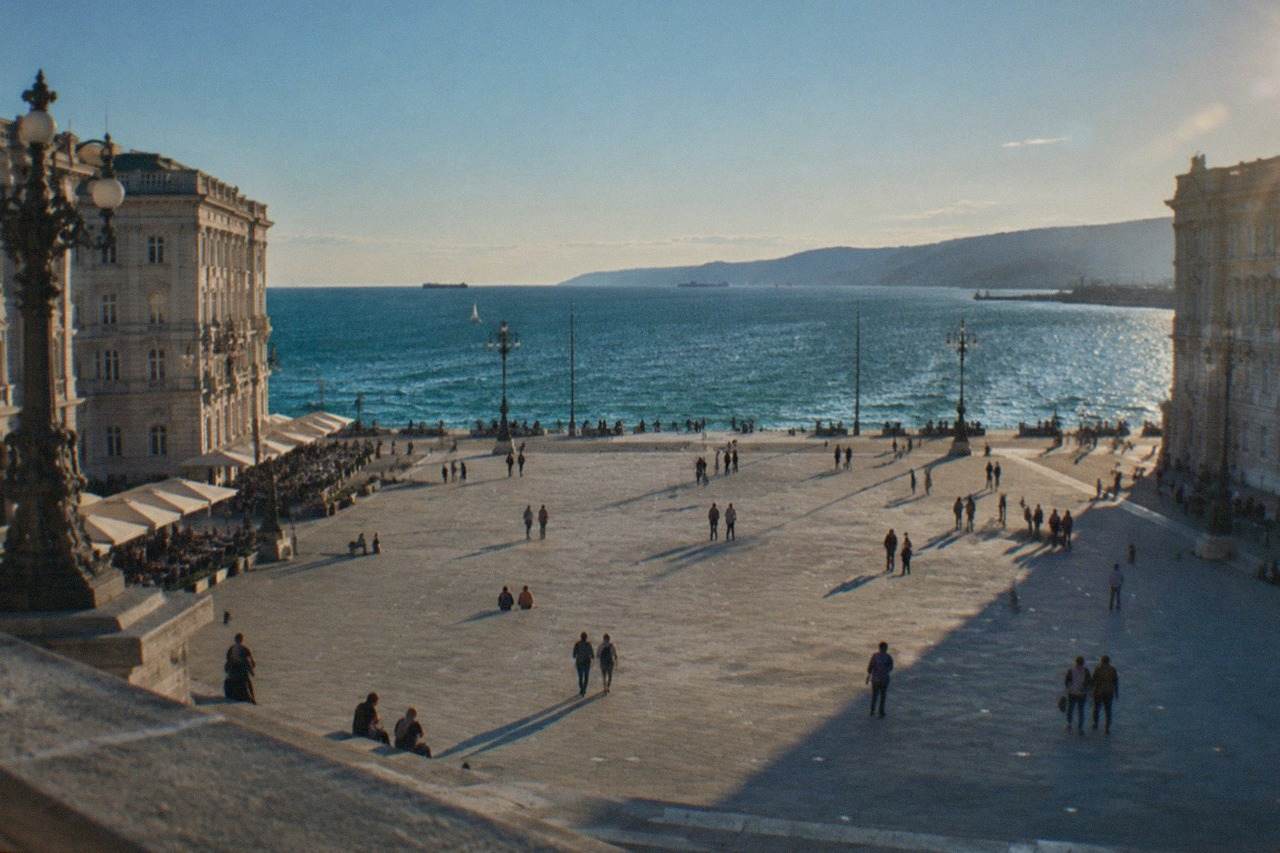
Trieste, the Adriatic port city in Friuli Venezia Giulia in the northeast corner of Italy, is worth going to for the things it has that almost no other Italian city has: a Habsburg-era seafront, a coffee-house culture rooted in the port's roasting trade, and a Karst plateau full of giant caves within reach of the centre. The short version of the answer is yes, with two caveats: it is a working city rather than a theme-park destination, and the bora wind can rearrange any winter itinerary. The rest of this page works through the question with verified figures, so you can decide for yourself rather than take a slogan on trust.
Is It Worth Going to Trieste?
Yes, Trieste is worth going to if you want a compact, walkable Italian city with Habsburg architecture, sea views from the main square, serious caffè culture and cave systems on the doorstep, and it costs far less than Venice or Florence to see. The castle, museums and food walks here are priced in single and low-double euro figures, the historic centre is flat and on foot, and the city is not overrun: the sights stay open and uncrowded even in the October regatta season.
The honest framing matters more here than on most destination pages, because Trieste disappoints a specific kind of visitor: the one expecting a classic Italian postcard of Renaissance palazzi and rooftop views. Trieste's core was largely rebuilt in the 18th and 19th centuries under Austrian rule, so what you get is a Central European city that happens to sit on the Mediterranean. Piazza Unità d'Italia, the great square that opens straight onto the sea, is the single best argument for the trip. The Città Vecchia old town climbs the hill behind it toward the cathedral and castle, and the whole circuit is genuinely walkable.
What you can read elsewhere rarely covers the practical side. The city's headline sights keep short, cheap price lists: the ministry's own visit page for Miramare lists a €17 adult castle ticket with the park free all year, the San Giusto castle site lists €7, and the Grotta Gigante price list page lists €15 for the giant cave an hour up the Karst. Those are the kinds of numbers that make a two- or three-day stay easy to budget, which is why the question of how many days you need in Trieste usually resolves to two or three rather than a week.
A guided walk is the efficient way to test whether the city clicks for you. The Habsburg history walk, a private two-and-a-half-hour tour, is built exactly around what makes Trieste unusual among Italian cities, and you can Check availability on the operator's live listing. The panoramic city and Miramare tour, four hours with the castle included, pairs the centre with the coast up at Grignano.
What Makes Trieste in Italy Worth the Trip?
The case for Trieste rests on four things: Piazza Unità d'Italia, a square that faces the open sea; Miramare Castle and its free park on the coast; the Grotta Gigante cave system on the Karst plateau; and a café tradition tied to the port's historic coffee trade. Each is verified, cheap or free to enter, and reachable without a car if you plan around the urban bus and tram network.
Start with the square, because it is the answer most visitors give when asked what Trieste is famous for. Piazza Unità d'Italia opens directly onto the Gulf of Trieste, and the Molo Audace, a stone pier a short walk out into the water, sits beside it. From the square the whole civic core is within a flat walk: the Grand Canal, the Serbian Orthodox church of Saint Spyridon, the Roman theatre, which you look down into from the street rather than enter, and the hill of San Giusto with its castle and free cathedral.
Miramare is the strongest single sight. The ministry's visit page lists the castle at €17 for an adult, including the temporary exhibition, open every day 9:00-19:00 with last admission at 18:30, while the park is free all year with seasonal hours. The castle was built for Archduke Maximilian, and the cliff-side park is arguably the better half of the visit. Up the coast, the Rilke trail runs from Sistiana toward Duino Castle along the limestone cliffs.
The Karst is the third pillar. Grotta Gigante, in Sgonico, is a show cave run on guided tours only, with compulsory booking, at €15 for an adult per the venue's own price list, with departures at fixed hours through the day. It is closed on Mondays from September to February, which is the detail that catches out most visiting plans. The cave's scale is the draw: it is one of the largest tourist caves in the world, and the tour runs about an hour.
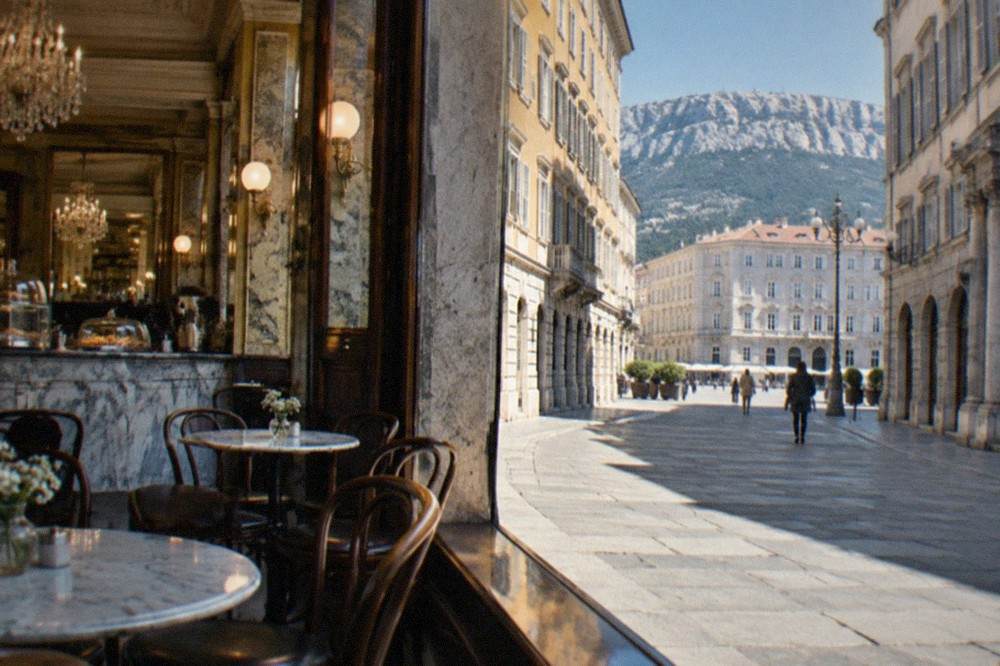
The fourth pillar costs nothing to sample. Trieste's coffee-house culture grew out of the port's roasting trade, and the historic caffè in the centre still operate as working institutions rather than tourist sets. No reliable per-head consumption figure exists anywhere in official statistics, so ignore any number a guidebook prints; the culture itself, the ritual of standing at a bar counter for a caffè, is what you go for.
What Does a Trip to Trieste Actually Cost?
A day in Trieste can run on very little: entry to the cathedral and the Risiera di San Sabba is free, a 60-minute urban bus or tram ticket is €1.50, a day ticket is €3.35, and the three main paid sights, Miramare at €17, Grotta Gigante at €15 and Museo Revoltella at €8, total €40. Add a guided food walk if you want the cuisine explained, and the city still prices out well below the major Italian art cities.
The transport figures come from Trieste Trasporti's own urban tariff sheet. The table below pulls the numbers a visitor actually needs.
| Ticket | Validity | Price |
|---|---|---|
| Urban single U01 | 60 minutes | €1.50 |
| Urban single U02 | 75 minutes | €1.85 |
| Day ticket U24 | one day | €3.35 |
| 10 rides U10 | 10 journeys | €13.50 |
| 20 rides U20 | 20 journeys | €16.65 |
Single tickets extend to 240 minutes on Sundays and public holidays, and contactless bank cards can be tapped directly on board, with the system applying the cheapest applicable fare. The same urban tickets cover the tram de Opicina, line 2, which was reactivated on 1 February 2025 and runs from piazza Dalmazia, not from piazza Oberdan as older guides print. More of these guides are collected on Trieste Travel Guide.
Sight entry is where the savings show, and the figures below come straight from each venue's own published price list.
| Sight | Adult entry | Notes |
|---|---|---|
| Castello di Miramare | €17.00 | Includes exhibition; park free all year |
| Castello di San Giusto | €7.00 | Free first Sunday of the month and 3 November |
| Museo Revoltella | €8.00 | Closed Tuesdays |
| Grotta Gigante | €15.00 | Guided only, booking compulsory |
| Cattedrale di San Giusto | free | Bell tower price not published on the parish site |
| Risiera di San Sabba | free | Daily 9:00-19:00 to 11 October |
Two softeners apply. Miramare takes part in the ministry's first-Sunday-of-the-month free-entry scheme, but the rules have changed more than once, so check the venue's own event page before counting on a specific date. And the tourist tax, per the Comune's current table, runs €1.50 to €3.80 per person per night depending on the accommodation category, charged for a maximum of five consecutive nights, with everyone under 18 exempt.
Is Trieste Worth Going to Compared with Venice?
Trieste is worth going to instead of Venice if you want the same Venetian-era Republic history and Adriatic setting at a fraction of the cost and crowd density, and worth going to as well as Venice because the two are connected by direct regional and high-speed trains. It is not worth going to as a substitute for Renaissance art: the painting galleries here are small and the Uffizi is not in Trieste.
The comparison is fair because the cities share history: Trieste was the Habsburgs' outlet to the sea precisely because Venice controlled its own Adriatic trade lanes, and the two cities still sit on the same rail corridor. Venice is the day trip people ask about most, and the answer to whether there is a high-speed train from Trieste to Venice is yes, with direct Frecciarossa services, so the pairing works in either direction.
What Trieste offers that Venice cannot is space and ordinariness. Locals live in the centre, the caffè serve residents at the counter in the morning, and the seafront at Barcola functions as the city's beach rather than a monument. What Venice offers that Trieste cannot is density of world-class art. A visitor who wants both should treat Trieste as the cheaper base and Venice as the day trip, not the reverse, because Trieste's hotel market is not compressed by the same visitor pressure.
When Is It Worth Going to Trieste?
The best time to go to Trieste is late spring or early autumn: July averages 28.2 C and only 53.8 mm of rain, the sea off the molo averages 25.9 C in both July and August, and October brings the Barcolana regatta, 2-11 October in 2026, with the city at its liveliest. November is the wettest month at 109.8 mm and February the windiest, so winter visits trade lower prices for bora days and short daylight.
The climate figures come from ARPA FVG's own station tables for the molo Fratelli Bandiera, and they overturn the standard assumption that this is a rainy northern city. July is the second-driest month of the year. The genuinely wet stretch is autumn: September takes 102.3 mm and November 109.8 mm, the annual maximum.
| Month | Mean high | Rain mm | Sea C | Days gusting over 90 km/h |
|---|---|---|---|---|
| May | 21.7 | 75.0 | 17.9 | 0.7 |
| June | 25.8 | 62.5 | 23.1 | 0.3 |
| July | 28.2 | 53.8 | 25.9 | 0.9 |
| August | 28.1 | 71.7 | 25.9 | 0.9 |
| September | 23.9 | 102.3 | 23.9 | 1.1 |
| October | 19.6 | 88.6 | 20.3 | 1.4 |
| November | 14.7 | 109.8 | 16.8 | 1.9 |
The bora, the cold north-easterly that funnels down off the Karst, is the factor no other Italian city shares. The station tables average 17.6 days a year with a gust over 90 km/h, peaking in February, and the all-time peak gust in the series is 168.1 km/h, recorded in February 2012. There is no published wind threshold at which the seafront closes or ferries stop, so treat any number a guidebook gives you as invented. What the tables do show is that June is the calmest month, and that the monthly record gust exceeds 110 km/h in every single month of the year, so the bora is a possibility year-round rather than a winter-only event.
October deserves its own paragraph. Barcolana, the world's largest sailing regatta by entry, runs 2-11 October 2026 with the main race on Sunday 11 October, and the record entry stands at 2,689 boats, set in 2018. The city fills for that week. If you want quiet, avoid it; if you want Trieste at maximum volume, it is the single best week of the year to go.
If a guided format suits you, the Habsburg history walk is the one that answers this page's question most directly: a private guide, two and a half hours, and the whole Austrian-era story of why an Italian port looks like Vienna. You can Check availability on the operator's live listing.
Common Questions About Going to Trieste
These are the questions that decide most trips to Trieste, Italy: how long to stay, whether it works as a base for Slovenia and Croatia, and whether the city justifies the journey from Venice or the airport. Each answer below is short and sourced from the verified figures on this page and the pages they link to.
Is it worth going to Trieste?
Yes, if you want Habsburg architecture, a sea-facing square, cave systems and café culture at low cost and without heavy crowds. It is not worth going to if you are only interested in Renaissance art, which this city does not have in depth.
How many days do you need in Trieste?
Two days cover the centre, San Giusto and Miramare; three let you add Grotta Gigante or a Slovenian coastal day trip. The detailed answer is on the page about how many days you need in Trieste.
Is Trieste worth visiting from a cruise ship?
Yes, unusually so: the cruise terminal sits at the edge of the historic centre, so the main square, the canal and the old town are all reachable on foot without a transfer. A one-day plan is on the page about what to do in Trieste in one day.
Can you visit Slovenia or Croatia from Trieste?
Yes, both are day trips, and all three countries use the euro. Italy is running temporary border checks on its land border with Slovenia through 18 December 2026, so carry a passport or national ID card.
Is Trieste expensive?
No, by Italian city standards. Sights run €7 to €17, a day transport ticket is €3.35, and the tourist tax tops out at €3.80 per night in a five-star hotel.
The verdict, in one line: Trieste, Italy is worth going to for a two- or three-day city break built around the seafront, Miramare and the Karst, priced lower and crowded less than the cities most people compare it with.