Is Trieste, Italy Worth Seeing?
Is Trieste, Italy worth seeing? A straight answer built on verified ticket prices, opening hours and climate data, plus what the city's tours and landmarks actually deliver.
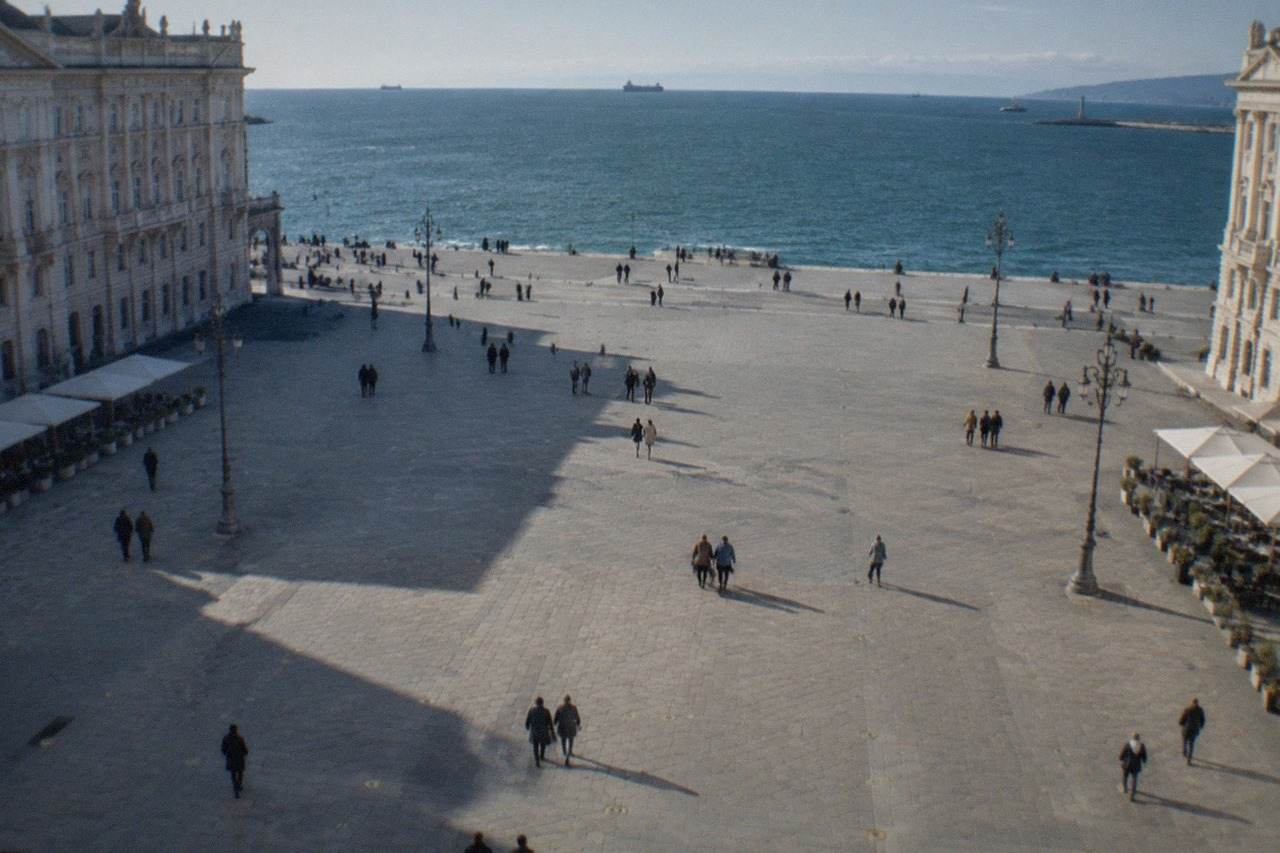
Trieste, the Adriatic port city in Friuli Venezia Giulia in the northeast corner of Italy, is worth seeing for reasons that most Italian itineraries never surface: a Habsburg-built seafront, a piazza that opens directly onto the sea, a coffee culture with no equivalent elsewhere in the country, and a border-zone identity that makes it feel unlike anywhere else in Italy. The question "is trieste, italy worth seeing?" deserves a straight answer rather than a mood board, so everything below comes from verified ticket prices, published opening hours and the regional weather agency's own station tables.
Is Trieste, Italy Worth Seeing?
Yes, Trieste in Italy is worth seeing, and the strongest case is that its headline sights are either free or cheap: the seafront and Piazza Unità d'Italia cost nothing, Miramare Castle is €17, San Giusto Castle €7, the Revoltella Museum €8, and the Risiera di San Sabba national monument is free. The city pairs Habsburg architecture with a working port and a coffee-house culture, and its climate tables show a dry July with a 28.2 C average high.
That is the short version. The longer version is that Trieste rewards a specific kind of visitor: one who wants a mid-sized city with Central European bones, seaside walking and serious cafès, rather than a checklist of Renaissance masterpieces. The city was the Austrian Empire's main port, and the architecture still shows it. Piazza Unità d'Italia, the great square on the waterfront, is the largest seaside piazza in Italy and is free to stand in at any hour. The Grand Canal, the Città Vecchia old town and the hill of San Giusto are all within a compact, walkable centre, which is one reason the city comes up so often in walkability comparisons.
The honest counterargument is that Trieste has no single iconic artwork or monument that the world already knows. Nobody queues for hours here. If a trip to Italy is judged by bucket-list density, Trieste loses. If it is judged by atmosphere, affordability and the feeling of a place that is still itself rather than a performance of itself, Trieste wins, and the numbers in the rest of this page back that up.
What Do You Actually Get for Your Money in Trieste?
The paid sights in Trieste are inexpensive by Italian standards: Miramare Castle costs €17 for an adult including the temporary exhibition, Castello di San Giusto costs €7, the Revoltella modern-art gallery costs €8, and Grotta Gigante, one of the world's largest tourist caves, costs €15 with a compulsory guided tour. The seafront, the old town, the Risiera di San Sabba memorial and the cathedral are all free, so a full day of sightseeing can run on two paid tickets.
The castle at Miramare is the headline spend. The Ministry of Culture's visit page lists the adult ticket at €17 with the temporary exhibition included, and the park around it is free all year with hours that shift by month, 8:00-19:00 from April to September. San Giusto Castle's €7 ticket is unusually generous: it covers the walls and bastions with their views over the gulf, the castle museum and armoury, the Lapidario Tergestino and temporary exhibitions. The Revoltella, the city's modern-art museum, is €8 and closed on Tuesdays, a detail worth checking before a visit.
Grotta Gigante, up on the Carso plateau at Sgonico, is €15 for adults, guided tours only with compulsory booking, and it is closed on Mondays from September to February, open daily from March to August. The Risiera di San Sabba, the national monument on the site of the only Nazi extermination camp in Italy, is free to enter and open daily, 9:00-19:00 from March until 11 October and 9:00-17:00 after that date.
| Sight in Trieste | Adult entry 2026 | Hours (published) | Notes from the venue's own page |
|---|---|---|---|
| Piazza Unità d'Italia and seafront | Free | Always open | Largest seaside piazza in Italy |
| Castello di Miramare | €17.00 | Daily 9:00-19:00, last entry 18:30 | Includes temporary exhibition; park free year-round |
| Castello di San Giusto | €7.00 | Daily 10:00-19:00 to 11 Oct; Tue-Sun 10:00-17:00 after | Covers walls, museum, armoury, Lapidario |
| Museo Revoltella | €8.00 | Daily 10:00-19:00, last entry 18:00 | Closed Tuesdays |
| Grotta Gigante | €15.00 | Tours 9:00-16:00, daily Mar-Aug | Guided only, booking compulsory; closed Mondays Sep-Feb |
| Risiera di San Sabba | Free | Daily 9:00-19:00 to 11 Oct | National monument; groups book March-May |
| Cattedrale di San Giusto | Free | Weekdays 8:00-18:30; Sundays 9:00-19:30 | Bell tower hours seasonal; no tower price published |
Two savings details are worth flagging. The ministry's first-Sunday-of-the-month free-entry scheme runs through 2026 and Miramare participates, so the castle is free on those days, though the rule has changed before and the venue's own event page is the authority for any specific date. And the regional FVGcard pass covers Trieste sites including Grotta Gigante and the Revoltella, though its prices should be confirmed on the tourism board's own page before purchase. For a fuller rundown of what the city offers, the guide to what Trieste is famous for goes deeper on the coffee houses and the Habsburg legacy.
Is Trieste Worth Seeing Compared with Venice?
Trieste is worth seeing precisely because it is not Venice: entry to its main square costs nothing, a castle ticket is €7-17 rather than a premium-city price, and the city has a dry July averaging 53.8 mm of rain while receiving a fraction of Venice's crowds. Venice wins on iconic density and Trieste wins on cost, calm and a working-city atmosphere, so the two work better as a pairing than a contest.
The comparison matters because most travellers reach Trieste through Venice, and the question is whether the detour pays. On price, the gap is real: Trieste's paid sights top out at €17 and its urban bus single is €1.50 for 60 minutes or €1.85 for 75, per the operator's 2026 tariff sheet, with a day ticket at €3.35 and contactless payment accepted on board. On crowds, Trieste's waterfront is a local promenade, not a corridor of through-traffic. On sights, Venice's pull is obvious and Trieste's is quieter: a Roman theatre you look down into from the street, a Byzantine-rite Serbian Orthodox church, a lighthouse built as a war memorial, and the Miramare marine protected area along the coast.
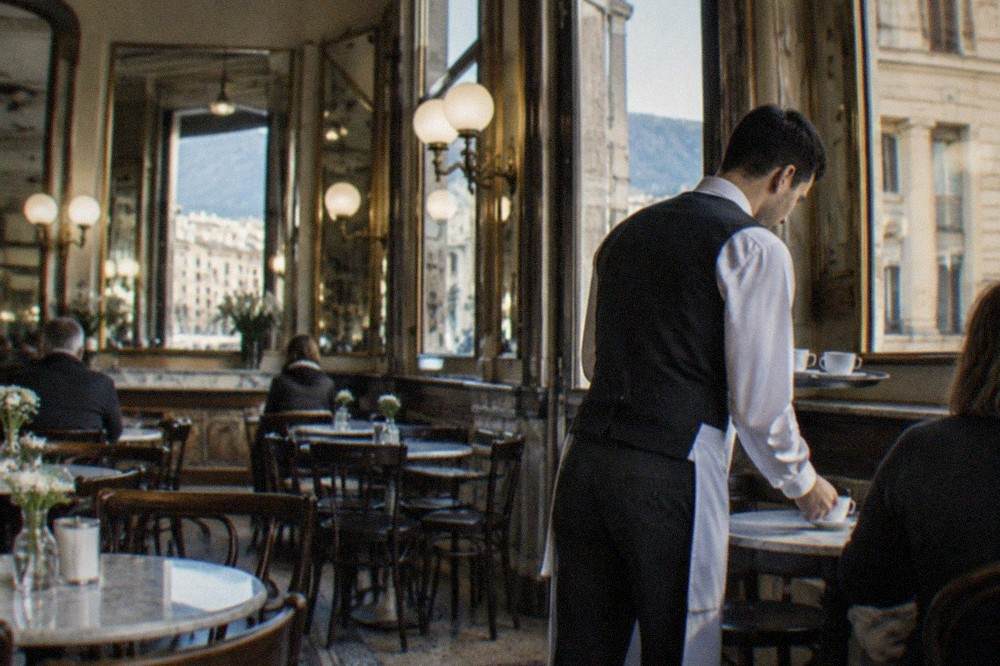
The atmosphere is the real differentiator. Trieste was James Joyce's home for over a decade, the port through which Central Europe drank its coffee, and the city where Sigmund Freud passed through on his only visit to Italy. Its cafès, the historic ones on the central squares, are working rooms where people read newspapers for the price of an espresso, not museum pieces with velvet ropes. Readers weighing the two cities against each other will find the Venice-or-Trieste comparison broken out in full elsewhere on this site.
The weather data helps too. ARPA-OSMER's station tables for the molo put July's average high at 28.2 C with only 53.8 mm of rain, making July the second driest month of the year, while November is the wettest at 109.8 mm. The bora wind blows hardest in the cool season, with February averaging 2.9 days of gusts over 90 km/h, but June is the calmest month. None of that is a reason to skip the city; it is a reason to pack a windproof layer between November and March.
How Many Days Does Trieste Need?
Trieste needs two days to be seen well and can deliver a worthwhile visit in one, since the compact centre puts Piazza Unità d'Italia, the Città Vecchia, the Grand Canal, San Giusto hill and the seafront within a short walk of each other. Two days add Miramare Castle and the Carso plateau, and three days allow a cross-border day trip to Slovenia or Croatia, both reachable in a single day from the city.
The one-day version works because the centre is dense. A morning covering the piazza, the canal, the Roman theatre and the cathedral, an afternoon on San Giusto hill and the Revoltella, and an evening in a historic caffè covers the city's core without rushing. The one-day itinerary on this site lays that route out stop by stop.
The second day is where Trieste separates itself from a quick stop. Miramare Castle sits up the coast at Grignano, reachable by city transport, and its free park and paid apartments are worth half a day on their own. The Opicina tram, reactivated on 1 February 2025 and running from piazza Dalmazia, climbs to the Carso plateau and is part of the ordinary urban network, so a standard €1.50-1.85 ticket covers it. Day three opens the border: Piran and the Slovenian coast, Ljubljana and Lake Bled, or Postojna Cave are all established day trips, and all three countries use the euro. One live caveat: Italy is running temporary border checks on its land border with Slovenia from 19 June 2026 to 18 December 2026 per the European Commission's register, so carry a passport or national ID card even for a quick hop north.
What Do Guided Tours in Trieste Cost and Deliver?
A two-hour private walking tour of Trieste costs from $206.36 per group of up to 10 and is rated 4.9 from 98 reviews, a panoramic city and Miramare Castle tour costs from $129.94 per person over four hours, and a three-hour food tour costs from $87.58 per person rated 4.9 from 88 reviews, so a guided introduction to the city runs cheaper per person in a group of three or more than most equivalent tours in Italy's premium cities.
The private walk is the best first-morning spend for a first visitor. It covers the modern and ancient landmarks of the centre in two hours with a local guide, and at the group rate a party of four pays roughly what four separate museum tickets would cost. The panoramic tour adds Miramare Castle and the seafront drive in a four-hour format rated 4.97 from 21 reviews, which suits visitors who want the castle handled end to end without working out the buses. The food tour, three hours of street food and local flavours, is the one to pick for the buffet cuisine, the jota soup and the coffee culture in a single walk.
For anyone planning around a tight budget, the free option is real and worth naming honestly: GuruWalk runs a pay-what-you-want city walk with a local guru, tip-based, rated 4.86 from 50 reviews, and a second free GuruWalk covering the Old Port industrial archaeology district. Those are not this site's tours and are booked on the guru's own terms. Beyond the city, the day-trip options from Trieste run from Postojna Cave to the Slovenian coast, and the question of how many days you need in Trieste sets out the pacing in detail.
The trio above covers the three angles most visitors want from the city: a private orientation walk, the castle and coast by panoramic tour, and the food and caffè culture on foot. Each is booked through the operator's live listing, with free cancellation on the standard terms, and none requires a decision before arrival unless a specific date is likely to sell out, which in Trieste is rare outside Barcolana week.
Common Questions About Whether Trieste Is Worth Seeing
Is Trieste, Italy worth seeing?
Yes. The paid sights are cheap by Italian standards, the seafront and main piazza are free, the centre is walkable, and the coffee-house culture and Habsburg architecture give the city an atmosphere no other Italian destination replicates. Two days are enough to see it well.
Is Trieste worth visiting if you have already been to Venice?
Yes, and for many travellers it is the better repeat trip. Venice is iconic and crowded; Trieste is calm, inexpensive and still a working port city. A direct train connects the two, so they pair naturally in one itinerary.
Is Trieste expensive?
No, by the standards of Italy's tourist cities. Castle tickets run €7-17, the modern-art museum is €8, urban bus singles are €1.50-1.85 per the 2026 tariff sheet, and the city's tourist tax tops out at €3.80 per person per night for a five-star hotel and is charged for a maximum of five consecutive nights.
What is the single best thing to see in Trieste?
Piazza Unità d'Italia, the largest seaside piazza in Italy, which costs nothing and is at its best in the early evening. If one paid sight is chosen, make it Miramare Castle at €17, with its free park on the gulf.
Is Trieste worth seeing in winter?
Yes, with a windproof layer. The bora blows hardest from November to March, but the ARPA station tables show the city is not a rainy Mediterranean stereotype: July is the second driest month. Winter brings the Christmas market and far thinner crowds.
Can you see Trieste in one day?
Yes. The centre is compact enough that the piazza, the Grand Canal, the Roman theatre, San Giusto hill and a historic caffè fit into a single day, and the Opicina tram adds the Carso plateau using an ordinary urban bus ticket.
The verdict from the numbers: Trieste, Italy is worth seeing, and it is worth seeing now, while a castle ticket still costs €17 and the seafront still costs nothing. For more on planning the visit, the Trieste Travel Guide covers the city's areas, itineraries and border day trips in depth.