What Is Trieste, Italy Known For?
Trieste, Italy is known for its seafront squares, Habsburg elegance, historic coffee houses, the bora wind, the Barcolana regatta and the Karst caves at the edge of the city.
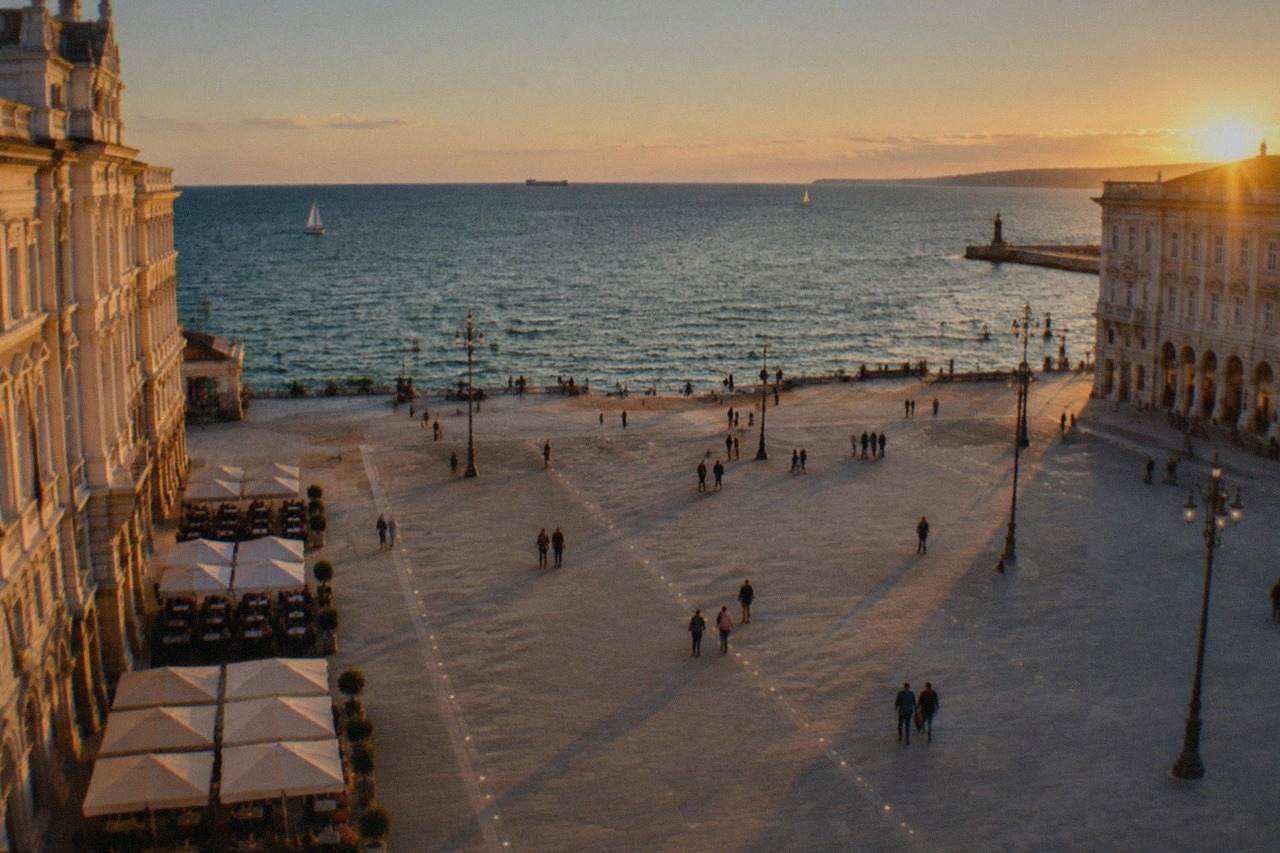
Trieste, Italy is an Adriatic port city in the far northeast of the country, the capital of the Friuli Venezia Giulia region, and it is known for a set of things no other Italian city shares in the same combination: a seafront square built by an empire that no longer exists, a coffee culture that grew out of the port's importing trade, a cold wind that funnels down off the Karst plateau, the largest sailing race in the world, and giant limestone caves within reach of a city bus. It was the Habsburgs' only big port for centuries, which is why its architecture looks more Viennese than Venetian, and why its cuisine carries goulash next to its pasta. This page answers the question directly, then breaks down each thing the city is genuinely famous for.
What Is Trieste, Italy Known For?
Trieste, Italy is known for five things above all: Piazza Unità d'Italia, the large seafront square that opens directly onto the Adriatic; its historic coffee houses and role as Italy's coffee port; the bora, a cold north-easterly wind that gusts off the Karst; the Barcolana, the sailing regatta that drew a record 2,689 boats in 2018; and the Karst caves, including Grotta Gigante, within easy reach of the city centre. The Habsburg heritage ties them together: this was the empire's main sea gateway, and the wealth, the cafés, the grand squares and the multicultural mix of Italian, Slovene and Central European life all trace back to it.
The city is also famous in a quieter way for its literary past, its borderland identity and its food, which you can dig into in what food is Trieste known for and why Trieste is famous. But the five headline items are what most visitors actually encounter, so those are worth unpacking one by one.
Coffee Houses and the Port That Made Them Famous
Trieste's coffee fame is real but widely misstated: the city is a historic coffee port and roasting centre, home to Illy's headquarters and a dense culture of historic cafés, but the endlessly repeated claim that locals drink twice the Italian average has no verifiable primary source behind it, so treat any kilogram-per-head figure you read with suspicion. What is verifiable is the trade itself. Coffee arrived through this port for the Habsburg empire, roasting grew up around the docks, and the city still hosts a major coffee festival and one of Italy's best-known roasting firms.
The café culture is the visible half of this. Trieste's historic caffè are institutions rather than pit stops, and the city even has its own ordering vocabulary that other Italians find foreign: ask for a capo in b and you will get a small coffee with milk in a glass, something a barista in Rome would not recognise. A guided walk that ends with coffee in a historic bar is one of the most popular introductions to the city, and the roster's Trieste Historic Cafés Experience style tours exist precisely because the cafés are the single most distinctive everyday feature of the place.
| Trieste landmark | Entry cost | Key hours |
|---|---|---|
| Castello di Miramare (castle) | €17 adult, includes exhibition | Daily 9:00-19:00, last entry 18:30 |
| Miramare park | Free | Daily, seasonal hours, April-September 8:00-19:00 |
| Castello di San Giusto | €7 adult, €5 reduced | Daily 10:00-19:00 to 11 Oct, then Tue-Sun 10:00-17:00 |
| Cattedrale di San Giusto | Free | Weekdays 8:00-18:30, Sundays 9:00-19:30 |
| Museo Revoltella | €8 adult, €6 reduced | Daily 10:00-19:00, closed Tuesdays |
| Risiera di San Sabba | Free | Daily 9:00-19:00 to 11 Oct, then 9:00-17:00 |
| Grotta Gigante | €15 adult, €12 reduced | Guided tours only, booking compulsory |
If you would rather have someone else assemble the itinerary, the three options below cover the three most famous faces of the city: a private walk through the squares, a castle visit and a food tour through the buffet and café tradition.
Habsburg Elegance on the Water: Piazza Unità d'Italia
Piazza Unità d'Italia is Trieste's most photographed landmark and one of the few great squares in Europe that opens directly onto the sea, a broad paved rectangle of Habsburg-era government buildings and cafés whose western edge is the harbour water itself, not a street. The square was the administrative heart of the Austrian Littoral, and its architecture shows it: grand, symmetrical, municipal, closer to Vienna than to anywhere south of the Alps. Standing in it, you understand the whole city in one glance, because the empire built its window onto the sea right here.
The rest of the famous cityscape spreads out from it. The Borgo Teresiano grid of straight streets and neoclassical façades, the Canal Grande with the Sant'Antonio Taumaturgo church at its head, the Roman theatre sunk below street level, and the hill of San Giusto with its castle and cathedral above: all of it sits within a walkable centre, which is why is Trieste a walkable city is a question with an emphatic yes for an answer. The Teatro Romano, worth being precise about, is looked down into from the street rather than entered.
A private walking tour is the natural way to absorb this, because the layering is the point: Roman, medieval, Habsburg and Italian all stacked within a few hundred metres. The related tour below is run by a local guide who shapes the route to what you want to see. The rest of the planning pages sit on Trieste Travel Guide.
The same guide-led format works well for families and for anyone short on time, since the route flexes around your pace rather than a fixed schedule. If you already know you want to lock a date in, the box below goes straight to the operator's live listing.
The Bora Wind and the Barcolana Regatta
The bora is the cold, dry north-easterly wind that makes Trieste famous among sailors and meteorologists alike: ARPA FVG's station tables record an all-time peak gust of 168.1 km/h in February 2012 and an average of 17.6 days a year with a gust over 90 km/h, while the Barcolana regatta, the largest sailing race in the world with a record 2,689 boats entered in 2018, deliberately sails in the same windy autumn season, with the 2026 edition running 2-11 October. No other Italian city has a wind as central to its identity, complete with ropes strung along handrails on the windiest streets so pedestrians have something to hold.
The two are connected. The Barcolana is held in October because the Gulf of Trieste's reliable wind is the whole point of the race, and the event fills the waterfront with boats, village stands and spectators for a week and a half. The regatta course runs about 13 nautical miles in the gulf, finishing off Piazza Unità. If you are deciding when to come, how many days in Trieste is enough and the regatta week are worth weighing against each other, because Barcolana changes the character of the city entirely.
The wind also shapes the weather story people get wrong. Trieste is not a rainy summer city: November is the wettest month at 109.8 mm and July is the second driest at 53.8 mm, per the ARPA series. The bora blows hardest in the cool season, but the station tables show a record gust above 110 km/h in every month of the year, so it is never entirely off the table.
Castles, Caves and the Karst Edge
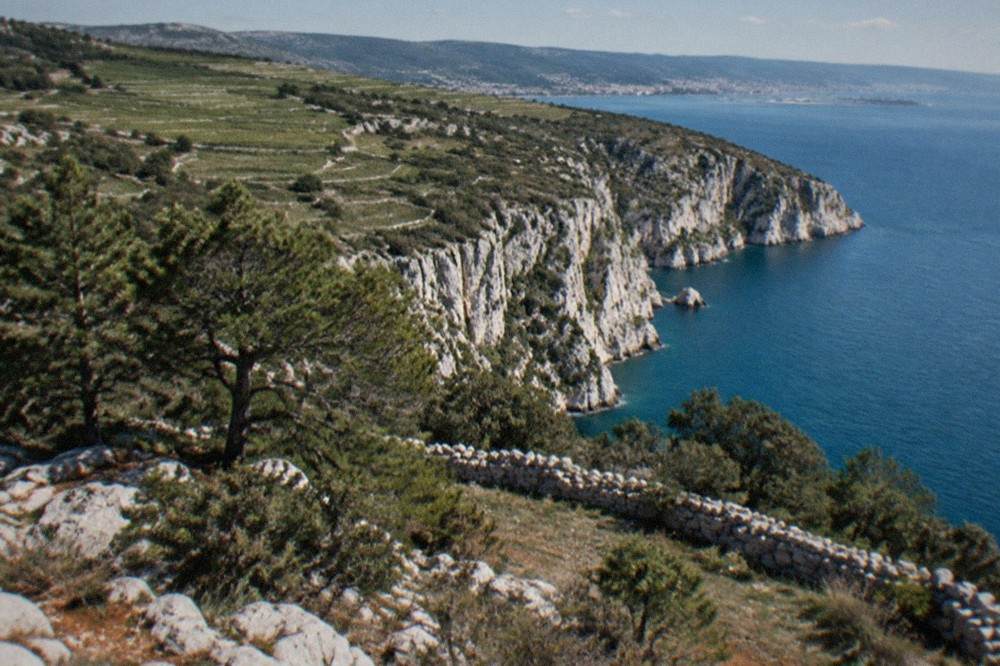
Trieste is known for having serious sights at both ends of the scale: Miramare Castle, the white seaside residence of Archduke Maximilian on the gulf, and the Karst caves, above all Grotta Gigante, a guided-only cave at Sgonico where booking is compulsory and the adult ticket is €15. The Karst plateau begins literally at the edge of the city, a limestone landscape of sinkholes, vineyards and osmize, the farmhouse wine outlets hung with a frasca branch when they are open, and it is the reason the countryside around Trieste feels nothing like the rest of northern Italy.
Miramare is the castle most visitors mean when they say Trieste's castle. Its park is free all year and the castle is not, which is a distinction worth knowing before you arrive, and the two keep different hours. Inland, the caves are the second pole: Grotta Gigante runs guided tours at fixed departure times, is closed on Mondays from September to February, and sits close enough to the city that the Opicina tram, reactivated on 1 February 2025 and running from piazza Dalmazia, is part of the same Karst story. The tram's hilltop terminus at Opicina and the obelisk above it are minor sights in their own right.
The food half of the Karst fame belongs to the osmize and the local wines, Vitovska, Malvasia and Terrano, since Trieste is not in the Prosecco DOC despite the village of Prosecco sitting on the gulf. The signature dish question has its own answer in what is the signature dish of Trieste.
| Month | Mean high C | Rain mm | Wet days | Days with gust over 90 km/h |
|---|---|---|---|---|
| January | 9.2 | 52.8 | 6.6 | 2.4 |
| April | 16.8 | 60.7 | 8.0 | 0.7 |
| July | 28.2 | 53.8 | 5.4 | 0.9 |
| October | 19.6 | 88.6 | 7.6 | 1.4 |
| November | 14.7 | 109.8 | 9.5 | 1.9 |
The table above is the honest version of Trieste's climate, drawn from ARPA FVG's waterfront station series: mild, windy in every season, and wettest in autumn rather than summer. It is also the reason the Barcolana sits in October, in the windy shoulder between the summer calm and the deep winter bora.
For anyone planning around these five things, the practical entry points are a private walk for the squares and the Habsburg layer, a castle tour for Miramare, and a food walk for the cuisine that the empire left behind. The borderland angle, Slovenia within sight across the bay and Croatia a short run down the coast, both in the euro and in Schengen since Croatia joined both on 1 January 2023, rounds out what makes the city unusual, and it is covered in what is Trieste in Italy famous for.
If you want to compare those three options side by side before committing, the picks below bring the walking, castle and food angles together in one place.
Common Questions About What Trieste, Italy Is Known For
what is trieste, italy known for?
Trieste, Italy is known for Piazza Unità d'Italia and its Habsburg seafront, its historic coffee houses and coffee port, the bora wind, the Barcolana regatta and the Karst caves such as Grotta Gigante. Its food, jota soup and buffets, and its borderland position next to Slovenia add to the picture.
Why is Trieste famous for coffee?
Because it was the Habsburg empire's coffee port, and the roasting trade and café culture that grew around the docks are still central to the city, including Illy's headquarters. The often-repeated per-head consumption figures have no verifiable primary source, but the port trade and the caffè institutions themselves are well documented.
What is the bora wind in Trieste?
A cold, dry north-easterly wind that funnels off the Karst plateau down onto the gulf. ARPA FVG's station tables record a peak gust of 168.1 km/h in February 2012 and an average of 17.6 days a year with a gust over 90 km/h. Handrail ropes are strung on exposed streets during strong episodes.
Is the Barcolana really the largest sailing race in the world?
Yes. The 2018 edition drew 2,689 registered boats, which the organisers describe as a Guinness World Record. Barcolana 58 runs 2-11 October 2026, with the main regatta on Sunday 11 October over a 13-nautical-mile course in the Gulf of Trieste.
What famous sights should a first-time visitor see?
Piazza Unità d'Italia, the Castello di San Giusto and the cathedral on the hill, Miramare Castle and its free park, the Canal Grande and Città Vecchia district, the Molo Audace seafront pier, and, with a booking, Grotta Gigante on the Karst.
Is Trieste more Austrian or Italian in character?
Both, deliberately. It was the Habsburgs' main port, and the architecture, cafés and cuisine still show it, but the city is firmly Italian, in the euro-zone region of Friuli Venezia Giulia, with a Slovene minority and a Slovene-speaking border at its edge.
The short version: Trieste, Italy is known for an imperial seafront, coffee drunk seriously, a wind worth respecting, a sailing race without equal, and caves in the limestone behind the last street of town, and no other city on the Adriatic offers that particular combination.