What Language Is Spoken in Trieste?
Italian is the official language of Trieste, Italy, but the city speaks in layers: co-official Slovene, the local Triestine dialect, and widespread English. Here is what you will actually hear.
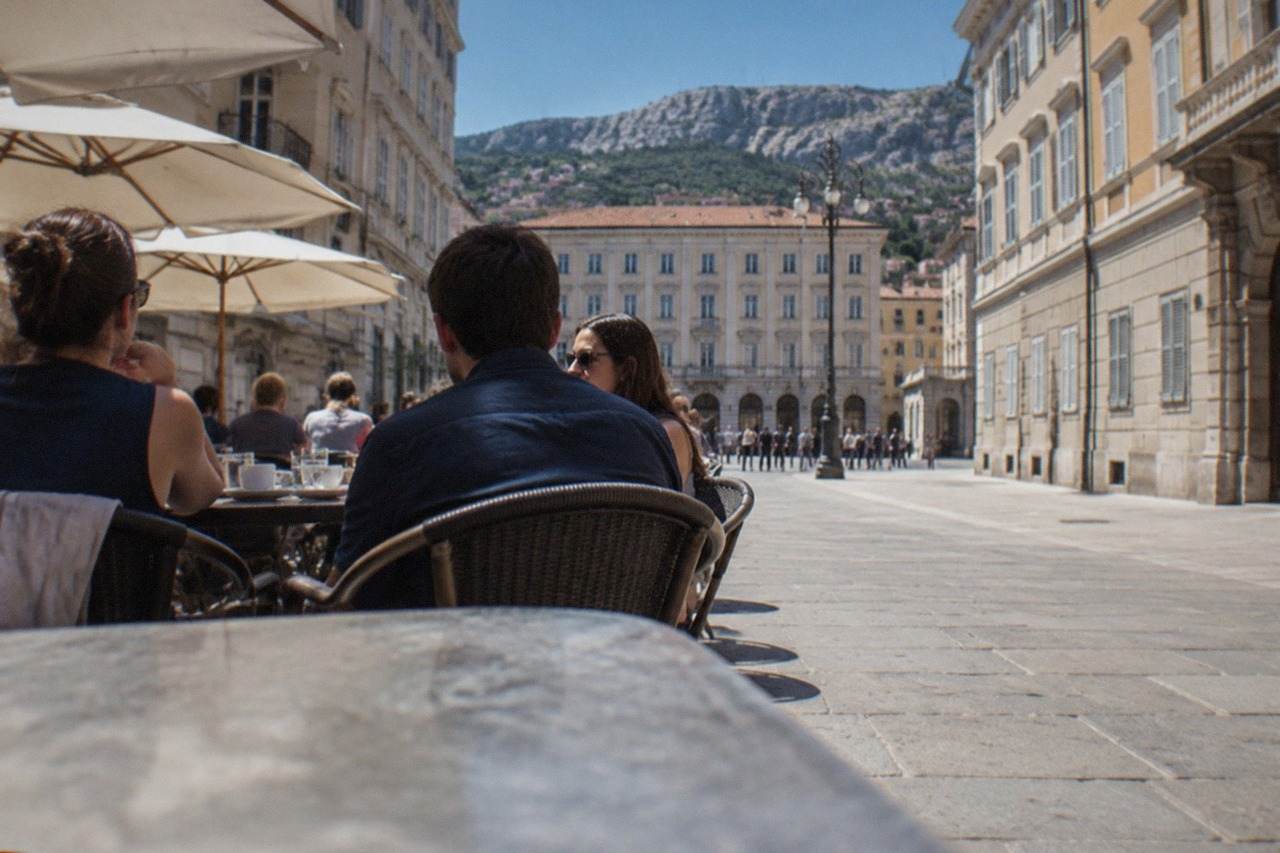
Trieste, the Adriatic port city in the Friuli Venezia Giulia region of northeast Italy, is one of the few Italian cities where the answer to a simple language question has layers rather than a single word. Italian is what the shop signs, the menus and the announcements use. Slovene sits beside it with official recognition, a legacy of the border that runs through the Carso a few kilometres up the hill. And in the caffè around Piazza Unità d'Italia, a lot of everyday conversation happens in Triestine, a local vernacular that sounds like Italian with its vowels filed down and its consonants left in the wind. This page lays out which language you will actually meet, street by street, and what to do about it as a visitor.
What Language Is Spoken in Trieste?
The language spoken in Trieste is Italian, which is the official language of Italy and the one used on every sign, menu and ticket in the city. Alongside it, Slovene is a recognised language of the local community, protected by Italian minority law, and the everyday vernacular of many residents is Triestine, the local dialect. English is commonly understood in hotels, museums and cafés that serve visitors, so an English-speaking traveller can get through a stay without a phrasebook.
That stack of three languages in one small city is not an accident of geography; it is the residue of Trieste's particular history as an imperial free port where Italian merchants, Slovene farmers from the Karst plateau behind the city, and administrators from Vienna all needed to do business in the same square mile. The Habsburg port grew bilingual and stayed that way even after the border moved. What makes the city interesting linguistically is not that everyone speaks several languages perfectly, it is that the languages have a place in public life that most Italian cities simply do not have.
The practical version for a visitor is simple. Address people in Italian and you will be understood everywhere. Switch to English in the centre and you will usually be fine. Try a word of Triestine at a counter and you will get a smile, because the dialect is affectionately regarded rather than merely tolerated. The question what language do they speak in Trieste? comes up in several forms on this site, and the short answer never changes: Italian first, and a great deal else underneath it.
| Everyday thing | Standard Italian | Triestine you may hear | Slovene equivalent |
|---|---|---|---|
| A coffee | un caffè | un capo | kava |
| Coffee with a little milk | un caffè macchiato | un capo in b | kava z mlekom |
| Good | buono | bon | dober |
| Goodbye (informal) | ciao | ciao (pronounced "s-ciao") | čau |
| A beer | una birra | un birutin | pivo |
| The bar / café | il bar | el bar | gostilna |
| The bill | il conto | el conto | račun |
The "capo in b" is the classic test. In most of Italy a macchiato arrives under a different name in every region; in Trieste the barista vocabulary is its own small institution, a bit like the city. Anyone who wants the full weight of that borderland identity, from the Slovene school system inside the city to the bilingual street furniture in some districts, will find it covered in the site's long guide to language and identity on the Slovenian border.
Is Slovene Officially Recognised in Trieste?
Slovene is a protected and officially recognised language for the Slovene minority in Trieste and the surrounding area, under Italian minority-protection law. In practice that means Slovene-language schools, media and public signage exist inside the city, and a share of Trieste's population speaks it at home. It is not the language a waiter will greet you in, but it is a real public presence rather than a private heritage.
The reason is on the map. Trieste sits at the western edge of a Slovene-speaking hinterland, and the national border with Slovenia runs close to the city's eastern edge, through the plateau locals call the Carso. When Slovenia became independent, and later when it joined the Schengen area in December 2007 and the euro on 1 January 2007, the border became practically invisible for movement. Anyone crossing into Slovenia on a day trip needs no currency change, because Italy and Slovenia both use the euro.
One live exception belongs here. The European Commission's register of temporary border measures lists Italy as running temporary checks on its land borders with Slovenia from 19 June 2026 until 18 December 2026, so a day trip out of the city is a moment to have a passport or national ID card on you, and to hear, at the window, both languages at once. The linguistic and the political border are not the same line, and Trieste is where that is easiest to see.
For a visitor the takeaway is modest but real: you may hear Slovene spoken at a market stall, a tram stop or a bus stop near Opicina, and signage around the borderland can be bilingual. Treating that as a curiosity rather than a confusion is the local way.
What Is the Triestine Dialect and Where Do You Hear It?
Triestine is the local dialect of Trieste, a variety of the Venetian dialect family shaped by the city's port history, and it is the language of everyday speech for a large share of residents in shops, markets and cafés. It is fully understandable to an Italian speaker from Rome or Milan in the way a strong regional accent is, though its vocabulary, like the coffee names, is its own. You will hear it most at counters, on buses and among friends in Città Vecchia.
What trips visitors up is rarely grammar and always the small words. A Triestine speaker might say "ben" where a Florentine says "bene", drop final vowels without apology, and address everyone with a directness that sounds brusque until you notice it comes with warmth attached. The dialect carries the city's self-image: quick, a little ironic, unhurried about formality. That temperament is exactly what a local guide on the best-of private landmarks walk conveys, and the listing for the tour, at $217.82 per group of up to 10 with a 4.9 rating from 31 reviews over 2 hours, describes it as a walk through the modern and ancient charms of the city in the company of someone who actually lives in it.
Hearing the dialect rather than reading about it is the only real way to place it. A bar counter at mid-morning, when the office crowd takes its coffee standing, is the best lecture hall in the city.
Can You Get by with English in Trieste?
Yes, English is enough for a comfortable visit to Trieste. Hotel and restaurant staff, museum ticket desks and younger residents in the city centre generally speak it well, and the tourist infrastructure of a port city that spent decades as a conference and shipping hub is built for foreign visitors. Away from the centre, in neighbourhood shops and on local buses, a few words of Italian go further than fluent English does, and being greeted in Italian is appreciated.
The honest rule of thumb for Italy applies here with a Triestine twist: start in Italian, however badly, and let the other person switch first. Trieste's own tourist infrastructure is unusually used to English because of its port and academic life, so the switch comes quickly and without ceremony.
The place where a little Italian genuinely pays is public transport. Trieste Trasporti's 2026 urban tariff sheet, published 29 December 2025, sets the fares, and buying one at a machine or a tabaccheria is easier if the words are familiar. A standard urban ticket is valid for 60 or 75 minutes, extended to 240 minutes on Sundays and public holidays, and contactless bank cards can be tapped on board, where the system applies the cheapest applicable fare.
| What to say at the counter | What it means | 2026 price from the tariff sheet |
|---|---|---|
| Un biglietto urbano da 60 minuti | One 60-minute urban ticket | EUR 1.50 |
| Un biglietto urbano da 75 minuti | One 75-minute urban ticket | EUR 1.85 |
| Un biglietto giornaliero | One day ticket | EUR 3.35 |
| Una tessera da 10 corse | A 10-ride carnet | EUR 13.50 |
Pronunciation helps too, and the site has a whole page on how Italians say Trieste if you want to land the city's own four syllables correctly. It is three syllables in Italian mouths, tree-ES-teh, with the stress in the middle, and locals will notice if you get it right.
Which Experiences Let You Hear the Languages First Hand?
The fastest way to hear Trieste's languages in their natural habitat is a guided walk with a local, because a guide who grew up in the city will move between Italian, Triestine and occasional Slovene as the street demands, and will name things in the language the street actually uses. Food and coffee encounters do the same job from a bar stool, since counters are where the dialect lives. A private tour simply hands you the same streets with the translation running.
The options on this site cover both registers. The private landmarks walk pairs you with a local guide for two hours, and you can Check availability on the operator's live listing. The guided foodie walking tour runs three hours at $71.08 per person with a rating of 4.9 from 264 reviews, and it is essentially a dialect lesson with courses: a guide ordering in Triestine is worth an hour of study. The Miramare Castle and the park tour, a private castle visit of the former apartments of Archduke Maximilian and his wife Charlotte at $93.42 per group with a 5 rating from 62 reviews, moves the scene up the coast but keeps the same linguistic texture.
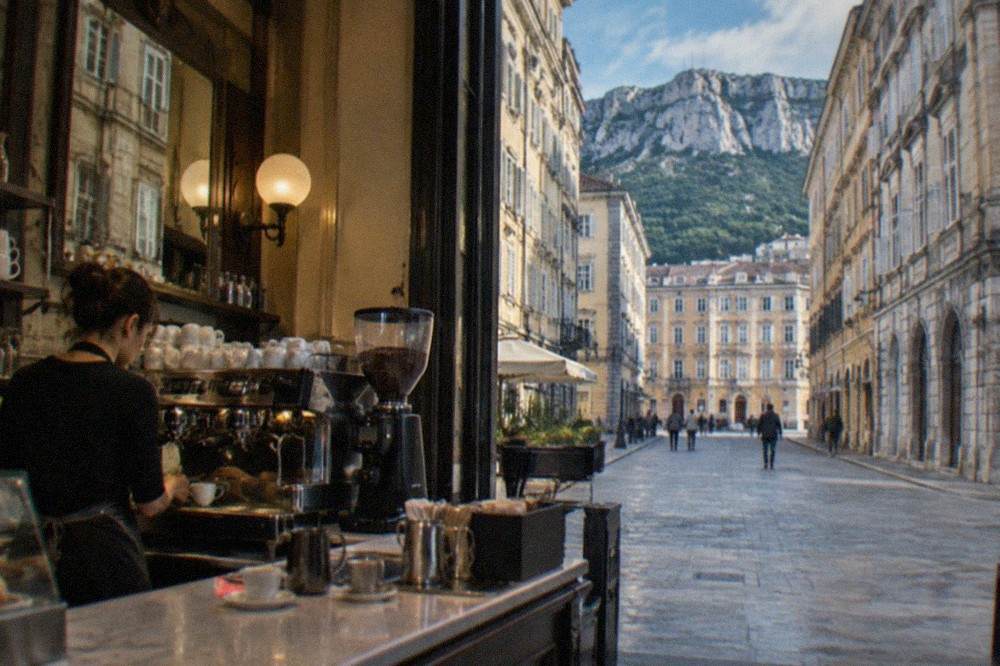
For travellers who prefer to start free, the city also has pay-what-you-want walks in the free-walk tradition, where a local guide leads a group on tips alone. Any of these beats a guidebook, because a page cannot pause to explain why the man at the counter just called the coffee a capo and everyone understood.
Common Questions About Language in Trieste
Questions about language in Trieste cluster around four themes: whether English is enough for a visit, what the capo and capo in b at the bar mean, how the Slovene minority is recognised in the city, and whether the Triestine dialect counts as Italian. The answers below hold to the same core fact: Italian is the working language of the city, with a protected Slovene presence and a strong local vernacular, and English covers most visitor needs without either.
what language do they speak in trieste?
People in Trieste speak Italian as the official everyday language, with Triestine, the local dialect, common in informal settings, and Slovene recognised and protected as a minority language under Italian law. English is widely understood in the city's hotels, museums and visitor-facing businesses.
Is English widely spoken in Trieste?
Yes. Trieste's hotels, restaurants, museums and transport hubs are used to English-speaking visitors, and younger residents in the centre speak it well. In neighbourhood shops and on local buses a few Italian words help more than fluent English.
What does capo in b mean?
Capo is the Triestine word for an espresso, and capo in b means the same coffee with a splash of milk, served in a glass rather than a cup. It is the standard order in Trieste's cafés, and using it marks you as someone who has been briefed.
Is the Triestine dialect a form of Italian?
Triestine belongs to the Venetian dialect family and is distinct from standard Italian, though the two are mutually understandable in daily use. It is the everyday vernacular of much of the city and carries Trieste's port identity in its vocabulary and pace.
Do I need Slovene for a day trip from Trieste?
No. Slovenia uses the euro and is in the Schengen area, so nothing needs changing or translating for the trip itself, and English and Italian are understood on the Slovenian side of the border. Carry a passport or national ID card, because Italy is running temporary border checks on its land borders with Slovenia until 18 December 2026.
Whatever your level, Trieste repays the attempt. Order the coffee in Triestine, ask the way in Italian, and the city, as this Trieste Travel Guide keeps finding, will meet you more than halfway.