Trieste to Grado, Italy: A Lagoon Day Trip from the Adriatic Port City
Grado is the lagoon town on the Adriatic coast of Friuli Venezia Giulia, and it is one of the easiest day trips out of Trieste, Italy: old lanes, a mosaic basilica, a sandy beach and a lagoon full of fishing huts, all in the same region as the city you start from.
Short answer
Grado sits on the lagoon coast of Friuli Venezia Giulia, west of Trieste, and works as a relaxed day trip by regional train or car: an old town of lanes and a mosaic-floor basilica, a sandy beach, lagoon fish restaurants, and the option to pair it with Roman Aquileia a few minutes inland. No border, no currency change, same region, same euro.
Grado is the lagoon town of Friuli Venezia Giulia, on the Adriatic coast of Italy west of Trieste, and it is the region's easiest change of scene. You leave Trieste, Italy's Habsburg port city on its own small gulf, and a short hop along the coast later you are in a place that feels nothing like it: a compact island old town of calli and campielli, fishing huts on stilts scattered across a shallow lagoon, a sandy beach, and a basilica whose floor is one of the great early-Christian mosaic carpets of northern Italy. This page lays out how the trip works, what to do when you are there, what things cost, and how to bolt on Aquileia if one stop is not enough.
Why Grado Works as a Day Trip from Trieste, Italy
Grado is a same-region, same-currency, no-border day trip from Trieste, and it delivers a completely different town in a small package: a historic island centre you can walk across, a lagoon of casoni fishing huts, a long sandy beach, and a basilica with one of the largest early-Christian mosaic floors surviving in northern Italy. Where Trieste is stone, coffee houses and Habsburg grandeur, Grado is low, whitewashed and maritime, closer in feel to the Venetian lagoon than to the Carso. The two towns are the natural pair of any stay in this corner of Italy.
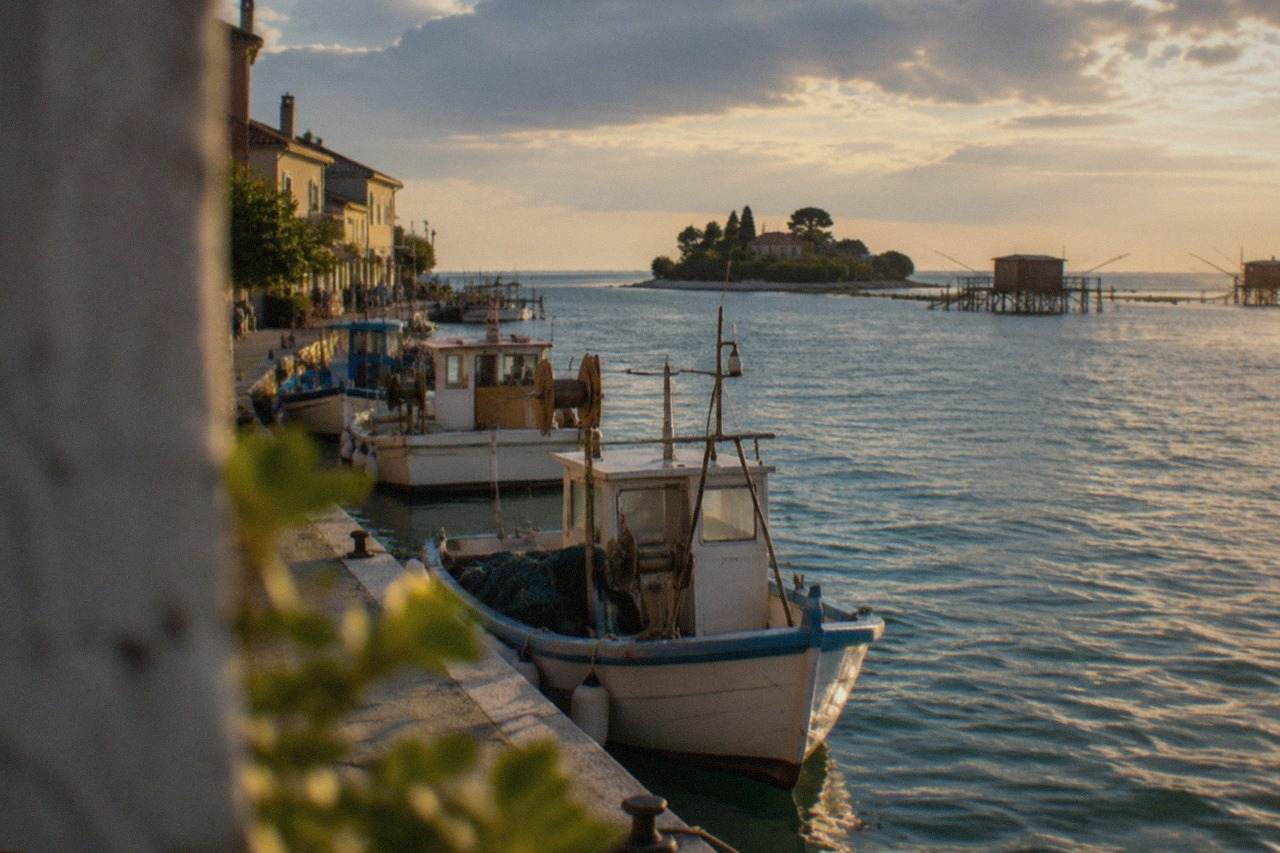
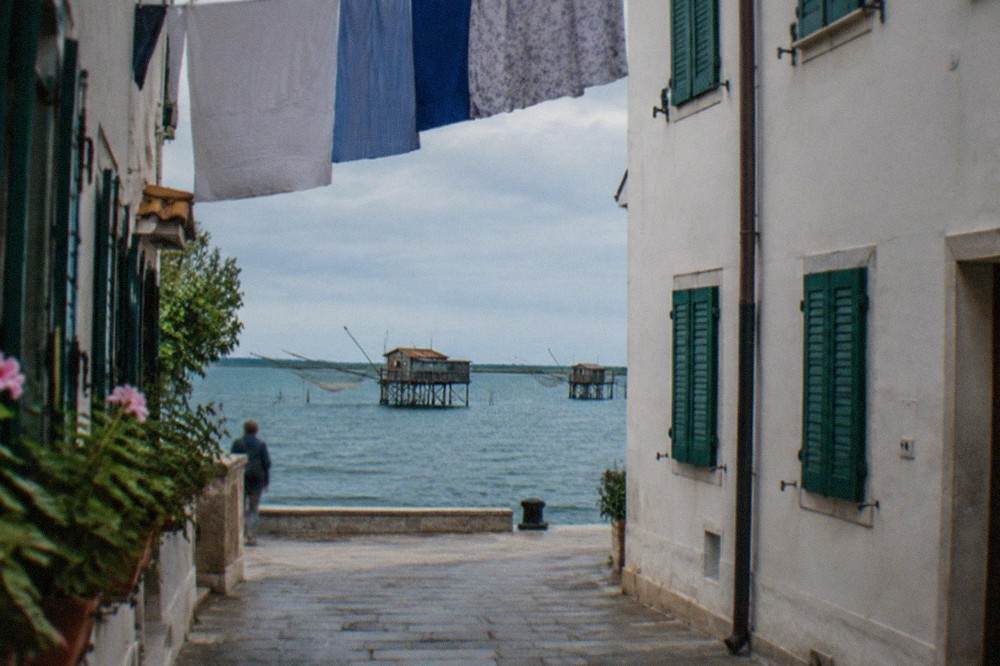
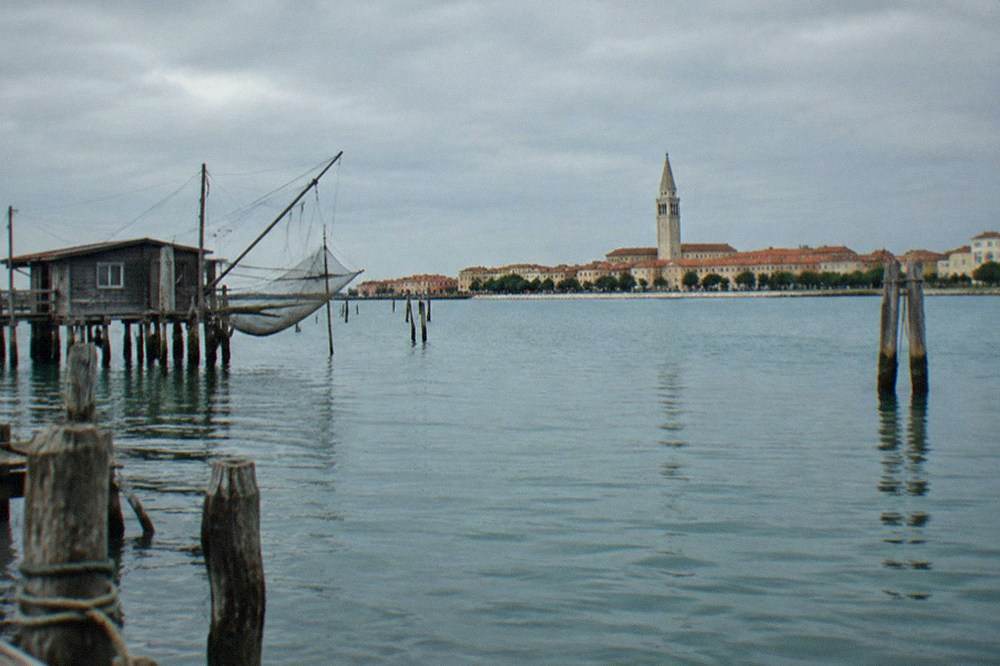
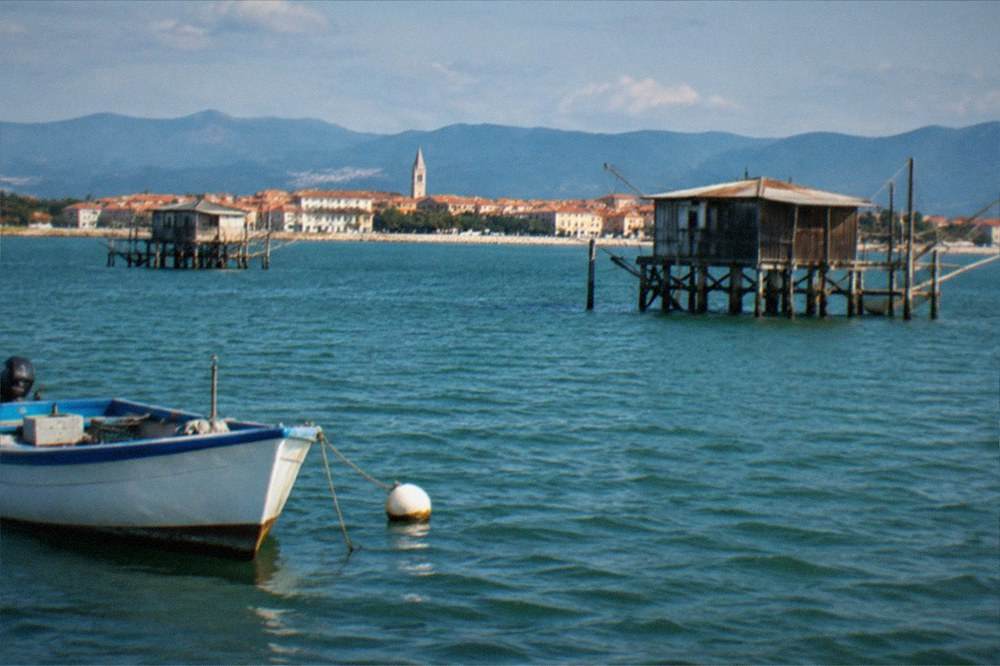
The contrast is the whole point. Trieste's seafront is deep water and a working port; Grado's is a lagoon that drains to mudflats at low tide, with the campanile of the basilica as the landmark you navigate by. The old town is a knot of narrow lanes, little squares and fish restaurants, small enough that you never need a map. Around it, the lagoon spreads west and south, dotted with the casoni, the traditional triangular-roofed fishing huts that are the town's signature image.
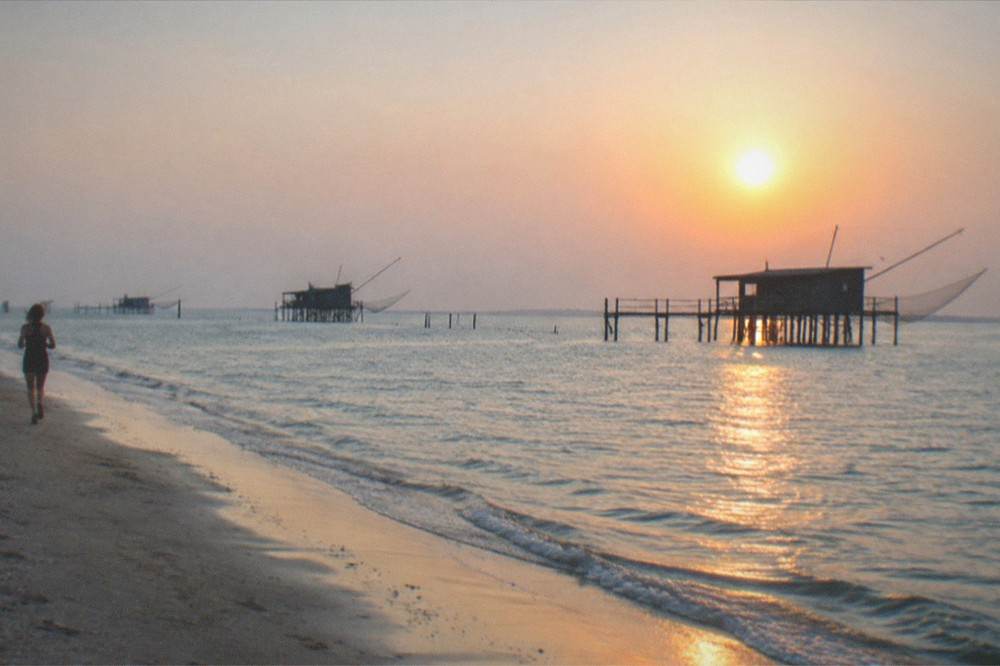
Grado also has something Trieste does not: a real swimming beach. Trieste's swimming is mostly rocks, platforms and the historic Pedocin bathing establishment. Grado's is sand, backed by pine and a seafront promenade, which makes it the family choice and the summer choice in a way the Carso coast never can be. In spring and autumn, when swimming is off the table, the lagoon and the mosaics carry the day instead.
How to Get from Trieste to Grado
Grado is reached from Trieste by regional train to Cervignano-Aquileia-Grado station and then a short connecting bus or taxi ride over the last stretch into the town, or by car along the coast road through Monfalcone; the region uses the euro throughout, there is no border to cross, and the exact journey time and fare should be checked on the operator's own planner before you travel, because this guide does not quote figures it cannot verify. Both towns are in Friuli Venezia Giulia, so the trip is domestic: one Italian region, one currency, no passport question at any point.
The rail option is the one most visitors use. Regional services run from Trieste Centrale toward Venice, and Cervignano-Aquileia-Grado is the station that serves the Grado end; the station is short of the town itself, and the connection onward is by local bus or taxi. Check the current timetable on the rail operator's site rather than trusting any third-party summary, because regional schedules shift with the season. If you are starting the day from the airport side of the region, the Trieste airport station sits on the same line, which can save backtracking.
Driving is simple and, for a group, often the better call: the route runs west along the coast plain through Monfalcone, and Grado is signposted long before you arrive. The trade-off is parking in the summer months, when the beach fills and the town's car parks do too; arrive early or use the peripheral parking and walk in. Cyclists with legs for it can string the whole coast, but note that the serious riding here is east of Trieste, not west.
Getting to Trieste Centrale in the first place is cheap on the urban network. The 2026 tariff sheet for Trieste's city buses and the Opicina tram lists the fares below, and a contactless bank card can be tapped on board, with the system applying the cheapest applicable fare.
| Ticket | Price | Validity |
|---|---|---|
| Urban single (U01) | €1.50 | 60 minutes |
| Urban single (U02) | €1.85 | 75 minutes |
| Day ticket (U24) | €3.35 | Full day |
| 10 rides (U10) | €13.50 | Ten urban journeys |
| 20 rides (U20) | €16.65 | Twenty urban journeys |
Single tickets run 60 or 75 minutes, extended to 240 minutes on Sundays and public holidays, and the same tickets cover the Opicina tram, which runs today as urban line 2 from piazza Dalmazia, its city terminus since the service was reactivated on 1 February 2025.
If a full day out of the city by your own legs appeals more than a train, the guided e-bike option below covers Trieste's old town and Miramare Castle with a gelato stop, and it is the roster's coast-and-castle day at a relaxed pace.
The e-bike day is a six-hour guided tour from $174.26 per person, rated 5 from 2 reviews on the operator's live listing, and it stays inside Trieste and along its coast rather than heading west to Grado, so treat it as an alternative use of a fine-weather day rather than a way of reaching the lagoon. Where it shines is the stretch most visitors never see properly: the seafront road out toward the castle. Check availability if that version of the day appeals.
What to Do in Grado on a Day Trip
The four things that fill a day in Grado are the mosaic floor of the Basilica of Sant'Eufemia, the lanes of the old island town, the lagoon itself with its casoni fishing huts, and the long sandy beach and seafront promenade, and all four sit within walking distance of each other, so the day needs no transport once you have arrived. The basilica and its campanile are the anchor: the mosaic carpet in the nave is the reason the town is on the early-Christian map of Italy, and the floor rewards slow looking.
Start in the old town, which is genuinely small: lanes run between whitewashed houses toward the central squares, and the whole historic core is a few minutes' walk from end to end. The Basilica of Sant'Eufemia complex, with its baptistery next door, holds the mosaics; the surrounding lanes hold the restaurants, the small shops and the pace of the place. Nothing here needs a ticket strategy or a timed entry in the way the big Trieste sights sometimes do.
Then take to the water, or at least to its edge. Boat trips across the lagoon run to the casoni and to the island of Barbana with its sanctuary, and a lagoon circuit is the classic Grado excursion; book locally on the seafront, because operators and schedules are seasonal and this guide does not print a timetable it cannot verify. If you would rather stay on land, the seafront promenade west of the old town runs beside the beach toward the pine-shaded lido, flat and easy for the whole family.
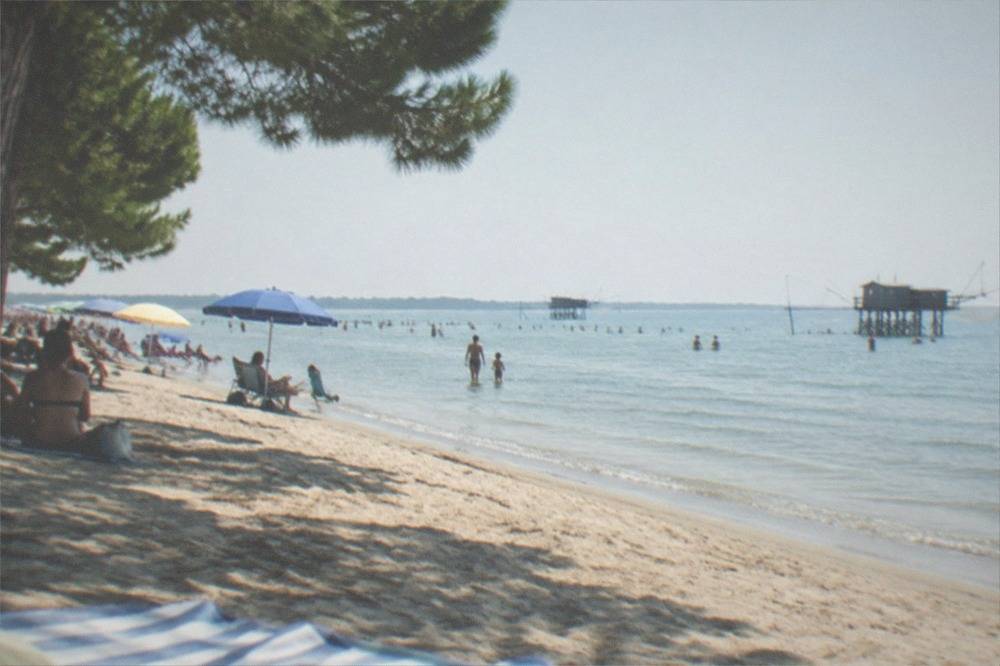
The beach deserves its own paragraph for anyone travelling with children. Grado's sand and shallow water are exactly what Trieste's rocky coast is not, which is why Trieste families have been coming here for generations. In July and August it is busy and hot; in June and September it is quieter and the sea is at its warmest of the year, as the table further down shows. Either way, pack for the beach even if the mosaics are the official reason for the trip.
Before you leave Trieste in the morning, it is worth knowing what you are leaving behind, because a Grado day pairs naturally with an evening back in the city. The headline Trieste sights and their verified entry costs:
| Site in Trieste | Entry |
|---|---|
| Miramare Castle (adult, includes exhibition) | €17.00 |
| Miramare Park | Free, all year |
| Castello di San Giusto (adult) | €7.00 |
| Museo Revoltella (adult, closed Tuesdays) | €8.00 |
| Risiera di San Sabba | Free |
| Cattedrale di San Giusto | Free |
| Grotta Gigante (adult, guided only, booking compulsory) | €15.00 |
Several of these are free on the first Sunday of the month under the ministry's scheme, and San Giusto castle and museum are free on 3 November as well, but confirm the specific date on the venue's own page before you plan around it.
Where to Eat in Grado and What a Detour Costs
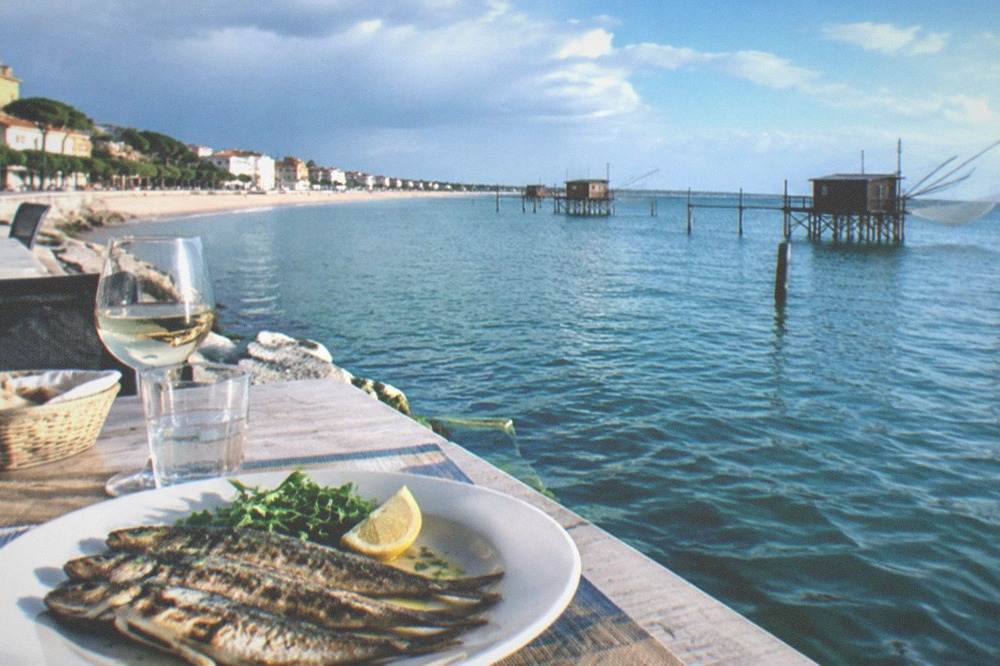
Grado is a fish town, and the day's eating plan is simple: lunch at a lagoon-side or old-town restaurant serving local catch and Friulian wine, a gelato on the seafront, and dinner back in Trieste, where the buffet tradition and the caffè culture close the day; prices in Grado's restaurants are not published in any verified source this guide can cite, so treat any figure you see elsewhere as a planning estimate and check the menu before you sit down. The specialty of the lagoon kitchen is seafood, and the further your table is from the water, the less reason there is to be at it.
The regional wine list is worth knowing before you order. Friuli Venezia Giulia's whites are the natural pairing with lagoon fish, and the Carso's own bottles, Vitovska, Malvasia and Terrano, travel west with you from Trieste. Do not expect Prosecco to be the local pour here in any terroir sense: the famous sparkling wine comes from the hills near the village of Prosecco on the road to Opicina, and the Carso wine country has its own identity entirely.
If the day trip stretches into an overnight, the accommodation tax back in Trieste is fixed and published, and it is charged per person per night for a maximum of five consecutive nights in the same property. Everyone under 18 is exempt. The full index of guides sits on Trieste Travel Guide.
| Accommodation category | Tourist tax per person, per night |
|---|---|
| 5-star hotel | €3.80 |
| 4-star hotel | €3.30 |
| 3-star hotel | €3.00 |
| 2-star hotel, B&B Superior, affittacamere | €2.30 |
| Hostels, residences, agriturismi, short-let flats | €2.30 |
| B&B Comfort | €2.00 |
| 1-star hotel, B&B Standard | €1.80 |
| Campsites and motorhome areas | €1.50 |
One warning that applies to the whole region: the coffee-per-head claims you will read about Trieste have no primary source behind them, so enjoy the caffè culture without repeating a number. The culture is real. The statistics are not.
Grado and Aquileia: The Two-Stop Version
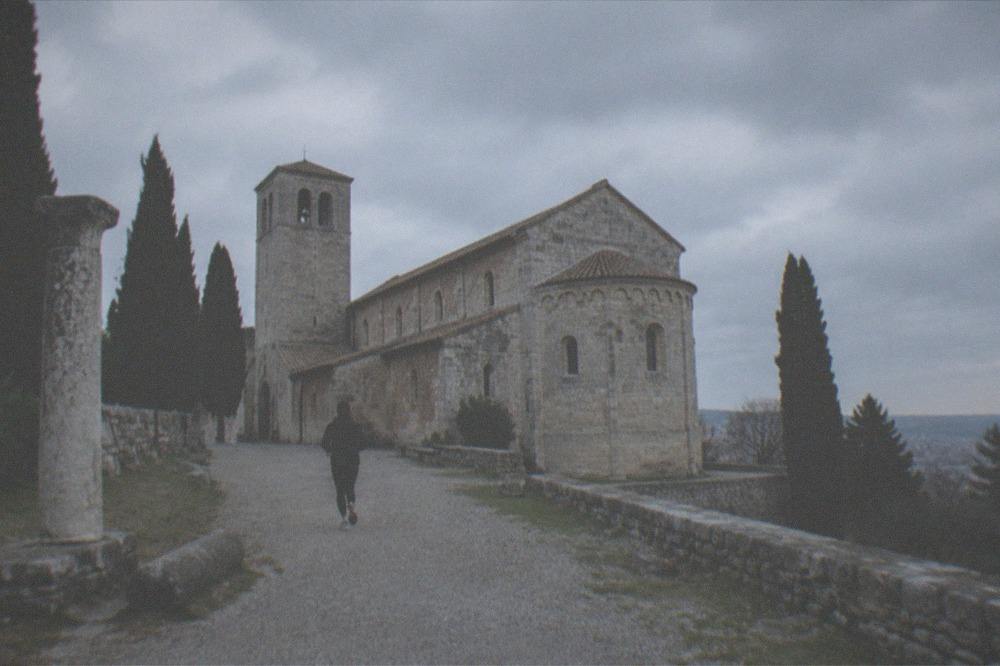
The strongest version of this day trip pairs Grado with Aquileia, the Roman port upstream of the lagoon, because the two towns are a few minutes apart by road and share one railway station on the Trieste line: see Aquileia's basilica mosaics and Roman river-port remains first, then finish the day in Grado with the lagoon and a late fish lunch, all without doubling back. Aquileia is the heavyweight of the pair in archaeological terms, a UNESCO-listed Roman site whose mosaic floor is larger and older than anything else in the region.
The sequencing matters. Aquileia's sights are concentrated around the basilica and the excavated river port, and they reward an unhurried morning; Grado rewards the afternoon, when the light comes across the lagoon and the beach crowd thins. Doing them in the other order works too, but the train connection at Cervignano makes the inland stop easier to time first. Our full Aquileia day trip guide covers the site in detail.
If you are travelling by car, the loop is obvious and you can add the lagoon road between the two towns, which crosses the water meadows where the casoni stand. If you are on the train, check the bus connection times at Cervignano-Aquileia-Grado station before committing, because the shuttle serves both towns and the intervals are seasonal.
Other Day Trips from Trieste Worth Comparing
Grado's rivals for a day out of Trieste are the Slovenian coast at Piran, the karst caves at Postojna and Škocjan, the Lipica stud farm, and Ljubljana and Lake Bled over the border, and the choice comes down to border paperwork, weather and whether you want water, stone or a capital city: Piran needs a passport or ID card until 18 December 2026, Grado and Aquileia need none of it, and the caves are the reliable answer on a wet day. The table below lists the guided options on this site's roster with their live-listing prices and ratings.
| Day trip tour | Kind | From | Rating | Duration |
|---|---|---|---|---|
| Trieste E-Bike Tour: Old Town, Miramare Castle and Gelato | Active coast | $174.26 per person | 5 from 2 reviews | 6 hours |
| Piran & Panoramic Slovenian Coast from Trieste | Adriatic coast | $125.13 per person | 4.9 from 82 reviews | 5 hours |
| Postojna Cave & Predjama Castle from Trieste | Karst caves | $146 per person | 4.7 from 139 reviews | 5 hours |
| From Trieste: Ljubljana and Lake Bled | Slovenia lakes | $108.91 per person | 4.69 from 544 reviews | 9 hours |
| Trieste: Guided Foodie Walking Tour | Food tours | $71.08 per person | 4.91 from 264 reviews | 3 hours |
The Piran tour deserves its own note, because it is the one that crosses a border. Italy is running temporary checks on its land borders with Slovenia from 19 June 2026 to 18 December 2026, so carry a passport or national ID card for that trip, and for Ljubljana and Postojna as well. Croatia, for the record, adopted the euro and joined Schengen on the same day, 1 January 2023, so the old money-changing advice for Rovinj and Pula is obsolete.
The Piran half-day is a small-group excursion rated 4.9 from 82 reviews, from $125.13 per person on the operator's live listing, and it is the closest thing to Grado in spirit: a small coastal town, a seafront, a morning or afternoon away from the city.
Back on home ground, the cheapest guided option on the roster is the self-guided scavenger hunt around Trieste itself, from $4.67 per person and rated 4.6 from 28 reviews, which makes a good low-cost alternative if the weather or the trains argue against a lagoon day.
The Best Month to Make the Trip from Trieste to Grado
The best months for the Grado trip are June and September: the sea is warm, the beach is usable, the town is calmer than in July and August, and Trieste's own weather table shows summer as the dry, settled window, with July the second driest month of the year at 53.8 mm of rain and August close behind at 71.7 mm, while November, the wettest month at 109.8 mm, is the one to avoid for a beach day. Spring works well for the mosaics and the lagoon; winter is quiet and grey and the beach is decoration.
The figures below come from the regional weather agency's own station tables for Trieste molo Fratelli Bandiera, the waterfront station, over the 1995-2024 series. The sea-temperature column is a different source, an ocean reanalysis rather than the land station, and it should be read as a modelled average rather than a daily reading.
| Month | Mean high (C) | Rain (mm) | Sea (C) |
|---|---|---|---|
| April | 16.8 | 60.7 | 14.0 |
| May | 21.7 | 75.0 | 17.9 |
| June | 25.8 | 62.5 | 23.1 |
| July | 28.2 | 53.8 | 25.9 |
| August | 28.1 | 71.7 | 25.9 |
| September | 23.9 | 102.3 | 23.9 |
| October | 19.6 | 88.6 | 20.3 |
Two practical notes sit behind that table. September is often warmer at the water's edge than June, because the sea holds its summer heat while the air cools, so the swimming season runs later than visitors expect. And October is a windier month than the summer average, with 4 days a year on which a gust tops 72 km/h at the molo, which matters if your Grado day includes a lagoon boat trip, because operators watch the forecast and so should you.
If your dates land in early October, check the Barcolana calendar before you finalise anything: the regatta fills Trieste from 2 to 11 October 2026, with the race on Sunday 11 October, and while the event is a spectacle worth seeing, it changes the feel, the traffic and the hotel availability of the whole gulf for that week.
Common Questions About Travelling from Trieste to Grado
Common Questions About the Trieste to Grado Day Trip
How do you get from Trieste to Grado?
By regional train from Trieste Centrale to Cervignano-Aquileia-Grado station, then a local bus or taxi over the final stretch into the town, or by car along the coast road through Monfalcone. Check the rail operator's own planner for current times and fares, because schedules shift seasonally and no verified timetable figure is published on this page.
Is Grado worth a day trip from Trieste?
Yes, if you want the opposite of Trieste: sand instead of stone, a lagoon instead of a deep-water port, and early-Christian mosaics instead of Habsburg palaces. It is a same-region trip with no border and no currency change, and it pairs naturally with Aquileia for a two-stop day.
Do you need a passport to go from Trieste to Grado?
No. Grado is in Friuli Venezia Giulia, the same Italian region as Trieste, so the trip is domestic. A passport or ID card is only needed for the cross-border day trips to Slovenia, where Italy is running temporary checks on the land border from 19 June 2026 to 18 December 2026.
Can you swim in Grado?
Yes. Grado has a long sandy beach with shallow water, which is exactly what Trieste's rocky coast lacks. The sea around the region is warmest in July and August at about 25.9 C on the modelled average, and September stays warm at 23.9 C, so the swimming window is wider than many visitors expect.
Can you combine Grado and Aquileia in one day?
Yes, and it is the recommended shape for the trip. The two towns share the Cervignano-Aquileia-Grado railway station and are a few minutes apart by road, so the standard plan is Aquileia's basilica and Roman port in the morning and Grado's old town, lagoon and beach in the afternoon.
What is Grado famous for?
Three things: the mosaic floor of the Basilica of Sant'Eufemia, one of the great early-Christian mosaic carpets of northern Italy; the lagoon with its casoni fishing huts; and the sandy beach that has made it the region's family seaside town. Fish restaurants and a small, walkable old town complete the picture.
Grado is the day trip you take from Trieste when you want the sea to be gentle, and the two towns together make a pairing that covers more of what this corner of Italy is than either one alone: the coffee-house port and the lagoon fishing town, an hour of flat coast apart. Plan the train or the car, check the operator's planner for the day's times, and leave room for the mosaic floor, because it is the one thing in Grado nobody expects to be quite so good.