Parking in Trieste, Italy: Where to Leave the Car and When to Leave It Behind
Trieste, Italy is a compact port city built around a waterfront that is mostly better seen on foot, which makes the parking question less about finding a space and more about deciding how little you need the car at all.
Short answer
On-street parking in Trieste follows the standard Italian colour code, paid blue lines and free white lines, with garages around the centre for longer stays; but the city is small, walkable and served by an urban bus and tram network with a €1.50 single ticket, so most visitors park once or arrive by train and never move the car again.
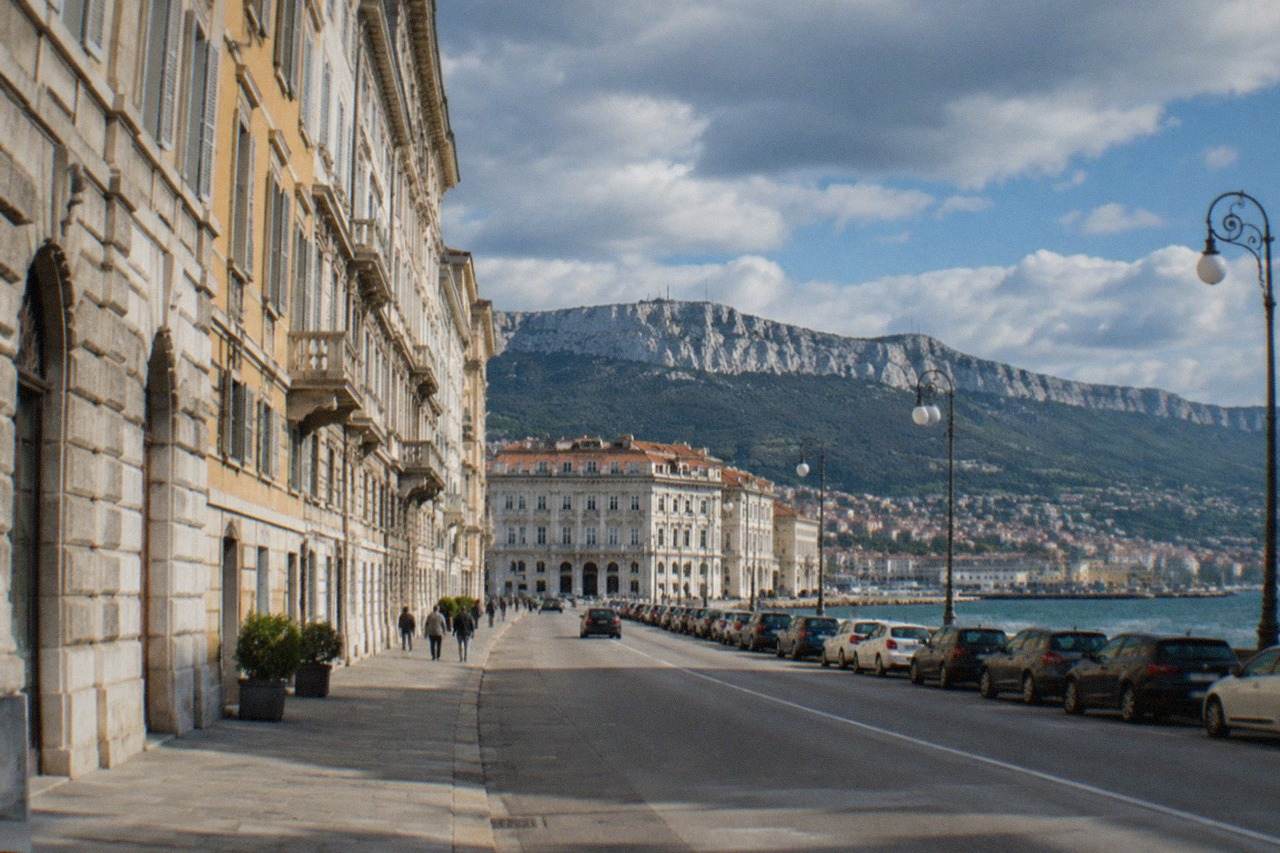
Trieste, Italy sits on a narrow strip of land between the Adriatic and the limestone wall of the Carso, and that geography shapes everything about driving here. The centre is a tight grid of Habsburg-era streets around Piazza Unità d'Italia, the seafront Rive run flat and straight beside it, and the hills of San Giusto and Scorcola rise almost immediately behind. What that means for a visitor with a car is simple: the interesting part of the city is small enough to cross on foot in half an hour, the streets around it were laid out for carriages rather than SUVs, and the best plan is usually to park once at the edge of the centre and not touch the car again until you leave. This guide sets out how on-street parking works in Italian cities, where the park-and-ride logic of Trieste's own transport network fits in, what the verified public fares cost once you are out of the car, and why several of the city's biggest draws, from Miramare to the caves of the Carso, change the calculation entirely.
How Does On-Street Parking Work in Trieste, Italy?
On-street parking in Trieste follows the national Italian colour code: white lines are free and unmarked, blue lines are paid during the hours shown on the meter or sign, yellow lines are reserved for residents, permit holders or specific uses and are never available to visitors. Paid bays are enforced by hours posted street by street, so the sign at the space, not a general rule, is what binds you.
Multi-storey and underground garages sit around the edge of the centre and take the time pressure off a full day.
The colour system is national, which is the one piece of good news: if you have driven anywhere in Italy, you already know how a Trieste kerb works. Blue bays take payment at a machine or a meter, and the tariff and the hours of operation are printed on the machine itself and on the plate at the end of the row. White bays cost nothing and are correspondingly scarce near the centre. Yellow is for residents and specific permits, and parking in one as a visitor is the fastest way to meet a traffic warden in Trieste.
The honest advice, which holds for any Italian city whose street plan predates the car, is to read the sign at the specific space rather than anything a guide, including this one, tells you about a whole district. Hours of operation change, residential schemes expand, and a street that was free in the morning can be resident-only in the afternoon. The sign on the plate is the legal reality.
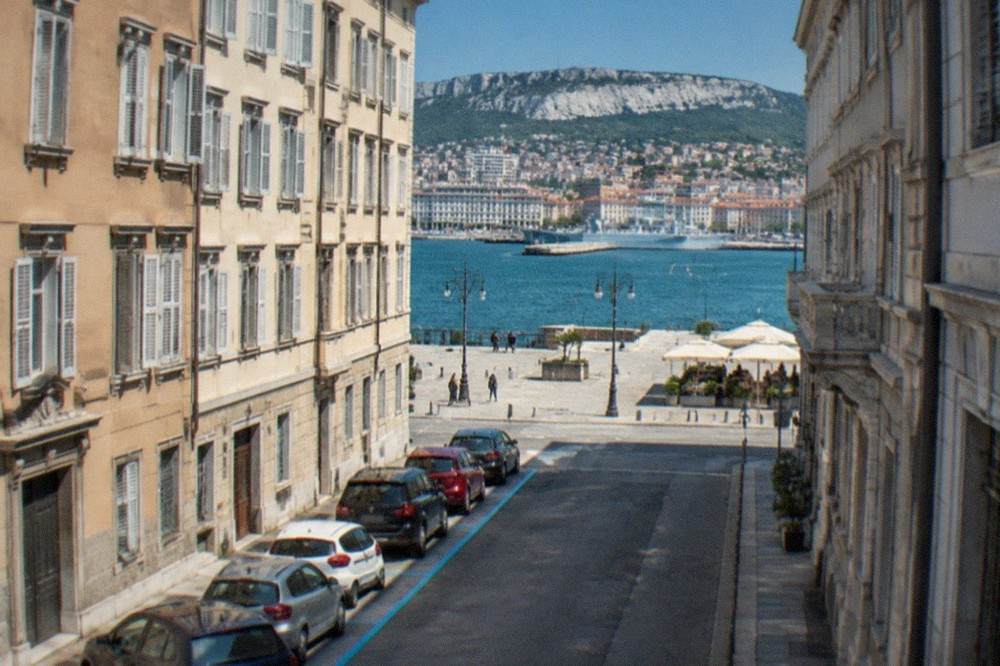
For a stay of more than a couple of hours, a garage is usually the calmer choice. Underground and multi-storey car parks sit at several points around the centre and near the station, they remove the hourly walk back to feed a meter, and they are the sensible default if your hotel does not have its own arrangement. Rates vary by operator and season, so check the posted tariff at the entrance before you commit, the same rule that applies to every private car park in the country.
One cost that is verified and worth planning for is the city's tourist tax, charged per person per night alongside whatever you pay for the room and any parking. The Comune's own 2026 table sets it out by accommodation category, and it is capped at five consecutive nights in the same property.
| Accommodation category | Tourist tax per person, per night |
|---|---|
| 5-star hotel | €3.80 |
| 4-star hotel or self-catering | €3.30 |
| 3-star hotel or self-catering | €3.00 |
| 2-star hotel, B&B Superior, affittacamere | €2.30 |
| Hostels, agriturismi, short-let properties | €2.30 |
| B&B Comfort | €2.00 |
| 1-star hotel or B&B Standard | €1.80 |
| Campsites and motorhome areas | €1.50 |
Everyone under 18 is exempt, as are people with a certified disability of 80% or more and one companion per hospital inpatient. If you are adding a hotel's garage to the nightly bill, this per-head charge is the other number to expect on it.
Do You Even Need a Car in Trieste?
Most visitors to Trieste do not need a car at all: the centre is compact and walkable, the urban network of buses and the Opicina tram covers the hills and the outskirts, and a 60-minute single ticket costs €1.50 with a day ticket at €3.35. The car earns its keep only for the Carso, the castles up the coast and cross-border day trips, and even those run as organised tours from the city.
The arithmetic is blunt. A single urban ticket on Trieste's 2026 tariff is €1.50 for 60 minutes or €1.85 for 75, extended to 240 minutes on Sundays and public holidays. A day ticket is €3.35. Ten rides cost €13.50, twenty rides €16.65. Contactless bank cards and digital wallets can be tapped directly on board the "Eva" readers, and the system applies the cheapest applicable fare, so you do not even need to find a ticket machine first.
| Ticket | Code | Price |
|---|---|---|
| Urban single, 60 minutes | U01 | €1.50 |
| Urban single, 75 minutes | U02 | €1.85 |
| Day ticket | U24 | €3.35 |
| 10 rides | U10 | €13.50 |
| 20 rides | U20 | €16.65 |
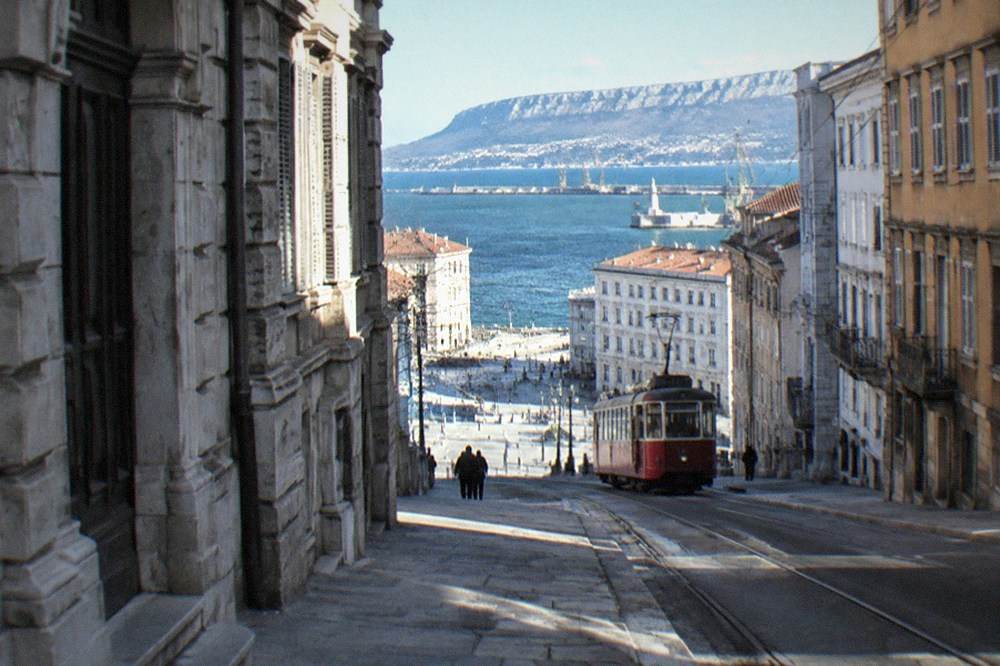
The tram de Opicina deserves a special mention, because almost every older guide gets it wrong. The line was reactivated on 1 February 2025 after the long stop that followed the August 2016 collision, it runs today as urban line 2, and its city terminus is piazza Dalmazia, not piazza Oberdan as decades of guidebooks claim. A standard urban ticket is valid on it and you can tap a contactless card on board. The route climbs about 5.175 km to Opicina through Scorcola and Conconello, and it is part of the ordinary network, not a tourist attraction with a separate fare.
If you are arriving by rail rather than by car, the same logic applies in reverse. Trieste Centrale sits within the built-up centre, and the station's rail connections are covered in detail in our Trieste train station and rail connections guide. The short version: the city is a regional rail hub with links up and down the Adriatic coast and into Slovenia, and the station is close enough to Piazza Unità d'Italia that the walk between them is a few flat minutes.
For orientation on a first day, an audio-guided bus tour is the car-free way to cover ground quickly. The operator's live listing prices it from $21.02 per person for a circuit of about an hour and a quarter, rated 4.1 from 236 reviews, and it runs past the waterfront, the historic monuments and the piazzas without a single parking decision on your part. Check availability if that suits your first morning.
What Should You Do with the Car at Trieste Airport?
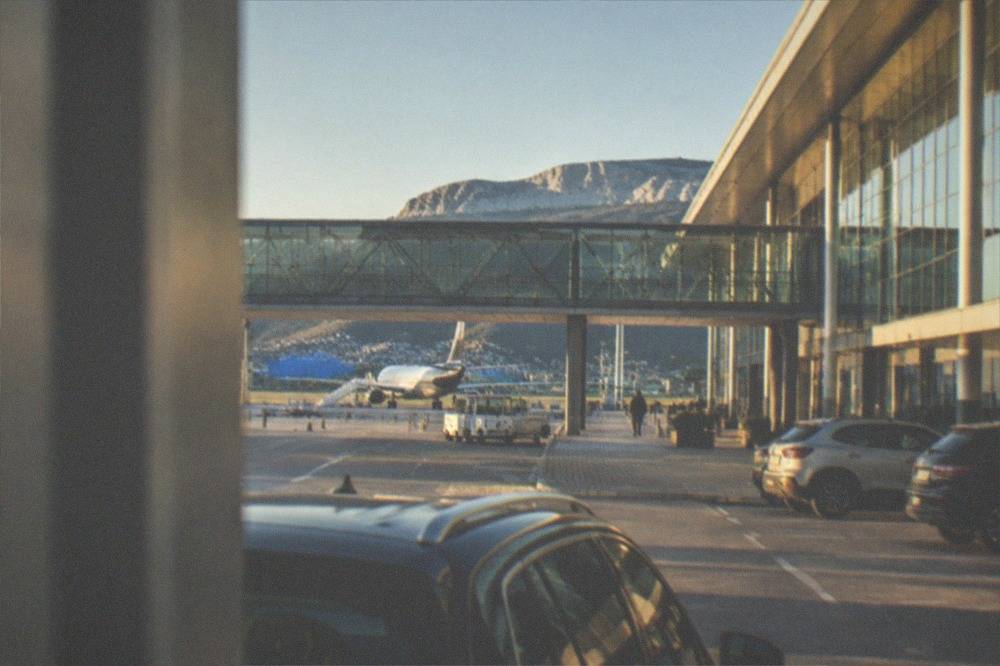
Trieste Airport at Ronchi dei Legionari has its own railway station connected to the terminal by a covered walkway of roughly 400 metres with moving walkways, served by regional, Intercity and Frecciarossa trains, which means the standard advice is to leave a hire car at the airport, or not collect one at all, and take the train into Trieste Centrale rather than driving into the city.
The airport's own service charter describes the walkway and the rail offer, and the bus alternative departs from the intermodal hub beside the terminal. The airport is covered in full in our Trieste Airport guide, including which airlines serve it and how the flight options compare, and the practical parking point is this: the airport exists as a park-and-ride node whether or not the signage calls it one. A car collected at the terminal is a car you now have to park in a city that is easier on foot.
The same logic applies to Venice. Many visitors combine the two cities, and the rail link between them is the sensible spine of that trip; our Trieste to Venice by train and flights to Trieste guides cover the routes and the arrival options. Driving the corridor is entirely possible, but it converts a sit-down train ride into a parking problem at both ends.
Where Do Cruise Passengers Fit Into Trieste Parking?
Cruise ships dock at the Trieste cruise terminal within walking distance of the centre, so cruise passengers rarely face a parking question at all: the terminal is close to Piazza Unità d'Italia and the station, and the walk into town is flat and short. If you are meeting a ship rather than sailing on one, the garages around the station and the port are the practical drop-off zone.
The cruise port's layout, the transfer options and the walk-in question are covered in our Trieste cruise port guide. For parking specifically, the useful fact is that the terminal is not on an industrial edge of town: it sits at the northern end of the waterfront, beside the station and the old port district, which puts it inside the same walkable core that makes the car optional everywhere else. Passengers who want a structured first look can also join a guided walk, and the free GuruWalk option, a pay-what-you-want city walk run by a local guru, is described in our free walking tours in Trieste guide.
A private group walk is the other end of that spectrum. Experience Trieste, a leisurely two-and-a-half-hour guided walk, is listed from $198.52 per group, rated 5 from 113 reviews, and it removes both the parking and the navigation question for a family or a small party arriving together. Check availability if a private guide fits your group better than a hop-on circuit.
Where Do You Park for Miramare Castle?
Miramare Castle stands in its own park on the coast north of the centre, and the castle and the park keep separate rules: castle admission is €17 for an adult, which includes the temporary exhibition, while the park is free all year and keeps its own hours by month, opening 8:00-19:00 from April to September.
The site has a dedicated parking area, but the castle's 9:00-19:00 opening hours, ticket office to 18:30, make an early or late arrival the calm way to see it.
The pricing split is the detail that catches people out, so it is worth laying out in full. An adult castle ticket is €17.00 and includes the temporary exhibition "Una Sfinge l'attrae". EU citizens aged 18 to 25 pay €7.00 with the exhibition or €2.00 for the castle only. The park, by contrast, is free every day of the year, and its hours move with the months rather than following the castle's clock. More of these guides are collected on Trieste Travel Guide.
| Period | Castle hours | Park hours |
|---|---|---|
| January | 9:00-19:00 daily, tickets to 18:30 | 8:00-16:00 |
| February | 9:00-19:00 daily, tickets to 18:30 | 8:00-17:00 |
| March | 9:00-19:00 daily, tickets to 18:30 | 8:00-18:00 |
| April to September | 9:00-19:00 daily, tickets to 18:30 | 8:00-19:00 |
| 1-14 October | 9:00-19:00 daily, tickets to 18:30 | 8:00-18:00 |
| 15-31 October | 9:00-19:00 daily, tickets to 18:30 | 8:00-17:00 |
| November and December | 9:00-19:00 daily, tickets to 18:30 | 8:00-16:00 |
Miramare also takes part in the Ministry of Culture's first-Sunday-of-the-month free-entry scheme, but the rules of that scheme have changed more than once, so treat it as a possibility to confirm on the venue's own page rather than a promise. If you are planning the wider castle itinerary, our Miramare Castle guide covers the interiors, and the coastal road north toward Duino and the Rilke trail is the drive that genuinely rewards having a car, since the cliffs and castles of that stretch are scattered along it.
When Is Parking in Trieste Tightest?
The pressure points are predictable: October's Barcolana regatta week, when Barcolana 58 runs from 2 to 11 October 2026 with the main race on Sunday 11 October, brings the waterfront and the city to capacity, and the free-entry Sundays at state museums draw local as well as tourist traffic. Outside those peaks, the months with the most rain, November first at 109.8 mm and September second at 102.3 mm, are the months when a garage earns its fee.
The Barcolana is the single biggest date in the city's year. The 2026 edition runs 2-11 October, the main regatta starts at 10:30 on Sunday 11 October over a 13-nautical-mile course in the Gulf of Trieste, and the record entry stands at 2,689 boats, set in 2018, which the organisers describe as a Guinness World Record for the largest sailing race in the world. Anyone who has driven into a port city during a major regatta can picture the waterfront. Our Barcolana regatta guide covers the event itself; for parking, the message is to arrive by train or park well out and use the day ticket.
| Month | Rain mm | Wet days | Mean high C |
|---|---|---|---|
| June | 62.5 | 6.1 | 25.8 |
| July | 53.8 | 5.4 | 28.2 |
| August | 71.7 | 6.6 | 28.1 |
| September | 102.3 | 7.4 | 23.9 |
| October | 88.6 | 7.6 | 19.6 |
| November | 109.8 | 9.5 | 14.7 |
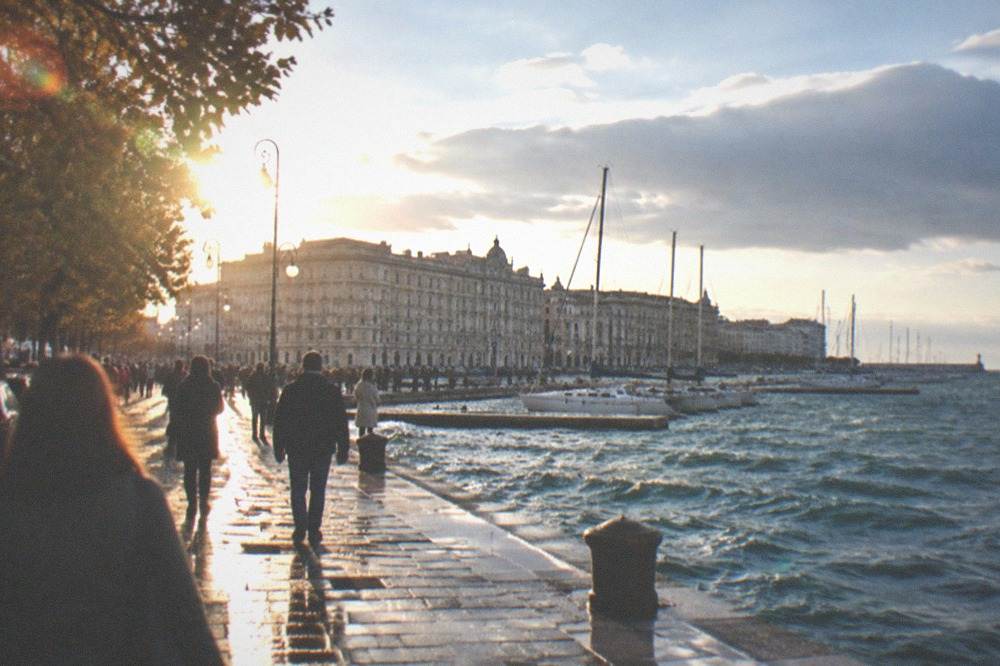
Those figures come from ARPA FVG's own station tables for Trieste molo Fratelli Bandiera, and they overturn a common assumption: Trieste's wettest month is November, not a summer month, and July is the second driest month of the year. The bora wind is the other seasonal factor. It blows from the east-north-east, it is most persistent in the cool season, and the station series records an all-time peak gust of 168.1 km/h in February 2012. No official threshold exists at which the seafront closes or ferries stop, so do not plan around a number that has never been published; plan around the forecast, and read our bora wind guide and the month-by-month weather guide if the timing of your trip is flexible.
Which Day Trips from Trieste Work Without the Car?
The organised day trips out of Trieste cover the caves, the Slovenian lakes and the Adriatic coast with round-trip transport included, which removes both the cross-border driving and the parking at the far end: the Ljubljana and Lake Bled tour runs from $108.91 per person over 9 hours, the Piran and Slovenia coast tour from $114.64 over 6 hours, and the Postojna Cave and Predjama Castle tour from $137.57 over 6 hours.
These are the trips where the car genuinely tempts people, and where the tour coach is often the better instrument. The karst country behind the city holds some of the world's best-known caves, and the cross-border routes into Slovenia run through a border that currently deserves one specific piece of attention.
| Day trip | Duration | From (per person) | Rating |
|---|---|---|---|
| Ljubljana and Lake Bled | 9 hours | $108.91 | 4.69 from 544 reviews |
| Lake Bled and Ljubljana tour | 7 hours | $137.57 | 4.51 from 277 reviews |
| Piran and Slovenia coast | 6 hours | $114.64 | 4.57 from 136 reviews |
| Postojna Cave and Predjama Castle | 6 hours | $137.57 | 4.76 from 543 reviews |
| Lipica Stud Farm and Škocjan Caves | 6 hours | $129.93 | 4.86 from 23 reviews |
The border fact that matters: Italy, Slovenia and Croatia all use the euro and all three are in Schengen, and Croatia joined the euro and Schengen on the same day, 1 January 2023. There is no currency change on any of these trips. But the European Commission's own register currently lists temporary internal border controls by Italy on its land borders with Slovenia, running from 19 June 2026 to 18 December 2026, so carry a passport or national ID card on any day trip into Slovenia, including by coach. The controls are temporary and dated, and the register is the place to confirm the position before you travel. Our day trips from Trieste guide covers the individual routes in depth.
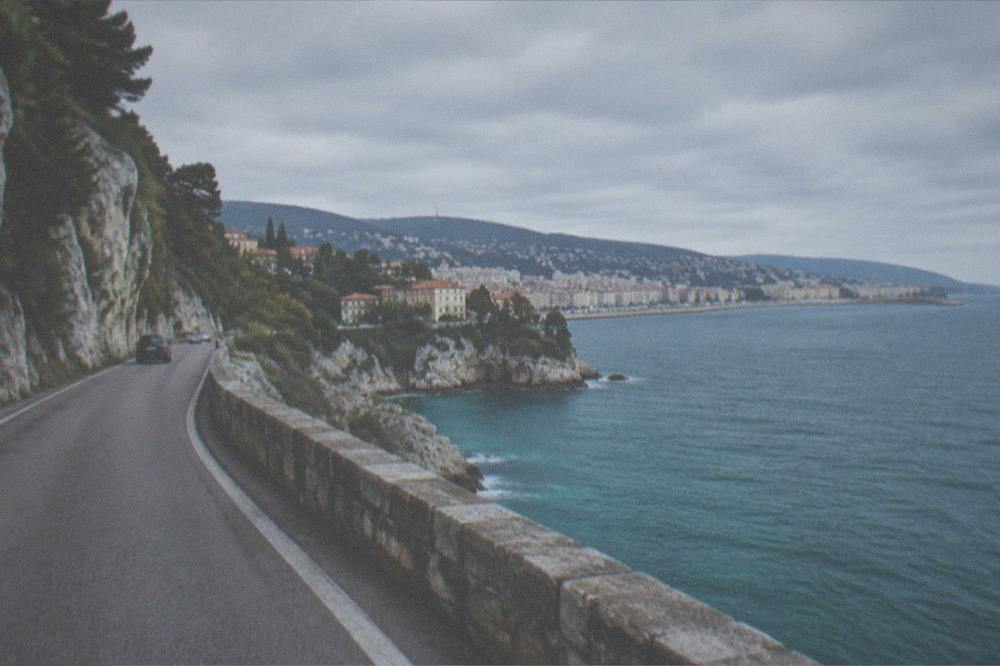
The Carso itself is the one region where the car keeps its case. The osmize, the seasonal farm outlets of the Karst where growers sell their own wine and home produce direct from the property, are scattered across the plateau and signposted with a frasca, a leafy branch hung at the turning, and the live opening calendar at osmize.com is the de facto reference for which ones are open on which days. Our osmize of the Carso guide explains the custom; a designated driver is part of the plan either way.
If you would rather see the coast without any engine at all, the kayak option is the purest answer to the parking question. The Duino coast and castles kayak adventure runs three hours beneath the Duino castles, listed from $76.81 per person and rated 4.89 from 11 reviews, and it starts from a single meeting point with no kerb to hunt for. Check availability for dates.
What Is the Best Overall Parking Strategy for Trieste?
The strategy that works is a single decision made once: park at the edge of the centre or at your hotel on arrival, use the €3.35 day ticket and your feet for everything inside the city, and reserve the car, or a tour coach, for the Carso, the castles up the coast and the cross-border trips.
Visitors who try to drive between individual sights in the centre lose more time circling than they save, and the tourist tax of €2 to €3.80 per night is the only fixed per-night cost besides the garage itself.
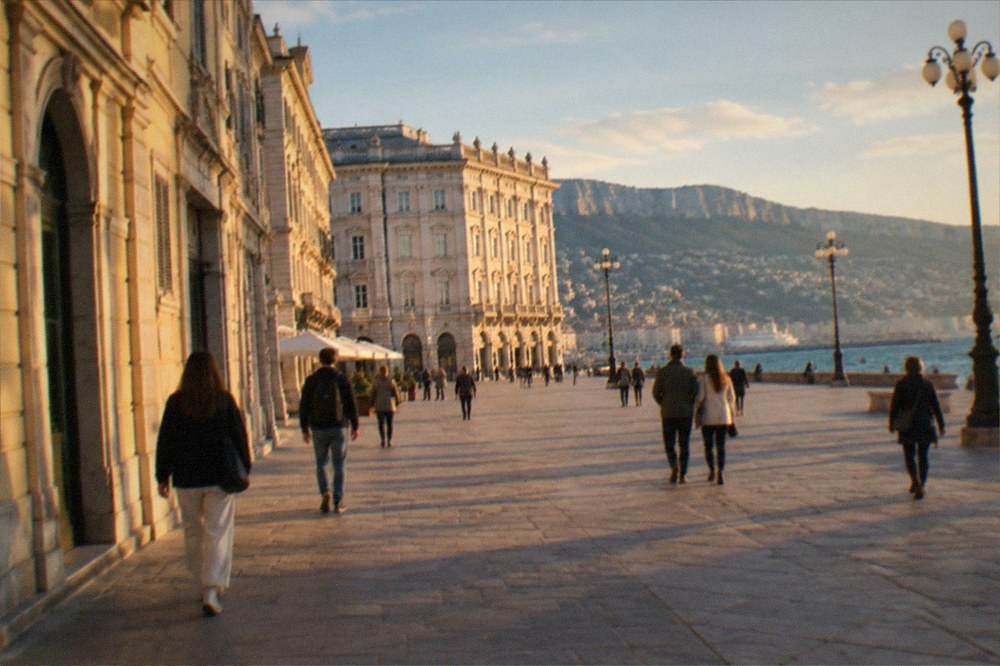
Inside the centre, the walkable core does the work. Piazza Unità d'Italia, the Città Vecchia, the Canal Grande, San Giusto and the waterfront are one connected pedestrian landscape, and the food and coffee culture that sits on top of it, from the historic caffè culture to the buffet kitchens serving jota and goulash, is all within it. Our Trieste coffee culture and what to eat in Trieste guides map that layer; none of it needs a car between stops.
For the days when weather or legs argue against walking, the bus network and the tram are the fallback, and the contactless tap on board means you never need to plan the ticket in advance. For the days when the destination is genuinely out of town, the choice is between your own car, with the border-ID note if it crosses into Slovenia, and the organised tours above, which include the transport and are priced in the open on the operator's live listings.
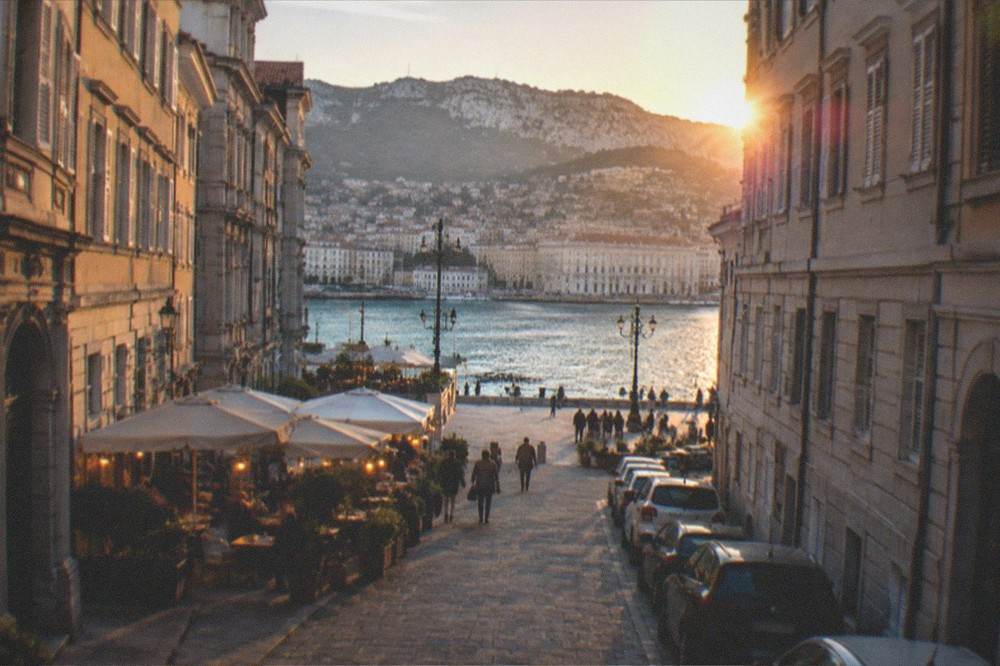
The bus tour remains the simplest first-day instrument for exactly this reason: it starts from a fixed central point, it runs a loop past the sights you would otherwise drive between, and it costs less than a day's garage in most Italian cities. Check availability on the operator's listing for the current departure times, then leave the car where it is.
Common Questions About Parking in Trieste
Is parking in Trieste difficult?
The centre is compact and partly built of streets laid out long before cars, so kerb space near Piazza Unità d'Italia is scarce and paid bays are enforced by the hours on the sign. The practical answer is to park once at the edge of the centre or at your hotel and use the walkable core, the €3.35 day ticket and the tram for everything else.
Is Trieste walkable without a car?
Yes. The centre, the Città Vecchia, the waterfront and San Giusto form one connected pedestrian area, and the urban bus and tram network covers the hills and outskirts with a €1.50 single ticket. Most visitors who arrive by train never need a car at all.
Where do I park for Miramare Castle?
Miramare has its own parking area at the site. Plan around the separate opening rules: the castle opens 9:00-19:00 with the ticket office closing at 18:30, while the free park keeps its own hours by month, 8:00-19:00 from April to September and shorter in winter. An adult castle ticket is €17 including the temporary exhibition; the park is free all year.
Do I need ID to drive from Trieste into Slovenia?
Yes, carry a passport or national ID card. Italy is running temporary internal border checks on its land borders with Slovenia, listed by the European Commission's register as running from 19 June 2026 to 18 December 2026. All three countries, Italy, Slovenia and Croatia, use the euro, so there is no currency change.
Can I visit Trieste's caves without a car?
Yes. Organised day trips from Trieste cover Postojna Cave and Predjama Castle from $137.57 per person, the Lipica Stud Farm and Škocjan Caves from $129.93, and Grotta Gigante can be reached on the urban network toward Sgonico, though its guided tours require compulsory advance booking and it is closed Mondays from September to February.
When should I avoid driving into Trieste?
The Barcolana regatta week is the big one: Barcolana 58 runs 2-11 October 2026 with the main race on Sunday 11 October, and the waterfront reaches capacity. Arrive by train or park well outside the centre that week, and expect the same logic on the ministry's free-entry Sundays at state museums.
The car has a real role in a Trieste holiday, but it is a supporting role. Park it once, tap a card on the bus, ride the tram to Opicina from piazza Dalmazia, and save the driving for the cliffs and caves where the road itself is the point.