Trieste vs Ljubljana: Which City Should You Visit in 2026?
Trieste in Italy and Ljubljana in Slovenia sit on opposite sides of the same border, close enough that many travellers treat them as one trip. This guide compares the two cities on cost, sights, food and logistics, with verified prices and the border rules that apply right now.
Short answer
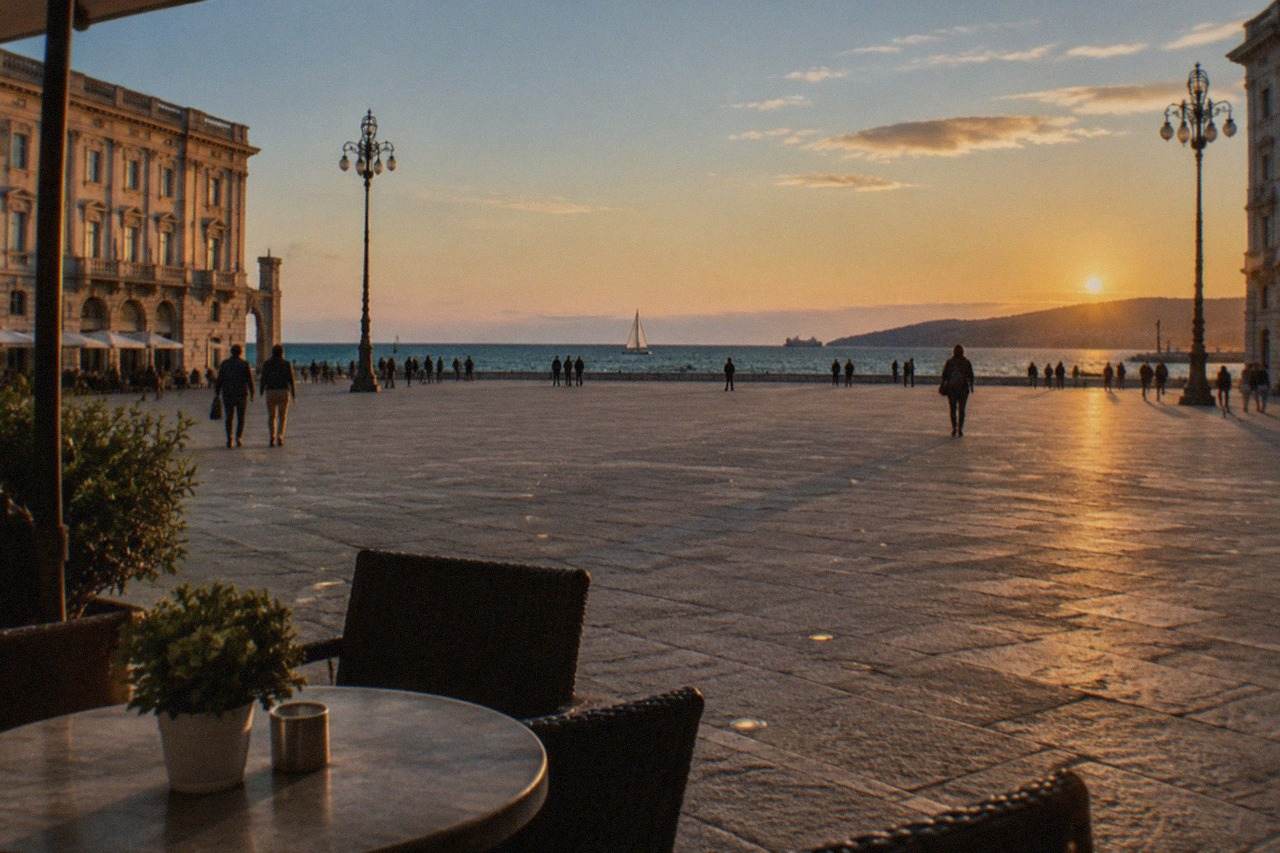
Trieste is Italy's historic Habsburg coffee port on the Adriatic; Ljubljana is Slovenia's compact capital on the Ljubljanica river. Both use the euro, both are walkable, and a direct connection links them. Choose Trieste for the sea, the caffè culture and the Karst; choose Ljubljana for the riverside old town and Lake Bled nearby. Many travellers do both in one trip.
Trieste, the Adriatic port city in Friuli Venezia Giulia in the north-east corner of Italy, and Ljubljana, the capital of Slovenia, are two of the most easily confused destinations in Central Europe. They share a Habsburg past, a coffee-and-pastry culture and a border that, as of 2026, you can cross on a day trip. The question "Trieste vs Ljubljana" is really three questions: which city deserves your nights, which one is easier to reach, and whether you need to choose at all. This guide answers all three with verified prices, current border rules and a realistic picture of what each city does better.
Which Is Better for a City Break, Trieste or Ljubljana?
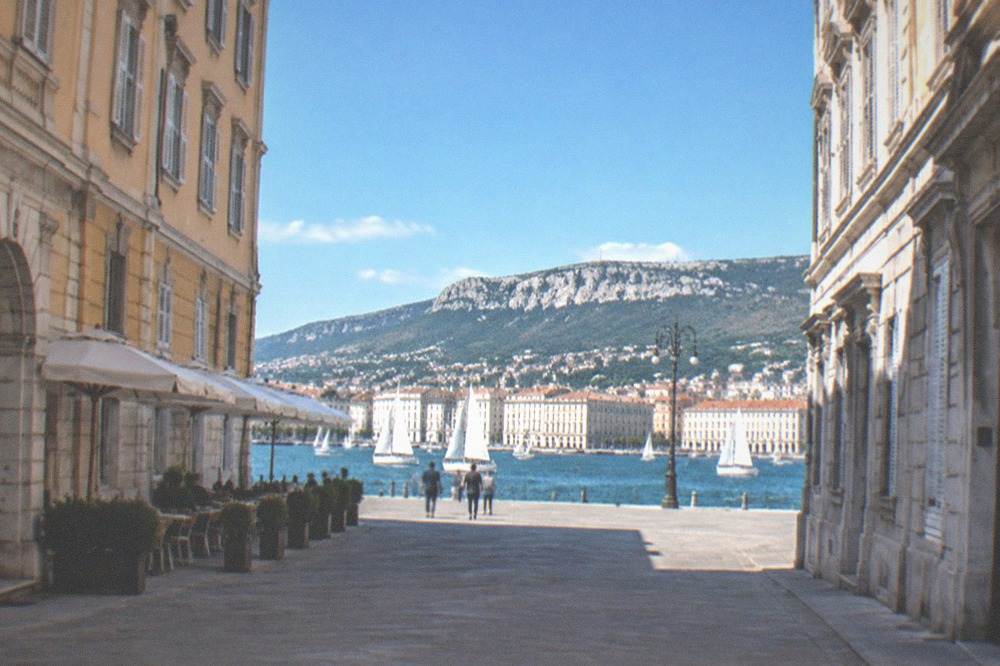
Trieste suits travellers who want the sea, a layered Habsburg-meets-Italian identity and a genuinely unusual city centre; Ljubljana suits travellers who want a compact, riverside capital with a castle above it and one of Europe's more charming small old towns. Trieste is bigger, windier and more workaday; Ljubljana is prettier per square metre and easier to "finish" in two days. Neither is a museum city on the scale of Venice or Vienna.
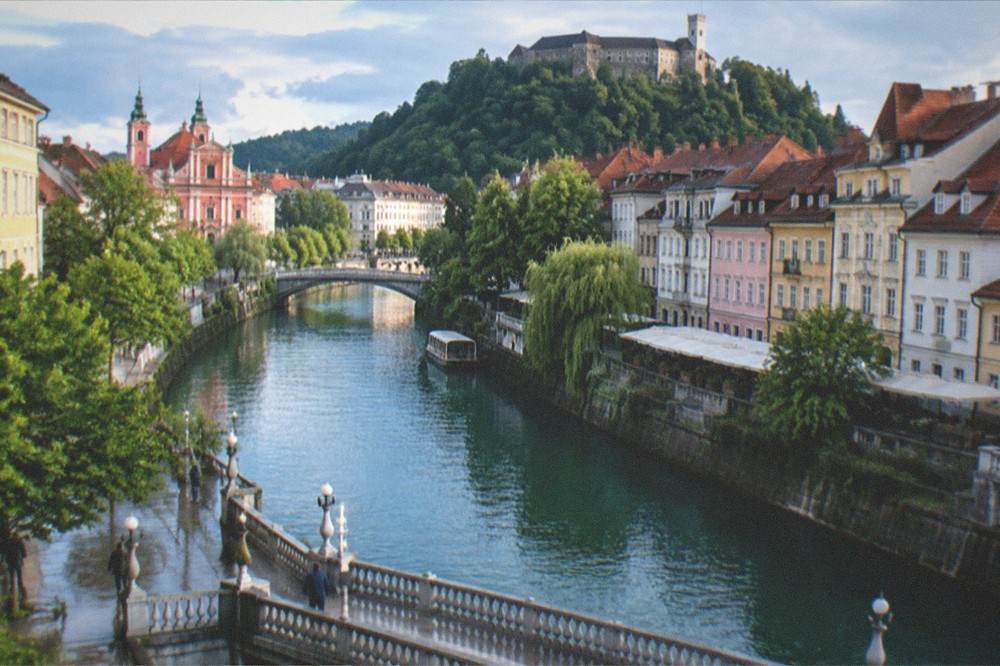
That framing matters because most comparison guides flatten both cities into a list of squares and churches. The honest difference is atmospheric. Trieste is a working port with a literary reputation, a coffee economy and the bora wind stripping the sky blue; you can read more about that wind in the Trieste bora wind guide. Ljubljana is a university capital designed around a river embankment that Jože Plečnik reshaped in the interwar years, and its centre is small enough that a first-time visitor covers most of it on foot in a day.
Neither city is expensive by Western European standards, but the cost structures differ. Trieste's sightseeing is unusually cheap: its cathedral is free, its national monument Risiera di San Sabba is free, and its seafront is the whole point. Ljubljana's paid attractions cluster around the castle and the funicular, and most visitors add an excursion to Lake Bled, which adds a day and a cost. If you want a deeper look at the Italian side of the comparison, our Trieste vs Venice guide covers the other pairing travellers usually weigh.
How Far Apart Are Trieste and Ljubljana, and How Do You Travel Between Them?
Trieste and Ljubljana lie on opposite sides of the Italy-Slovenia border, close enough that a day trip in either direction is routine, linked by direct trains and cross-border coaches. You do not change currency: Italy and Slovenia both use the euro. You should, however, carry a passport or national ID card, because Italy is running temporary checks on its land border with Slovenia from 19 June 2026 to 18 December 2026.
That border detail is the one most guides miss, and it is live right now. The European Commission's register of temporarily reintroduced internal border controls lists Italy running checks on its land borders with Slovenia through 18 December 2026, so a Schengen ID document belongs in your pocket even for a short hop to Ljubljana, Bled or Piran. Write that down as a dated, temporary measure, not a permanent rule: the register is the authority, and the situation can change after 18 December 2026.
The transport picture is simple to describe and hard to quote precisely. Direct trains connect the two cities, and cross-border coaches also run the corridor; the pack behind this guide does not verify specific frequencies, fares or journey times for either, so check the operators' own sites before locking a plan. For the rail side of Trieste in general, see the Trieste train station and rail connections guide, and for the specific timing question, our page on how long the train from Trieste to Ljubljana takes is the place to look. If you are planning the trip in the other direction, start with the Trieste-to-Ljubljana day-trip guide.
The easiest way to make the crossing without logistics of your own is a organised day tour. The full-day Ljubljana and Lake Bled trip runs from Trieste with round-trip transport and a guided tour in Italian and English, from $108.91 per person, rated 4.69 from 544 reviews over nine hours, per the operator's live listing.
What Does a Day Trip from Trieste to Ljubljana Cost?
A guided day trip from Trieste to Ljubljana, usually combined with Lake Bled, runs from $108.91 to $145.97 per person depending on the operator and itinerary, according to the listings on this site's tour roster. Doing it independently means a train or coach fare plus lunch, and the pack does not verify a cross-border fare figure, so the honest comparison is tour price versus unverified DIY cost.
The tour market gives you a clear spread. Here is what the verified listings on this site show, prices and ratings as stated by the operators:
| Tour | Duration | From (per person) | Rating | Reviews |
|---|---|---|---|---|
| From Trieste: Ljubljana and Lake Bled | 9 hours | $108.91 | 4.69 | 544 |
| From Trieste: Lake Bled and Ljubljana Tour | 7 hours | $137.57 | 4.51 | 277 |
| Lake Bled and Ljubljana Tour from Trieste | 7 hours | $145.97 | 4.5 | 214 |
| From Trieste: Piran and Slovenia Coast Tour | 6 hours | $114.64 | 4.57 | 136 |
The pattern is consistent: the longer itinerary with more reviews sits at the bottom of the price range, and the differences between operators are mostly about group size and how much of Bled you actually see rather than about quality. All of these cross the Slovenian border, so the ID-card advice above applies to every one of them.
If Slovenia's coast appeals more than its lakes, the Piran and Slovenia coast tour covers the Istrian side from $114.64 per person over six hours, rated 4.57 from 136 reviews. Piran is the Slovenian town that most resembles Trieste's maritime character, which is either a reason to see it or a reason to skip it depending on which base you choose.
Should You Base Yourself in Ljubljana and Visit Trieste?
Yes, if your main interest is Slovenia and you have two spare days, because Trieste works well as a day trip or an overnight from Ljubljana, and the return direction is covered by the same trains and coaches. Trieste's core sights, Piazza Unità d'Italia, the seafront, the Cathedral of San Giusto and Miramare Castle, fit comfortably into one long day.
The trade-off is Miramare. The castle sits up the coast at Grignano, and pairing it with the city centre in a single day trip from Ljubljana is tight but possible if you start early. Our page on whether Trieste is a good day trip from Ljubljana works through that question in detail, including what to cut if the clock is short.
Which City Has the Better Food and Coffee Culture?
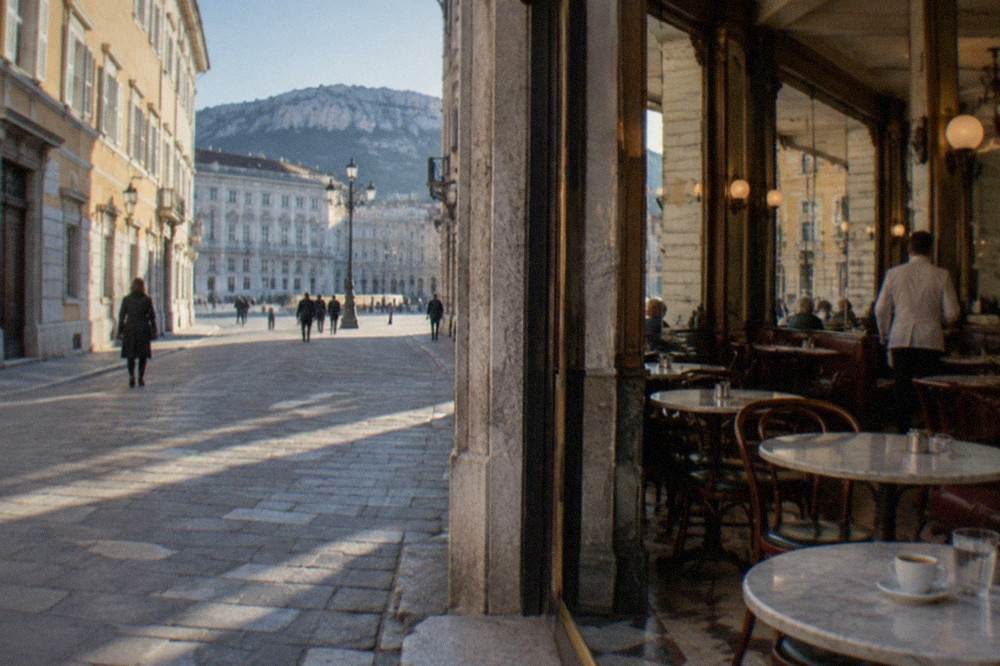
Trieste wins on coffee, decisively: it is a historic coffee port with a dense caffè culture and its own named orders, while Ljubljana's cafe scene is pleasant but generic by comparison. On food the two are closer: Trieste's cuisine mixes Adriatic seafood with Central European dishes like jota and goulash, while Ljubljana offers solid Slovenian fare, river fish and the excellent Bled cream cake as a regional classic.
The coffee story is not a vague atmosphere claim. Trieste's economy has been tied to coffee for well over a century: it is a historic roasting centre and the home of a major international coffee company, and the city's caffè, several of them Habsburg-era institutions, have their own ordering vocabulary that does not exist elsewhere in Italy. What the verified facts file does not support is the famous per-head consumption figure you will see quoted across the internet: no primary source backs it, so this guide prints the culture and not the number. The Trieste coffee culture guide covers the historic caffè properly.
Food-wise, Trieste's signature dishes, jota, a bean-and-sauerkraut soup, and the buffet culture that serves goulash with cumin-seeded bread, are genuinely distinct from mainstream Italian cooking, and they are covered in what to eat in Trieste and our restaurant recommendations. Ljubljana's answer is a good central market, riverside eating and the kranjska klobasa, and neither city is a disappointment at the table. If food is your primary driver, give Trieste the edge for its uniqueness and Ljubljana the edge for price.
How Do the Two Cities Compare on Weather?
Trieste is a coastal city with mild winters, warm summers and the bora, a gusty north-easterly wind that averages 17.6 days a year with gusts over 90 km/h at the waterfront station; Ljubljana, inland in a basin, is a few degrees colder in winter with more summer thunderstorm days and no bora. Trieste's wettest month is November at 109.8 mm of rain, and July is one of its driest at 53.8 mm, per ARPA FVG station tables.
Those Trieste figures come from ARPA FVG's own normals for the molo Fratelli Bandiera station, series 1995-2024, and they overturn the common assumption that the Adriatic coast is a summer-rain destination. November is the wettest month, September is second, and July is the second driest. The sea tells the same story from a different angle: mean sea temperature peaks at 25.9 C in July and August and bottoms out around 10.5-11.6 C in winter, so the swimming window runs through the warm months, as covered in Trieste's beaches and swimming guide.
| Month (Trieste, ARPA station) | Mean high C | Rain mm | Mean sea C | Days gust over 90 km/h |
|---|---|---|---|---|
| January | 9.2 | 52.8 | 11.6 | 2.4 |
| April | 16.8 | 60.7 | 14 | 0.7 |
| July | 28.2 | 53.8 | 25.9 | 0.9 |
| September | 23.9 | 102.3 | 23.9 | 1.1 |
| November | 14.7 | 109.8 | 16.8 | 1.9 |
The bora is Trieste's signature weather feature and Ljubljana has nothing equivalent. The all-time peak gust in the station series is 168.1 km/h, recorded in February 2012, and the monthly record gust exceeds 110 km/h in every single month of the year, which is why the wind shapes the coastline's vegetation and the city's architecture. No official wind threshold exists at which ferries stop or events are cancelled, so treat any specific cutoff you read elsewhere with suspicion. For timing your whole trip, the best time to visit Trieste and month-by-month weather guides carry the full tables.
What Are the Entry Prices for Trieste's Main Sights?
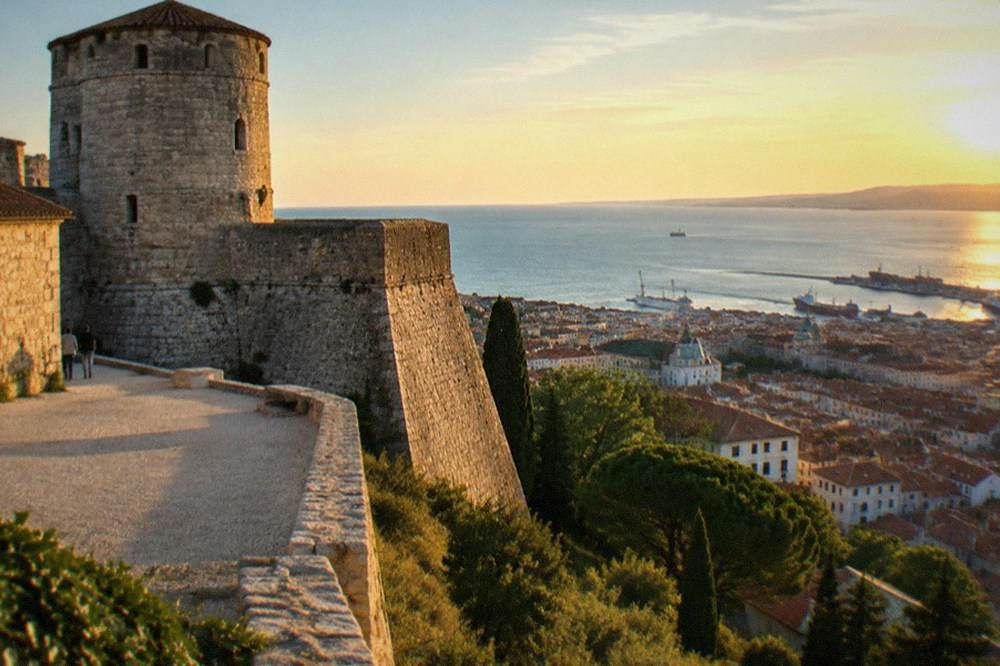
Trieste's headline sights cost €17 for Miramare Castle, €7 for Castello di San Giusto, €8 for Museo Revoltella and €15 for Grotta Gigante, while the cathedral, the Risiera di San Sabba and the Miramare park are all free, per the venues' own 2026 pages. Ljubljana's comparable cluster, the castle with its funicular and the city museums, sits in a similar band, so sightseeing cost is not a differentiator between the two cities.
The verified Trieste price list, all from official venue pages:
| Sight | Adult price | Opening pattern | Free days |
|---|---|---|---|
| Miramare Castle | €17 (includes exhibition) | Daily 9:00-19:00 | First Sunday of the month |
| Miramare Park | Free | Daily, hours by month | Always free |
| Castello di San Giusto | €7 | Daily to 11 Oct, then Tue-Sun | First Sunday, 3 November |
| Cattedrale di San Giusto | Free | Weekdays 8:00-18:30 | Always free |
| Museo Revoltella | €8 | Daily 10:00-19:00, closed Tuesdays | First Sunday of the month |
| Risiera di San Sabba | Free | Daily, hours by season | Always free |
| Grotta Gigante | €15, guided only | Sep-Feb Tue-Sun, Mar-Aug daily | FVGcard holders |
Two details in that table save real money and real disappointment. First, the first-Sunday-of-the-month scheme at state museums is running through 2026 and Miramare participates, but the ministry has changed the rules before, so confirm the specific date on the venue's own page rather than assuming. Second, Grotta Gigante is guided-only with compulsory booking, and it closes on Mondays from September to February, which catches out a surprising number of visitors who slot it into a Monday itinerary. The Grotta Gigante guide has the full booking detail.
The bell tower of Trieste's cathedral deserves a specific warning: no verified price exists on the parish's own pages, so any figure you see quoted elsewhere is unverified. Entry to the cathedral itself is free, which is the number that matters.
Where Should You Stay: Trieste or Ljubljana?
Base yourself in Trieste if the sea, the coffee houses and day trips to the Karst caves, Miramare and the Slovenian coast are your priorities, because Trieste's transport links radiate in every useful direction; base yourself in Ljubljana if Lake Bled, the lakes and the alpine side of Slovenia are the goal. Trieste's accommodation carries a city tourist tax of €1.50 to €3.80 per person per night depending on category, charged for a maximum of five consecutive nights.
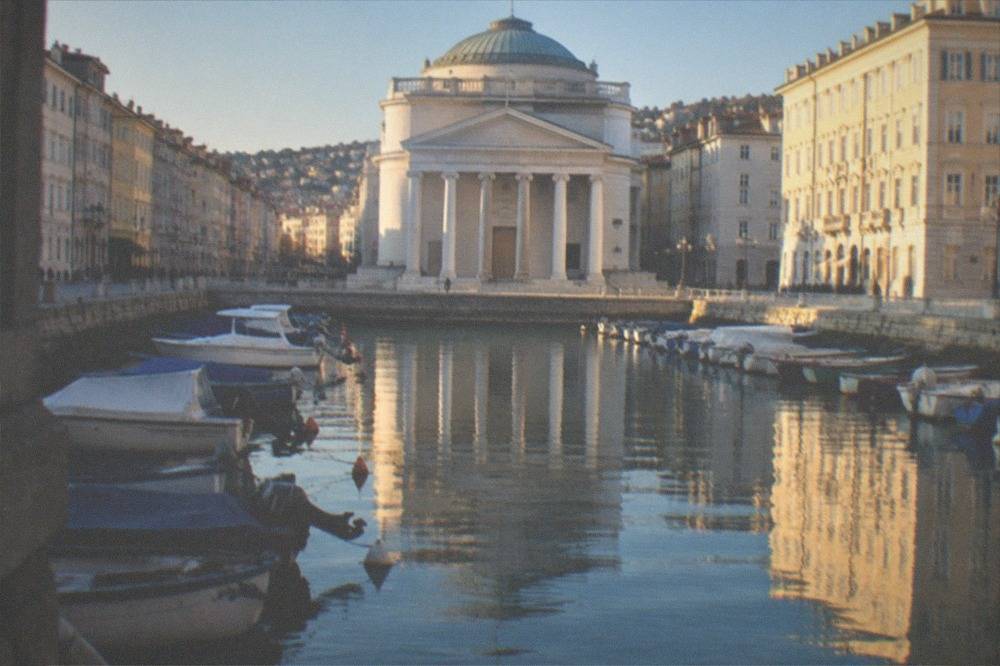
That tax detail is verified from the Comune di Trieste's own 2026 rate table and it applies to every stay, from campsites at €1.50 up to five-star hotels at €3.80, with under-18s exempt. Ljubljana charges its own visitor tax; this site does not verify its rate, so check the city's page when booking. On the ground, Trieste's useful areas are the Borgo Teresiano grid around the Grand Canal, Città Vecchia under San Giusto, and the seafront, and the where to stay in Trieste guide maps them properly.
A practical tiebreaker is the airport question. Trieste is served by its own airport at Ronchi dei Legionari, which has a railway station connected to the terminal by a covered walkway, and Ljubljana's Jože Pučnik airport is the Slovenian equivalent; neither city is hard to reach, but Trieste's airport guide and flights to Trieste cover the Italian side, while Ljubljana pairs naturally with a Slovenia-first itinerary. If you are arriving by sea, the Trieste cruise port guide explains the walk-in centre.
Can You Combine Trieste and Ljubljana in One Trip?
Yes, and for most travellers that is the right answer to the whole Trieste vs Ljubljana question: spend two or three nights in Trieste, cross to Ljubljana for two more, and use each city as a base for the day trips the other cannot reach, since both use the euro and the crossing takes a single train or coach ride. The only 2026 complication is the temporary Italian border checks with Slovenia running to 18 December 2026.
A realistic combined plan looks like this. Give Trieste a full day for Piazza Unità d'Italia, the seafront, the cathedral and San Giusto's hill, then a second day for Miramare and the coast or the Karst, then move to Ljubljana for the old town, the castle and a Bled excursion. The tour listings on this site support the Slovenian legs directly: the nine-hour Ljubljana and Bled combination from $108.91, and the six-hour Piran coast tour from $114.64, both with the ID-carrying caveat above. For the Trieste legs, a private sightseeing walk, from $128.45 per person and rated 5 from 100 reviews per the listing, or the private Trieste sightseeing tour page covers the city's core efficiently.
Timing the combined trip is mostly about the calendar. October brings Barcolana, the sailing regatta that fills the Gulf of Trieste from 2 to 11 October 2026 with the main race on Sunday 11 October, an event that transforms the seafront and books out the city; the Barcolana guide has the detail. November is the wettest month on the Trieste waterfront, and the bora is at its most persistent in the cool season, peaking in February, so late spring through September is the comfortable window for doing both cities.
How Much Does Getting Around Each City Cost?
Getting around Trieste costs €1.50 for a 60-minute urban single ticket, €1.85 for a 75-minute one, or €3.35 for a day ticket in 2026, and a contactless bank card can be tapped directly on board; Ljubljana's centre is small enough that most visitors walk everywhere and pay nothing, with its urban card covering the buses. Trieste's Opicina tram, running again since 1 February 2025, is part of the ordinary urban network.
The Trieste fares are from the operator's own 2026 tariff sheet:
| Ticket (Trieste urban, 2026) | Price | Validity |
|---|---|---|
| Single U01 | €1.50 | 60 minutes |
| Single U02 | €1.85 | 75 minutes |
| Day ticket U24 | €3.35 | Full day |
| 10 rides U10 | €13.50 | 60 minutes each |
| 20 rides U20 | €16.65 | 60 minutes each |
Single tickets extend to 240 minutes on Sundays and public holidays, which makes a weekend day ticket almost redundant. The Opicina tram deserves its own note because almost every older guide gets it wrong: the line was suspended after the 2016 collision, reactivated on 1 February 2025, and runs today from piazza Dalmazia, not piazza Oberdan, on a timetable dated 20 July 2026. A standard urban ticket is valid on it, and the Opicina tram guide explains the route up to the Karst village.
Ljubljana, by contrast, is a city where the honest transport advice is to walk. Its centre is compact, the riverside paths are the attraction, and the main paid movement is the funicular up to the castle, which most visitors bundle with the castle ticket. Neither city needs a car, and parking in Trieste in particular is a problem worth avoiding, as covered in our Trieste orientation pages.
Trieste or Ljubljana: The Honest Verdict
Choose Trieste if you want a sea city with a singular identity, a coffee culture you cannot find elsewhere in Italy, free seafront sightseeing and easy access to caves, castles and the Slovenian coast; choose Ljubljana if you want a polished small capital, a riverside old town and Lake Bled within day-trip range. If you have five or more nights, do both: the pairing costs one border crossing and no currency exchange, and the two cities complement rather than duplicate each other.
The verdict is genuinely conditional rather than diplomatic. Trieste's weaknesses, a wind that can strip the waterfront and a working-port plainness in parts, are the same things that keep it uncrowded and cheap. Ljubljana's weakness is that a determined visitor exhausts its centre quickly, which is exactly why the Bled and coast excursions matter so much there. Trieste's day-trip radius, Postojna, Škocjan, Lipica, Piran, Miramare, is arguably the stronger set, and the day trips from Trieste guide lays out the full radius.
For free and low-cost sightseeing specifically, Trieste is the stronger of the two: the cathedral, the Risiera, the Miramare park, the Roman theatre viewed from the street and the whole seafront cost nothing, and the free-things-to-do page on this site lists them all. Ljubljana's free tier is thinner once you have walked the embankment.
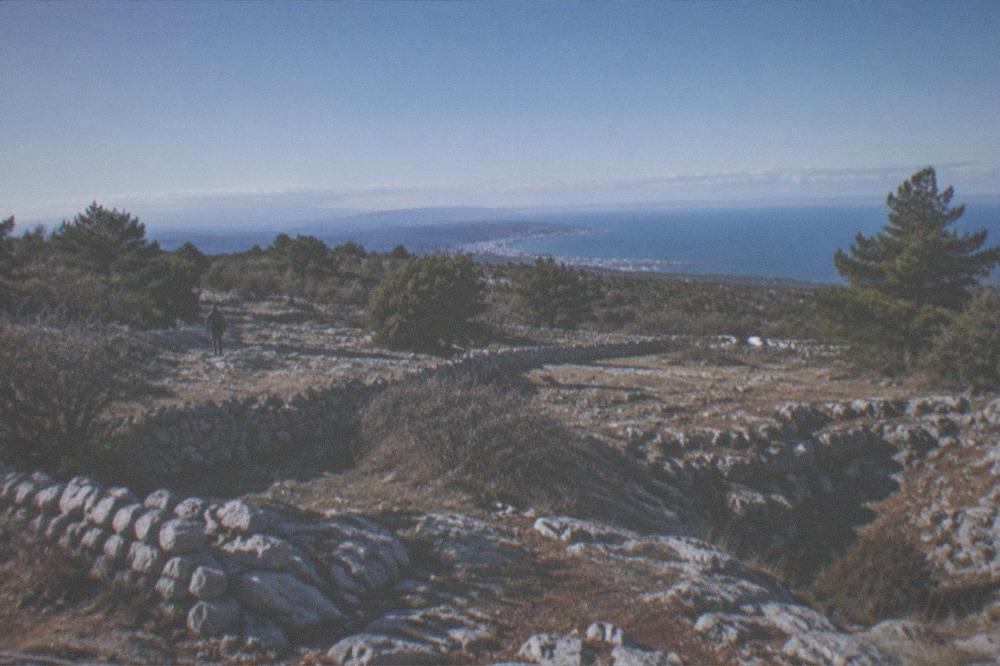
One last comparison point that most guides never mention: the osmize. On the Karst above Trieste, farm outlets open seasonally to sell their own wine and home produce, signposted by a frasca, a leafy branch hung at the turning, and tracked by a long-established volunteer calendar at osmize.com. There is nothing equivalent in Ljubljana's orbit, and it is a Trieste-specific experience that costs a fraction of any restaurant meal. The osmize of the Carso guide explains the custom and how to find an open one, and the region's wines, Vitovska, Malvasia and Terrano on the Italian side, are covered in the Friuli Venezia Giulia wine guide.
Common Questions About Trieste vs Ljubljana
Is Trieste or Ljubljana better for a short city break?
For a one- or two-night break, Ljubljana is easier to "complete": its riverside centre is compact and walkable in a day. Trieste rewards a slightly longer stay because its best experiences, the caffè culture, Miramare, the Karst and the coast, spread across a wider radius. Both are walkable, affordable and safe by European standards.
Do I need a passport to travel between Trieste and Ljubljana?
Yes, carry a passport or national ID card. Both countries are in the Schengen area, but Italy is running temporary checks on its land border with Slovenia from 19 June 2026 to 18 December 2026, per the European Commission's register. This is a dated, temporary measure, so check the current status before you travel.
Do Trieste and Ljubljana use the same currency?
Yes. Italy and Slovenia both use the euro, as does Croatia, which adopted the euro and joined Schengen on the same day, 1 January 2023. There is no currency exchange anywhere on a Trieste-Ljubljana-Bled route.
Is Trieste more expensive than Ljubljana?
The two cities are broadly comparable on food and drink, and neither is expensive by Western European standards. Trieste's sightseeing is unusually cheap, with several major sights free, and its tourist tax runs €1.50 to €3.80 per person per night depending on accommodation category, charged for a maximum of five consecutive nights.
Can you visit Lake Bled from Trieste?
Yes, as a full-day guided trip. The listings on this site show Ljubljana-and-Bled combinations from Trieste from $108.91 per person over nine hours, plus shorter seven-hour variants, all with round-trip transport and a guide. Independent travel by train or coach is also possible; check the operators' sites for current fares.
Which city has better weather, Trieste or Ljubljana?
Trieste is milder in winter thanks to the sea, with mean highs of 9.2 C in January, but it is the windier city: gusts exceed 90 km/h on 17.6 days in an average year at the waterfront station. Ljubljana, inland in a basin, runs colder in winter and hotter in still summer weather. Trieste's wettest month is November at 109.8 mm; July is one of its driest at 53.8 mm.
Whichever city wins your nights, the other is close enough that the losing vote costs you a single day trip, and the border between them is the kind you barely notice except for the ID check and the road signs changing language. Trieste Travel Guide covers the Italian side of that line in depth, from its coffee culture to its restaurants, so start there and cross the border when the sea has had its fill of you.