Is Trieste a Good Place to Stay?
Is Trieste in Italy a good place to stay? An honest look at the city's neighbourhoods, tourist tax, climate and day-trip range, with the numbers from official sources.
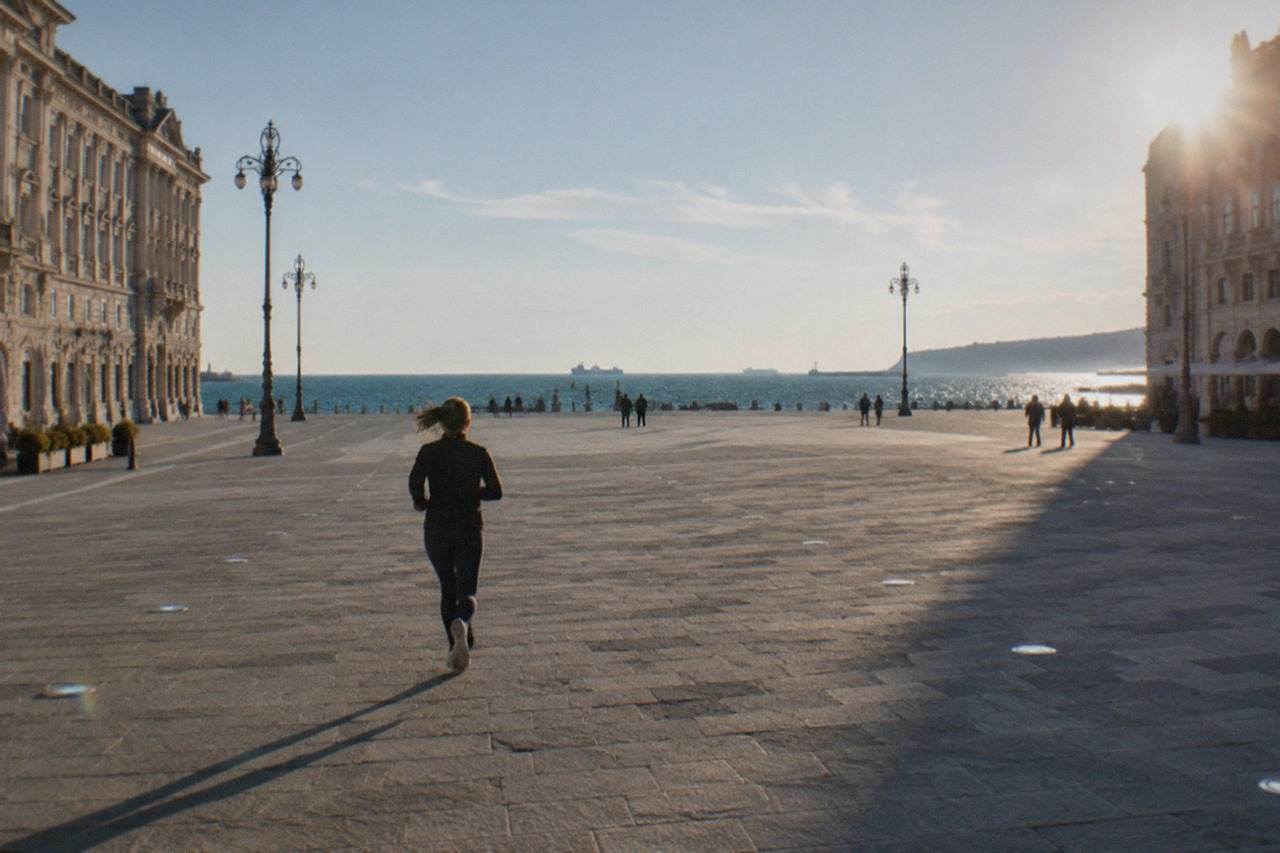
Trieste, the Adriatic port city in Friuli Venezia Giulia in the north-east corner of Italy, is a genuinely good place to stay for several kinds of traveller: anyone who wants a compact, walkable, sea-facing city with Central European architecture, anyone using it as a base for the Karst and for Slovenia and Croatia, and anyone who prefers a real working Italian city to a tourist machine. It is not a good place to stay if what you want is a classic beach holiday or the canal-and-gondola spectacle of Venice, and the honest answer below separates the two.
Is Trieste a Good Place to Stay?
Yes, for most trips of two to five days Trieste in Italy is a good place to stay. It is a compact, walkable, sea-facing city with Habsburg-era squares, a free-entry cathedral and castle walls, a working coffee-house culture, and one of the best day-trip positions in Europe: Slovenia's caves, Lake Bled and the Istrian coast are all reachable. It is weaker on beaches and on nightlife than the big art cities, and November is its wettest month, so the timing matters.
The case for staying in Trieste rests on density. Almost everything a first-time visitor wants is inside a rectangle you can cross on foot in half an hour: Piazza Unità d'Italia, the seafront Molo Audace, the Grand Canal, the Città Vecchia, the Roman theatre you look down into from the street, and the hill of Castello di San Giusto with its free cathedral. The city's own climate record backs the outdoor-lifestyle claim too: ARPA FVG's station tables for the molo Fratelli Bandiera put the annual mean at 15.9 C, with July and August averaging 28 C mean highs and a sea that reaches a mean of 25.9 C in both months.
What Trieste does not offer is a resort beach. The city's own swimming spots are concrete and rocky rather than sandy, and the sandy shelf is at Barcola and the coast beyond. If a sun-lounger holiday is the goal, Trieste is the wrong base; if a city with swimming within reach is the goal, it works. The practical question of which district to book is covered in detail on where to stay in Trieste, and the neighbourhood-by-neighbourhood trade-offs are laid out in what part of Trieste to stay in.
How Many Days Should You Stay in Trieste?
Two nights is the honest minimum and three to four is the sweet spot. Two days covers the historic centre, San Giusto hill, one Miramare half-day and an evening caffè; four days lets you add a Karst day with Grotta Gigante or the Škocjan Caves and one cross-border day trip to Piran or Ljubljana. Beyond five nights you will run out of city, though not of region, because Friuli Venezia Giulia keeps giving.
The rhythm of a Trieste stay is one city day, one castle-and-coast day, then day trips. The city day is dense but short on paper: the cathedral is free, the Roman theatre is viewed from the street, and the castle walls at San Giusto cost €7 full price with daily 10:00-19:00 hours from 1 April to 11 October, shifting to Tuesday-Sunday 10:00-17:00 from 12 October. That leaves real time for the thing Trieste is actually famous for, sitting in a historic caffè, and for the seafront.
Miramare deserves its own half-day: the castle is €17 for an adult including the temporary exhibition, open every day 9:00-19:00 with last admission at 18:30, while the park is free all year and keeps its own, earlier closing times by month. A guided visit such as the panoramic city and Miramare Castle tour, from $129.94 per person and rated 4.97 from 21 reviews over four hours, bundles the castle with the city orientation if you would rather not plan the buses yourself. The length-of-stay question is argued in full in how many days in Trieste is enough.
How Much Does Staying in Trieste Cost?
The 2026 tourist tax in Trieste runs from EUR 1.50 to EUR 3.80 per person per night depending on the accommodation category, charged for a maximum of 5 consecutive nights in the same property, and everyone under 18 is exempt. Beyond the tax, Trieste is mid-priced for Italy: cheaper than Venice for comparable quality, with free entry to the cathedral, the Risiera di San Sabba, Miramare's park and every first-Sunday state museum, offsetting paid castles and caves.
The tax is the one number every visitor will actually pay, and the Comune's own 2026 rate table is unambiguous about it:
| Accommodation category | Tourist tax per person, per night |
|---|---|
| 5-star hotel | EUR 3.80 |
| 4-star hotel, self-catering case vacanza | EUR 3.30 |
| 3-star hotel, self-catering case vacanza | EUR 3.00 |
| 2-star hotel, affittacamere, B&B Superior, hostels, agriturismi, short-let properties | EUR 2.30 |
| B&B Comfort | EUR 2.00 |
| 1-star hotel, B&B Standard | EUR 1.80 |
| Campsites and motorhome areas | EUR 1.50 |
Two details in that table matter more than the rates. The 5-night cap means a week-long stay in one property stops paying the tax partway through, and the under-18 exemption means a family with children pays only for the adults. The exemptions also cover a companion per hospital inpatient, certified disability of 80% or more, coach drivers and tour leaders, and one group leader per 15 minors.
On the spending side, Trieste's paid attractions are modest and its free list is unusually strong. The Risiera di San Sabba, the national monument at the former rice-husking complex, is free with daily 9:00-19:00 hours through 11 October. The Museo Revoltella is €8, closed Tuesdays. The ministry's first-Sunday-of-the-month scheme gives free entry at participating state museums including Miramare, though the scheme's rules have changed before, so check the venue's own page for the month you are there rather than assuming. For the fuller cost picture, the budget and cost-of-trip pages on this site break down meals, transport and attractions line by line.
Is Trieste a Good Base for Day Trips?
Yes, and this is the single strongest argument for staying in Trieste rather than visiting it from elsewhere. From Trieste you can reach Postojna Cave, the Škocjan Caves, Lipica, Piran, Portorož, Ljubljana, Lake Bled, Muggia and the Istrian coast, all within a day. Slovenia, Croatia and Italy all use the euro, but Italy is running temporary border checks on the Slovenia land border through 18 December 2026, so carry ID.
The geography is the point. Trieste sits a few kilometres from the Slovenian line, with the Karst plateau rising directly behind the city and the Istrian peninsula beginning down the coast. The cave products tell the story: a Postojna Cave and Predjama Castle day trip from Trieste runs from $137.57 per person, rated 4.76 from 543 reviews over six hours, and a Lipica stud farm and Škocjan Caves day runs from $129.93, rated 4.86 from 23 reviews over six hours. The Ljubljana and Lake Bled combination tours start from $108.91 and run about nine hours. Everything else covered here is indexed on Trieste Travel Guide.
Three practical facts make cross-border day tripping from Trieste smoother than most visitors expect. First, the currency question does not exist: Slovenia has used the euro since 1 January 2007 and Croatia adopted it on 1 January 2023, the same day it joined Schengen, so there is no money-changing anywhere on this itinerary. Second, the border-check exception: the European Commission's register lists Italy running temporary internal checks on its land borders with Slovenia from 19 June 2026 to 18 December 2026, so a passport or national ID card belongs in your pocket even inside Schengen. Third, the Opicina tram, urban line 2, is running again after reactivation on 1 February 2025, from piazza Dalmazia up to the village of Opicina on the Karst edge, on an ordinary urban ticket.
When Is Trieste a Bad Place to Stay?
Trieste disappoints in three situations: if you want a sandy beach resort, if you come in November expecting Mediterranean sun, and if you expect Venice. November is the wettest month at 109.8 mm against July's 53.8 mm, the city's swimming spots are concrete and rock rather than sand, and the bora wind averages 17.6 days a year with a gust over 90 km/h. As a base for a classic art-city Italian holiday, it is also simply smaller than Florence, Rome or Venice.
The weather point is worth dwelling on because it contradicts the brochure version of the Adriatic. ARPA's station series for the molo Fratelli Bandiera, 1995-2024, shows a genuinely autumnal autumn: September takes 102.3 mm of rain, October 88.6 mm and November 109.8 mm, against a dry early summer. If you are choosing between a June stay and a November stay, the data is not close. The wind is the other seasonal factor; the bora blows from the east-north-east, the monthly record gust exceeds 110 km/h in every single month of the year, and February holds the all-time peak at 168.1 km/h. No published wind threshold closes the seafront, but strong episodes do disrupt ferries in practice, so check the forecast rather than a rule of thumb.
The beach point is about expectations. Trieste's own swimming is at spots like the Pedocin and the Barcola seafront, which are concrete, rocky and sociable rather than sandy and private. The comparison with Venice, which many visitors are actually weighing, is argued in detail on is it better to stay in Venice or Trieste, and the honest summary is that Venice wins on spectacle and loses on price, crowds and ordinariness. Trieste gives you a city where locals outnumber tourists in the squares, which is precisely what some travellers want and precisely what others do not.
The Verdict on Staying in Trieste
Trieste is a good place to stay for two to four nights if you want a walkable, sea-facing Italian city with Habsburg character, serious caffè culture and the best day-trip range in the region, and it is a very good base if caves, Slovenia or Istria are on your list. It is the wrong choice for a sandy-beach holiday, a nightlife city break or a November visit. Book in the Borgo Teresiano or Città Vecchia for walkability, carry ID for Slovenia, and expect wind.
For a first stay, the practical package is simple. Sleep central, walk everywhere inside the city, buy a €3.35 day ticket if your feet give out, take one Miramare half-day and one Karst or cross-border day, and spend at least one long morning in a historic caffè doing nothing in particular. A guided walk is the efficient first move: the Experience Trieste leisurely walk, from $198.52 per group and rated 5 from 113 reviews over two and a half hours, is a group-rate way to get the city's layout and history settled on day one, and you can Check availability on the operator's live listing. The solo pick below is that same tour.
For everything the city itself offers, the overview pages on this site, from the museums to the food and the coffee culture, cover each piece in depth, and the day-trip library starts with Postojna, Piran and Ljubljana. Trieste rewards the traveller who treats it as a base and a city at once, which is exactly what it is.
Common Questions About Staying in Trieste
Is Trieste A Good Place To Stay?
Yes. For two to four nights Trieste in Italy is a compact, walkable, sea-facing base with strong free attractions, modest paid ones, and unmatched day-trip range into Slovenia and Croatia. It is weaker for sandy beaches, nightlife and wet November weather.
Is Trieste expensive to stay in?
The 2026 tourist tax runs EUR 1.50-3.80 per person per night by category, capped at 5 consecutive nights, with under-18s exempt. Hotel room rates are date-specific and are not published on this site; attraction prices are modest, with several major sites free.
Do I need ID for a day trip to Slovenia from Trieste?
Yes. Although Italy and Slovenia are both in Schengen and both use the euro, Italy is running temporary border checks on the Slovenia land border through 18 December 2026, so carry a passport or national ID card.
Which part of Trieste is best to stay in?
The Borgo Teresiano around Piazza Unità d'Italia and the Grand Canal puts everything walkable at your door; the Città Vecchia is characterful and closer to the hill; Barcola suits swimmers. The details are in the where-to-stay guide on this site.
Can you swim in Trieste?
Yes, from concrete and rocky spots including the Pedocin and the Barcola seafront, with the sea reaching a monthly mean of 25.9 C in July and August per the station series. Sandy resort beaches are not what Trieste itself offers.
Is Trieste better than Venice for a stay?
Trieste is cheaper, calmer and a better base for the region; Venice is the spectacle. If you have never seen Venice, see Venice; if you want to live in an Italian city for a few days, stay in Trieste.