Porto Vecchio Trieste, Italy: A Guide to the Old Port Waterfront
Porto Vecchio is Trieste's old port in Italy, a district of warehouses, cranes and quays north of the city centre that has opened to the public in recent years after decades behind port fences.
Short answer
Porto Vecchio is the former commercial port of Trieste, Italy, a district of historic warehouses and dock structures on the waterfront north of Piazza Unità d'Italia. It is free to walk around, reachable on ordinary city bus tickets, and best combined with nearby sights such as Molo Audace and the seafront towards Barcola.
Porto Vecchio is the old port of Trieste, the Adriatic port city in Friuli Venezia Giulia in the northeast corner of Italy. It sits on the waterfront immediately north of the historic centre, a spread of monumental warehouses, dock walls, railway tracks and harbour cranes that served the Habsburg Empire's great sea gateway and then the Italian republic's. For most of the last century this was a working port closed to the public; the free-walk listing for the district describes it as "a city within another city: a district only opened to the public in recent years", which is the honest framing, because the opening is recent, partial and still changing. This guide, like the rest of Trieste Travel Guide, covers what the district is, how to reach it with ordinary city tickets, what it costs to visit, and how to pair it with the rest of Trieste's waterfront.
What Is Porto Vecchio in Trieste, Italy?
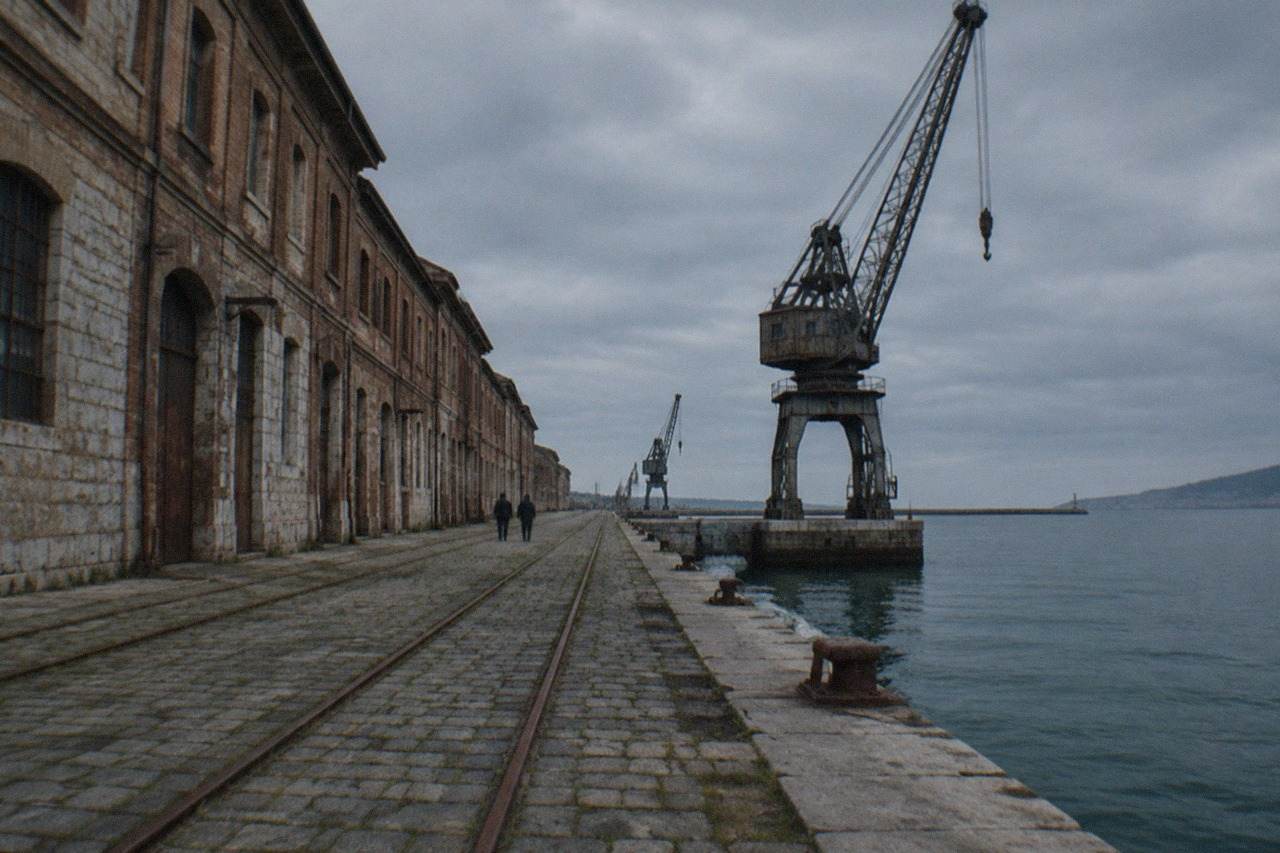
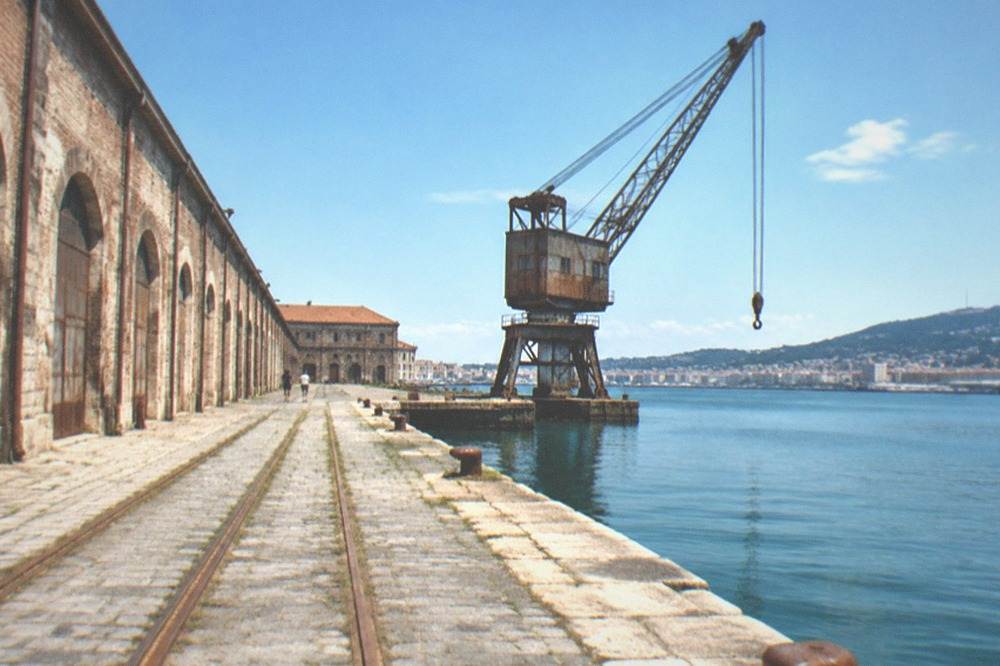
Porto Vecchio is the former commercial port of Trieste, Italy: a district of large nineteenth- and twentieth-century warehouses, hydraulic cranes, quay walls and rail sidings stretching along the waterfront north of the historic centre. It is no longer a functioning cargo port, it is free to walk through the parts that have opened, and its scale, whole streets of brick and stone built for goods rather than people, makes it unlike anything else in the city.
Trieste has two ports in the popular imagination: the working port that still handles ships, and Porto Vecchio, the retired one. The retired one is the one a visitor can walk into. The free-walk listing for the district, run through GuruWalk, calls it "the Old Port of Trieste, a city within another city", and that phrase is the most accurate short description available. Warehouses the size of city blocks stand along straight quays, harbour cranes line the water's edge, and the whole district reads as industrial archaeology on a monumental scale.
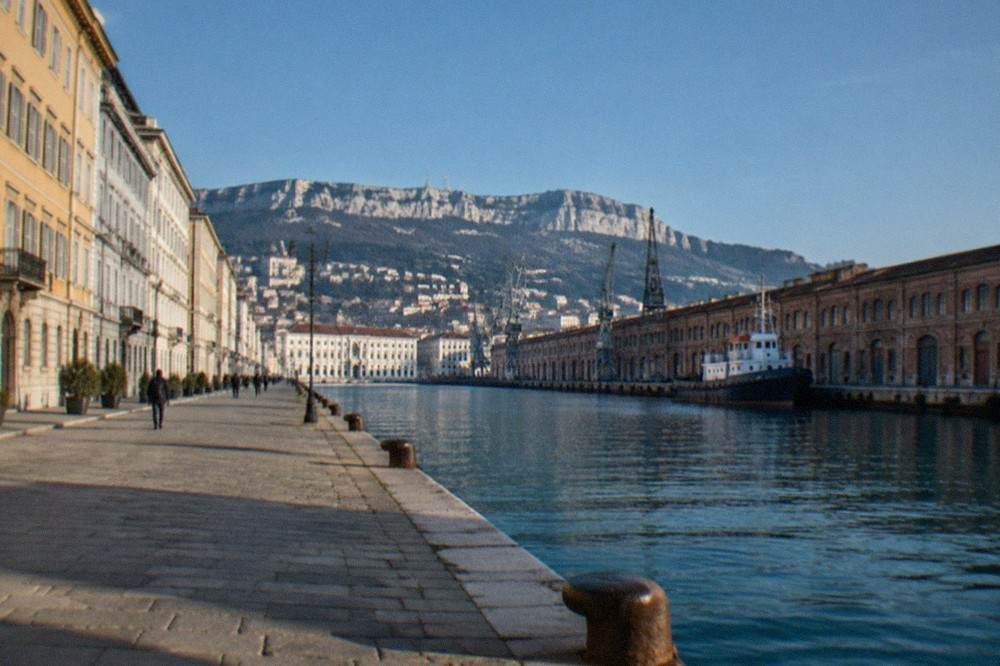
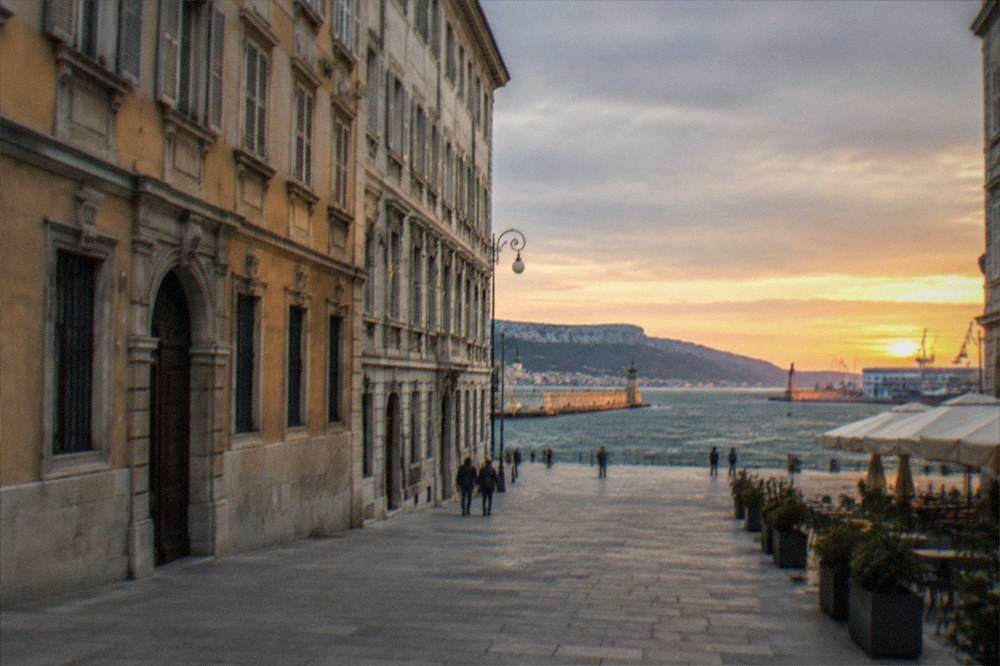
What makes it worth a visit is the contrast. Five minutes away stands Piazza Unità d'Italia, one of the largest seafront squares in Europe, all polished Habsburg facades and caffè tables. Porto Vecchio is the working machinery behind that elegance, the place where the coffee, grain and timber that paid for the caffè actually landed. The district is the clearest single explanation of why Trieste looks the way it does.
Do not expect a polished museum quarter. The opening to the public is recent and ongoing, and the district mixes restored buildings, empty sheds and active redevelopment. That rawness is part of the interest, but it means comfortable shoes matter more than they do on the polished side of the waterfront.
How Do You Get to Porto Vecchio in Trieste?
Porto Vecchio sits on the Trieste waterfront immediately north of the city centre, and ordinary urban tickets cover the trip: a 60-minute single costs €1.50 and a 75-minute single €1.85, with a day ticket at €3.35, per the 2026 urban tariff sheet from Trieste Trasporti. Contactless bank cards can be tapped on board, and single tickets run 60 or 75 minutes, extended to 240 minutes on Sundays and public holidays.
The district begins a short distance north of Piazza Unità d'Italia, so most visitors simply walk along the seafront from the square, past Molo Audace, and continue along the water until the warehouse walls start. The waterfront walk from Molo Audace is flat the whole way, and the sea stays in view to your right, which makes the route hard to get wrong. If you would rather ride, Trieste's urban buses serve the waterfront roads, and the tariff sheet below is the full set of standard fares.
| Code | Ticket | 2026 price | Validity |
|---|---|---|---|
| U01 | Urban single | €1.50 | 60 minutes |
| U02 | Urban single | €1.85 | 75 minutes |
| U24 | Day ticket | €3.35 | One day |
| U10 | 10 rides | €13.50 | Carnet |
| U20 | 20 rides | €16.65 | Carnet |
One more transport option belongs on any Trieste list, and it connects to the port district's northern side of town. The Opicina tram, urban line 2, was reactivated on 1 February 2025 after the long stop that followed the August 2016 accident, and its city terminus today is piazza Dalmazia, not piazza Oberdan. A standard urban ticket is valid on it and contactless cards can be tapped on board. The Opicina tram and the Obelisk route is the classic half-day add-on from this part of the city.
If you are arriving by train, Trieste Centrale stands close to the port district, closer than it stands to Piazza Unità. Visitors coming in for the day from Venice or Ljubljana can walk to the old port before they walk anywhere else, which is a good argument for doing the industrial side first and the elegant side second.
The bus option deserves a word because it is the cheapest guided introduction to this stretch of coast. The Trieste Bus Tour with Audio Guide runs 1.5 hours from $19.49 per person and carries a 4.34 rating from 2,638 reviews on the operator's live listing, and an audio commentary is exactly what a district full of unlabelled industrial structures rewards.
What Can You Actually See Inside the Old Port District?
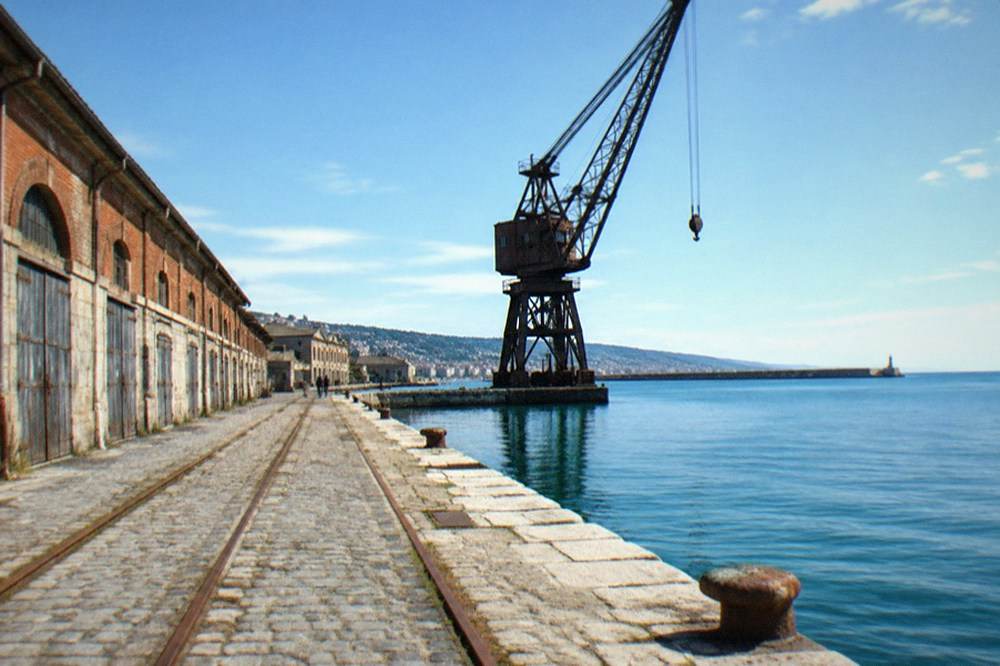
The district's sights are industrial and architectural rather than ticketed attractions: rows of monumental warehouses, historic harbour cranes along the quays, dock railway lines, the open basin views across the Gulf of Trieste, and, at the edges, the modern institutions that have moved into converted port buildings. Nothing inside charges an entry fee, there is no single gate or ticket, and the visit is a walk through a landscape rather than a circuit of rooms.
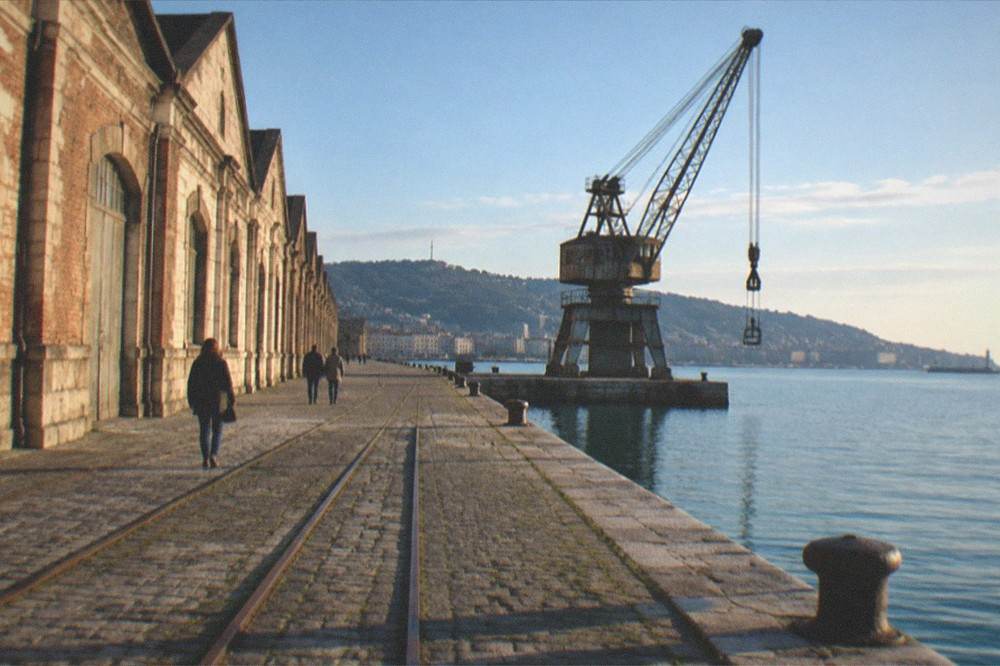
Start with the cranes. The old port's quays still carry their historic lifting cranes, and against the open water of the gulf they are the district's signature image. Photographers do better here in the later afternoon, when the low sun comes across the sea and lights the warehouse walls. The best viewpoints in Trieste are mostly hilltops, but the port district is the one big waterfront photo location where the subject is the city's working past rather than its views.
The warehouses themselves reward attention. They were built to store coffee, grain and timber at imperial scale, and their size is the point: whole streets of them, brick and rendered stone, with loading doors at every level. Do not expect interpretation panels everywhere. This is a district that opened recently and is still being told to the public, which is exactly why a guide adds value here.
Two guided options fit the district well. The free walk, "Free walking tour: Trieste and the Old Port, Industrial archeology tour", runs through GuruWalk with a local guru, is free and tip based, and holds a 5 rating from 4 reviews on its listing. Because it is a GuruWalk product and not one of this site's, it is named here as such, and no price is printed because there is none. The other strong fit is the Trieste: City Hidden Gems Private Walking Tour, from $143.30 per person, rated 4.96 from 62 reviews, 2h 30m with a local guide, and a private guide is the most efficient way to get the district's story told.
If your interest is the city's whole layered history rather than the port alone, the Trieste: Private guided tour of Trieste is from $194.89 per group of up to 10, rated 5 from 115 reviews over 2.5 hours, and a private format means you can weight the route towards the waterfront.
What Is the History of the Old Port of Trieste?
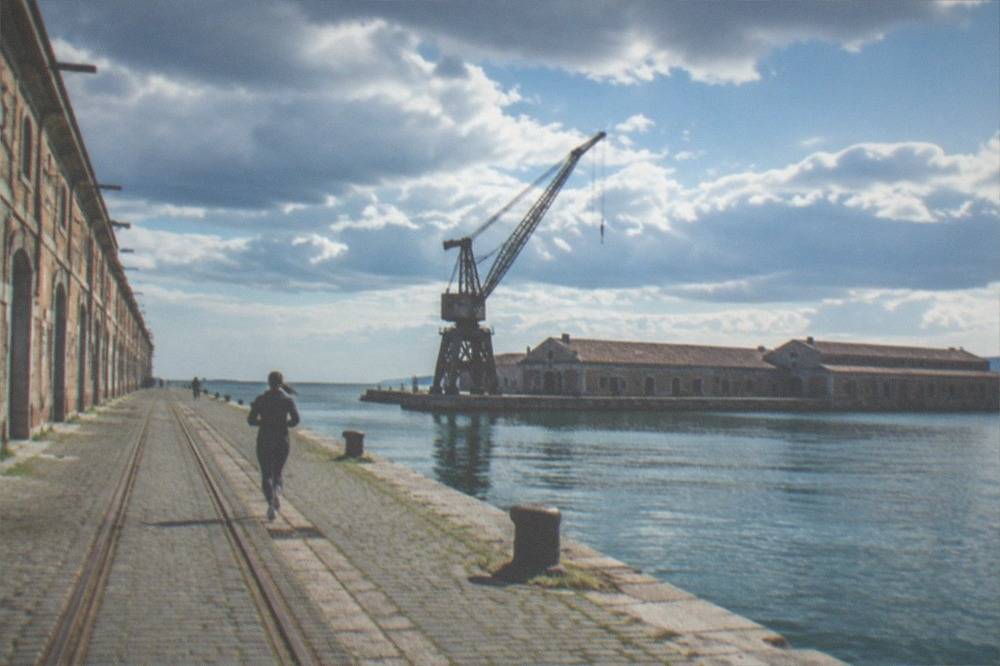
Trieste's old port was built to serve the city's role as the Habsburg Empire's principal sea gateway, and its warehouses, basins and rail connections were engineered at imperial scale for coffee, grain, timber and general cargo. The district is no longer a working cargo port, and its opening to the public is recent, which is why so much of it still reads as raw industrial archaeology rather than a curated heritage site.
The honest way to write this history is to start with what the stones show. Trieste was declared a free port under the Habsburgs and grew into one of the Mediterranean's great emporia, and a port of that rank needed storage and handling on a scale ordinary city docks could not manage. The warehouse rows of Porto Vecchio are that scale made visible. The coffee trade is the famous strand: Trieste is a historic coffee port and roasting centre, home to Illy's headquarters, and the port's coffee warehouses fed a roasting industry that in turn fed the city's caffè culture. No reliable per-head consumption figure exists for that culture, and any guide printing one is guessing, so this guide does not.
What the district became after the empire is a story of gradual retirement. Cargo handling moved on, the old basins and sheds were left behind their fences, and for decades the people of Trieste looked at Porto Vecchio from the outside. The free-walk listing's phrase, "a district only opened to the public in recent years", is the accurate summary of where things stand: the fences have come down in part, buildings are being reused, and the district is transitioning from forbidden ground to public waterfront.
Do not arrive expecting a finished regeneration story with a ribbon on it. Expect a district mid-transformation, where a single walk can take in a restored facade, a shuttered shed and a working construction site in the space of ten minutes. That state is precisely what makes it interesting now rather than in five years.
What Is Near Porto Vecchio Worth Combining with a Visit?
The old port's neighbours are some of Trieste's best-known sights: Molo Audace and Piazza Unità d'Italia to the south, the Risiera di San Sabba national monument inland, the Canal Grande and Città Vecchia behind the centre, and the seafront walk towards Barcola and the Pedocin bathing establishment to the north. Several of these are free, and the paid ones are modest, so a full waterfront-and-history day costs very little in tickets.
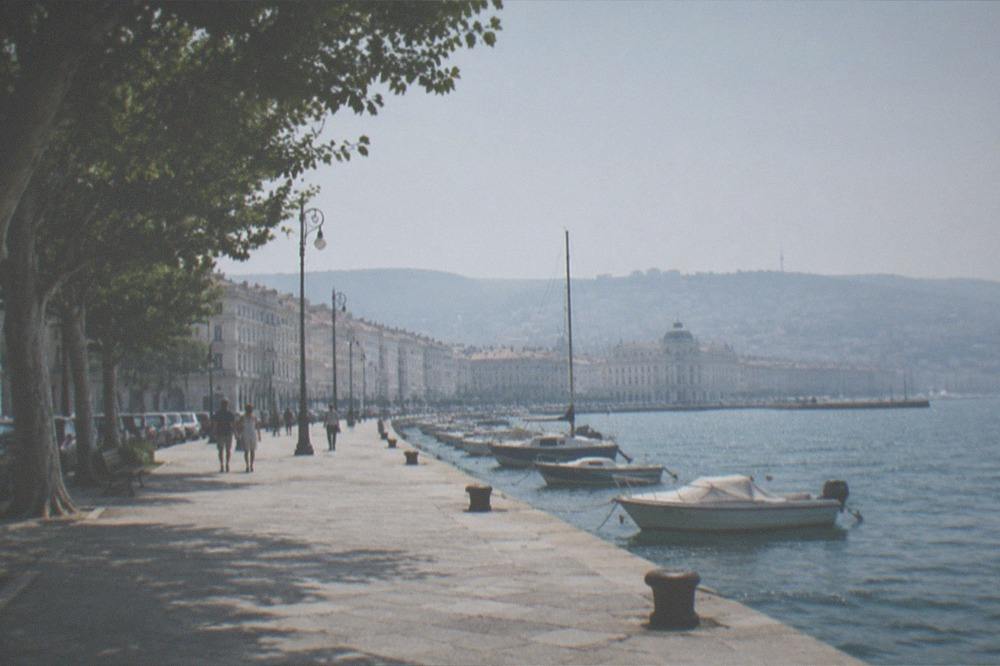
The natural pairing is the walk south along the water. Molo Audace, the stone pier you can walk to the end of, stands just off Piazza Unità d'Italia, and the seafront square itself is the city's ceremonial heart. Behind it, the Canal Grande of Trieste cuts into the Borgo Teresiano, the Habsburg-era grid of streets built when the port made the city rich. All of this is within an easy flat walk of the old port, and all of it is free to see.
For a heavier historical pairing, the Risiera di San Sabba, the national monument and civic museum in the former rice-husking complex used as a Nazi concentration camp, is inland of the port district. Entry is free, it runs daily 9:00-19:00 with last entry 18:30 from 1 March to 11 October, and daily 9:00-17:00 with last entry 16:30 from 12 October, closed 25 December and 1 January. The full guide to the Risiera di San Sabba covers what a visit involves; it is a sombre site and deserves more than a drive-by.
North along the water, the seafront runs out towards Barcola and the long seafront, where Trieste swims, and the Bagno Marino La Lanterna at Pedocin, the historic bathing establishment. The table below puts the paid nearby sights side by side with their verified prices.
| Sight | Entry cost | Verified hours and notes |
|---|---|---|
| Castello di Miramare (castle) | €17 adult, includes exhibition; €7 or €2 reduced for EU 18-25 | Every day 9:00-19:00, ticket office to 18:30 |
| Miramare park | Free | Hours vary by month, April-September 8:00-19:00 |
| Castello di San Giusto | €7 adult, €5 reduced | 1 April-11 October daily 10:00-19:00; from 12 October Tue-Sun 10:00-17:00 |
| Museo Revoltella | €8 adult, €6 reduced | Daily 10:00-19:00, closed Tuesdays |
| Grotta Gigante | €15 adult, €12 reduced, children 6-18 €8 | Guided tours only, booking compulsory |
| Risiera di San Sabba | Free | Daily; hours shift on 12 October |
| Cattedrale di San Giusto | Free | Weekdays 8:00-18:30, Sundays 9:00-19:30 |
When Is the Best Time to Visit the Trieste Waterfront?
The best months for the Trieste waterfront are April to June and September, when mean highs run from 16.8 to 25.8 C, rain is moderate and the sea is warming; July and August are the warmest at 28.2 and 28.1 C mean highs but also the busiest, while November is the wettest month at 109.8 mm and should be treated as the indoor-museums month. These figures come from ARPA FVG's own station tables for Trieste molo Fratelli Bandiera, 1995-2024.
The climate table below is worth reading closely because Trieste breaks the Mediterranean stereotype. November is the wettest month, at 109.8 mm, with September second at 102.3 mm, while July is the second driest at 53.8 mm. Summer is not the rainy season here, whatever a generic Italy checklist tells you. The wind matters too: the bora, the cold dry north-easterly the city is famous for, blows hardest in the cool season, and the station tables show the monthly record gust exceeds 110 km/h in every single month of the year, so a windproof layer belongs in your bag in any season.
| Month | Mean high C | Rain mm | Wet days | Sea C |
|---|---|---|---|---|
| April | 16.8 | 60.7 | 8.0 | 14.0 |
| May | 21.7 | 75.0 | 8.5 | 17.9 |
| June | 25.8 | 62.5 | 6.1 | 23.1 |
| July | 28.2 | 53.8 | 5.4 | 25.9 |
| August | 28.1 | 71.7 | 6.6 | 25.9 |
| September | 23.9 | 102.3 | 7.4 | 23.9 |
| October | 19.6 | 88.6 | 7.6 | 20.3 |
| November | 14.7 | 109.8 | 9.5 | 16.8 |
For the port district specifically, the shoulder seasons are ideal because the visit is an outdoor walk. In high summer the unshaded quays get the full Adriatic sun, so go early or late in the day. In winter the district is at its most atmospheric, low light on brick and steel, but the bora can make the open waterfront genuinely unpleasant; the guide to Trieste in winter covers what still works on a cold day. If your trip falls in early October, you share the gulf with the Barcolana, the world's largest sailing race by entry record, whose 2026 edition runs 2-11 October with the main regatta on Sunday 11 October.
How Much Does a Day Around Porto Vecchio Cost?
The port district itself costs nothing, so a day's budget is mostly transport and food: a day ticket is €3.35, single rides €1.50 or €1.85, and the paid sights nearby run €7 to €17, with the cathedral, the Risiera di San Sabba, Miramare's park and the Roman theatre all free. Add the tourist tax if you are staying overnight, €1.50 to €3.80 per person per night in 2026 depending on the accommodation class, charged for a maximum of 5 consecutive nights.
The tourist tax table deserves its own look because it surprises people. Trieste charges per person, per night, by class of accommodation, and the 2026 table published by the Comune caps the charge at 5 consecutive nights in the same property. Everyone under 18 is exempt, as are several other categories including one companion per hospital inpatient and people with a certified disability of 80% or more.
| Accommodation class | 2026 tax per person per night |
|---|---|
| 5-star hotel | €3.80 |
| 4-star hotel | €3.30 |
| 3-star hotel | €3.00 |
| 2-star hotel, B&B Superior, affittacamere | €2.30 |
| Hostels, agriturismi, short-let properties | €2.30 |
| B&B Comfort | €2.00 |
| 1-star hotel, B&B Standard | €1.80 |
| Campsites and motorhome areas | €1.50 |
For the sightseeing spend, the honest summary is that Trieste is one of the cheaper major Italian cities to sightsee in, because its headline free list is long. The old port itself, the seafront, Piazza Unità d'Italia, Molo Audace, the cathedral, the Risiera and the Roman theatre, which you view from the street rather than enter, all cost nothing. The paid anchors are the two castles and the modern-art museum, and a visitor who buys nothing but bus tickets can still have a full two days. The guide to Trieste on a budget and the cost breakdown for a Trieste trip take this further.
Guided tours are the main optional spend, and the roster below shows the waterfront-relevant spread. The bus tour is the cheap orientation option, the free GuruWalk is pay-what-you-want, and the private walks cost more but bend to your interests, which matters in a district with no signage.
| Tour | Format | From price | Rating on the listing |
|---|---|---|---|
| Trieste Bus Tour with Audio Guide | 1.5 hours, audio bus | $19.49 per person | 4.34 from 2,638 reviews |
| Free Old Port industrial walk | GuruWalk free walk, tip based | Free | 5 from 4 reviews |
| City Hidden Gems Private Walking Tour | 2h 30m, private, local guide | $143.30 per person | 4.96 from 62 reviews |
| Private guided tour of Trieste | 2.5 hours, private group up to 10 | $194.89 per group | 5 from 115 reviews |
| Scavenger Hunt Self-Guided Walk | 2 hours, self-guided | $4.67 per person | 4.6 from 28 reviews |
Is Porto Vecchio Suitable for Families and Short Visits?
Yes, with the right expectations: the district is flat, free and safe to walk, which suits families with children who like big machinery and open space, but it offers no play areas, little shade and few facilities, so it works best as a one-hour stop on a longer waterfront route rather than a destination in itself. Cruise passengers and one-day visitors should treat it as an add-on to the seafront walk, not a substitute for the historic centre.
For a one-day visit, the practical shape is this: start at Piazza Unità d'Italia, walk out along Molo Audace, continue north along the water into the old port for the warehouses and cranes, then loop back through the Canal Grande and Città Vecchia for lunch. That route is flat end to end, needs no tickets, and gives you the imperial city and the industrial city in one loop. The one day in Trieste itinerary and the cruise passenger's day ashore both build on this spine.
Families should know the district's limits. There are no toilets or caffè you can rely on inside the port area itself, the quays are open water without railings in places, and on a bora day the exposed waterfront is no place for small children. The compensations are real though: cranes and trains and enormous buildings are exactly what a certain kind of child remembers, and the family itinerary for Trieste pairs the waterfront with more child-proof stops. For older children who want to lead the walk themselves, the Trieste Scavenger Hunt and Highlights Self-Guided Walking Tour turns the city into a puzzle for $4.67 per person, rated 4.6 from 28 reviews on the operator's live listing.
For photographers and early risers, the district rewards the first and last hours of the day, when the low sun crosses the gulf and the warehouse brick warms up. Midday in July is the worst combination: overhead sun, no shade, and heat radiating off the quays.
Common Questions About Porto Vecchio Trieste
Is Porto Vecchio in Trieste free to visit?
Yes. The old port district is a public waterfront area with no gate and no ticket. The costs start only if you add transport, a guided tour or the paid sights nearby.
How far is Porto Vecchio from Piazza Unità d'Italia?
The district begins just north of the city centre's seafront, and the walk from Piazza Unità d'Italia along the water is flat and short. Most visitors reach the first warehouse rows within a few minutes of leaving the square, continuing past Molo Audace.
Can you visit Porto Vecchio on a cruise day in Trieste?
Yes, and it fits a short day well because it costs nothing and sits close to the centre. The standard advice for cruise passengers is to do the seafront loop, square, pier, old port, canal, and treat the district as the industrial chapter of the same walk.
Is there a guided tour of the old port of Trieste?
There is a free, tip-based GuruWalk walking tour dedicated to the Old Port and its industrial archaeology, run by a local guru, and the private walking tours in the city can be weighted towards the waterfront. The audio bus tour also runs along the seafront roads.
What is the best time of day to see the old port?
Early morning or late afternoon. The district is unshaded, so midday summer light is harsh and hot, while low sun across the gulf lights the warehouse walls and cranes to best effect. On a strong bora day the exposed quays are uncomfortable at any hour.
Is Porto Vecchio the same as Trieste's working port?
No. Porto Vecchio is the retired historic port district that has opened to the public in recent years. Trieste's working cargo operations are separate, and you should not try to walk into an active port area.
The old port is the part of Trieste that explains the rest of it, and it costs nothing but a pair of comfortable shoes to read. Walk the quays, look up at the warehouse walls, then walk back down the water to the caffè tables of Piazza Unità d'Italia and see how directly the second city grew out of the first. That loop, industrial port to imperial square, is Trieste's whole story in ninety minutes of flat walking.