Trieste to Croatia by Ferry: Crossings, Borders and Alternatives from Trieste, Italy
Trieste, Italy sits at the top of the Adriatic, closer to Croatia than to almost any other Italian city. Here is what a ferry search gets wrong, what the border rules really are, and what the workable alternatives look like.
Short answer
There is no verified year-round direct passenger ferry from Trieste to Croatia. The practical sea route runs across the gulf to the Slovenian coast at Piran or Portorož, and the rest of the journey continues by road. Croatia uses the euro and is in Schengen, but Italy is running temporary checks on its land border with Slovenia until 18 December 2026, so carry a passport or national ID card.
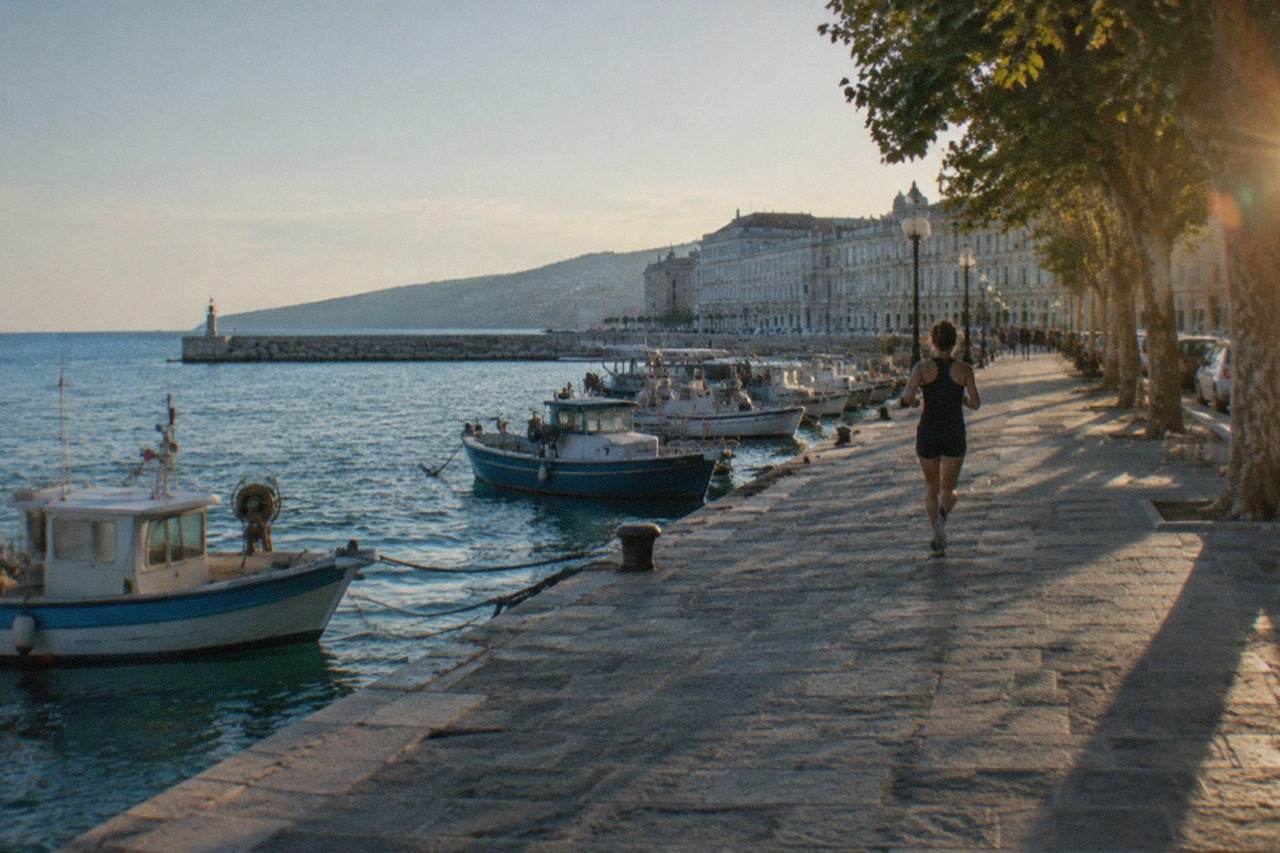
Trieste, Italy, is the sort of city that makes a map of the Adriatic look like a misprint. The Croatian border is a short drive down the coast, Slovenia is in between, and the whole northern corner of the sea is visible from the city's own waterfront on a clear day. That geography feeds a persistent assumption: that there must be a ferry from Trieste to Croatia, the way there are ferries from Ancona to Split or from Venice to Pula. This guide is about what actually runs, what the border rules really are in 2026, and what to do instead when the boat you were expecting does not exist.
The short version, and the reason this page exists: the sea crossing people imagine is mostly a road journey in disguise, and the two facts most guides get wrong about this route are both about the border. Croatia adopted the euro and joined the Schengen area on the same day, 1 January 2023, so there is no currency change and no routine passport control on the Croatian side. But Italy itself is running temporary checks on its land borders with Slovenia from 19 June 2026 to 18 December 2026, which is the border you actually cross first when you leave Trieste by road or by boat. The ferry picture from Trieste is thinner than the map suggests, and the alternatives are better than the disappointment.
Is There a Direct Ferry from Trieste, Italy to Croatia?
No year-round direct passenger ferry between Trieste and a Croatian port is verified by any operator or authority source as of late 2026. Seasonal and occasional services have appeared on this gulf in past summers, but nothing in the current official material confirms a standing daily Trieste-to-Croatia sailing. The sea crossing that genuinely exists runs to the Slovenian coast, at Piran or Portorož, and Croatia is reached from there by road through the border at Dragonja or, further south, at Kaštel.
That answer surprises people who look at the map. Trieste and Rovinj, or Trieste and Pula, sit on the same small sea, and the crossing looks trivial compared with the overnight ferries that run from northern Italian ports down the Adriatic. But ferry routes follow demand, not geometry. The Croatian Istrian ports are served from Venice, and the Dalmatian coast is served from Ancona and further south, because those routes feed the mass tourist flows from central Italy and beyond. Trieste's own passenger ferry role is smaller and more local, and the question of whether a ferry to Croatia exists gets a qualified answer rather than a simple yes.
What complicates the picture is that services on the Gulf of Trieste have come and gone. A summer boat link between Trieste and the Slovenian coast has operated in recent seasons, and the crossing to Piran and Portorož by ferry is the one sea route from this city that a visitor can realistically plan around. But seasonal services are announced year by year, and no source verified for this page confirms a schedule that can be printed here as standing fact. The honest planning position is this: check the operator's live listing for the season you travel, and do not build an itinerary around a sailing that a blog from three years ago described.
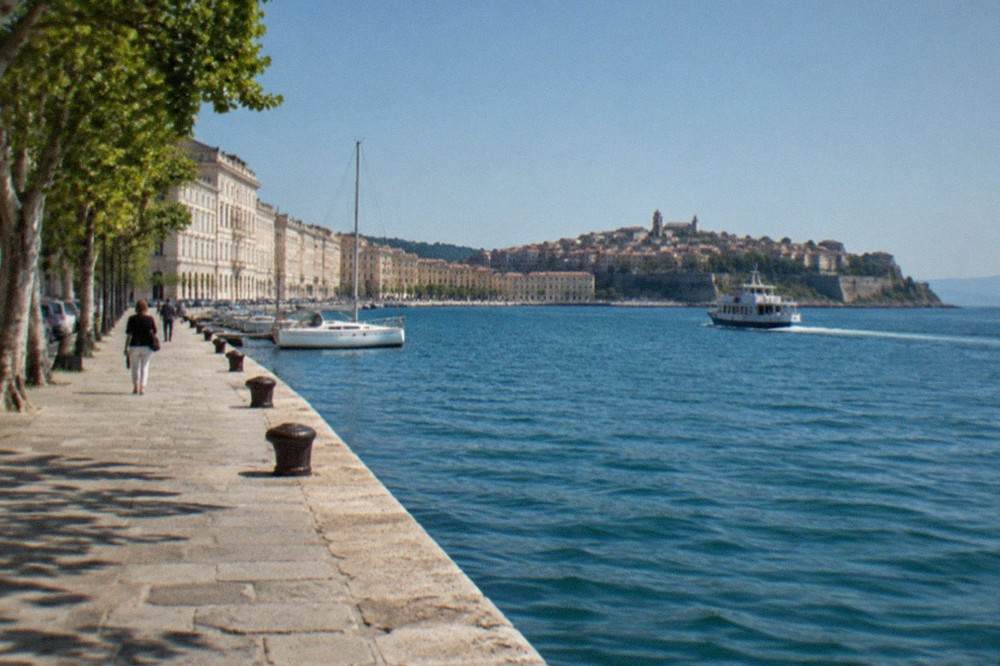
There is also a weather dimension that no ferry timetable survives. The bora, the cold north-easterly wind that defines this coast, blows hardest in the cool season and can suspend gulf crossings at short notice. No official wind threshold at which ferries stop has ever been published by any authority checked for this site, so this guide will not invent one. What the region's own meteorological tables do show is that gusts over 90 km/h occur on 17.6 days a year on average at the Trieste waterfront station, and that the monthly record gust exceeds 110 km/h in every single month of the year. In plain terms: a gulf crossing in February is a different proposition from one in July, and the operator's cancellation policy matters more than the departure time.
What Are the Real Ways to Cross from Trieste to the Croatian Coast?
The three workable routes are a seasonal boat to the Slovenian coast followed by a short road hop over the border, a direct road journey from Trieste through Slovenia into Istria, or a guided excursion that bundles the coast into a day trip. The road route is the only one that runs every day of the year, and it is the one locals and most visitors use.
Cross-border coach operators serve Ljubljana, Piran, Portorož, Rijeka and Pula from Trieste, but their frequencies and fares are not verified and must be checked with the operator.
Start with the road, because it is the backbone. Trieste sits so close to the Slovenian border that the practical question is not whether you can reach Croatia but which border crossing you prefer. The coastal route drops down through Slovenia to the Dragonja crossing and into Croatian Istria, with Pula, Rovinj and Poreč all within an easy day's reach. The train option toward Croatia exists in a limited form, but the rail network on the east side of the gulf is sparse and the bus is the workhorse. This site's guide to good day trips into Croatia from Trieste covers the individual destinations in depth.
The sea option, when it runs, is the most pleasant one. A boat out of Trieste across the gulf to Piran or Portorož turns the journey itself into the excursion, and from Piran the Croatian border is a short drive or a local bus away. The catch is seasonality: verify the current sailing on the operator's listing before you commit a day to it, and have the road as a fallback. The bora does not negotiate with timetables.
The guided option deserves more credit than ferry-purists give it. A small-group excursion along the Slovenian coast, ending within sight of the Croatian border, removes the two things that make this route tiring: parking in Piran's narrow streets, and the guesswork of seasonal schedules. The roster on this site includes a Piran and panoramic Slovenian coast excursion, and the listing carries the current price, rating and departure details. For a traveller whose real goal is "a day on the Adriatic from Trieste", that is often the cleanest answer, with Check availability beside it.
Here is how the three approaches compare on the things that actually decide the day:
| Approach | Runs | What it depends on | Best for |
|---|---|---|---|
| Boat to Slovenian coast, then road | Seasonal, check the operator's listing | Weather on the gulf, bora episodes | Making the crossing itself part of the day |
| Direct road via Slovenia | Every day, year-round | Traffic at the border, parking at the destination | Certainty and flexibility |
| Guided coastal excursion | On scheduled dates | Booking ahead in peak season | No logistics, no parking, no guesswork |
One planning note that saves real money: the costs of a Trieste trip are low by Italian standards, and the Croatian side is lower again, but the tourist tax applies on both. Trieste's own 2026 tourist tax runs from €1.50 per person per night at campsites up to €3.80 at five-star hotels, charged for a maximum of five consecutive nights, with everyone under 18 exempt. Croatia's rates are set by its own municipalities and are not verified here, so check with your accommodation before you assume.
Do You Need a Passport to Cross the Border from Trieste?
Yes, carry a passport or a national ID card, even though all three countries on this route are in the Schengen area. The reason is a live, dated exception at Trieste's own doorstep: Italy is running temporary internal border checks on its land borders with Slovenia from 19 June 2026 to 18 December 2026, per the European Commission's own register. Slovenia and Croatia have no active temporary controls listed between them, but the first border you cross leaving Trieste is the one being checked.
This is the single most-misunderstood fact about travel from Trieste in 2026, and it is worth being precise about. Schengen membership means there is no routine passport control, and Croatia joined Schengen and adopted the euro on the same day, 1 January 2023. A guide written from the treaty text alone would tell you that no document is needed for a day trip. A guide written from the Commission's current register tells you something different: Italy notified temporary checks on its Slovenian land border running through 18 December 2026, which covers the entire remaining Barcolana season and the Christmas period. Write the rule as temporary and dated, because it is both.
The practical consequences are modest but real. On a bus or an excursion vehicle, the driver handles the stop and you stay seated with your document to hand. In a hire car, you may be waved through or you may be checked, and the difference is not predictable in advance. What is predictable is that travelling without any document turns a two-minute stop into a problem, and that the check applies to the Slovenian border, not the Croatian one, so it is the first crossing out of Trieste that matters.
The border picture in one table, current as verified for this page:
| Border | Status | Temporary checks |
|---|---|---|
| Italy to Slovenia (land) | Both in Schengen, both use the euro | Yes: 19 June 2026 to 18 December 2026, per the Commission's register |
| Slovenia to Croatia | Both in Schengen, both use the euro | None listed as of late 2026 |
| Currency on the whole route | Euro in Italy, Slovenia and Croatia | No currency exchange needed anywhere |
What Documents and Money Do You Need for Croatia from Trieste?
You need a valid passport or national ID card, a driving licence and vehicle papers if you are driving, and no currency exchange at all, because Italy, Slovenia and Croatia all use the euro. Croatia adopted the euro on 1 January 2023, the same day it joined Schengen, so the old advice about changing money at the border is obsolete. Travel insurance with health cover remains worth having, since the European Health Insurance Card complements rather than replaces it.
The currency point cannot be overstated, because it kills a whole category of outdated advice. For decades, every guide to this route included a paragraph about changing euros into Croatian kuna, and that paragraph is now simply wrong. Croatia's euro adoption on 1 January 2023, the same date as its Schengen accession, removed both the exchange desk and the passport queue in one stroke. Any source still telling you to budget for kuna, or claiming Croatia is "in the euro but not Schengen" or the reverse, has not been updated in years. Other pages covering the same trip are gathered on Trieste Travel Guide.
The document list, in plain terms:
| Document | Needed for | Notes |
|---|---|---|
| Passport or national ID card | Everyone, all ages | Italy's temporary checks on the Slovenian land border run to 18 December 2026 |
| Driving licence | Anyone driving | The vehicle's papers matter too in a hire car |
| European Health Insurance Card | Backup health cover | Complements, does not replace, travel insurance |
| Cash card | Everywhere | Contactless payment is widespread on both coasts |
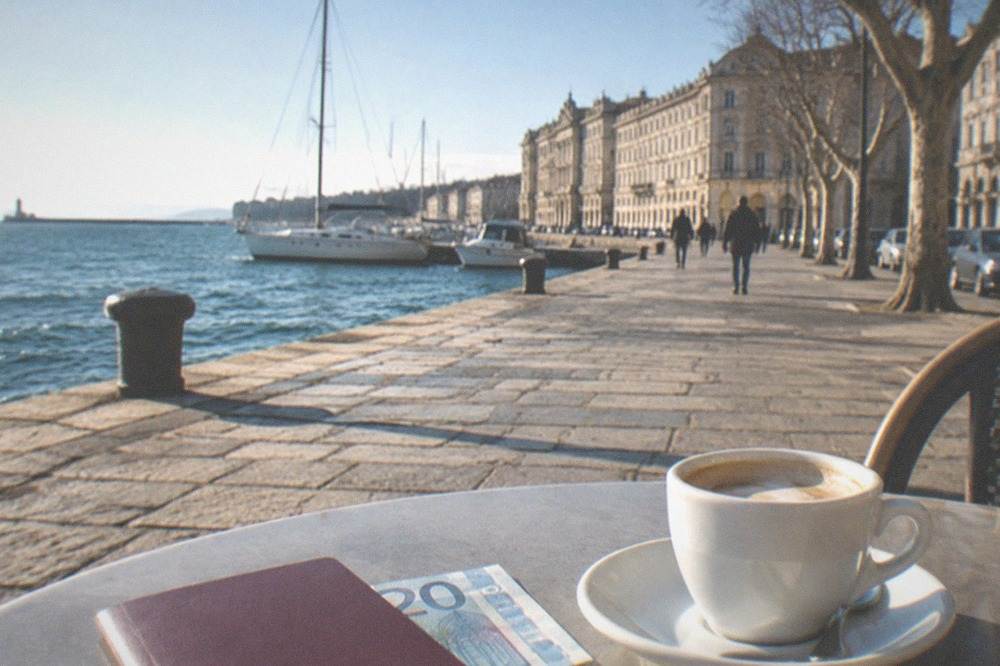
One Trieste-specific note on the way out: the city's own transport is cheap and contactless. A 2026 urban single ticket on Trieste's network costs €1.50 for 60 minutes or €1.85 for 75 minutes, a day ticket is €3.35, and you can tap a bank card directly on board. Getting to the bus station or the departure point for a coastal excursion does not require planning or tickets bought in advance. The full picture is in the site's guide to getting around Trieste.
When Is the Best Time of Year to Make the Crossing?
The sea option is a warm-season proposition, roughly May through September, when the seasonal sailings run and the gulf is at its calmest, while the road route works all year. July and August bring the warmest sea and the biggest crowds, June is the calmest month for wind on the Trieste waterfront, and October belongs to the Barcolana, when 2-11 October 2026 sees the world's largest sailing race fill the gulf. November is the wettest month at 109.8 mm of rain.
The climate table for this coast is more interesting than the Mediterranean stereotype suggests, and it argues for shoulder season. The regional station at the Trieste waterfront, with a 1995-2024 series, puts July's mean sea temperature at 25.9 C and August's at the same, with June at 23.1 C and September at 23.9 C. In other words, September's sea is warmer than June's, a lag most first-time visitors never account for. Rain tells a similar story: July is the second-driest month of the year at 53.8 mm, while November is the wettest at 109.8 mm and September second at 102.3 mm. The old idea that this is a rainy summer city is exactly backwards.
| Month | Mean sea temp C | Rain mm | Days with a gust over 90 km/h | Character of the crossing |
|---|---|---|---|---|
| May | 17.9 | 75.0 | 0.7 | Cool sea, quiet towns, sailing starts |
| June | 23.1 | 62.5 | 0.3 | Calmest month on the waterfront |
| July | 25.9 | 53.8 | 0.9 | Peak sea warmth, peak crowds |
| August | 25.9 | 71.7 | 0.9 | Warmest water, busiest coast |
| September | 23.9 | 102.3 | 1.1 | Warm sea, thinning crowds, first autumn rain |
| October | 20.3 | 88.6 | 1.4 | Barcolana month, 2-11 October 2026 |
The wind column deserves its own sentence. June averages just 0.3 days a year with a gust over 90 km/h at the waterfront station, the calmest of any month, while February averages 2.9. The bora is a cool-season wind, peaking in frequency between November and March, and a summer crossing of the gulf is statistically a gentle one. What no month offers is a guarantee, because the monthly record gust exceeds 110 km/h in every single month of the year, which is why this guide keeps pointing at the operator's cancellation terms rather than at a wind threshold nobody has published.
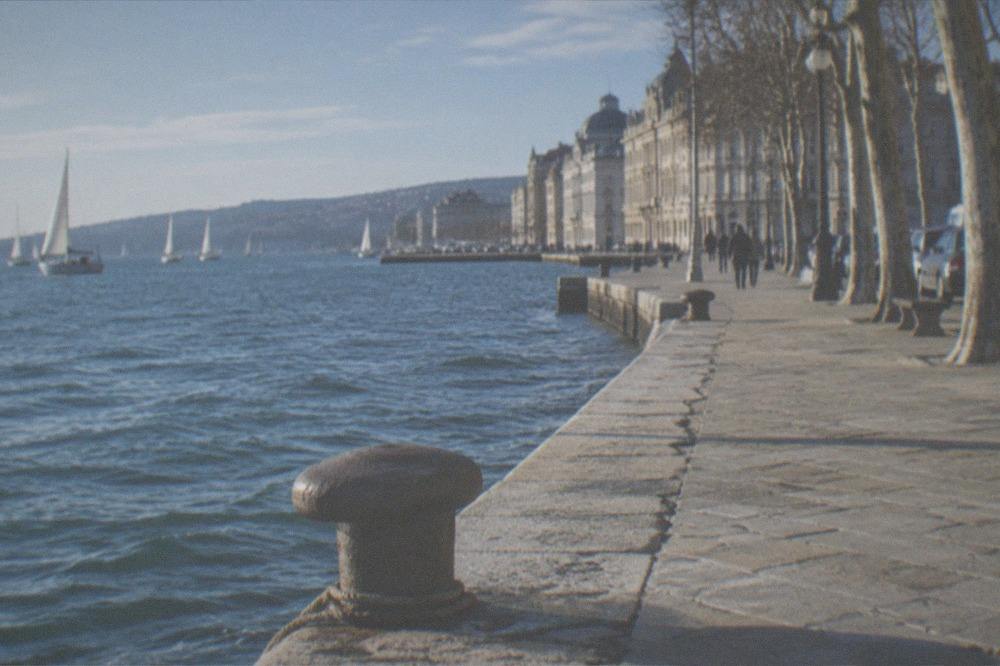
October deserves a special mention, because of what happens on this exact stretch of water. The Barcolana, the regatta that the organisers describe as the largest sailing race in the world, runs its 58th edition from 2-11 October 2026, with the main race on Sunday 11 October starting at 10:30 over a 13-nautical-mile course in the Gulf of Trieste. The record entry stands at 2,689 boats, set in 2018. If your ferry search lands in that window, the gulf is full of racing yachts, and the site's Barcolana guide covers the spectacle in full. For the wider seasonal picture, see the best time to visit Trieste.
What Can You Do on the Slovenian Coast Instead?
Piran, Portorož, Izola and Koper give you salt-pan lagoons, a Venetian walled old town, beach resorts and a working harbour, all on a coastline short enough to see in a day, and all before you reach Croatia at all. Piran's old town on its peninsula is the standout, the Secovlje Salina Nature Park sits beside the border itself, and the whole stretch is reachable from Trieste by boat in season, by bus, or on a guided excursion.
The honest truth about many "Trieste to Croatia" searches is that the traveller wants a day of Adriatic coast, and the Slovenian coast delivers it without a second border. Piran is the jewel: a compact walled town on a peninsula, with Tartini Square at its centre and church towers above, closer in feel to Venice than to anywhere inland. Portorož, next door, is the resort strip, with beaches and hotels. Izola is a smaller working fishing town, and Koper, the largest, has its own old core and the region's main port.
Two excursions on this site's roster show the range. The small-group coastal excursion above ends within sight of the Croatian border and is built for exactly this kind of day. If you would rather trade the sea for mountains and a lake, the Lake Bled and Ljubljana day trip runs seven hours into Slovenia's interior, from $137.57 per person, rated 4.5 from 277 reviews on the listing. And for a day with no border at all, an active alternative stays on the Italian side: the kayak adventure along the Duino coast, from $76.81 per person, rated 4.9 from 11 reviews, three hours beneath the castles.
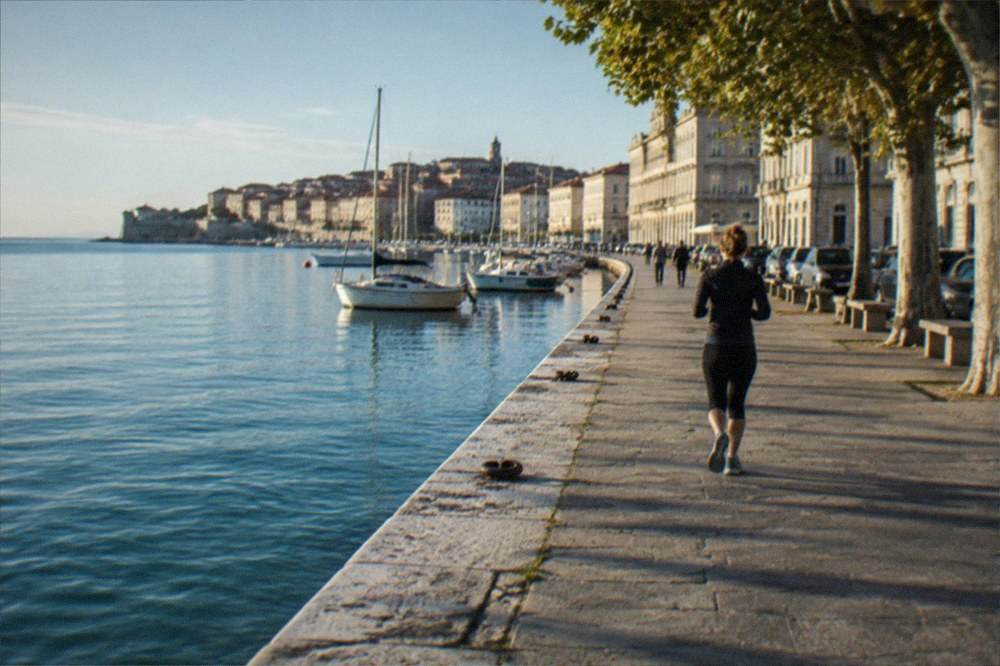
The Slovenian coast at a glance, as a planning set:
| Place | Character | What you go for |
|---|---|---|
| Piran | Walled Venetian old town on a peninsula | Tartini Square, the towers, the seafood |
| Portorož | Beach resort | Swimming, spas, easy family time |
| Izola | Small fishing town | Harbour, quiet lanes, lunch |
| Koper | Regional capital and port | Old core, shopping, transport links |
For a slower version of the same coast, the site's guide to swimming and beaches around Trieste covers the water on both sides, and the food guide follows the cuisine across the same border, because the Istrian kitchen does not care which country's flag flies over the harbour.
Which Croatian Destinations Are Realistic from Trieste in a Day?
Pula, Rovinj and Poreč in Istria are the realistic day destinations from Trieste, all reachable by road through Slovenia with a single border crossing, while Zadar, Split and anything further south are overnight propositions. The Istrian ports also give you the best of what a ferry would have offered, Roman Pula's arena, Rovinj's old town on its hill, without needing a boat at all.
Pula is the headline. Its Roman arena is one of the best-preserved amphitheatres anywhere, standing in the middle of a working city, and it is the single most convincing reason to cross into Croatia from Trieste. Rovinj is the postcard: an old town piled on a hill above a harbour, with the church of Santa Eufemia crowning the summit. Poreč adds the Euphrasian Basilica, a sixth-century mosaic masterpiece. All three sit in northern Istria, close enough to the border that the drive is a modest part of the day.
The distinction that matters is Istria versus Dalmatia. Northern Istria is a day trip; Dalmatia is a holiday. The ferry routes from Ancona down the Adriatic exist precisely because Dalmatia is far, and no crossing from the Gulf of Trieste changes that geometry. If your heart is set on Split or the islands, plan an overnight and use the train and rail connections from Trieste or a flight from the airport at Ronchi dei Legionari to reach the south properly.
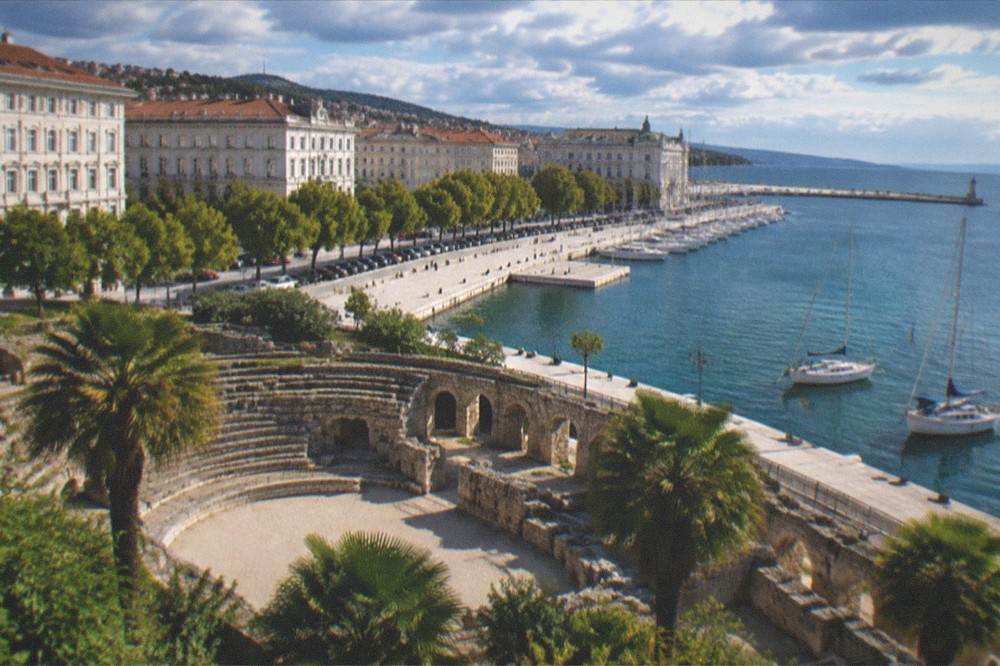
For cruise travellers, the logic inverts. If you are arriving rather than departing, the site's cruise port guide explains how Trieste's terminal sits right against the city, and a Croatia excursion from a Trieste call is the same geography described above, just with a tighter clock.
Common Questions About the Trieste to Croatia Ferry Route
Common Questions About Travelling from Trieste, Italy to Croatia
Is there a ferry from Trieste to Croatia?
No year-round direct passenger ferry between Trieste and a Croatian port is verified as of late 2026. Seasonal services have run on the Gulf of Trieste, mainly to the Slovenian coast at Piran and Portorož, and Croatia is reached from there by road. Check the operator's live listing for the season you travel.
Do I need a passport to go from Trieste to Croatia?
Yes, carry a passport or national ID card. All three countries are in Schengen, but Italy is running temporary checks on its land borders with Slovenia from 19 June 2026 to 18 December 2026, and that is the first border you cross leaving Trieste.
Does Croatia use the euro?
Yes. Croatia adopted the euro on 1 January 2023, the same day it joined the Schengen area. Italy, Slovenia and Croatia all use the euro, so no currency exchange is needed anywhere on this route.
How long does it take to get from Trieste to Croatia?
By road through Slovenia, the Istrian ports are within an easy day trip of Trieste, though no verified journey time for a specific route is printed on this site. A seasonal boat to the Slovenian coast adds its own sailing time, which the operator's listing states for the current season.
Can I visit Slovenia on the way to Croatia from Trieste?
Yes, and it is the natural route. The road to Istrian Croatia runs through Slovenia, and Piran, Portorož, Izola and Koper are destinations in their own right. Carry ID, because Italy's temporary checks on the Slovenian land border run to 18 December 2026.
When is the best month to cross the gulf from Trieste?
June is statistically the calmest month for wind at the Trieste waterfront, with 0.3 days a year on average with gusts over 90 km/h, and July and August have the warmest sea at 25.9 C. September's sea, at 23.9 C, is warmer than June's. November is the wettest month at 109.8 mm of rain.
The ferry you were looking for may not exist, but the coast it was meant to reach is close enough that the journey becomes the least interesting part of the day. Pick your month, carry your ID, and let the bora decide nothing.