Trieste Tourist Attractions Overview: What to See in Trieste, Italy
Trieste, Italy's Adriatic port in Friuli Venezia Giulia, packs Habsburg squares, two castles, a Roman theatre, giant karst caves and a famous coffee scene into one walkable seafront city. Here is what to see, what it costs and how to sequence it.
Short answer
The essential Trieste attractions are Piazza Unità d'Italia, Castello di San Giusto and the cathedral, Miramare Castle, the Canal Grande with the Serbian Orthodox church, the Roman theatre, Molo Audace, the Revoltella Museum and, up on the karst, Grotta Gigante. Most are within walking distance of each other except Miramare and the caves.
Trieste, the Adriatic port city in Friuli Venezia Giulia in northeast Italy, is one of the country's least-visited great cities, and its attraction list reads unlike anywhere else in the peninsula. There is a Habsburg square that opens straight onto the sea, a clifftop castle built for a doomed archduke, a Roman theatre you look down into from the pavement, giant caves under the karst plateau behind the city, and a coffee culture that grew out of the port's historic role as Europe's coffee-importing hub. This overview walks through every major sight, with the prices and hours the venues themselves publish, and a way to sequence them.
What Are the Main Tourist Attractions in Trieste, Italy?
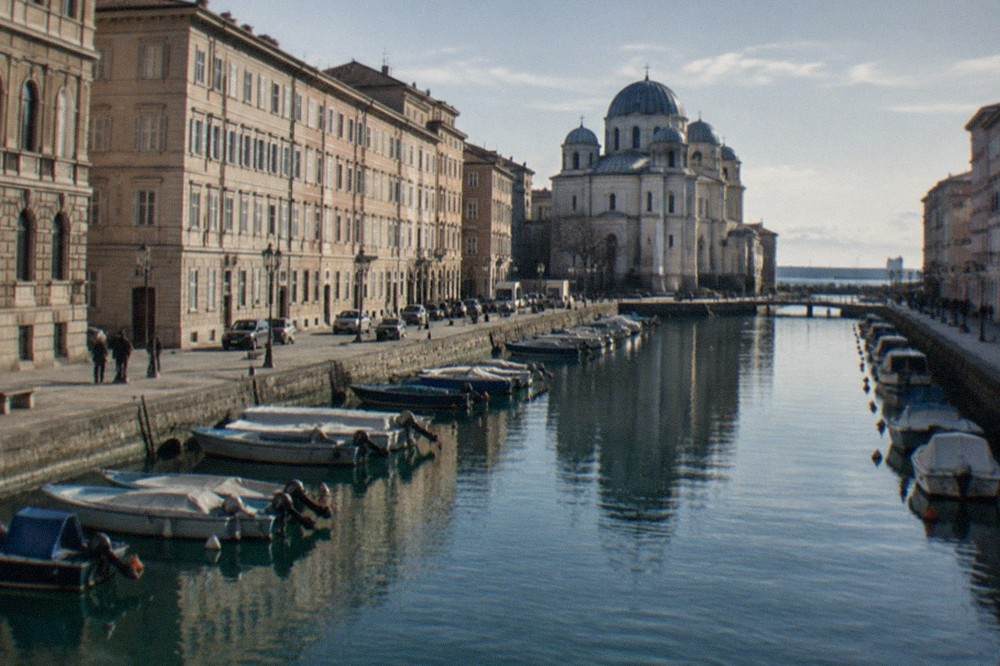
The core attractions of Trieste, Italy are Piazza Unità d'Italia and the seafront Rive, Castello di San Giusto with the cathedral on the hill above, the Canal Grande and the Serbian Orthodox church of Saint Spyridon, the Roman theatre, Molo Audace, the Revoltella modern-art museum, Miramare Castle up the coast, and Grotta Gigante in the karst behind the city. The first six are all within the compact central area and can be covered on foot in a single day.
The city's shape does most of the work for a visitor. The centre is a flat grid of Habsburg-era streets, the Borgo Teresiano, strung along a waterfront of paved quays known as the Rive. Behind it, the hill of San Giusto rises with the castle and cathedral; below it, the narrow lanes of Città Vecchia, the old town, run down to the water. Almost everything a first-time visitor wants sits inside that triangle, which is why Trieste is regularly described as one of Italy's most walkable cities.
The two headline sights outside that triangle are worth the short trip. Miramare Castle, the white neo-Gothic residence Archduke Maximilian of Habsburg built overlooking the gulf, is up the coast at Grignano with a free park around it. Grotta Gigante, one of the largest tourist caves in the world, sits in the karst village of Borgo Grotta Gigante near Sgonico, and is visited on guided tours only.
The table below is the full shortlist, with what each sight is and where it sits.
| Attraction | What it is | Location |
|---|---|---|
| Piazza Unità d'Italia | Seafront square, Italy's largest opening directly onto the sea | City centre, on the Rive |
| Castello di San Giusto | Hilltop castle, museum, walls and bastions | San Giusto hill, above the centre |
| Cattedrale di San Giusto Martire | Cathedral and bell tower | San Giusto hill |
| Canal Grande and Sant'Antonio Taumaturgo | Waterway inlet with landmark church | Borgo Teresiano |
| Saint Spyridon Serbian Orthodox Church | Four-domed Orthodox church beside the canal | Borgo Teresiano |
| Teatro Romano | Roman-era theatre, viewed from the street | Foot of San Giusto hill |
| Molo Audace | Stone pier jutting into the gulf | Waterfront, steps from Piazza Unità |
| Museo Revoltella | Modern-art gallery in a 19th-century palazzo | Waterfront near Piazza Venezia |
| Miramare Castle | Habsburg residence, museum and park | Grignano, up the coast |
| Grotta Gigante | Giant karst cave, guided visits only | Borgo Grotta Gigante, near Sgonico |
Which Trieste Attractions Are Free to Enter?
The free attractions in Trieste are the cathedral of San Giusto, the Roman theatre viewed from the street, the whole Rive seafront and Molo Audace, the Risiera di San Sabba national monument, Miramare's park all year, and every civic and state museum on the first Sunday of the month through 2026. The castle interiors at San Giusto and Miramare, the Revoltella and Grotta Gigante all charge, and the prices below are the venues' own.
Free sightseeing in Trieste is unusually generous. The cathedral's own parish page states plainly that visiting the basilica is free, with weekday hours of 8:00-18:30 and Sunday hours of 9:00-19:30. The Roman theatre is an open-air monument you look down into from the street; the ministry's page for the site treats it as a streetside view rather than a ticketed venue, and you should not plan on walking into it. The Risiera di San Sabba, the only Nazi extermination camp in Italy, preserved as a national monument and civic museum, publishes "ingresso libero", free entry, on its own site.
The first-Sunday scheme is the quiet bonus. The Ministry of Culture's free-entry initiative runs at participating state museums on the first Sunday of every month through 2026, and Miramare takes part; the castle is free on those days and the park is free regardless. The rule has changed more than once in recent years, so check the venue's own event page for the month you are there rather than treating it as guaranteed. Our free things to do in Trieste guide lists the full set, and the unusual things to do page adds the odder corners.
What Do Trieste's Attractions Cost and When Are They Open?
Castle entry at San Giusto is €7 full and €5 reduced; Miramare castle is €17 adult including the temporary exhibition, with the park free; the Revoltella is €8; Grotta Gigante is €15 adult with guided tours at fixed hours and compulsory booking. San Giusto runs daily 10:00-19:00 from 1 April to 11 October, then Tuesday to Sunday 10:00-17:00; the Revoltella closes Tuesdays; Grotta Gigante closes Mondays from September to February.
Those figures come from the venues' own sites, and they shift with the seasons, so treat the table as the published 2026 baseline and check the venue page before you go. Note the two Monday/Tuesday traps: the Revoltella is closed every Tuesday, and San Giusto castle and Grotta Gigante close on Mondays once the winter timetable starts on 12 October and in September respectively. A first-Sunday visit stacks free entry on top of these hours.
| Attraction | Adult price | Hours (peak) | Closed |
|---|---|---|---|
| Castello di San Giusto | €7 (reduced €5) | 1 Apr-11 Oct daily 10:00-19:00, last entry 18:30 | Mondays from 12 Oct |
| Miramare Castle | €17 (EU 18-25: €7 with exhibition, €2 castle only) | Daily 9:00-19:00, last admission 18:30 | No weekly closing day stated |
| Miramare Park | Free | Apr-Sep 8:00-19:00, hours vary by month | Never |
| Museo Revoltella | €8 (reduced €6) | Daily 10:00-19:00, last entry 18:00 | Tuesdays |
| Grotta Gigante | €15 (reduced €12, children 6-18 €8, under 6 free) | Tours 9:00, 10:00, 11:00, 12:00, 14:00, 15:00, 16:00 | Mondays Sep-Feb; 25 Dec, 1 Jan |
| Cattedrale di San Giusto | Free | Weekdays 8:00-18:30, Sun 9:00-19:30 | Never (avoid Mass times) |
| Risiera di San Sabba | Free | 1 Mar-11 Oct daily 9:00-19:00 | 25 Dec, 1 Jan |
Two details are worth flagging because almost every other guide gets one of them wrong. The bell tower at the cathedral publishes hours, 9:00-17:30 daily from April to September, but no price anywhere on the parish site, so do not trust any figure you read elsewhere. And Grotta Gigante is guided-only with compulsory booking, by phone or email, with departures on the hour through the middle of the day; the family rate is €6 per child when two or more children aged 6-18 are in the party.
The region's FVGcard pass covers Grotta Gigante and the Revoltella among many other Friuli Venezia Giulia sites, and Grotta Gigante's own price list states FVG Card holders enter free including one child under 12. The card's own prices were not verifiable from the issuing body's site at research time, so check the pass page before buying rather than relying on second-hand figures.
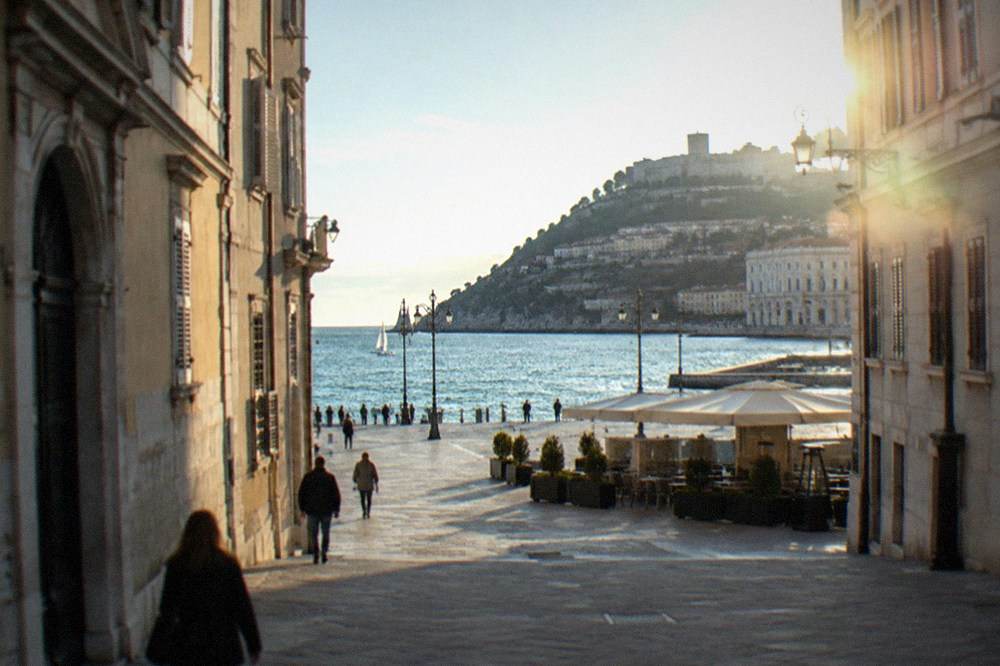
If a half-day orientation walk on day one sounds better than working out the hill and the grid alone, the Trieste: City that will definitely surprise you walk covers the centre with a historic-bar coffee stop included, and Check availability on the operator's live listing for your dates.
Is Piazza Unità d'Italia Really the Main Sight in Trieste?
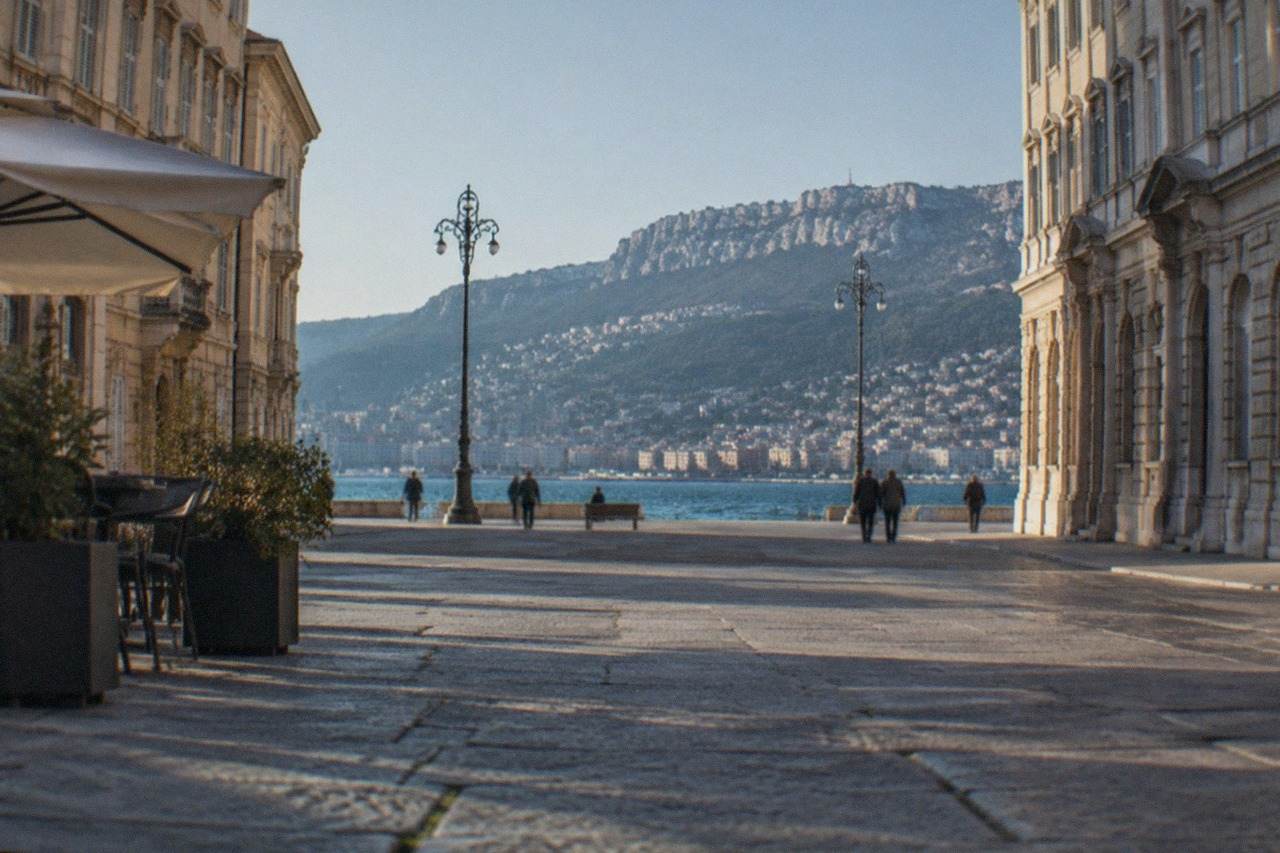
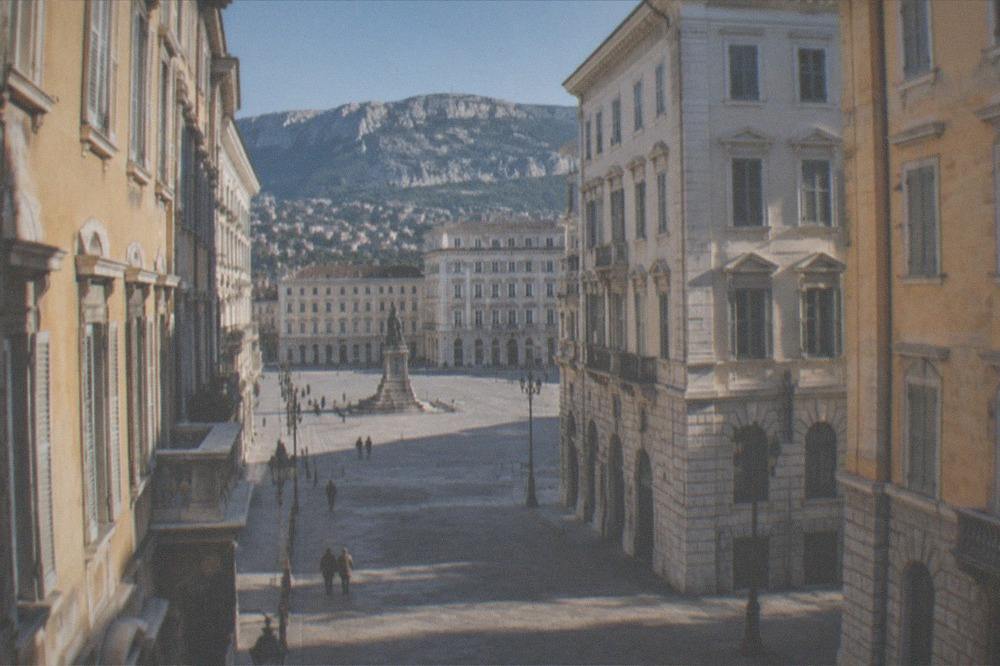
Piazza Unità d'Italia is Trieste's centrepiece: a vast rectangular square of Habsburg-era palaces, including the town hall and the palaces of the old insurance companies, opening directly onto the Adriatic with nothing between the paving and the water. It is free, always open, and every major city event, from the Barcolana village to New Year celebrations, happens on or beside it.
The square is the one sight in the city that needs no ticket, no timetable and no planning, and it repays more than one visit. In the morning the cafe tables along its flanks fill with the city's famously serious coffee drinkers; at dusk the facades are lit; and the whole space functions as the city's front room. The Molo Audace, a stone pier a few minutes' walk north, extends the experience out over the water and is the classic spot for sunset over the gulf.
The square is also the practical anchor for everything else. The Rive stretch away to either side, the San Giusto hill rises behind it, and the canal and Borgo Teresiano sit a few blocks north. Our Piazza Unità d'Italia page covers the individual palaces, and the Molo Audace guide the pier.
Why Is Miramare Castle Worth the Trip from Trieste?
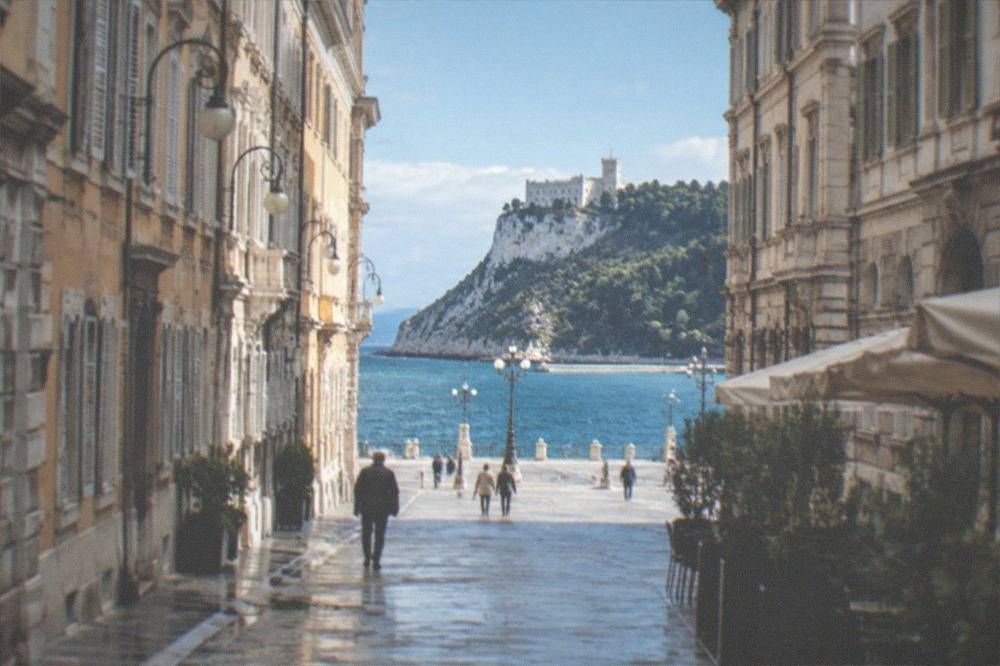
Miramare Castle is the white, neo-Gothic residence Maximilian of Habsburg built above the sea at Grignano before leaving to become Emperor of Mexico, and it is Trieste's single most-visited monument: a furnished museum inside, a free park around it, and a marine protected area in the water below. The castle is open daily 9:00-19:00 with last admission at 18:30, and the park is free all year.
The castle's story is the draw as much as the architecture. Maximilian and his wife Charlotte lived here only briefly before his death in Mexico, and the rooms are preserved as they were furnished for the couple. The €17 adult ticket includes the temporary exhibition, and EU citizens aged 18-25 pay €7 with the exhibition or €2 for the castle alone. The park, which the venue's own page states is free all year, changes its hours month by month, 8:00-19:00 from April to September, closing earlier as the days shorten.
Several bookable options cover the trip. A private castle-and-park tour explores the former apartments of Maximilian and Charlotte with a guide, and there are also simple entry tickets with an audio-guide app, and combined panoramic tours that pair the castle with a city drive. The Miramare Castle guide has the full transport and timing detail.
What Is on the San Giusto Hill in Trieste?
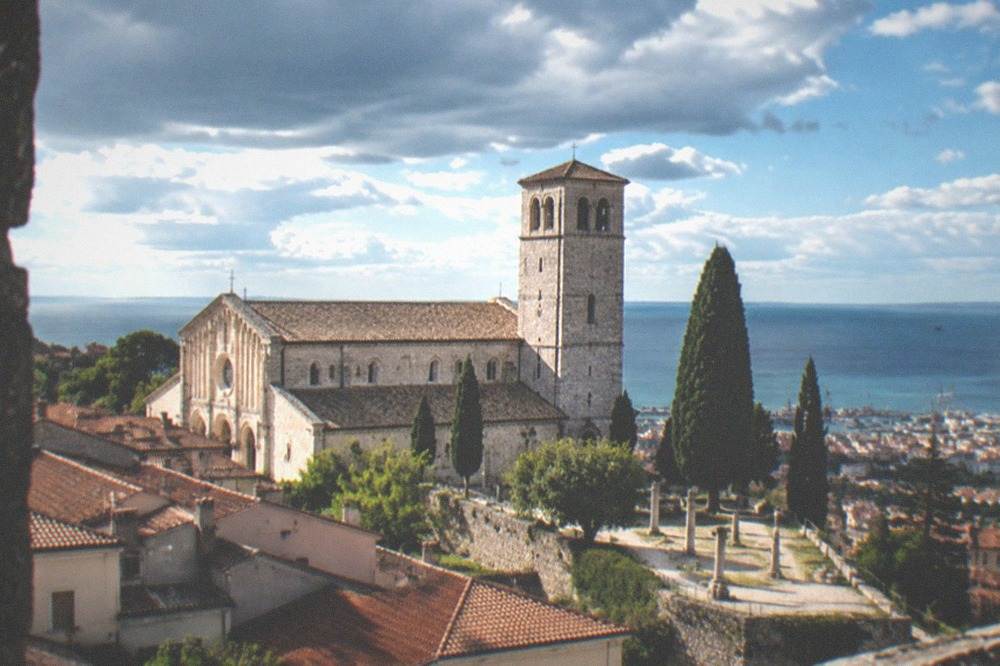
The San Giusto hill carries the castle, the cathedral, the Roman ruins beneath it and the best panorama over the city and gulf, all within a few paces of each other. The €7 castle ticket covers the walls and bastions, the Civico Museo del Castello-Armeria, the Lapidario Tergestino and temporary exhibitions at the Bastione Fiorito, and the cathedral beside it is free.
The hill is Trieste's historical core in miniature. The castle's ticket is one of the city's better values because it strings together the walk on the walls, the armoury museum and the lapidary collection of Roman stones, and the views from the bastions take in the whole gulf to the Slovenian line. The cathedral, a composite of two medieval churches with Roman fragments built into its fabric, holds free entry hours that the parish publishes, and the parish asks that visitors avoid Mass times, particularly Sundays. The wider set of guides lives on Trieste Travel Guide.
Two smaller Roman sights sit at the hill's foot. The Arco di Riccardo, a Roman gate, stands in the open street, and the Teatro Romano lies a few blocks away, visible from the railings above it. Neither costs anything, and neither should be sold to you as an interior visit: the theatre is seen from the street. The San Giusto castle and hill and cathedral pages go deeper on both.
What Are the Best Museums in Trieste?
The Revoltella is Trieste's flagship museum, a modern-art gallery in the palazzo of a 19th-century banker, open daily 10:00-19:00 except Tuesdays for €8, and the civic museums, the natural-history museum and the Risiera di San Sabba memorial round out the set. San Giusto's castle museum is covered by the castle ticket, and first Sundays make the state venues free.
The Revoltella's mix is unusual enough to deserve the detour: the original 19th-century apartments survive intact, hung with the collection of their owner, while the modern gallery extends behind them. It is the one museum in the city with genuinely international modern holdings. The Revoltella Museum page covers the collection, and the museums of Trieste guide lines up the rest, including the civic museum of natural history and the Sartorio.
The Risiera di San Sabba stands apart from everything else on this page. The former rice-husking plant was used by Nazi occupation forces as a detention, torture and extermination site, and it is preserved as a national monument with free entry, daily 9:00-19:00 in the March-to-October season. Groups must book a slot from March to May; individuals do not. It is a sobering hour and, for many visitors, the most affecting sight in the city. The Risiera di San Sabba guide covers its history and how to reach it.
Should You Visit the Caves and the Karst Above Trieste?
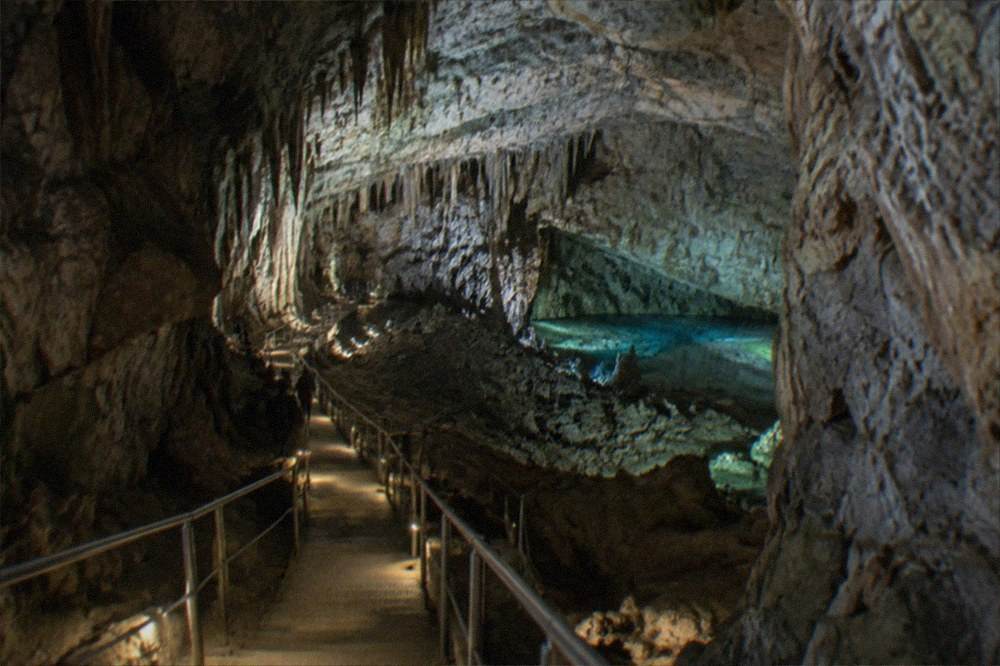
Yes: Grotta Gigante, in the karst village of Borgo Grotta Gigante near Sgonico, is one of the largest tourist caves in the world and is an easy half-day from the city, with guided visits at fixed hours for €15 adult, booking compulsory, plus the wider Carso plateau of osmize farm taverns, walking country and the village of Prosecco above it. Slovenia's Postojna and Škocjan caves are also viable day trips from Trieste.
The cave runs a strict regime the venue's own pages make clear: guided tours only, compulsory booking by phone or email, departures at 9:00, 10:00, 11:00, 12:00, 14:00, 15:00 and 16:00, roughly an hour each, closed on Mondays from September to February and on 25 December and 1 January. The Grotta Gigante guide covers how to get there on the Opicina tram-and-bus combination, and the Carso plateau page covers the landscape around it.
The karst above the city is also where the osmize tradition lives: farm outlets that open for limited periods to sell their own wine and home produce, signposted by a frasca, a leafy branch hung at the turning. The live opening calendar is maintained at osmize.com, the long-established volunteer-run reference, and openings concentrate in spring and autumn. For the underground further afield, our Postojna and Škocjan day-trip pages compare the two Slovenian caves, and a Lipica-and-Škocjan combined tour from Trieste covers white horses and the UNESCO-listed gorge in one day.
What Can You See Along the Trieste Waterfront?
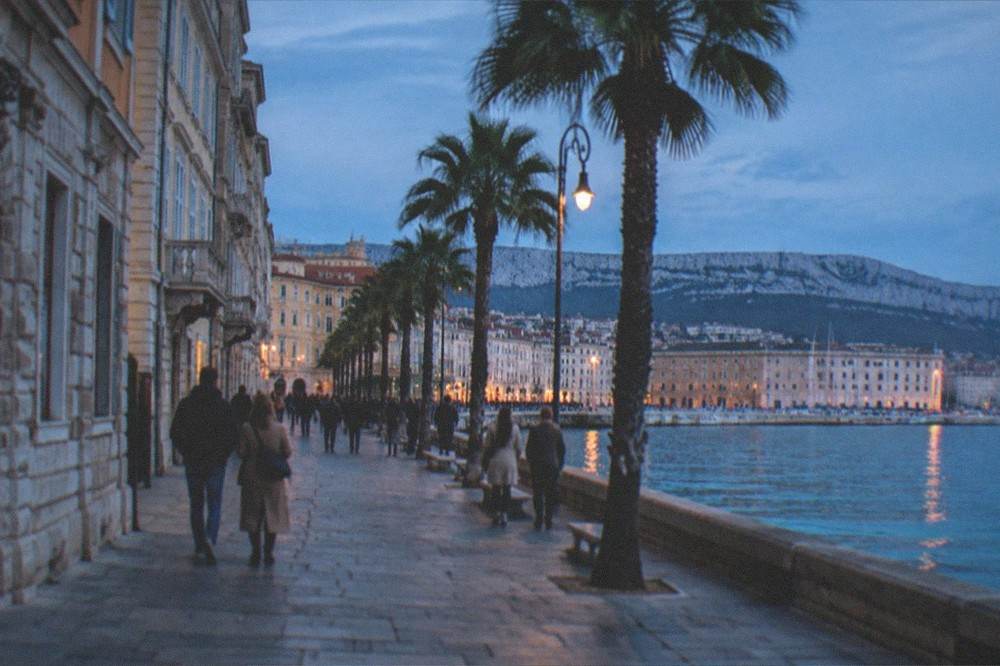
The Trieste waterfront runs from the Barcola seafront in the north, past Miramare's marine protected area, the Molo Audace pier, the Rive quays and the Victory Lighthouse to the harbour of Muggia in the south, almost all of it free, public and walkable, with swimming off Barcola in summer and the historic bathing establishment of Pedocin open year-round.
The sea is never out of sight in Trieste, and the waterfront is treated as a single continuous attraction. Barcola, the long seafront esplanade up the coast, is where the city swims and sunbathes, and the Bagno Marino La Lanterna, known as Pedocin, is the historic sea-water bathing establishment with its famous ladies-only platform, covered in our Barcola and swimming guides. The Victory Lighthouse closes the set at the harbour mouth, and the beaches guide covers the pebbly reality of Trieste swimming honestly.
The water itself is part of the story. The gulf's sea temperature runs from about 11°C in winter to about 26°C in August per ARPA's monitoring, and the long-term series shows warming across recent decades. In October the whole waterfront turns over to the Barcolana, the world's largest sailing race by entry, whose record remains 2,689 boats in 2018 and whose 2026 edition runs 2-11 October with the regatta on Sunday 11 October.
How Many Days Do You Need for Trieste's Attractions?
Two full days cover the central sights comfortably, the square, the hill, the canal, the Revoltella and a coffee-house afternoon, with Miramare added as a half-day and Grotta Gigante or a Slovenian cave as another; three days lets you do all of it without rushing, and one day is enough for the walkable core plus a seafront stroll. Most visitors who cut it to a single day miss the karst entirely.
The sequencing matters more than the count. Day one should stay flat: the square, Molo Audace, the canal and the Serbian church, the Roman theatre and the old town, ending in a historic caffè, which is its own attraction in a city that was the Mediterranean's coffee port. Day two takes the hill, the castle and cathedral in the morning and the Revoltella after lunch, noting its Tuesday closure. Day three, if you have it, goes up the coast to Miramare or up onto the Carso. Our one-day, two-day and three-day itineraries do exactly this split, and the self-guided walking tour strings day one together street by street.
A guided morning buys you context you will not get from a map. A food-led walking tour is the same idea with tastings attached, three hours of the city's buffet tradition and street food through the centre. For a free first orientation, GuruWalk runs a pay-what-you-want city walk, Discover Trieste on a walking tour, led by a local guru and free with tips, listed on our free walking tours page.
| Days available | Realistic coverage | What you miss |
|---|---|---|
| 1 | Piazza Unità, Molo Audace, canal, San Giusto hill, old town | Miramare, caves, museums |
| 2 | All of the above plus Revoltella, a coffee-house afternoon, Miramare | The karst and the Slovenian caves |
| 3 | Everything central, Miramare, Grotta Gigante or Postojna | Nothing major |
When Is the Best Time to See Trieste's Attractions?
The best months for Trieste's attractions are April to June and September to October, when the sea is warming or still warm, the crowds are thin and the Barcolana fills the gulf in October; July and August are the hottest and busiest but perfectly workable, and winter is mild, cheap and atmospheric, with the Christmas market and the bora wind as its trade-off. November is the wettest month at 109.8 mm and July is one of the driest at 53.8 mm.
Those rainfall figures come from ARPA FVG's own station tables for the molo Fratelli Bandiera, and they overturn the lazy assumption that summer is the rainy season here: it is autumn, with November wettest and September second at 102.3 mm. The weather month-by-month guide has the full table, and the best time to visit page turns it into advice.
The bora, the cold katabatic wind that funnels down off the karst, is the other seasonal factor. ARPA's series shows 17.6 days a year on average with a gust over 90 km/h, concentrated in the cool season, and the monthly record gust exceeds 110 km/h in every single month of the year, so it is never entirely off the table. The bora wind guide explains what it does to your plans and what it does not.
| Month | Mean high °C | Rain mm | Notes for sightseeing |
|---|---|---|---|
| April | 16.8 | 60.7 | Park hours at Miramare extend to 19:00 |
| June | 25.8 | 62.5 | Sea reaching 23°C; calmest wind month in the series |
| July | 28.2 | 53.8 | Second-driest month; warmest sea building |
| September | 23.9 | 102.3 | Second-wettest month; sea at its warmest lag, 23.9°C |
| October | 19.6 | 88.6 | Barcolana month; castle hours still on the summer clock to 11 Oct |
| November | 14.7 | 109.8 | Wettest month; winter hours begin at San Giusto |
Common Questions About Trieste Tourist Attractions
What are the main tourist attractions in Trieste, Italy?
Piazza Unità d'Italia, Castello di San Giusto and the cathedral, the Canal Grande with the Serbian Orthodox church, the Roman theatre, Molo Audace, the Revoltella Museum, Miramare Castle up the coast and Grotta Gigante in the karst behind the city. Everything except Miramare and the caves sits in the compact, walkable centre.
Which Trieste attractions are free?
The cathedral of San Giusto, the Roman theatre from the street, the Risiera di San Sabba memorial, the Rive and Molo Audace, Miramare's park all year, and the state museums on the first Sunday of the month through 2026 under the ministry's scheme. The castle interiors and the caves charge.
How much do Trieste attractions cost?
San Giusto castle is €7, Miramare castle is €17 including the exhibition, the Revoltella is €8 and Grotta Gigante is €15 adult, all per the venues' own published prices. The cathedral, the park at Miramare, the Risiera and the whole seafront are free.
Is Miramare Castle worth visiting from Trieste?
Yes. It is the city's most-visited monument, a furnished Habsburg residence in a free park above a marine protected area, open daily 9:00-19:00 with last admission at 18:30, and it pairs easily with a half-day plan.
Can you visit Grotta Gigante without booking?
No. The venue's own pages state visits are guided-only with compulsory booking, by phone on +39 040 327312 or by email, with departures at fixed hours through the day. It closes on Mondays from September to February.
How many days do you need for Trieste's attractions?
Two days cover the walkable core plus Miramare; three days add the karst caves or a Slovenian day trip without rushing. One day is enough for the square, the hill, the canal and the seafront, but it leaves out the caves and usually Miramare.
Trieste, Italy rewards exactly the kind of traveller who reads a page like this to the end: its attractions are cheap or free, uncrowded by Italian standards, and close enough together that a well-planned two or three days genuinely covers the list, from the seafront square to a cave chamber the size of a cathedral under the karst.