Is Trieste Famous for Anything?
Is Trieste famous for anything? Yes: the Italian port city is known for its coffee culture, Piazza Unità d'Italia, Miramare Castle, the bora wind and the Barcolana regatta.
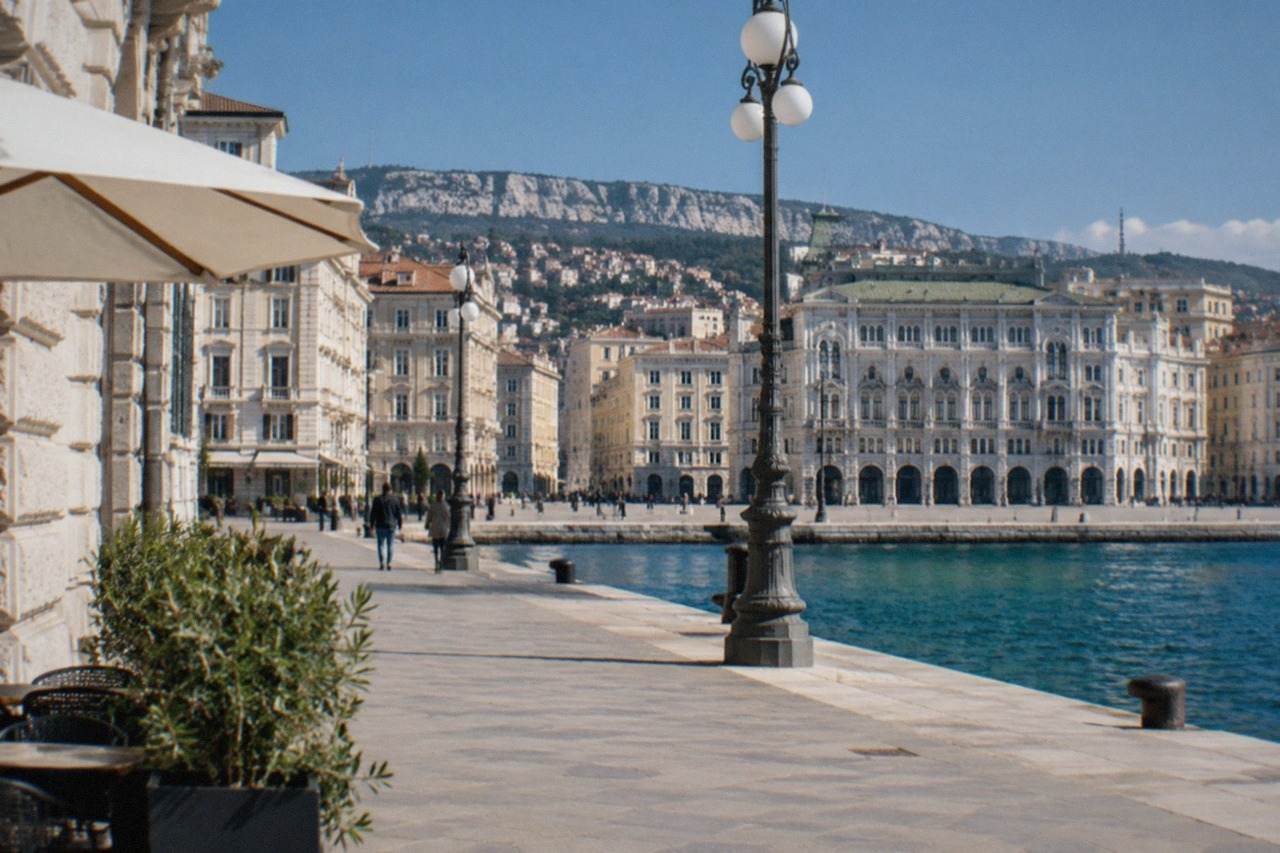
Trieste, the Adriatic port city in Friuli Venezia Giulia in the north-east corner of Italy, is famous for more than most visitors expect: a coffee heritage that shaped the city's identity, a Habsburg-era seafront of grand squares and caffè, a violent north-easterly wind called the bora, and a sailing regatta that holds the world record for the largest fleet ever assembled. It is also the city people keep confusing with a bathyscaphe, a San Francisco cafe chain and a basketball club, which is one reason this page, like the rest of Trieste Travel Guide, pins the answer to the city in Italy and nowhere else.
The short version of the answer is that Trieste is famous in four distinct ways. It is Italy's historic coffee port, home to a worldwide coffee company and a street-corner caffè culture unlike anywhere else in the country. It is a Habsburg city on the Mediterranean, with an architecture and atmosphere that feel more Central European than Italian. It is a city of wind, the bora, which funnels down from the Carso plateau and shapes daily life. And it is a city of the sea, whose October regatta, the Barcolana, once put 2,689 boats on one start line. The rest of this page takes each of those in turn, with the verified figures behind them.
Is Trieste Famous for Anything?
Yes, Trieste in Italy is famous for several things, and the biggest is coffee: it is a historic coffee port and roasting centre, the home city of Illy, and a place where the caffè is a civic institution. Beyond coffee it is known for Piazza Unità d'Italia, its seafront square on the Adriatic, for Miramare Castle, for the bora wind and for the Barcolana, the sailing race that set a world record with 2,689 boats in 2018.
The coffee fame deserves a careful sentence, because the claim people usually repeat is the one that cannot be verified. Trieste is genuinely a coffee port: green coffee has moved through its docks for centuries, the city hosts a major international coffee company, and its historic caffè are tourist attractions in their own right. What no primary source anywhere confirms is the figure usually attached to the story, the kilograms per head or the "twice the Italian average" line. It appears only in secondary articles with no original behind them. The coffee culture is real and worth travelling for; the number is not real, or at least nobody has ever produced it.
The Habsburg fame is the other half of the identity. Trieste was the Austrian empire's great port, and the city centre still looks it: wide streets, neoclassical facades, insurance-company palaces and a general air of Vienna with palm trees. Piazza Unità d'Italia, the great square that opens directly onto the sea, is the single most photographed statement of that heritage and one of the largest seafront squares in Europe. The deeper story of why Trieste is famous runs from the free-port charter through the twentieth century's border disputes, and it explains why the city feels different from everywhere else in Italy.
The wind and the sea complete the picture. The bora, a cold dry north-easterly that funnels off the Carso plateau, is so much part of local life that it has its own dedicated guide on this site. The Barcolana, held every October, is the sailing event that closes the season. Neither is decoration: both shape how and when people use the waterfront.
What Is Trieste in Italy Known for Around the World?
Trieste is known worldwide above all for coffee, as a historic port and roasting centre and the headquarters city of Illy, the company that helped build Italy's espresso culture. Its second global claim is the Barcolana regatta, which the organisers describe as a Guinness World Record holder as the largest sailing race in the world, with 2,689 boats registered in 2018. Third comes its Habsburg heritage, a Central European city planted on the Mediterranean.
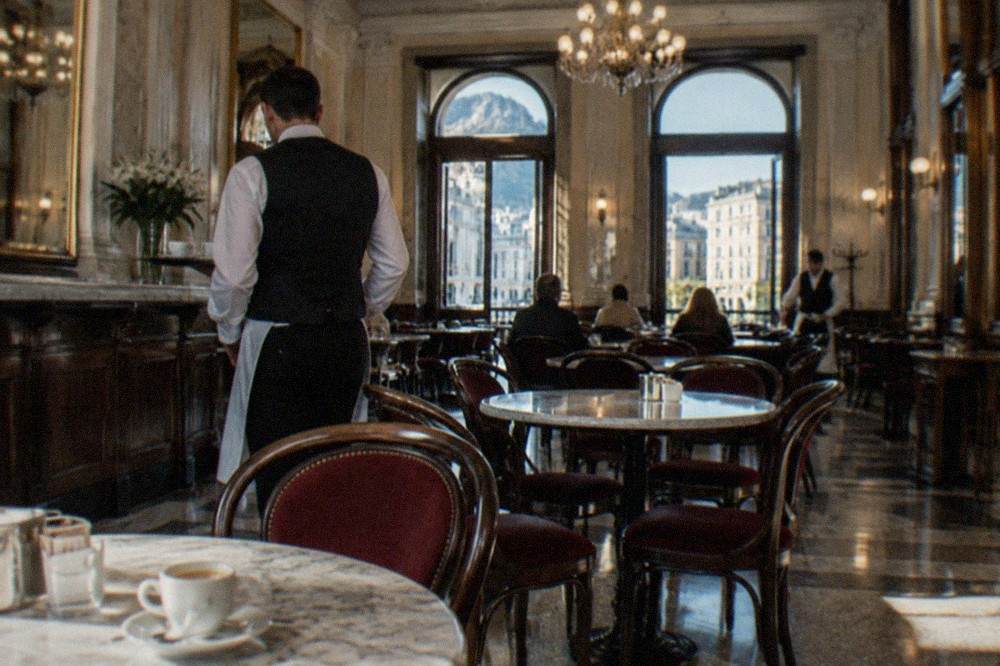
Start with coffee, because the world genuinely knows this city for it. Trieste's port made it one of the Mediterranean's great coffee gateways, and the roasting industry that grew around the docks still anchors the local economy. The historic caffè of the centre, some of them institutions since the nineteenth century, are where the culture is visible: marble counters, newspapers, and a menu of coffee preparations with local names that baffle visitors from the rest of Italy. If your question is specifically why Trieste is famous for coffee, that answer goes deeper than this one can.
The Barcolana is the second export. Every October the Gulf of Trieste fills with thousands of sailing boats, from weekend dinghies to ocean racers, all racing the same 13-nautical-mile course in front of the city. The record fleet was 2,689 boats in 2018, at the 50th edition, which is the figure the organisers themselves publish. The 2026 edition, Barcolana 58, runs from 2 to 11 October with the main regatta on Sunday 11 October, and the regatta has a full guide elsewhere on this site if you are planning around it.
The Habsburg layer is the third. Writers from across Europe lived here because it was the empire's window on the sea, and the built result is a city centre that Austro-Hungarian grandeur and Italian street life share without either winning. That mix is what most first-time visitors actually comment on, and it is the reason the question of what is special about Trieste, Italy has such a long answer.
A private guided walk is the most efficient way to see these layers with someone who can name them, and the sightseeing walk below is built exactly for that.
Which Trieste Landmarks Are the Famous Ones?
The famous Trieste landmarks are Piazza Unità d'Italia, the seafront square facing the Adriatic; Miramare Castle, the white former royal residence up the coast at Grignano; the Cathedral and castle on the hill of San Giusto; and the Molo Audace, the pier that walks you out over the sea. The Opicina tram, running again since 1 February 2025, is a working piece of that fame rather than a museum piece.
Piazza Unità d'Italia is the postcard. A vast rectangular square, three sides of palaces and the fourth side open water, it is the image that sells the city and the place every visitor ends up, usually more than once. Behind it rises the old town, Città Vecchia, a tangle of lanes that is the other half of every photograph.
Miramare Castle is the second must-see, and the figures below are the current ones from the Ministry of Culture's own visit page. The castle was built for Archduke Maximilian, later Emperor of Mexico, and his wife Charlotte; the apartments tour and the free park are separate experiences with separate hours. The castle guide covers the history, and an entry ticket with an audio app, booked through the operator's live listing, skips the ticket-office queue.
The hill of San Giusto holds the cathedral, the castle and the Roman theatre's remains all within a short walk of each other, and both the cathedral and the castle have full pages of their own on this site. The Teatro Romano is looked down into from the street rather than entered, so treat it as a five-minute stop.
The Opicina tram deserves a paragraph because almost every older guide gets it wrong. It is running, it has been back in service since 1 February 2025, and its city terminus is piazza Dalmazia, not piazza Oberdan. The tram and the Obelisco page on this site has the route and the current status.
| Landmark | What it is | Entry | Hours |
|---|---|---|---|
| Piazza Unità d'Italia | Seafront square, open public space | Free | Always open |
| Miramare Castle | Former royal residence and museum, Grignano | €17 adult, €7 reduced for EU 18-25 with exhibition | Daily 9:00-19:00, last admission 18:30 |
| Miramare Park | Castle grounds | Free | April-September 8:00-19:00, shorter in winter |
| Castello di San Giusto | Hilltop castle, museum and walls | €7 adult, €5 reduced | 1 April-11 Oct daily 10:00-19:00; from 12 Oct Tue-Sun 10:00-17:00 |
| Cattedrale di San Giusto | Cathedral | Free | Weekdays 8:00-18:30, Sundays 9:00-19:30 |
| Grotta Gigante | Giant show cave at Sgonico, guided only | €15 adult, €12 reduced, €8 children 6-18 | Sep-Feb Tue-Sun, Mar-Aug daily, tours on the hour 9:00-16:00 |
Those are the headline landmarks, but the honest answer to "is Trieste famous for anything" also includes the things that are famous locally and barely known outside: the osmize, the farmhouse wine cellars of the Carso that open seasonally and hang a leafy frasca branch at the turning, and the Muggia bay villages down the coast. If the question you are really asking concerns the unusual things to see in Trieste, that page collects them.
Would a guide help you cover this list in one stay? A private sightseeing walk is the one most visitors choose.
Booking is flexible on the operator's live listing, with cancellation terms shown before you pay, and the walks run daily in English. If you would rather compare the guided options against a castle-and-city combination and a food walk, the three picks below are the strongest starting set.
Is Trieste Famous for the Bora Wind?
Yes, Trieste is famous for the bora, the cold dry north-easterly that funnels off the Carso plateau, and the numbers are serious: the all-time peak gust in the regional weather agency's own station series is 168.1 km/h, recorded in February 2012, and the city averages 17.6 days a year with a gust over 90 km/h and 49 days over 72 km/h. The bora is most persistent from November to March and rarest in June.
The bora is not a curiosity, it is a design constraint. It shapes the waterfront, the vegetation, the mooring of boats and the calendar of outdoor life, and it is the reason the city's seafront handrails have their reputation. ARPA FVG, the regional environmental agency, maintains the station tables at the molo Fratelli Bandiera, and its figures are the ones worth trusting. One thing no official source publishes is a wind speed at which the seafront closes or ferries stop: no such cutoff exists on the record, so ignore any number a travel article confidently gives you.
The bora also frames the Barcolana, which is deliberate: the regatta sits inside October, a month that averages 1.4 days a year with gusts over 90 km/h, on the windy shoulder of the season. That pairing of wind and race is very Trieste.
| Month | Mean high C | Rain mm | Sea C | Days gusting over 90 km/h |
|---|---|---|---|---|
| February | 9.8 | 59.7 | 10.5 | 2.9 |
| May | 21.7 | 75.0 | 17.9 | 0.7 |
| July | 28.2 | 53.8 | 25.9 | 0.9 |
| September | 23.9 | 102.3 | 23.9 | 1.1 |
| October | 19.6 | 88.6 | 20.3 | 1.4 |
| November | 14.7 | 109.8 | 16.8 | 1.9 |
Two things that table quietly corrects: Trieste's wettest month is November, not a summer month, and July is one of its driest, at 53.8 mm. The city gets roughly 867 mm of rain a year at the waterfront station, wetter than the Mediterranean stereotype suggests, but summer is not the wet season.
If the wind and the water have sold you on the city, the next question is practical rather than rhetorical: how many days in Trieste is enough is the honest follow-up, and the answer for most people is two or three. Whether you go guided or on your own, the famous list above fits comfortably inside that window, and the picks below cover the three most popular ways to do it.
Whichever you choose, book the castle and the caves ahead in peak October week, when the Barcolana fills the city.
Common Questions About What Trieste Is Famous For
Is Trieste famous for anything?
Yes. Trieste, Italy, is famous for its coffee culture and its role as a historic coffee port, for Piazza Unità d'Italia and its Habsburg architecture, for Miramare Castle, for the bora wind and for the Barcolana regatta, which holds the record for the largest sailing fleet ever assembled, 2,689 boats in 2018.
What is Trieste most famous for?
Coffee is the single most repeated answer, and it is the one with real substance: a coffee port, a roasting industry and a caffè culture that visitors notice on their first morning. The seafront square and the Barcolana are close behind.
Is Trieste famous for coffee?
Yes, and verifiably so as a port, a roasting centre and the home of a major international coffee company. The per-head consumption figures often quoted alongside this claim have no primary source and should not be trusted.
Is Trieste worth visiting if it is not famous like Venice?
That is exactly its appeal for many people. Trieste delivers a grand seafront, serious history and a food and coffee culture without Venice's crowds or prices.
What food is Trieste famous for?
A Central European and Adriatic mix: jota, a barley and bean soup the city calls its own, buffet-style cured meats, and seafood from the gulf. A guided food walk is the fastest way to taste it.
Why do people confuse Trieste with other things?
Because the name is shared. The bathyscaphe Trieste that reached the Mariana Trench, a San Francisco cafe chain, an actress and a basketball club all rank alongside the city in search results. This page, and this site, are about the city in Friuli Venezia Giulia, Italy.
Trieste is famous for real, checkable things: a coffee port that became a way of life, a square that opens onto the sea, a wind with a name and a regatta that broke a world record. The city earns its reputation quietly, which is precisely why so many visitors end up surprised by it.