Is Trieste Worth Going?
Is Trieste worth going? An honest answer about the Adriatic port city in Friuli Venezia Giulia, Italy: what justifies the trip, what does not, and what it costs.
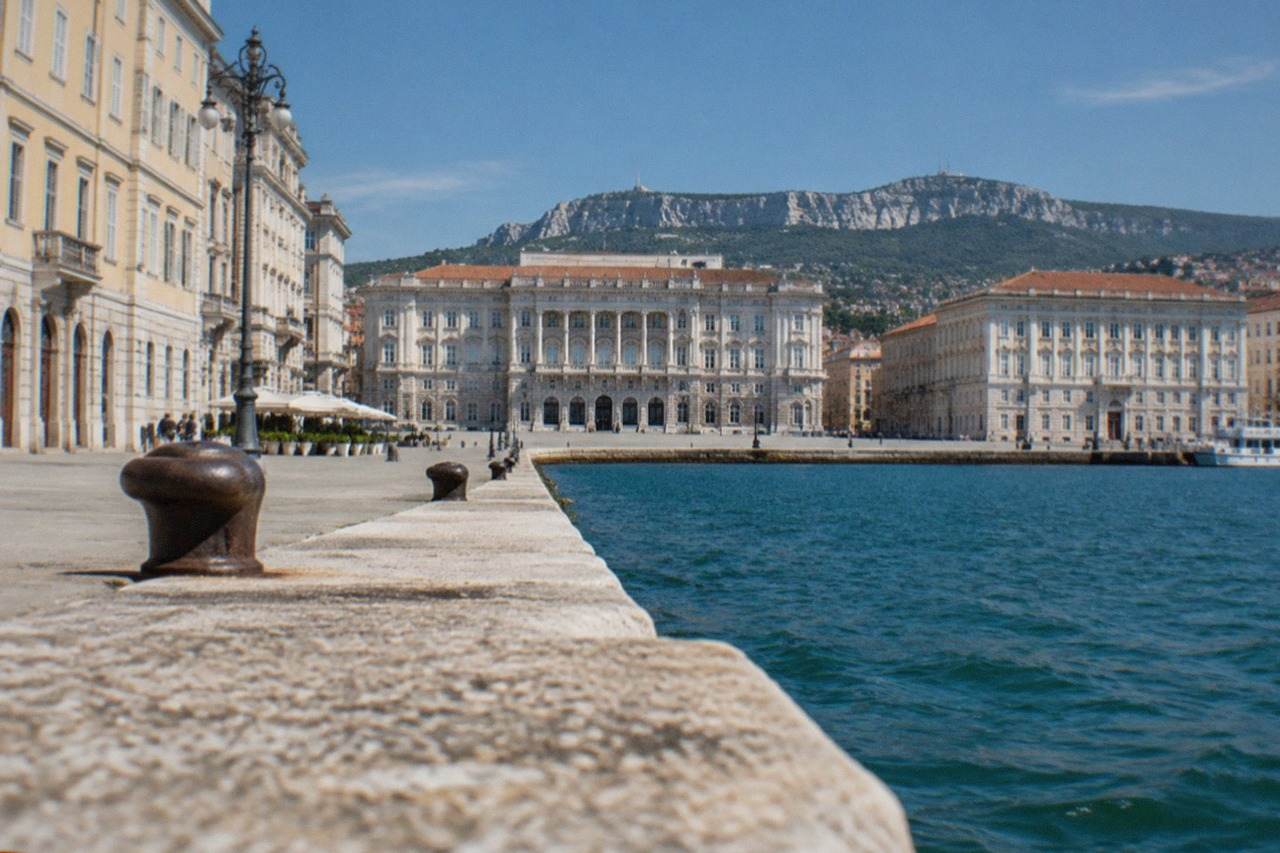
Trieste, the Adriatic port city in Friuli Venezia Giulia, Italy, is the Italian city that most itineraries forget, and the honest answer to whether it deserves your days depends on what you are hoping Italy will be. It is not Tuscany and it does not try to be. What it offers instead is a Habsburg-era seaport with a huge seafront square, a serious coffee culture, a Karst plateau full of caves and farmhouse wine outlets, and two other countries close enough to visit in a day. For a traveller who has already done the famous Italian circuit, that combination is genuinely rare.
Is Trieste Worth Going?
Yes, Trieste in Italy is worth going to if you want a Central European city that happens to sit on the Adriatic: a grand Habsburg seaport with Italy's largest seaside square, a famous coffee-house tradition, free castle parks and seafront, and Slovenia and Croatia within day-trip range. It is not worth going if you want classic Renaissance Italy, guaranteed hot swimming weather, or a city packed with headline sights; the appeal is atmosphere, food and position rather than a checklist of monuments.
That verdict comes with a caveat about what Trieste actually is. The city was the Austrian Empire's main port, and its architecture, its buffet culture and its mixture of Italian, Slovene and Central European influences all come from that history. The streets around Piazza Unità d'Italia and the Borgo Teresiano district look more like Vienna than like Florence. Readers who arrive expecting southern Italy routinely report surprise; readers who arrive expecting a Mitteleuropean port city tend to be delighted.
The practical case is strong too. Several of the city's best experiences cost nothing: the seafront at the Rive, the free Miramare park, the free Risiera di San Sabba memorial, and the views from the San Giusto hill. The paid sights are inexpensive by Italian standards, as the tables below show. And because Trieste sits on the border, a single base lets you add Ljubljana, Piran or the Postojna cave without changing hotels, which is the single biggest argument in its favour for a second-time visitor to Italy.
If you are still weighing the decision, the companion pages on whether Trieste is worth visiting and whether it is worth staying in Trieste go deeper on the overnight question, and the page on what Trieste is famous for lists the claims to fame one by one.
What Makes Trieste, Italy, Worth the Trip?
The three things that genuinely justify the journey are Piazza Unità d'Italia, one of the largest seafront squares in Europe; the historic caffè culture, with grand coffee houses that have served the city since it was Austria's port; and the Karst plateau immediately above the city, which holds Grotta Gigante, the osmize farmhouse wine outlets, and walking country with sea views. None of these exists anywhere else in Italy in the same combination, and two of the three cost very little.
Start with the square. Piazza Unità d'Italia opens straight onto the Adriatic, with the Molo Audace pier a few steps away, and it is the image that sells most visitors on the city. From the square the whole Habsburg core is walkable: the Canal Grande with its church of Sant'Antonio Taumaturgo, the Città Vecchia on the hill, the Roman theatre you look down into from the street, and the Cathedral of San Giusto, whose entry is free.
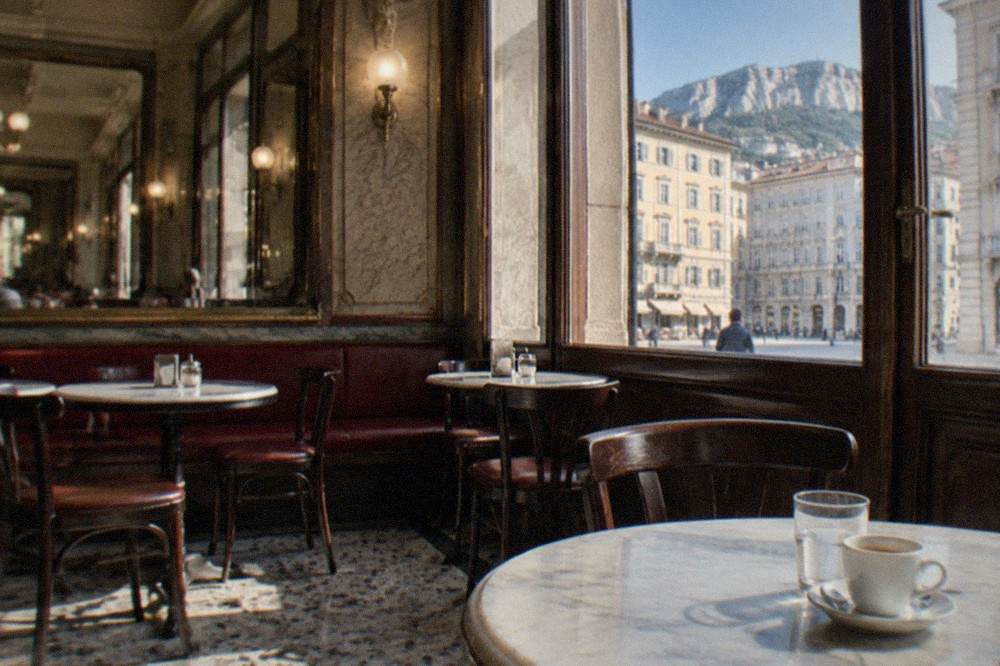
The coffee culture is the second pillar. Trieste is a working coffee port and the home of a major roasting company, and the historic caffè in the centre are institutions rather than tourist props. The claim you will read everywhere, that locals drink more coffee than anyone else in Italy, has no verifiable primary source, so treat it as legend; the coffee houses themselves are entirely real and worth an afternoon.
Third is the Carso. The plateau rises directly behind the city, and it gives Trieste an inland dimension most seaside cities lack: caves you can tour on a guided visit, the farmhouse osmize where growers sell their own wine and produce, and the village of Prosecco, which gave the wine its name. The stranger corners of the city, from the Victory Lighthouse to the former Old Port district, are covered on the page about the unusual things to see in Trieste.
A guided walk is the efficient way to absorb all of this on a first day. The related tour below pairs a city-centre walk with coffee in a historic bar, which is the two pillars of the city in one outing, and it can be booked through the operator's live listing.
The same operator runs the walk year-round, and because it ends inside a historic caffè it works as well on a bora day as in sunshine. If the weather turns, it is the tour least likely to be spoiled by it.
What Does Trieste Cost Once You Are There?
Trieste is inexpensive by northern Italian standards: the adult castle ticket at Miramare is €17 with the temporary exhibition included, San Giusto Castle is €7, the Museo Revoltella is €8, the Risiera di San Sabba memorial is free, and the Miramare park is free all year. An urban bus day ticket is €3.35, and a single ticket valid 60 minutes is €1.50, per the 2026 Trieste Trasporti tariff sheet. A day of sightseeing can easily run under €40 per person before meals.
Those figures come from the venues' own published pages and the operator's 2026 tariff sheet, and they make the budgeting case plainly. Here is the core sight-by-sight picture:
| Sight | Adult entry | Notes |
|---|---|---|
| Miramare Castle | €17 | Includes temporary exhibition; EU 18-25 pay €7 or €2 castle-only |
| Miramare Park | Free | Open daily, seasonal hours |
| San Giusto Castle | €7 | Covers walls, museum and Lapidario; reduced €5 |
| Museo Revoltella | €8 | Closed Tuesdays; reduced €6 |
| Risiera di San Sabba | Free | Daily; groups book March-May |
| Cathedral of San Giusto | Free | Bell tower hours vary by season |
| Grotta Gigante | €15 | Guided tours only, booking compulsory |
Two structural points save real money. The first is that the free-entry first-Sunday scheme runs at state museums including Miramare through 2026, but the rules have changed more than once, so check the venue's own event page for the month rather than planning around a date you read here. The second is the regional FVGcard, which covers Trieste sites including Grotta Gigante and Museo Revoltella; its published prices could not be verified against the official tourism site from this desk, so confirm on the card's own page before buying.
Food is the other cost that surprises people, in the good direction. The Trieste buffet, a tavern serving pork, sauerkraut and goulash in the Central European style, is cheaper than a sit-down restaurant, and the city's signature dishes are working-port food rather than banquet food. The signature dish of Trieste page covers jota and the buffet tradition in detail.
Who Should Skip Trieste?
Trieste is the wrong choice for a first trip to Italy focused on the canonical sights, for a beach holiday built around reliable hot weather, or for anyone who needs a dense concentration of monuments like Venice or Florence provides. It is also a poor pick in deep winter if your heart is set on swimming, since the sea averages 11.6 C in January and the bora wind blows hardest from November through March. For those travellers, the honest answer is to save it for a second Italian trip.
The weather point deserves precision, because Trieste is widely mis-described as rainy. The ARPA station tables for the waterfront show the wettest month is November at 109.8 mm and July is one of the driest at 53.8 mm, so summer is not the soggy season the stereotype suggests. What summer is not, reliably, is hot: the mean high in July is 28.2 C, comfortable for walking, and the sea reaches about 25.9 C in July and August. That is swimmable, but it is not the tropical Adriatic of the far south. Everything else covered here is indexed on Trieste Travel Guide.
The wind is the real seasonal factor. The bora, a cold north-easterly, averages 17.6 days a year with gusts over 90 km/h at the waterfront station, and it is most frequent in the cool season. No official threshold exists at which ferries stop or the seafront closes, so ignore any number you see quoted; just know that a winter visit can include days when the seafront is genuinely unpleasant and the views are spectacular.
The concentration point matters for itinerary design. Venice packs its wonders into a footprint you cross in an afternoon. Trieste spreads along a gulf, and its biggest single experiences, Miramare and the Karst, sit outside the walking core. If you have three days in Italy and have never seen Venice, go to Venice. The is Venice or Trieste better comparison exists for exactly this decision.
How Many Days Does Trieste Need?
Two days is the honest minimum that makes the trip worth it: one for the Habsburg core, Piazza Unità d'Italia, the Città Vecchia, San Giusto hill and a historic caffè, and one for the seafront castles or the Karst, with Miramare and Grotta Gigante as the two headline options. Three days lets you add a cross-border day trip to Slovenia or Croatia, which is the experience no other Italian city offers on the same terms.
The cross-border point is the clincher for a longer stay. Slovenia has been in both the euro area and Schengen since 2007, and Croatia joined both on the same day, 1 January 2023, so there is no currency change and no routine border control on a day trip to Piran or Ljubljana. One live exception applies: Italy is running temporary checks on its land border with Slovenia from 19 June 2026 to 18 December 2026, so carry a passport or national ID card and treat the checks as dated and temporary rather than permanent.
What that looks like in practice, using the guided options on this site:
| Option | Duration | From (per person) | Rating |
|---|---|---|---|
| Ljubljana and Lake Bled day trip | 9 hours | $108.91 | 4.69 from 544 reviews |
| Piran and Slovenia coast tour | 6 hours | $114.64 | 4.57 from 136 reviews |
| Postojna Cave and Predjama Castle | 6 hours | $137.57 | 4.76 from 543 reviews |
| Grotta Gigante guided tour with museum | 1 hour | $17.20 | 4.78 from 151 reviews |
If the decision is coming down to time, the pages on how many days you need in Trieste and what to do in Trieste for 3 days break the itineraries down day by day, and what to do in Trieste in one day covers the compressed case.
The Honest Verdict on Trieste, Italy
Trieste, Italy, is worth going to for travellers who value a distinctive, uncrowded, affordable city with sea, serious coffee, cave country and two international borders within reach, and it rewards two or three days rather than a rushed stop. It is not worth going to for a first-time classical Italy itinerary or a hot-beach holiday, and the bora makes winter a specialist taste. For a second or third Italian trip, it is one of the continent's most underrated short breaks.
The final argument is the one that has nothing to do with sights or prices: Trieste is a real, working city that has not reorganised itself around tourism. The port functions, the coffee houses fill with residents, and the osmize on the Karst sell to neighbours as much as to visitors. That quality, in 2026, is the scarcest thing in Italian travel, and it is the reason the answer to this question, for the right traveller, is a clear yes.
Common Questions About Visiting Trieste, Italy
Is Trieste worth going?
Yes, for most travellers who are not chasing the classic Renaissance-Italy circuit. Trieste offers a Habsburg seaport on the Adriatic, a famous caffè culture, free parks and seafront, and Slovenia and Croatia within day-trip range. Two or three days is enough to see why it earns its place.
Is Trieste worth going to for just one day?
One day covers the walking core well: Piazza Unità d'Italia, the Città Vecchia, San Giusto hill and a historic caffè. But the city's biggest experiences, Miramare and the Karst caves, sit outside that core, so a single day misses half the argument for going.
Is Trieste worth visiting compared to Venice?
They serve different purposes. Venice is a dense concentration of monuments and crowds; Trieste is an atmospheric, cheaper, working port city with cave country and two borders nearby. If you have never seen Venice, see Venice first. On a second Italian trip, Trieste is the fresher choice.
Is Trieste expensive?
No, by northern Italian standards. Castle entries run €7 to €17, several major sights including the Risiera di San Sabba and the Miramare park are free, and a bus day ticket is €3.35 per the 2026 tariff sheet. Meals at a traditional buffet are cheaper than a typical Italian restaurant.
What is the best time of year to go to Trieste?
Late spring through September balances warm weather, swimmable sea and fewer bora days. July and August average mean highs of about 28 C and sea temperatures around 25.9 C. November is the wettest month at 109.8 mm, and the bora is most frequent from November to March.
Can you visit Slovenia or Croatia from Trieste?
Yes, easily. Both countries use the euro and are in Schengen, and Croatia joined both on 1 January 2023. Italy is running temporary border checks with Slovenia from 19 June 2026 to 18 December 2026, so carry a passport or national ID card on those day trips.