What Is Special About Trieste, Italy?
Trieste, Italy is a Habsburg port city on the Adriatic with a coffee culture, a bora wind, a free seafront and three borders within day-trip range. What makes it different, with real prices and hours.
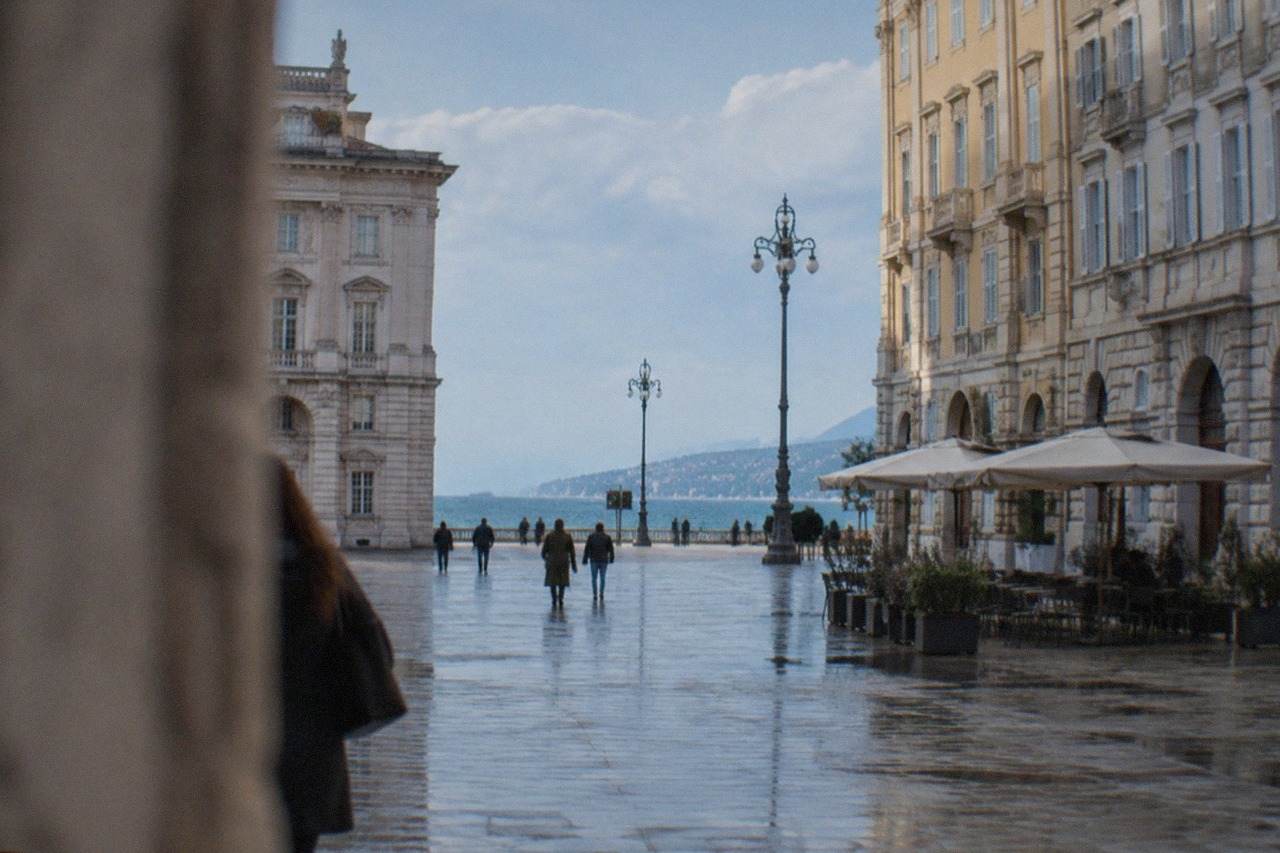
Trieste, Italy, sits on a thin strip of Adriatic coast with the limestone Carso plateau at its back and the Slovenian border a few streets from its eastern edge, and that position explains almost everything unusual about it. The city was the Habsburg empire's main seaport, it grew rich on coffee and shipping, and it kept a Central European accent that no other Italian city has. The result is a place where the grand square opens straight onto the sea, the historic caffè are treated as public institutions, and the nearest day trips run to Slovenia and Croatia rather than to better-known Italian destinations.
What Is Special About Trieste, Italy?
Trieste, Italy is special because it is a Habsburg-era port city that happens to sit inside Italy: its seafront square, Piazza Unità d'Italia, opens directly onto the Adriatic, its coffee-house culture came from Vienna rather than Rome, and its position puts Slovenia and Croatia within day-trip range. The bora wind, the largest sailing race in the world and one of the longest sea-level records ever kept all belong to this one small city.
The honest short version is that Trieste does not feel like the Italy most visitors arrive expecting. There are Roman ruins under the hill, yes, and an Italian cathedral, but the streets around the Grand Canal were laid out in the 18th century for an Austrian empress and named for Habsburg officials. The city's most famous writers list includes James Joyce and Italo Svevo, its most famous product is coffee, and its grandest building, Miramare Castle, was built for an archduke who later became Emperor of Mexico. If you want a longer rundown of the fame side, the companion page on what Trieste is famous for goes deeper, and why Trieste is famous covers the same ground from the history angle.
The three things that genuinely have no equivalent elsewhere in Italy are the seafront, the wind and the border. The rest of this page takes each in turn, with the current prices and hours, because a lot of what is written about Trieste online is either out of date or borrowed from a guidebook that last checked facts a decade ago. This whole site, Trieste Travel Guide, exists to keep those details current.
Why Does Trieste Feel Different from the Rest of Italy?
Trieste feels different because it was built and enriched as the principal port of the Austro-Hungarian empire, not as an Italian city state or a papal territory. Its neoclassical Borgo Teresiano district, its Viennese-style caffè and its Central European cuisine all come from roughly two centuries of Habsburg rule, and Italy only acquired the city after the First World War.
The Borgo Teresiano, the grid of streets west of the Grand Canal, was drained and laid out under Empress Maria Theresa, and the district still carries her name. That is where the Canal Grande of Trieste runs, a short canal built so sailing ships could unload in the heart of the city, with the Serbian Orthodox church of Saint Spyridon standing at its head in unmistakably Byzantine style. The canal is small, and visitors expecting Venice are often surprised; the page on what is the unusual thing to see in Trieste covers the sights that catch people off guard.
Coffee is the other half of the identity. Trieste is a historic coffee port and a roasting centre, home to Illy's headquarters, and its historic caffè, the Caffè degli Specchi, the Caffè Tommaseo and their peers on Piazza Unità and Piazza della Borsa, function as public living rooms in a way that has more in common with Vienna than with Naples. One thing this site will not do is repeat the widely circulated figure for how many kilograms of coffee per head the city drinks: no primary source exists for it, and every version traces back to the same unsourced newspaper line. The culture is real; the number is not.
The Habsburg layer also explains the food, which is the least Italian table in the country. Jota, a soup of sauerkraut, beans and pork, goulash served with polenta or bread dumplings, and cotechino with mashed potato sit alongside the seafood, and the local wines from the Carso, Vitovska, Malvasia and Terrano, are not names most Italian visitors will recognise. The page on what food Trieste is famous for breaks the menu down dish by dish.
What Are the Landmarks That Make Trieste Special?
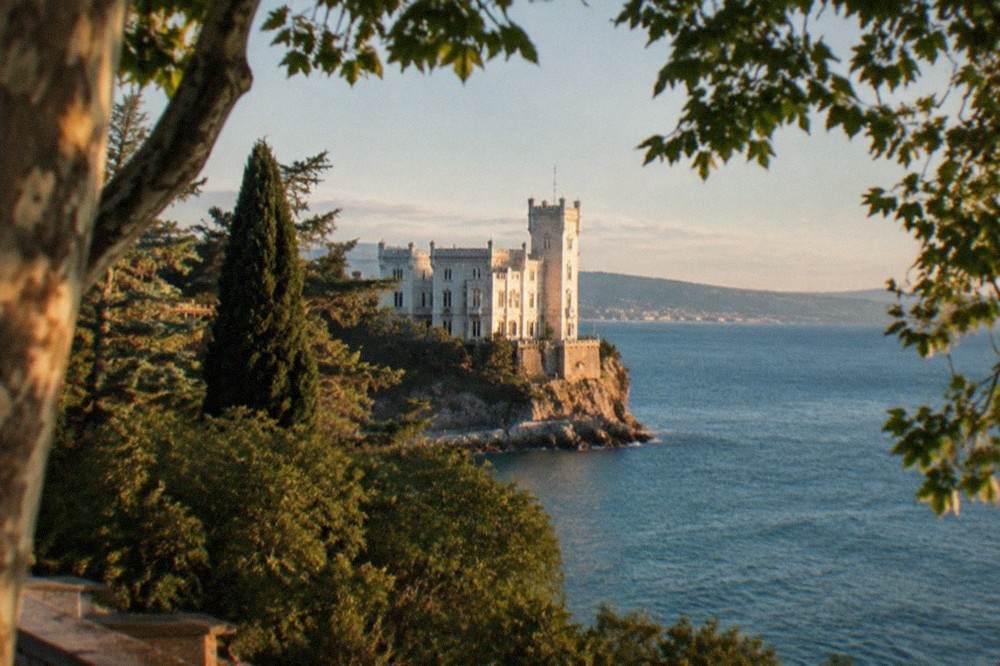
The landmarks that define Trieste are Piazza Unità d'Italia, the largest seafront square in Italy, opening straight onto the Adriatic; Miramare Castle, built for Archduke Maximilian on the coast; the hill of San Giusto with its castle and cathedral; and the Molo Audace pier, a stone quay you can walk out over the water. Castle entry costs €17 at Miramare and €7 at San Giusto, and the Miramare park is free all year.
Piazza Unità d'Italia is the one sight every visitor sees first, and it is genuinely unusual: three grand palazzi on three sides and open water on the fourth, with the horizon of the Adriatic forming the fourth wall. Walk a hundred metres north and you are on the Molo Audace, a pier built from the hull of a shipwrecked vessel that now ends in nothing but sea. On the hill above, the Castello di San Giusto, the cathedral and the Roman theatre sit within a few streets of each other, and the Roman theatre is viewed from the street, not entered.
| Landmark | Entry cost | Hours (2026) |
|---|---|---|
| Miramare Castle (castle only) | €17 adult, €7 reduced EU 18-25 with exhibition | Daily 9:00-19:00, last entry 18:30 |
| Miramare park | Free | April-September 8:00-19:00, shorter in winter |
| Castello di San Giusto | €7 adult, €5 reduced | 1 April-11 Oct daily 10:00-19:00; from 12 Oct Tue-Sun 10:00-17:00 |
| Cattedrale di San Giusto | Free | Weekdays 8:00-18:30, Sundays 9:00-19:30 |
| Museo Revoltella | €8 adult, €6 reduced | Daily 10:00-19:00, closed Tuesdays |
| Grotta Gigante (Sgonico) | €15 adult, guided only | Sep-Feb Tue-Sun, Mar-Aug daily |
Two details in that table catch people out. The Miramare park is free while the castle is not, and the two keep different hours, so you can walk the grounds at eight in the morning long before the ticket office opens. And Grotta Gigante, the giant cave on the Carso above the city, is guided-visit only with compulsory booking, closed on Mondays from September to February, with departures listed at fixed times through the day. It is the one Trieste sight where turning up on spec is a mistake.
If you would rather have a local put the city in context on your first day, the guided walk that ends with coffee in a historic bar is a good fit for exactly this question: it is built around the things that surprise people. Check availability on the operator's live listing if that sounds like your kind of introduction.
What Is the Bora, and Why Is a Wind One of Trieste's Defining Facts?
The bora is a cold, dry north-easterly wind that funnels down off the Carso plateau and across the city at gusts that can exceed 100 km/h, and ARPA's own station tables for the Trieste waterfront record an all-time peak gust of 168.1 km/h in February 2012. The city averages 17.6 days a year with a gust over 90 km/h, and the monthly record exceeds 110 km/h in every single month of the year.
The bora is not a rarity or a legend; it is a scheduled feature of Trieste life. In strong episodes the sea off the Rive flattens into a white streaked sheet, ropes are rigged along the waterfront for pedestrians, and the wind is strong enough that walking into it is a real effort. ARPA FVG's OSMER network measures it continuously at the molo Fratelli Bandiera station, and the figures above come from that series, 1995 to 2024. What no official source publishes is a wind threshold at which the seafront closes or ferries stop; decisions are made event by event, so treat any specific cutoff you read online as invented.
The wind shapes the calendar too. The Barcolana, the October sailing regatta that is the city's biggest event, sits inside the windy shoulder of the year: Barcolana 58 runs 2-11 October 2026 with the main race on Sunday 11 October, and the all-time entry record stands at 2,689 boats, set in 2018, which the organisers describe as a Guinness World Record for the largest sailing race in the world. The sea itself is warmer than visitors expect, with ARPA's series showing August means around 25.9°C at the waterfront, and the sea keeps its heat: September's mean of 23.9°C is warmer than June's 23.1°C.
How Do the Borders Shape What Trieste Is?
Trieste sits within an hour of Slovenia and Croatia, and all three countries now use the euro and sit inside the Schengen area, which makes it the easiest place in Italy to add two more countries to one trip. The one live exception is that Italy is running temporary border checks on its land border with Slovenia through 18 December 2026, so a passport or national ID card should be carried on any Slovenian day trip.
Croatia adopted the euro and joined Schengen on the same day, 1 January 2023, and Slovenia has been in both since 2007. There is no currency to change and no routine passport control on a trip to Piran, Ljubljana or Rijeka, but the temporary Italian checks on the Slovenian land border are real and dated, and they are the reason the "just walk across" advice you will read elsewhere is incomplete. The city's own identity question, whether Trieste is more Italian or Slovenian, has a long answer that is worth reading before you go: see is Trieste more Italian or Slovenian.
The border is also why Trieste sounds different. The local dialect carries Slovene and German loanwords, the street signs in some districts are bilingual, and the city's name is pronounced in a way that surprises Italian visitors, a point covered in detail on how Italians say Trieste. The Karst plateau that dominates the city's weather and wine is as much Slovenian as Italian; the osmize, the farmhouse wine outlets of the Carso, exist on both sides of the line, signposted by a frasca, a leafy branch hung at the turning, with the current openings listed on the osmize.com calendar.
| Month | Mean high | Rain mm | Sea mean | Days gust over 90 km/h |
|---|---|---|---|---|
| January | 9.2°C | 52.8 | 11.6°C | 2.4 |
| April | 16.8°C | 60.7 | 14.0°C | 0.7 |
| July | 28.2°C | 53.8 | 25.9°C | 0.9 |
| September | 23.9°C | 102.3 | 23.9°C | 1.1 |
| November | 14.7°C | 109.8 | 16.8°C | 1.9 |
That table is the single most useful thing on this page for planning, because it corrects the two assumptions people arrive with: that a northern Adriatic city is grey and wet, and that summer is the rainy season to avoid. July is one of the driest months of the year, November is the wettest, and the sea is at its warmest in August. The bora column shows the other correction: the wind is a cool-season phenomenon, and June is the calmest month of the year.
If the food and castle angle appeals more than the walking tours, those three picks between them cover the city's two most special experiences: a guided walk with coffee in a historic bar, and Miramare Castle with its park and the current exhibition. Whichever you choose, book ahead in the Barcolana week in October, when the city fills up.
How Many Days Do You Need to See What Makes Trieste Special?
Two full days is the realistic minimum to cover the centre, the San Giusto hill, Miramare and one Carso or cross-border excursion, and three days lets you add a second day trip without rushing. The centre itself is compact and walkable, so the city's core sights fit into one day, with Miramare and the cave or coast trips taking a day each.
The practical split most itineraries follow is one day for the city, meaning Piazza Unità, the Grand Canal, Città Vecchia, the cathedral and castle hill, and a second day for Miramare plus the Barcola seafront or the Carso. The page on how many days in Trieste is enough gives the full day-by-day argument, and for a verdict on whether the city merits the journey at all, is Trieste in Italy worth visiting answers that question directly.
Getting around is simple enough that it should not shape your plan. The centre is walkable, the urban buses and the Opicina tram take the same tickets, and a day ticket costs €3.35, with contactless bank cards accepted on board. The tram is worth riding for its own sake: it is one of the few remaining funicular-assisted trams in the world, and it climbs from piazza Dalmazia up the escarpment to the Obelisco and the village of Opicina, with the whole Gulf of Trieste below you.
Common Questions About What Makes Trieste Special
What is special about Trieste, Italy?
Its Habsburg-built seafront, its coffee-house culture, the bora wind, and its position on the Slovenian and Croatian borders. It is an Italian city that was built as an Austrian imperial port, and no other place in the country combines those layers.
Is Trieste worth visiting compared to Venice or other Italian cities?
For a visitor who wants a smaller, quieter, less tourist-saturated city with unusual history, yes. Trieste is not a museum city in the Venetian sense; its appeal is its streets, its caffè, its seafront and its day trips. The direct comparison is covered on the page comparing the two cities.
What food is Trieste special for?
Jota, goulash, cotechino with potato, and seafood from the Adriatic, alongside the caffè culture. The Carso wines, Vitovska, Malvasia and Terrano, are the local pours, and the osmize farmhouse outlets sell them direct from the producers.
What is the best month to visit Trieste?
July is one of the driest months at 53.8 mm of rain and the sea is near its warmest, but June is the calmest month for wind. October brings the Barcolana but also more rain and more bora. The trade-offs are laid out in the month-by-month guide.
Do you need a passport to visit Slovenia from Trieste?
Carry one, or a national ID card. Italy is running temporary border checks on its land border with Slovenia through 18 December 2026, so checks are possible even though both countries are in Schengen.
Is Trieste expensive?
Less than the major Italian tourist cities by most measures. The main sights are cheap or free, the cathedral is free, the Miramare park is free, and an urban day ticket costs €3.35. The cost breakdown is covered in the dedicated page on prices.
In the end, what is special about Trieste, Italy, is that it is the only city in the country where you can stand in an imperial Austrian square facing the open sea, drink a Viennese-style coffee in an Italian caffè, watch a wind from a Slovenian plateau flatten the water in front of you, and be in a third country before lunch, and no other destination on the Adriatic offers that particular combination in one compact, walkable city.