Trieste Itinerary Planner
Trieste, the Adriatic port city in Friuli Venezia Giulia, Italy, rewards a planned visit: this planner sets out one to five day itineraries with verified opening hours, ticket prices and transport fares.
Short answer
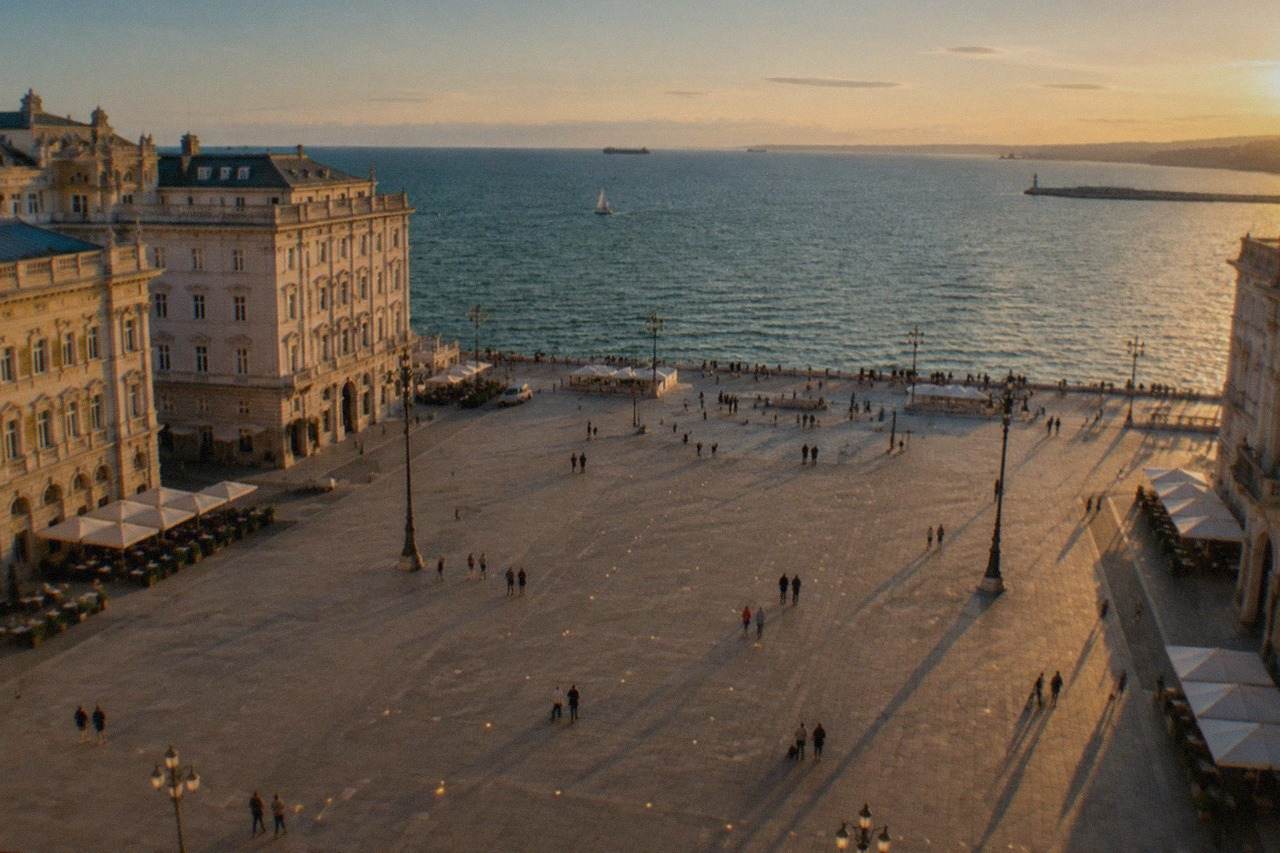
Plan two to three days for Trieste itself: one for the seafront and Città Vecchia, one for San Giusto hill and the museums, and a third for Miramare Castle or a cross-border day trip.
Trieste, the Adriatic port city in Friuli Venezia Giulia, Italy, is compact enough to plan in an evening and layered enough to fill a week. The seafront, the grand Habsburg squares and the Karst plateau behind the city sit within a short radius of each other, which makes itinerary decisions unusually forgiving: almost nothing you pick is more than a modest detour from anything else. This planner sets out what the verified hours and prices allow you to do, day by day, from a single day ashore to a five-day stay with day trips into Slovenia and the caves. Every figure below comes from the venues' and operators' own published pages, so the plan survives contact with the ticket office.
How Many Days Do You Need for a Trieste Itinerary?
Two days cover the city proper and three is the comfortable number: the first day for Piazza Unità d'Italia, Molo Audace and the Città Vecchia, the second for San Giusto hill, the museums and the Canal Grande district, and a third for Miramare Castle up the coast plus whatever the second day could not absorb. A single day works for the seafront core, and four or five days only make sense once you add cross-border day trips to Slovenia or the Karst caves.
The reasoning is arithmetic more than taste. The headline city sights cluster tightly: the cathedral and castle on San Giusto hill, the Roman theatre you look down into from the street, the Revoltella museum, the seafront and the canal district are all walkable from one another. What eats time is the periphery. Miramare Castle sits up the coast at Grignano and keeps its own hours; Grotta Gigante is a guided-only visit with fixed departure times and compulsory booking; the day trips to Ljubljana, Lake Bled, Postojna and Piran are each five to nine hour commitments.
A useful benchmark: the itineraries this site publishes for a weekend in Trieste assume two full days, and the family itinerary stretches to three. If your dates fall in October, check the Barcolana regatta dates first: the 2026 edition runs 2-11 October and the regatta itself is Sunday 11 October, and the seafront changes character completely during that week.
| Length of stay | What it realistically covers | What you drop |
|---|---|---|
| 1 day | Seafront, Città Vecchia, San Giusto hill | All museums, Miramare, all day trips |
| 2 days | The full city core plus one museum day | Miramare at a relaxed pace, Karst |
| 3 days | City core plus Miramare Castle and park | Cross-border day trips |
| 4 days | Everything above plus one cave or coast trip | A second cross-border day |
| 5 days | Two day trips added, caves and Slovenia both | Nothing major |
What Should a One-Day Trieste Itinerary Include?
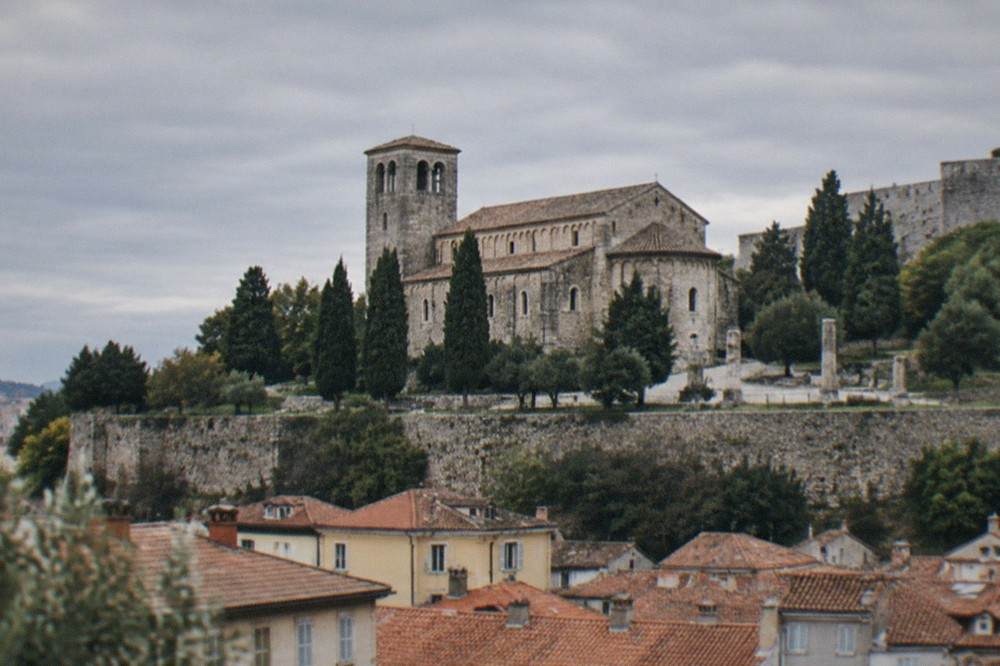
A one-day Trieste itinerary should run from Piazza Unità d'Italia along the seafront to Molo Audace, up through the Città Vecchia to the Cathedral of San Giusto and Castello di San Giusto, then back down past the Roman theatre to the Canal Grande, closing with a caffè stop in a historic bar. The loop is entirely on foot and every stop is either free or cheap: cathedral entry is free, the castle is EUR 7.00 and the theatre is viewed from the street.
Start on the square. Piazza Unità d'Italia opens straight onto the water, and Molo Audace, the old pier, extends from the waterfront into the gulf. The walk up to San Giusto hill passes through the Città Vecchia, the old town district, and the slope is the only real climb of the day. On the hill the cathedral is open weekdays 8:00-18:30 and Sundays and holidays 9:00-19:30, with free entry, and the parish asks that visitors avoid Mass times.
The castle next door costs EUR 7.00 full price, EUR 5.00 reduced, and from 1 April to 11 October it opens daily 10:00-19:00 with last entry at 18:30; from 12 October it runs Tuesday to Sunday 10:00-17:00 and closes on Mondays. The ticket covers the walls and bastions, the castle museum and armoury, the Lapidario Tergestino and temporary exhibitions.
On the way back down, the Roman theatre is a street-level view: the ministry's monument page describes it as visible from outside, with guided access for groups and schools only on request. Do not plan on walking into it. Finish at the Canal Grande with the Sant'Antonio Taumaturgo church at its head, and if the day has stretched, a coffee in one of the historic caffè is the standard close; the Trieste coffee culture guide explains the local ordering vocabulary, which is not the rest of Italy's.
| Stop | Verified entry cost | Verified hours |
|---|---|---|
| Piazza Unità d'Italia and Molo Audace | Free | Always accessible |
| Cattedrale di San Giusto | Free | Weekdays 8:00-18:30, Sundays 9:00-19:30 |
| Castello di San Giusto | EUR 7.00, reduced EUR 5.00 | Apr 1-Oct 11 daily 10:00-19:00; from Oct 12 Tue-Sun 10:00-17:00, closed Monday |
| Roman theatre | Free, viewed from the street | No fixed public hours |
| Canal Grande district | Free | Always accessible |
How Do You Plan a Two-Day Trieste Itinerary?
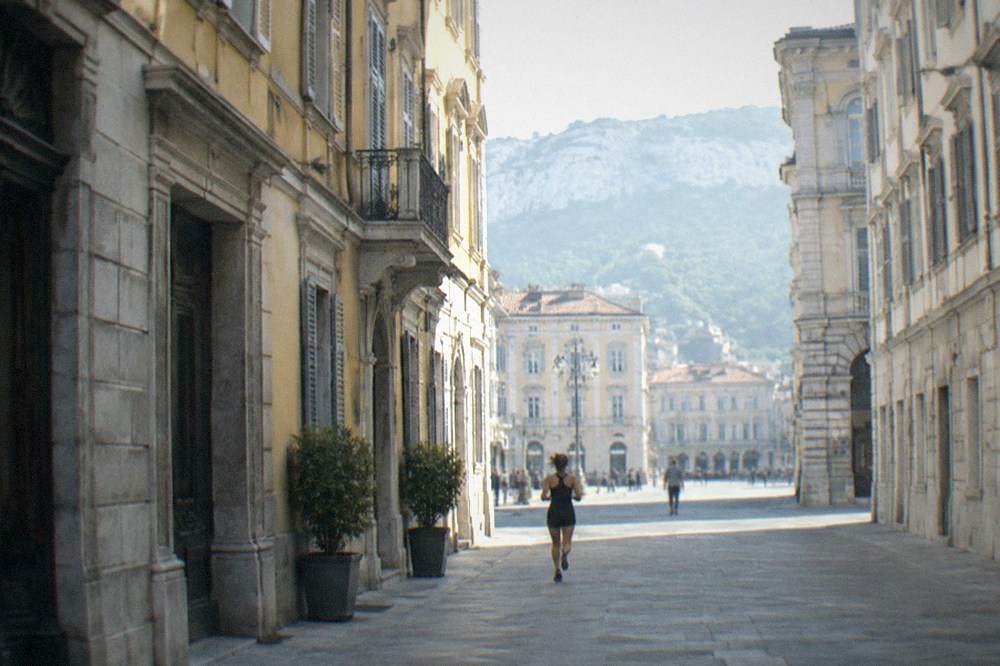
Split a two-day Trieste itinerary by ground, not by theme: day one stays on the flat seafront and canal districts, day two takes the hill and the museums, and together the pair covers Piazza Unità d'Italia, Molo Audace, the Città Vecchia, the cathedral and castle, the Revoltella museum, the Risiera di San Sabba memorial and the historic cafés. The split matters because of closing days: the Revoltella is shut on Tuesdays and San Giusto castle is shut on Mondays from 12 October.
Check which weekdays your dates fall on before fixing the order, because the closing days bite hard. The Museo Revoltella, the city's modern art gallery, charges EUR 8.00 adult and EUR 6.00 reduced, opens daily 10:00-19:00 with last entry at 18:00, and is closed on Tuesdays. The Risiera di San Sabba, the national monument at the former rice-husking complex, is free to enter, open 1 March to 11 October daily 9:00-19:00 and from 12 October daily 9:00-17:00, and requires no booking for individuals. Both are free on the first Sunday of the month, and San Giusto castle is too, plus on 3 November, the patron saint's day.
If a private guide appeals, the related tour on this page is a two-and-a-half hour private walk rated 5 from 115 reviews, priced from $194.89 per group of up to 10 on the operator's live listing, and it compresses the orientation problem of day one into a single led block: Check availability. For a cheaper overview, the audio bus tour runs 1.5 hours from $19.49 per person, rated 4.34 from 2,638 reviews.
| Day | Morning | Afternoon | Evening |
|---|---|---|---|
| Day 1 | Piazza Unità d'Italia, Molo Audace | Città Vecchia, Canal Grande, Sant'Antonio | Historic caffè, seafront walk |
| Day 2 | San Giusto hill: cathedral and castle | Revoltella museum, Risiera di San Sabba | Dinner in the Borgo Teresiano |
What Belongs on Days Three and Beyond in Trieste?
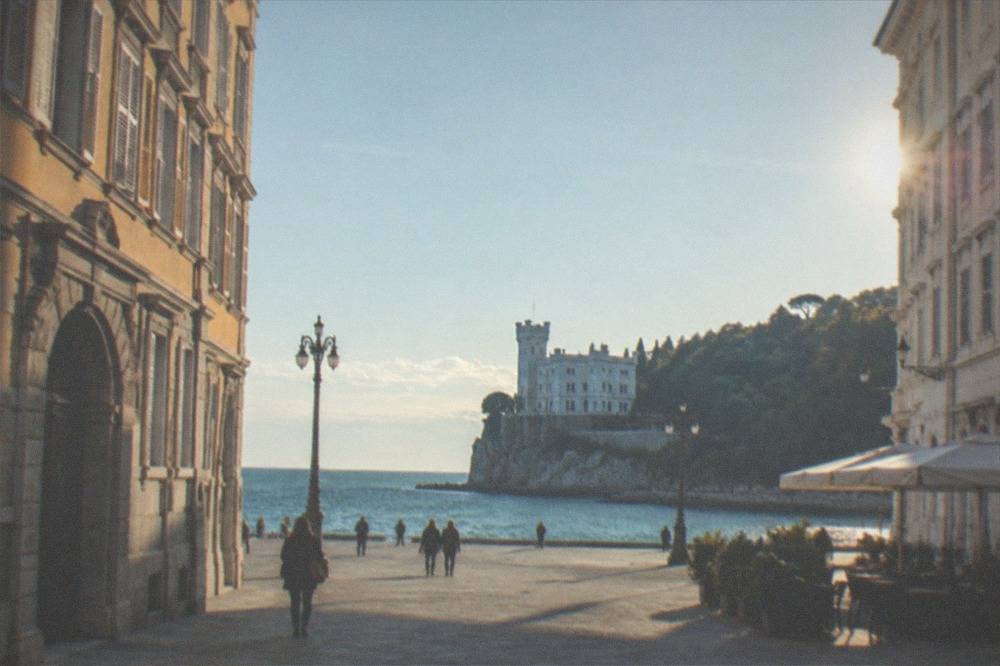
Day three belongs to Miramare Castle at Grignano: the castle costs EUR 17.00 and opens every day 9:00-19:00 with last admission at 18:30, while the park is free all year with seasonal hours, and the castle and park keep different timetables, so check both before you set out. Day four suits the Karst: Grotta Gigante is EUR 15.00, guided-only with compulsory booking and fixed departure times, and day five can be a full cross-border trip to Slovenia or the Postojna caves.
Miramare rewards the full half day. The castle ticket includes the temporary exhibition, and the ministry's visit page recommends optional online booking. The park, which is free, keeps month-by-month hours: 8:00-19:00 from April to September, earlier closing in the winter months. The distinction trips up a lot of plans, because a free park does not mean a late park.
The castle entry product sold on this site bundles the ticket with an audio app and is rated 4.35 from 881 reviews, from $20.64 per person on the operator's live listing. There is also a private castle-and-park tour from $93.42 per group, rated 5 from 62 reviews, covering the apartments of Archduke Maximilian and Charlotte.
For the Karst day, Grotta Gigante's own price list gives departures at 9:00, 10:00, 11:00, 12:00, 14:00, 15:00 and 16:00, roughly an hour each, with booking compulsory by phone or email. From September to February it opens Tuesday to Sunday; from March to August it opens every day. The guided tour product on this site is from $17.20 per person, rated 4.78 from 151 reviews. The wider Karst, its osmize farm outlets and its wines are covered in the osmize of the Carso and Friuli Venezia Giulia wine guides.
Which Day Trips Fit a Trieste Itinerary?
The day trips that fit a Trieste itinerary are Ljubljana and Lake Bled in Slovenia, Piran on the Slovenian coast, Postojna Cave with Predjama Castle, and the Škocjan Caves with the Lipica stud farm, each a five to nine hour round trip departing from the city; all of Slovenia and Croatia use the euro, but Italy is running temporary border checks on the Slovenia land border through 18 December 2026, so carry a passport or national ID card.
The tour roster prices these out clearly. The Ljubljana and Lake Bled full-day trip runs 9 hours from $108.91, rated 4.69 from 544 reviews. A shorter 7-hour version runs from $137.57, rated 4.51 from 277 reviews. The Piran and Slovenian coast tour is 6 hours from $114.64, rated 4.57 from 136 reviews. Postojna Cave and Predjama Castle is 6 hours from $137.57, rated 4.76 from 543 reviews, and the Lipica and Škocjan combination is 6 hours from $129.93, rated 4.86 from 23 reviews.
The border point is the one detail most itineraries published elsewhere get wrong. Croatia joined Schengen and adopted the euro on the same day, 1 January 2023, and Slovenia has been in both since 2007, so no currency change is ever needed. But the European Commission's register of temporary internal border controls currently lists Italian checks on the land borders with Slovenia running from 19 June 2026 to 18 December 2026. The correct advice is to carry ID, and to treat the checks as temporary and dated, not as a standing rule.
| Day trip | Duration | From (per person) | Rating |
|---|---|---|---|
| Ljubljana and Lake Bled | 9 hours | $108.91 | 4.69 from 544 reviews |
| Lake Bled and Ljubljana (short) | 7 hours | $137.57 | 4.51 from 277 reviews |
| Piran and Slovenia coast | 6 hours | $114.64 | 4.57 from 136 reviews |
| Postojna Cave and Predjama Castle | 6 hours | $137.57 | 4.76 from 543 reviews |
| Lipica and Škocjan Caves | 6 hours | $129.93 | 4.86 from 23 reviews |
| Slovenian coast with food and wine | 5h 30m | $137.57 | 4.98 from 50 reviews |
The dedicated planning pages for each of these carry the detail, and for travelling with children the family itinerary adjusts the same core for shorter legs.
How Do You Get Around Trieste While Following an Itinerary?
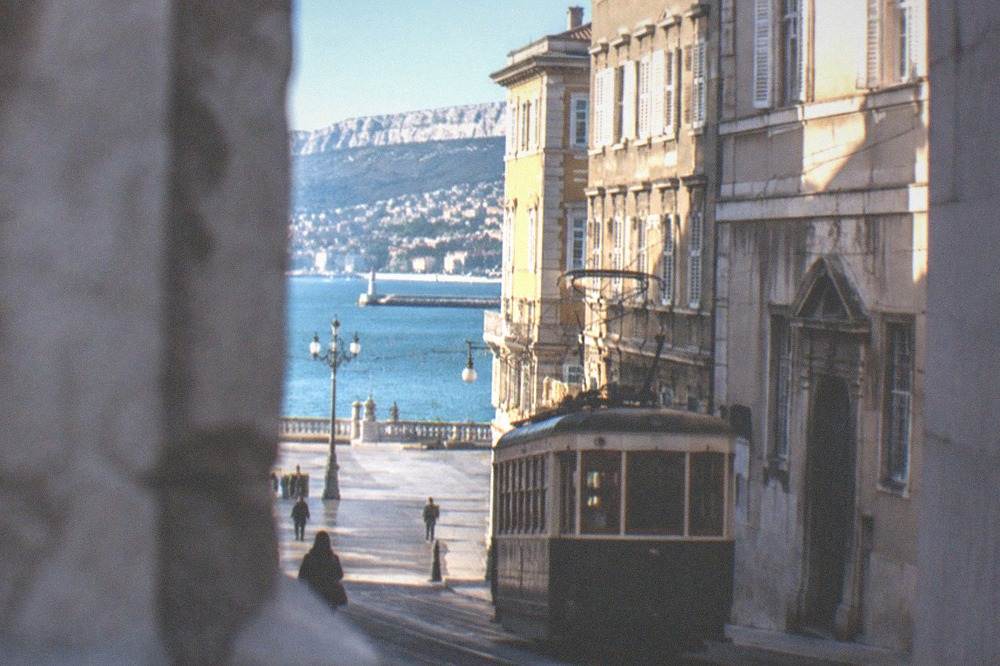
A Trieste itinerary needs almost no transport inside the city: the core is walkable end to end, and the one transit ride worth planning is the Opicina tram, urban line 2, which runs from piazza Dalmazia to Opicina on the Karst and takes a standard urban ticket, EUR 1.50 for a 60-minute single or EUR 3.35 for a day ticket, with contactless cards tap-able on board. The tram is running, reactivated on 1 February 2025, on a timetable dated 20 July 2026.
The 2026 tariff sheet, dated 29 December 2025, lists the full urban fare set: the 60-minute single at EUR 1.50, the 75-minute single at EUR 1.85, the day ticket at EUR 3.35, ten rides at EUR 13.50 and twenty rides at EUR 16.65. Singles are extended to 240 minutes on Sundays and public holidays, and the Eva readers on board accept Mastercard, Visa, American Express and digital wallets, applying the cheapest applicable fare. The same urban ticket covers the tram.
Two corrections to widely published nonsense: the tram's city terminus is piazza Dalmazia, not piazza Oberdan, and any guide telling you the tram is suspended is years out of date. The operator's own line-2 page carries the live status, and that page, not a guide, is what to check on the morning you go.
| Ticket (2026 urban tariff) | Code | Price | Validity |
|---|---|---|---|
| Single | U01 | EUR 1.50 | 60 minutes |
| Single | U02 | EUR 1.85 | 75 minutes |
| Day ticket | U24 | EUR 3.35 | Full day |
| 10 rides | U10 | EUR 13.50 | Carnet |
| 20 rides | U20 | EUR 16.65 | Carnet |
Arrival logistics have their own pages: the airport guide, the cruise port guide and the train station guide cover the common entry routes.
When Is the Best Time to Follow a Trieste Itinerary?
The best months for a Trieste itinerary are April to June and September, when the ARPA station tables show mean highs of 16.8 to 25.8 degrees and 21.2 to 23.9 degrees with modest rainfall; the wettest single month is November at 109.8 mm. July and August are the warmest, with mean highs of 28.2 and 28.1 degrees, and July is the second driest month at 53.8 mm, so the idea of a rainy Trieste summer is simply wrong.
The numbers come from ARPA FVG's OSMER station at Trieste molo Fratelli Bandiera, series 1995-2024. June is the calmest month for wind, which matters here more than in most cities because of the bora, the east-north-easterly that averages 17.6 days a year with a gust over 90 km/h at the molo. October, the Barcolana month, averages 1.4 such days. The month-by-month weather guide, the best time to visit guide and the bora wind guide carry the full breakdown.
| Month | Mean high C | Rain mm | Notes for planning |
|---|---|---|---|
| April | 16.8 | 60.7 | Castle hours at summer timings from 1 April |
| May | 21.7 | 75.0 | Comfortable, busier at weekends |
| June | 25.8 | 62.5 | Calmest wind month of the year |
| July | 28.2 | 53.8 | Second driest month |
| September | 23.9 | 102.3 | Second wettest month, still warm sea |
| October | 19.6 | 88.6 | Barcolana week, 2-11 October 2026 |
| November | 14.7 | 109.8 | Wettest month, castle on winter hours |
What Should You Book Ahead for a Trieste Itinerary?
Book three things ahead for a Trieste itinerary: Grotta Gigante, which is guided-only with compulsory booking and fixed departure times; any private walking tour or day-trip tour, which run on scheduled dates; and Miramare Castle in the Barcolana week and high summer, where the ministry's visit page describes online booking as optional but recommended. Everything else in the city core is either free or bought on the door with no reservation required.
The pattern is consistent across the verified venue pages. The Risiera di San Sabba requires no booking for individuals, only for groups, and then only in the peak March-to-May window. The Revoltella and San Giusto castle both describe online booking as optional. The cathedral needs no ticket at all. The one hard booking in the whole roster is the cave, by phone on the number the venue publishes or by email, and it is worth making before you leave home.
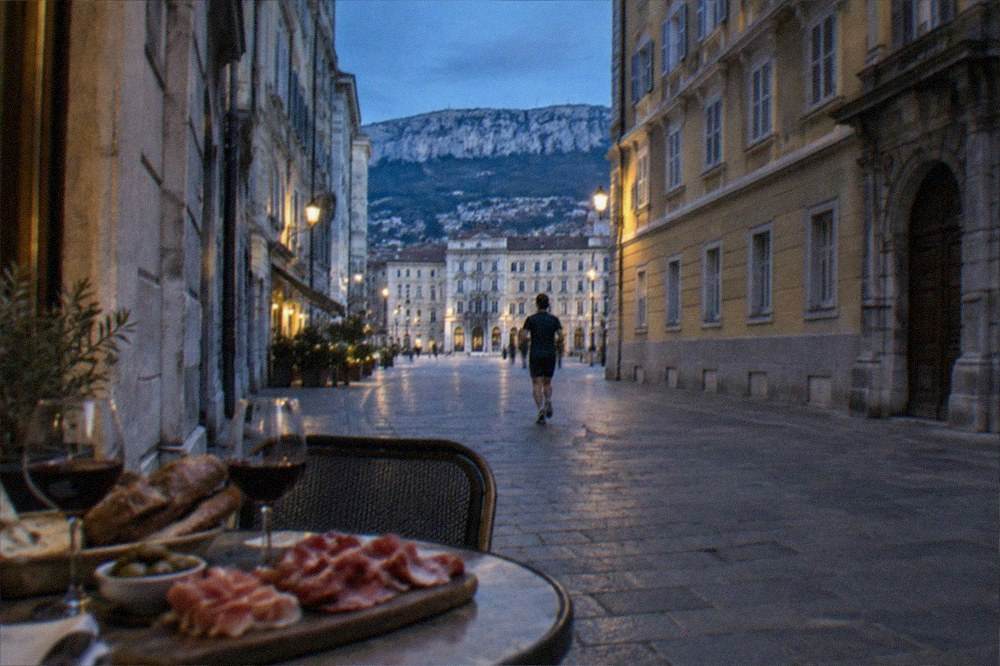
For the guided experiences sold on this site, the food tour is a strong fit for a first evening: it runs 3 hours from $71.08 per person, rated 4.91 from 264 reviews, and doubles as dinner. The what to eat in Trieste guide covers the independent alternative, restaurant by restaurant.
How Much Does a Trieste Itinerary Cost?
A two-day Trieste itinerary costs very little at the door: the paid sites run from EUR 7.00 at San Giusto castle to EUR 17.00 at Miramare, the cathedral, the Risiera di San Sabba, the Roman theatre viewpoint and Miramare's park are all free, and an urban day ticket is EUR 3.35, so the variable costs are meals and accommodation, with the tourist tax at EUR 3.30 per person per night in a four-star property.
The paid core is small. San Giusto castle at EUR 7.00 and the Revoltella at EUR 8.00 are the inexpensive pair; Miramare at EUR 17.00 is the largest single ticket, and a day built on free sights costs nothing at the door. Add the tourist tax, which the Comune's 2026 table sets at EUR 3.30 per person per night in a four-star property and EUR 1.80 in a one-star, charged for a maximum of five consecutive nights, with under-18s exempt. Where to sleep is covered in the where to stay in Trieste guide; the budget angle, including the free-sights strategy, is in the free things to do guide.
| Itinerary item | Verified cost |
|---|---|
| Cattedrale di San Giusto | Free |
| Castello di San Giusto | EUR 7.00 |
| Museo Revoltella | EUR 8.00 |
| Risiera di San Sabba | Free |
| Miramare Castle | EUR 17.00 |
| Miramare park | Free |
| Grotta Gigante | EUR 15.00 |
| Urban day ticket | EUR 3.35 |
| Tourist tax, 4-star, per night | EUR 3.30 |
What Are the Common Itinerary Mistakes in Trieste?
The common Trieste itinerary mistakes are planning the Roman theatre as an entry, promising a bell-tower ticket price that is not published, expecting the Opicina tram from piazza Oberdan, assuming a Slovenia day trip needs no ID, and trusting the coffee-consumption statistics that circulate about the city, which have no primary source: the cathedral is free, the theatre is a street view, the tram leaves from piazza Dalmazia, and the border checks on Slovenia run to 18 December 2026.
Each of these has a verified correction. The bell tower at the cathedral opens 1 April to 30 September daily 9:00-17:30 and in March and October 9:00-12:00 and 14:30-17:00, but the parish publishes no ticket price, so plan the visit, not a cost. The coffee culture is real, historic and worth an afternoon, but no kilogram-per-head figure appears in any primary source from the Chamber of Commerce, the port authority or the roasters, and this site will not print one.
The other trap is seasonal hours. From 12 October the castle closes on Mondays and the Revoltella closes on Tuesdays year-round, so a two-day itinerary landing on the wrong pair of weekdays can find both shut. Check the weekday of arrival before fixing the day order, and see the unusual things to do guide for the filler that turns a blocked day into a good one.
Common Questions About Planning a Trieste Itinerary
How many days do you need in Trieste?
Two days cover the city core and three is comfortable: the third day takes Miramare Castle and the Karst, and a fourth or fifth opens up the Slovenian and cave day trips.
Is one day enough for Trieste?
One day covers the seafront, the Città Vecchia, San Giusto hill and the Canal Grande district on foot. It leaves out the museums, Miramare and all day trips, so it works best as a cruise-day or stopover plan.
What is the best month for a Trieste itinerary?
April to June and September, per the ARPA station tables: warm mean highs, modest rain, and June is the calmest wind month. October adds the Barcolana and November is the wettest month at 109.8 mm.
Do you need to book Trieste attractions in advance?
Only Grotta Gigante, which is guided-only with compulsory booking, and Miramare in peak weeks, where booking is optional but recommended. The city-core sights need no reservation, and the Risiera requires booking only for groups from March to May.
Can you visit Slovenia from a Trieste itinerary?
Yes, as a five to nine hour day trip to Ljubljana, Lake Bled or Piran. Slovenia uses the euro, but carry a passport or national ID card: Italy is running temporary checks on the Slovenia land border through 18 December 2026.
Is Trieste walkable for an itinerary?
The entire city core is walkable, with the only real climb being the slope up to San Giusto hill. The Opicina tram, urban line 2 from piazza Dalmazia, covers the one out-of-centre leg worth taking.
The plan, in short: fix the number of days first, check the weekday against the closing days second, book the cave and the tours third, and let the free seafront carry everything the schedule cannot. That order of operations is what Trieste Travel Guide is built around, and it holds from a single day ashore to a full week on the gulf.