Shopping in Trieste, Italy: What to Buy and Where to Find It
Trieste, Italy, is a Habsburg-era port city whose shopping streets mix Italian tailoring, Mitteleuropean pastry shops and Karst farm produce, and knowing which souvenirs are genuinely local changes what is worth carrying home.
Short answer
Shop the streets between Piazza Unità d'Italia and Piazza della Borsa for fashion and bookshops, buy coffee from the city's roasters, wine from the Carso (Vitovska, Malvasia, Terrano, not Prosecco), and plan around free first-Sunday entry at state museums and the osmize calendar on the Karst.
Trieste, the Adriatic port city in Friuli Venezia Giulia in the northeast corner of Italy, has always been a city of merchants, and its shopping reflects that history more than any guidebook introduction manages to convey. This was the Habsburg Empire's outlet to the sea, a free port whose warehouses, insurers and coffee brokers shaped the streets you will walk between the shops. The result today is a retail landscape unlike anywhere else in Italy: Italian tailoring and design sitting beside Central European bookshops, historic caffè, and a short bus or tram ride out to farms on the Carso that sell their own wine and cured meats from the front gate. This guide, from Trieste Travel Guide, sets out where to shop, what is genuinely local, and what is worth your money.
What Is Trieste Shopping Actually Like?
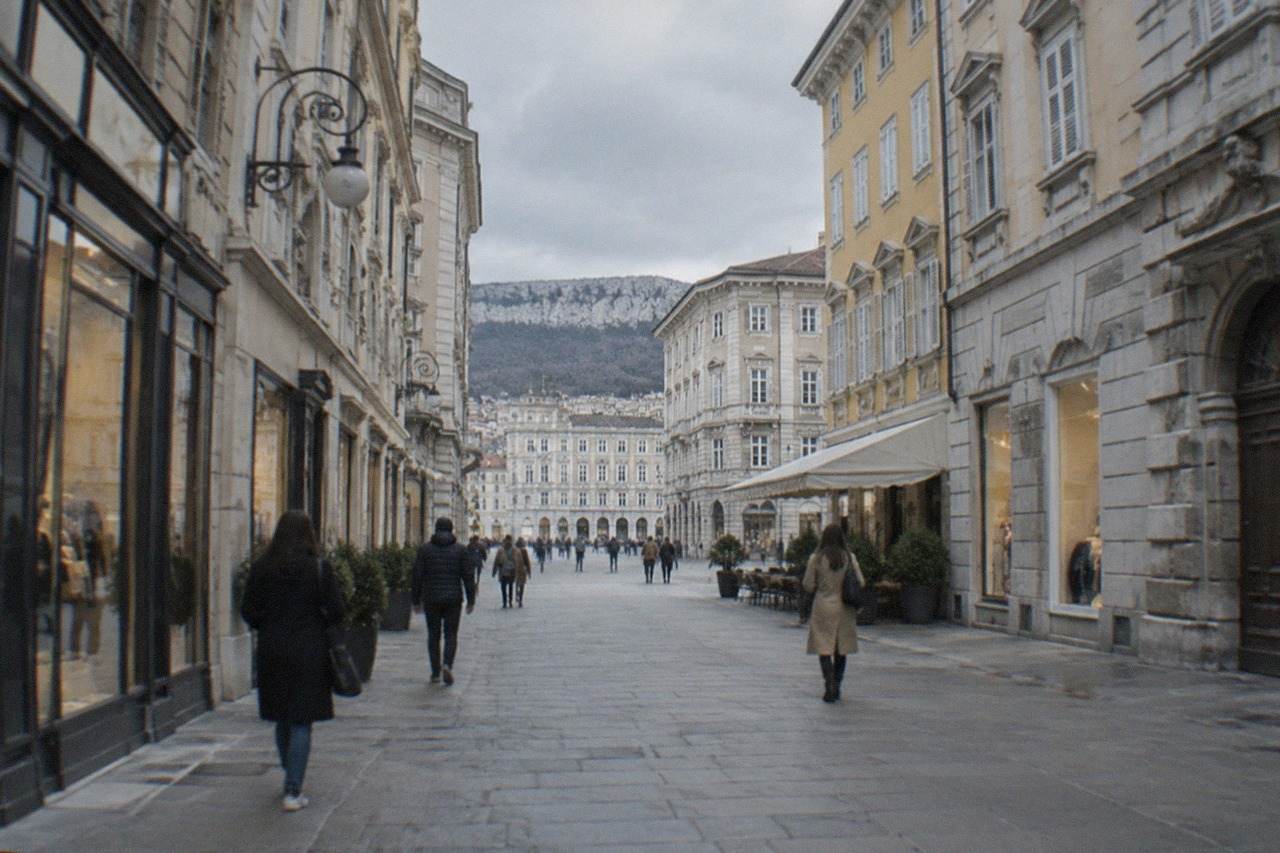
Trieste shopping is compact, elegant and concentrated: most of it happens on foot within a triangle formed by Piazza Unità d'Italia, Piazza della Borsa and the streets of Città Vecchia, mixing Italian and Austrian-influenced retail in a city you can cross in half an hour. There is no giant mall culture here, and the point of the exercise is small shops, historic caffè and covered passages rather than flagship stores.
The city's commercial geography follows its history, which a short history of Trieste explains in full. Under the Habsburgs Trieste was declared a free port, and the wealth that followed built the Borgo Teresiano district, its grid of streets and its arcaded commercial buildings. Retail lined those arcades then and it still does now. What has changed is the merchandise: where coffee brokers and shipping insurers once worked, you now find bookshops, jewellers and the Italian and Slovenian influences that make the city's shops unlike those of Milan or Venice.
Two things surprise first-time visitors. The first is how walkable the whole retail core is; the city's seafront, its two main squares and the old town all sit within a short stroll of one another. The second is how much of the best shopping is not shopping in the conventional sense at all: the osmize, the seasonal farm outlets on the Carso plateau, sell wine and homemade produce direct from the farmhouse, and they are covered in their own section below. A shopping day in Trieste can therefore split in two: a morning of streets and arcades in the centre, and an afternoon in the hills with a glass of Vitovska.
Where Are the Best Shopping Streets in Trieste, Italy?
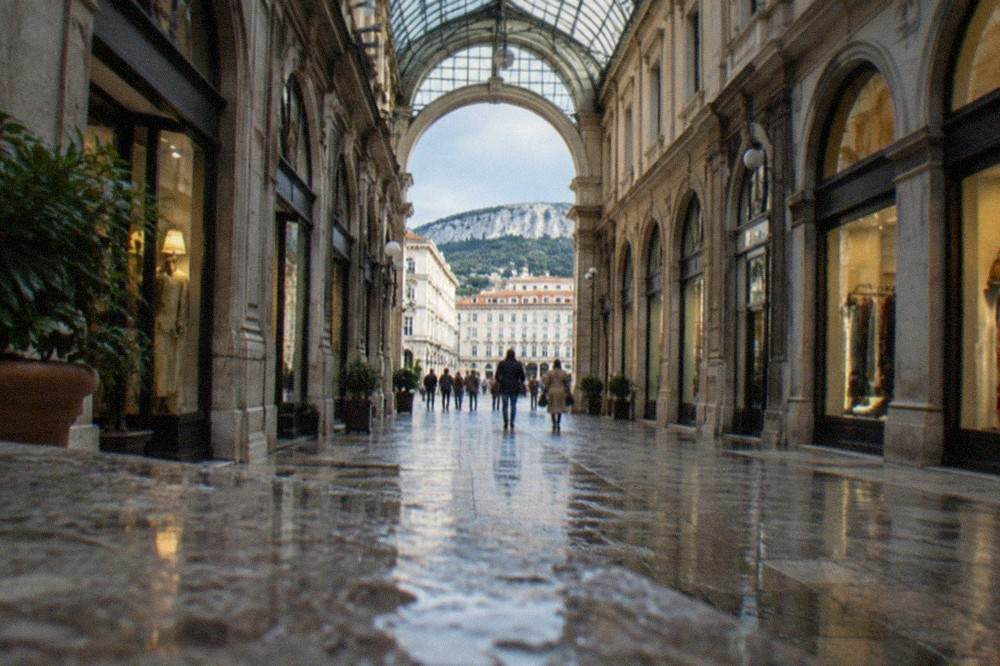
The main shopping streets in Trieste, Italy, run through the Borgo Teresiano grid and along the seafront: Via San Nicolò is the bookshop and boutique spine, the streets around Piazza della Borsa and Piazza Unità d'Italia carry the fashion and jewellers, and Città Vecchia holds the antiques, small galleries and craft shops. Via Carducci and the Corso Italia axis connect them all on foot. Everything sits within the flat central district, so no single street requires a journey.
Via San Nicolò deserves its reputation. Trieste has been a literary city since James Joyce lived and worked in it, and the street's concentration of bookshops, stationers and small publishers is a genuine local institution rather than a tourist gesture. Around the corner, Piazza della Borsa was the commercial heart of the old free port, and the surrounding lanes still carry the densest cluster of independent shops in the centre. From there it is a short walk to Piazza Unità d'Italia, the great seafront square, whose flanking palazzi hold established retailers.
Città Vecchia, the old town on the hill below San Giusto, is where the antiques trade lives, along with workshops and small galleries. The quarter climbs steeply, so wear sensible shoes, but the density of interesting shopfronts per lane is the highest in the city. If your shopping day needs a break, the historic caffè of the centre are themselves part of the retail landscape: the city's coffee culture is covered in our Trieste coffee culture guide, and buying from a historic caffè is shopping and sightseeing in one act.
| Area | What you will find | Character |
|---|---|---|
| Via San Nicolò and the Borgo Teresiano grid | Bookshops, boutiques, stationers, jewellers | Literary, independent, Habsburg-era arcades |
| Piazza della Borsa and surrounding lanes | Fashion, design, specialist retailers | The densest independent shopping in the centre |
| Piazza Unità d'Italia flanks | Established retailers, historic caffè | Grand, seafront, easy to combine with sightseeing |
| Città Vecchia | Antiques, galleries, craft workshops | Steep lanes, old-town atmosphere |
| The Rive and Molo Audace area | Seafront strolling, seasonal stalls, cafés | Relaxed, views across the gulf |
What Souvenirs Are Actually from Trieste?
The souvenirs genuinely from Trieste are its coffee and coffee-house ware, the wines of the Carso (Vitovska, Malvasia and Terrano), osmiza farm produce such as cured meats and cheese, and locally published books reflecting the city's literary identity. Anything labelled Prosecco as a Trieste product is mislabelled: Trieste is not in the Prosecco DOC, and the sparkling wine comes from a different region, though the village of Prosecco sits in the Trieste hills.
Start with the coffee, because Trieste is one of the historic coffee cities of Europe, a port where green coffee has been landed, roasted and traded for well over a century and the headquarters of a major international roaster. Do not expect a per-capita consumption figure here: that claim circulates widely and has no primary source behind it, which is reason enough to skip it. What is verifiable is the culture itself, and our Trieste coffee culture guide covers the caffè, the rituals and the vocabulary. A vacuum pack from a Trieste roaster, bought in the city, is the single most defensible souvenir you can carry home.
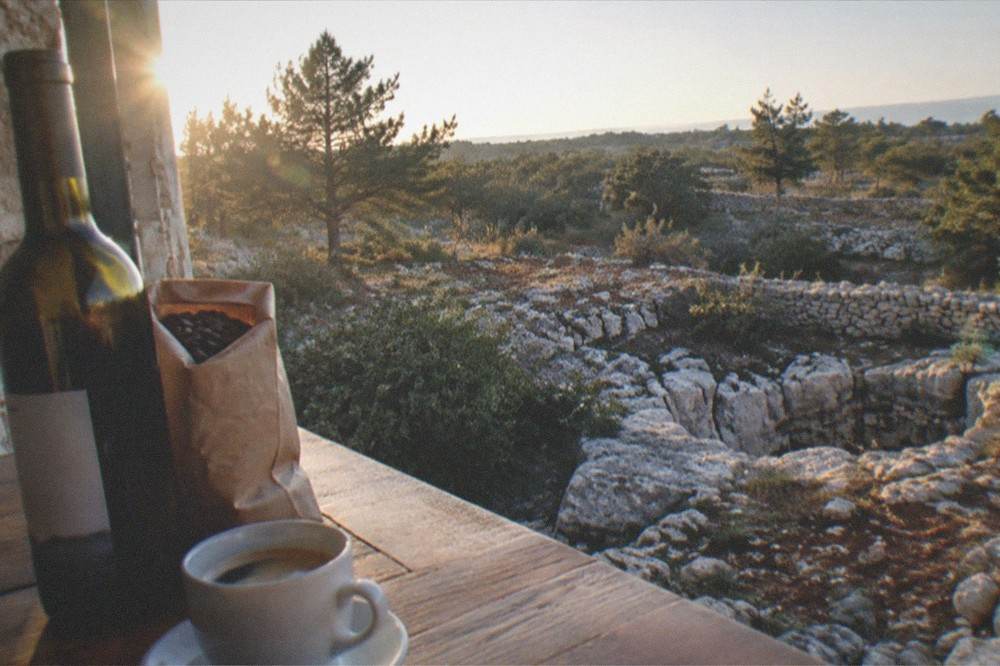
Wine is the second. The Carso plateau behind the city grows Vitovska, Malvasia and Terrano, and these are the local bottles; the Friuli Venezia Giulia wine guide explains the region's denominations in detail. The Prosecco question trips up a lot of visitors, so it is worth being precise: there is a village called Prosecco in the Trieste hills, which is where the wine's name originally came from, but Trieste is not inside the Prosecco DOC production zone. A tasting tour of the origins, such as the Prosecco Origins experience, makes the distinction clear on the ground.
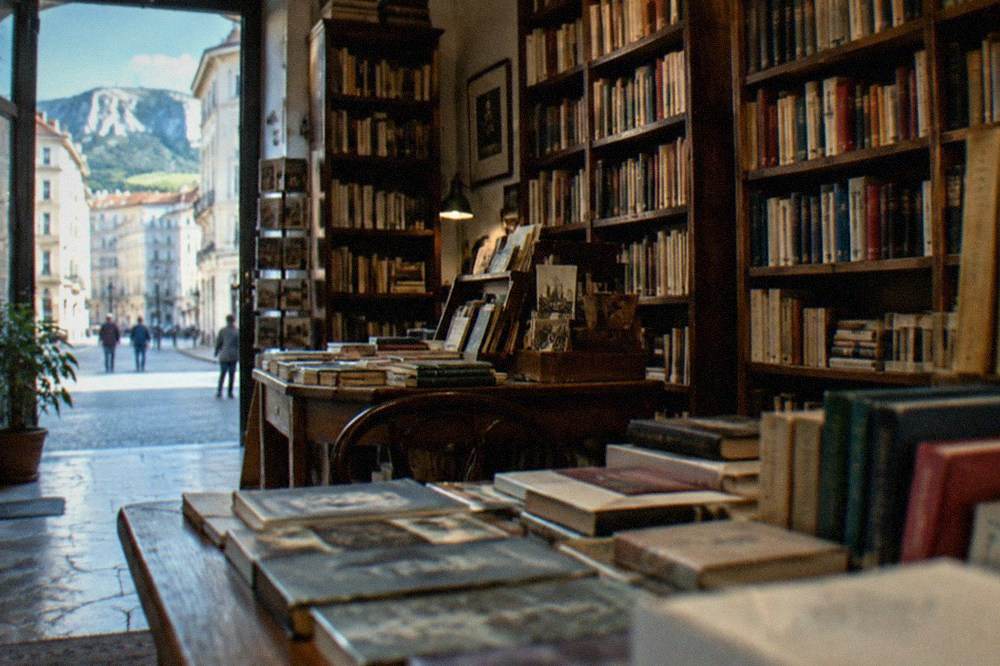
Books come third. A city that kept Joyce for a decade treats its bookshops as civic institutions, and an English-language or Italian title bought on Via San Nicolò is a souvenir with a story attached. Fourth come the osmiza products, covered in full below: a bottle from a farmhouse cellar, with the frasca branch still hanging at the gate, beats any airport gift.
| Souvenir | Why it is genuinely local | Where to buy it |
|---|---|---|
| Coffee from a Trieste roaster | Historic coffee port and roasting centre | Roaster shops and historic caffè in the centre |
| Vitovska, Malvasia or Terrano wine | Grown on the Carso plateau above the city | Wine shops in the centre; osmize on the Carso |
| Osmiza farm produce | Made and sold on the same Karst farms | Osmize, when open, per the osmize.com calendar |
| Books from Via San Nicolò | The city's literary and publishing tradition | Bookshops in the Borgo Teresiano grid |
| Coffee-house cups and caffè ware | Tied to the historic caffè institutions | Historic caffè in the city centre |
Where Do You Eat Between the Shops in Trieste?
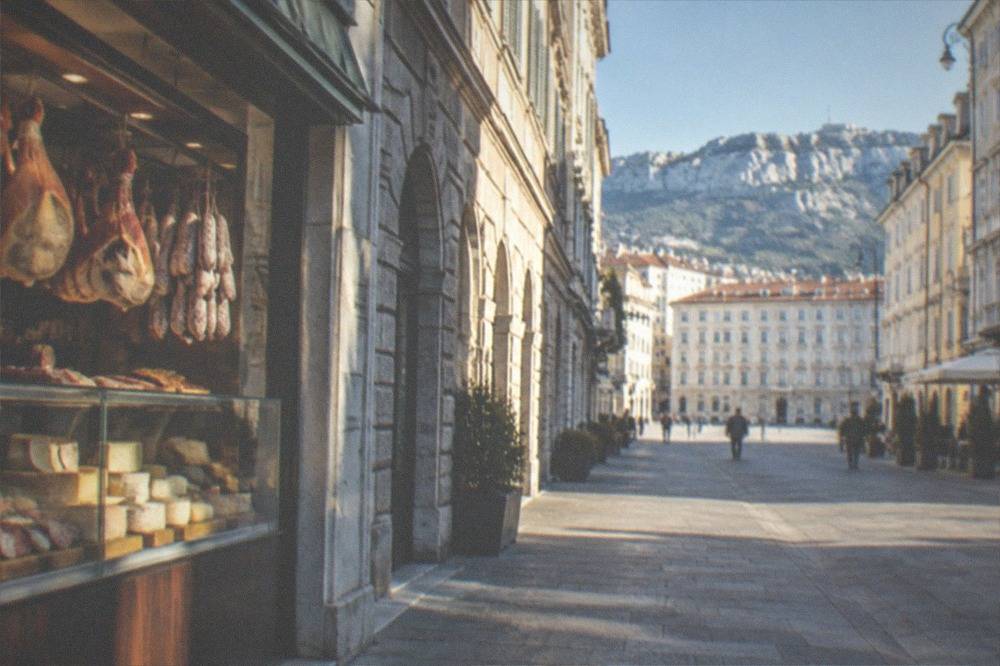
The honest answer is that in Trieste the food is part of the shopping: the buffet restaurants serve jota and goulash, the pastry shops sell the Austrian-influenced cakes the city inherited from the Habsburgs, and the food shops themselves, from delis to the osmize, are where a shopping day feeds itself. A guided foodie walk costs from $71.08 per person and lasts about 3 hours, rated 4.91 from 264 reviews on the operator's live listing, and it routes you through the edible retail in one go.
Trieste's food identity is the most Central European in Italy, a fact our what to eat in Trieste and best restaurants in Trieste guides cover street by street. For a shopper the practical point is that the boundary between buying food and eating it barely exists: the buffet counter where you stop for a bowl of jota sells the ham and the cheese by the gram as well. The Trieste: Guided Foodie Walking Tour covers this landscape with a local guide, from $71.08 per person, and the listing carries a current rating of 4.91 from 264 reviews.
For something quieter, the historic caffè double as retail: you buy the coffee you have just drunk, in beans or ground, at the counter. The Trieste Historic Cafés Experience, a 3-hour coffee-culture walk, is listed from $74.52 per person and rated 4.91 from 19 reviews; check current pricing on the operator's live listing before booking. And if your shopping day is a Saturday, plan lunch early, because the food shops and buffets in the centre are small and fill quickly.
Should You Shop on the Carso or in the City?
You should do both, because they are different purchases: the city gives you fashion, books and coffee, while the Carso plateau above Trieste gives you wine, cured meats and cheese sold direct from the farms that made them, at seasonal osmize signposted by a leafy frasca branch at the gate. The osmize open in limited periods, concentrated in spring and autumn, and the live calendar of which farm is open on which day is published at osmize.com, which is the de facto reference.
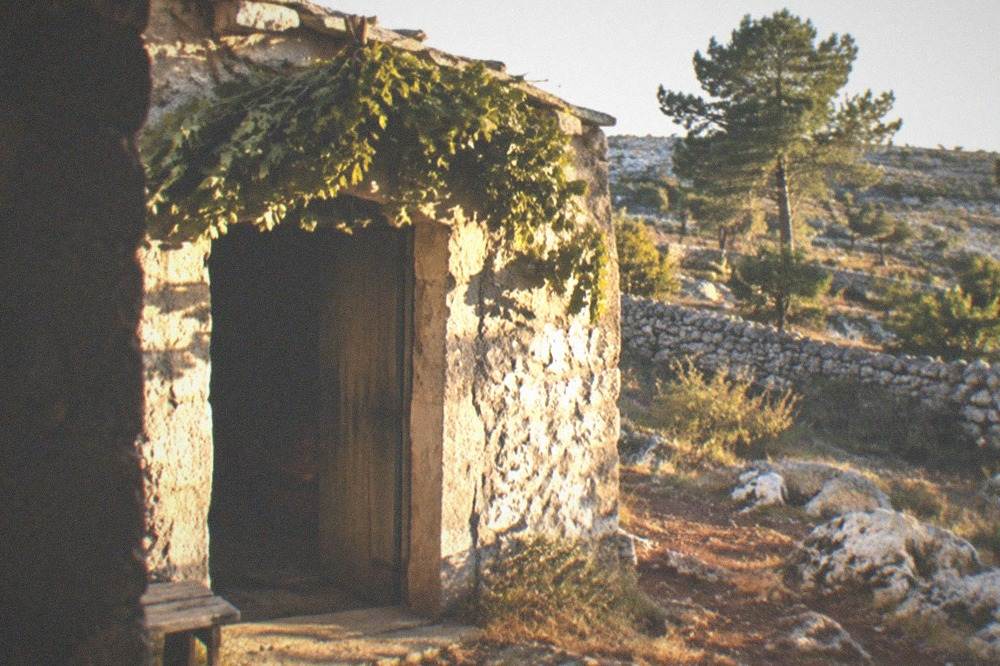
The osmiza is the Trieste Karst's most distinctive retail institution: a farm that, for a limited period, sells its own wine and simple homemade produce directly from the house or cellar. The custom is old and Habsburg-rooted, the name is said to come from the Slovene word for eight, and an open osmiza is signposted by a frasca, a leafy branch hung where you turn in. Our osmize of the Carso guide covers the practicalities, and the one thing to check before you set out is the calendar, because an osmiza is open only on its notified days. The volunteer-run osmize.com site is the listing everyone, locals included, actually uses.
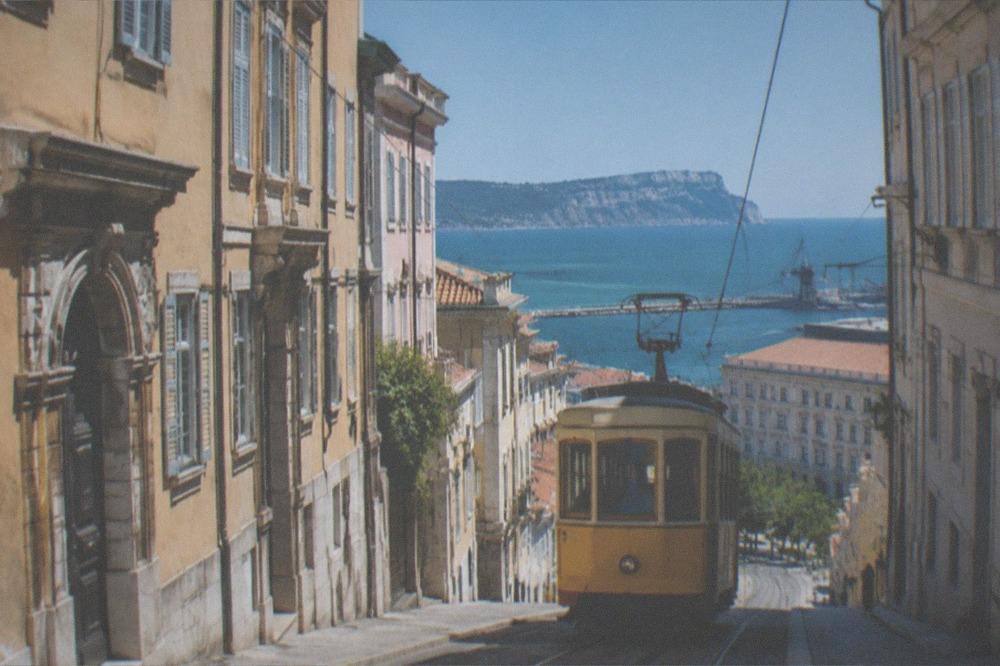
Getting up there is part of the pleasure. The Opicina tram, urban line 2, runs from piazza Dalmazia up to the plateau village of Opicina; it was reactivated on 1 February 2025 after a long suspension, and an ordinary urban ticket is valid on board. Check the operator's live service notices before you travel, because short maintenance suspensions happen and the replacement is a bus. Once on the plateau, the Carso Karst plateau guide maps the wine villages and the walking routes between them.
For wine bought sitting down rather than standing at a farm counter, the city centre has a one-hour tasting option: the Trieste City Center wine tasting with food pairings is listed from $56.18 per person, rated 4.61 from 22 reviews, and it pours the Friuli Alps flavours, wine, olive oil and delicacies included. The 2.5-hour Prosecco Origins tour and tastings, from $68.79 per person and rated 4.93 from 227 reviews, takes the story to the hills where the wine's name began.
| Option | What you get | Listed price | Rating on the listing |
|---|---|---|---|
| City centre wine tasting, 1 hour | Regional wines with olive oil and food pairings | from $56.18 per person | 4.61 from 22 reviews |
| Prosecco Origins tour, 2h 30m | The wine's origin story with tastings | from $68.79 per person | 4.93 from 227 reviews |
| Prosecco Origins Wine Experience | The village that gave the wine its name | from $70.07 per person | 5 from 91 reviews |
| Slovenian coast tour with food and wine | Cross-border coast, food and wine tasting, 5h 30m | from $137.57 per person | 4.98 from 50 reviews |
How Do You Get Around for a Shopping Day in Trieste?
A shopping day in Trieste runs on foot in the centre and on the urban network everywhere else: a 60-minute urban single costs €1.50 and a 75-minute one €1.85, a day ticket is €3.35, and contactless bank cards can be tapped directly on board, where the system applies the cheapest applicable fare. The 2026 tariff sheet from the local operator lists these prices, and tickets bought on the vehicle carry a surcharge, so tap or buy before you board where you can.
The practical detail that matters most is the day ticket. At €3.35 from the official 2026 urban tariff sheet, it pays for itself on a day that mixes the centre, the Carso bus or the tram, and the seafront, and it removes any need to count rides. Singles run 60 or 75 minutes, extended to 240 minutes on Sundays and public holidays, which the tariff sheet also states. Contactless Mastercard, Visa and American Express cards and digital wallets work on the on-board readers.
If you are arriving rather than commuting, the Trieste airport guide, the cruise port guide and the train station and rail connections guide each cover the last leg into town. Cruise passengers in particular can walk straight from the terminal into the central shopping district, which is one of the quiet advantages of this port over the bigger Italian cruise cities. Where to base yourself is covered in where to stay in Trieste, and the central districts put every street in this guide within walking range.
| Ticket | Price (2026 urban tariff) | Validity |
|---|---|---|
| Urban single, 60 minutes | €1.50 | 60 minutes |
| Urban single, 75 minutes | €1.85 | 75 minutes |
| Day ticket | €3.35 | One day, urban network |
| 10 rides | €13.50 | Ten urban journeys |
| 20 rides | €16.65 | Twenty urban journeys |
Which Guided Tours Pair Well with a Shopping Day?
The tours that pair best with shopping in Trieste are the private walking tours that route you through the quarters the shops sit in, the food walks that feed you from the delis, and the Miramare Castle products that combine a retail-adjacent landmark with a fixed-price ticket: a 2.5-hour hidden-gems private walk is listed from $143.30 per person, rated 4.96 from 62 reviews, and the Miramare castle and park entry with the current exhibition is listed at EUR 20.50 per person.
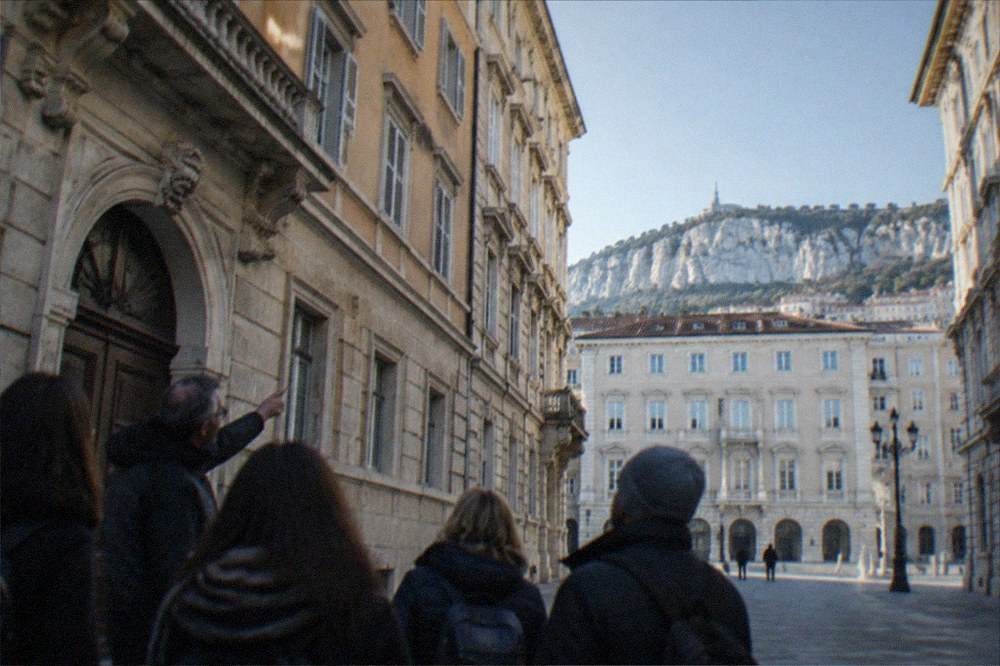
The hidden-gems walk is the natural companion to a shopping day because the hidden gems largely are the retail: the arcades, the passages and the small-quarter shops that a map does not label. The Trieste: City Hidden Gems Private Walking Tour runs 2h 30m with a local guide, from $143.30 per person, and the listing shows a rating of 4.96 from 62 reviews. For a broader sweep, the Best of Trieste private walking tour, from $217.82 per group of up to 10 and rated 4.94 from 31 reviews, covers the modern and ancient landmarks in two hours.
Miramare is the one landmark that belongs in a shopping guide, because the castle shop and the park make an easy half-day out of the city and the ticket is fixed and published. The castle and park entry with the current exhibition is listed at EUR 20.50 per person, rated 4.4 from 146 reviews; the official castle ticket bought directly is €17 for an adult including the exhibition, so compare the two on the day, and remember the park alone is free year-round. Our Miramare Castle guide covers the venue itself.
Between the castle shop and the ride back into town there is time for one more stop, and the plateau villages on the way down hold small producers whose bottles rarely reach a city shelf. That is the pattern worth repeating across a Trieste shopping week: the fixed-price landmarks are pleasant, but the purchases you remember come from the person who made the thing.
If you would rather not pay for a guide at all, the city has free, tip-based walking tours, and honesty requires naming the platform: GuruWalk runs a pay-what-you-want city walk and a free Old Port industrial-archaeology walk, each led by a local guru, and you tip at the end rather than paying a price. Our free walking tours in Trieste guide lists them, along with the self-guided audio options, which start from $4.67 per person on the listing for the scavenger-hunt version.
| Tour | Length | Listed price | Rating on the listing |
|---|---|---|---|
| Hidden gems private walking tour | 2h 30m | from $143.30 per person | 4.96 from 62 reviews |
| Best of Trieste private walking tour | 2 hours | from $217.82 per group up to 10 | 4.94 from 31 reviews |
| Miramare castle and park, exhibition entry | Varies | EUR 20.50 per person | 4.4 from 146 reviews |
| GuruWalk pay-what-you-want city walk | Varies | Free, tip based | 4.86 from 50 reviews |
| Scavenger hunt self-guided walk | 2 hours | from $4.67 per person | 4.6 from 28 reviews |
What Should You Not Bother Buying in Trieste?
Skip the mass-produced souvenirs, any "Trieste Prosecco", unlabelled designer goods and money-changing services, because none of them reflect the city: Trieste is not in the Prosecco DOC, the local bottles are Vitovska, Malvasia and Terrano, and every country within a day trip of the city, Italy, Slovenia and Croatia, uses the euro, so there is nothing to change money for. Prosecco the village is real and worth visiting, but the wine sold as Prosecco comes from a different region entirely.
The money point deserves its own sentence, because it catches out visitors crossing into Slovenia or Croatia: Slovenia has used the euro since 2007, and Croatia adopted the euro and joined Schengen on the same day, 1 January 2023. Any shop or kiosk offering currency exchange for these countries is selling a service nobody needs. The border point matters too: Italy is running temporary checks on its land border with Slovenia through 18 December 2026, so carry ID on a cross-border shopping trip, but do not expect to need a currency exchange either side of it.
The designer-goods point is the standard one for any Italian city: the legitimate retailers are the ones on the streets named above, and anything sold at a suspicious discount from a suitcase or a market stall is not a bargain. Trieste's genuine retail strengths are specific and local, and the shops that hold them, the bookshops, the caffè, the wine merchants, the delis and the osmize, are where the money is well spent. For the free side of the city, which pairs naturally with a shopping budget, see free things to do in Trieste, and for the odd corners that double as gift stops, unusual things to do in Trieste.
Common Questions About Shopping in Trieste
Is shopping in Trieste expensive?
Trieste is broadly in line with other northern Italian cities for fashion and books, and cheaper than Venice for comparable goods. The genuinely local purchases, coffee, Carso wine and osmiza produce, are modestly priced, and a 2026 urban day ticket at €3.35 keeps the transport cost of a shopping day close to zero.
What is Trieste famous for buying?
Coffee above all: Trieste is a historic coffee port and roasting centre, and beans bought from a city roaster are the classic purchase. After that come the Carso wines, Vitovska, Malvasia and Terrano, books from the literary shop streets, and farm produce from the seasonal osmize on the plateau.
Can you buy Prosecco in Trieste?
You can buy Prosecco in Trieste shops, but it is not a Trieste product: the city is not in the Prosecco DOC. There is a village called Prosecco in the Trieste hills that gave the wine its name, and tours of that story exist, but the local bottles to take home are Vitovska, Malvasia and Terrano from the Carso.
What are the shopping streets in Trieste, Italy?
Via San Nicolò is the bookshop and boutique spine, the lanes around Piazza della Borsa hold the densest independent retail, Piazza Unità d'Italia's flanking palazzi carry established shops, and Città Vecchia on the hill is the antiques and craft quarter. All of it sits within the flat, walkable central district.
Do I need cash for the osmize on the Carso?
The osmize are small farm operations selling direct from the house, so carry some cash as a precaution and check whether the farm you plan to visit takes cards. The live calendar at osmize.com lists which farms are open and carries each address, so you can confirm arrangements before setting out.
Do I need ID to shop in Slovenia from Trieste?
Yes, carry a passport or national ID card. All three countries in the area use the euro, so there is no currency step, but Italy is running temporary border checks on its land border with Slovenia through 18 December 2026, and the checks can occur on that crossing.
A shopping day in Trieste, Italy, ends up being less about bags and more about the city itself: the arcades a free port built, the caffè a coffee trade sustained, and the farm gates on the Carso that still hang a frasca branch over their own wine. Buy the coffee, drink a glass of Vitovska where it was grown, and the retail takes care of itself.